
Pheidole polymorpha
- Sci. Name
- Pheidole polymorpha
- Tribe
- Attini
- Subfamily
- Myrmicinae
- Author
- Wilson, 2003
- Distribution
- Found in 1 countries
Introduction
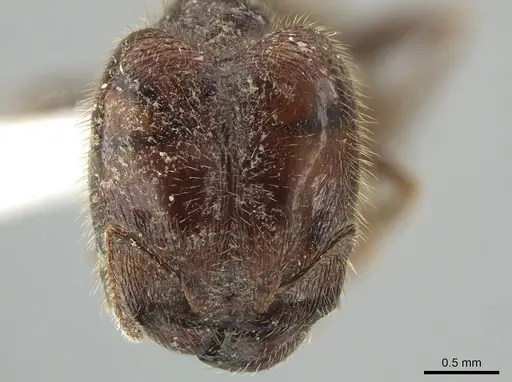
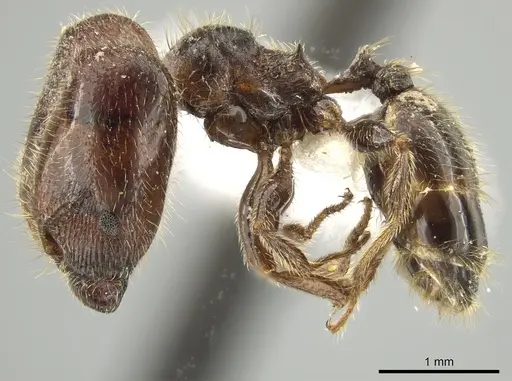
Pheidole polymorpha is a species native to central Mexico, found in upland desert habitats in states like Puebla, Estado México, Hidalgo, Tlaxcala, and Sonora . It belongs to the pilifera complex and is one of five trimorphic Pheidole species, producing minor, major, and supermajor worker castes . Body size data is unavailable, but the species is a seed harvester . This species is known for its trimorphic colony structure, with supermajor workers representing an extreme development. Field collectors have described it as a robust version of similar species .
Quick Summary
- Difficulty: Medium
- Origin & Habitat: Native to central Mexican highlands, upland desert habitats at the Nearctic-Neotropical interface [1][2][3].
- Colony Type: Likely monogyne (single queen) based on typical Pheidole patterns, producing three worker castes: minor, major, and supermajor [4].
- Size & Growth:
- Queen: Size data unavailable, inferred from Pheidole genus as approximately 6-9mm.
- Worker: Size data unavailable, castes vary with majors larger than minors.
- Colony: Unknown, estimated several hundred workers based on typical Pheidole patterns.
- Growth: Moderate, inferred from genus patterns.
- Development: Estimated 6-8 weeks at optimal temperature, based on typical Pheidole development. (Development time is inferred from related species, specific data for P. polymorpha is not available.)
- Antkeeping:
- Temperature: Keep at 22-26°C with a temperature gradient, as inferred from their desert habitat.
- Humidity: Provide a humidity gradient, mostly dry nest chamber with one small moist area, as they are adapted to dry conditions [3].
- Diapause: Likely required for 2-3 months at 10-15°C during winter, based on genus patterns.
- Nesting: Use Y-tong (AAC), plaster, or soil nests. Avoid acrylic nests. Provide chambers of varying sizes for different castes.
- Behavior: Generally docile, but major workers may defend the colony. Minor workers are small (under 1mm) so escape risk is moderate, ensure secure barriers. They are seed harvesters and will store seeds.
- Common Issues: slow colony growth can frustrate beginners, Pheidole colonies take time to develop major populations., desert species are sensitive to overwatering, too much humidity causes mold and colony decline., small minor workers can escape through standard barriers, use fine mesh and tight-fitting lids., tricolonial polymorphism requires time to develop, supermajors may not appear until the colony is well-established., wild-caught colonies may carry parasites that can devastate captive populations.
Housing and Nest Setup
Pheidole polymorpha can be housed in standard ant keeping setups. For founding colonies, a simple test tube setup works well, fill a test tube one-third with water, plug with cotton, and place the queen in the tube. The queen will seal herself into a claustral chamber and remain there until her first workers emerge. Once the colony reaches 20-30 workers, you can transition to a Y-tong (AAC) nest or a naturalistic setup.
The nest should have chambers sized appropriately for this species. Minor workers are tiny but majors are substantially larger, so provide a range of tunnel widths. Avoid very tall or open spaces, these desert ants prefer snug, enclosed chambers. A small outworld for foraging allows you to observe their seed-harvesting behavior. Ensure all connections between nest and outworld have secure barriers since minor workers are small enough to escape through gaps. [2][4]
Feeding and Diet
As a confirmed seed harvester, Pheidole polymorpha collects and stores seeds as their primary food source [4]. In captivity, offer a variety of seeds, millet, chia, flax, and small bird seed mixes work well. Major workers specialize in seed processing, using their powerful mandibles to crack seeds open.
Supplement their diet with protein sources. Offer small insects like fruit flies, small mealworms, or cricket pieces twice weekly. Remove uneaten protein within 24 hours to prevent mold. Sugar water or honey can be offered occasionally, though seed harvesters typically rely more on seeds than sugar. Fresh water should always be available.
Temperature and Seasonal Care
Keep your colony at 22-26°C for optimal development. Being from Mexican upland deserts, they prefer warm conditions but can tolerate some variation. A heating cable on one side of the nest creates a temperature gradient that allows workers to regulate their own conditions by moving between warmer and cooler areas.
Most Mexican Pheidole species benefit from a winter diapause period. During winter (roughly November through February), reduce temperatures to 10-15°C and reduce feeding. This mimics their natural seasonal cycle and helps maintain colony health long-term. Do not feed during diapause, the colony will be largely inactive. Resume normal temperatures and feeding in spring. [1]
Colony Development and Polymorphism
Pheidole polymorpha has a trimorphic colony structure, the colony produces three distinct worker castes: minor workers (the smallest and most numerous), major workers (larger with specialized mandibles for seed processing), and supermajor workers (the rarest and largest caste) [4].
The supermajor caste represents an extreme development rarely seen in ants. These massive workers likely specialize in particularly tough seeds or colony defense. However, supermajors may not appear until the colony is well-established with 100+ workers. Be patient, the development of the full caste system takes time.
Frequently Asked Questions
How long does it take for Pheidole polymorpha to produce first workers?
Expect first workers (nanitics) around 6-8 weeks after the queen lays eggs, assuming temperatures around 24°C. This is typical for Pheidole species. The queen will remain sealed in her chamber until the first workers emerge, at which point they will break out to begin foraging.
Are Pheidole polymorpha good for beginners?
This species is rated as medium difficulty. While not the hardest species, they require patience, colony growth is slow, and the full trimorphic caste system takes time to develop. They are less forgiving of husbandry mistakes than some hardy species like Lasius. However, their polymorphism and seed-harvesting behavior make them rewarding for intermediate keepers.
What do I feed Pheidole polymorpha?
Offer a mix of small seeds (millet, chia, bird seed) as their primary food, plus protein sources like fruit flies, small mealworms, or cricket pieces twice weekly. Remove uneaten protein promptly. Occasional honey or sugar water can be offered but is not required [4].
Can I keep multiple queens together?
Pheidole polymorpha is likely monogyne (single queen) based on typical genus patterns. Unlike some Pheidole species that can be polygynous, it is best to keep only one queen per colony. Multiple unrelated queens will likely fight.
Do they need hibernation?
Yes, a mild winter diapause is recommended. Reduce temperatures to 10-15°C for 2-3 months during winter (roughly November-February) and stop feeding. This mimics their natural cycle in the Mexican highlands and helps maintain long-term colony health.
When should I move them to a formicarium?
Keep founding colonies in a test tube until you have 20-30 workers. At this point, they benefit from moving to a Y-tong (AAC) or naturalistic setup with proper foraging space. Moving too early can stress the colony.
Why aren't my supermajor workers appearing?
Supermajor workers are the rarest caste and typically only appear in well-established colonies with 100+ workers. Be patient, it can take a year or more for the colony to reach this size. Ensure the colony is healthy with good nutrition to encourage full caste development [4].
How big do colonies get?
Maximum colony size is not documented for this species, but based on typical Pheidole patterns, expect several hundred workers. The trimorphic structure means fewer majors and supermajors compared to minors.
Are they escape artists?
Minor workers are very small so they can squeeze through small gaps. Use fine mesh barriers and ensure all lids fit tightly. However, they are not as prone to escaping as truly tiny species like Solenopsis [2].
Report an Issue
The current care sheet is based fully on literature. See inconsistencies, or something that's incorrect? Please , it will be resolved after review from an admin. Contributing to the blogs tab also helps providing information, to make us be able to further improve the caresheets. Thank you for your support!
References

This caresheet is licensed under CC BY-SA 4.0 .
Community Blogs
JTLC000010806
View on AntWeb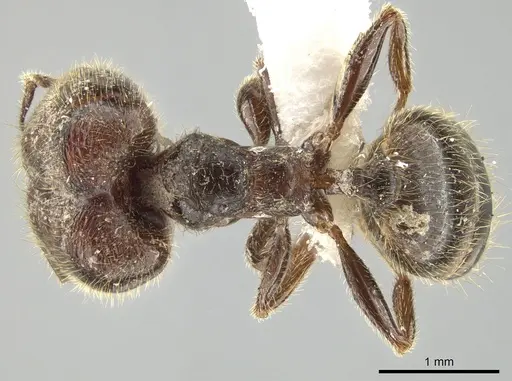
Literature
Loading distribution map...Loading products...