
Pheidole plinii
- Sci. Name
- Pheidole plinii
- Tribe
- Attini
- Subfamily
- Myrmicinae
- Author
- Forel, 1911
- Distribution
- Found in 1 countries
Introduction
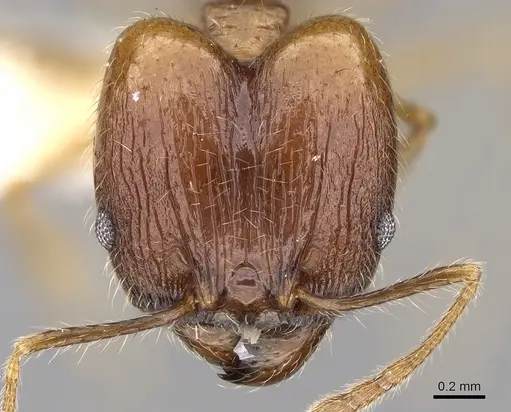
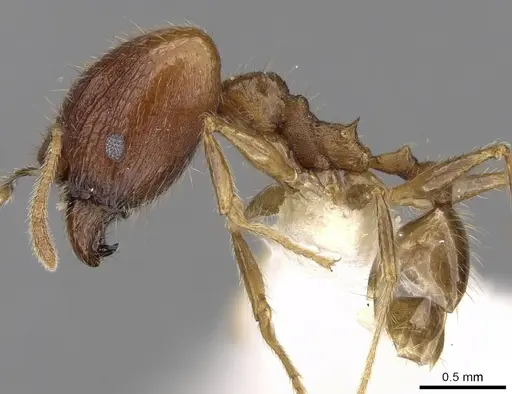
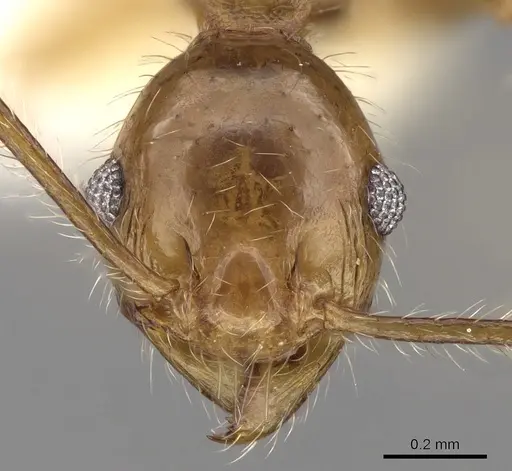
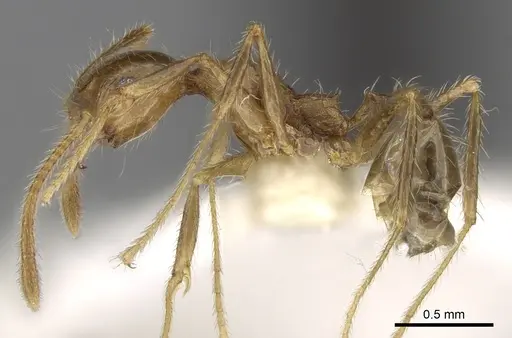
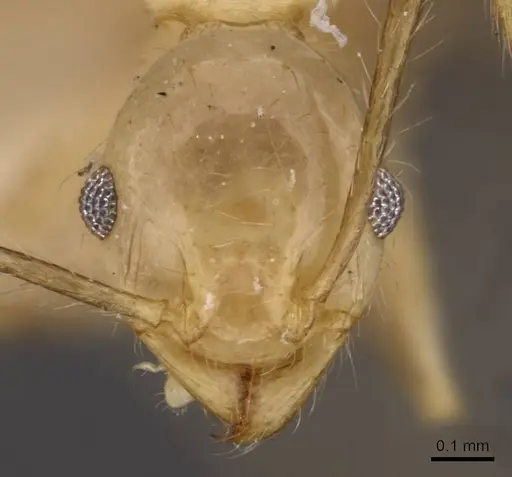
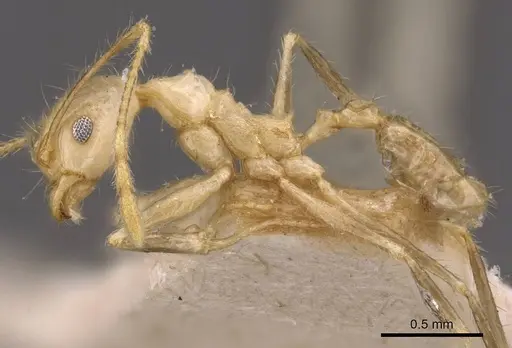
Pheidole plinii is a small myrmicine ant native to Southeast Asia, found across Borneo, Brunei, Indonesia, Malaysia, the Philippines, and Singapore . Like all Pheidole species, they have two worker castes: major workers with enlarged heads for seed-processing and defense, and minor workers that handle foraging and brood care. Majors measure 2.5-3.2 mm, minors 1.9-2.2 mm . Their body is yellowish-brown to light brown with a smooth appearance . This species inhabits lowland forests and has been collected in the canopy of dipterocarp forests , and is also found in rubber plantations . This species shows adaptability to human-modified landscapes like rubber plantations, making it accessible for antkeepers interested in Southeast Asian Pheidole .
Quick Summary
- Difficulty: Easy
- Origin & Habitat: Southeast Asia, Borneo, Brunei, Indonesia, Malaysia, Philippines, and Singapore. Inhabits lowland forests and has been collected in the canopy [1], and is found in rubber plantations in southern Thailand [4][5].
- Colony Type: Based on Pheidole genus patterns, typically single-queen colonies.
- Size & Growth:
- Queen: Size data unavailable
- Worker: Major: 2.5-3.2 mm, Minor: 1.9-2.2 mm [3]
- Colony: Up to several hundred workers, estimated
- Growth: Moderate
- Development: Estimated 5-7 weeks at optimal temperatures, inferred from tropical Pheidole patterns (Development time depends on temperature and colony conditions)
- Antkeeping:
- Temperature: Keep warm, around 24-28°C, based on lowland forest habitat [1].
- Humidity: Keep humidity moderate to high, as in natural habitat [1].
- Diapause: No, this is a tropical species that does not require hibernation.
- Nesting: Y-tong (AAC), plaster, or naturalistic setups with soil, inferred from genus patterns.
- Behavior: Pheidole plinii is generally peaceful and not aggressive toward keepers. Majors use their enlarged heads for defense, while minors handle daily tasks. Escape risk is high due to small minor workers (under 2.2 mm), so use fine mesh barriers.
- Common Issues: escape prevention is critical due to small minor workers, use fine mesh and check for gaps regularly [3], tropical species will decline if temperatures drop below 22°C, keep warm year-round [1], colonies may struggle in dry conditions, monitor humidity and provide moisture sources, major workers develop slowly, early broods may be all minors, sensitive to pesticides, use organic food sources
Housing and Setup
For founding colonies, use a standard test tube setup with water and cotton. Once workers emerge, move to a formicarium like Y-tong (AAC) or plaster nests. Because minors are small (1.9-2.2 mm), use fine mesh barriers to prevent escapes [3]. Naturalistic setups with soil and leaf litter mimic their forest habitat.
Feeding and Diet
Pheidole plinii is omnivorous. Offer protein sources like small insects twice weekly and sugar sources like honey water. Given their presence in rubber plantations [4], use pesticide-free food. Remove uneaten prey to prevent mold.
Temperature and Seasonal Care
Maintain temperatures around 24-28°C based on their lowland forest habitat [1]. Avoid temperatures below 22°C. No diapause needed for this tropical species.
Colony Development
Queens seal themselves in during founding and raise first brood on stored reserves. First workers are minors, majors appear as the colony grows. Colony growth is moderate, reaching up to several hundred workers.
Behavior and Observation
Minors handle foraging and brood care, majors defend the colony. They are not aggressive but may bite if threatened. Provide enrichment like leaf litter for natural behavior.
Frequently Asked Questions
How long does it take for Pheidole plinii to produce first workers?
Expect first workers in 5-7 weeks at optimal temperatures of 25-28°C, inferred from tropical Pheidole patterns.
Can I keep multiple Pheidole plinii queens together?
No, this species is typically monogyne (single-queen). Combining queens may lead to fighting.
What do Pheidole plinii ants eat?
They are omnivorous. Offer small insects and sugar sources like honey water. Remove uneaten prey after 24 hours.
Do Pheidole plinii ants need hibernation?
No, they are tropical ants and do not require diapause. Keep them warm year-round [1].
Are Pheidole plinii good for beginners?
Yes, they are considered easy to keep, but escape prevention is crucial due to their small size.
When should I move my colony to a formicarium?
Move them once the colony reaches 20-30 workers. Test tubes work for founding, Y-tong nests are suitable for larger colonies.
How big do Pheidole plinii colonies get?
Colonies likely reach up to several hundred workers, based on related species estimates.
Why aren't my major workers developing?
Major workers typically appear once the colony matures and reaches a certain size. Early broods are often all minors.
What's the best nest type for Pheidole plinii?
Y-tong (AAC) nests work well, providing appropriately sized chambers. Plaster or naturalistic setups are also suitable.
Report an Issue
The current care sheet is based fully on literature. See inconsistencies, or something that's incorrect? Please , it will be resolved after review from an admin. Contributing to the blogs tab also helps providing information, to make us be able to further improve the caresheets. Thank you for your support!
References

This caresheet is licensed under CC BY-SA 4.0 .
Community Blogs
CASENT0281663
View on AntWeb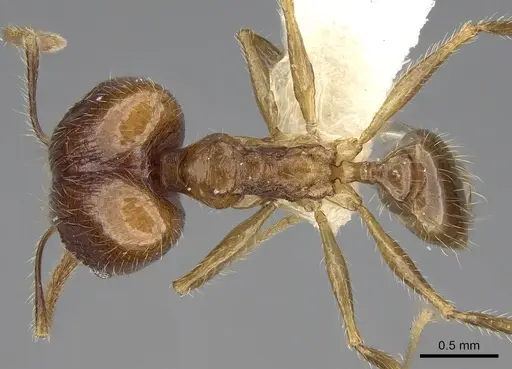
CASENT0281664
View on AntWeb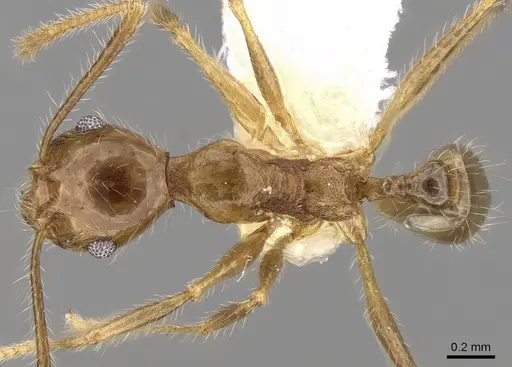
CASENT0904258
View on AntWeb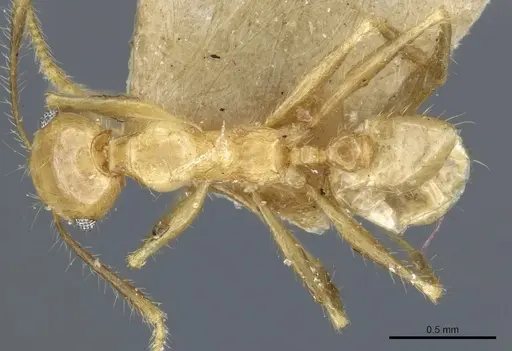
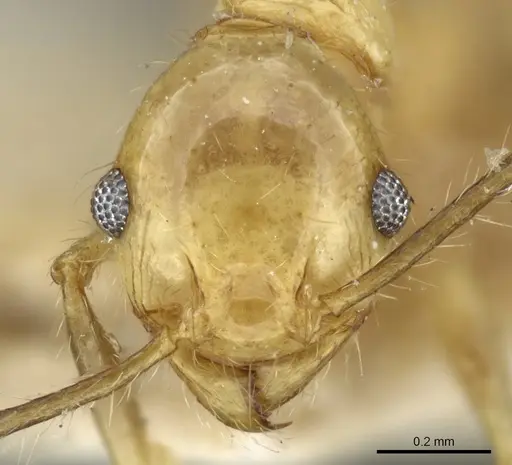
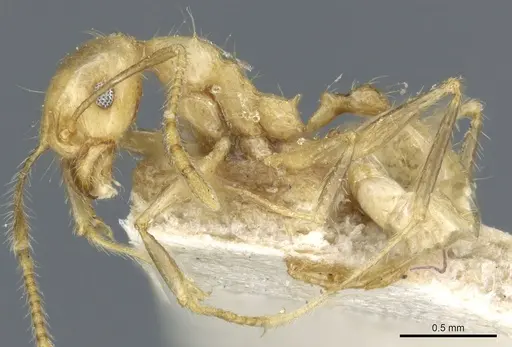
CASENT0907938
View on AntWeb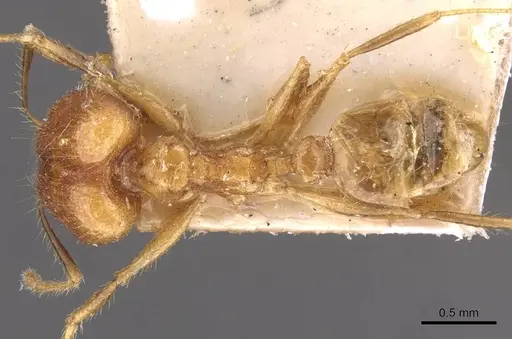
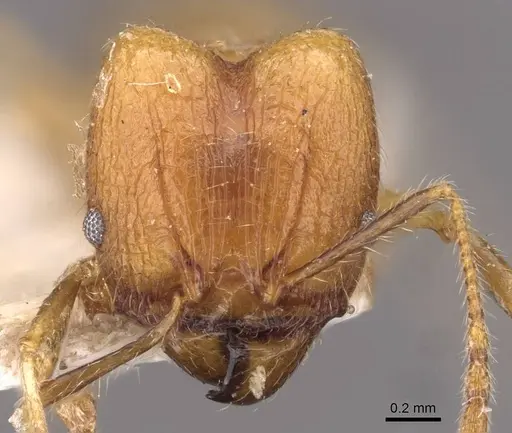
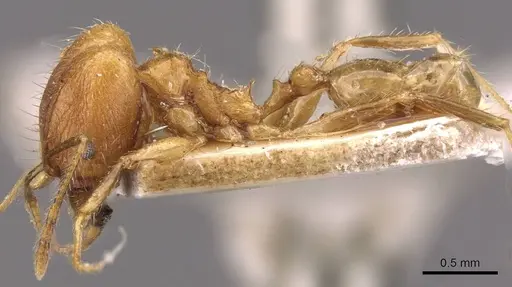
CASENT0907939
View on AntWeb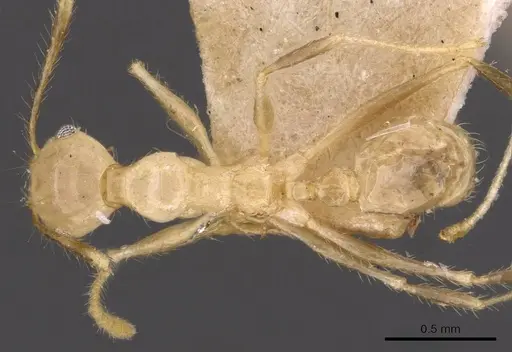
Literature
Loading distribution map...Loading products...