Pheidole pilifera shows a June to August flight window. Peak activity occurs in July, with nuptial flights distributed across 3 months.
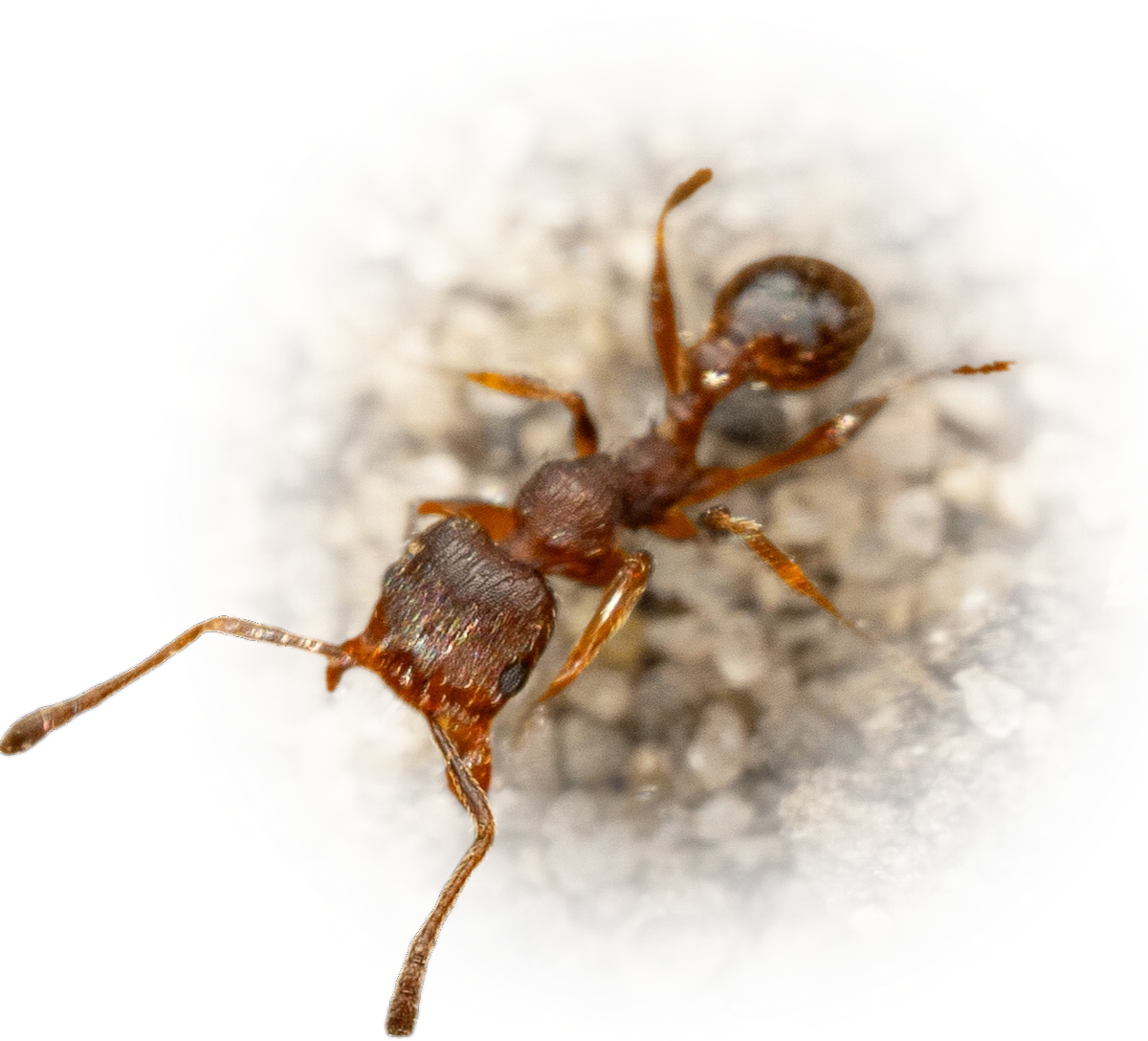
Hairy Big-headed Ant
Pheidole pilifera
- Sci. Name
- Pheidole pilifera
- Tribe
- Attini
- Subfamily
- Myrmicinae
- Author
- Roger, 1863
- Common Name
- Hairy Big-headed Ant
- Distribution
- Found in 2 countries
- Nuptial Flight
- From June to August
- Peak flight Time
- 21:00
AI Identifiable
try →
Introduction
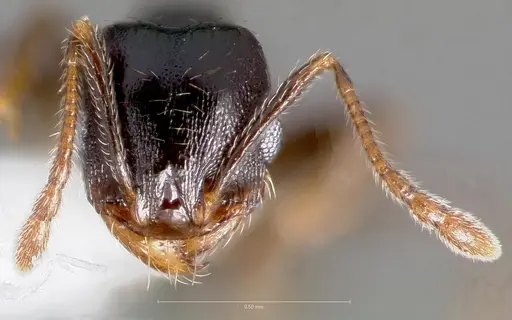
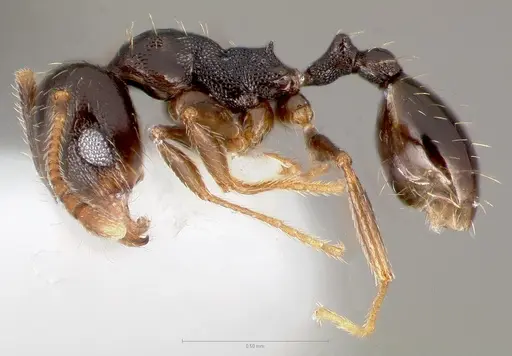
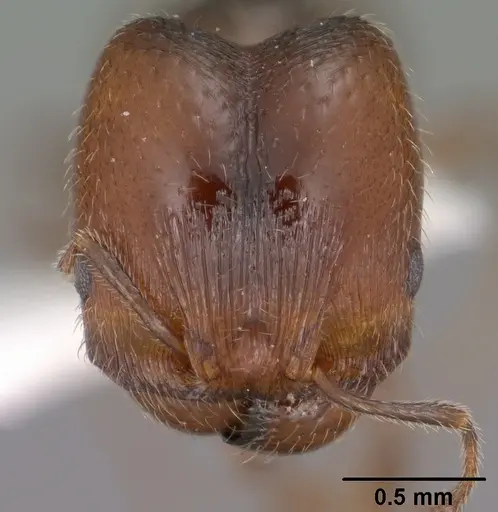
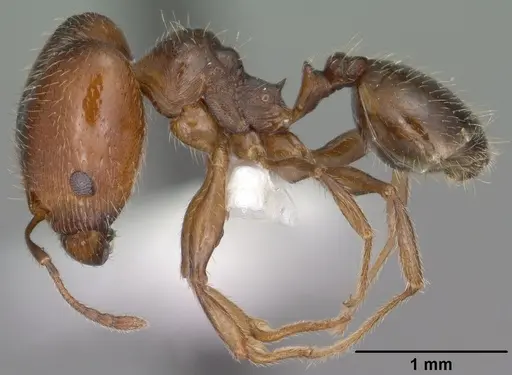
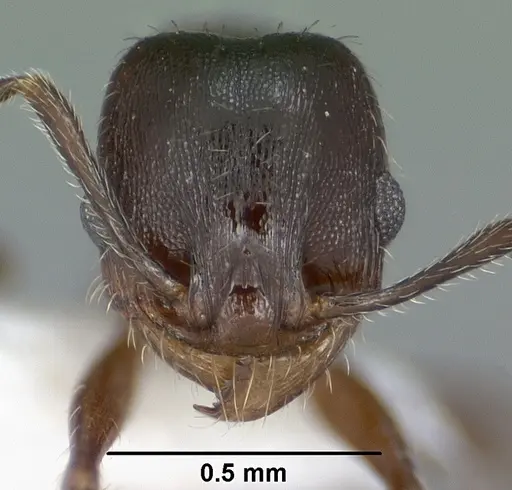
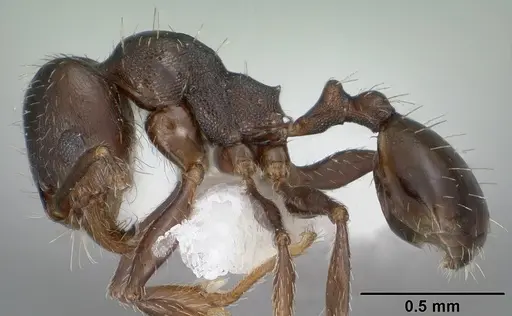
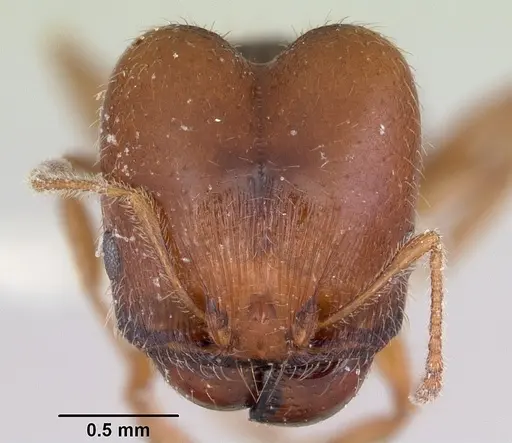
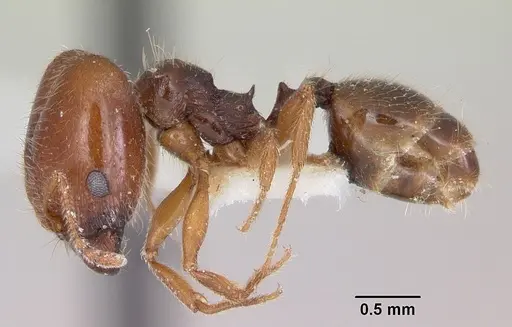
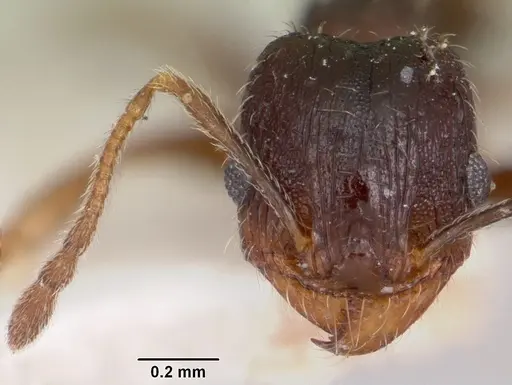
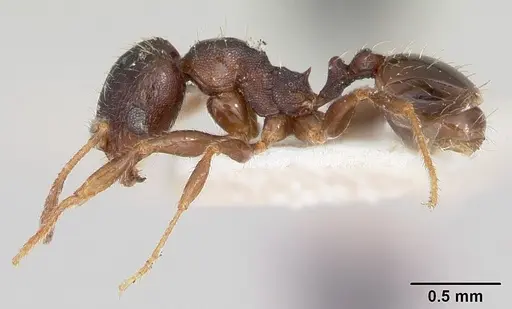
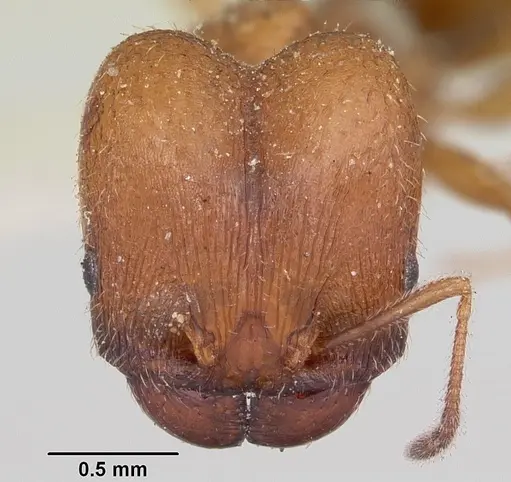
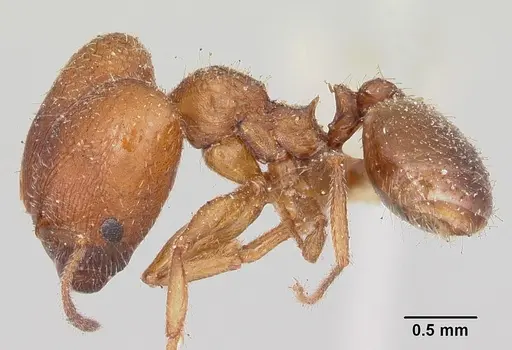
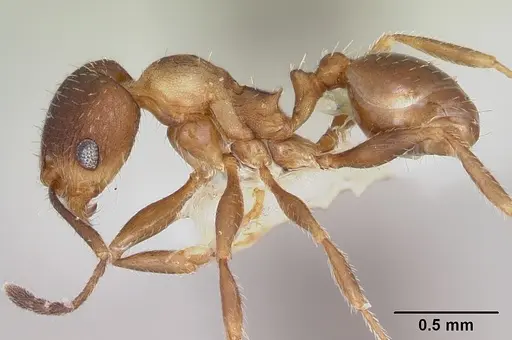
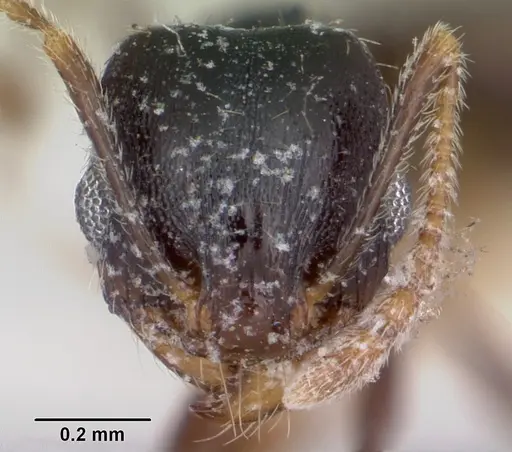
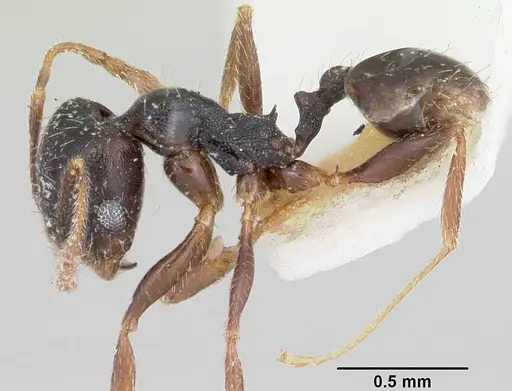
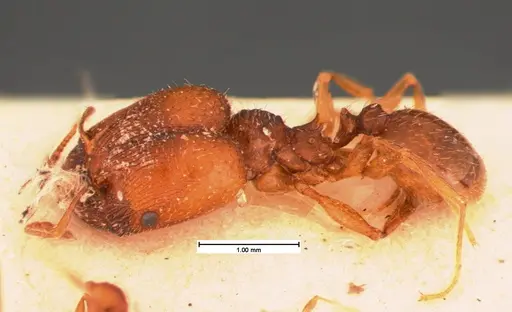
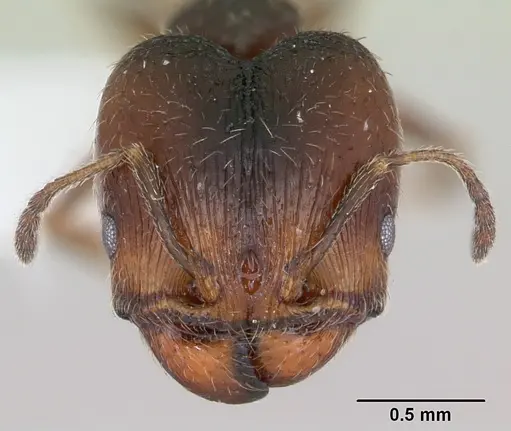
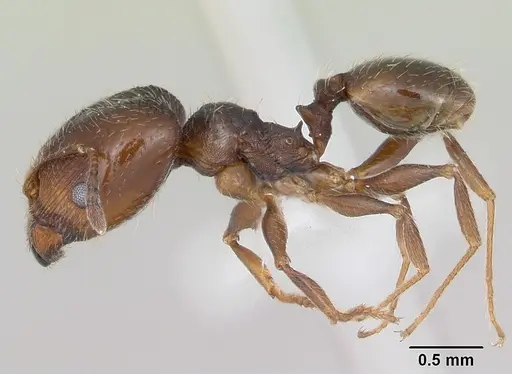
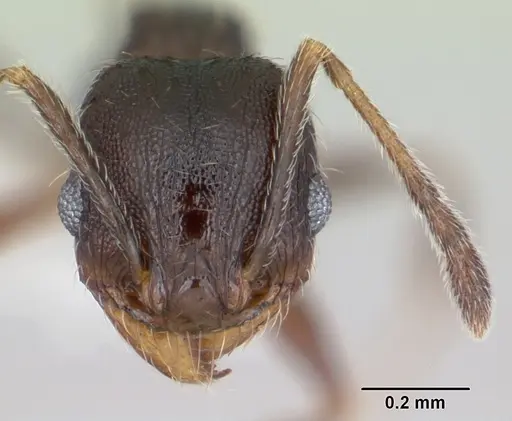
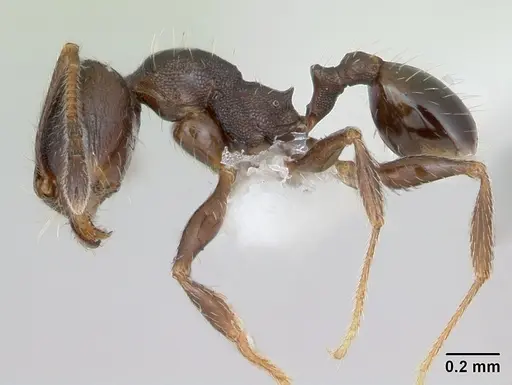
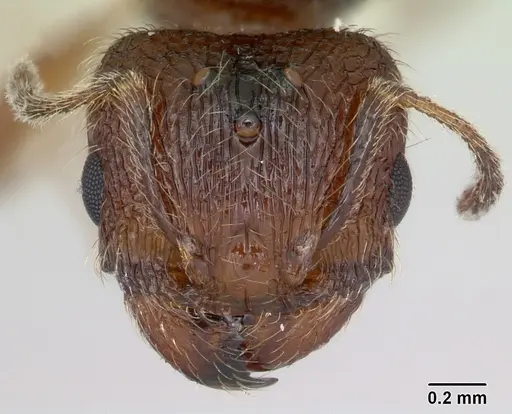
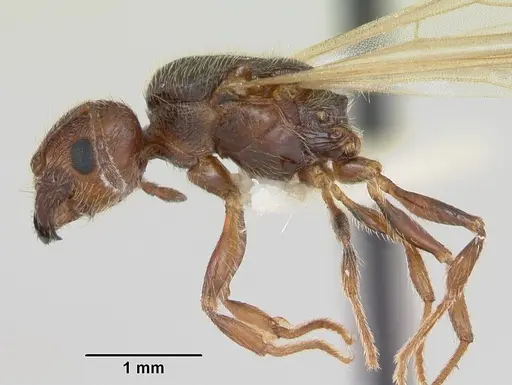
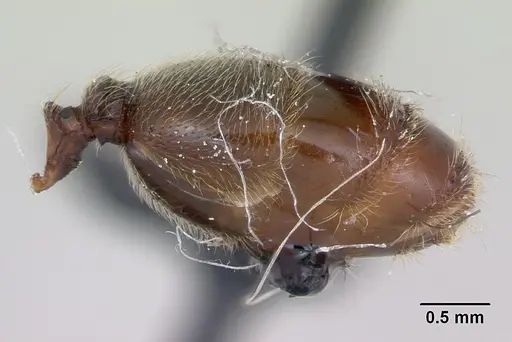
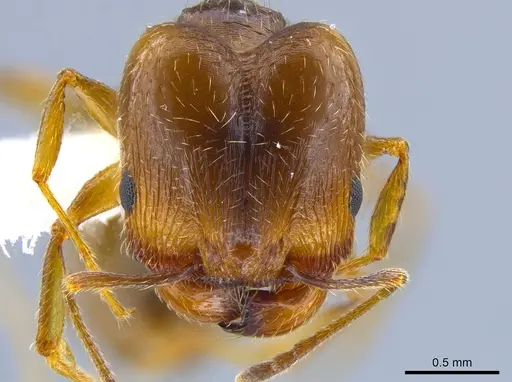
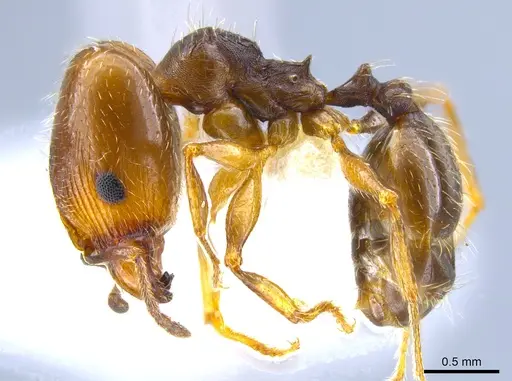
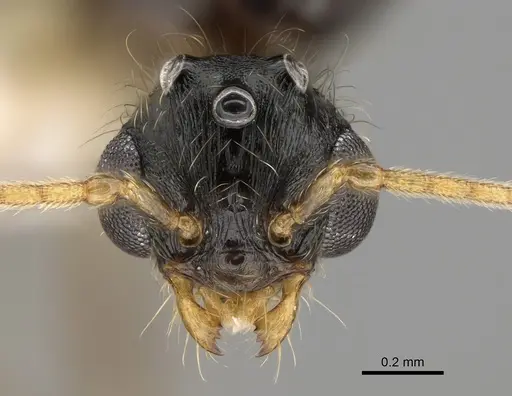
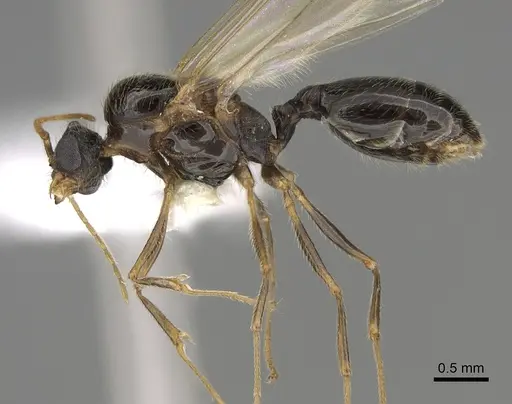
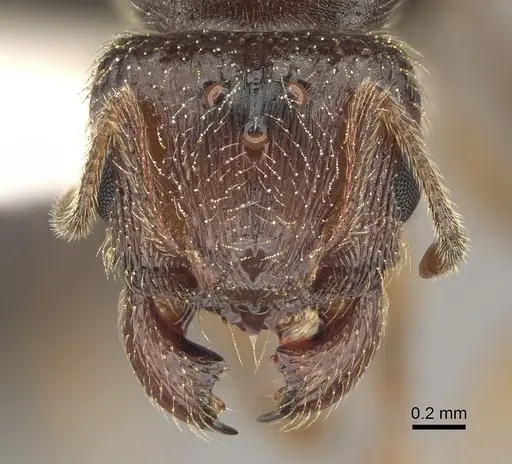
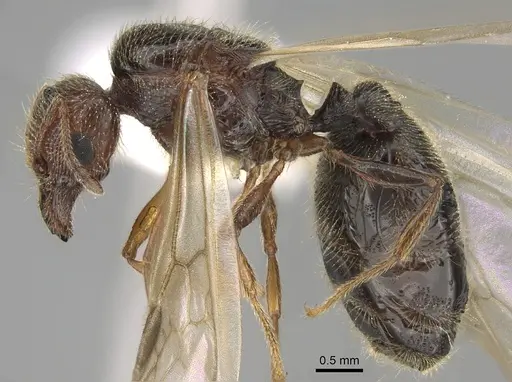
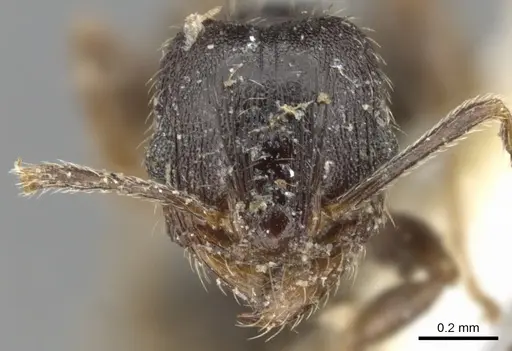
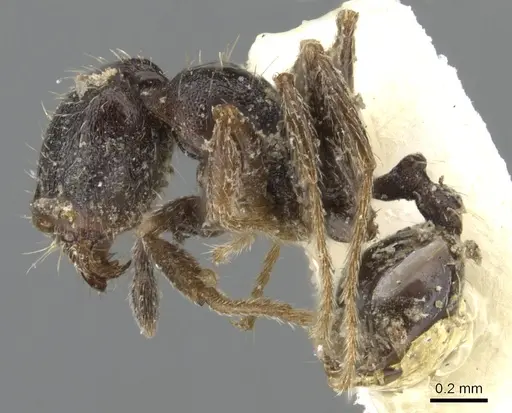
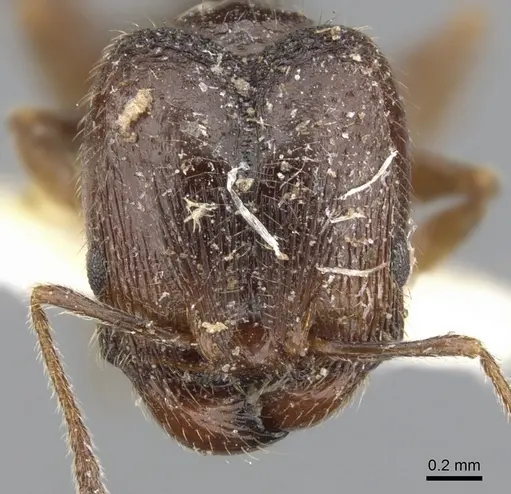
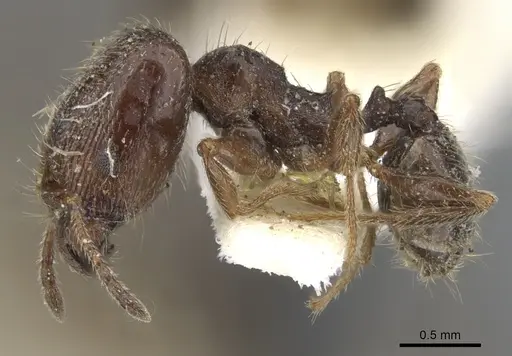
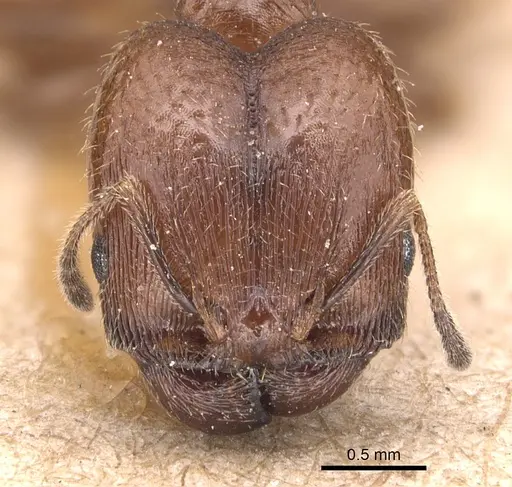
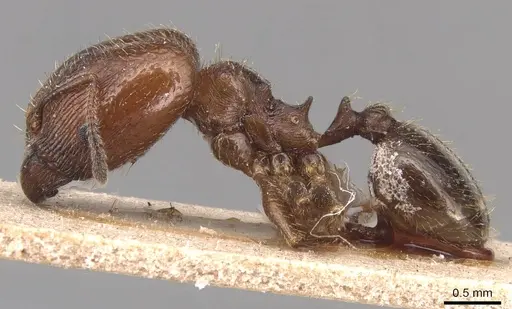
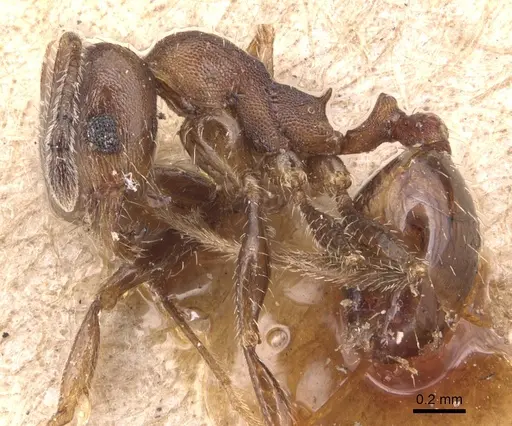
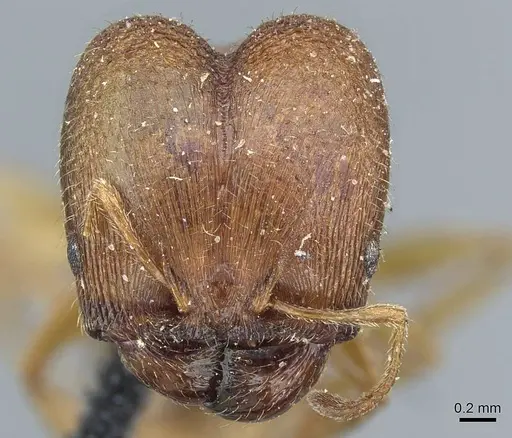
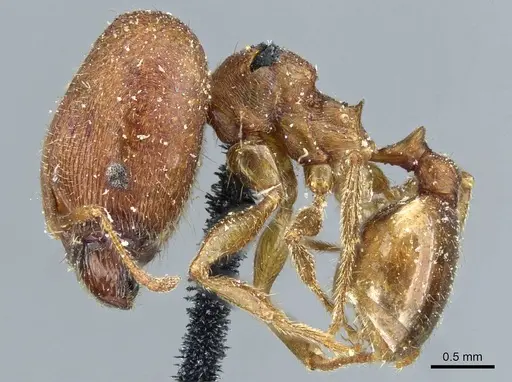
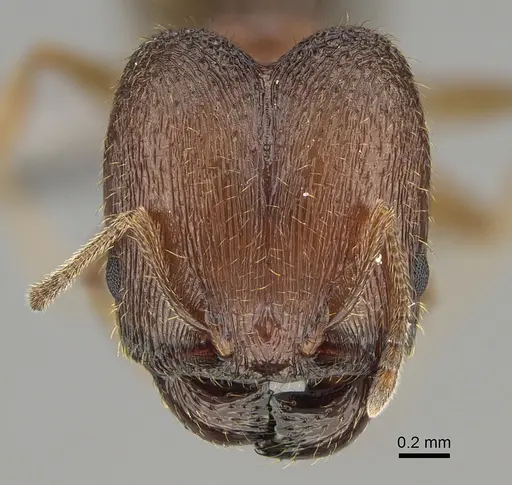
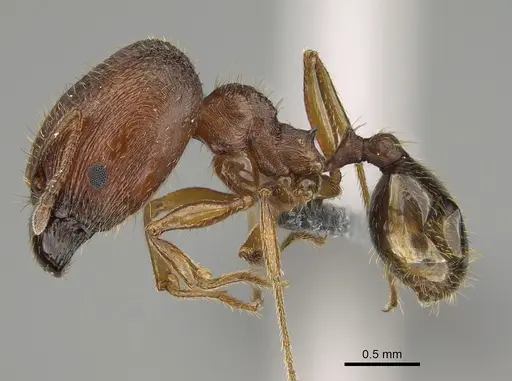
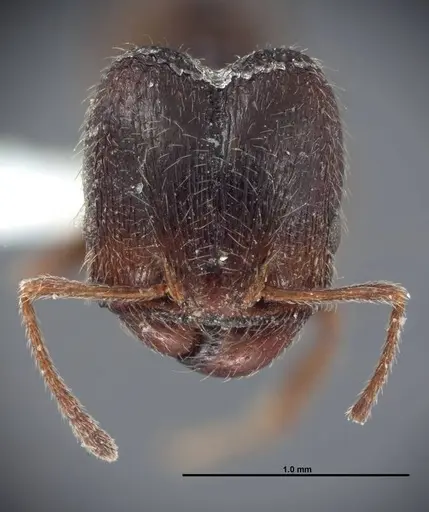
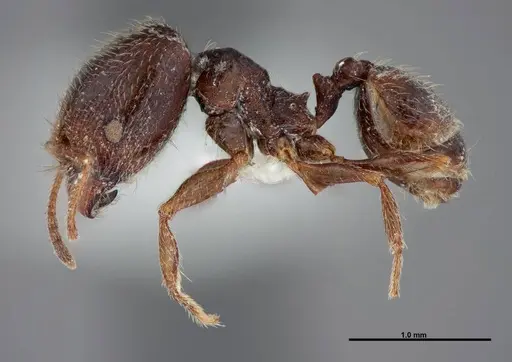
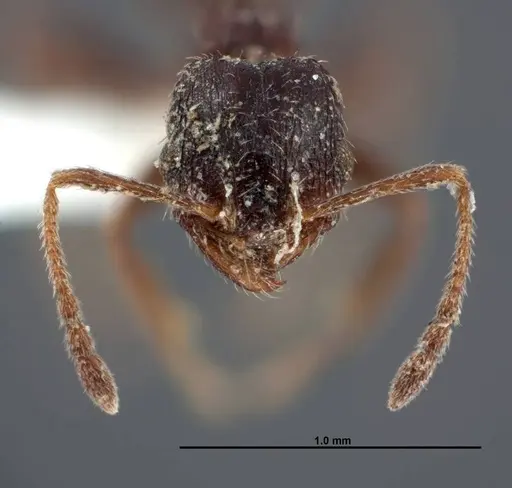
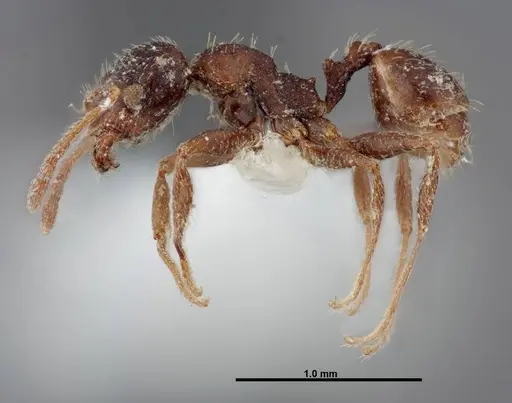
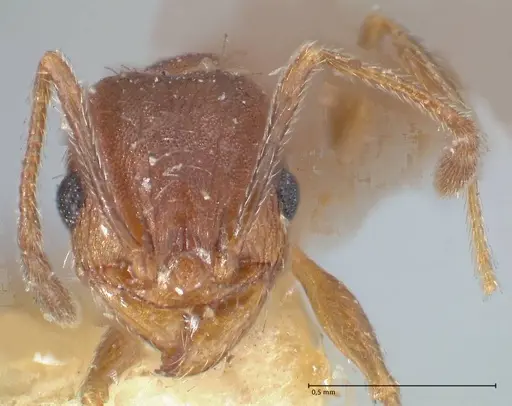
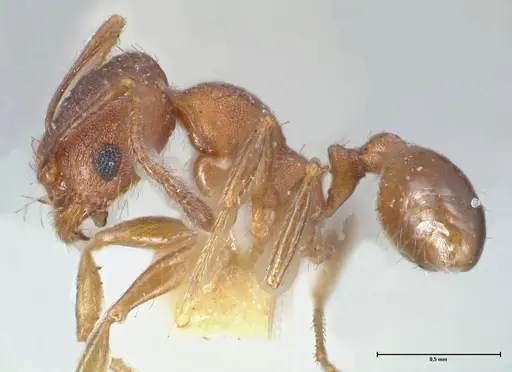
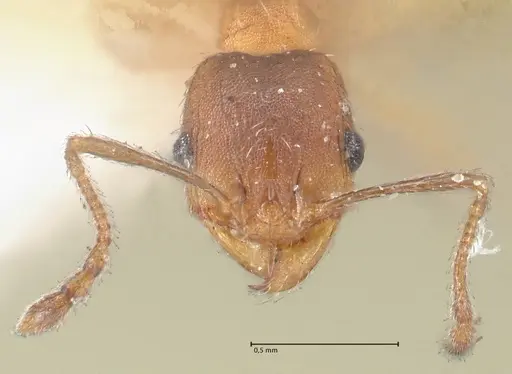
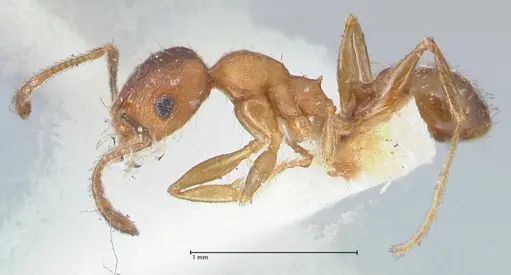
Pheidole pilifera is a dimorphic ant with major workers measuring 4.2-5.1 mm total length and minor workers 2.4-2.8 mm total length . It is the most widespread Nearctic Pheidole, ranging from Massachusetts south to Georgia and west to California . Colonies excavate crater nests in exposed soil and are primarily seed harvesters, storing seeds in nest chambers . This species shows a clear division of labor: minor workers are shy foragers that flee or feign death when threatened, while majors rarely leave the nest and primarily block passages or mill seeds with their large heads .
Quick Summary
- Difficulty: Easy
- Origin & Habitat: Native to the continental United States and northern Mexico, found in open grassy areas with sandy soils, prairies, roadsides, deserts, and woodlands from sea level to 2600 m elevation [2][1].
- Colony Type: Monogynous (single-queen) colonies. Newly mated queens start colonies singly [4].
- Size & Growth:
- Antkeeping:
- Temperature: Room temperature (20-24°C) is suitable, based on their wide distribution across varied climates [2]
- Humidity: Keep nest substrate consistently moist but not waterlogged, they inhabit varied moisture conditions [1]
- Diapause: Yes, inferred from northern distribution, requiring 2-3 months of cool temperatures (5-10°C) during winter [2]
- Nesting: Soil-nesting species that excavates crater nests, use naturalistic setups with soil substrate or test tubes for founding colonies [1][3]
- Behavior: Generally peaceful and non-aggressive. Minor workers are shy foragers that recruit to food sources but may flee or feign death when threatened. Major workers rarely leave the nest and function to block passages or mill seeds. Escape prevention is critical due to small minor workers (2.4-2.8 mm) [1].
- Common Issues: small minor workers require tight escape prevention due to their size, shy foraging behavior may delay acceptance of new foods, seed-based diet may limit sugar water acceptance, wild-caught colonies may harbor parasites that cause mortality
Nuptial Flight Activity Analysis 125 observations
Flight Activity by Hour 125 observations
Pheidole pilifera nuptial flight activity peaks around 21:00 during the night. Activity is spread across a 24-hour window (00:00–23:00). Times may be influenced by human observation patterns.
Housing and Nest Setup
Pheidole pilifera is a soil-nesting ant that naturally excavates crater nests. For captivity, use a naturalistic setup with a soil-filled container to allow excavation, or test tubes with moist cotton for founding colonies. Y-tong nests with narrow chambers can also work. Ensure all connections are sealed to prevent escapes from small minor workers [1][3].
Feeding and Diet
This species is primarily a seed harvester, collecting grass seeds like Panicum virgatum and Schizachyrium scoparium. They will scavenge dead insects but seeds form the bulk of their diet. In captivity, offer small seeds constantly, with protein sources like insects occasionally. Sugar water acceptance is limited [1][3].
Temperature and Seasonal Care
Keep colonies at room temperature (20-24°C). They tolerate a broad range due to their wide distribution. During winter, provide a diapause period of 2-3 months at cool temperatures (5-10°C) to mimic natural cycles [2].
Behavior and Colony Dynamics
Colonies have a clear division of labor: minor workers forage and recruit to food, while majors block nest passages and mill seeds. Minors are shy and may feign death when threatened. Colonies remain relatively small, but specific size data is unavailable [1].
Growth and Development
Colony growth is moderate. Founding behavior is unconfirmed. Development timeline is unknown due to lack of specific data. Major workers appear as the colony expands [1].
Frequently Asked Questions
How long does it take for Pheidole pilifera to produce first workers?
The timeline is unknown, no specific data is available for this species.
Can I keep multiple Pheidole pilifera queens together?
No, this species is monogynous with single-queen colonies. Multiple queens will fight [4][1].
What do Pheidole pilifera ants eat?
They are primarily seed harvesters. Offer small seeds like grass seeds as a staple, with occasional protein from insects [1][3].
How big do Pheidole pilifera colonies get?
Colony size data is unavailable for this species.
Do Pheidole pilifera need hibernation?
Yes, inferred from their northern distribution, they require a winter diapause of 2-3 months at cool temperatures [2].
Are Pheidole pilifera good for beginners?
Yes, they are considered easy to keep due to peaceful behavior and straightforward diet, but escape prevention is critical due to small workers [1].
When do Pheidole pilifera have nuptial flights?
Mating flights occur in early to mid-July in the eastern United States [1].
Why are my Pheidole pilifera not foraging much?
Minor workers are shy foragers and may be cautious. Offer seeds in a calm environment and be patient [1].
What nest type is best for Pheidole pilifera?
A naturalistic soil-based setup works best, allowing excavation like in the wild. Test tubes are suitable for founding colonies [1][3].
When is the nuptial flight of Pheidole pilifera?
The nuptial flight of Pheidole pilifera typically occurs From June to August.
What time of day does Pheidole pilifera fly?
The nuptial flight of Pheidole pilifera peaks around 21:00 during the night, with most activity between 00:00 and 23:00. Times may be influenced by human observation patterns.
Report an Issue
The current care sheet is based fully on literature. See inconsistencies, or something that's incorrect? Please , it will be resolved after review from an admin. Contributing to the blogs tab also helps providing information, to make us be able to further improve the caresheets. Thank you for your support!
References

This caresheet is licensed under CC BY-SA 4.0 .
Community Blogs
CASENT0005761
View on AntWeb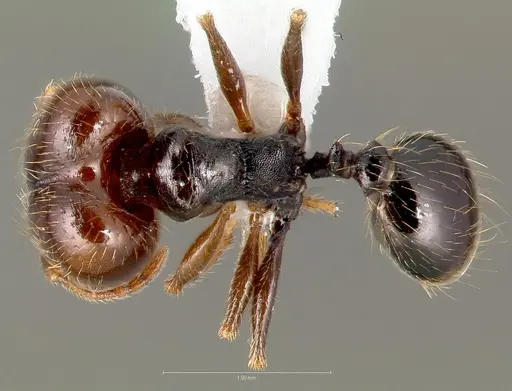
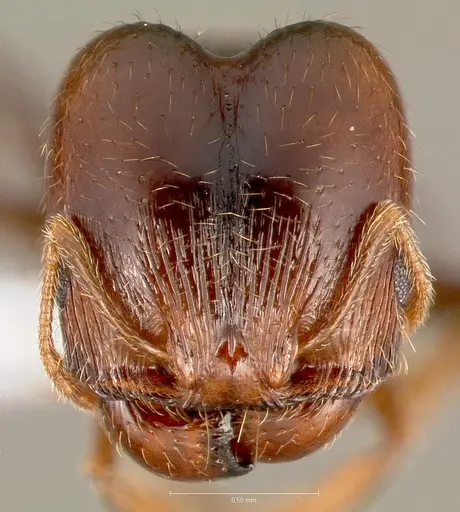
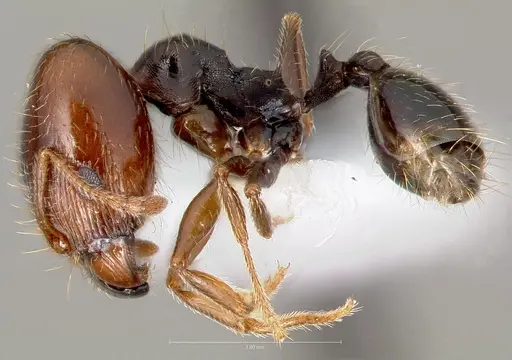
CASENT0005762
View on AntWeb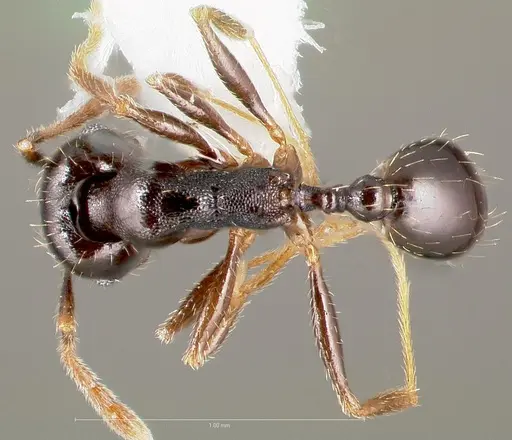
CASENT0102866
View on AntWeb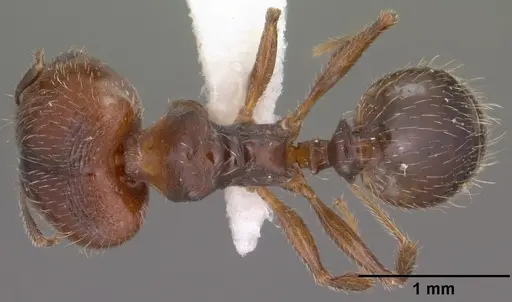
CASENT0102867
View on AntWeb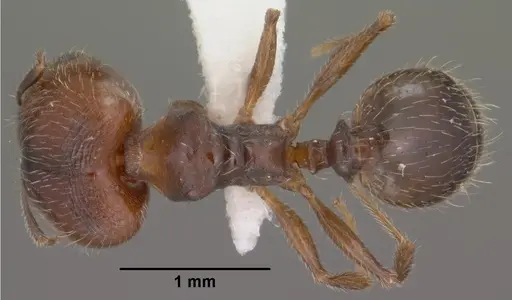
CASENT0103146
View on AntWeb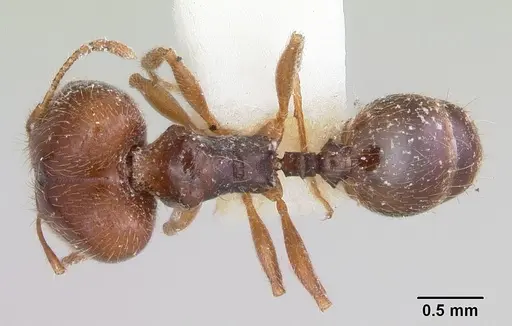
CASENT0103147
View on AntWeb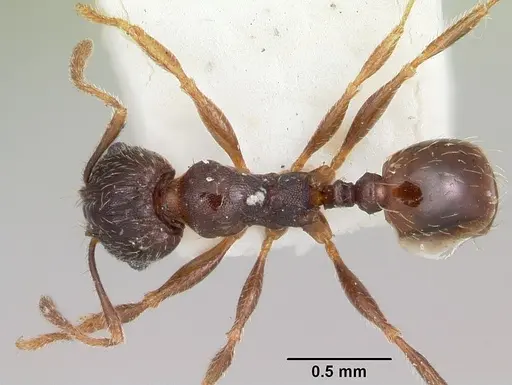
CASENT0103148
View on AntWeb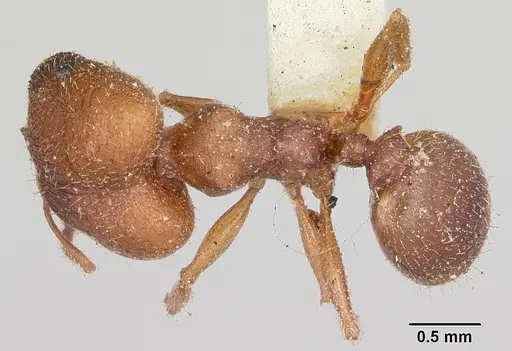
CASENT0103149
View on AntWeb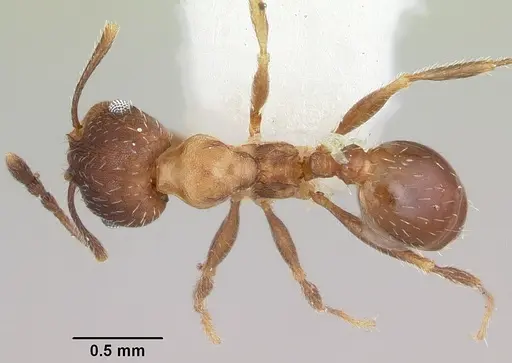
CASENT0104928
View on AntWeb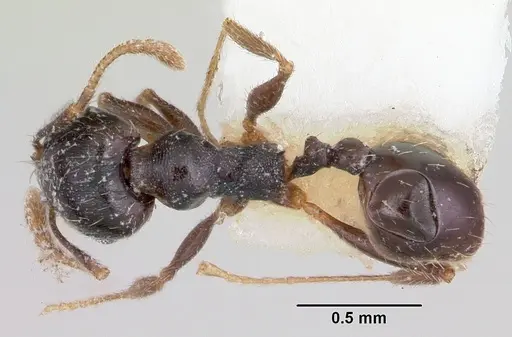
CASENT0105562
View on AntWeb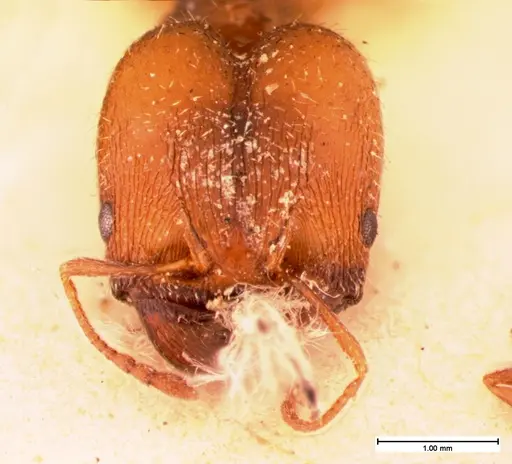
CASENT0172958
View on AntWeb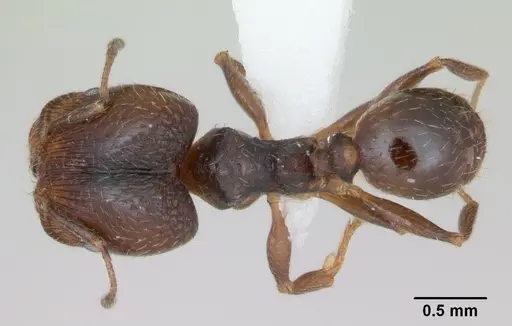
CASENT0172959
View on AntWeb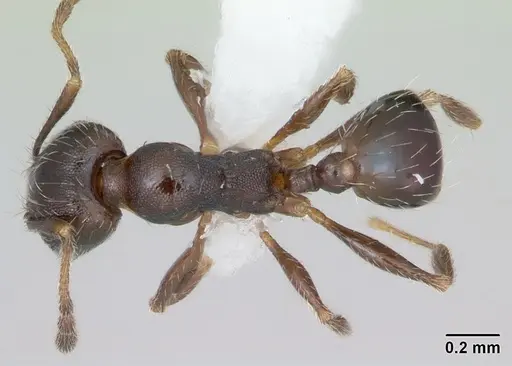
CASENT0172960
View on AntWeb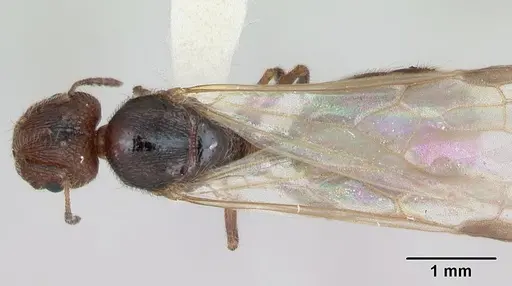
CASENT0644128
View on AntWeb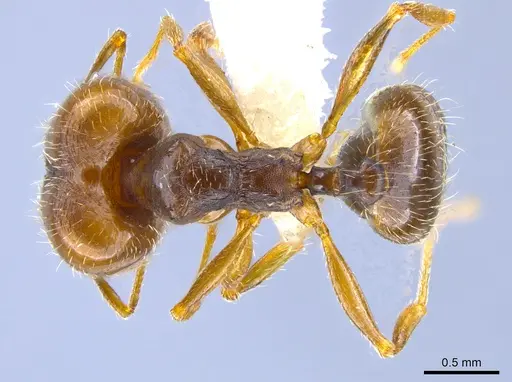
CASENT0862362
View on AntWeb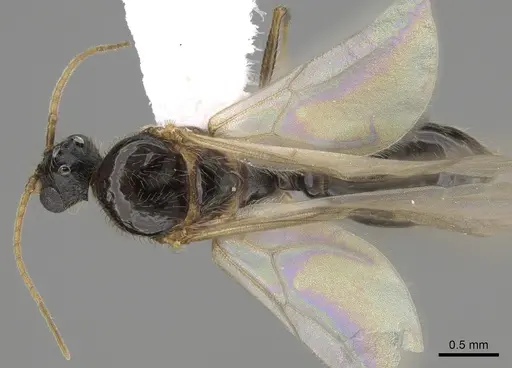
CASENT0862462
View on AntWeb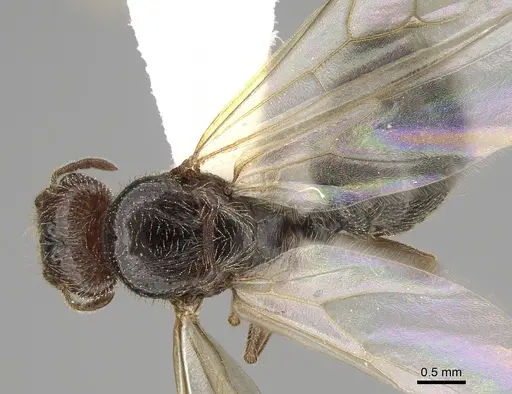
CASENT0901559
View on AntWeb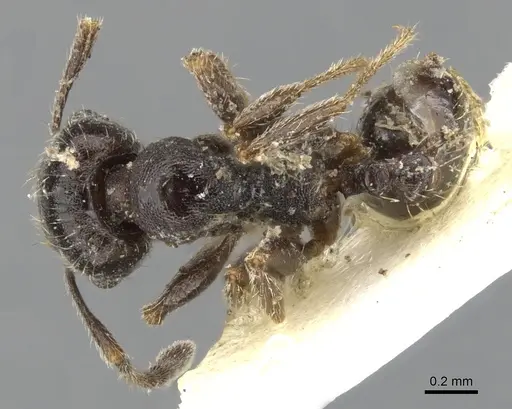
CASENT0901560
View on AntWeb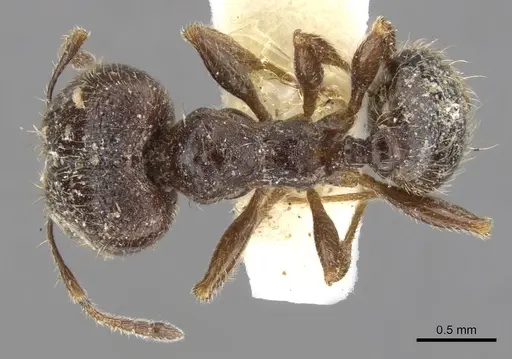
CASENT0904434
View on AntWeb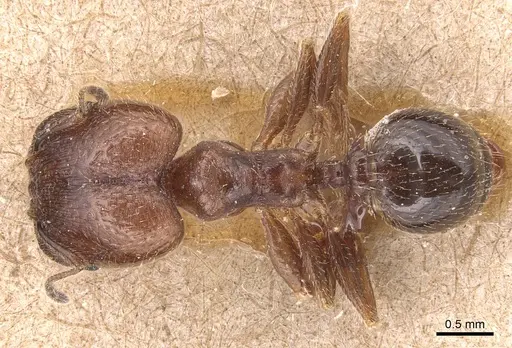
CASENT0904435
View on AntWeb
CASENT0911221
View on AntWeb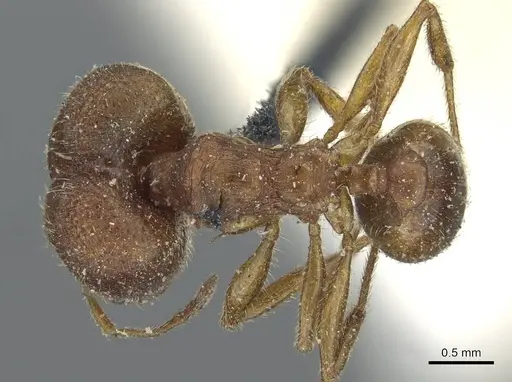
CASENT0923378
View on AntWeb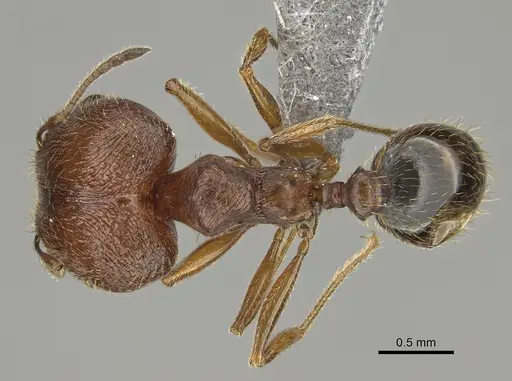
FMNHINS0000062813
View on AntWeb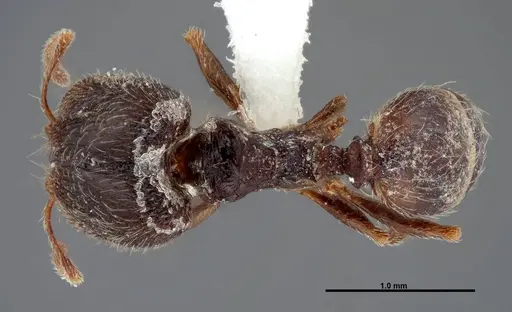
FMNHINS0000062814
View on AntWeb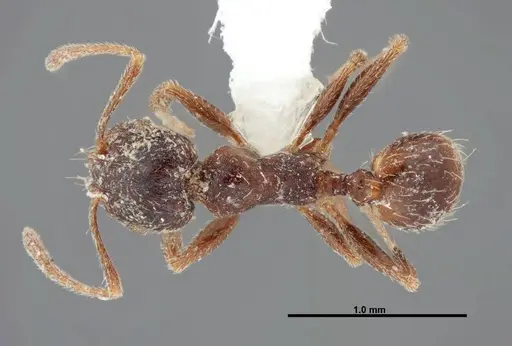
FOCOL1557
View on AntWeb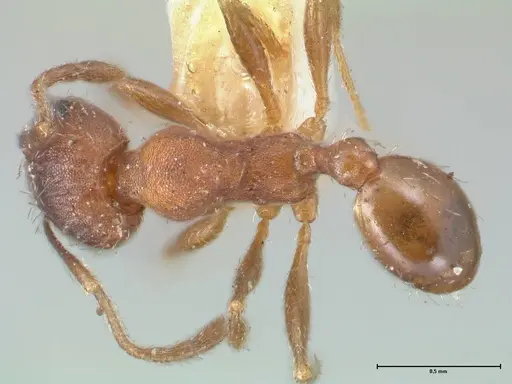
FOCOL1558
View on AntWeb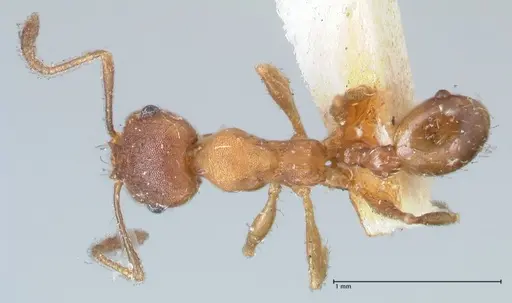
Literature
Loading distribution map...Loading products...