
Pheidole picobarva
- Sci. Name
- Pheidole picobarva
- Tribe
- Attini
- Subfamily
- Myrmicinae
- Author
- Longino, 2009
- Distribution
- Found in 1 countries
Introduction
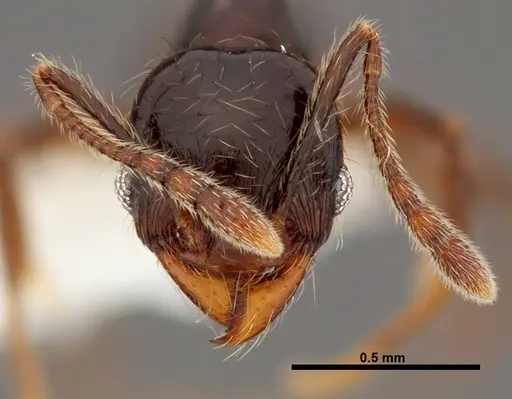
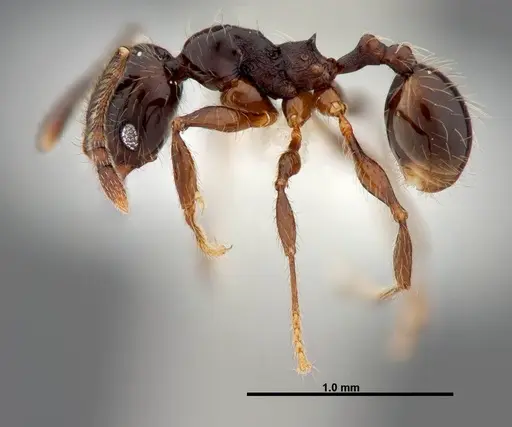
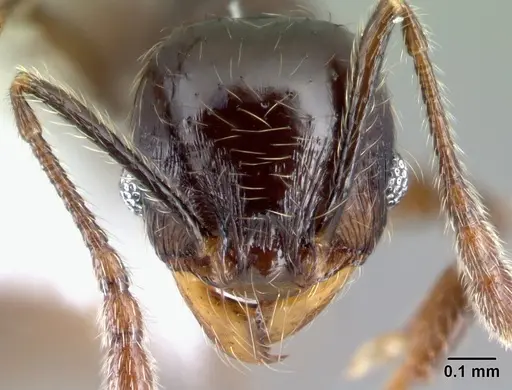
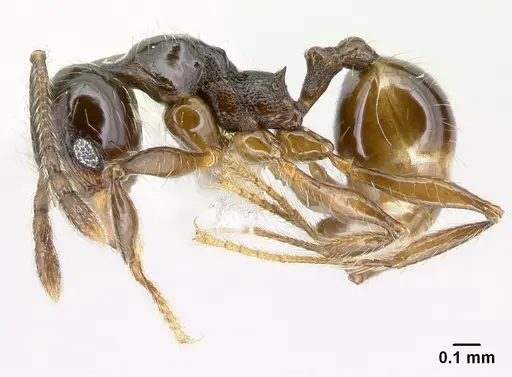
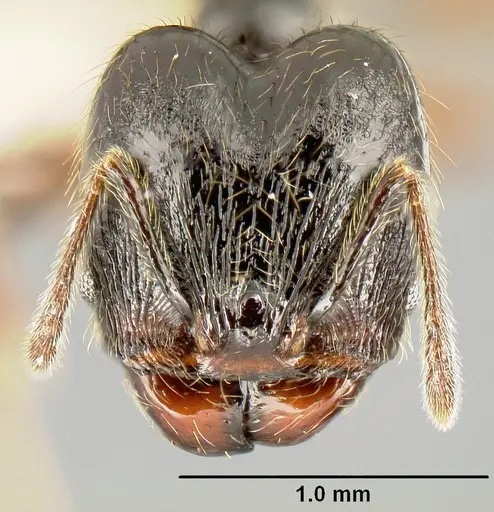
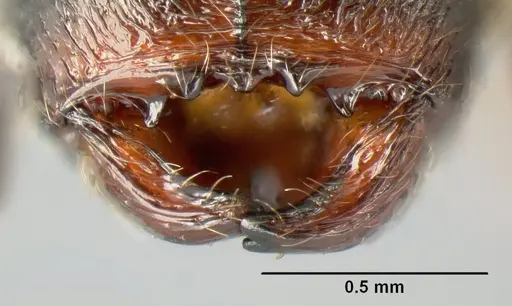
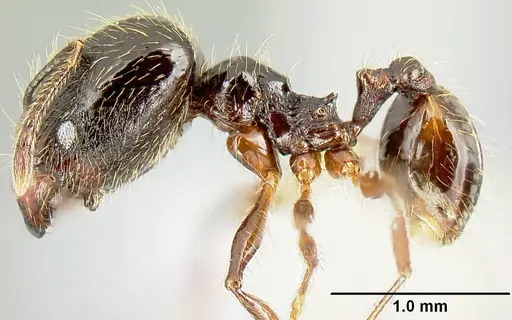
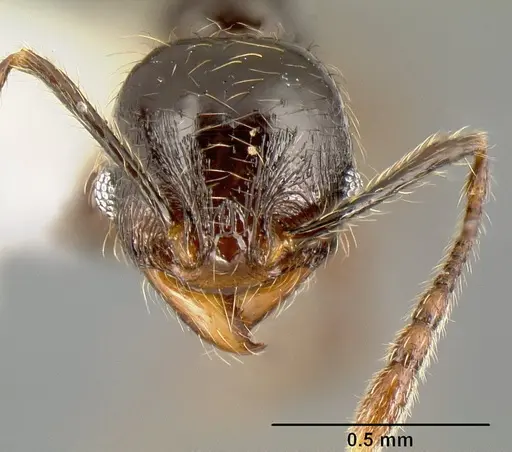
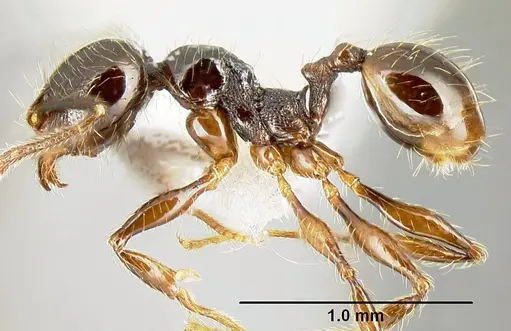
Pheidole picobarva is a small big-headed ant native to the cloud forests of Costa Rica. Minor workers are small (around 2-3mm total length inferred from the genus), while major workers (soldiers) are larger (around 4-5mm) with conspicuously large heads . They are dark red-brown with distinctive sculpturing on the face and body. This species is a narrow elevational specialist, found only above 1900m on Volcan Barva in Costa Rica's Heredia province . _Pheidole picobarva_ has an extremely restricted range, it is only known from the peak of Volcan Barva, a true mountain endemic. The species nests in epiphytic soil on rotten logs in old treefall gaps, with chambers extending about 10cm deep into humus-covered wood . They store seeds in chambers, a trait that makes them interesting granivorous ants for keepers who enjoy watching seed-harvesting behavior .
Quick Summary
- Difficulty: Medium
- Origin & Habitat: Costa Rica, Heredia province, Volcan Barva region above 1900m elevation. Mature cloud forest habitat with high humidity and cool temperatures [2][1].
- Colony Type: Monogyne, colonies have a single queen. The nest series showed one dealate queen per colony [2].
- Size & Growth:
- Queen: Not directly measured, single queen observed in the wild nest series [2]
- Worker: Minor: small (~2-3mm inferred from genus Pheidole), Major: larger (~4-5mm inferred) [1]
- Colony: Several hundred workers per colony [2]
- Growth: Moderate
- Development: Estimated 6-8 weeks based on typical Pheidole development at optimal temperature (Development time is inferred from genus-level data since species-specific timing hasn't been studied. Pheidole species typically develop from egg to worker in 6-8 weeks at warm temperatures.)
- Antkeeping:
- Temperature: Keep at cool temperatures typical of high-elevation cloud forests (around 18-22°C). Avoid prolonged exposure above 25°C, this species is sensitive to overheating [2][1].
- Humidity: High humidity required. Keep nest substrate consistently moist but not waterlogged. Maintain conditions that mimic a damp cloud forest floor. Provide a water source for drinking.
- Diapause: Unknown. This high-elevation tropical species may experience cool nights but not true winter. If you observe reduced activity during cooler months, provide a rest period at 12-15°C for 1-2 months. Otherwise, no artificial diapause may be needed.
- Nesting: Prefers nesting in wood or wood-based substrates. In captivity, use Y-tong (AAC) nests or plaster nests. Provide dark, humid conditions. They naturally nest in epiphytic soil on rotten logs [2].
- Behavior: Generally calm, majors will defend the colony if disturbed, but they pose minimal sting risk to humans. Workers actively forage for seeds and small insects. Minor workers are tiny (around 2mm), so use fine mesh to prevent escapes. They prefer dark, humid nest conditions.
- Common Issues: overheating, keep below 25°C at all times, drying out, maintain high humidity, colony can die quickly if nest dries, escape risk, minor workers are very small and can squeeze through tiny gaps, slow colony growth may test impatient keepers
Nest Preferences and Housing
In the wild, Pheidole picobarva nests in epiphytic soil on rotten logs in cloud forest treefall gaps [2]. The nest chambers are shallow, only about 10cm deep. In captivity, they do well in Y-tong (AAC) nests or plaster nests that hold moisture. The key is providing humid, wood-based materials that mimic their natural rotten log habitat. They prefer dark nests and will avoid brightly lit areas. Provide a moisture source to maintain high humidity. Since they nest at shallow depths, a moderately deep setup works fine. Avoid dry setups entirely, this species will not survive in arid conditions. Use fine mesh on all openings because minor workers are tiny [2].
Feeding and Diet
Pheidole picobarva is a seed-harvester. The wild nest had small plant seeds spread on chamber walls and floors, confirming they collect and store seeds [2]. Offer small seeds (millet, sesame, or commercial ant seed mixes) as a staple food. They also accept small protein sources like fruit flies, small crickets, and mealworms. Sugar water or honey can be offered occasionally, though they seem to focus on seeds. Feed seeds constantly and protein 2-3 times per week. Remove uneaten seeds periodically to prevent mold [2].
Temperature and Seasonal Care
This is a cool-cloud-forest species from high elevation (1900m+). Temperature management is critical. Keep them between 18-22°C. They will not do well in warm conditions that suit lowland tropical ants. Overheating is one of the biggest threats to this species. Room temperature is often ideal. If you need to warm them slightly, use a very gentle heat source and never exceed 25°C. Diapause needs are unclear: they may slow down during cooler periods, but a true winter rest hasn't been confirmed. If you choose to give a winter rest, keep them at 12-15°C for 1-2 months and watch for recovery [2][1].
Colony Structure and Castes
Pheidole picobarva has the classic Pheidole two-caste system: minor workers (small, slender) and major workers (soldiers with large heads). The wild colony had several hundred workers, numerous soldiers concentrated in the deepest parts of the nest, about a dozen adult males, and one queen [2]. Soldiers develop as the colony grows and are used for seed processing and colony defense. The colony will produce more majors as it expands. This species is monogyne, expect one queen per colony. The presence of males in the wild nest indicates the colony was mature and may have been producing reproductives [2].
Behavior and Temperament
These ants are generally calm and not aggressive toward keepers. Major workers will defend the colony if the nest is disturbed, but they pose minimal sting risk to humans. Workers are active foragers that search for seeds and small insects. They are not known for being escape artists in the same way as some tiny ants, but their small minor workers (about 2mm) can still squeeze through small gaps, use standard fine mesh barriers. They prefer to stay in darker areas of the nest and outworld. Observation is rewarding because you can watch majors crack open seeds with their powerful mandibles, a behavior unique to Pheidole and other big-headed ants [2].
Frequently Asked Questions
Can I keep _Pheidole picobarva_ in a test tube?
Test tubes can work for founding colonies, but this species needs high humidity. A Y-tong or plaster nest with moisture retention is better long-term. If using test tubes, ensure the water reservoir is adequate and monitor for drying.
What do _Pheidole picobarva_ eat?
They are seed-harvesters. Offer small seeds like millet, sesame, or ant seed mixes as a staple. Supplement with small protein sources like fruit flies, small crickets, or mealworms 2-3 times weekly. Occasional sugar water or honey is also accepted [2].
How long until first workers appear?
Estimated 6-8 weeks from egg to first worker at optimal temperature (around 20°C). This is based on typical Pheidole development patterns since species-specific timing hasn't been documented.
Do _Pheidole picobarva_ need hibernation?
Unknown. This high-elevation species may slow down during cooler periods. If you want to provide a rest, keep them at 12-15°C for 1-2 months and watch for normal activity to resume. Not all keepers use a diapause period.
Are _Pheidole picobarva_ good for beginners?
Medium difficulty, not the easiest but not expert-level. The main challenges are maintaining cool temperatures and high humidity. If you can provide these cloud-forest conditions, they are rewarding ants to keep.
How big do colonies get?
Wild colonies reach several hundred workers. In captivity, expect similar numbers, likely up to 300-500 workers at maturity. Growth is moderate [2].
Can I keep multiple queens together?
No. This species is monogyne, colonies have a single queen. Combining unrelated queens will result in fighting. There is no evidence of pleometrosis (multiple queen founding) for this species [2].
When should I move them to a formicarium?
Move from test tube to a proper nest once the colony outgrows the test tube or shows signs of needing more space. They need humid nest materials like Y-tong or plaster at this stage.
Why are my _Pheidole picobarva_ dying?
The most common causes are overheating (keep below 25°C), drying out (maintain high humidity), or improper diet. This species needs cool, damp conditions, not the warm, dry setups that work for many tropical ants.
Report an Issue
The current care sheet is based fully on literature. See inconsistencies, or something that's incorrect? Please , it will be resolved after review from an admin. Contributing to the blogs tab also helps providing information, to make us be able to further improve the caresheets. Thank you for your support!
References

This caresheet is licensed under CC BY-SA 4.0 .
Community Blogs
CASENT0610043
View on AntWeb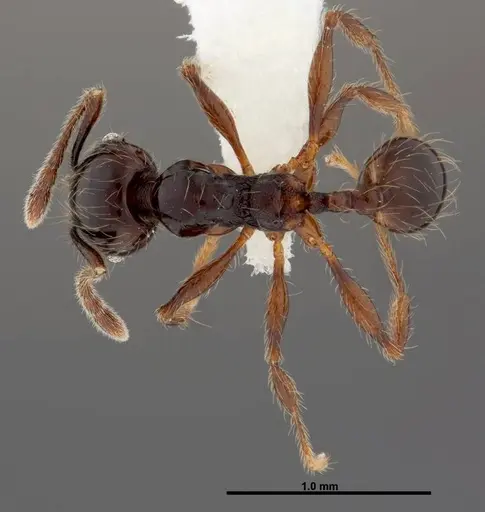
CASENT0610055
View on AntWeb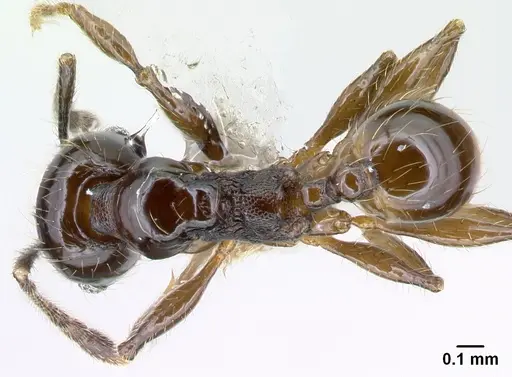
CASENT0610059
View on AntWeb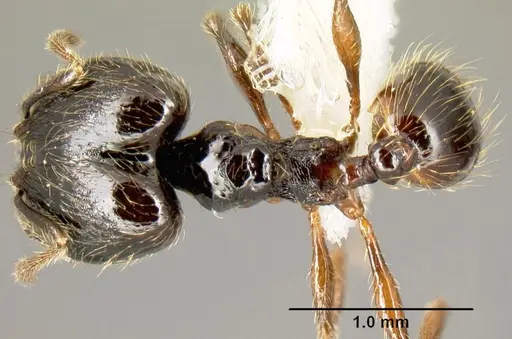
CASENT0610060
View on AntWeb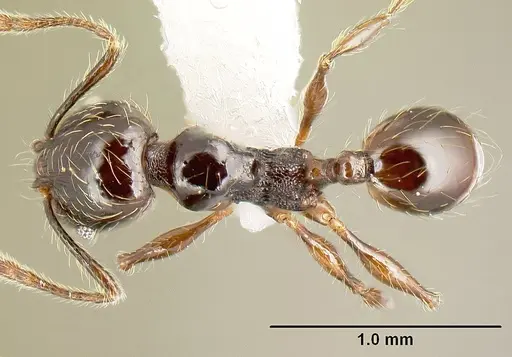
Literature
Loading distribution map...Loading products...