
Pheidole phanigaster
- Sci. Name
- Pheidole phanigaster
- Tribe
- Attini
- Subfamily
- Myrmicinae
- Author
- Longino, 2009
- Distribution
- Found in 1 countries
Introduction
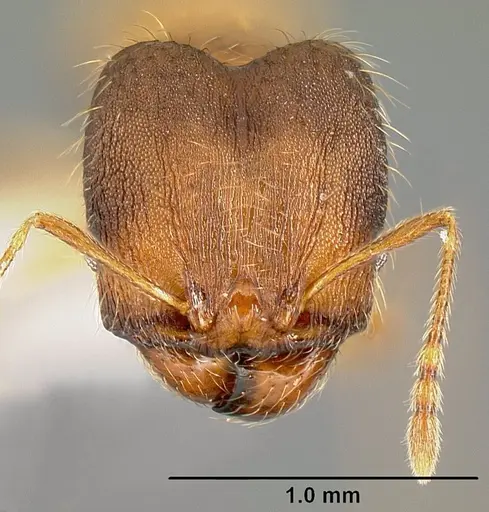
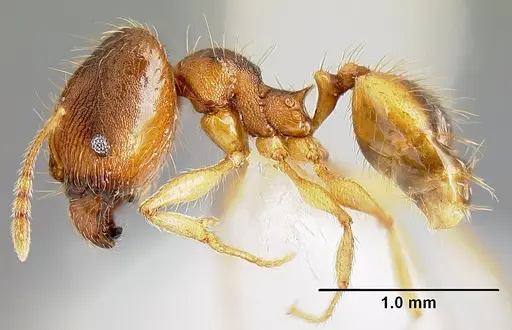
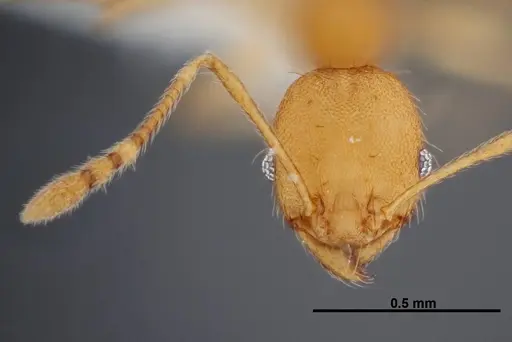
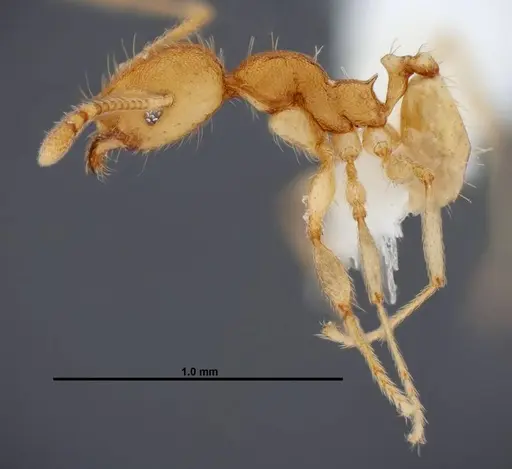
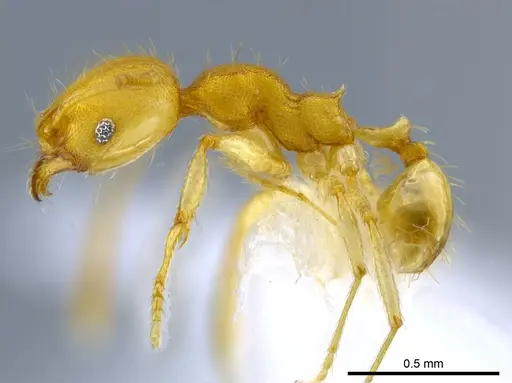
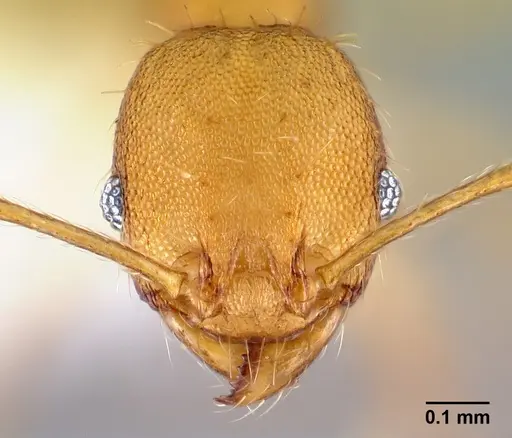
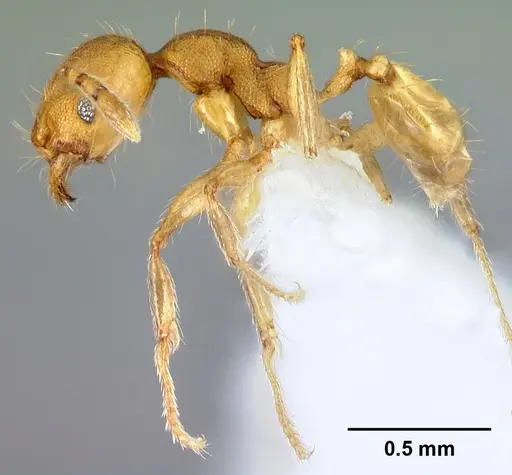
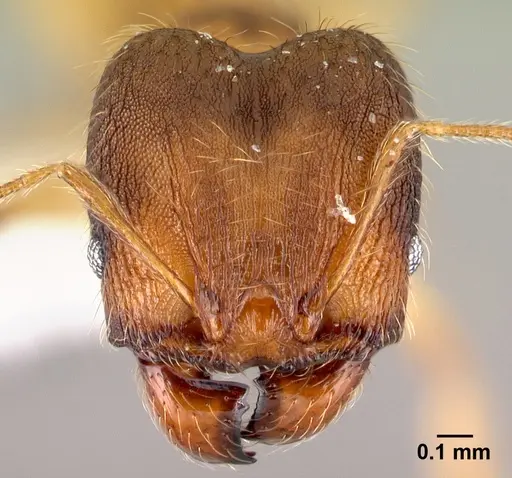
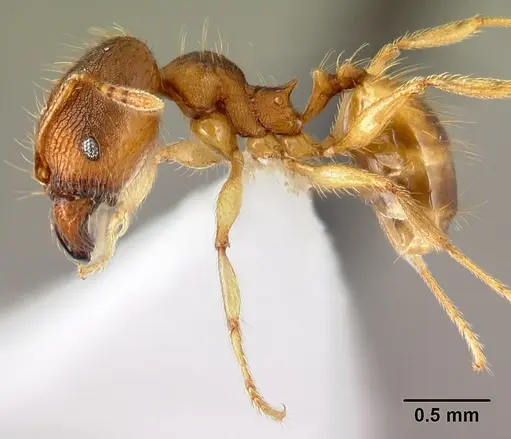
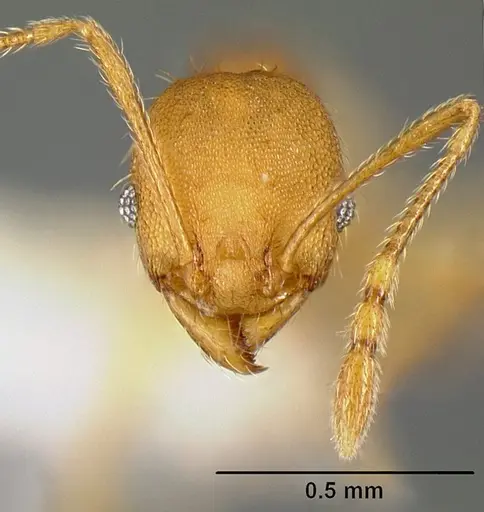
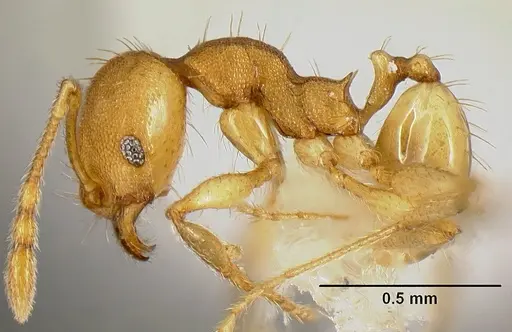
Pheidole phanigaster is a small Neotropical ant species described by Longino in 2009,found only in the northern Chiapas lowlands of Mexico . It is known from wet forest habitat at low elevation . Size data is unavailable - the literature provides head measurements, but total body length is not documented. Minor workers have a distinctive shiny gaster, while major workers have a matte gaster . The species name 'phanigaster' refers to the minor worker's smooth, shining abdomen, which differentiates it from similar species like Pheidole anastasii .
Quick Summary
- Difficulty: Medium
- Origin & Habitat: Northern Chiapas lowlands, Mexico. Known from wet forest habitat at 180m elevation in one locality near Salto de Agua [1][2].
- Colony Type: Colony structure is unconfirmed. Based on typical Pheidole patterns, likely single-queen colonies, but this is inferred.
- Size & Growth:
- Queen: Size data unavailable, inferred from Pheidole genus as ~7-9mm
- Worker: Size data unavailable, minor and major workers exist, but total body length not documented
- Colony: Unknown, no colony size data in literature
- Growth: Moderate, typical for tropical Pheidole species
- Development: Estimated 6-8 weeks at tropical temperatures, based on genus patterns (Development time is inferred from related species, no species-specific data available)
- Antkeeping:
- Temperature: Keep warm, roughly 24-28°C, based on tropical wet forest origin [1]. Temperature needs are unclear, start around this range and observe.
- Humidity: Keep nest substrate consistently moist but not waterlogged, as this species is from wet forest habitat [1][3].
- Diapause: No true diapause required, as this is a tropical species.
- Nesting: Standard test tube setups work for founding colonies. For established colonies, Y-tong or plaster nests with moisture reservoirs are suitable.
- Behavior: Workers are moderately active and may defend the nest, but aggression level is unconfirmed. Escape risk is moderate due to small size.
- Common Issues: humidity control is critical, too dry causes brood failure, temperature stability is important for colony health, wild-caught colonies may have parasites or diseases, limited distribution makes this species hard to obtain
Nest Preferences and Housing
In the wild, Pheidole phanigaster nests in moist soil of wet forest habitat in Chiapas, Mexico [1]. For captive colonies, start with a standard test tube setup for founding queens. Once the colony grows, transition to a Y-tong or plaster nest with moisture reservoirs to maintain humidity. Avoid dry setups, the nest substrate should feel damp to the touch [3].
Feeding and Diet
Pheidole species are typically omnivorous, feeding on protein and carbohydrates. Offer protein sources like small insects 2-3 times per week and a constant sugar source like honey water. Seeds can be provided once major workers are present. Remove uneaten food to prevent mold. [3]
Temperature and Seasonal Care
As a tropical species from wet forest habitat, Pheidole phanigaster needs warm conditions. Keep temperatures around 24-28°C, with a gradient for self-regulation [1]. Avoid prolonged temperatures below 20°C. No true diapause is required, but activity may reduce slightly in cooler months.
Behavior and Colony Structure
Pheidole phanigaster has minor workers for foraging and nursing, and major workers for defense and seed processing. Major workers typically appear once the colony is established. Workers are not highly aggressive toward humans, but nest defense may occur [3].
Growth and Development
The founding queen raises the first brood alone, but founding behavior is unconfirmed. After nanitics emerge, workers take over colony tasks. Growth is moderate, with major workers appearing as the colony grows. No specific colony size data is available.
Frequently Asked Questions
How long does it take for Pheidole phanigaster to produce first workers?
First workers typically appear in 6-8 weeks at tropical temperatures, based on genus patterns.
What do Pheidole phanigaster ants eat?
They are omnivorous. Feed protein like small insects and a constant sugar source.
Are Pheidole phanigaster ants good for beginners?
This species is rated medium difficulty due to humidity and temperature needs. Limited availability also makes it challenging.
What temperature do Pheidole phanigaster ants need?
Keep them around 24-28°C, based on their tropical wet forest origin [1].
How big do Pheidole phanigaster colonies get?
Colony size is unknown, no data is available in the literature.
When do major workers appear in Pheidole phanigaster colonies?
Major workers typically appear once the colony is established, but the exact timing is unconfirmed.
Can I keep multiple queen Pheidole phanigaster together?
Colony structure is unconfirmed. Based on typical Pheidole patterns, they likely form single-queen colonies, and combining queens is not recommended.
Do Pheidole phanigaster ants need hibernation?
No true hibernation is required, as this is a tropical species.
Why is my Pheidole phanigaster colony not growing?
Common causes include temperatures too low, humidity too dry, or poor nutrition. Check that the nest is warm and damp, and offer varied foods.
Report an Issue
The current care sheet is based fully on literature. See inconsistencies, or something that's incorrect? Please , it will be resolved after review from an admin. Contributing to the blogs tab also helps providing information, to make us be able to further improve the caresheets. Thank you for your support!
References

This caresheet is licensed under CC BY-SA 4.0 .
Community Blogs
CASENT0609087
View on AntWeb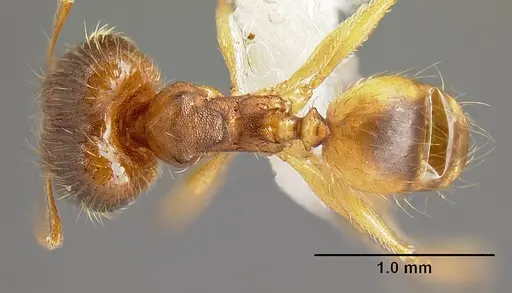
CASENT0609089
View on AntWeb
CASENT0609092
View on AntWeb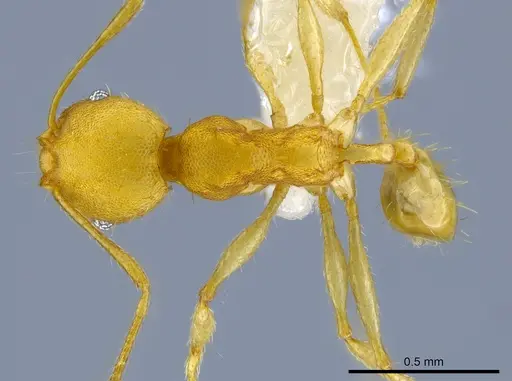
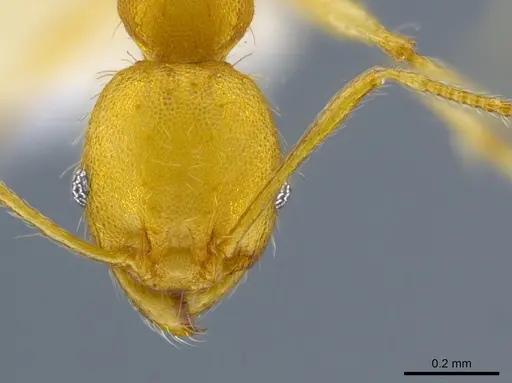
CASENT0609093
View on AntWeb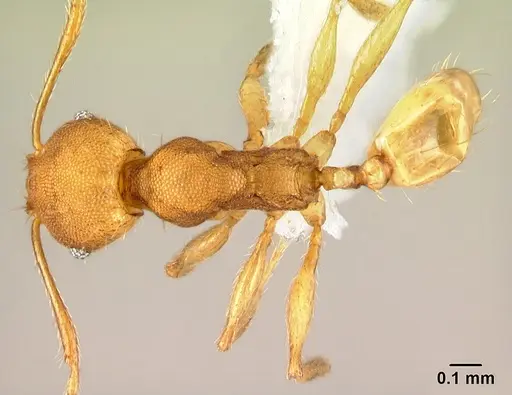
CASENT0609100
View on AntWeb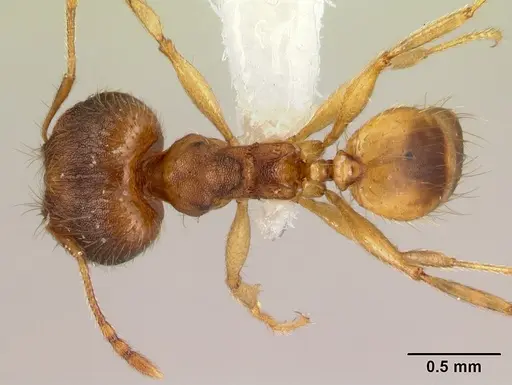
CASENT0609106
View on AntWeb
CASENT0609108
View on AntWeb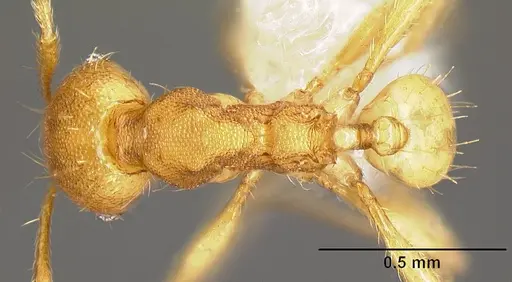
Literature
Loading distribution map...Loading products...