
Pheidole perryorum
- Sci. Name
- Pheidole perryorum
- Tribe
- Attini
- Subfamily
- Myrmicinae
- Author
- Wilson, 2003
- Distribution
- Found in 1 countries
Introduction
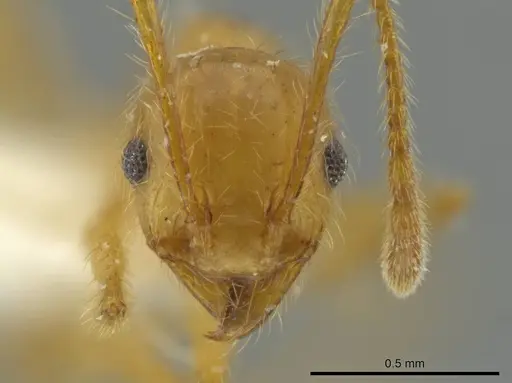
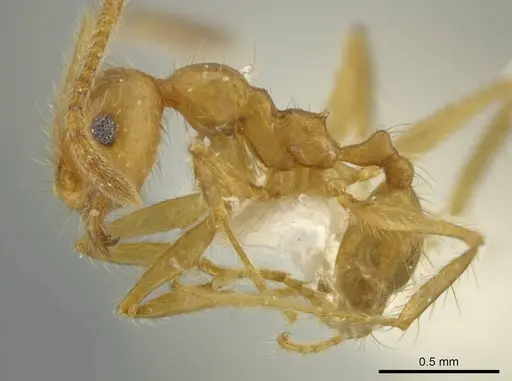
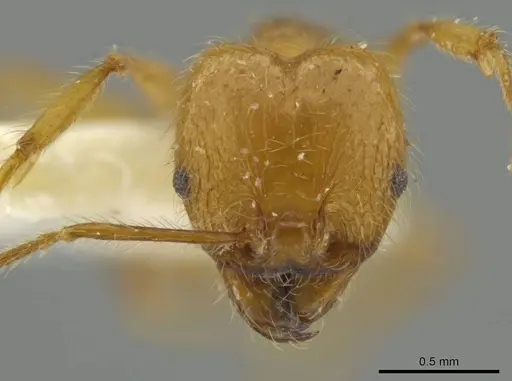
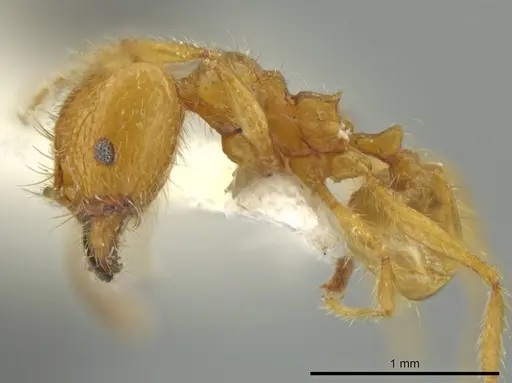
Pheidole perryorum is a small yellow ant from the diligens group, native to Brazil. It is only known from the type locality in lowland swamp forests of São Paulo state , and has been recorded in pitfall traps in the understory of Pinus elliottii forests in southern Brazil post-fire . Majors and minors have dense pilosity, but total body length measurements are not available in the research context. This species is notable for its restricted distribution, being known only from its type locality, which makes it relatively rare in both wild populations and the antkeeping hobby .
Quick Summary
- Difficulty: Medium
- Origin & Habitat: Lowland swamp forest in São Paulo state, Brazil [1]. Also recorded in Pinus elliottii forests in southern Brazil [2].
- Colony Type: Unconfirmed, no specific research data on queen number for this species.
- Size & Growth:
- Queen: Size data unavailable, no total length measurements provided in research.
- Worker: Size data unavailable, head width measurements are available but not representative of body size.
- Colony: Size data unavailable, no colony size estimates in research.
- Growth: Moderate, inferred from tropical Pheidole species patterns.
- Development: Estimated 6-8 weeks at optimal temperature, based on related Pheidole species. (Development time inferred from genus patterns, direct data for this species unavailable.)
- Antkeeping:
- Temperature: Keep at 24-28°C, inferred from tropical habitat.
- Humidity: Keep nest substrate consistently moist but not waterlogged, based on lowland swamp forest habitat [1].
- Diapause: No, tropical species, no diapause required.
- Nesting: Y-tong or plaster nests work well, with good humidity maintenance.
- Behavior: Based on Pheidole patterns, generally peaceful but majors defend the colony. Escape risk is high due to small size, use fine mesh and tight-fitting lids.
- Common Issues: high humidity maintenance is critical, dry conditions will kill the colony [1]., escape prevention requires attention due to small size and ability to fit through tiny gaps., colonies may decline if not provided adequate protein sources, they need regular insect feeding., test tube setups can flood if water reservoirs are overfilled, use proper drainage., slow initial founding phase is normal, Pheidole queens can take time to establish first workers.
Nest Preferences and Housing
Pheidole perryorum originates from lowland swamp forests in Brazil, so you need to maintain consistently moist conditions with good ventilation [1]. Y-tong (AAC) nests work well because they hold humidity while allowing air flow. Plaster nests are another option, ensure the plaster doesn't dry out completely. In a naturalistic setup, provide a deep layer of moist substrate so ants can create chambers. Avoid completely dry test tube setups, these ants need humidity to survive. Keep the nest substrate damp to the touch without standing water.
Feeding and Diet
Pheidole perryorum is omnivorous, like most Pheidole species. You should provide regular protein sources such as small insects (fruit flies, pinhead crickets, or small mealworms) twice weekly. Offer sugar water, honey, or commercial ant sweets constantly. In the wild, they forage for small arthropods, in captivity, a varied diet promotes colony growth. Remove uneaten prey after 24-48 hours to prevent mold.
Temperature and Seasonal Care
As a tropical species from Brazil, Pheidole perryorum needs warm temperatures. You should keep the nest area at 24-28°C for optimal brood development. A heating cable on one side can create a gentle gradient. Room temperature around 22-24°C is acceptable if your home is warm. They do not require hibernation, but a slight temperature drop in winter may naturally slow activity. Avoid temperatures below 18°C for extended periods.
Behavior and Colony Structure
This species has a typical Pheidole caste system with major and minor workers. Majors have enlarged heads for defense and processing food, while minors handle foraging and brood care. Colonies start slowly with claustral founding queens, but founding behavior is unconfirmed for this species. Once established, growth accelerates. They are not aggressive toward keepers but will defend if disturbed. Escape prevention is critical due to their small size, use fine mesh (at least 0.5mm) and check lid seals regularly.
Frequently Asked Questions
How long does it take for Pheidole perryorum to produce first workers?
Expect 6-8 weeks from egg to first worker at optimal temperature (24-28°C), based on related Pheidole species. The queen may seal herself in during founding, but this is unconfirmed for this species.
What do Pheidole perryorum ants eat?
They are omnivorous. Feed small insects like fruit flies or pinhead crickets twice weekly for protein, and provide constant access to sugar water or honey.
Can I keep multiple Pheidole perryorum queens together?
No specific research data exists, but based on Pheidole patterns, they are likely monogyne (single queen). Only keep one queen per colony unless confirmed otherwise.
What temperature do Pheidole perryorum ants need?
Keep them at 24-28°C, inferred from their tropical Brazilian habitat. A slight drop to 20-22°C in winter is acceptable but not required.
Do Pheidole perryorum ants need hibernation?
No, as a tropical species, they do not require hibernation. They remain active year-round if kept warm.
How big do Pheidole perryorum colonies get?
Size data unavailable, no colony size estimates in research. Based on Pheidole patterns, colonies can grow large, but specifics are unknown.
What humidity level do Pheidole perryorum ants need?
High humidity is critical, as their natural habitat is lowland swamp forest. Keep nest substrate consistently moist but not waterlogged [1].
When should I move Pheidole perryorum to a formicarium?
Wait until the colony has enough workers to handle the move, but no specific number is known. Pheidole colonies are sensitive to disturbance during early founding. Use Y-tong or plaster nests once they outgrow a test tube setup.
Are Pheidole perryorum ants good for beginners?
They are rated Medium difficulty. The main challenges are maintaining high humidity and escape prevention due to their small size. Experienced antkeepers may have better success.
Report an Issue
The current care sheet is based fully on literature. See inconsistencies, or something that's incorrect? Please , it will be resolved after review from an admin. Contributing to the blogs tab also helps providing information, to make us be able to further improve the caresheets. Thank you for your support!
References

This caresheet is licensed under CC BY-SA 4.0 .
Community Blogs
CASENT0645848
View on AntWeb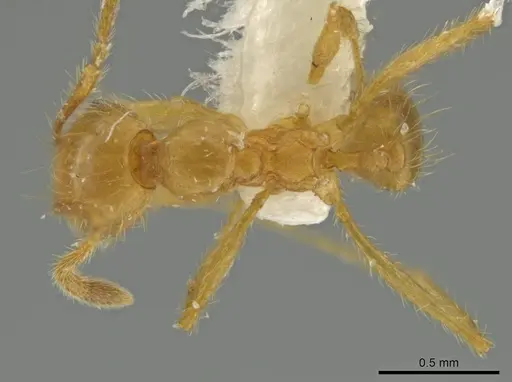
JTLC000016490
View on AntWeb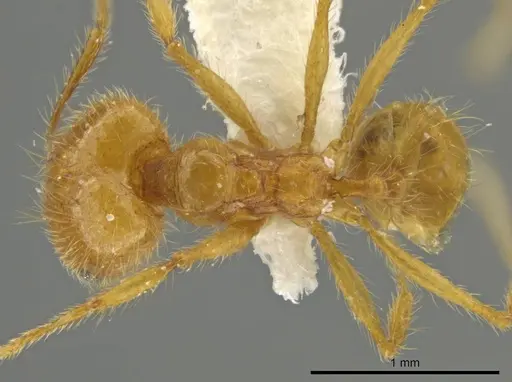
Literature
Loading distribution map...Loading products...