Pheidole parva exhibits a clear seasonal flight window. Peak flight activity is concentrated in November, with the overall period spanning April to December. This extended season suggests multiple flight events or varying conditions across its range.
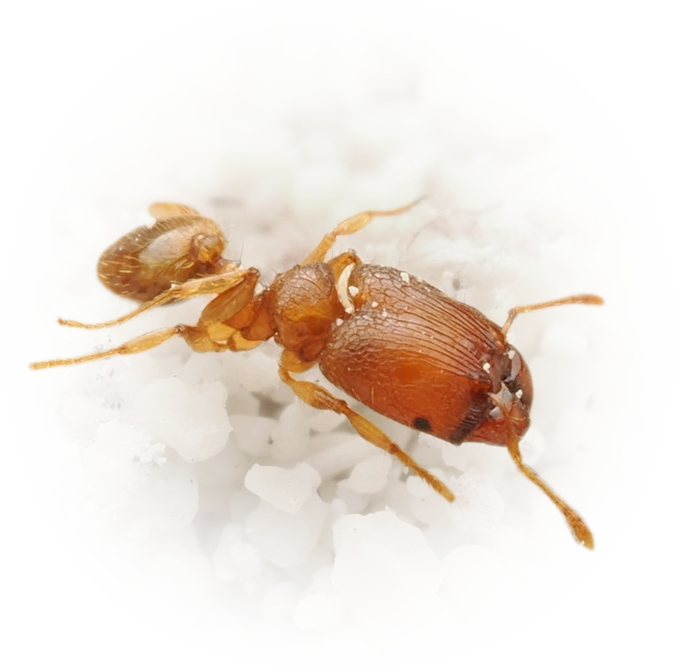
Pheidole parva
- Sci. Name
- Pheidole parva
- Tribe
- Attini
- Subfamily
- Myrmicinae
- Author
- Mayr, 1865
- Distribution
- Found in 15 countries
- Nuptial Flight
- From April to December
- Peak flight Time
- 21:00
AI Identifiable
try →
Introduction
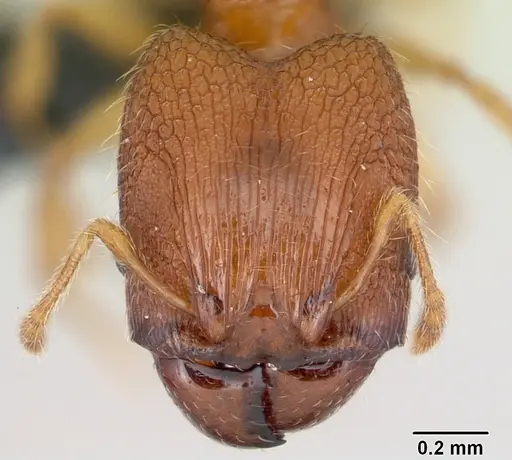
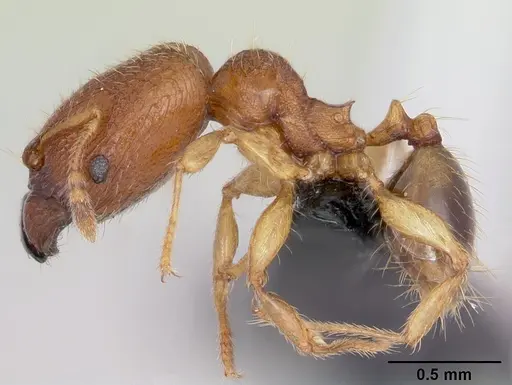
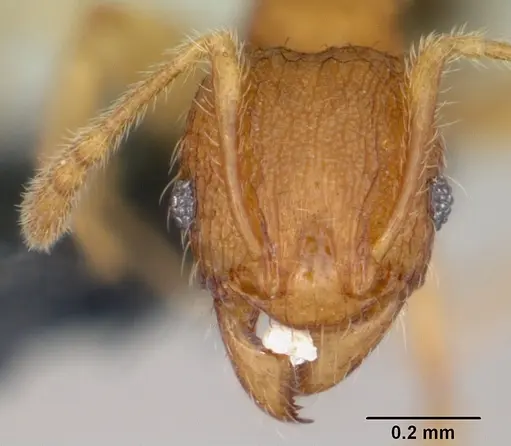
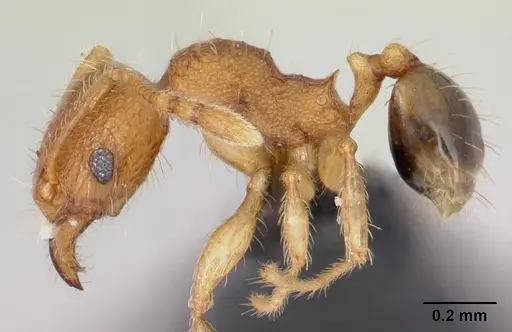
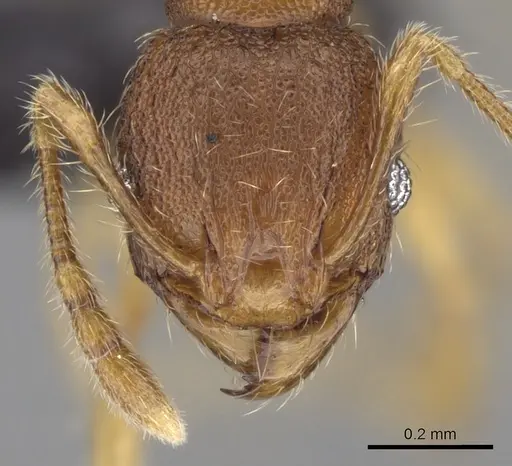
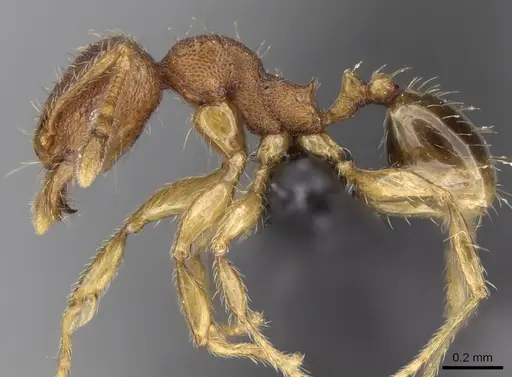
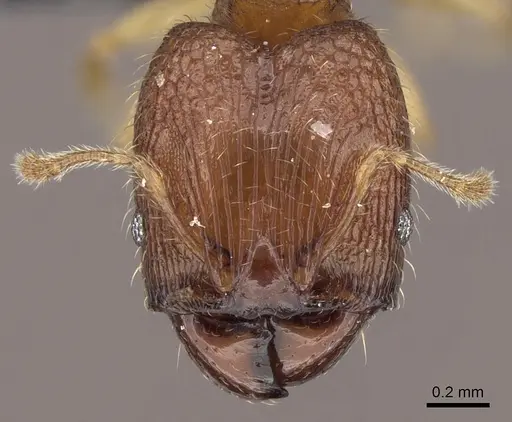
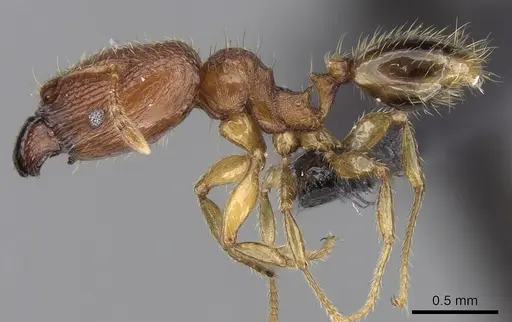
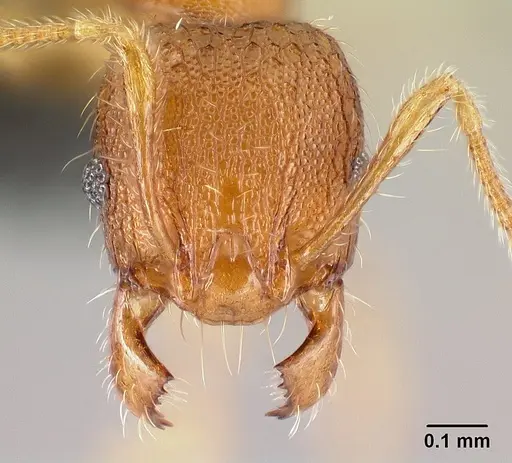
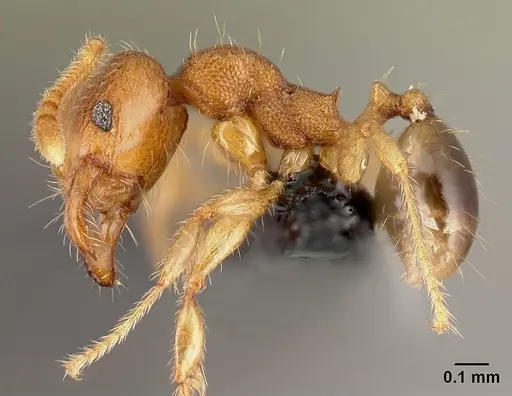
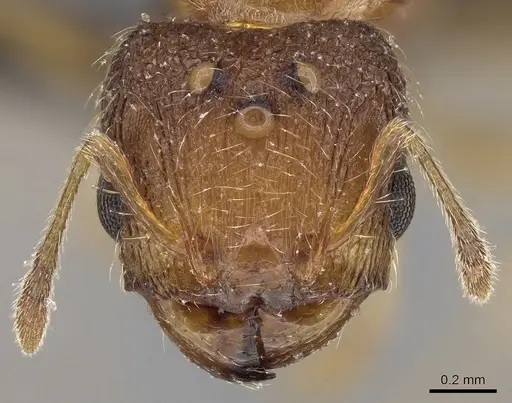
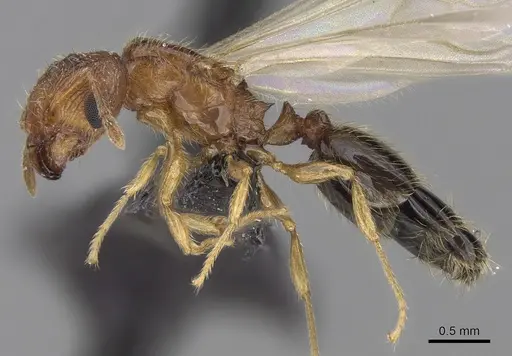
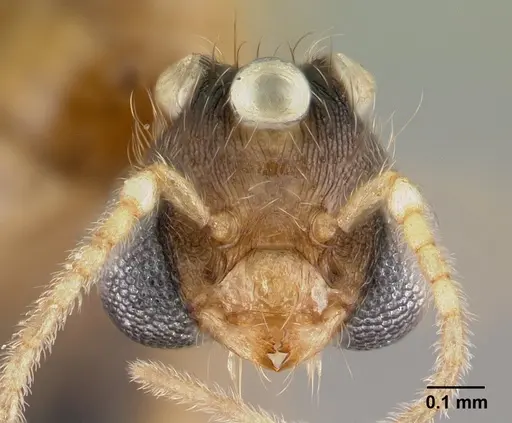
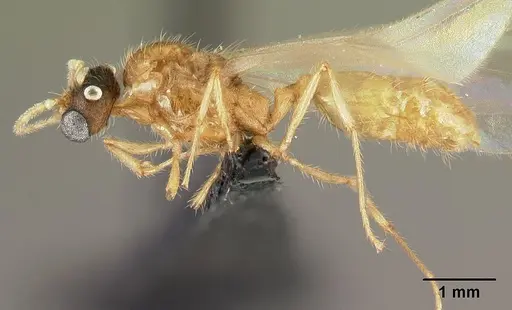
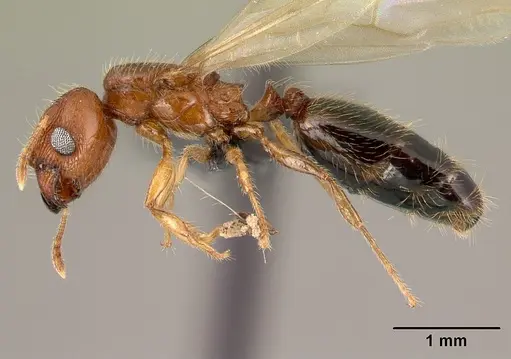
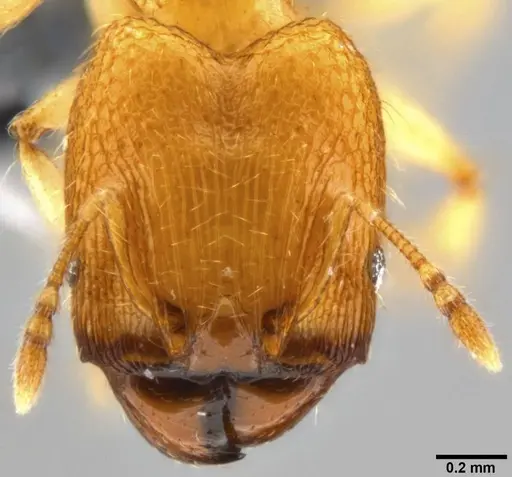
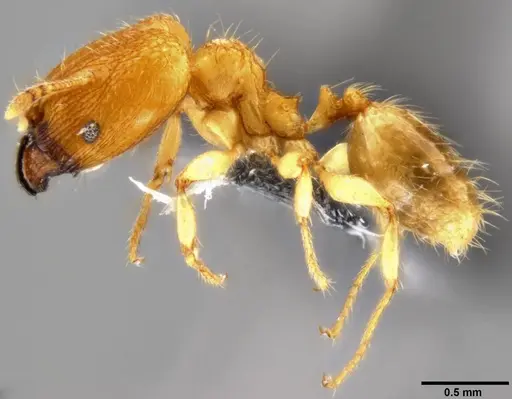
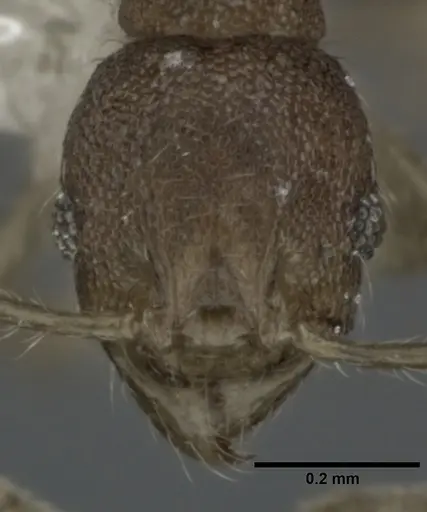
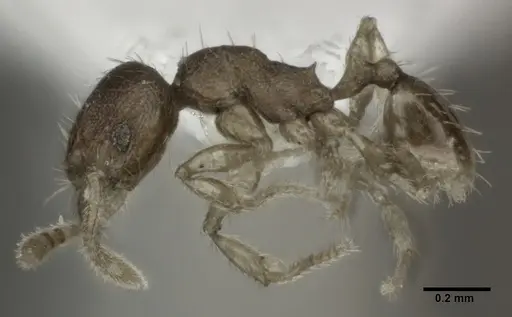
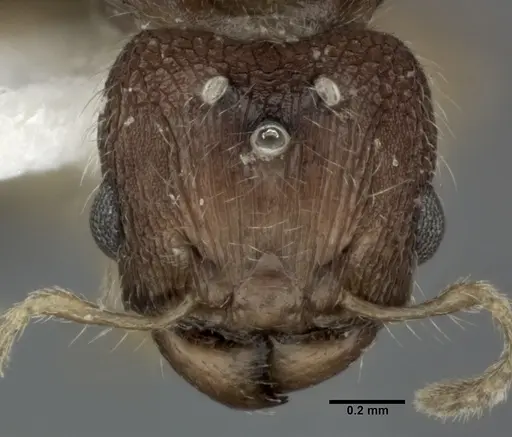
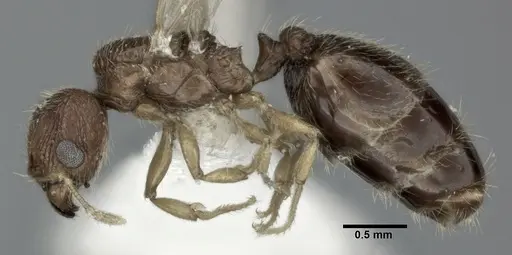
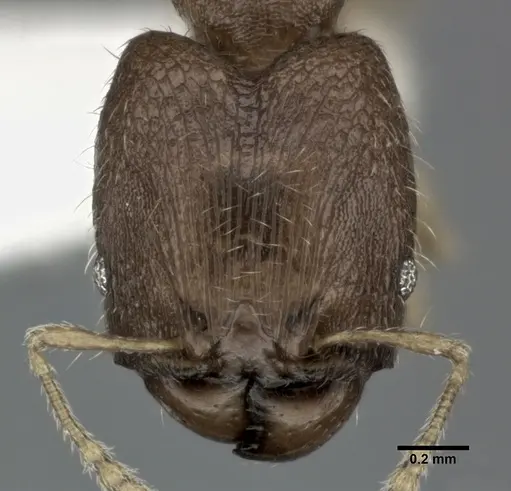
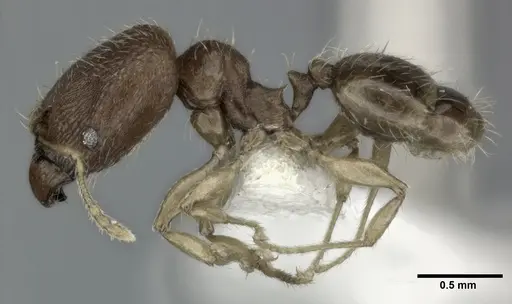
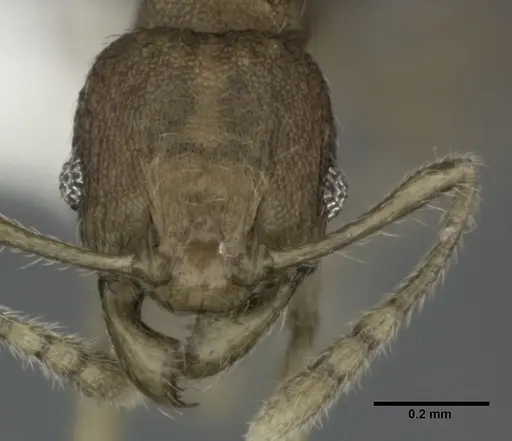
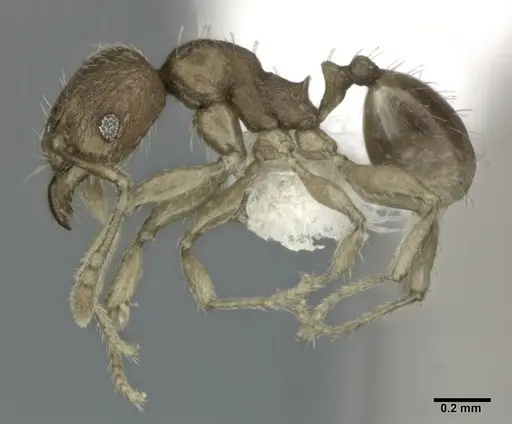
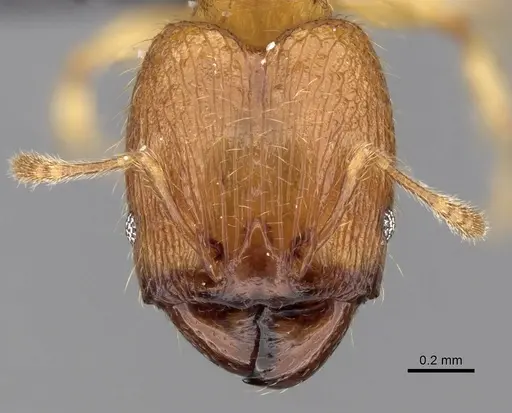
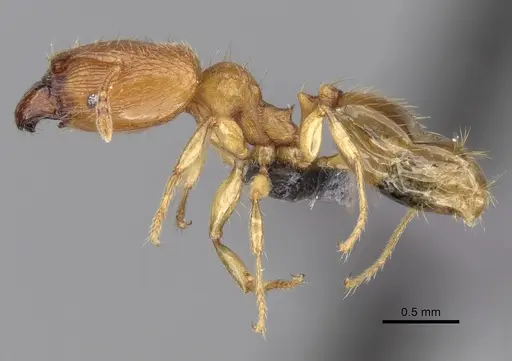
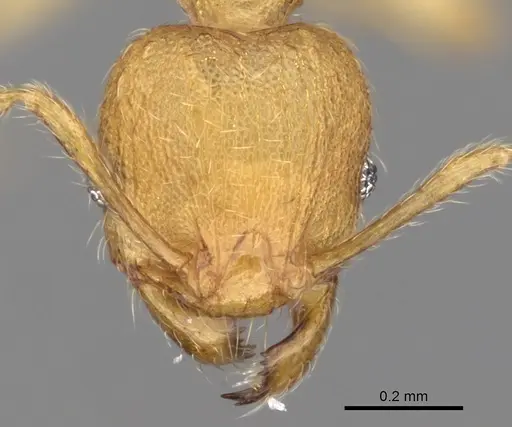
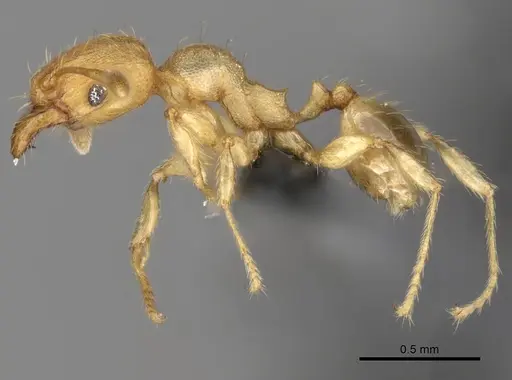
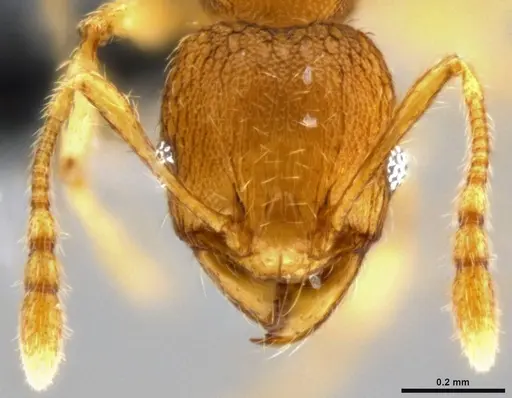
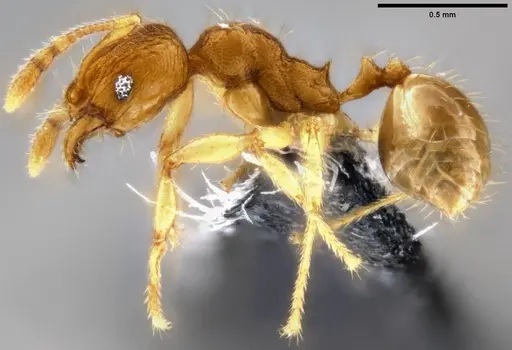
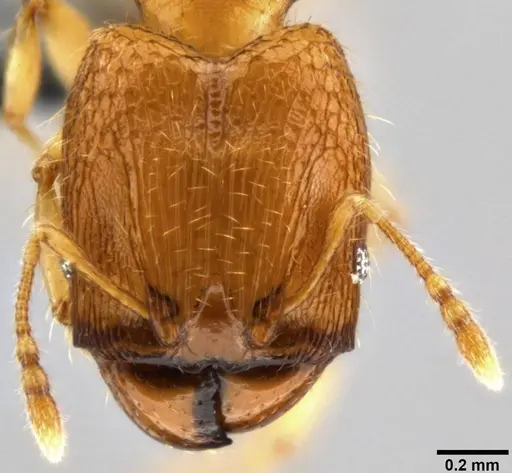
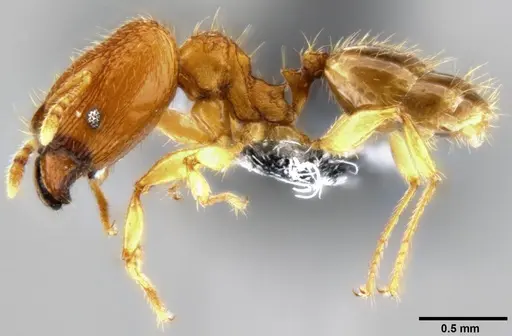
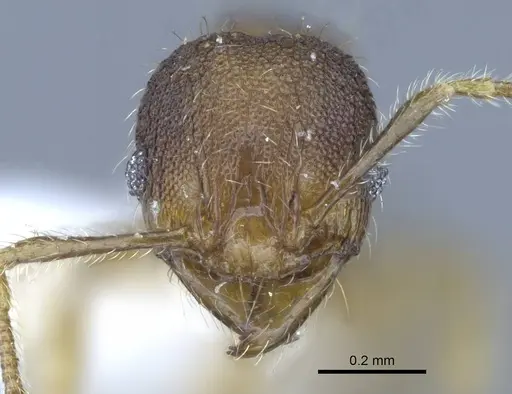
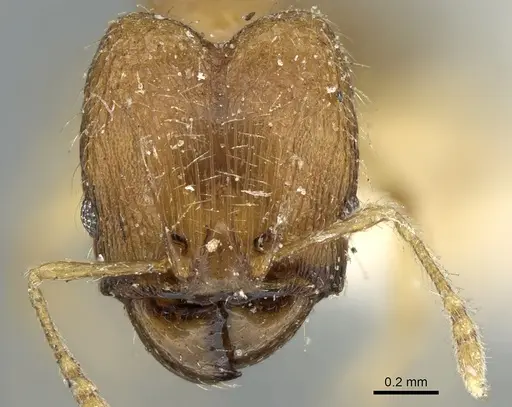
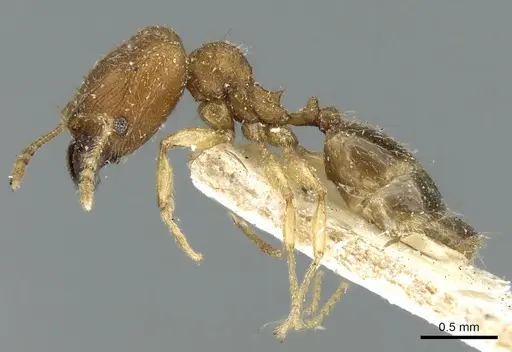
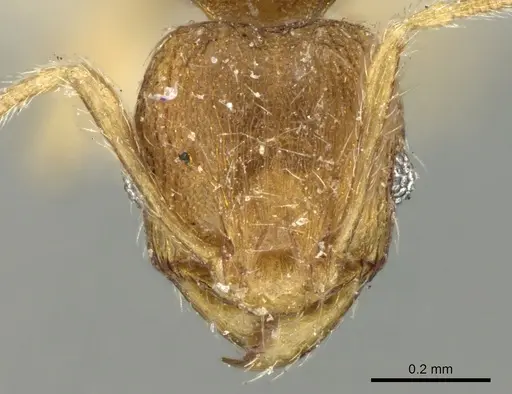
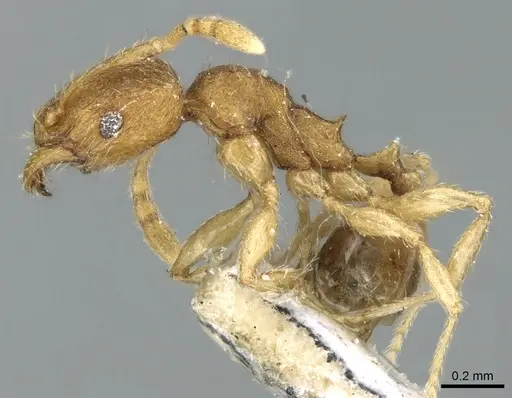
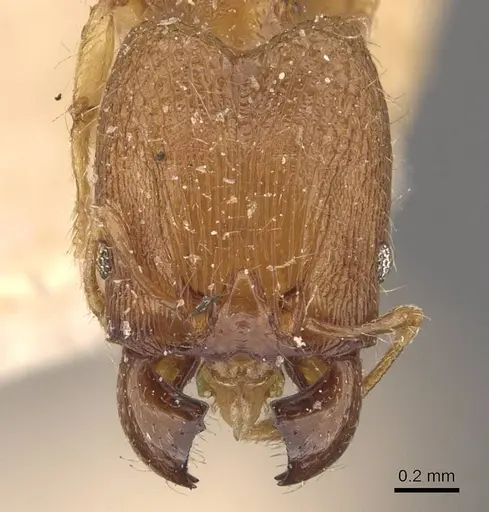
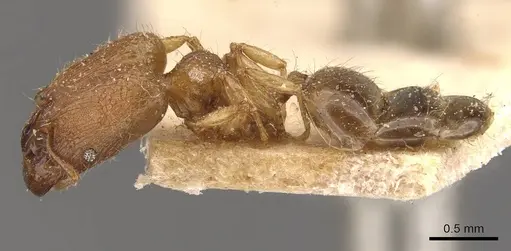
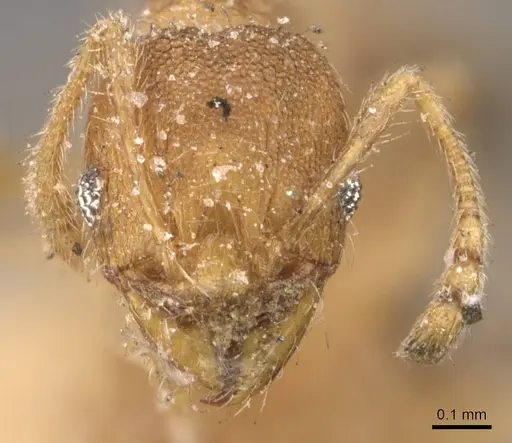
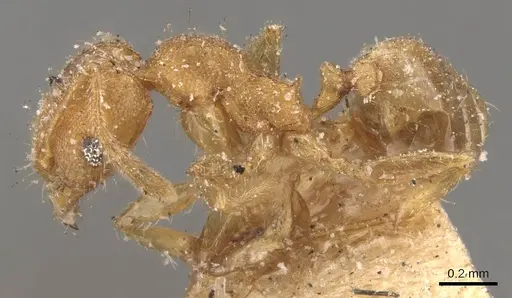
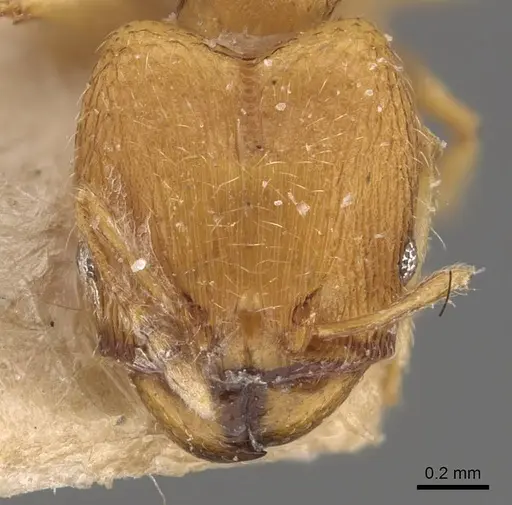
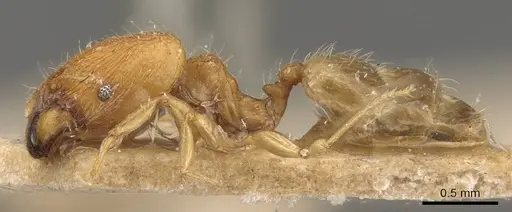
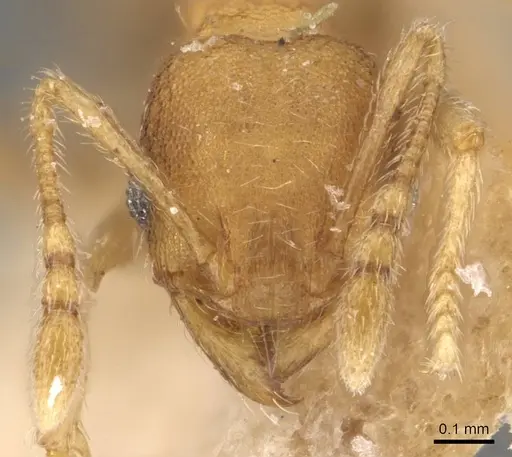
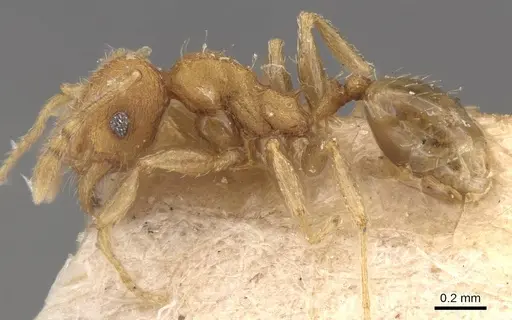
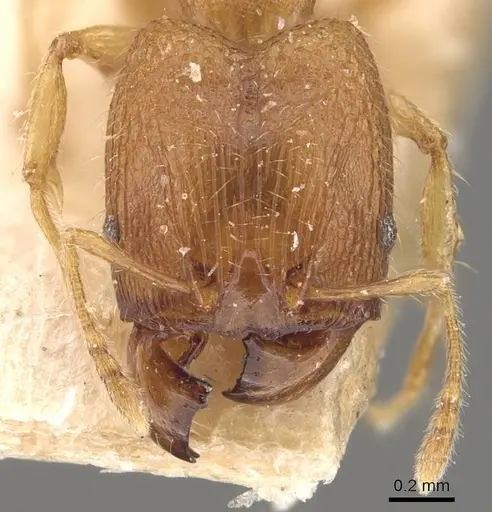
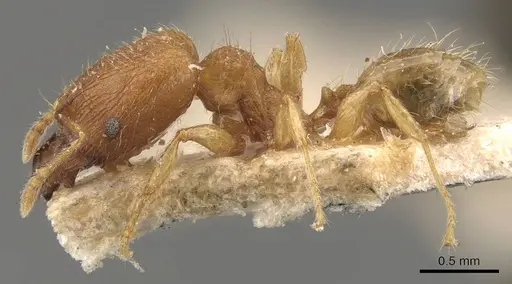
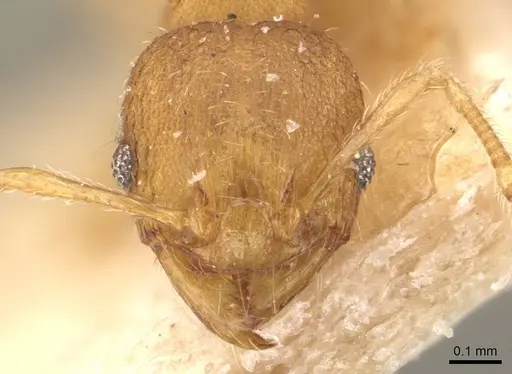
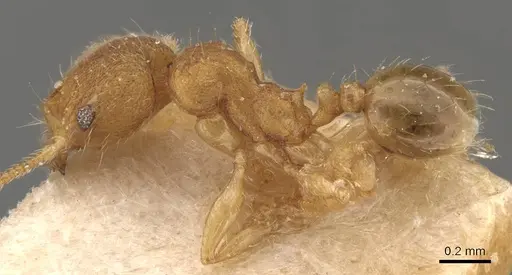
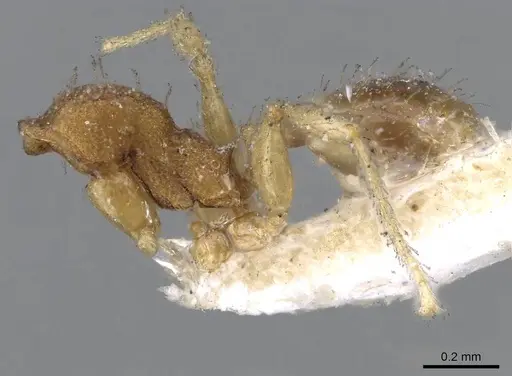
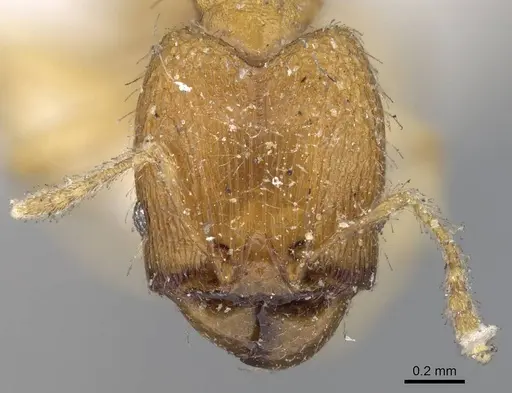
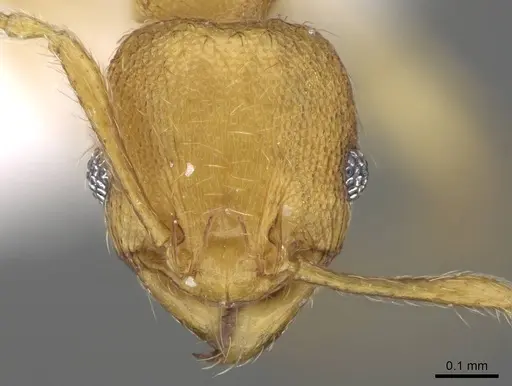
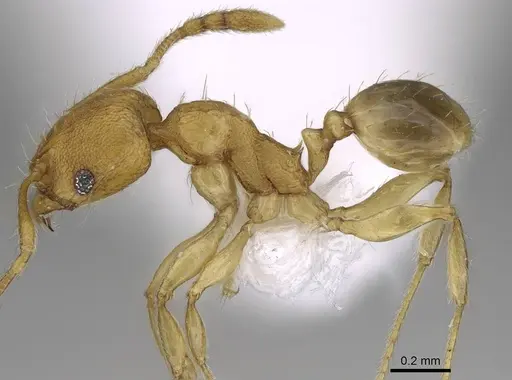
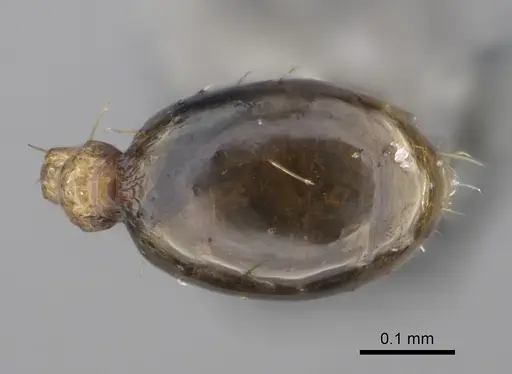
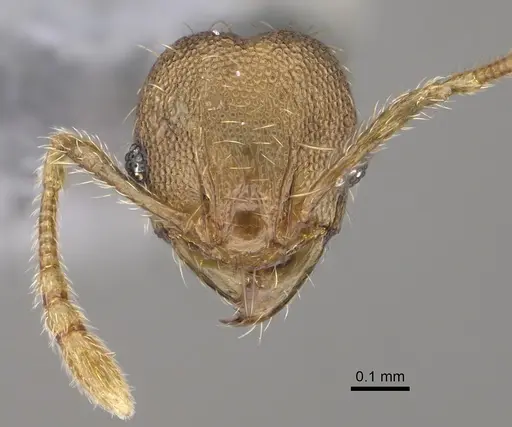
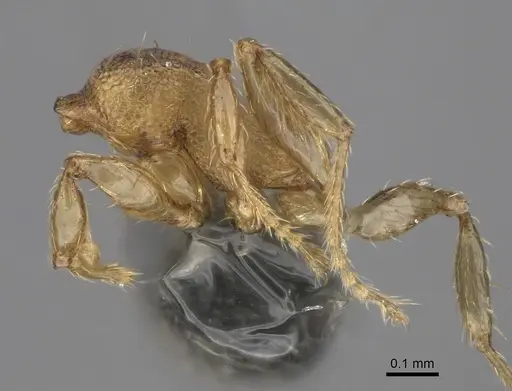
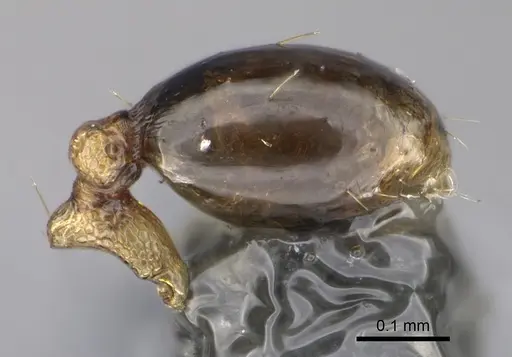
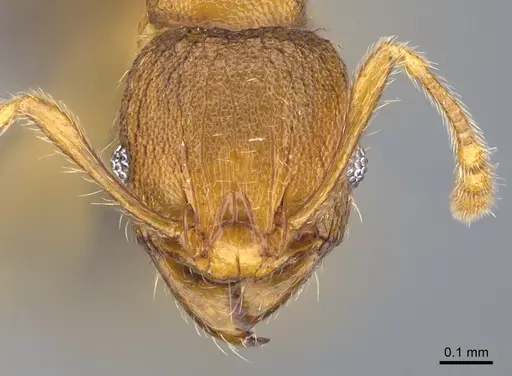
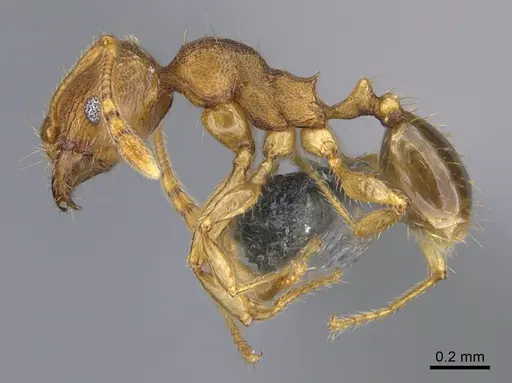
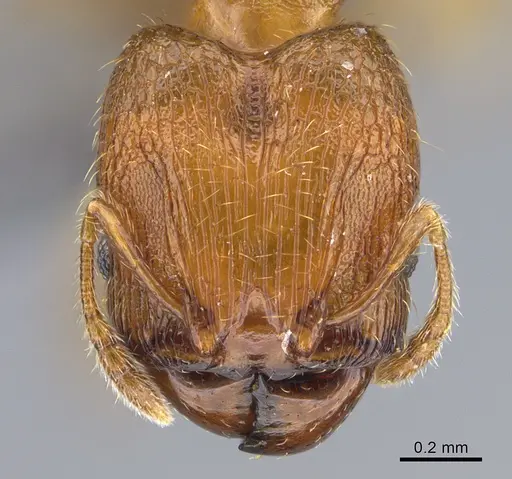
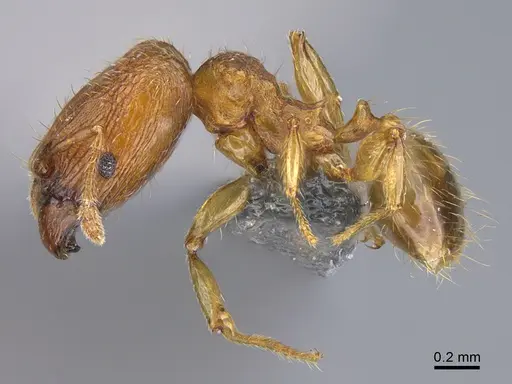
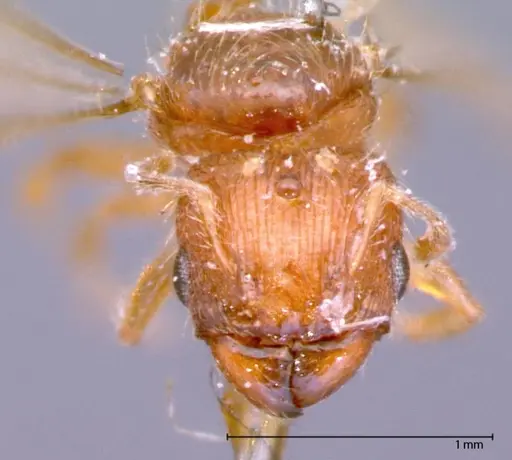
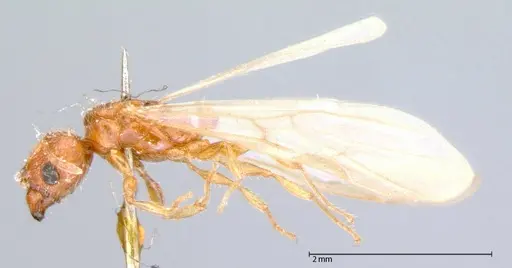
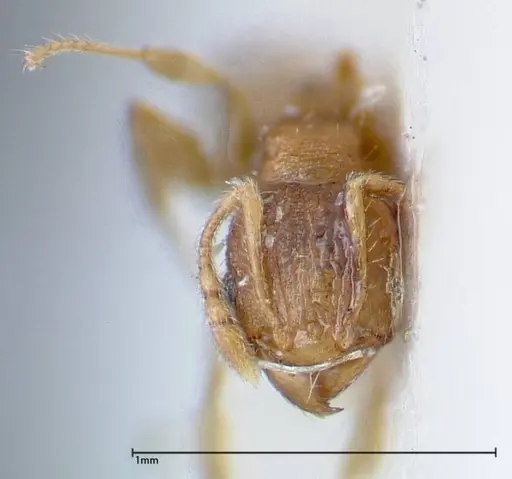
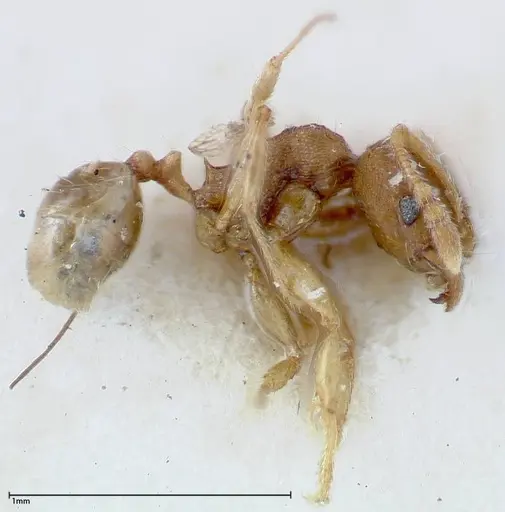
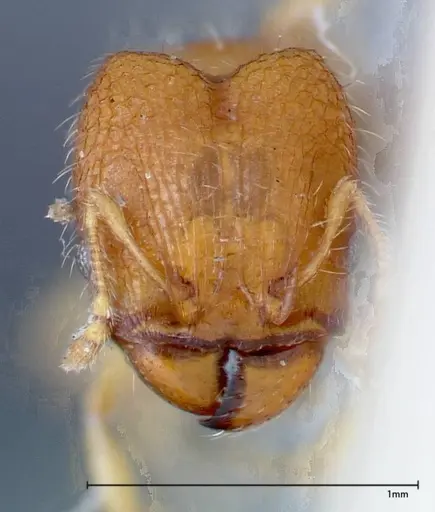
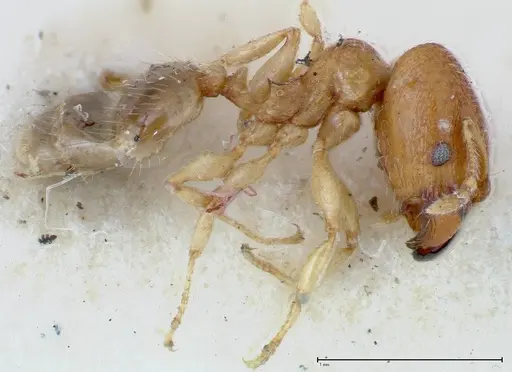
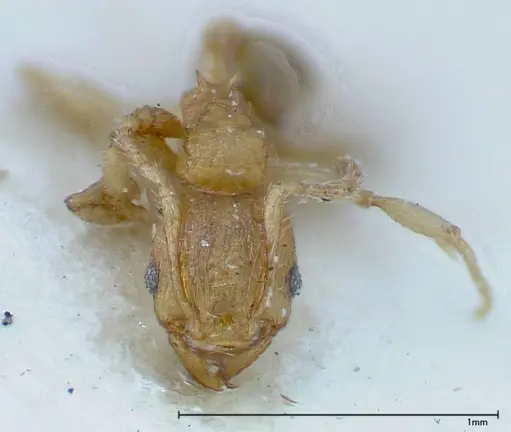
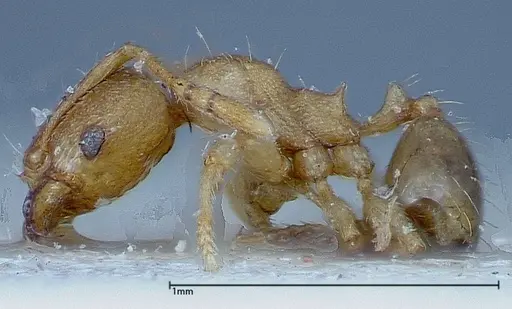
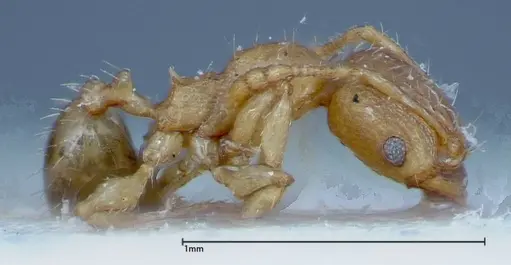
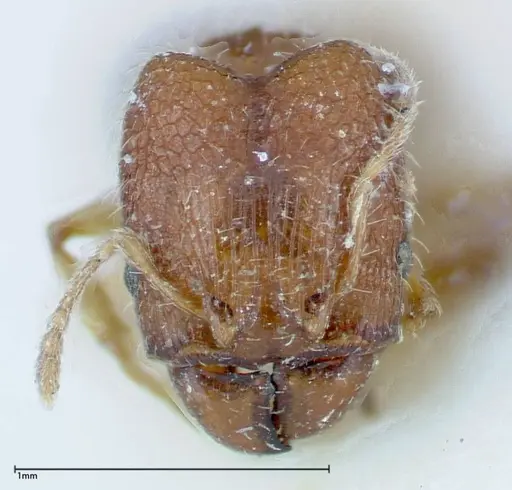
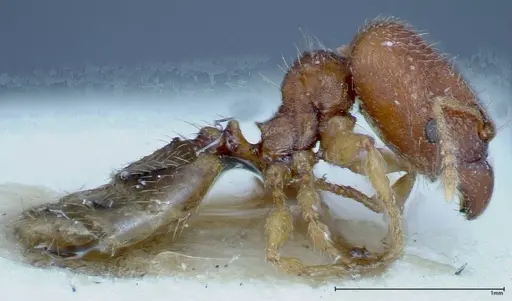
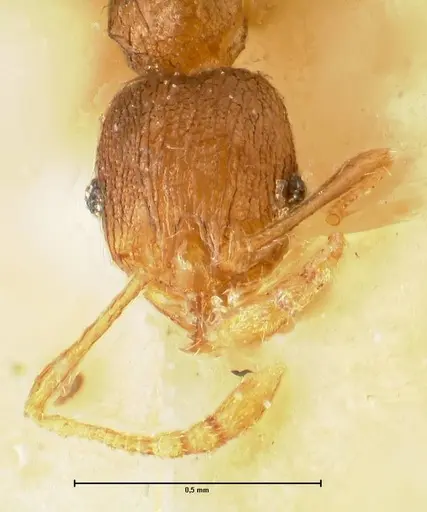
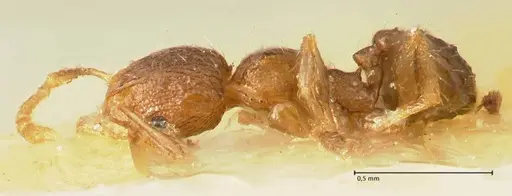
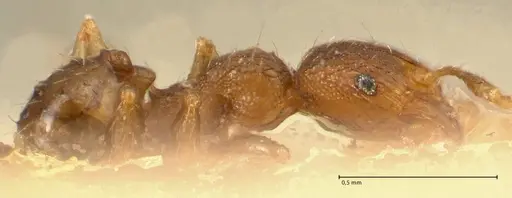
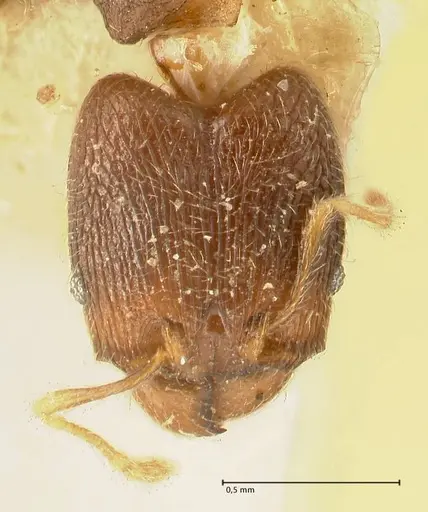
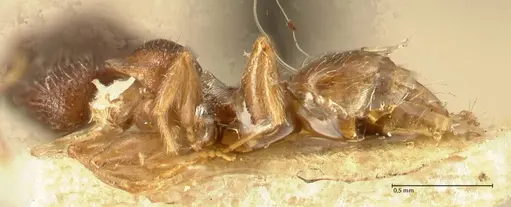
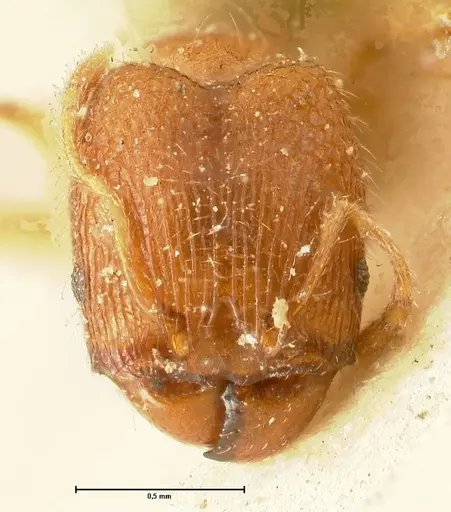
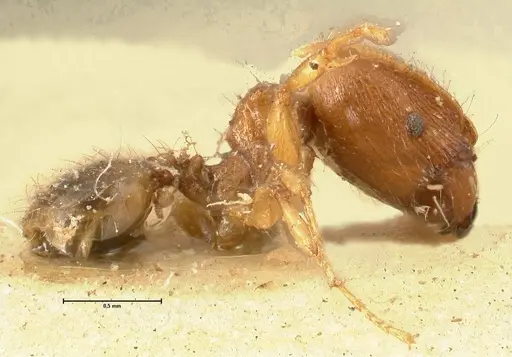
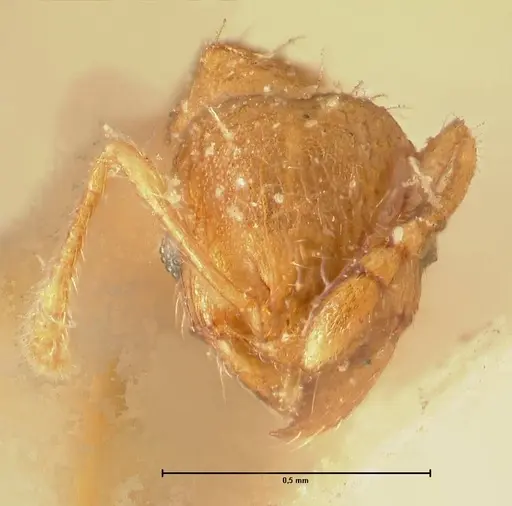
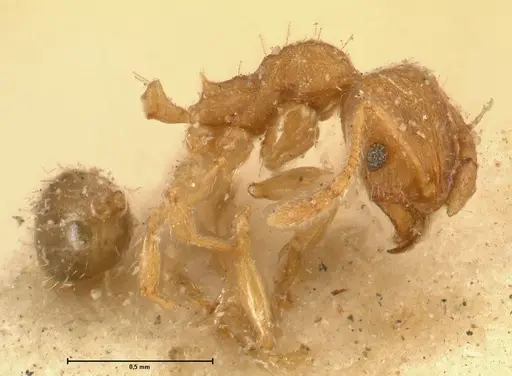
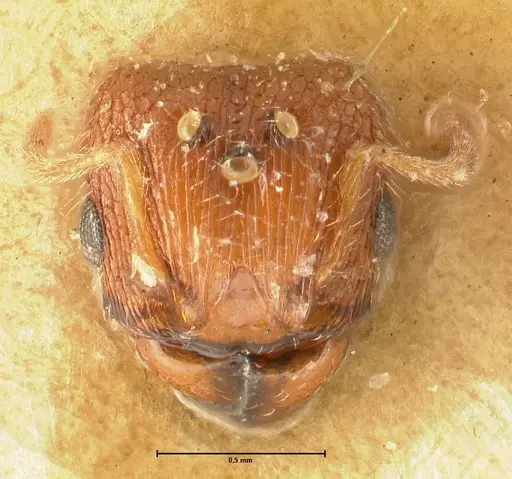
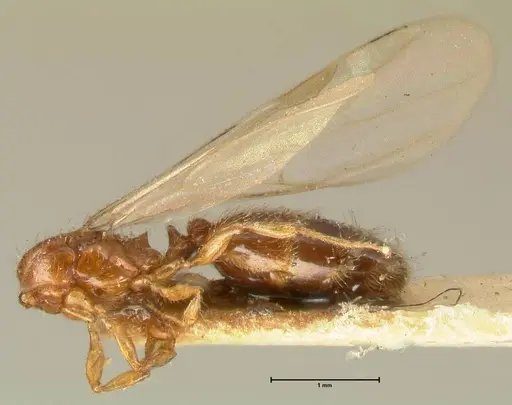
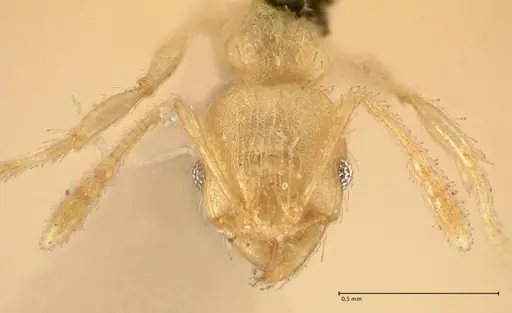
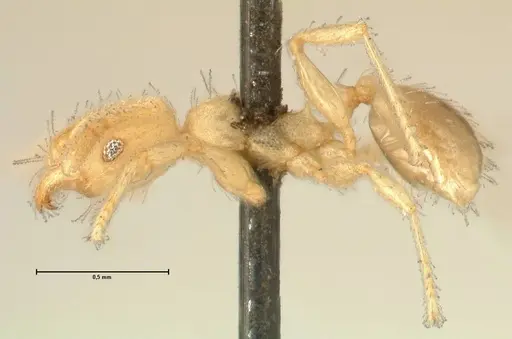
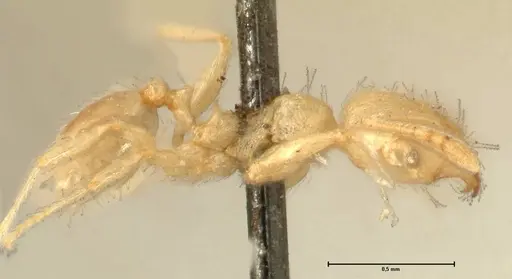
Pheidole parva is a small, dimorphic ant species with distinct major (soldier) and minor worker castes. Queens are approximately 3.2-4.3 mm in total length . The species is native to Southeast Asia and the Oriental region, including Sri Lanka, India, and Vietnam, but has been introduced to many islands and regions through human commerce . It nests in soil, leaf litter, and under stones, and is known for its ability to thrive in human-altered environments . This ant is a successful tramp species, spreading via shipping and trade, and has become invasive in places like the Seychelles, Mauritius, and Japan . Its small size and aggressive foraging make it a dominant species in urban areas .
Quick Summary
- Difficulty: Expert
- Origin & Habitat: Native to Southeast Asia and the Oriental region, found in open lands, gardens, agricultural fields, and various habitats from sea level to 445 m elevation [4][2].
- Colony Type: Based on Pheidole genus patterns, likely monogyne (single-queen colonies), but not explicitly confirmed in research.
- Size & Growth:
- Queen: ~3.2-4.3 mm [1]
- Worker: Size data unavailable, no total length measurements in research.
- Colony: Colonies can become large in optimal conditions [5].
- Growth: Moderate to fast
- Development: Unknown, no specific data in research. Estimated 6-8 weeks under warm conditions based on genus patterns. (Development time may vary with temperature and feeding.)
- Antkeeping:
- Temperature: Keep warm, roughly 24-28°C, based on tropical habitat inference [4].
- Humidity: Keep nest substrate moist but not waterlogged, as they nest in moist soil [2].
- Diapause: No, tropical species does not require hibernation.
- Nesting: Prefer underground nests in soil, leaf litter, or under stones [4][2]. Use Y-tong or plaster nests with moist substrate and an outworld for foraging.
- Behavior: Temperament is aggressive toward other ants but not dangerous to humans [6]. Escape risk is high due to small size of minor workers [2]. WARNING: This species is invasive and should not be kept outside its native range. Never release colonies into the environment.
- Common Issues: escape prevention is critical, minor workers are small and can slip through gaps [2]., colonies can grow large quickly, requiring frequent feeding and space upgrades [5]., invasive status means you must never release this species outside its native range [2][3]., may become a nuisance pest in urban areas, invading healthcare facilities and kitchens [5]., test tube flooding can kill founding colonies, use appropriate water reservoir sizes.
Nuptial Flight Activity Analysis 356 observations
Flight Activity by Hour 356 observations
Pheidole parva nuptial flight activity peaks around 21:00 during the night. Activity is spread across a 24-hour window (00:00–23:00). Times may be influenced by human observation patterns.
Housing and Nest Setup
Pheidole parva adapts well to captive setups. For founding colonies, use a test tube setup with water and cotton plug. Once workers emerge, upgrade to a Y-tong or plaster nest with moist substrate to mimic natural underground nesting [4][2]. Provide an outworld for foraging and ensure all connections are tight to prevent escapes due to small worker size [2].
Feeding and Diet
This species is a generalist feeder. Offer protein sources like small insects 2-3 times per week and sugar sources like honey water always available [3][5]. They scavenge on dead insects and can dominate food resources [6].
Temperature and Seasonal Care
Keep temperatures around 24-28°C for optimal activity [4]. As a tropical species, no hibernation is needed, but reduce feeding slightly in cooler months. Use a heating cable for gradient if room is cool.
Colony Growth and Development
Colonies grow moderately fast once established. First workers may emerge in 6-8 weeks under warm conditions. Major workers appear as colony size increases [4].
Invasive Status and Legal Considerations
Pheidole parva is invasive in many regions, including the Seychelles, Mauritius, and Japan [2][3]. Never release colonies outside native range. Check local regulations on invasive species [7].
Frequently Asked Questions
Is Pheidole parva good for beginners?
No, this species is set to Expert difficulty due to its invasive status and potential for large colonies. It requires careful management to prevent escapes and ecological harm.
How long does it take for Pheidole parva to produce first workers?
Unknown, no specific data in research. Estimated 6-8 weeks under warm conditions based on genus patterns.
Can I keep multiple Pheidole parva queens together?
Unconfirmed, research does not specify colony structure. Based on genus patterns, likely monogyne, so combining queens is not recommended.
What do Pheidole parva eat?
They are generalist feeders. Offer small insects for protein and sugar sources like honey water [3][5].
How big do Pheidole parva colonies get?
Colonies can become large in optimal conditions [5].
Do Pheidole parva need hibernation?
No, as a tropical species, they do not require hibernation.
When should I move Pheidole parva to a formicarium?
Move when the test tube is crowded or you have 20+ workers. Use Y-tong or plaster nests with moist substrate [2].
Why are my Pheidole parva escaping?
Minor workers are small and can escape through gaps. Use fine mesh and tight lids [2].
When is the nuptial flight of Pheidole parva?
The nuptial flight of Pheidole parva typically occurs From April to December.
What time of day does Pheidole parva fly?
The nuptial flight of Pheidole parva peaks around 21:00 during the night, with most activity between 00:00 and 23:00. Times may be influenced by human observation patterns.
Report an Issue
The current care sheet is based fully on literature. See inconsistencies, or something that's incorrect? Please , it will be resolved after review from an admin. Contributing to the blogs tab also helps providing information, to make us be able to further improve the caresheets. Thank you for your support!
References

This caresheet is licensed under CC BY-SA 4.0 .
Community Blogs
ANTWEB1041898
View on AntWeb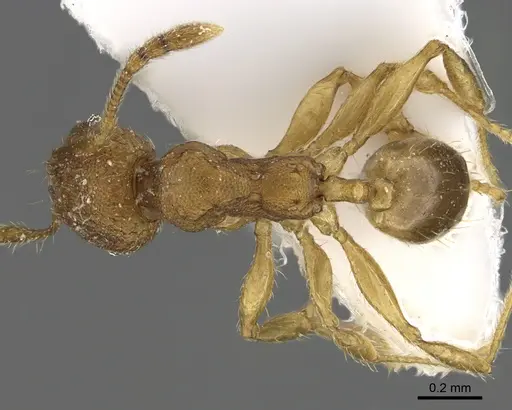
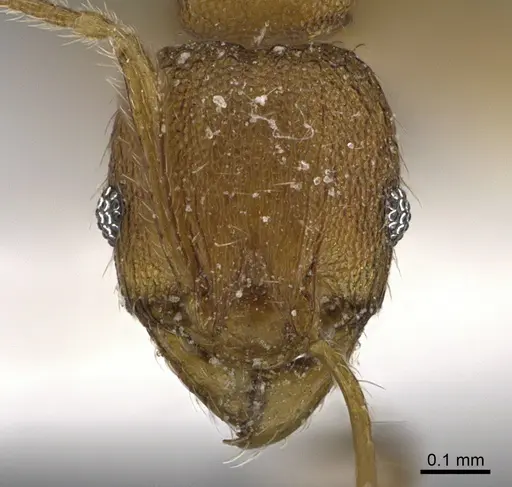
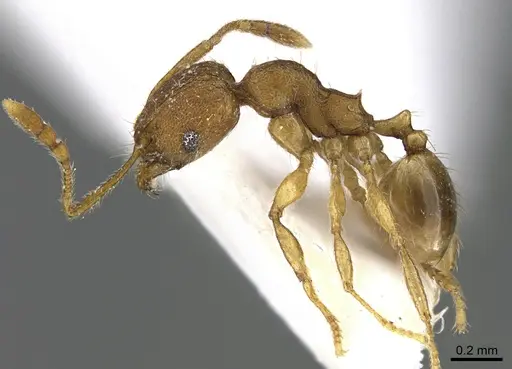
CASENT0055997
View on AntWeb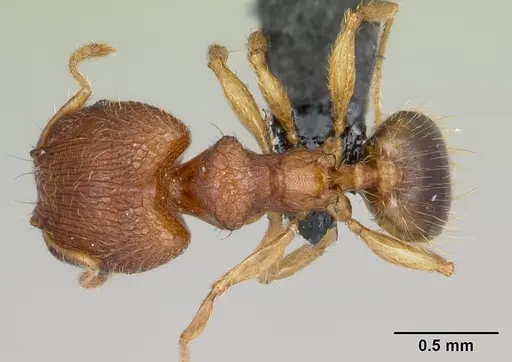
CASENT0055998
View on AntWeb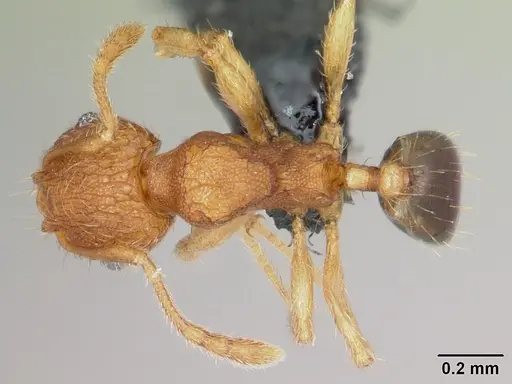
CASENT0102292
View on AntWeb
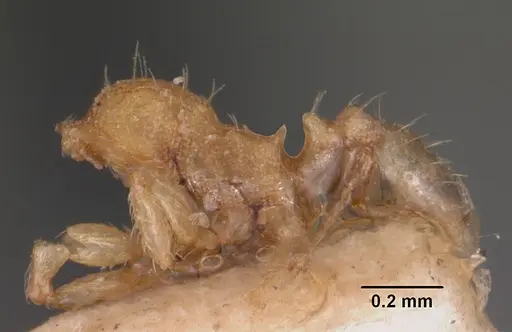
CASENT0102293
View on AntWeb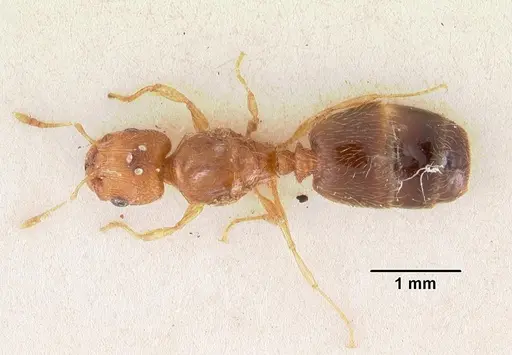
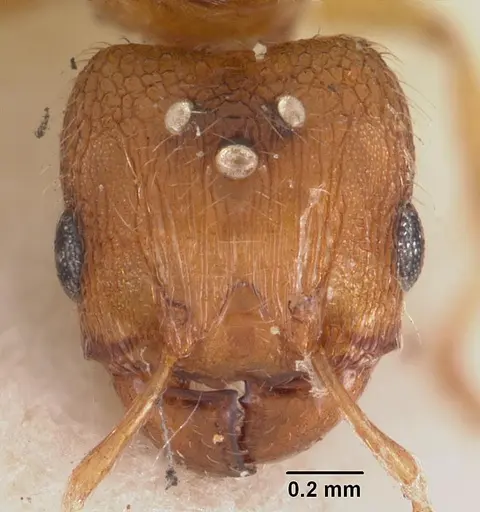
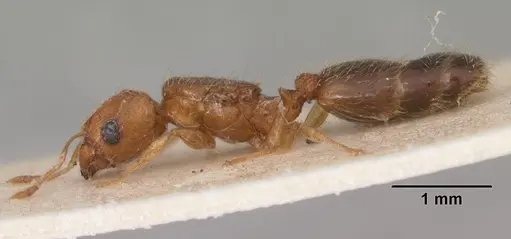
CASENT0133503
View on AntWeb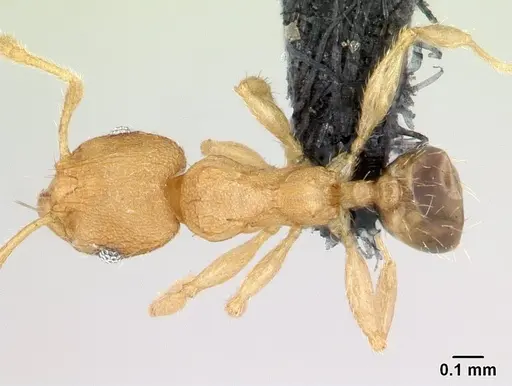
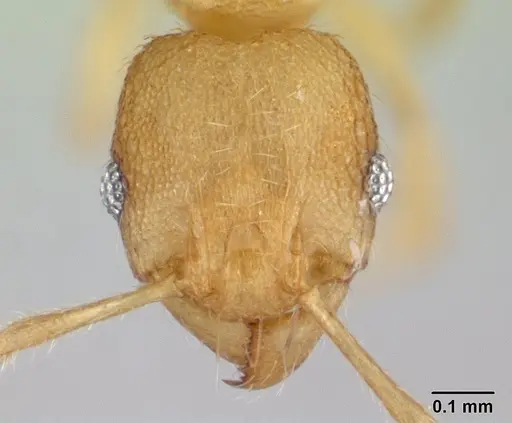
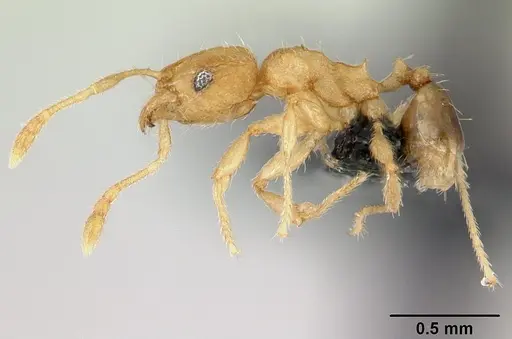
CASENT0160279
View on AntWeb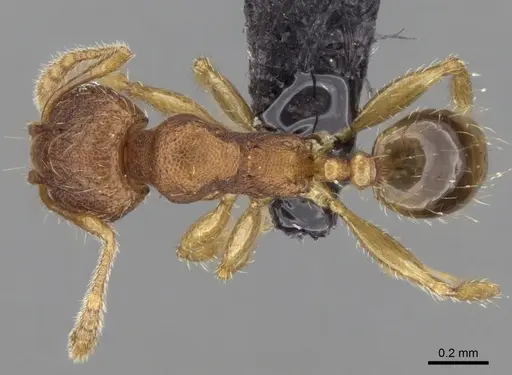
CASENT0160280
View on AntWeb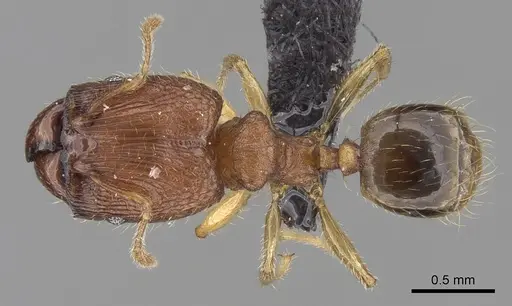
CASENT0160528
View on AntWeb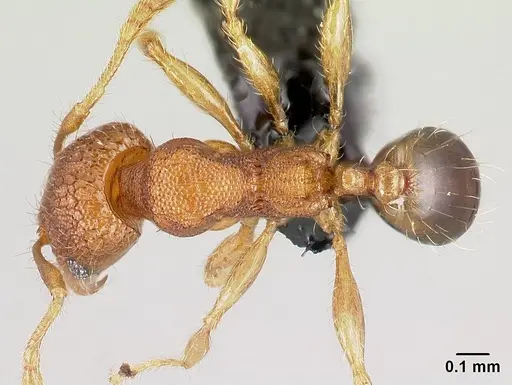
CASENT0160637
View on AntWeb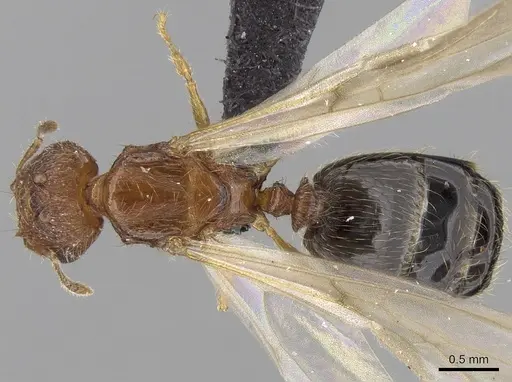
CASENT0160641
View on AntWeb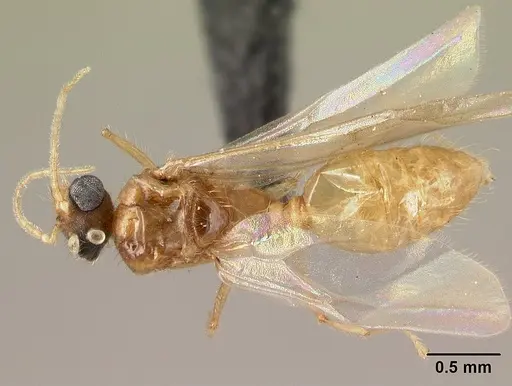
CASENT0199390
View on AntWeb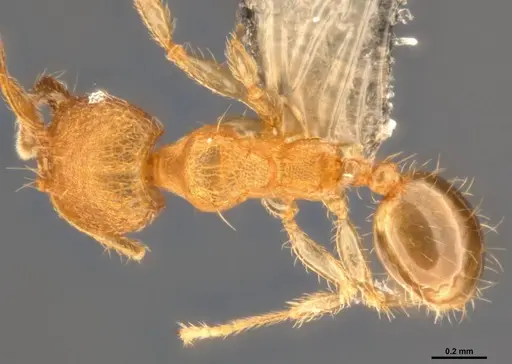
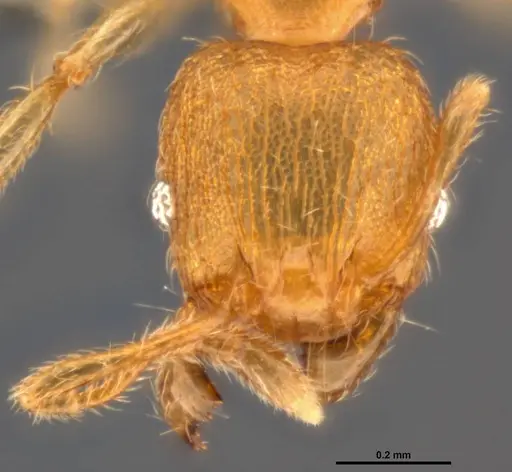
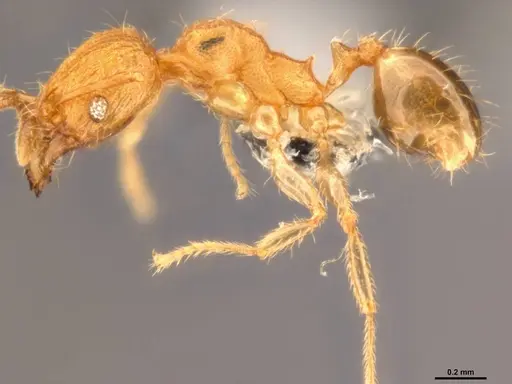
CASENT0217236
View on AntWeb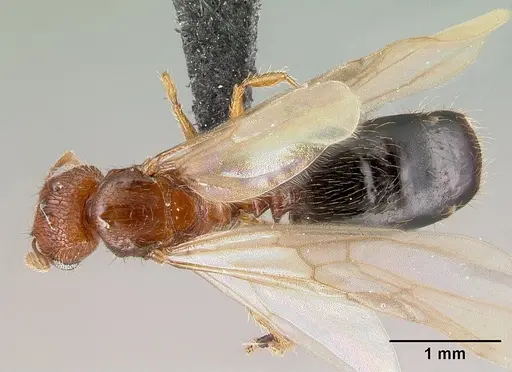
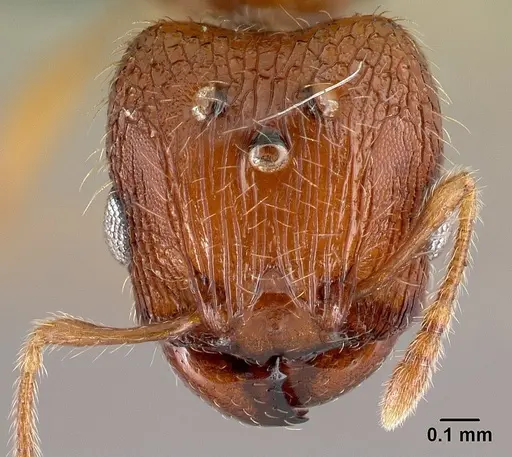
CASENT0219402
View on AntWeb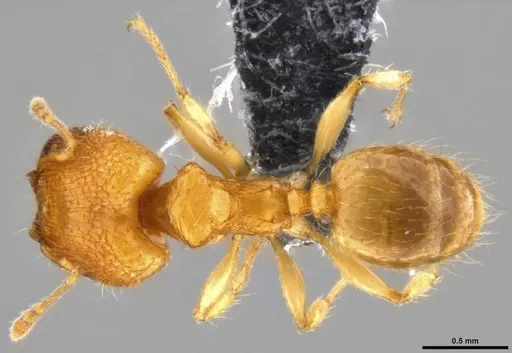
CASENT0246110
View on AntWeb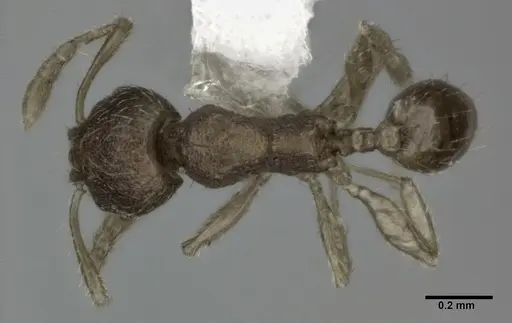
CASENT0246118
View on AntWeb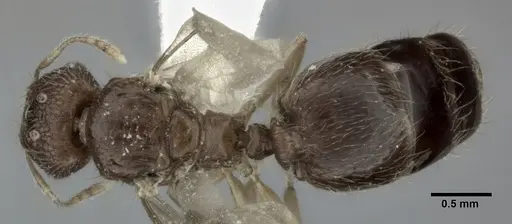
CASENT0246119
View on AntWeb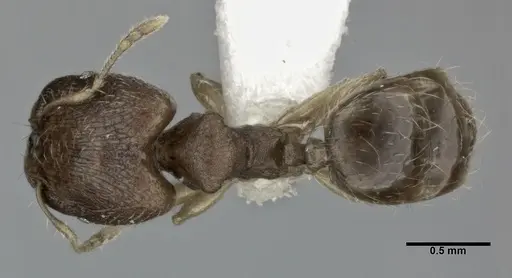
CASENT0246120
View on AntWeb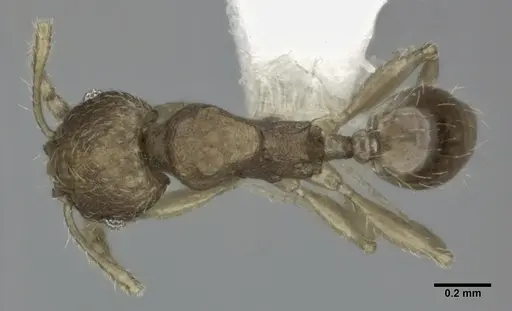
CASENT0249817
View on AntWeb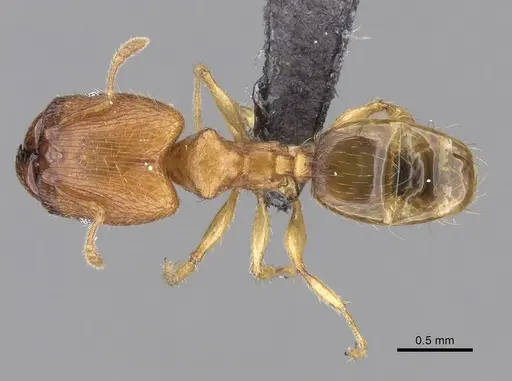
CASENT0263952
View on AntWeb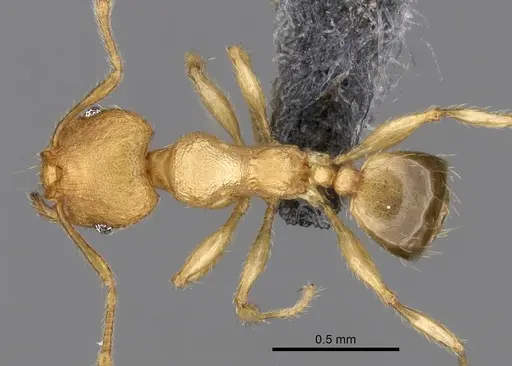
CASENT0282010
View on AntWeb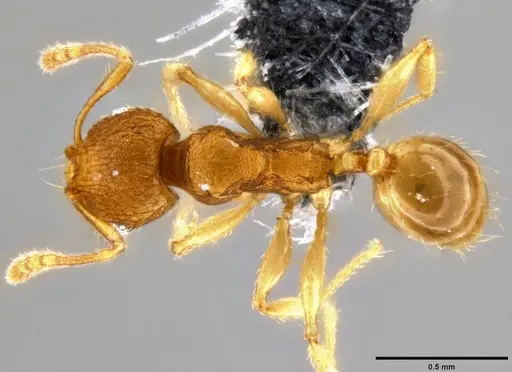
CASENT0282013
View on AntWeb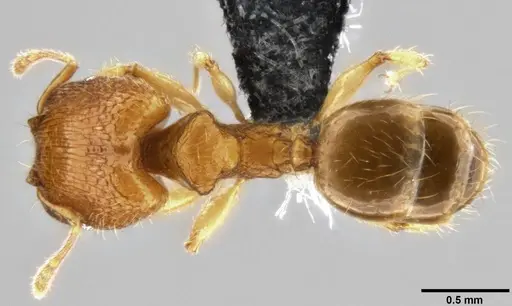
CASENT0740794
View on AntWeb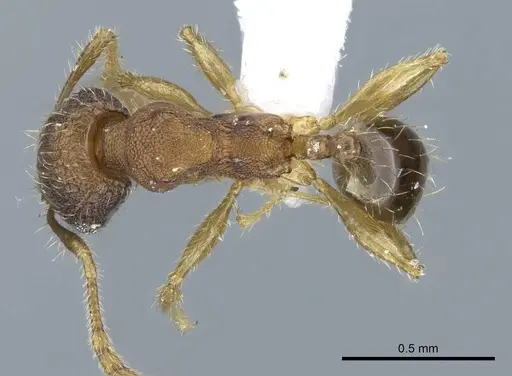
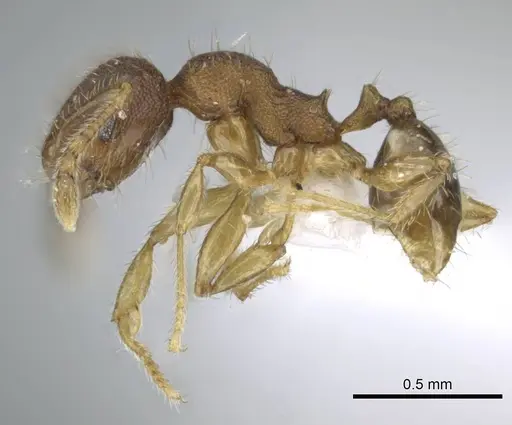
CASENT0904260
View on AntWeb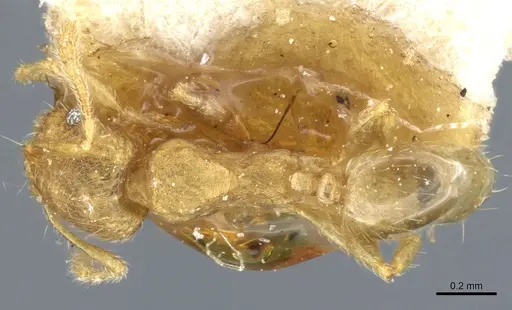
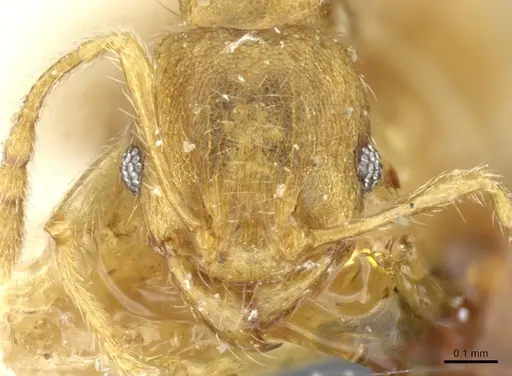
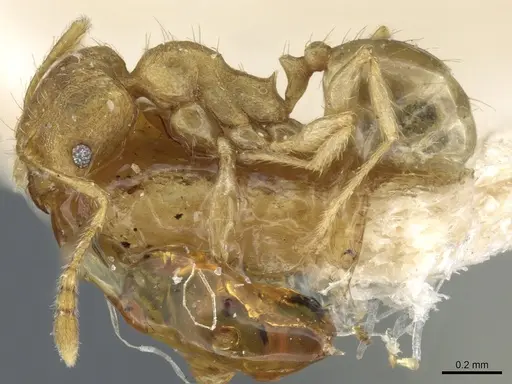
CASENT0906610
View on AntWeb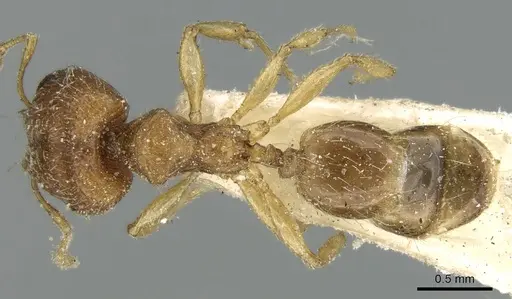
CASENT0906611
View on AntWeb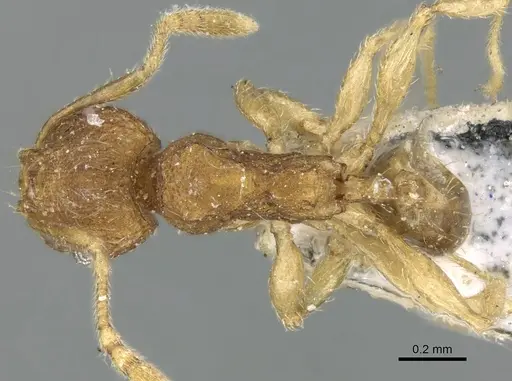
CASENT0907985
View on AntWeb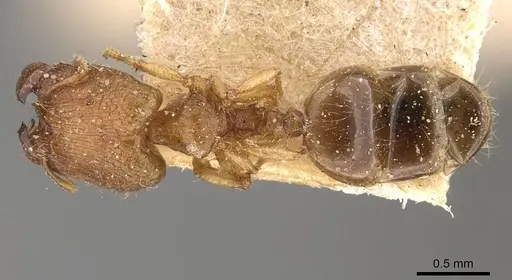
CASENT0907986
View on AntWeb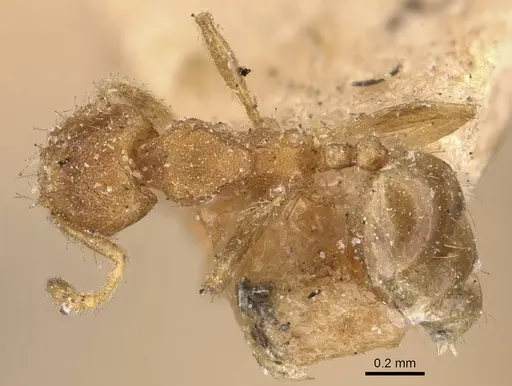
CASENT0907991
View on AntWeb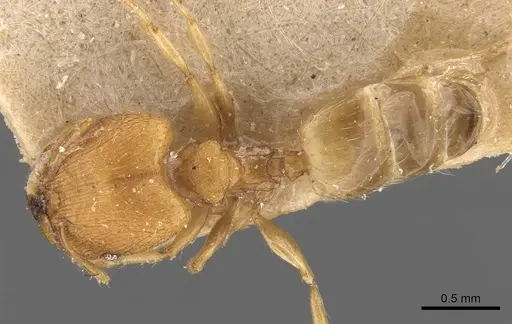
CASENT0907992
View on AntWeb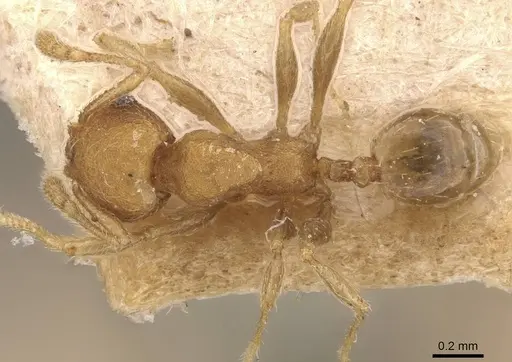
CASENT0907993
View on AntWeb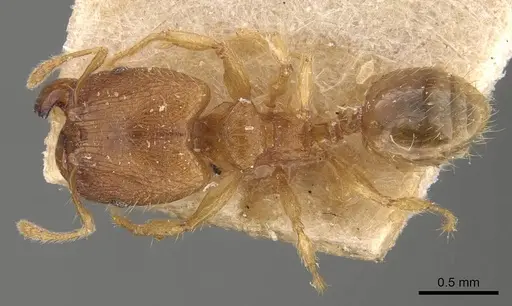
CASENT0907994
View on AntWeb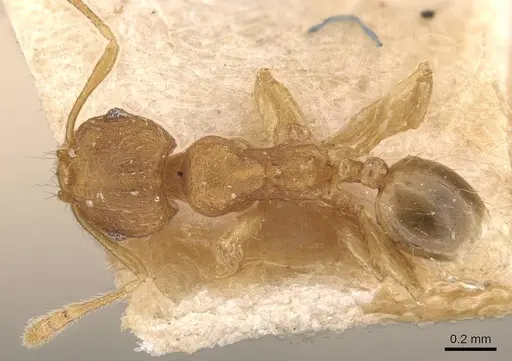
CASENT0922207
View on AntWeb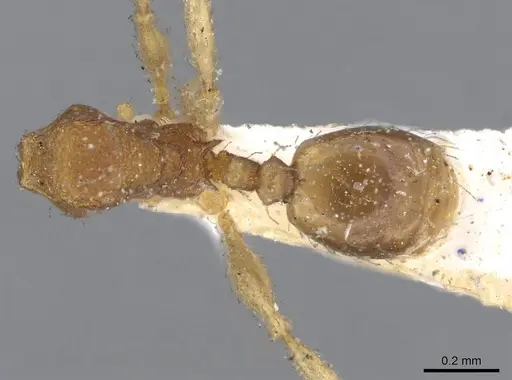
CASENT0922208
View on AntWeb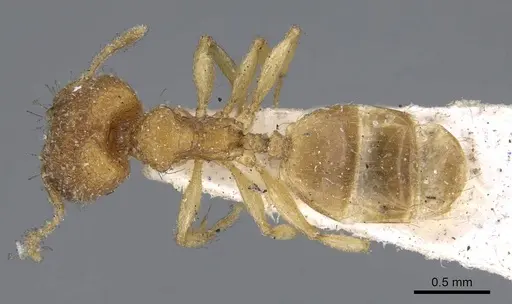
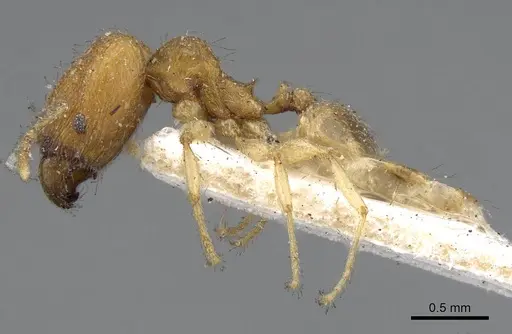
CASENT0922280
View on AntWeb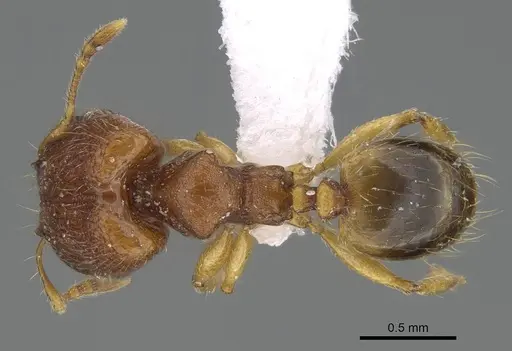
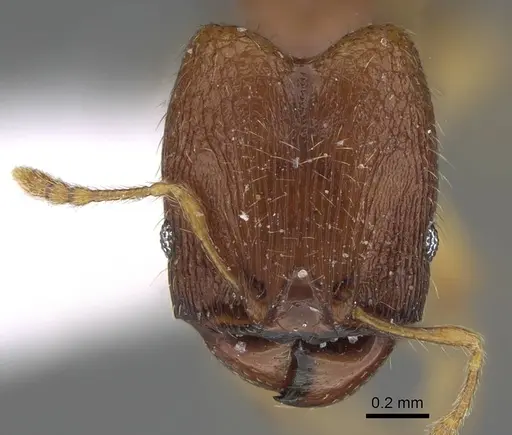
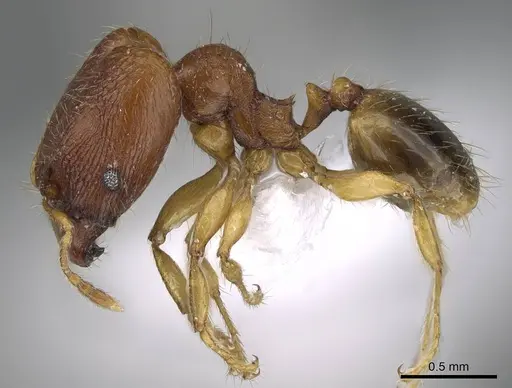
CASENT0922281
View on AntWeb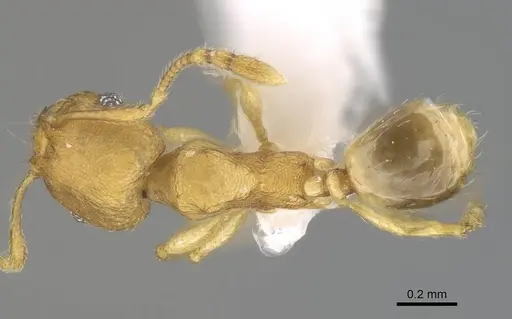
CASENT0923331
View on AntWeb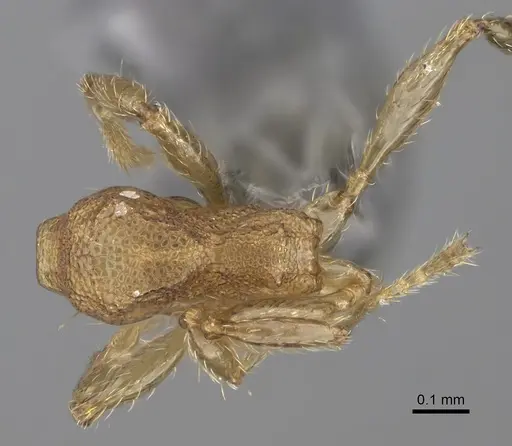
CASENT0923754
View on AntWeb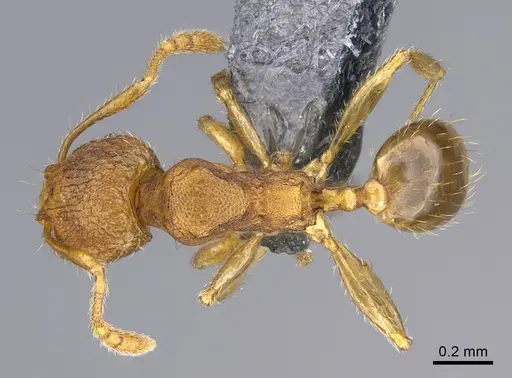
CASENT0923755
View on AntWeb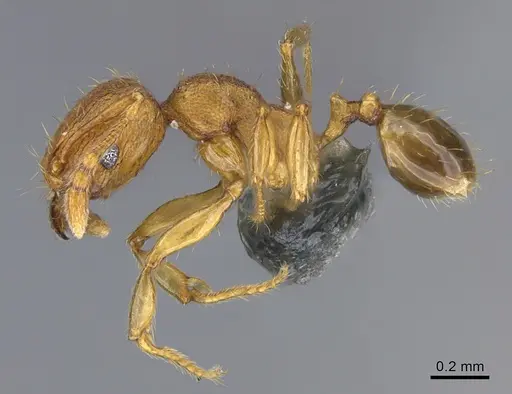
CASENT0923756
View on AntWeb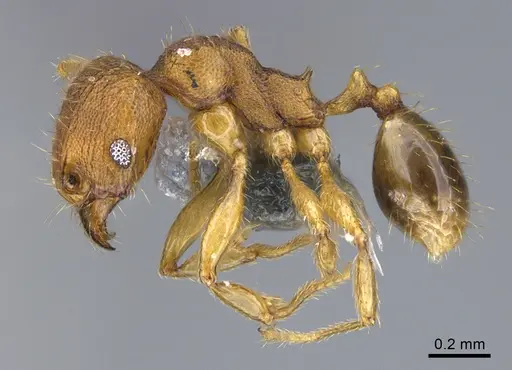
CASENT0923757
View on AntWeb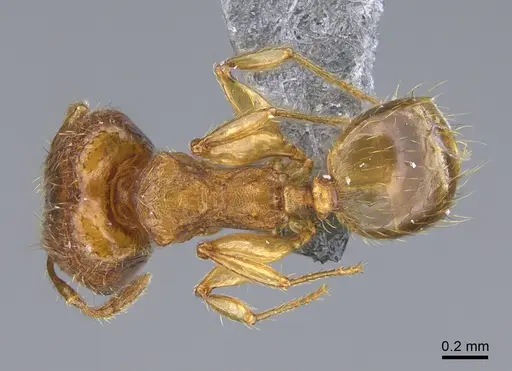
FOCOL0058
View on AntWeb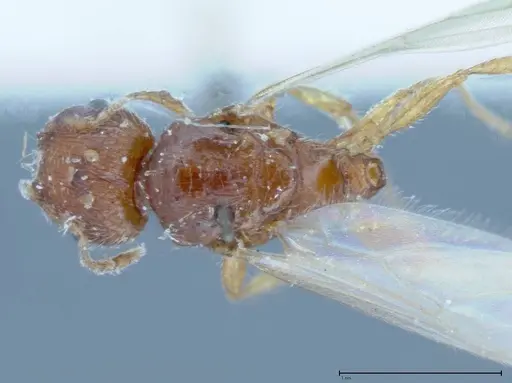
FOCOL0211
View on AntWeb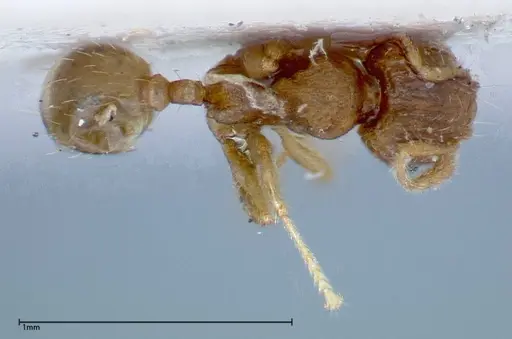
FOCOL0212
View on AntWeb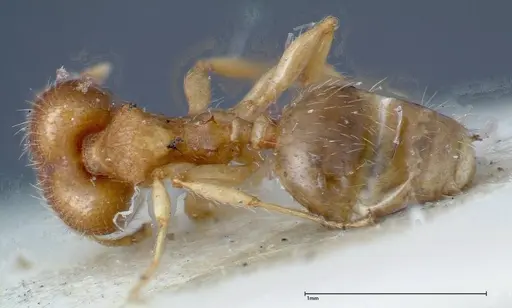
FOCOL0220
View on AntWeb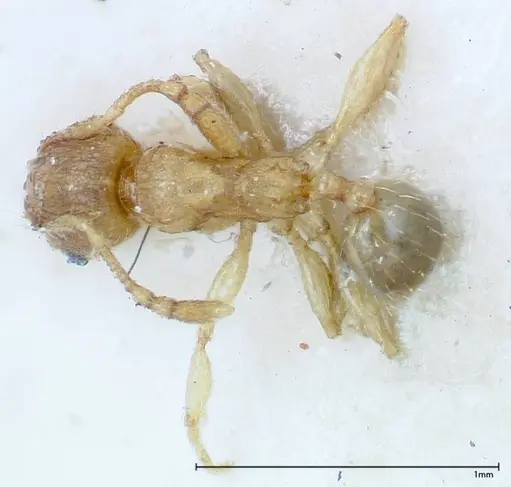
FOCOL0221
View on AntWeb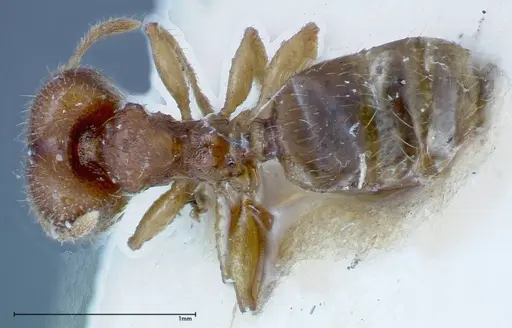
FOCOL1380
View on AntWeb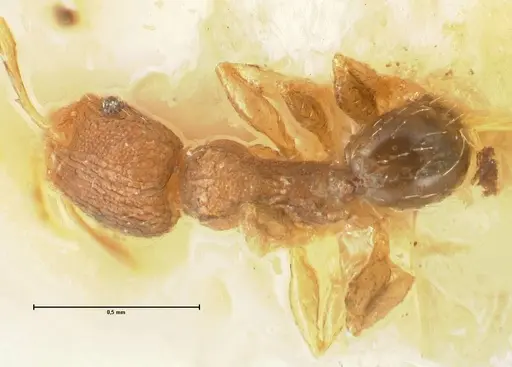
FOCOL1381
View on AntWeb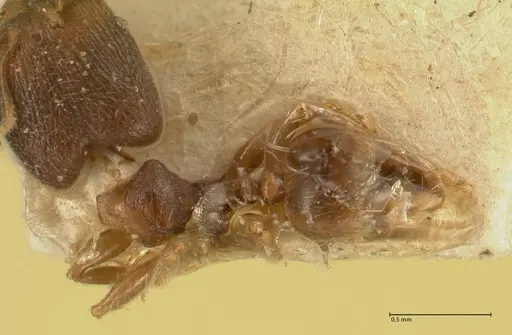
FOCOL1382
View on AntWeb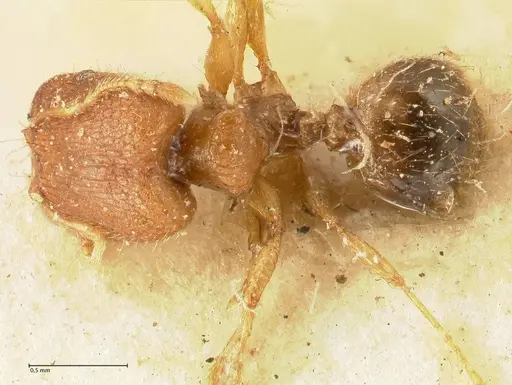
FOCOL1383
View on AntWeb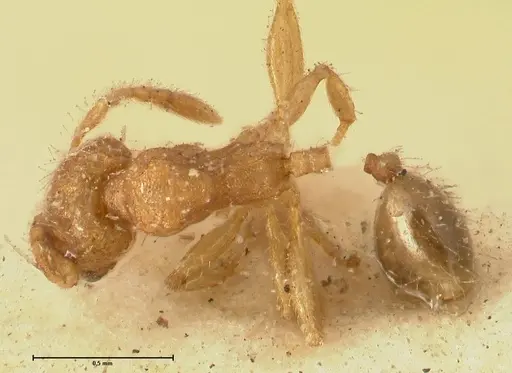
FOCOL1384
View on AntWeb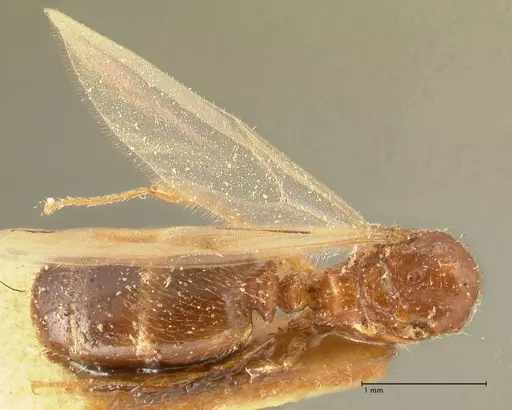
FOCOL1385
View on AntWeb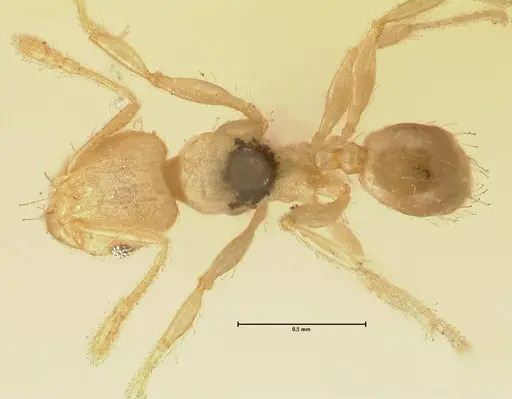
Literature
Loading distribution map...Loading products...