
Pheidole oxyops
- Sci. Name
- Pheidole oxyops
- Tribe
- Attini
- Subfamily
- Myrmicinae
- Author
- Forel, 1908
- Distribution
- Found in 3 countries
Introduction
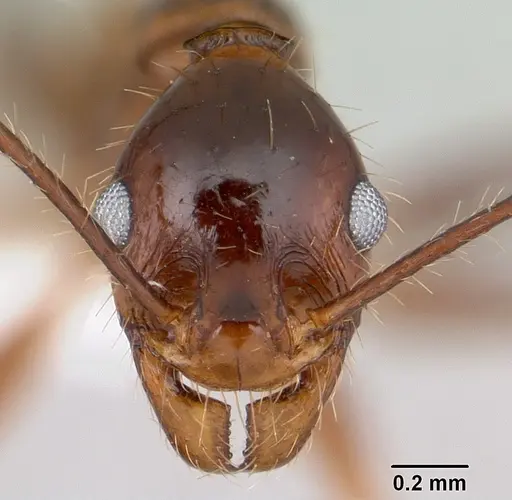
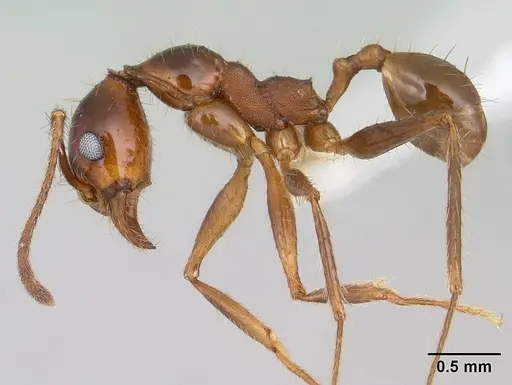
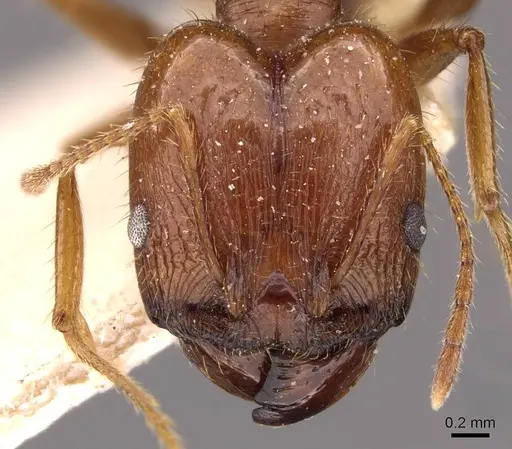
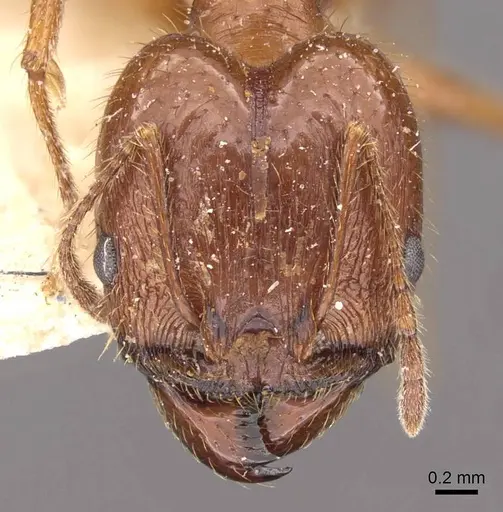
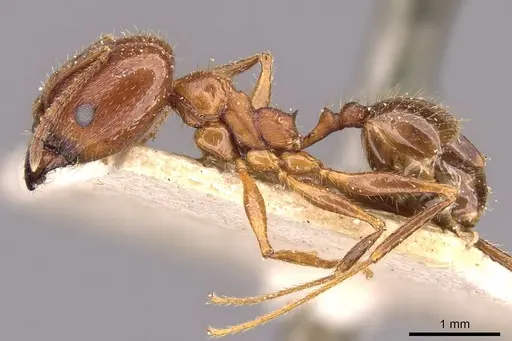
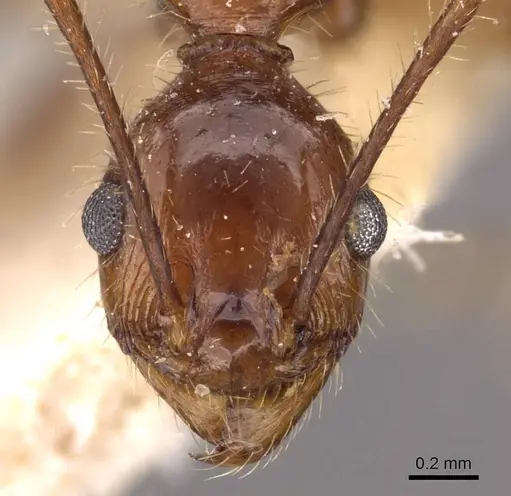
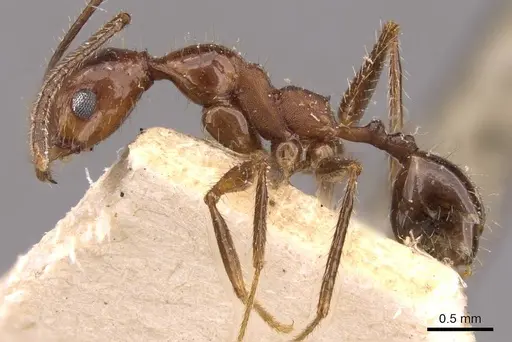
Pheidole oxyops is a species of ant native to South America, found in Brazil, Paraguay, and northern Argentina. It inhabits cerrado savanna and edges of semideciduous forests, from sea level up to 1500 meters altitude . Workers are light brown, with major and minor castes, but full body size data is unavailable . This species is known for its unique nesting behavior: it builds deep subterranean nests with large entrance holes that function as pitfall traps to capture arthropods. Colonies place feathers around nest entrances to enhance prey capture, a low-cost foraging strategy . They use extremely short-lived trail pheromones (about 5 minutes) for mass recruitment, allowing efficient retrieval of large dead insects .
Quick Summary
- Difficulty: Medium
- Origin & Habitat: Native to Brazil, Paraguay, and northern Argentina, found in cerrado (savanna) and edges of semideciduous forest, from 800-1500m altitude [1][2].
- Colony Type: Likely monogyne based on Pheidole genus patterns, but research does not explicitly confirm queen number.
- Size & Growth:
- Queen: Size data unavailable, inferred from Pheidole genus to be around 8-10 mm
- Worker: Size data unavailable, inferred from Pheidole genus, with majors larger than minors
- Colony: Up to large numbers, superdominant status in studies [5][6]
- Growth: Moderate to fast, typical for Pheidole genus
- Development: Estimated 5-8 weeks at warm temperatures, inferred from genus patterns (Development time is inferred from Pheidole genus, warmer conditions speed up growth)
- Antkeeping:
- Temperature: Keep warm, roughly 24-28°C, based on Neotropical habitat [1]
- Humidity: Keep substrate consistently moist but not waterlogged, as they are adaptable to various habitats [1]
- Diapause: No, tropical species, no hibernation required [2]
- Nesting: Deep soil nests or custom deep formicaria, as they build subterranean nests with large entrances [2]
- Behavior: Extremely aggressive foragers and dominant competitors, using mass recruitment with short-lived pheromone trails [7][8]. Escape prevention is important due to their active nature.
- Common Issues: protein dependency, they require regular insect prey, sugar alone is insufficient, deep nesting requirement, shallow formicaria may not support colony establishment, aggressive foraging can overwhelm other species in community setups, queens are not commonly available in the antkeeping hobby, wild-caught colonies may have parasites affecting captive success
Nest Preferences and Housing
Pheidole oxyops builds deep subterranean nests with large entrance holes that act as pitfall traps. In captivity, provide deep soil setups or custom deep formicaria, as standard shallow nests are inadequate. They prefer to excavate their own chambers rather than use pre-made tunnels [2]. The outworld should include water and protein dishes.
Feeding and Diet
This species is primarily carnivorous, specializing in retrieving large dead insects. They account for significant predation in natural habitats [9][6]. Their trail pheromone is short-lived (about 5 minutes), enabling rapid mobilization to food sources [3][4]. Feed protein-rich foods like mealworms or crickets, sugar should be occasional.
Temperature and Seasonal Care
As a Neotropical species, they prefer warm conditions around 24-28°C [1]. Use a heating cable for a gradient. Diapause is not required, as they are tropical [2]. Maintain stable temperatures year-round.
Behavior and Foraging
They are aggressive, mass-recruiting foragers that dominate food resources [7][8]. Diurnal with strong daytime activity [10]. Feather-collecting behavior enhances prey capture [2].
Unique Nesting Adaptation
Feathers placed around nest entrances increase prey capture by causing arthropods to slip into the pitfall trap [2]. This is a low-cost strategy important during food scarcity.
Frequently Asked Questions
Is Pheidole oxyops a good beginner ant?
This species is rated medium difficulty due to specific needs like deep nesting and protein diet, making it better for intermediate keepers.
How long does it take for Pheidole oxyops to raise first workers?
Estimated 5-8 weeks at optimal warm temperatures, inferred from genus patterns.
What do Pheidole oxyops eat?
They are primarily carnivorous, feeding on insects like mealworms and crickets. Sugar should be occasional [3][2].
Can I keep multiple Pheidole oxyops queens together?
Likely not, as they are probably monogyne. Combining queens may cause fighting.
What kind of nest do Pheidole oxyops need?
Deep soil nests or custom deep formicaria, as they build subterranean nests with large entrances [2].
How big do Pheidole oxyops colonies get?
Up to large numbers, with superdominant status in studies [5][6].
Do Pheidole oxyops need hibernation?
No, as a tropical species, they do not require diapause [2].
Why do they collect feathers?
Feathers enhance prey capture by causing arthropods to slip into their pitfall-trap nest entrance [2].
Are Pheidole oxyops aggressive?
Yes, they are extremely aggressive foragers and dominate food resources [7][8].
Report an Issue
The current care sheet is based fully on literature. See inconsistencies, or something that's incorrect? Please , it will be resolved after review from an admin. Contributing to the blogs tab also helps providing information, to make us be able to further improve the caresheets. Thank you for your support!
References

This caresheet is licensed under CC BY-SA 4.0 .
Community Blogs
CASENT0178043
View on AntWeb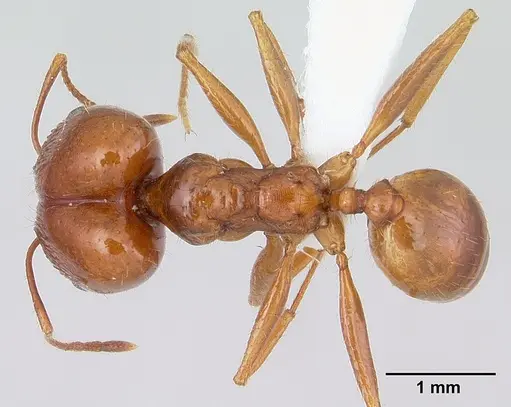
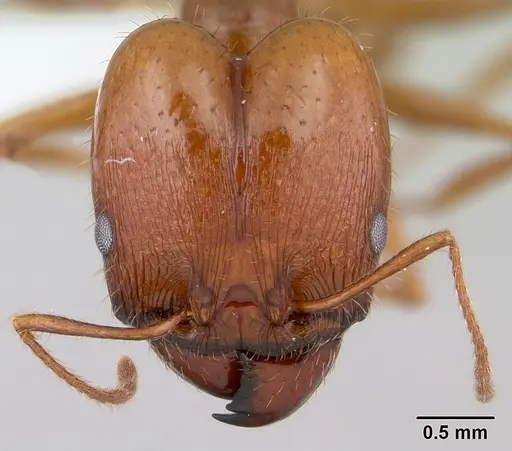
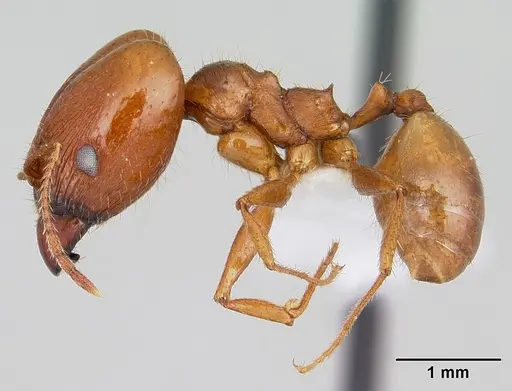
CASENT0178044
View on AntWeb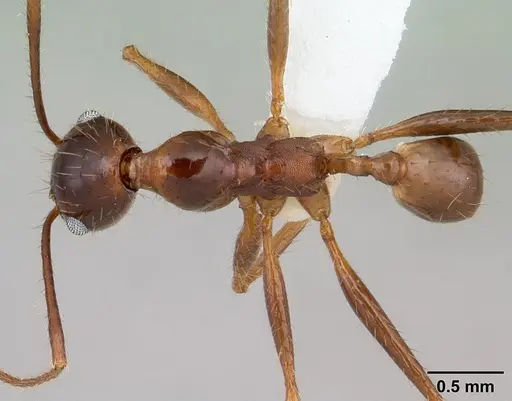
CASENT0908193
View on AntWeb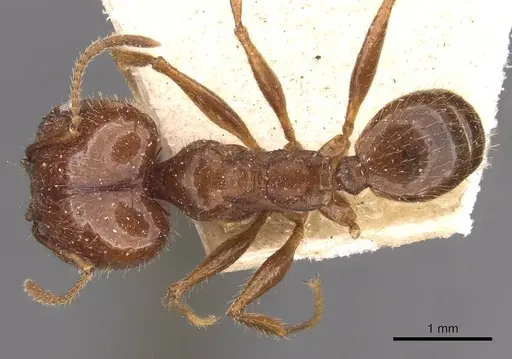
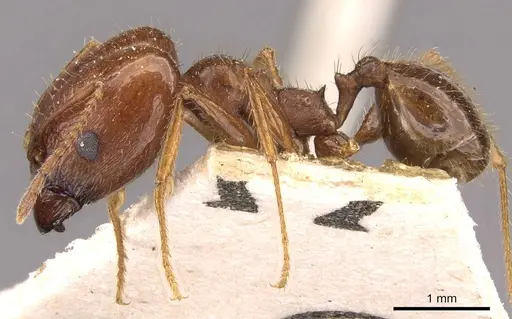
CASENT0908194
View on AntWeb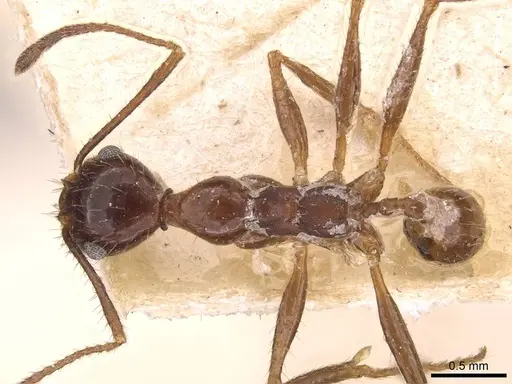
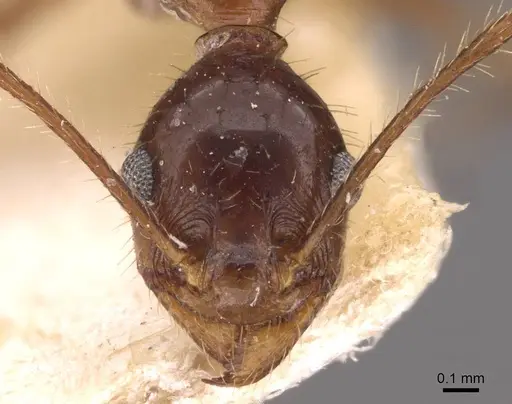
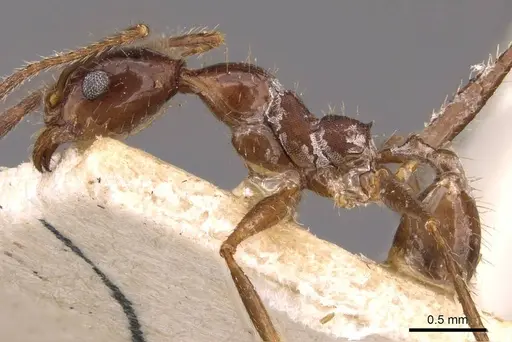
CASENT0908196
View on AntWeb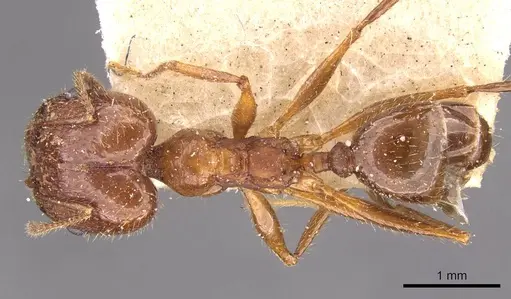
CASENT0908197
View on AntWeb
Literature
Loading distribution map...Loading products...