
Pheidole orbica
- Sci. Name
- Pheidole orbica
- Tribe
- Attini
- Subfamily
- Myrmicinae
- Author
- Forel, 1893
- Distribution
- Found in 2 countries
Introduction
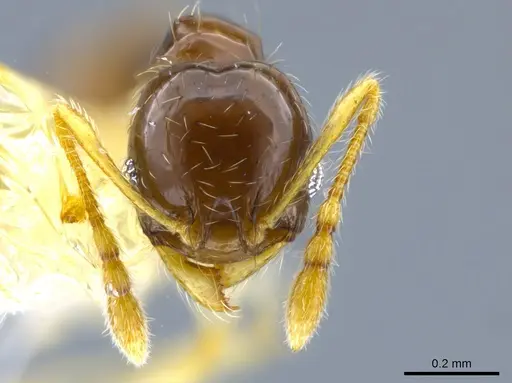
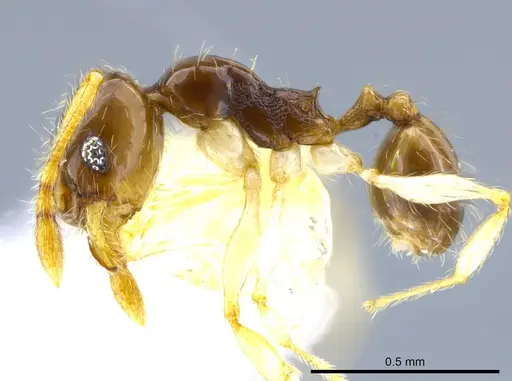
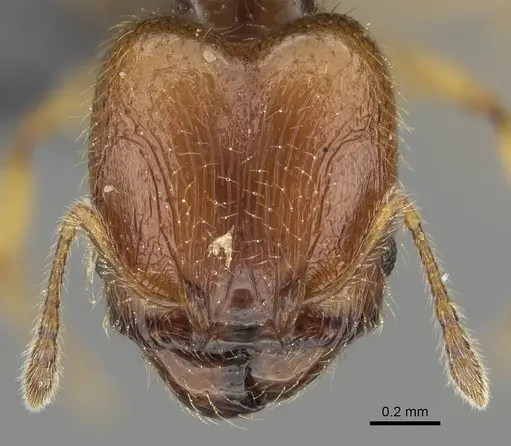
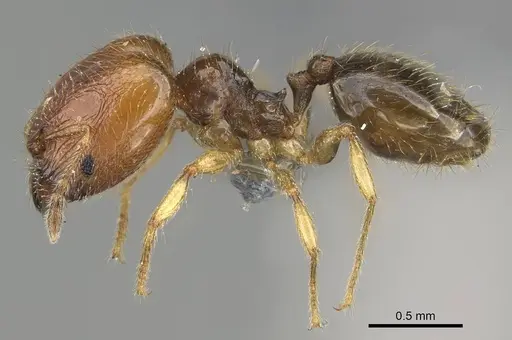
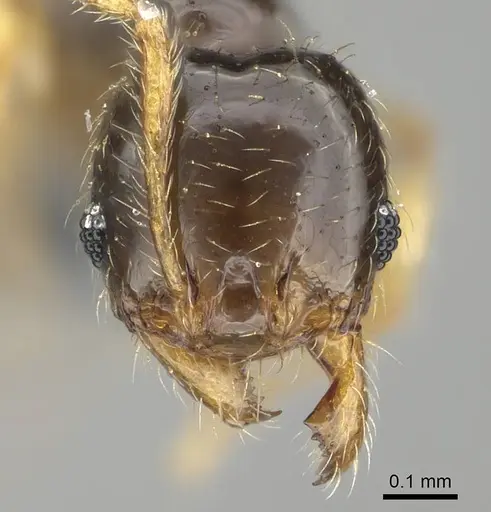
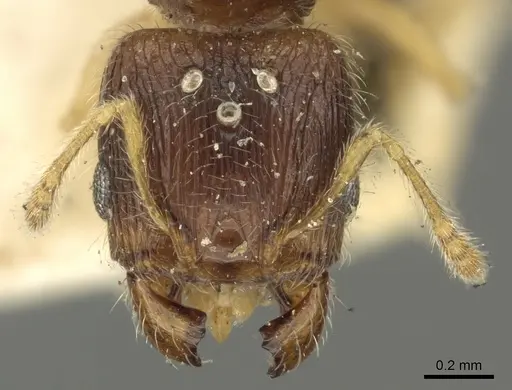
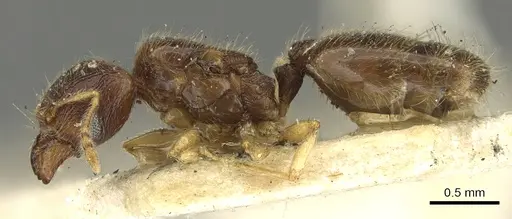
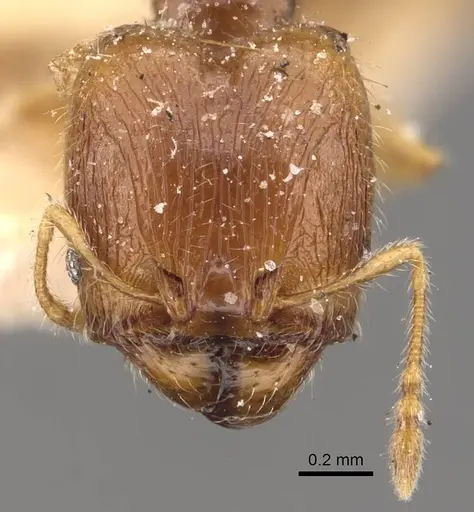
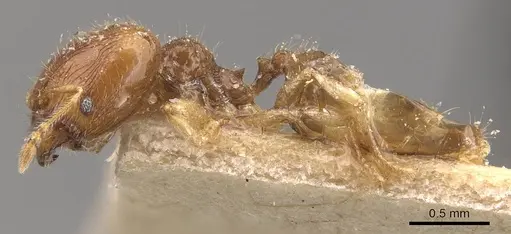
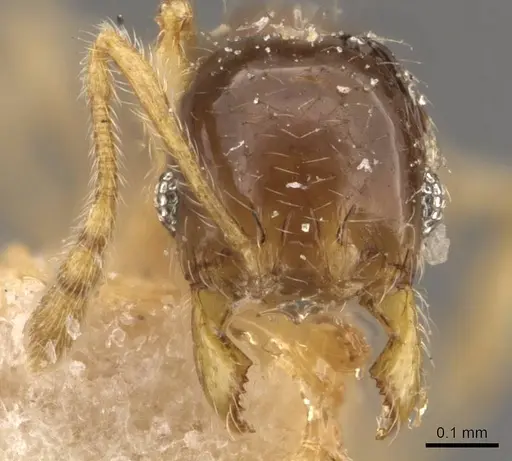
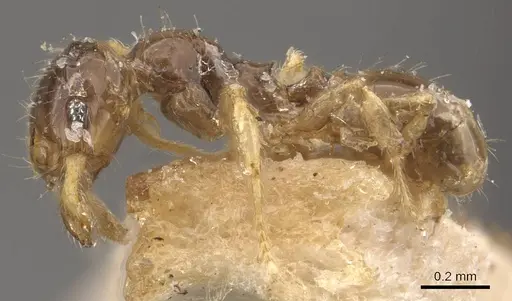
Pheidole orbica is a small ant species native to the Caribbean islands of St. Vincent, Puerto Rico, and Guadeloupe. Like all Pheidole species, they have two distinct worker castes: major workers (soldiers) and minor workers. Size data for body length is unavailable from current research. The species gets its name 'orbica' from the nearly perfect semicircular profile of their thorax when viewed from the side . This is a tropical species that nests in rotting wood, under stones, and in soil in well-developed forest areas .
Quick Summary
- Difficulty: Easy
- Origin & Habitat: Native to the Caribbean islands of St. Vincent, Puerto Rico, and Guadeloupe. Found in well-developed forest areas, nesting in rotting wood on the ground, under stones in soil, and occasionally beneath sod on stones [2][1].
- Colony Type: Colony structure is unconfirmed, based on typical Pheidole patterns, likely single-queen. Colonies contain several hundred individuals [2].
- Size & Growth:
- Queen: Size data unavailable, no total length measurements provided in research.
- Worker: Size data unavailable, no total length measurements provided in research.
- Colony: Up to several hundred workers [2].
- Growth: Moderate, inferred from typical Pheidole development patterns.
- Development: Estimated 6-8 weeks based on typical Pheidole genus patterns at tropical temperatures. (Development time is estimated, not directly studied for this species. Tropical species typically develop faster than temperate species.)
- Antkeeping:
- Temperature: Keep warm, roughly 24-28°C, as this is a tropical species. Provide a gentle gradient if room temperature is below this range.
- Humidity: Keep the nest substrate consistently moist but not waterlogged, as they naturally nest in damp areas [2][1].
- Diapause: No, as a tropical species, they do not require hibernation.
- Nesting: Prefer nests that hold humidity, such as Y-tong, plaster, or naturalistic setups with moist substrate [2][1].
- Behavior: Pheidole orbica is generally calm and not aggressive. They are active foragers, with minors handling most tasks. They possess a stinger but are not likely to sting keepers. Use standard escape prevention, but their small size means containment is important.
- Common Issues: humidity control is important, too dry and colonies will struggle, especially with brood., tropical species are sensitive to cold, keep above 24°C., colonies are relatively small by ant standards, avoid overfeeding., rotting wood nesting sites can mold if too wet, balance moisture carefully., wild-caught colonies may have parasites that can affect captive colonies.
Housing and Nest Setup
Pheidole orbica does well in a variety of captive setups. In the wild, they nest in rotting wood on the ground, under stones in soil, and beneath sod on stones [2]. For captivity, a Y-tong (AAC) nest or plaster nest works well, both hold humidity nicely. A naturalistic setup with moist soil and hiding spots like flat stones or pieces of rotting wood also mimics their natural habitat. Whatever setup you choose, keep the nest substrate consistently moist but not soaking wet. These are small ants, so standard test tube setups work for founding colonies, but you may need to move them to a more spacious formicarium as the colony grows.
Feeding and Diet
Like other Pheidole species, P. orbica likely has an omnivorous diet typical of the genus, they probably eat small insects, seeds, and honeydew from aphids. In captivity, you can offer them small protein sources like fruit flies, small mealworms, and other tiny insects. Sugar water or honey can be offered occasionally, though Pheidole are not as strongly attracted to sweets as some other genera. Feed them a few times per week, removing any uneaten prey after 24 hours to prevent mold. Start with small amounts and adjust based on how quickly they consume the food.
Temperature and Humidity
This is a tropical Caribbean species, so warmth is important. Keep the nest area at roughly 24-28°C, this mimics their natural environment where temperatures stay warm year-round. A heating cable placed on top of the nest can help maintain these temperatures if your room runs cool. For humidity, aim for moderate to high levels, their natural nesting spots in rotting wood and under stones stay damp. Keep the substrate moist but not waterlogged, with some variation so ants can choose their preferred microclimate. As a tropical species, they do not need hibernation or diapause, keep them warm throughout the year. [2][1]
Colony Structure and Growth
Pheidole orbica colonies contain several hundred individuals, with both major and minor worker castes [2]. The majors (soldiers) are noticeably larger with chunkier heads, while minors are smaller and handle most daily tasks. This caste system is characteristic of the genus Pheidole. Growth rate is moderate, you can expect several months from founding to a colony of significant size. The queen is the sole reproducer, laying eggs that develop into workers. Unlike some ants, Pheidole colonies do not produce new queens until the colony is well-established and ready for nuptial flights.
Behavior and Temperament
Pheidole orbica is a relatively calm species that is not particularly aggressive toward keepers. They are active foragers, with minor workers searching for food while majors may defend the colony or help process larger prey. Like other Pheidole, they are visual foragers rather than nocturnal. They are not known to be especially defensive or likely to sting. Their small size means standard escape prevention measures are sufficient, there's no need for extreme measures like fine mesh. They do well in community setups and are generally manageable for antkeepers of experience levels. [1]
Frequently Asked Questions
How long does it take for Pheidole orbica to produce first workers?
Based on typical Pheidole development patterns, expect 6-8 weeks from egg to first worker at optimal tropical temperatures (24-28°C). This is an estimate since this specific species hasn't been studied in captivity.
What do Pheidole orbica eat?
They are omnivorous like other Pheidole species. Offer small protein sources like fruit flies, small mealworms, or other tiny insects. You can also offer sugar water or honey occasionally, though protein should be their primary food.
What temperature do Pheidole orbica need?
Keep them at roughly 24-28°C. This is a tropical Caribbean species that needs warmth year-round. Do not let temperatures drop below room temperature for extended periods.
Do Pheidole orbica need hibernation?
No. As a tropical species from the Caribbean, they do not require hibernation or diapause. Keep them warm throughout the year.
How big do Pheidole orbica colonies get?
Colonies reach up to several hundred workers in the wild [2]. This is moderate-sized for ant colonies, not among the largest but substantial.
Can I keep multiple Pheidole orbica queens together?
This has not been studied for this specific species. Based on typical Pheidole patterns, single-queen colonies are most common. It is not recommended to combine unrelated foundress queens.
What type of nest is best for Pheidole orbica?
A Y-tong (AAC) nest, plaster nest, or naturalistic setup with moist substrate works well. They naturally nest in rotting wood and under stones in damp soil, so a setup that holds humidity is ideal.
Are Pheidole orbica good for beginners?
Yes, they are considered an easy species to keep. They are calm, don't require hibernation, and have straightforward humidity and temperature needs. Their moderate colony size also makes them manageable.
Why are my Pheidole orbica dying?
Common causes include: temperatures too cold (below 24°C), humidity too low (dry nest), overfeeding leading to mold, or parasites from wild-caught colonies. Check that your setup meets their warmth and moisture requirements first.
Report an Issue
The current care sheet is based fully on literature. See inconsistencies, or something that's incorrect? Please , it will be resolved after review from an admin. Contributing to the blogs tab also helps providing information, to make us be able to further improve the caresheets. Thank you for your support!
References

This caresheet is licensed under CC BY-SA 4.0 .
Community Blogs
CASENT0630524
View on AntWeb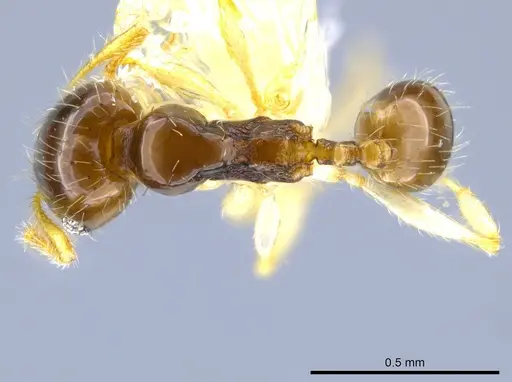
CASENT0767549
View on AntWeb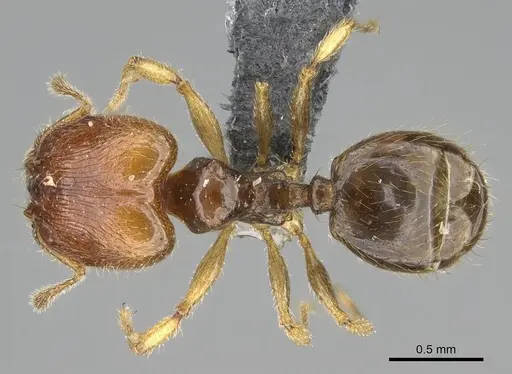
CASENT0767600
View on AntWeb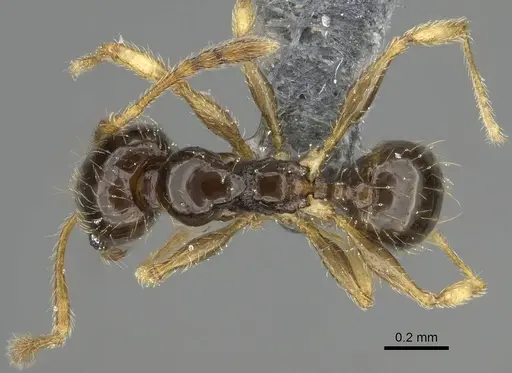
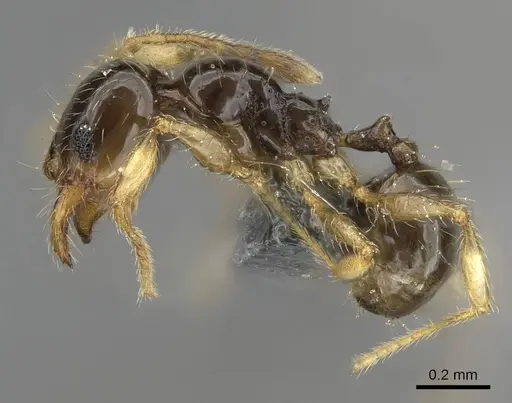
CASENT0901599
View on AntWeb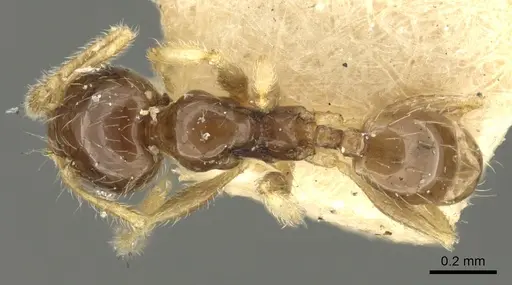
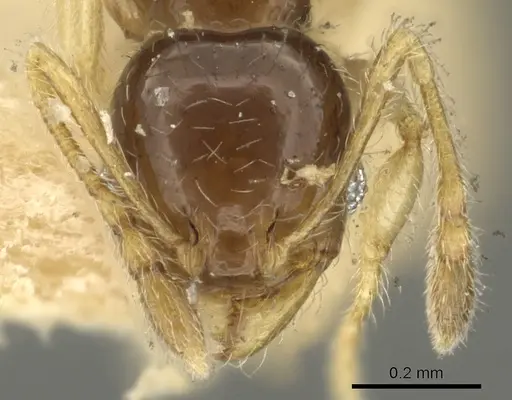
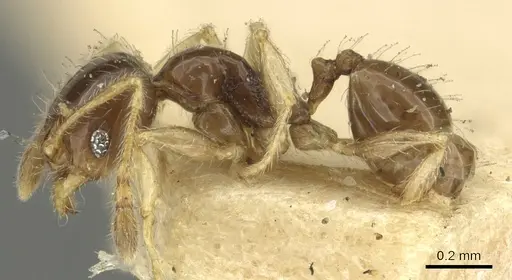
CASENT0901600
View on AntWeb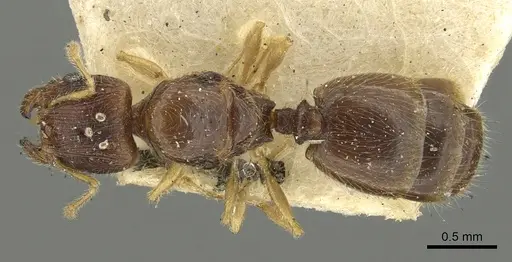
CASENT0908294
View on AntWeb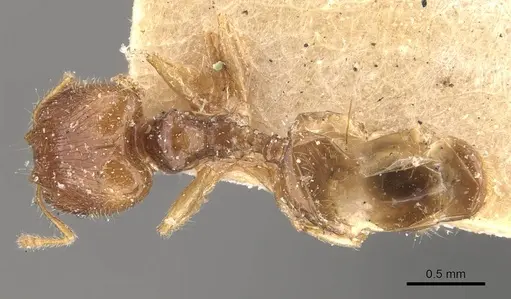
CASENT0908295
View on AntWeb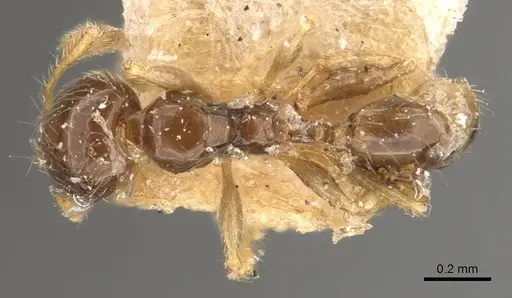
Literature
Loading distribution map...Loading products...