
Blunt-spined Big-headed Ant
Pheidole obtusospinosa
- Sci. Name
- Pheidole obtusospinosa
- Tribe
- Attini
- Subfamily
- Myrmicinae
- Author
- Pergande, 1896
- Common Name
- Blunt-spined Big-headed Ant
- Distribution
- Found in 2 countries
Introduction
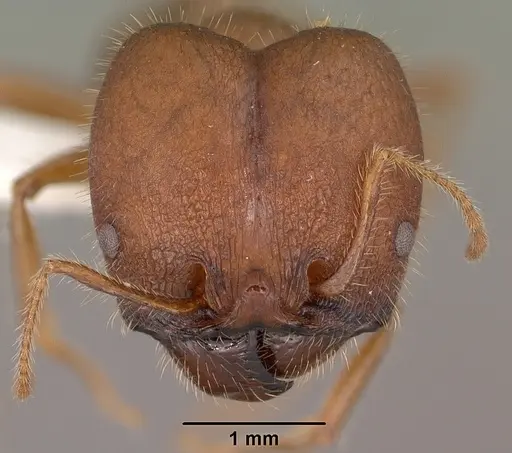
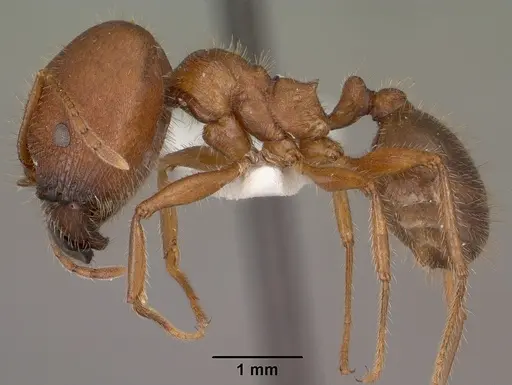
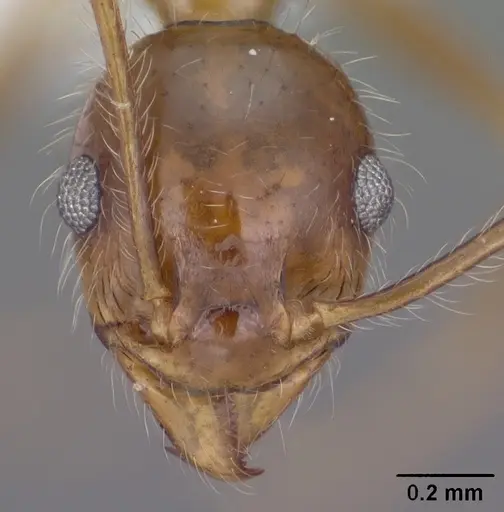
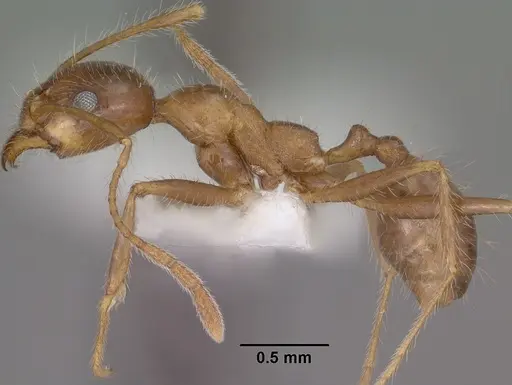
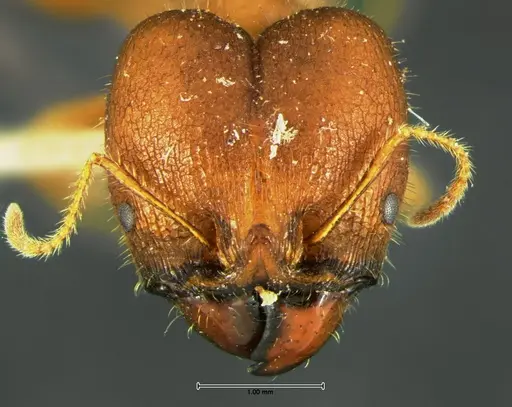
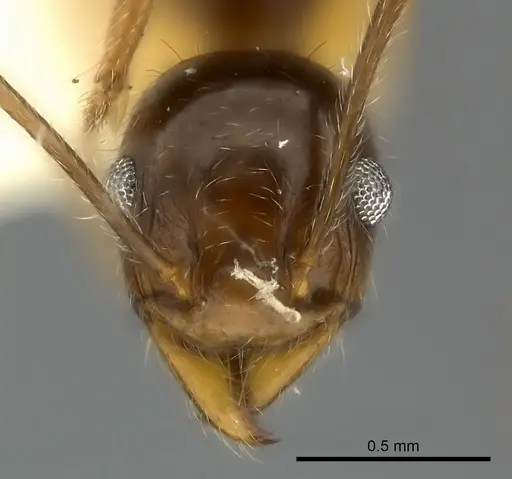
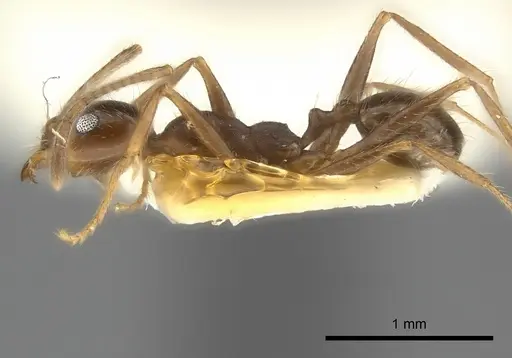
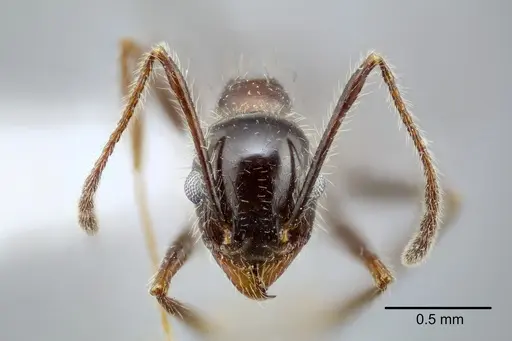
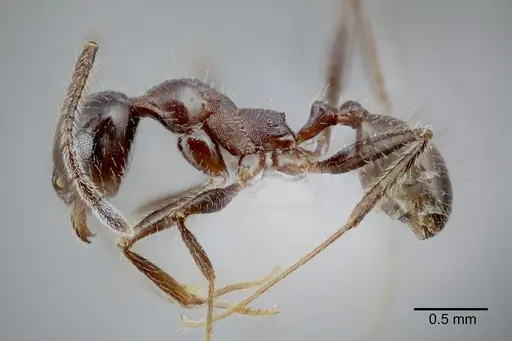
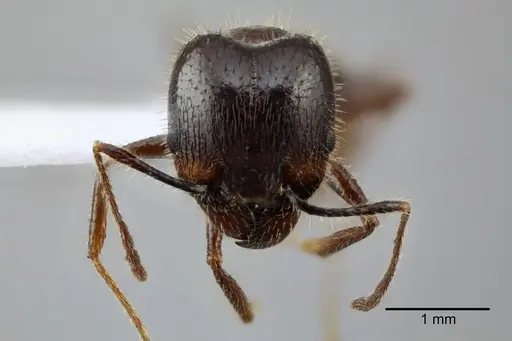
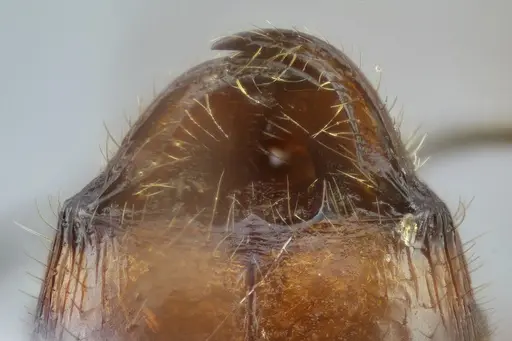
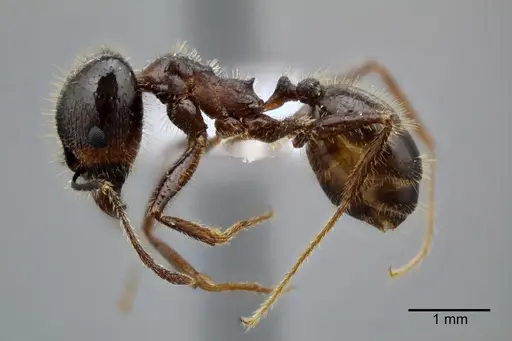
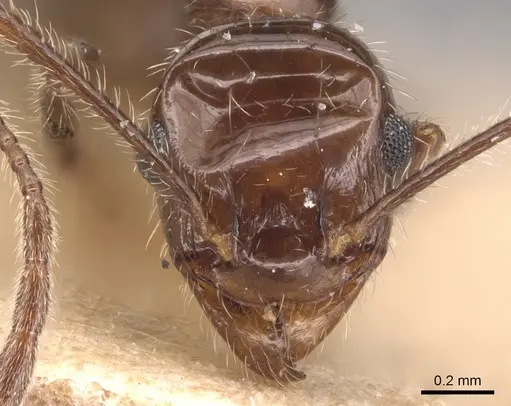
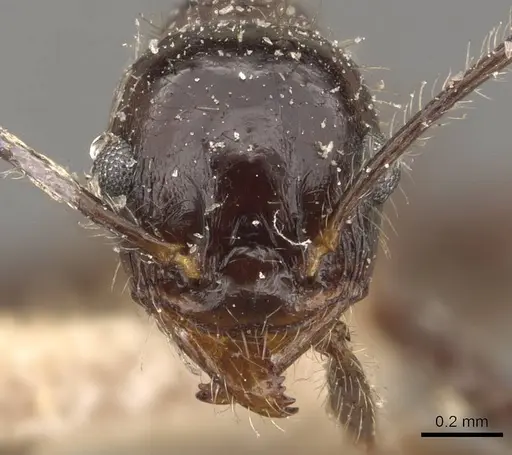
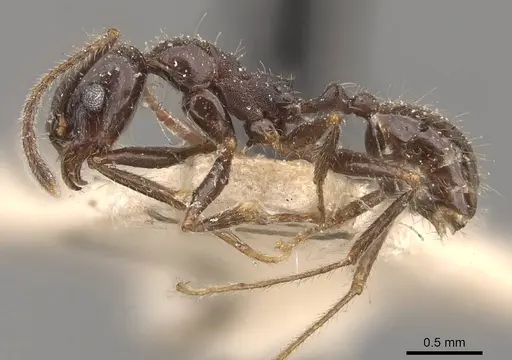
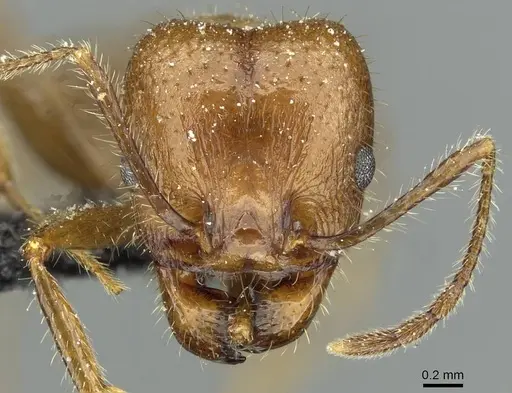
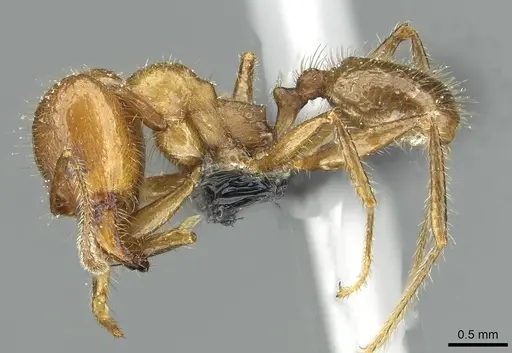
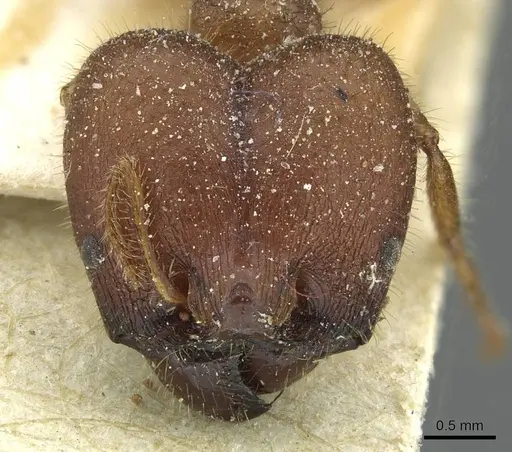
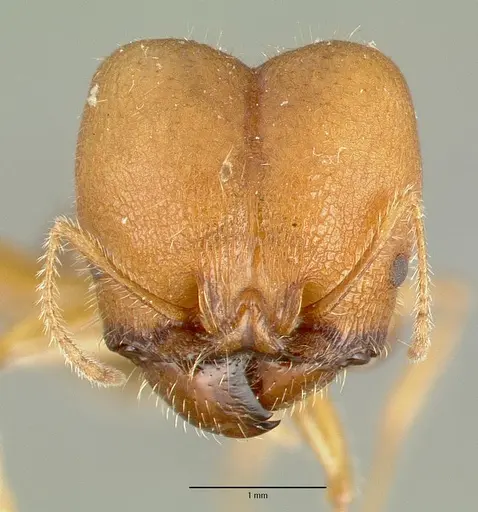
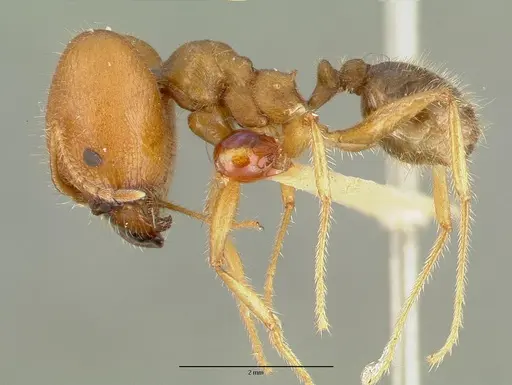
Pheidole obtusospinosa is a trimorphic ant species native to the American Southwest and Mexico, with three distinct worker castes: minor, major, and supermajor workers. The species is yellowish to reddish brown in color . Body size data is unavailable, but head widths range from 0.5mm to 2.6mm . It is found from southern Arizona through New Mexico into central Mexico, typically in pine-oak-juniper woodlands at elevations 300-2100m . This species is known for its sophisticated multi-phase defense against army ant raids. Supermajor workers block nest entrances with their heads and engage in aggressive counter-attacks .
Quick Summary
- Difficulty: Medium
- Origin & Habitat: Native to the American Southwest (Arizona, New Mexico) and central Mexico. Found in pine-oak-juniper woodlands, creosotebush scrub, grasslands, and pinyon-juniper communities at elevations from 300-2100m [3][1]. Nests under rocks or in soil [1].
- Colony Type: Unconfirmed, no specific literature on queen number, but based on Pheidole patterns, likely monogyne.
- Size & Growth:
- Queen: size data unavailable
- Worker: size data unavailable
- Colony: Up to 1,800 workers [2]
- Growth: Moderate
- Development: Unknown, estimated based on typical Pheidole development at warm temperatures (Colony ontogeny shows soldier size increases linearly for about 9 months after founding before reaching stasis [2].)
- Antkeeping:
- Temperature: Keep at 24-30°C, with 28-30°C ideal for growth [2]. Provide a temperature gradient for self-regulation.
- Humidity: Provide a humidity gradient, mostly dry nest chamber with one small moist area, as species is adapted to dry habitats [1].
- Diapause: Yes, based on geographic range, requires winter diapause.
- Nesting: In nature, nests under rocks or in soil [1]. In captivity, use AAC (Y-tong), plaster, or soil nests with sandy substrate.
- Behavior: Defensive and aggressive when threatened. Supermajor workers specialize in nest defense, blocking entrances with their heads [2][4]. Forage both day and night, visiting extrafloral nectaries and harvesting seeds [2]. Escape prevention is important, use fluon on edges as they can climb smooth surfaces.
- Common Issues: colonies may take 6-12 months to establish first major workers, patience is required [2]., super-major production requires mature colonies, don't expect them immediately [2]., overheating can be fatal, avoid temperatures above 35°C [2]., wild-caught colonies may have army ant parasites that can kill them [5]., seed-harvesting behavior requires appropriate substrate, provide sandy soil in outworld [2].
Housing and Nest Setup
Pheidole obtusospinosa can be kept in test tubes for founding colonies, but plan to move them to a formicarium within 6-12 months as the colony grows. Use AAC (Y-tong), plaster, or soil nests because they provide dark chambers these ants prefer [1]. Ensure chambers are spacious enough for supermajor workers to move through comfortably [2]. Include a sandy soil section since these are seed-harvesting ants. An outworld with a sugar water feeder and protein dish completes the setup. Apply fluon to edges for escape prevention.
Feeding and Diet
In the wild, Pheidole obtusospinosa is a seed harvester and forages for small insects [2][5]. In captivity, offer seeds (millet, dandelion), small insects (fruit flies, crickets), and sugar sources (honey water). Feed protein 2-3 times per week and provide constant sugar access [2]. Remove uneaten food after 24-48 hours to prevent mold.
Temperature and Seasonal Care
Keep colonies at 24-30°C, with 28-30°C ideal for growth [2]. Provide a temperature gradient using a heating cable on one side. During winter (November-February), reduce temperatures to 10-15°C for diapause. Avoid temperatures above 35°C.
The Super Major Caste: Defense Specialists
Supermajor workers have large heads and specialize in defense against army ants [2]. When threatened, they block nest entrances with their heads and launch aggressive counter-attacks [4]. This multi-phase defense is unique to species in army ant areas [2][4].
Colony Development and Caste Production
Founding colonies produce minor workers and small nanitic soldiers for the first few months [2]. As the colony matures over 6-9 months, soldier size increases and becomes bimodal, producing both small soldiers and supermajors [2]. Supermajor production is a sign of a mature colony.
Frequently Asked Questions
How long does it take for Pheidole obtusospinosa to produce supermajor workers?
Supermajor production typically begins around 9 months after colony founding, once the colony reaches sufficient size and maturity [2].
What do I feed Pheidole obtusospinosa?
Offer a varied diet including seeds, small insects, and sugar water [2][5]. Protein should be offered 2-3 times per week.
Are Pheidole obtusospinosa good for beginners?
This species is rated medium difficulty. It requires patience for supermajor production and winter diapause, making it more suitable for keepers with some experience [2].
Do Pheidole obtusospinosa need hibernation?
Yes, based on their geographic range, they require a winter diapause period of 2-3 months at 10-15°C.
How big do Pheidole obtusospinosa colonies get?
Mature colonies can reach up to 1,800 workers [2].
When do nuptial flights occur for Pheidole obtusospinosa?
In southern Arizona, nuptial flights occur in early July, with winged reproductives found in nests from April to September [2][6].
Can I keep multiple queens together?
Unconfirmed, no specific literature on queen number, but based on Pheidole patterns, colonies are likely monogyne.
Why do supermajors block the nest entrance with their heads?
This is a specialized defense against army ant raids. Supermajors pack their heads to seal the entrance and switch to aggressive attacks if needed [2][4].
What temperature is best for Pheidole obtusospinosa?
Keep colonies at 24-30°C, with 28-30°C ideal for growth [2]. Provide a gradient for self-regulation.
Report an Issue
The current care sheet is based fully on literature. See inconsistencies, or something that's incorrect? Please , it will be resolved after review from an admin. Contributing to the blogs tab also helps providing information, to make us be able to further improve the caresheets. Thank you for your support!
References

This caresheet is licensed under CC BY-SA 4.0 .
Community Blogs
CASENT0102886
View on AntWeb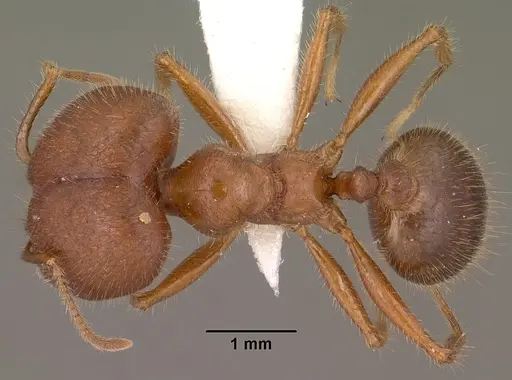
CASENT0102887
View on AntWeb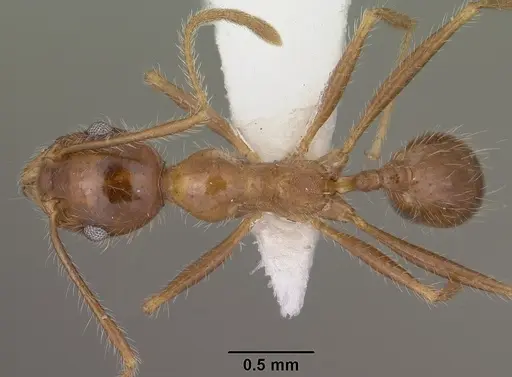
CASENT0105650
View on AntWeb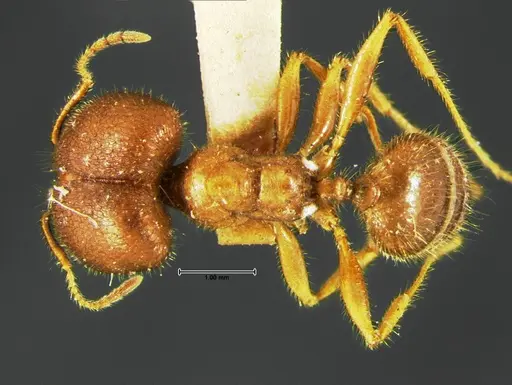
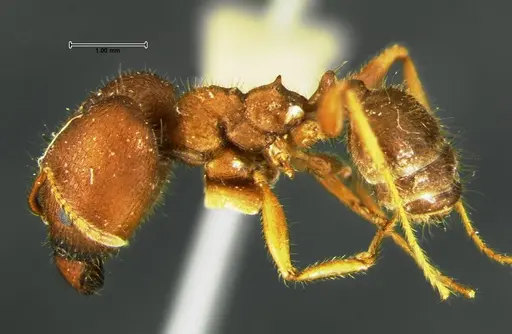
CASENT0217903
View on AntWeb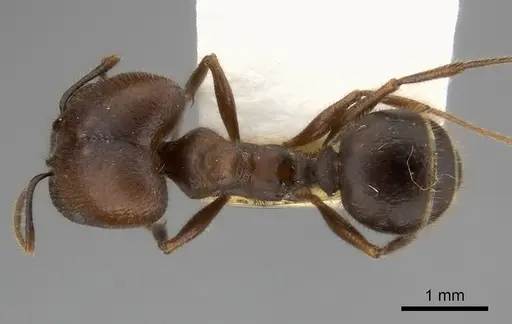
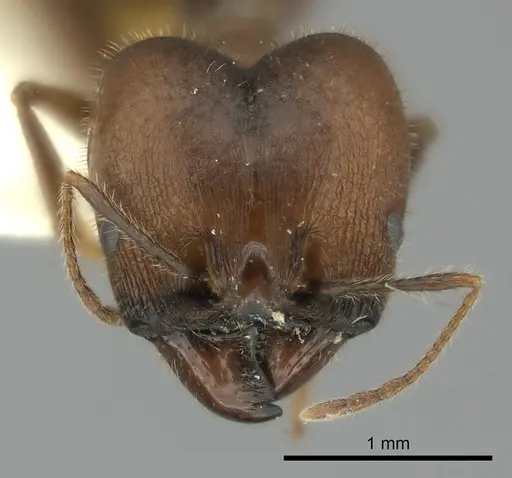
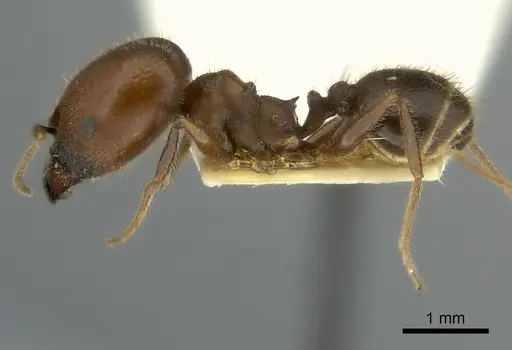
CASENT0217904
View on AntWeb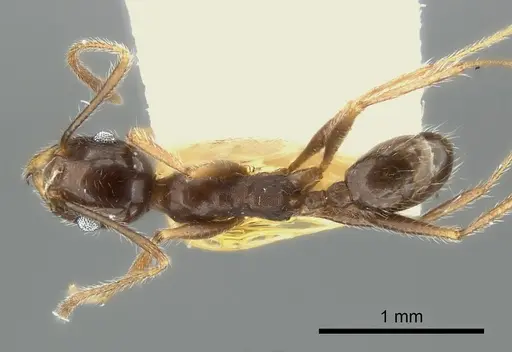
CASENT0649633
View on AntWeb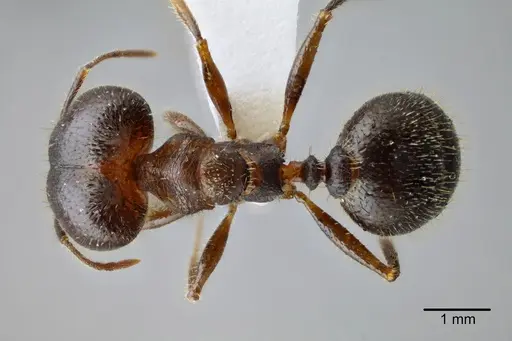
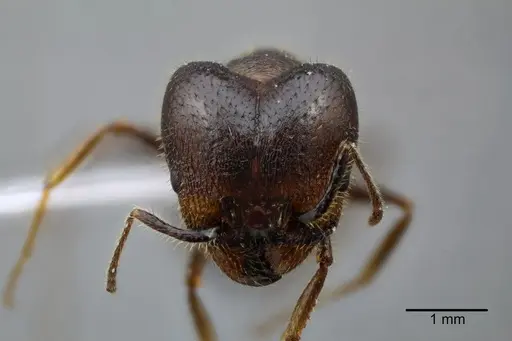
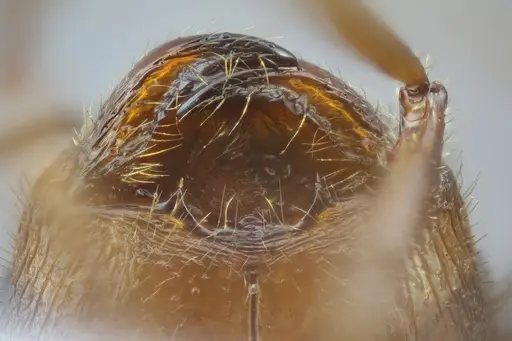
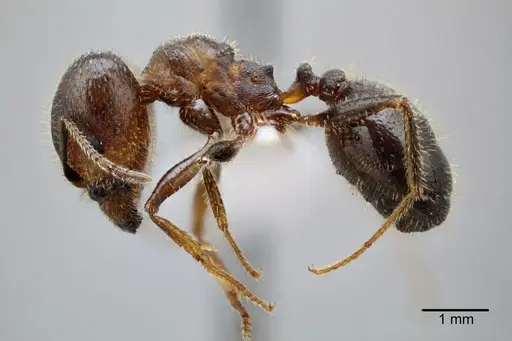
CASENT0649635
View on AntWeb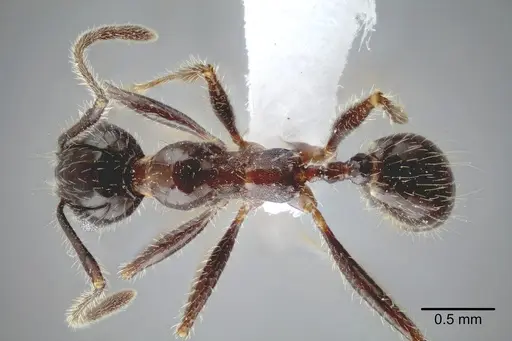
CASENT0649640
View on AntWeb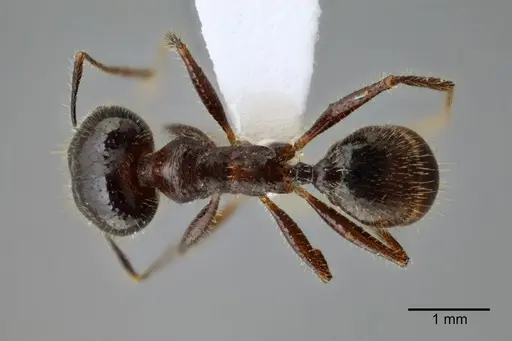
CASENT0904367
View on AntWeb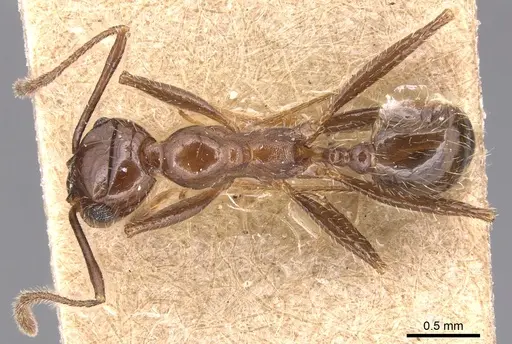
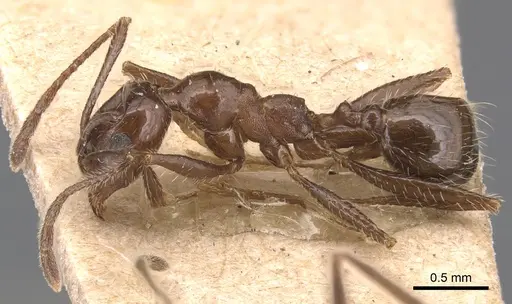
CASENT0908154
View on AntWeb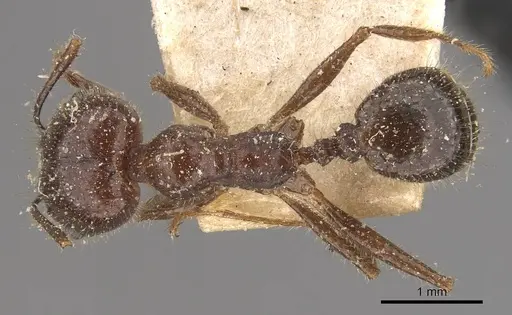
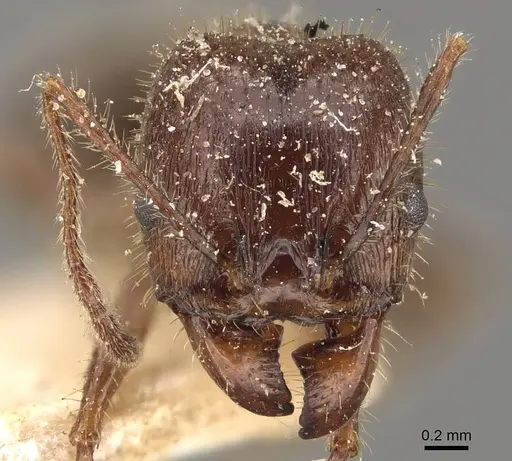
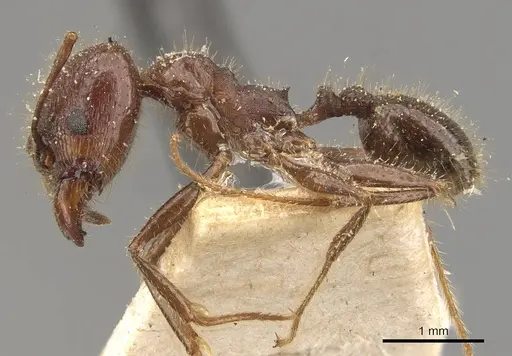
CASENT0908155
View on AntWeb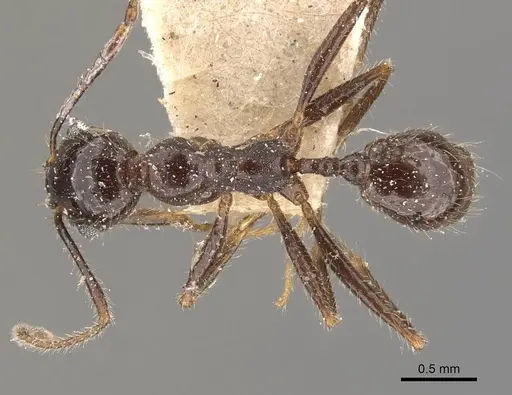
CASENT0913338
View on AntWeb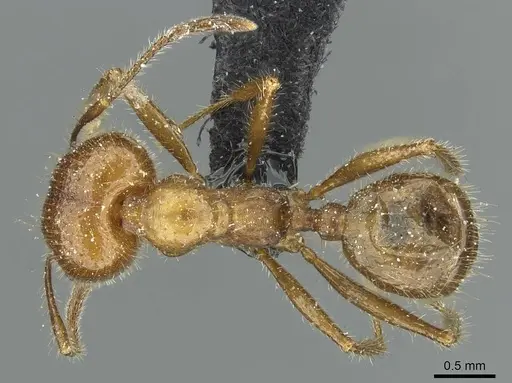
CASENT0913377
View on AntWeb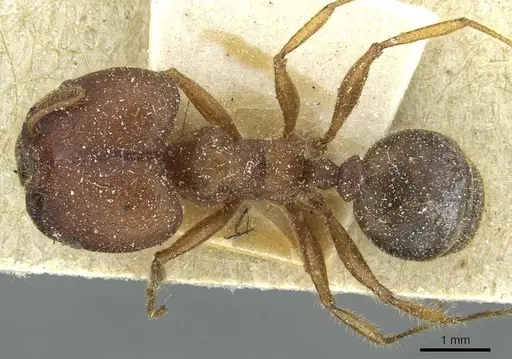
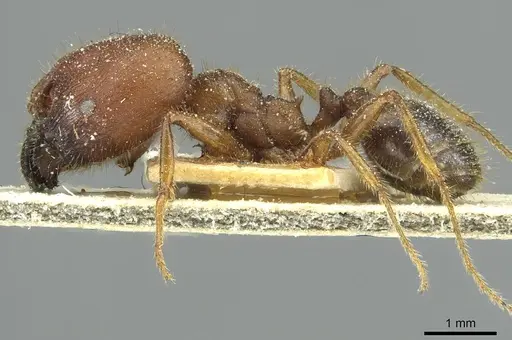
CASENT0923592
View on AntWeb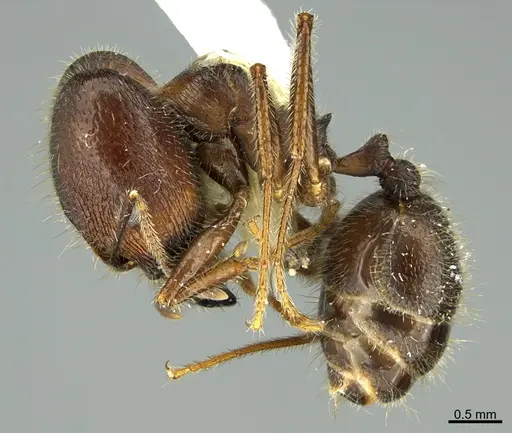
CASTYPE00647
View on AntWeb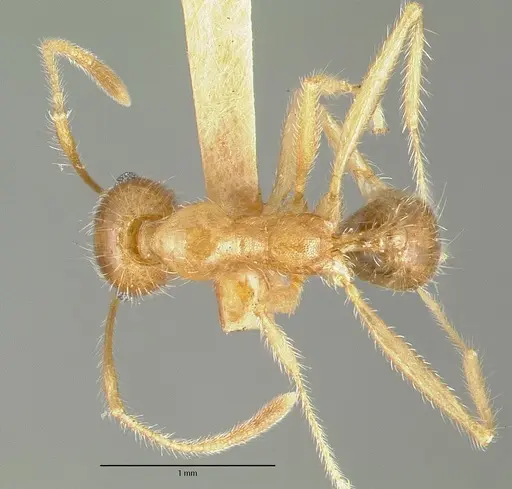
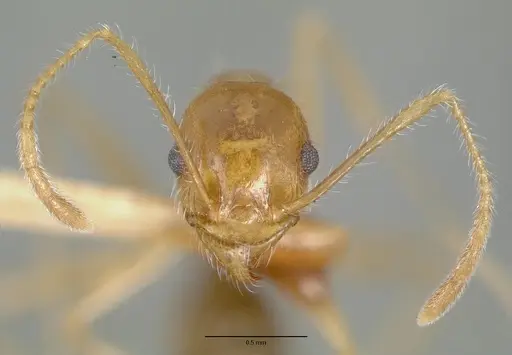
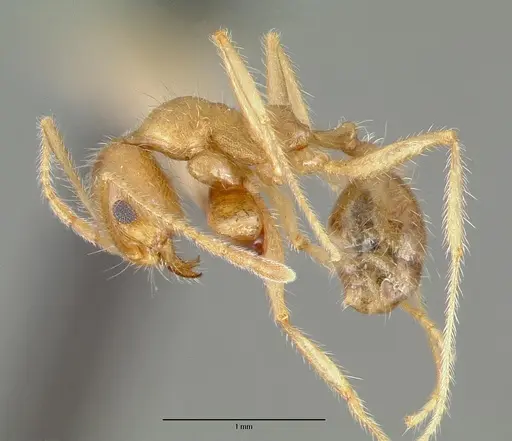
CASTYPE00649
View on AntWeb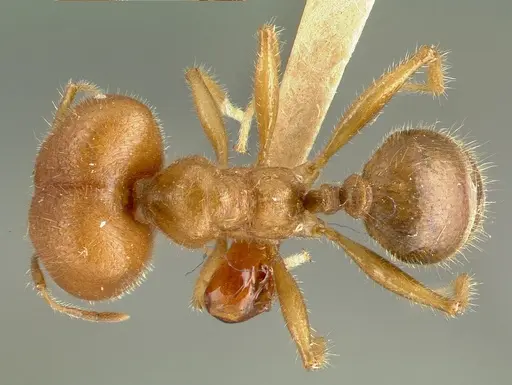
Literature
Loading distribution map...Loading products...