Large Imported Big-headed Ant
Pheidole obscurithorax
- Sci. Name
- Pheidole obscurithorax
- Tribe
- Attini
- Subfamily
- Myrmicinae
- Author
- Naves, 1985
- Common Name
- Large Imported Big-headed Ant
- Distribution
- Found in 7 countries
Introduction
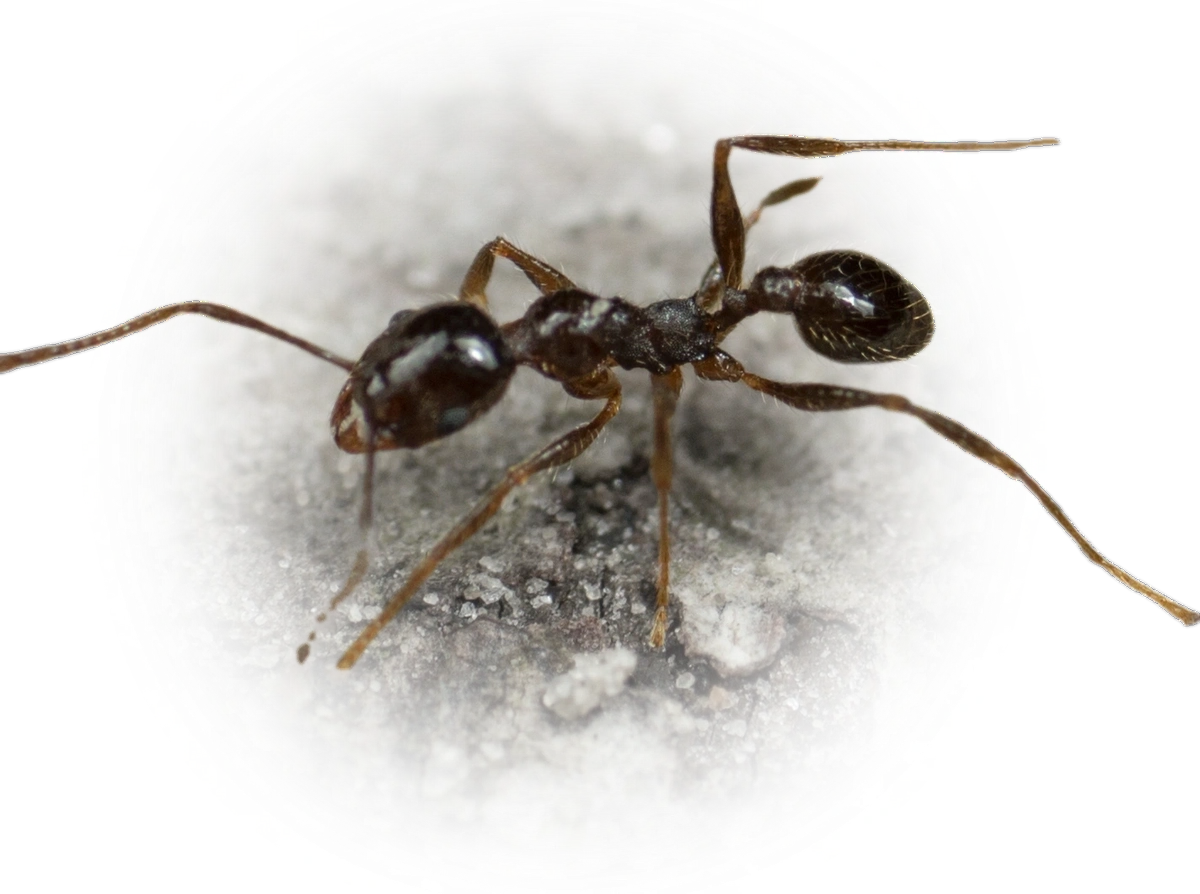
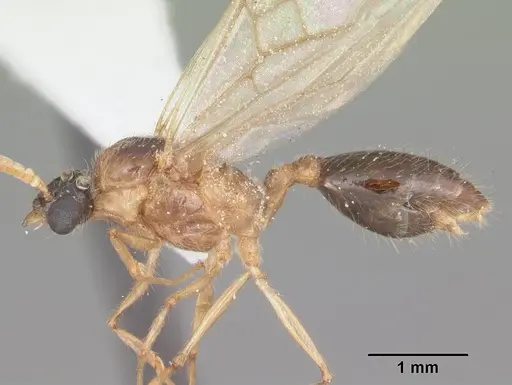
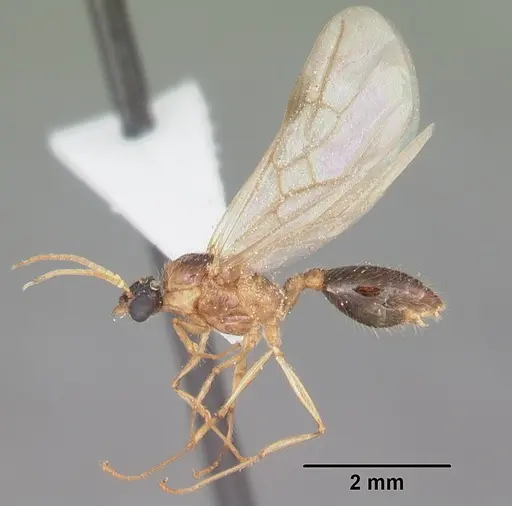
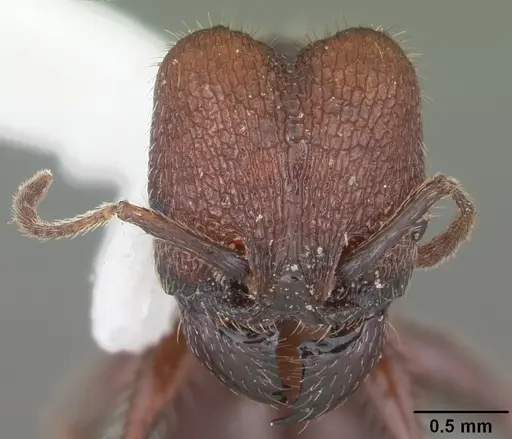
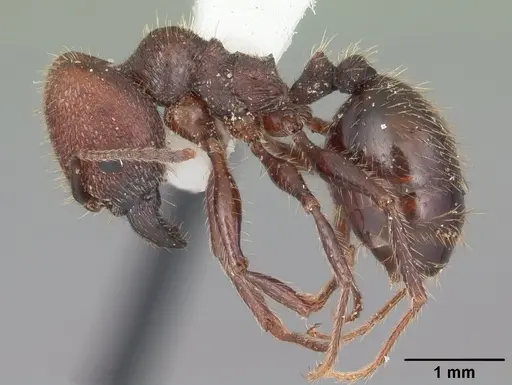
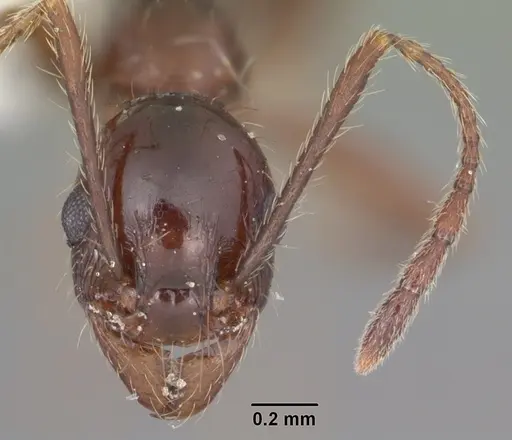
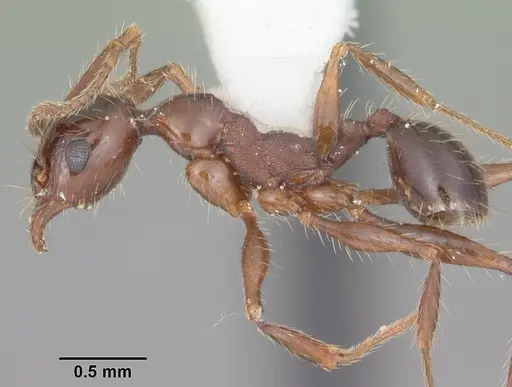
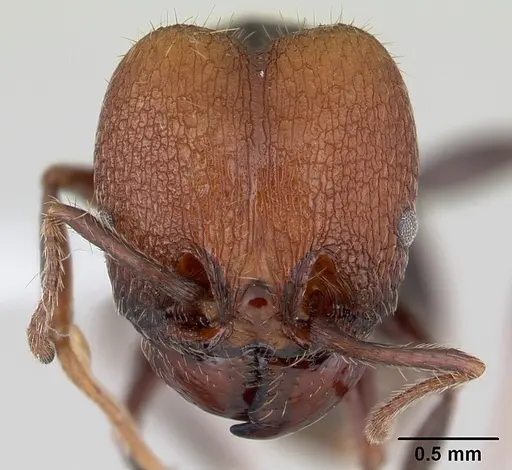
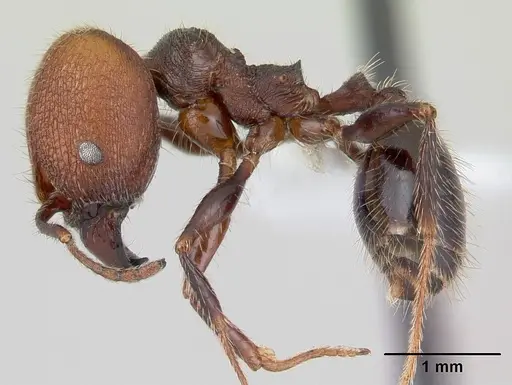
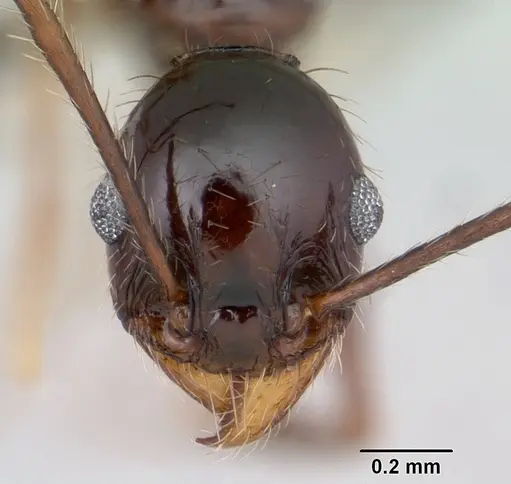
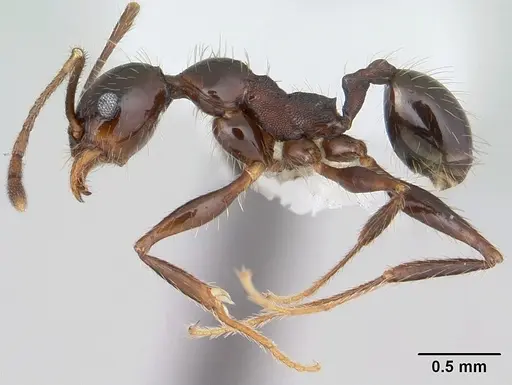
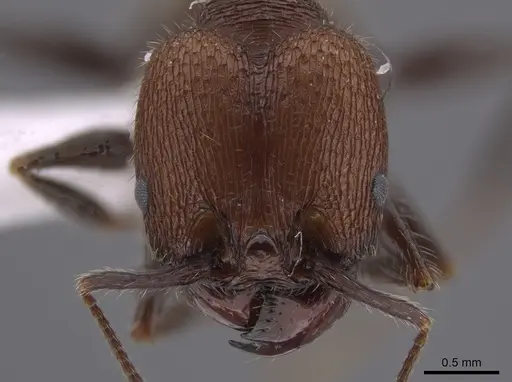
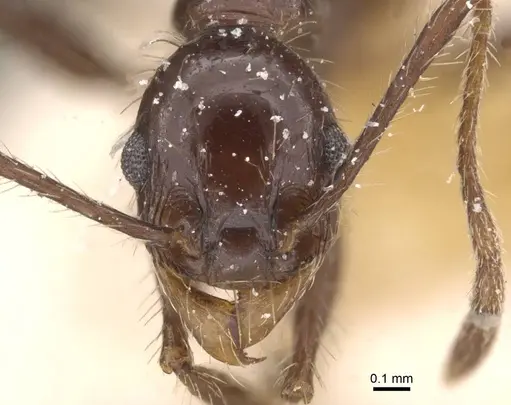
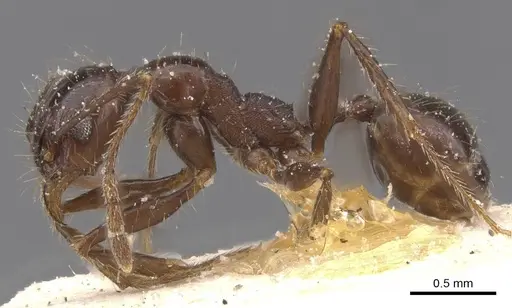
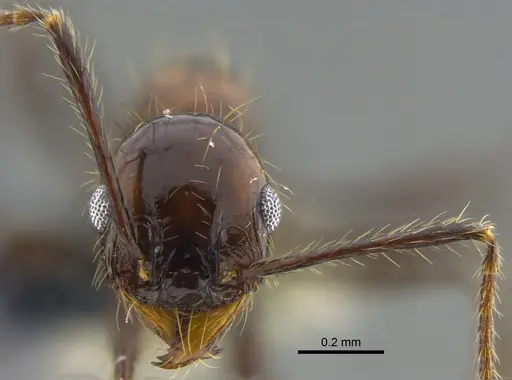
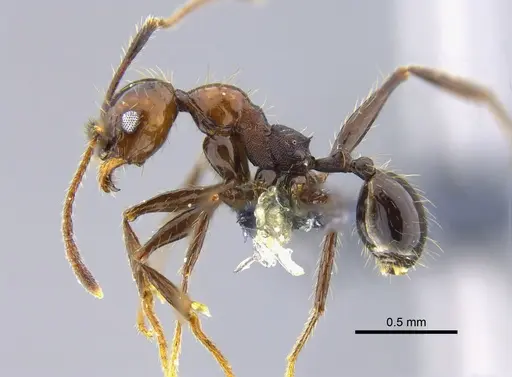
Pheidole obscurithorax is a large, dimorphic ant species native to northern Argentina and Paraguay, now established in the southeastern United States. Major workers reach 5-6 mm in total length , with distinctive sculptured heads and thick antennae scapes. Minor workers are significantly smaller. The species is dark reddish-brown and is the largest Pheidole in the southeastern US . Colonies grow to around 10,000 workers and build conspicuous crater nests in open, disturbed areas like lawns and roadsides . This species is notable for its aggressive foraging behavior - workers cooperate to take down large prey and often dominate the invasive fire ant Solenopsis invicta at food sources .
Quick Summary
- Difficulty: Expert
- Origin & Habitat: Native to northern Argentina and Paraguay, specifically the Paraná River floodplain and open pastures. Introduced to the southeastern US Gulf Coast around 1950 via shipping ports [3][4]. In the US, it thrives in disturbed habitats with open, sandy soil.
- Colony Type: Monogyne, single queen colonies. This is a dimorphic species with distinct major and minor worker castes [2].
- Size & Growth:
- Queen: Size data unavailable, no total length measurements documented in research.
- Worker: Major workers: ~5-6 mm total length [1], minor workers: size data unavailable, but typically smaller than majors.
- Colony: Up to 10,000 workers [3][5].
- Growth: Fast, colonies can increase nest density by 6.4-fold in two years [3].
- Development: Unknown, no specific development data documented for this species. (Colonies produce sexuals throughout spring and summer [5].)
- Antkeeping:
- Temperature: Room temperature (20-26°C) is ideal. This species thrives in warm climates based on its native and introduced ranges [3][4].
- Humidity: Moderate, they prefer well-drained soil. Keep nest substrate moist but not waterlogged [3].
- Diapause: Unknown, no specific data on diapause requirements. Based on subtropical origins, likely minimal or no true hibernation.
- Nesting: Soil-nesting species that builds large crater mounds with single entrances. In captivity, use soil-based nests or Y-tong/plaster nests [3].
- Behavior: Highly active and aggressive foragers. They use cooperative tactics to transport large prey and can outcompete fire ants [3][1]. Sting is atrophied, so they cannot sting humans [1]. Escape risk is moderate due to their size. WARNING: This species is invasive in the southeastern US and should not be kept in non-native countries.
- Common Issues: colonies grow very large, be prepared for a massive colony that needs significant space and food, aggressive foragers may outcompete other ant species in multi-species setups, keep them separate, they prefer disturbed open areas, overly humid or densely vegetated setups may not suit them, queen founding behavior is unconfirmed, be patient during the founding phase, large colony size means more waste and midden management needed, WARNING: This species is an invasive species in the southeastern US. It is NOT recommended to keep this species in countries where it is not native. If kept, extreme precautions must be taken to prevent any escape, as established invasive populations can cause severe ecological damage.
Housing and Nest Setup
Pheidole obscurithorax is a soil-nesting species that naturally builds large, conspicuous crater nests in open areas. In captivity, provide a naturalistic setup with a soil chamber or a Y-tong/plaster nest with adequate depth. They prefer well-drained substrate like sandy, loamy soil that doesn't stay waterlogged. The nest entrance is typically 1-5 cm wide and often covered with debris they collect [3]. A test tube setup works for founding colonies, but move them to a larger formicarium as the colony grows past 50-100 workers. Plan for significant space long-term due to large colony size. They do well at room temperature (20-26°C) and don't need elaborate heating in most homes.
Feeding and Diet
This is an omnivorous species with a strong predatory streak. In the wild, they collect arthropod prey including other ants and scavenge plant material like flower petals [3]. Their midden piles often contain remains of other ant species, especially fire ants [3]. In captivity, offer protein sources like mealworms, crickets, and other insects regularly. They cooperate to handle large prey items [1]. They also accept sugar sources like honey or sugar water. Feed protein 2-3 times per week and keep sugar water available constantly.
Temperature and Seasonal Care
Being native to subtropical Argentina and established across the US Gulf Coast, this species prefers warm conditions. Room temperature (20-26°C) is ideal. They don't require hibernation and remain active year-round in introduced ranges, with perhaps reduced activity in cooler months [3][4]. If kept in cooler climates, a heating cable on one side of the nest creates a comfortable gradient.
Behavior and Colony Dynamics
Pheidole obscurithorax is a dimorphic species with two worker castes: smaller minor workers for foraging and brood care, and larger major workers for defense and processing large prey [3]. They are aggressive competitors and can dominate food sources even against fire ants [1]. Scouts lead groups to food, and teams transport large prey back to the nest [3]. Colonies produce sexuals throughout spring and summer [5]. The sting is atrophied, so they cannot sting humans, defense is via biting and swarming [1]. They are not considered a pest species and do not infest structures [2].
Growth and Development
Colonies grow rapidly under good conditions. Research documented a 6.4-fold increase in nest density over two years [3]. A single colony can reach approximately 10,000 workers [3][5]. The queen is monogyne, with only one reproductive queen per colony [2]. Nuptial flights occur before dawn after summer rains [3]. Specific egg-to-worker development time is unknown, but related Pheidole species typically develop in 6-10 weeks at warm temperatures.
Defense Mechanism and Reproduction
This species has an atrophied sting and cannot sting humans [1]. Primary defense is biting and swarming behavior. Nuptial flights are small and occur before dawn after summer rains [3]. Queens seal themselves in during founding, but specific founding behavior is unconfirmed.
Frequently Asked Questions
How long does it take for Pheidole obscurithorax to produce first workers?
Unknown, no specific development time is documented for this species. Based on typical Pheidole patterns in the fallax group, expect 6-10 weeks from egg to first worker at warm temperatures.
Can I keep multiple Pheidole obscurithorax queens together?
No, this is a monogyne species with a single queen per colony [2]. Do not attempt to combine unrelated foundress queens.
How big do Pheidole obscurithorax colonies get?
Colonies can reach up to 10,000 workers [3]. This is a large, fast-growing species that requires significant space and food resources.
What do Pheidole obscurithorax eat?
They are omnivorous with strong predatory instincts. Offer protein sources like mealworms and crickets 2-3 times per week, and sugar sources like honey or sugar water [3][1].
What temperature do they need?
Room temperature (20-26°C) works well. They thrive in warm conditions based on their native and introduced ranges [3][4].
Are Pheidole obscurithorax good for beginners?
No, they are considered Expert difficulty due to their invasive nature and large colony size. They are aggressive foragers and require careful management to prevent escape.
Do they need hibernation or diapause?
Unknown, no specific data on diapause requirements. Based on subtropical origins, they likely don't require a cold hibernation period.
When should I move them from a test tube to a formicarium?
Move them once the colony reaches 50-100 workers or when the test tube becomes cramped. Plan for a larger setup due to their potential colony size of up to 10,000 workers [3].
Why are my Pheidole obscurithorax dying?
Common causes include too much humidity (they prefer well-drained soil), insufficient protein, or temperature stress. Check food, temperature, and humidity before worrying [3].
Report an Issue
The current care sheet is based fully on literature. See inconsistencies, or something that's incorrect? Please , it will be resolved after review from an admin. Contributing to the blogs tab also helps providing information, to make us be able to further improve the caresheets. Thank you for your support!
References

This caresheet is licensed under CC BY-SA 4.0 .
Community Blogs
CASENT0104418
View on AntWeb
CASENT0104419
View on AntWeb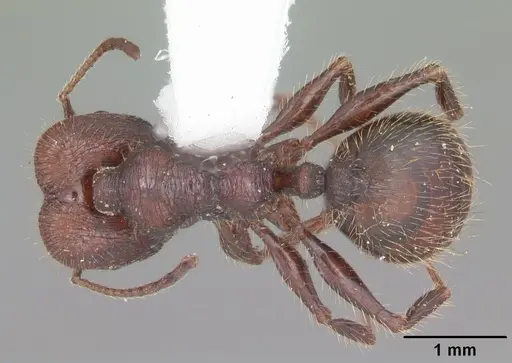
CASENT0104420
View on AntWeb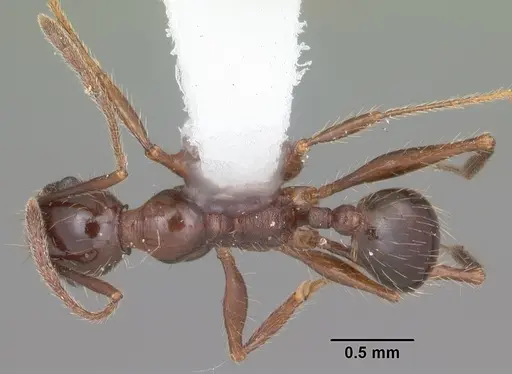
CASENT0178041
View on AntWeb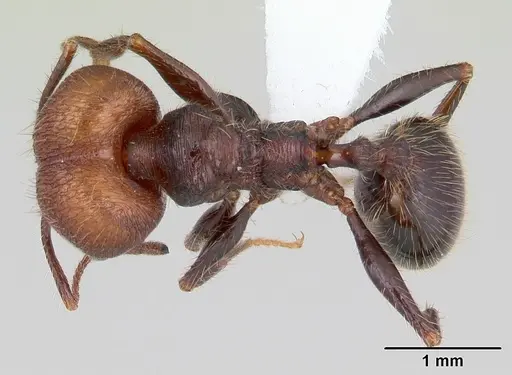
CASENT0178042
View on AntWeb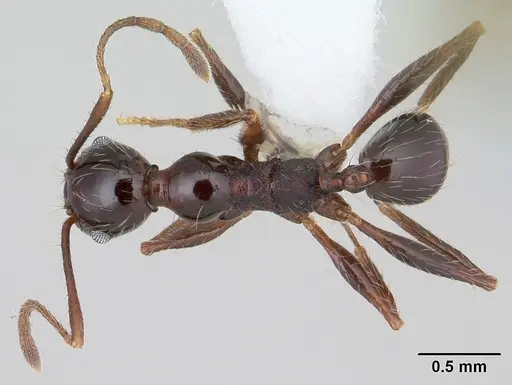
CASENT0653378
View on AntWeb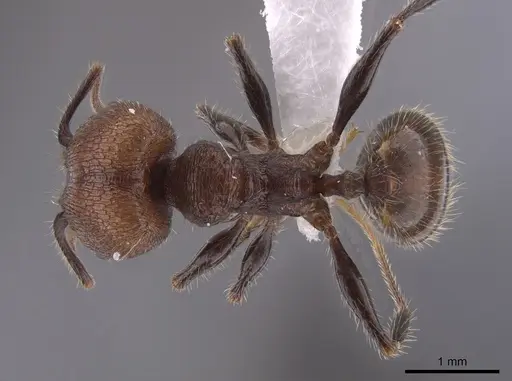
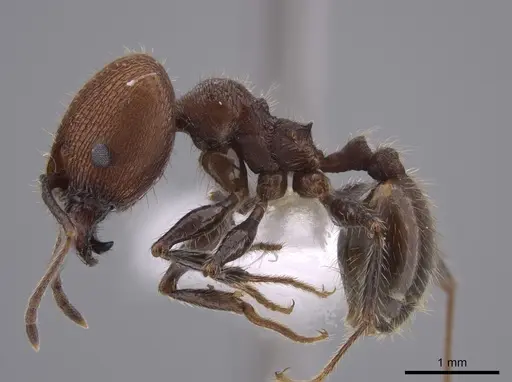
CASENT0913311
View on AntWeb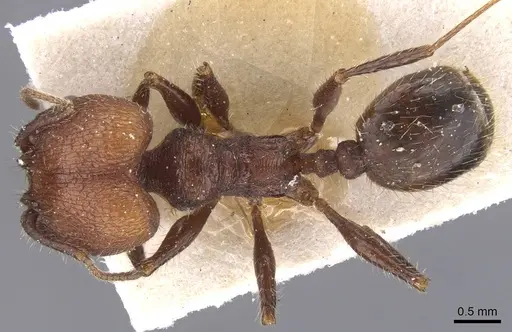
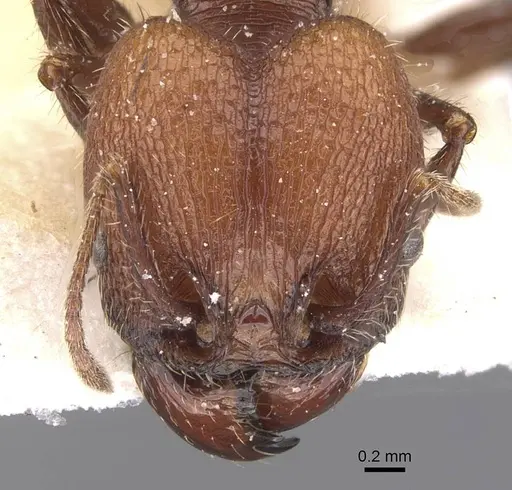
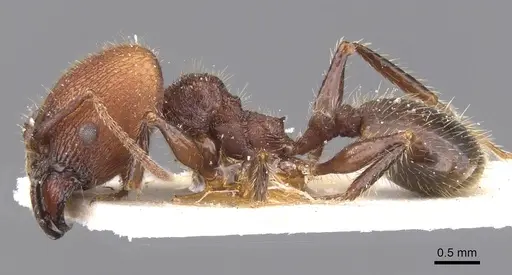
CASENT0913312
View on AntWeb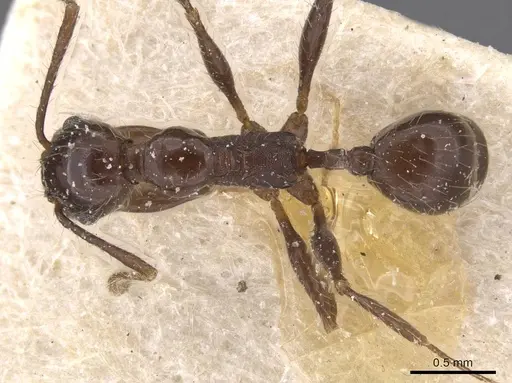
CBUMAGENT42068
View on AntWeb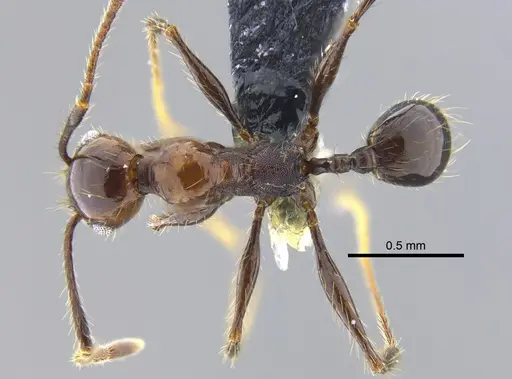
Literature
Loading distribution map...Loading products...