
Pheidole nubila
- Sci. Name
- Pheidole nubila
- Tribe
- Attini
- Subfamily
- Myrmicinae
- Author
- Emery, 1906
- Distribution
- Found in 2 countries
Introduction
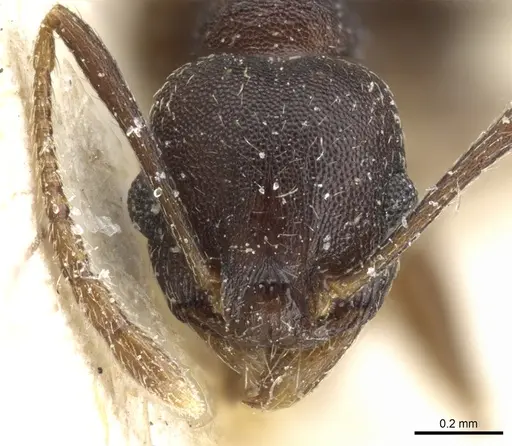
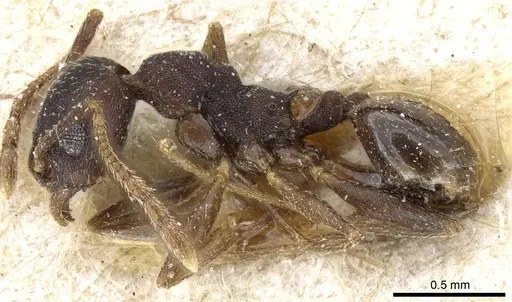
Pheidole nubila is a small ant species belonging to the diligens group, native to the grasslands of southern South America. It has reddish-brown coloration and is distinguished by a foveolate (pitted) body surface in minor workers and a bilobous pronotal dorsum in major workers. The species is recorded in northern Argentina (Salta, Córdoba, Jujuy, Santa Fé) and southern Brazil, thriving in grassland, forest edges, vineyards, and disturbed habitats . Body size data is unavailable, but based on Pheidole genus patterns, workers are typically around 1-2 mm and queens 5-8 mm. This species shows unicolonial behavior with mass recruitment, making it successful in human-modified environments. It is common in southern Brazilian grasslands and has been documented in hospital settings, where it can carry pathogenic bacteria .
Quick Summary
- Difficulty: Easy
- Origin & Habitat: Native to grasslands of southern South America, including Argentina (Salta, Córdoba, Jujuy, Santa Fé) and southern Brazil. Found in grassland habitats, forest edges, vineyards, and human-disturbed areas [1][2][3].
- Colony Type: Unicolonial behavior with mass recruitment, but queen number is unconfirmed [4].
- Size & Growth:
- Queen: Size data unavailable, inferred from Pheidole genus ~6-8 mm
- Worker: Size data unavailable, inferred from Pheidole genus ~1-2 mm
- Colony: Up to a few thousand workers
- Growth: Moderate, inferred from Pheidole genus patterns
- Development: Estimated 6-8 weeks based on genus patterns [1] (Development time inferred from Pheidole genus, specific data for P. nubila is unavailable)
- Antkeeping:
- Temperature: Keep at 22-26°C. This species originates from warm temperate to subtropical grasslands where temperatures are moderate. A heating cable on one side of the nest creates a suitable gradient [1].
- Humidity: Moderate humidity around 50-60%. These ants are found in grassland environments, so they tolerate drier conditions. Keep the nest substrate slightly moist but allow it to dry partially between waterings [2][3].
- Diapause: No, this species does not require true hibernation. In their native range, winters are mild, and they show seasonal activity with peak activity in summer and spring [4].
- Nesting: Natural nesting occurs in soil and under stones in grassland areas. In captivity, a test tube setup works for founding colonies. Once established, a Y-tong or plaster nest with small chambers suits their size. Escape prevention is critical due to small minor workers [1].
- Behavior: Pheidole nubila displays distinct major and minor worker castes. Minor workers handle foraging and brood care, while majors serve as soldiers and food processors. They show unicolonial behavior with mass recruitment when food is found. They are not aggressive but will defend the colony if threatened. Escape prevention is important due to their small size [4].
- Common Issues: small minor workers mean escapes are likely without fine mesh barriers, colonies can grow large quickly due to unicolonial nature, ensure space for expansion, wild-caught colonies may carry pathogens from hospital settings, quarantine before combining, mass recruitment can lead to food spoilage if not cleaned promptly, their adaptability to indoor conditions means escapes can become persistent
Housing and Nest Setup
Pheidole nubila does well in standard antkeeping setups. For founding colonies, use a test tube setup with a water reservoir. The queen will seal herself in and raise her first brood alone. Once the colony reaches 50+ workers, transition to a Y-tong or plaster nest with small chambers. For the outworld, a simple plastic container works. Escape prevention is critical: minor workers are very small and can squeeze through gaps. Use fine mesh on ventilation holes and apply fluon barrier to the rim [1].
Feeding and Diet
In the wild, P. nubila prefers carbohydrate baits over protein, with 60% preference for honey-sugar-based baits and 20% for protein sources like sardine [4]. For your colony, offer constant sugar water or honey diluted with water. Provide protein 2-3 times per week using small insects like fruit flies or pinhead crickets. Remove uneaten food within 24 hours to prevent mold. Their mass recruitment means workers will swarm food sources quickly [4].
Temperature and Seasonal Care
Keep colonies at 22-26°C for optimal activity. A heating cable on one side of the nest creates a gradient. This species does not require diapause, in their native range, winters are mild, and activity peaks in summer and spring [4]. If kept at room temperature year-round, they will remain active but may have shorter lifespans [2].
Understanding Their Behavior
Pheidole nubila has distinct castes: minor workers handle daily tasks, while majors serve as soldiers. They show unicolonial behavior, meaning workers from different nests can mix freely, leading to mass recruitment when food is found. They are not aggressive toward humans but will defend the colony if threatened [4].
Health and Hygiene Considerations
This species has been found in hospital settings carrying bacteria like Enterobacteriaceae and Staphylococcus epidermidis [4]. Keep enclosures clean, remove uneaten food promptly, and wash hands after handling. If collecting wild colonies, quarantine them before introducing to other ants. Good husbandry practices minimize risks [4].
Frequently Asked Questions
How long does it take for Pheidole nubila to produce first workers?
Based on typical Pheidole development patterns, expect first workers in approximately 6-8 weeks after egg laying, assuming temperatures around 24-26°C. Specific data for P. nubila is unavailable, but this is inferred from genus patterns [1].
Can I keep multiple Pheidole nubila queens together?
This species shows unicolonial behavior, which often involves multiple queens, but queen number is unconfirmed. For a captive colony started from a single foundress, adding more queens is not necessary [4].
What should I feed my Pheidole nubila colony?
Offer constant sugar sources like honey diluted with water, and protein 2-3 times per week using small insects. Studies show a preference for carbohydrate baits over protein [4]. Remove uneaten food within 24 hours to prevent mold.
Are Pheidole nubila good for beginners?
Yes, they are adaptable and not particularly aggressive. Main challenges are escape prevention due to small workers and managing mass recruitment to food sources [4].
Do Pheidole nubila need hibernation?
No, they do not require true hibernation. In their native range, winters are mild, and they remain active with seasonal peaks in summer and spring [4].
When should I move my colony to a formicarium?
Move from test tube to a larger nest once the colony reaches 40-60 workers, or when the water reservoir needs frequent refills. A Y-tong or plaster nest with small chambers works well [1].
How big do Pheidole nubila colonies get?
Based on unicolonial behavior and typical Pheidole patterns, colonies can reach up to a few thousand workers in captivity.
Why are my Pheidole nubila escaping?
Minor workers are very small and can squeeze through tiny gaps. Use fine mesh (at least 0.5mm) on ventilation holes and apply fluon barrier to the outworld rim [1].
Report an Issue
The current care sheet is based fully on literature. See inconsistencies, or something that's incorrect? Please , it will be resolved after review from an admin. Contributing to the blogs tab also helps providing information, to make us be able to further improve the caresheets. Thank you for your support!
References

This caresheet is licensed under CC BY-SA 4.0 .
Community Blogs
CASENT0904325
View on AntWeb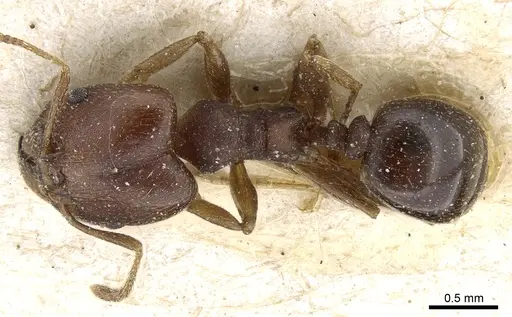
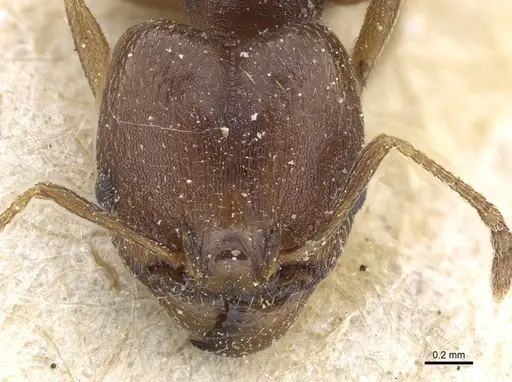
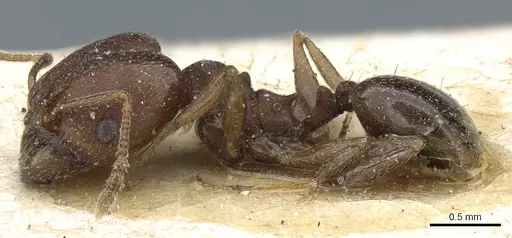
CASENT0904326
View on AntWeb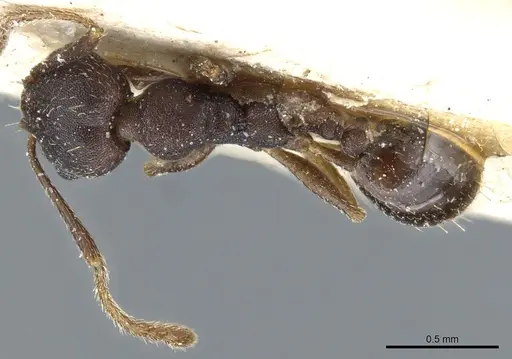
Literature
Loading distribution map...Loading products...