
Pheidole nitidicollis
- Sci. Name
- Pheidole nitidicollis
- Tribe
- Attini
- Subfamily
- Myrmicinae
- Author
- Emery, 1896
- Distribution
- Found in 6 countries
Introduction
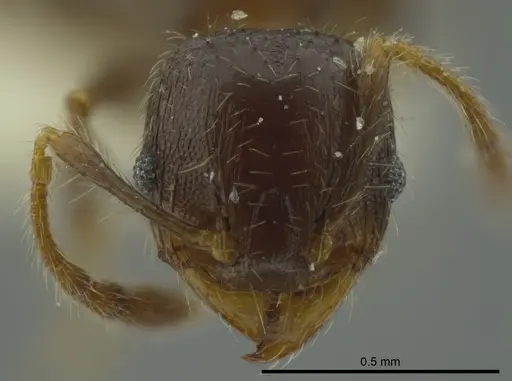
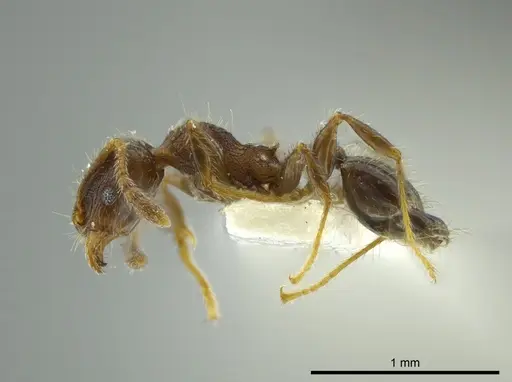
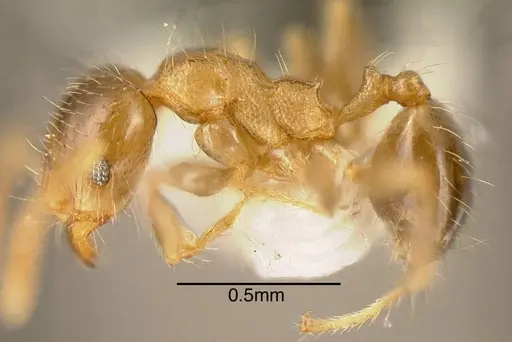
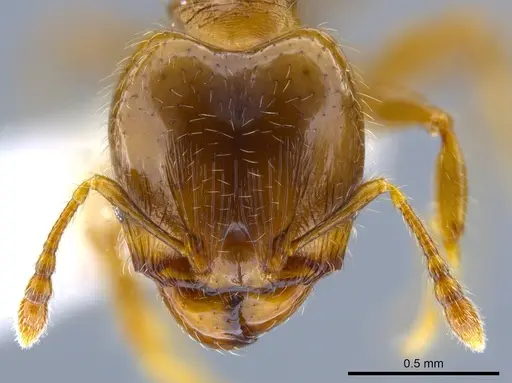
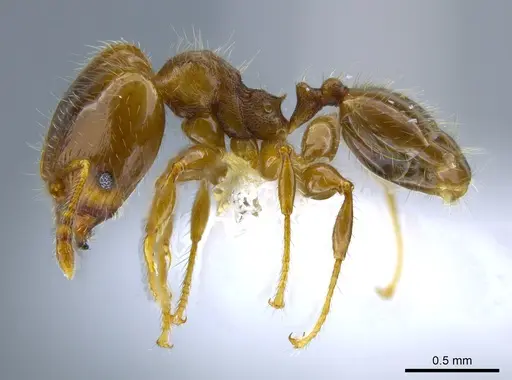
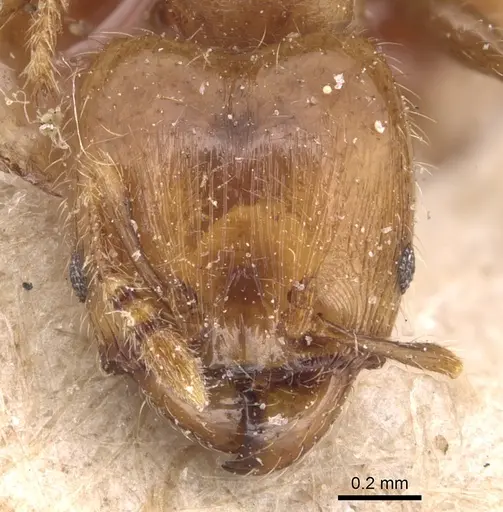
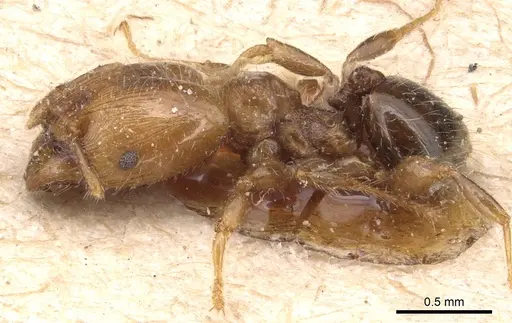
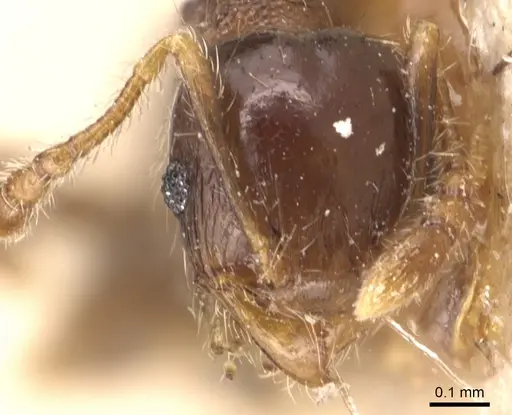
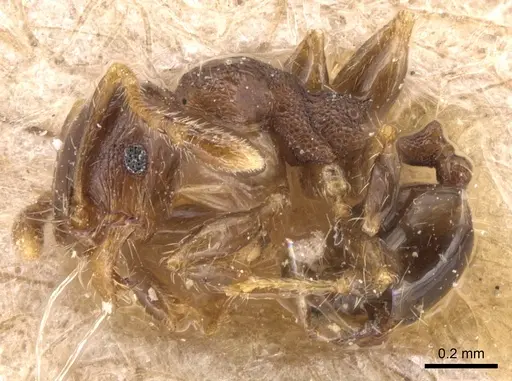
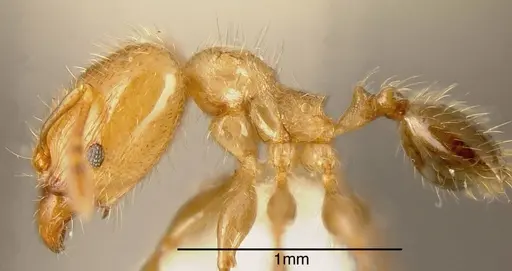
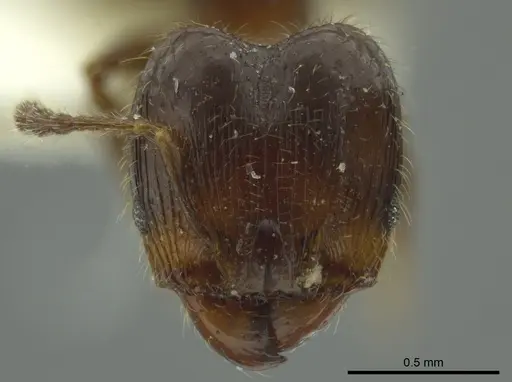
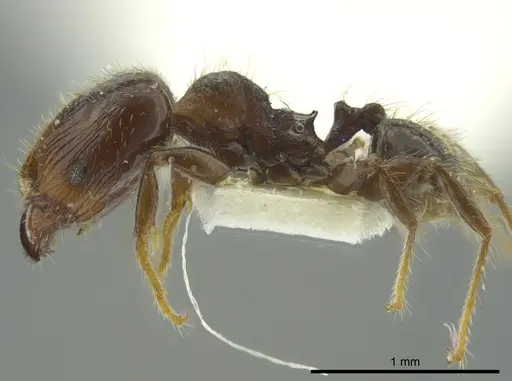
Pheidole nitidicollis is a small, yellow ant in the Myrmicinae subfamily. It is dimorphic, with major and minor workers . The species ranges from Mexico to Costa Rica, inhabiting mature wet forests . This species is arboreal, nesting in dead branches and under epiphytes in trees, often above ground level . Colonies can be large with workers scattered over wide areas, making them dynamic to observe.
Quick Summary
- Difficulty: Medium
- Origin & Habitat: Native to the Neotropical region from Mexico to Costa Rica, including Belize, Guatemala, Honduras, Nicaragua, and Jamaica. Found in mature wet forest habitats, typically nesting arboreally in dead branches and under epiphytes [2][3][1].
- Colony Type: Unconfirmed, no specific data on queen number from research.
- Size & Growth:
- Queen: Size data unavailable, no total length measurements in research.
- Worker: Size data unavailable, no total length measurements in research.
- Colony: Colonies can be large with workers scattered over wide areas [3].
- Growth: Moderate, inferred from Pheidole genus patterns.
- Development: Estimated 6-8 weeks at warm temperatures. (Development time inferred from typical Pheidole genus patterns.)
- Antkeeping:
- Temperature: Keep warm and stable, roughly 22-28°C, with a gradient.
- Humidity: Keep nest substrate consistently moist but not waterlogged, as they inhabit wet forests [3].
- Diapause: No, tropical species does not require hibernation.
- Nesting: Arboreal nest setup preferred, using Y-tong or naturalistic with vertical structures [3].
- Behavior: Behavior is unconfirmed from research, but based on Pheidole genus patterns, typically calm with majors defending aggressively when threatened.
- Common Issues: escape prevention is critical due to small size., high humidity can cause mold if ventilation is poor., colonies may abandon nests that become too dry., arboreal nature requires vertical space and climbing structures.
Housing and Nest Setup
Pheidole nitidicollis is an arboreal species, so provide a nest with vertical climbing structures. Use a Y-tong (AAC) formicarium with moist substrate or a naturalistic setup with cork bark and live moss. Keep the nest material consistently moist but not soggy, and always provide a water tube for drinking [3].
Feeding and Diet
Diet is unconfirmed from research, but Pheidole species are typically omnivorous. Feed small insects like fruit flies or pinhead crickets, and offer sugar water or honey. Remove uneaten food after 24 hours to prevent mold.
Temperature and Humidity
Keep temperatures warm and stable, around 22-28°C, with a gradient using a heating cable if needed. Maintain humidity by keeping the nest substrate moist but not waterlogged, as they inhabit wet forests [3].
Colony Development
Colonies can grow large with workers scattered over wide areas [3]. After founding, expect moderate growth over several months. Development timeline is estimated based on genus patterns.
Behavior and Temperament
Behavior is unconfirmed, but based on Pheidole genus patterns, workers are generally calm, while majors may defend aggressively if threatened. Escape prevention is essential due to their small size.
Seasonal Care
As a tropical species, no diapause is needed. Keep conditions consistent year-round with stable warmth and humidity.
Frequently Asked Questions
How long does it take for Pheidole nitidicollis to produce first workers?
Expect first workers in approximately 6-8 weeks at warm temperatures, based on typical Pheidole development.
Can I keep Pheidole nitidicollis in a test tube setup?
Yes, test tubes work for founding colonies, but move to a proper formicarium as the colony grows.
What do Pheidole nitidicollis eat?
Diet is unconfirmed, but typically omnivorous for Pheidole genus, offer small insects and sugar water.
Are Pheidole nitidicollis good for beginners?
Rated Medium difficulty due to humidity and temperature needs, and escape risk.
When should I move my colony to a formicarium?
Move when the test tube becomes crowded or water runs out frequently, using an arboreal setup.
How big do Pheidole nitidicollis colonies get?
Colonies can be large with workers scattered over wide areas [3].
Do I need to hibernate Pheidole nitidicollis?
No, as a tropical species, it does not require hibernation.
Why are my Pheidole nitidicollis escaping?
Their small size makes them escape artists, use fine mesh and barrier gel.
Can I keep multiple queens together?
Unconfirmed from research, but Pheidole species are typically monogyne, keep one queen per colony.
Report an Issue
The current care sheet is based fully on literature. See inconsistencies, or something that's incorrect? Please , it will be resolved after review from an admin. Contributing to the blogs tab also helps providing information, to make us be able to further improve the caresheets. Thank you for your support!
References

This caresheet is licensed under CC BY-SA 4.0 .
Community Blogs
CASENT0624252
View on AntWeb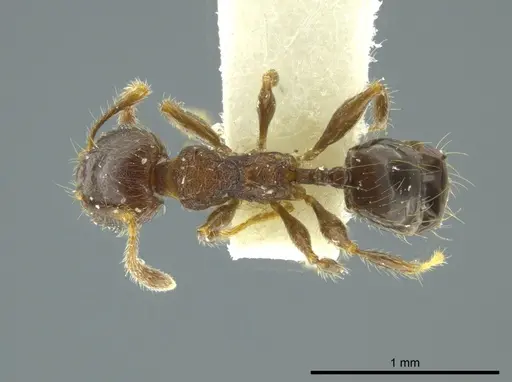
CASENT0635500
View on AntWeb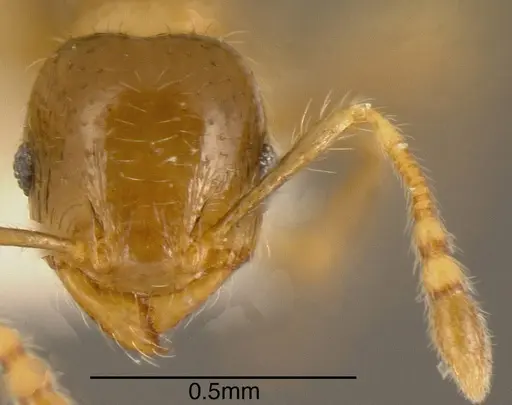
CASENT0637848
View on AntWeb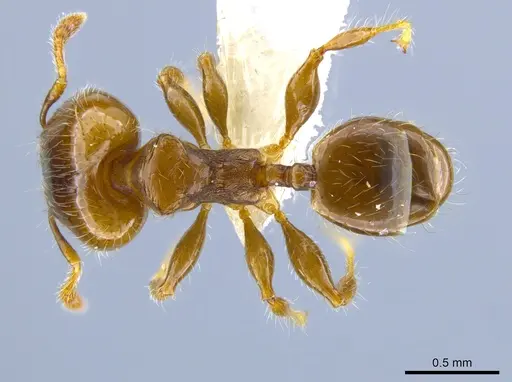
CASENT0904428
View on AntWeb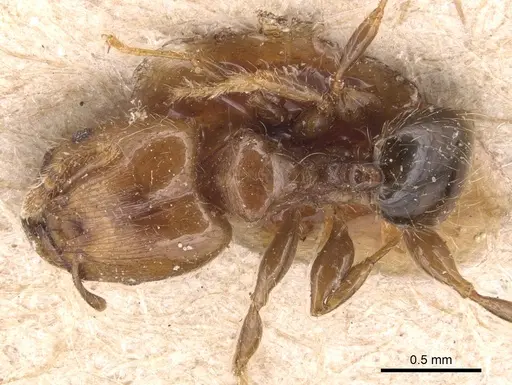
CASENT0904429
View on AntWeb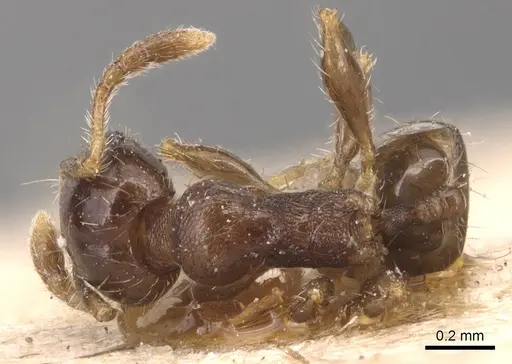
INBIOCRI001218677
View on AntWeb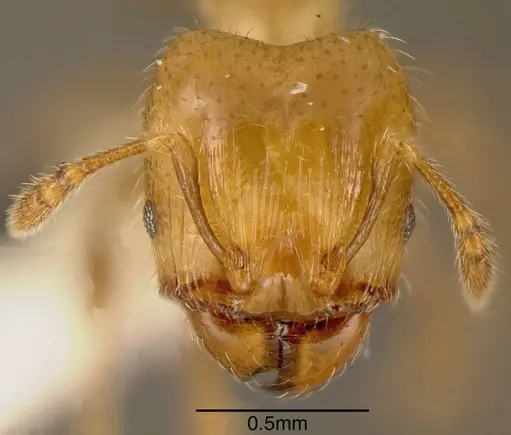
JTLC000016346
View on AntWeb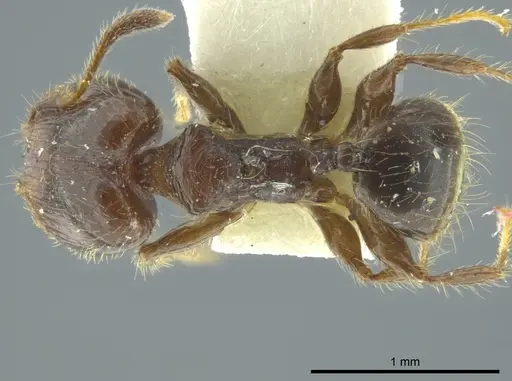
Literature
Loading distribution map...Loading products...