
Pheidole nietneri
- Sci. Name
- Pheidole nietneri
- Tribe
- Attini
- Subfamily
- Myrmicinae
- Author
- Emery, 1901
- Distribution
- Found in 1 countries
Introduction
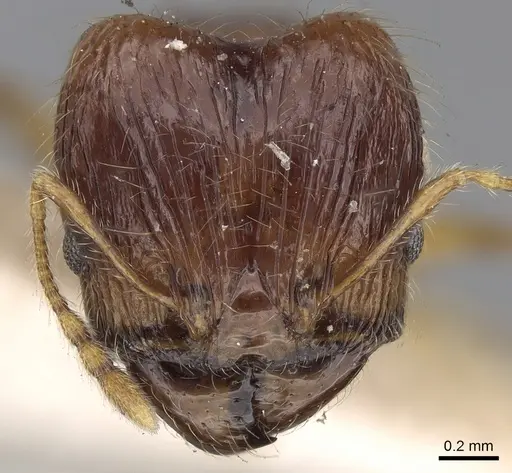
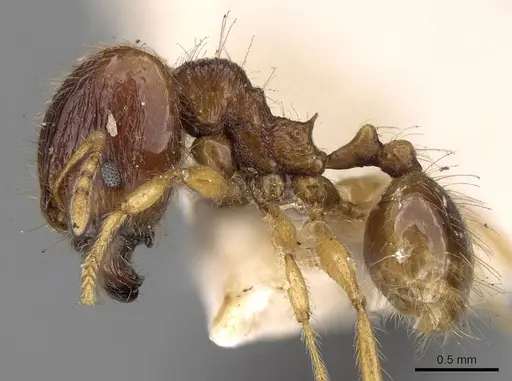
Pheidole nietneri is a small ant species with workers measuring approximately 7mm in length . They have brownish-red heads and dark abdomens . Native to South Asia, they are found in Pakistan, Sri Lanka, and southern China . These ants inhabit grasslands, agricultural fields, and apple orchards at elevations between 1,255-1,770 meters . They exhibit a caste system with minor workers and major soldiers, typical for Pheidole species [inferred from genus patterns].
Quick Summary
- Difficulty: Easy
- Origin & Habitat: Native to Pakistan, Sri Lanka, and southern China, found in grasslands, agricultural fields, and apple orchards at elevations of 1,255-1,770 meters [2][3][4][5].
- Colony Type: Based on Pheidole genus patterns, likely single-queen colonies (monogyne), but unconfirmed for this species.
- Size & Growth:
- Antkeeping:
- Temperature: Keep at room temperature (22-25°C) with a slight heat gradient if possible.
- Humidity: Keep nest substrate lightly moist but not waterlogged.
- Diapause: Based on their range, they may reduce activity in cooler months but do not require full hibernation.
- Nesting: Soil-nesting species, in captivity, use Y-tong, plaster, or soil nests [5].
- Behavior: They are relatively peaceful and not aggressive toward keepers. Foraging occurs on both ground and plants [5]. Escape risk is moderate due to their size.
- Common Issues: overfeeding leading to mold, remove uneaten protein within 24 hours., colonies may decline if kept too cold, maintain warm temperatures year-round., major workers may appear alarming but are normal for the colony.
Housing and Nest Setup
Pheidole nietneri is a soil-nesting species. In captivity, they do well in Y-tong nests, plaster nests, or naturalistic setups with soil substrate [5]. For founding colonies, a test tube setup works well until the colony reaches a small size. Ensure nest chambers are appropriately sized, too large can stress smaller colonies. These ants prefer darker nesting areas, so cover the nest [5]. Escape prevention is straightforward with standard barriers.
Feeding and Diet
In the wild, Pheidole nietneri has an omnivorous diet. They tend aphids and mealybugs for honeydew and scavenge on dead insects [1][4]. In captivity, offer sugar water or honey constantly, and protein foods like mealworms 2-3 times per week [1][4]. Remove uneaten protein within 24 hours to prevent mold.
Temperature and Seasonal Care
This species comes from warm regions, so they prefer temperatures around 22-25°C. They can tolerate room temperature but grow more slowly in cooler conditions. A heat gradient can be beneficial. Regarding winter, based on their range, they may reduce activity but do not require hibernation.
Colony Development and Caste System
Pheidole species have two worker castes: minor workers and major soldiers. For this species, specific development times are not documented, but based on genus patterns, egg to worker development takes approximately 6-8 weeks at warm temperatures. The queen is larger than workers, but size data is unavailable.
Behavior and Observation
Pheidole nietneri is relatively peaceful. Minor workers handle foraging and brood care, while majors defend the nest. Foraging occurs on ground and plants [5]. They are moderately active and establish foraging trails.
Frequently Asked Questions
How long does it take for Pheidole nietneri to produce first workers?
Development time is not specifically documented for this species, but based on Pheidole genus patterns, it may take 6-8 weeks at warm temperatures.
What do Pheidole nietneri ants eat?
They are omnivores. Offer sugar water or honey constantly, and protein foods like mealworms 2-3 times weekly [1][4].
Are Pheidole nietneri good for beginners?
Based on their adaptability and peaceful nature, they are likely good for beginners.
Do Pheidole nietneri need hibernation?
Based on their range, they do not require full hibernation.
What size colony do Pheidole nietneri reach?
Size data unavailable.
Can I keep multiple Pheidole nietneri queens together?
This species is likely monogyne, so keeping multiple queens together is not recommended.
What nest type is best for Pheidole nietneri?
Y-tong nests or plaster nests work well [5].
Why are some workers bigger than others in my colony?
Pheidole species have minor and major workers. Majors help with defense and processing large food items.
How often should I feed my Pheidole nietneri colony?
Offer sugar water or honey constantly, and protein foods 2-3 times per week [1][4]. Remove uneaten protein after 24 hours to prevent mold.
Report an Issue
The current care sheet is based fully on literature. See inconsistencies, or something that's incorrect? Please , it will be resolved after review from an admin. Contributing to the blogs tab also helps providing information, to make us be able to further improve the caresheets. Thank you for your support!
References

This caresheet is licensed under CC BY-SA 4.0 .
Community Blogs
CASENT0281662
View on AntWeb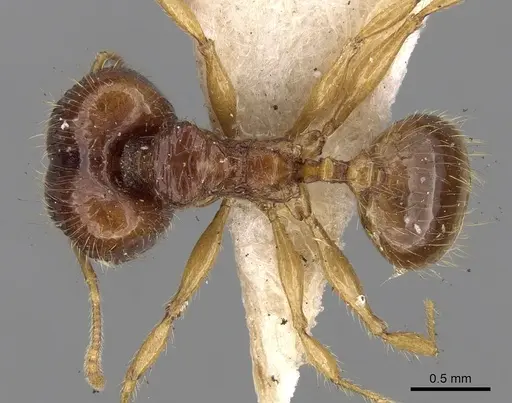
Literature
Loading distribution map...Loading products...