
Pheidole nebulosa
- Sci. Name
- Pheidole nebulosa
- Tribe
- Attini
- Subfamily
- Myrmicinae
- Author
- Wilson, 2003
- Distribution
- Found in 5 countries
Introduction
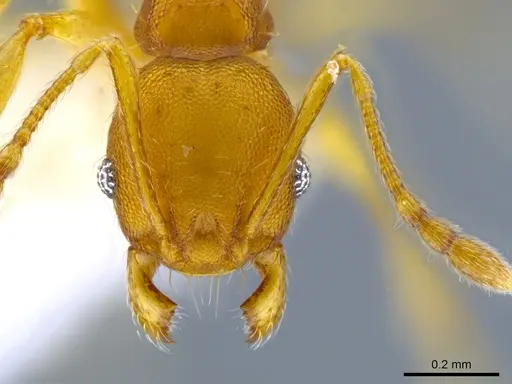
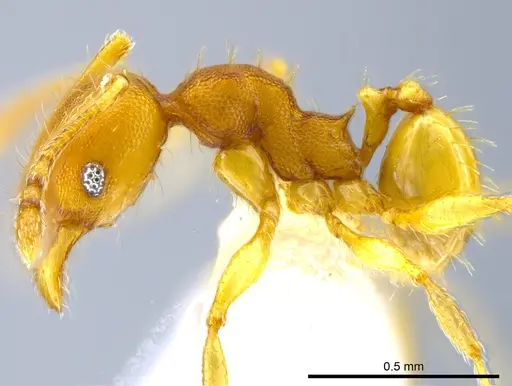
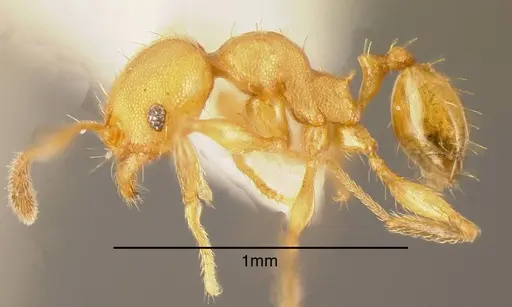
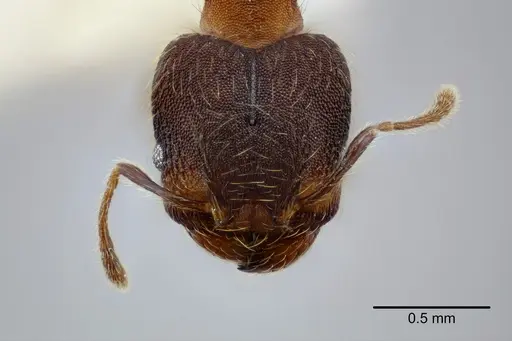
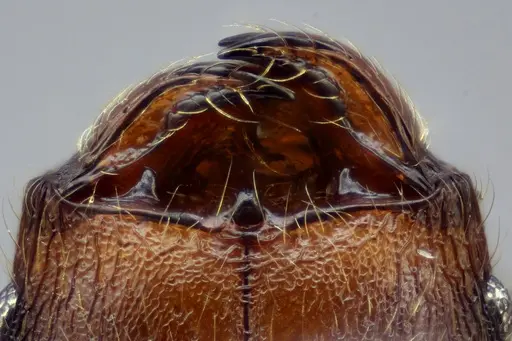
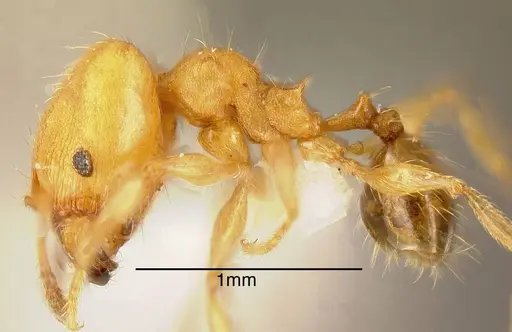
Pheidole nebulosa is a small dimorphic ant species native to the Neotropical region, ranging from Mexico to Costa Rica . The species name 'nebulosa' means misty or cloudy, referring to its foveolate and shagreened body surface . Major workers have a distinctive single large rounded medial tooth on the hypostomal margin, lacking inner hypostomal teeth found in related species . Body size data is unavailable from current research. This ant is both arboreal and terrestrial, commonly found in mature wet forest environments from the forest floor leaf litter to the canopy . Nests are in irregular cavities in dead wood, and they prey on oribatid mites in the leaf litter .
Quick Summary
- Difficulty: Medium
- Origin & Habitat: Neotropical region from Mexico to Costa Rica, inhabiting mature wet forest at elevations up to 700m, found in forest floor leaf litter and canopy, nesting in dead wood cavities [1][2].
- Colony Type: Unconfirmed, no specific data on queen number from research.
- Size & Growth:
- Queen: size data unavailable
- Worker: size data unavailable
- Colony: Unknown, no colony size data available.
- Growth: Moderate, inferred from typical Pheidole development.
- Development: Unknown, no specific development data available. (Development time is unclear, warmer temperatures may accelerate growth.)
- Antkeeping:
- Temperature: Keep at 22-26°C, inferred from wet forest habitat [1].
- Humidity: Keep nest substrate consistently moist but not waterlogged, inferred from wet forest habitat [1].
- Diapause: No, as a Neotropical species, they do not require hibernation.
- Nesting: Prefer enclosed dark spaces mimicking dead wood cavities, based on natural nesting behavior [1][2].
- Behavior: This species is generally calm and non-aggressive. Major workers provide defense using a sting, as typical for Myrmicinae. Workers are small but active foragers, with escape risk due to small size. They prey on oribatid mites and may carry seeds [1][3].
- Common Issues: specialized diet may be challenging to replicate in captivity., high humidity requirements can lead to mold if ventilation is poor., small colony size at founding means slow growth., wild-caught colonies may have parasites., escape prevention is critical due to small size.
Nest Preferences and Housing
In the wild, Pheidole nebulosa nests in irregular cavities within dead wood, both on the forest floor and in elevated positions in the canopy [1]. For captive care, use Y-tong (AAC) nests, plaster nests, or naturalistic setups with dead wood pieces to mimic their natural habitat [1][2]. Keep the nest humid but with adequate ventilation to prevent mold. Ensure connections to the outworld are appropriately sized for small ants.
Feeding and Diet
Pheidole nebulosa preys on oribatid mites in leaf litter and may carry seeds [1][3]. In captivity, offer small live prey like fruit flies or pinhead crickets 2-3 times per week, and provide sugar water occasionally. Remove uneaten food promptly to avoid mold.
Temperature and Seasonal Care
As a species from wet forests, keep temperatures at 22-26°C with a gentle gradient [1]. They do not require diapause, but maintain consistent warmth for colony health.
Colony Structure and Development
Pheidole nebulosa is dimorphic with major and minor workers [4]. Colony type and founding behavior are unconfirmed from research. Growth is moderate, but development timeline is unknown.
Behavior and Temperament
This species is calm and non-aggressive. Major workers use a sting for defense. Workers are active foragers with high escape risk due to small size. They hunt mites and may carry seeds [1][3].
Frequently Asked Questions
How long does it take for Pheidole nebulosa to produce first workers?
Development timeline is unknown from current research. Based on typical Myrmicinae patterns, it may take several weeks, but specific data is unavailable.
What do Pheidole nebulosa ants eat?
They prey on oribatid mites in the wild and accept small live prey in captivity [1][3]. Offer protein foods 2-3 times per week and sugar water occasionally.
Are Pheidole nebulosa good for beginners?
This species is rated medium difficulty due to humidity needs and specialized diet. Beginners should be prepared for slow growth and potential challenges with prey culture.
What temperature do Pheidole nebulosa need?
Keep them at 22-26°C, inferred from their wet forest habitat [1].
Can I keep multiple Pheidole nebulosa queens together?
Colony type is unconfirmed, but combining queens is not recommended as it may lead to conflict.
What size do Pheidole nebulosa colonies reach?
Colony size is unknown from research.
Do Pheidole nebulosa need hibernation?
No, as a Neotropical species, they do not require diapause [1].
What type of nest is best for Pheidole nebulosa?
Y-tong (AAC) nests, plaster nests, or naturalistic setups with dead wood pieces work well, based on natural nesting behavior [1][2].
Why are my Pheidole nebulosa dying?
Common causes include low humidity, cold temperatures, improper diet, or parasites from wild-caught colonies. Ensure proper care conditions.
Report an Issue
The current care sheet is based fully on literature. See inconsistencies, or something that's incorrect? Please , it will be resolved after review from an admin. Contributing to the blogs tab also helps providing information, to make us be able to further improve the caresheets. Thank you for your support!
References

This caresheet is licensed under CC BY-SA 4.0 .
Community Blogs
CASENT0613597
View on AntWeb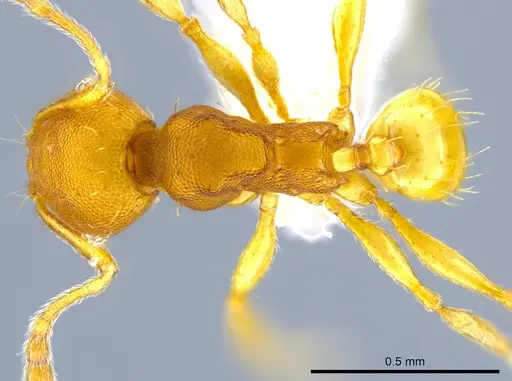
CASENT0635497
View on AntWeb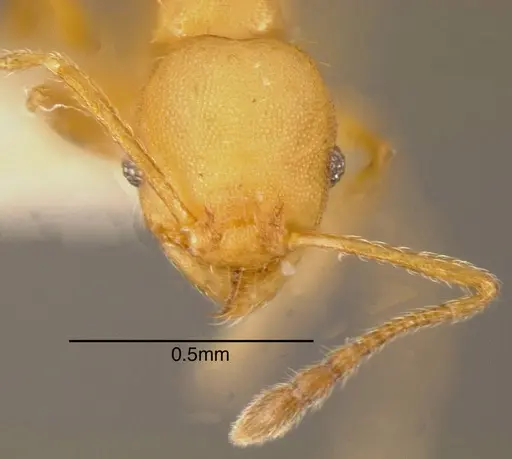
CASENT0649605
View on AntWeb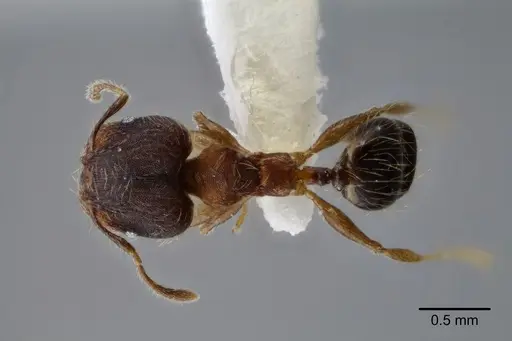
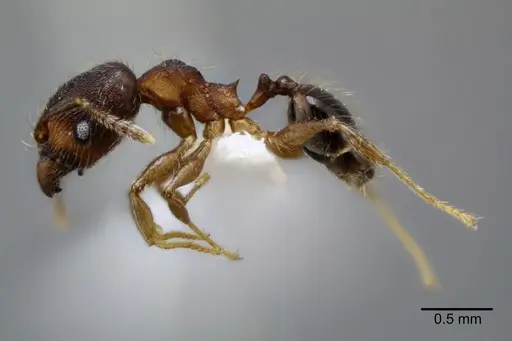
CASENT0649606
View on AntWeb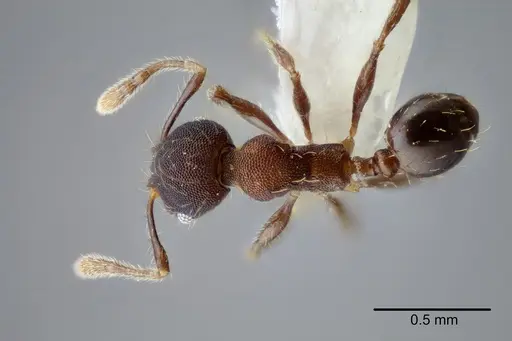
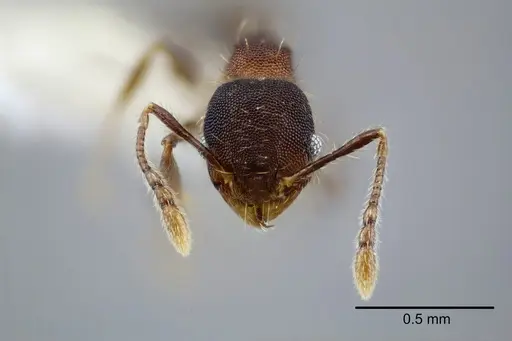
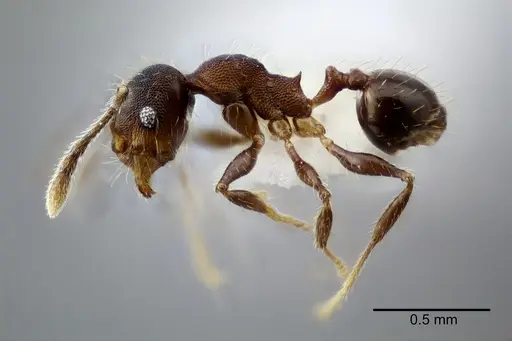
INBIOCRI001237483
View on AntWeb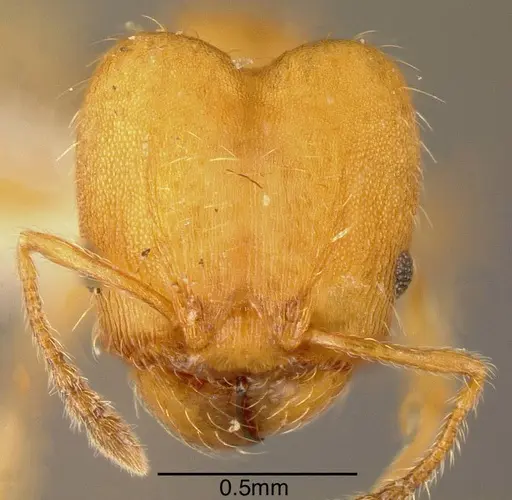
Literature
Loading distribution map...Loading products...