
Pheidole mesomontana
- Sci. Name
- Pheidole mesomontana
- Tribe
- Attini
- Subfamily
- Myrmicinae
- Author
- Longino, 2009
- Distribution
- Found in 1 countries
Introduction
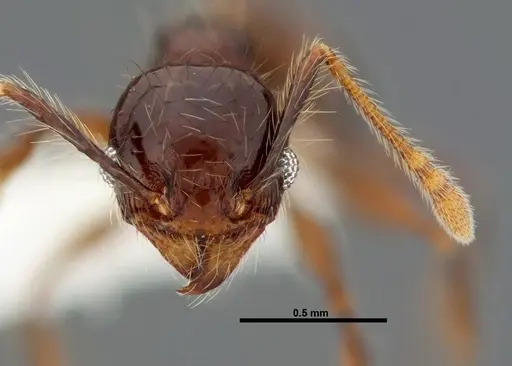
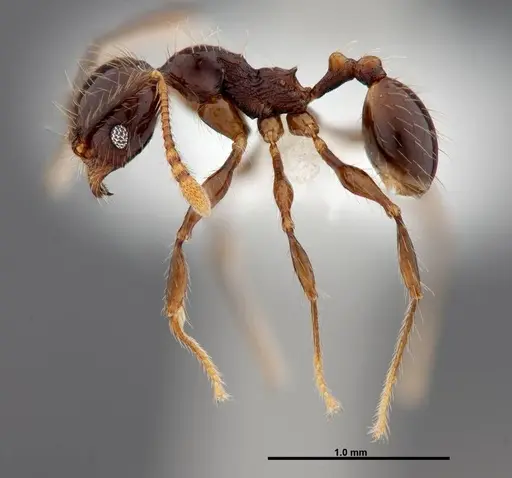
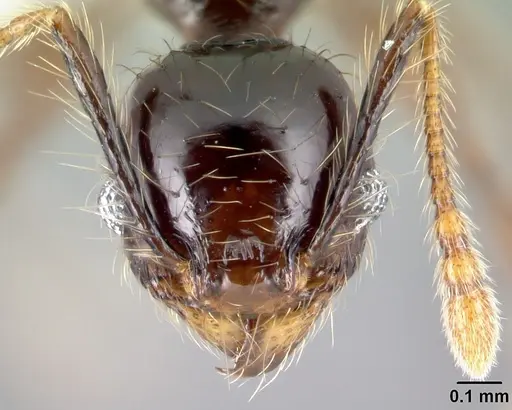
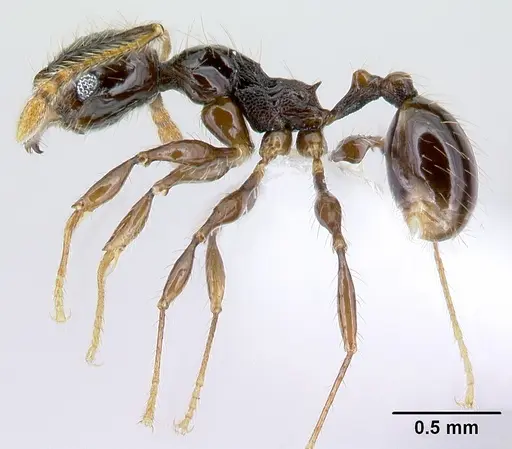
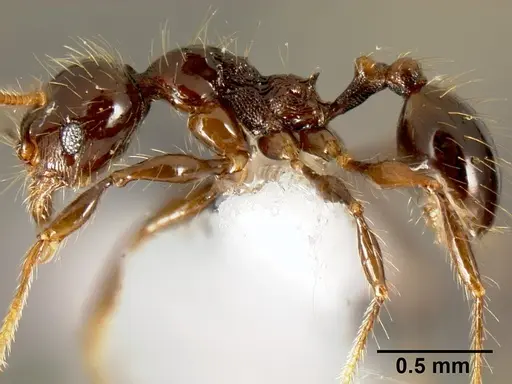
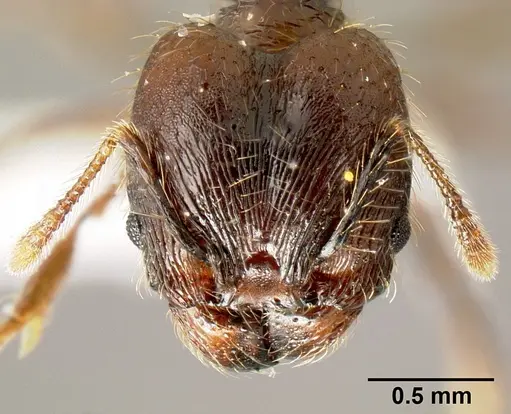
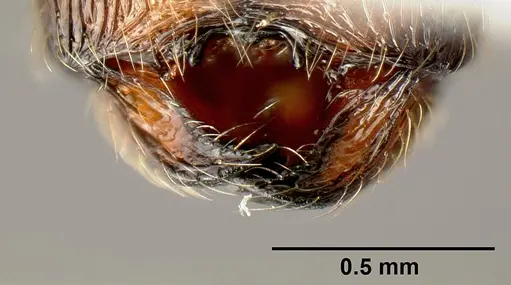
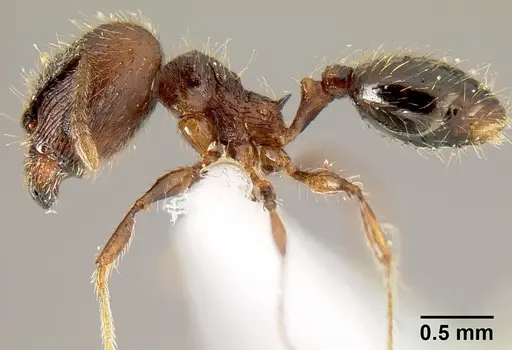
Pheidole mesomontana is an ant species native to the cloud forests of Costa Rica. It has minor and major worker castes, with majors having enlarged heads. The species was described in 2009 by John Longino and is known only from a single location in Heredia province at around 1100m elevation . In the wild, they live in mature mid-elevation wet forest and forage in leaf litter on the forest floor . What makes this species interesting is its specialized habitat. These ants live in the cool, damp cloud forests of Costa Rica's Caribbean slope, a world away from dry conditions .
Quick Summary
- Difficulty: Medium
- Origin & Habitat: Costa Rica, Heredia province, 16km SSE La Virgen at 1100m elevation in mature mid-elevation wet forest [1][2]. They live in leaf litter on the forest floor and are collected by sifting through decomposed material [3].
- Colony Type: Colony structure is unconfirmed. Pheidole species typically have single-queen colonies (monogyne), but no specific data for this species.
- Size & Growth:
- Queen: Size data unavailable for body length [2].
- Worker: Size data unavailable for body length. Based on Pheidole genus patterns, minor workers are typically 1-3mm and majors 2-5mm, but this is an inference.
- Colony: Unknown for this specific species, no context data.
- Growth: Moderate, inferred from genus patterns.
- Development: Estimated 6-10 weeks at optimal temperature based on related species. (Development time is inferred from genus patterns since specific data is unavailable for this species.)
- Antkeeping:
- Temperature: Keep cool, roughly 18-22°C, based on their cloud forest habitat.
- Humidity: Keep nest substrate consistently moist but not waterlogged, based on their wet forest habitat [1].
- Diapause: Likely needed, inferred from montane species.
- Nesting: Preferred nest types are unclear, but common options include Y-tong or plaster nests with high humidity.
- Behavior: Pheidole mesomontana is a peaceful forager species. Minor workers scout for food while major workers defend the nest. They are not aggressive toward keepers and rarely sting. Their small size makes them escape artists, so use fine mesh barriers. Major workers may block nest entrances when threatened.
- Common Issues: high humidity maintenance is critical, dry conditions will kill colonies, tiny minor workers can escape through standard mesh, use fine mesh barriers, slow growth compared to tropical species may frustrate beginners, cool temperature requirements are strict, avoid overheating, limited availability since the species is rarely kept in captivity
Housing and Setup
Pheidole mesomontana needs a setup that maintains high humidity while allowing for their small size. Choose a nest with narrow connecting tubes to prevent escapes. Test tube setups with a moist cotton ball can work initially, but upgrade to a formicarium as the colony grows. The outworld should be simple with a water tube for drinking. Use a fine mesh barrier, these tiny ants can squeeze through standard ant farm mesh. Keep the setup in a cool room away from direct sunlight. [1]
Feeding and Diet
Like other Pheidole species, these ants are omnivorous with a preference for seeds and protein. Offer small seeds as a staple food and protein sources like small insects regularly. Sugar water or honey can be offered occasionally. Feed every 2-3 days and remove uneaten food to prevent mold.
Temperature and Humidity
Keep temperatures between 18-22°C, room temperature in most homes may be too warm. Humidity should be high: keep nest substrate consistently moist but not waterlogged. Mist the outworld regularly and check water tubes frequently [1].
Colony Development
Pheidole colonies grow through production of minor and major workers. Major workers develop as the colony matures. Growth rate is moderate, expect 6-12 months from founding to a colony of 100+ workers. Patience is key with this species.
Seasonal Care and Overwintering
As a montane species, Pheidole mesomontana likely experiences seasonal temperature changes. Simulate winter by reducing temperatures to 15-18°C for 2-3 months. This diapause period may improve queen longevity. Do not feed heavily during diapause. [1]
Behavior and Defense
These ants are not aggressive and pose no danger to keepers. When threatened, major workers may block nest entrances, this 'phragmosis' behavior is common in Pheidole. They possess a stinger, as typical for Myrmicinae ants. Minor workers forage individually or in small groups.
Frequently Asked Questions
How long does it take for Pheidole mesomontana to produce first workers?
Estimated 6-10 weeks from egg to worker at optimal temperature (around 20°C). This is based on typical Pheidole development patterns since specific timing for this species hasn't been documented.
What do Pheidole mesomontana ants eat?
They are omnivorous with a seed-eating tendency. Offer small seeds as a regular food source and protein from small insects. They may accept sugar water or honey occasionally. Remove uneaten food to prevent mold.
Can I keep multiple Pheidole mesomontana queens together?
Not recommended. Pheidole species are typically single-queen colonies (monogyne). Combining unrelated queens usually results in fighting. No specific data for this species, so it is unconfirmed.
What temperature do Pheidole mesomontana ants need?
Keep them cool: roughly 18-22°C, based on their cloud forest habitat. Avoid temperatures above 24°C, overheating is a common risk.
Are Pheidole mesomontana ants dangerous?
No, they are not dangerous to humans. Their stingers are too small to penetrate human skin. Major workers can bite if handled roughly, but they are not aggressive.
How big do Pheidole mesomontana colonies get?
Colony size is unknown for this specific species. No context data on maximum colony size.
Do Pheidole mesomontana ants need hibernation?
Likely needed, inferred from montane species. Reduce temperatures to 15-18°C for 2-3 months during winter, and reduce feeding during this period.
Why are my Pheidole mesomontana ants dying?
Common causes include overheating, low humidity, escapes through tiny gaps, and poor diet. Review temperature and humidity settings first.
When should I move Pheidole mesomontana to a formicarium?
Move them when the test tube becomes crowded or the water tube runs low frequently. For Pheidole, this is typically when the colony reaches 50-100 workers.
Report an Issue
The current care sheet is based fully on literature. See inconsistencies, or something that's incorrect? Please , it will be resolved after review from an admin. Contributing to the blogs tab also helps providing information, to make us be able to further improve the caresheets. Thank you for your support!
References

This caresheet is licensed under CC BY-SA 4.0 .
Community Blogs
CASENT0609002
View on AntWeb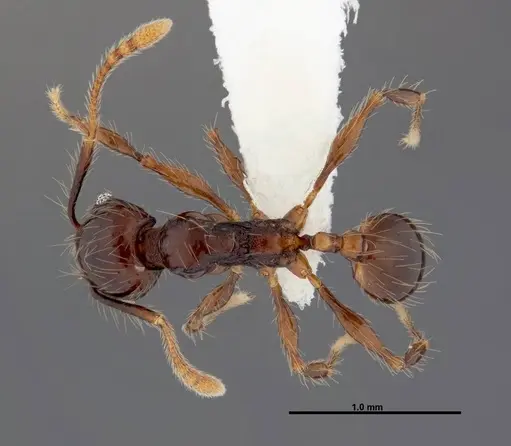
CASENT0609005
View on AntWeb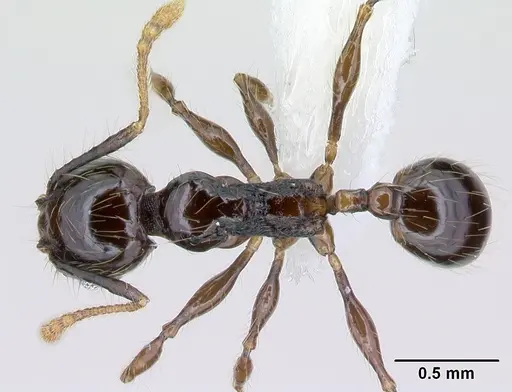
INB0003213490
View on AntWeb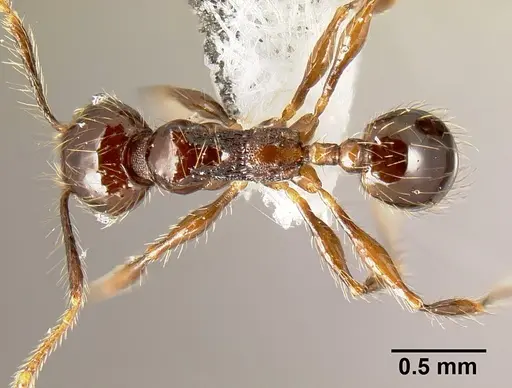
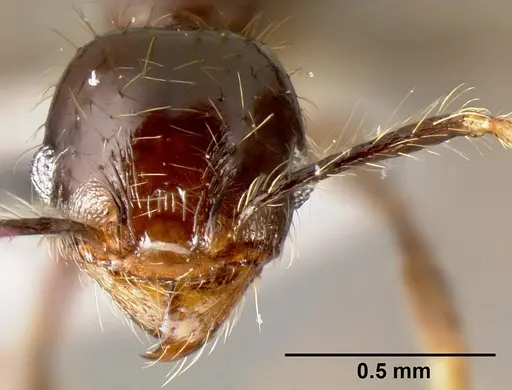
INB0003214187
View on AntWeb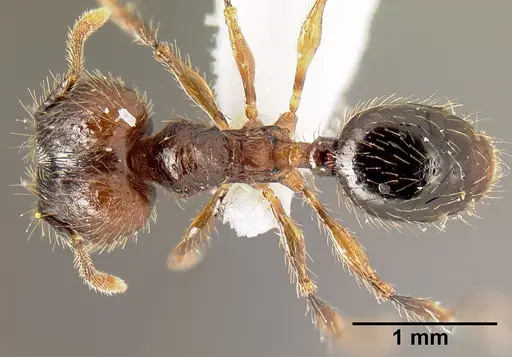
Literature
Loading distribution map...Loading products...