
Pheidole mera
- Sci. Name
- Pheidole mera
- Tribe
- Attini
- Subfamily
- Myrmicinae
- Author
- Wilson, 2003
- Distribution
- Found in 3 countries
Introduction
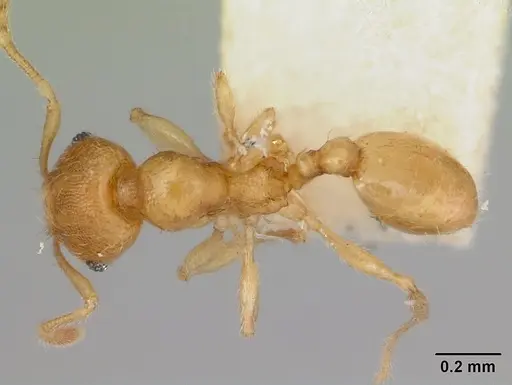
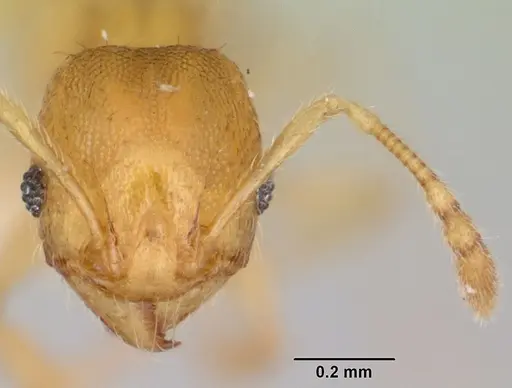
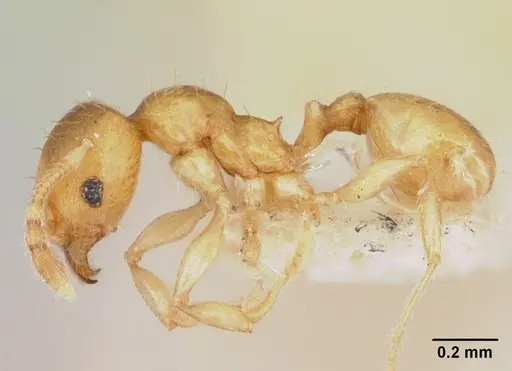
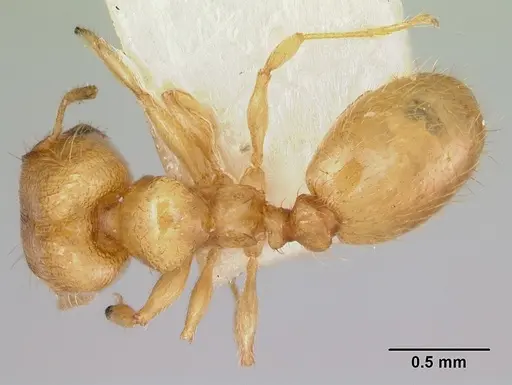
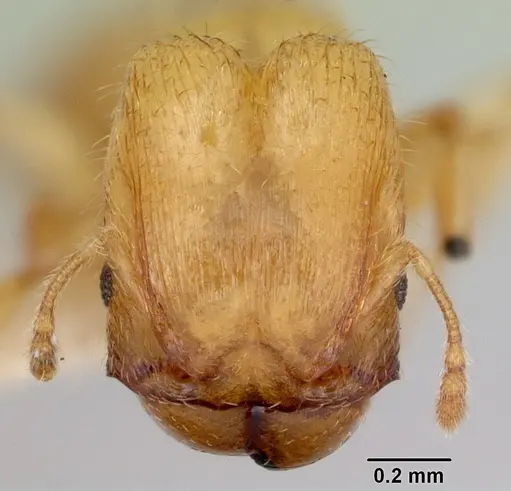
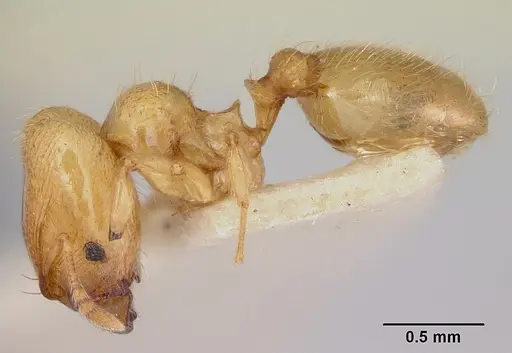
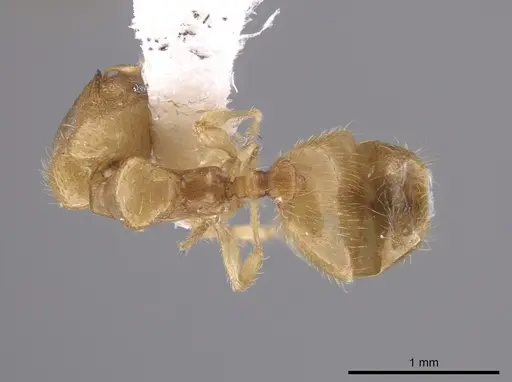
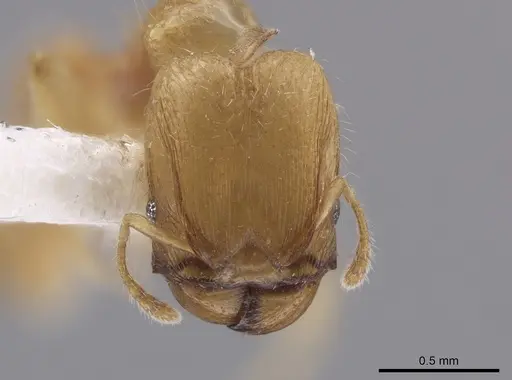
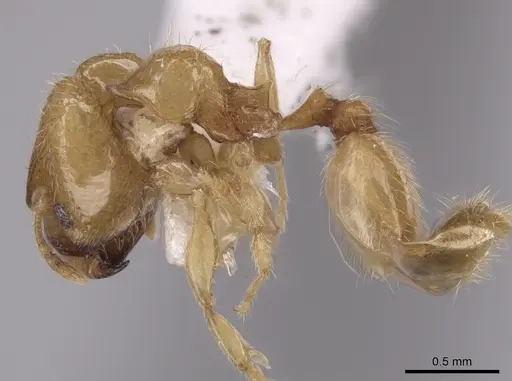
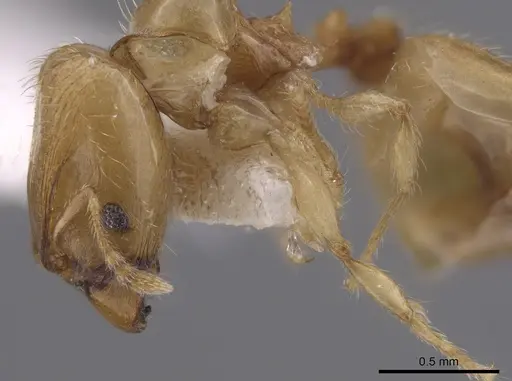
Pheidole mera is a dimorphic ant species with major and minor workers, reported from Guatemala and the southern United States . Size data is not available from current research. The species is known for its distinct worker castes, but specific behaviors and care requirements are not detailed in the available literature.
Quick Summary
- Difficulty: Medium
- Origin & Habitat: Guatemala and southern United States, in tropical and subtropical environments [1].
- Colony Type: Based on Pheidole genus patterns, likely monogyne (single queen colonies), but unconfirmed for this species.
- Size & Growth:
- Queen: Size data unavailable.
- Worker: Dimorphic with major and minor workers, but specific sizes unknown [1].
- Colony: Colony size data unavailable.
- Growth: Unknown.
- Development: Unknown, no data available. (Development time is not specified in the research.)
- Antkeeping:
- Temperature: Keep warm, roughly 24-28°C, based on tropical origin, but specific requirements unknown.
- Humidity: Keep moderately moist, but specific humidity levels unknown.
- Diapause: No, tropical species do not require hibernation, inferred from geographic range.
- Nesting: Typical ant nesting setups such as test tubes for founding, and Y-tong or plaster nests for established colonies, inferred from genus patterns.
- Behavior: Temperament unknown, but based on Pheidole patterns, likely peaceful. Defense mechanism is stinging, as typical for Myrmicinae, but no specific data on aggression for this species. Escape risk moderate due to size, but specific data unavailable.
- Common Issues: limited data available, monitor temperature and humidity closely., colonies may stall if conditions are not optimal., overfeeding can lead to mold in nest setups.
Worker Caste and Dimorphism
Pheidole mera has major and minor workers, as reported in the literature [1]. Specific roles and sizes are not detailed in the available research.
Geographic Distribution
This species is reported from Guatemala and the southern United States [1].
Care Recommendations
Due to limited research, specific care requirements are unknown. Based on typical Pheidole care, keep warm and moist, but no citations available for detailed guidance.
Frequently Asked Questions
How long does it take for Pheidole mera to raise first workers?
Unknown, no data available from research.
When do major workers appear in Pheidole mera?
Unknown, no data on when majors appear.
Can I keep multiple Pheidole mera queens together?
Based on genus patterns, likely not recommended, but no species-specific data.
What do I feed Pheidole mera?
Unknown, no dietary data available from research.
Do Pheidole mera need hibernation?
No, tropical species do not require diapause, inferred from geographic range.
Are Pheidole mera good for beginners?
Difficulty is medium due to limited data, so caution is advised.
How big do Pheidole mera colonies get?
Colony size data unavailable.
When should I move Pheidole mera to a formicarium?
Unknown, no data on colony growth stages.
Why are my Pheidole mera not growing?
Check temperature and humidity, as specific requirements are unknown.
Report an Issue
The current care sheet is based fully on literature. See inconsistencies, or something that's incorrect? Please , it will be resolved after review from an admin. Contributing to the blogs tab also helps providing information, to make us be able to further improve the caresheets. Thank you for your support!
References

This caresheet is licensed under CC BY-SA 4.0 .
Community Blogs
Literature
Loading distribution map...Loading products...