
Pheidole meinerti
- Sci. Name
- Pheidole meinerti
- Tribe
- Attini
- Subfamily
- Myrmicinae
- Author
- Forel, 1905
- Distribution
- Found in 3 countries
Introduction
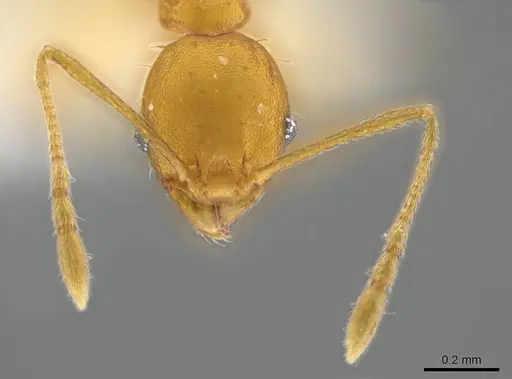
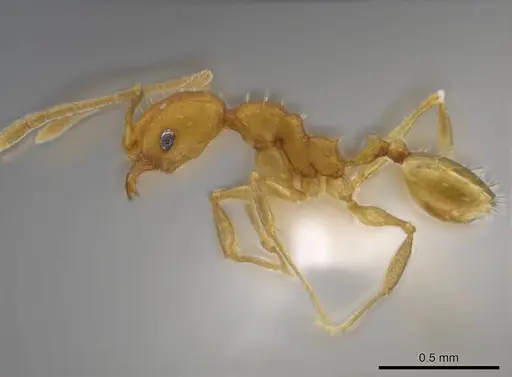
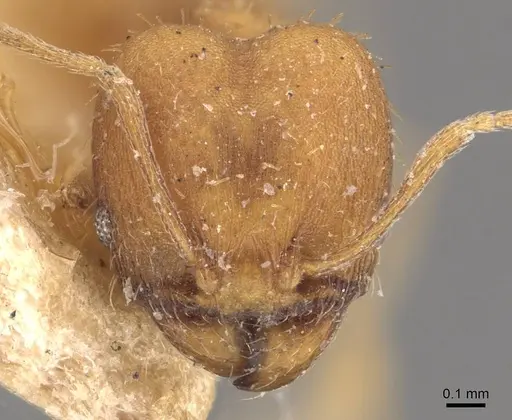
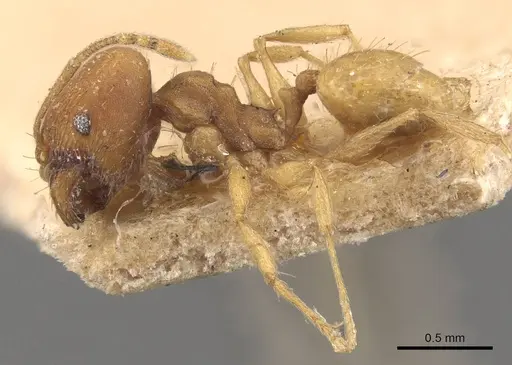
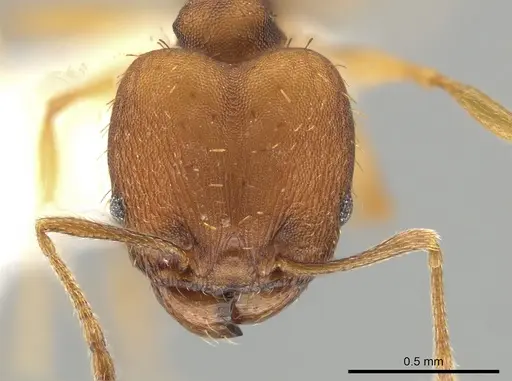
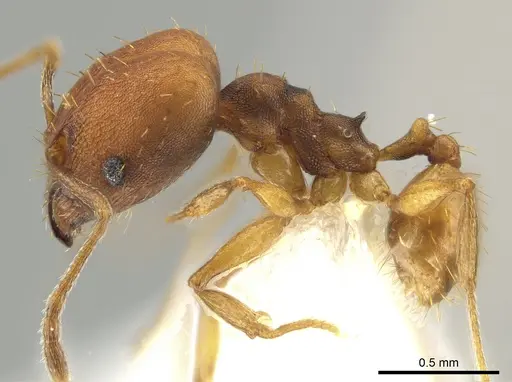
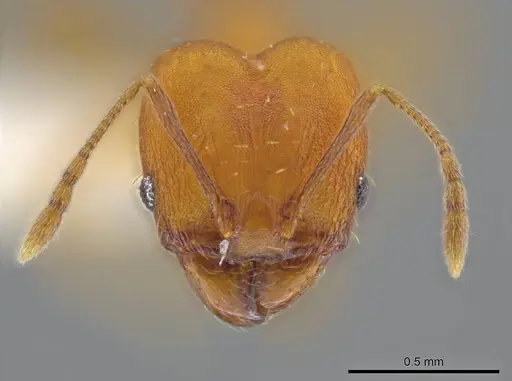
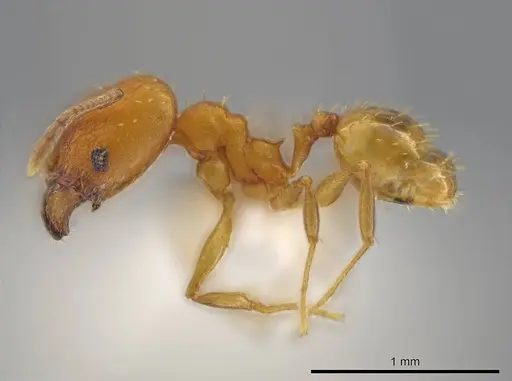
Pheidole meinerti is a small yellow ant native to the Amazon basin, found in Venezuela, Guyana, Ecuador, Peru, and Brazil . It nests in leaf litter and small twigs on the forest floor, often in unstable sites like dead leaves or rotten sticks . Size data unavailable for full body length. This species is adapted to frequent emigration and is non-aggressive, making it calm for observation .
Quick Summary
- Difficulty: Medium
- Origin & Habitat: Amazon basin, mature terra firme forest and transitional forests in Peru, Brazil, Venezuela, Guyana, and Ecuador [1][3]. Nests in leaf litter and small twigs on the forest floor.
- Colony Type: Single-queen colonies (monogyne) [1].
- Size & Growth:
- Queen: Size data unavailable, inferred from Pheidole genus (~6 mm)
- Worker: Size data unavailable, inferred from Pheidole genus (~3 mm)
- Colony: Up to 100 workers [1]
- Growth: Moderate
- Development: 6-8 weeks, inferred from Pheidole genus patterns (Development time inferred from typical tropical Pheidole species)
- Antkeeping:
- Temperature: Keep warm and stable, roughly 24-28°C, based on tropical habitat
- Humidity: Keep nest substrate consistently moist but not waterlogged, as they live in damp leaf litter [1]
- Diapause: No, as a tropical species, they do not require hibernation
- Nesting: Use small test tubes or Y-tong nests with narrow chambers, they naturally nest in small twigs (1.2-1.4 cm diameter) [2]
- Behavior: Non-aggressive and calm temperament, workers flee rather than defend when disturbed [1]. Workers move rapidly due to long legs. Escape risk is moderate due to small size, use standard mesh barriers.
- Common Issues: small colony size means slow population growth, don't expect rapid expansion [1], high humidity requirements can lead to mold if ventilation is poor, tropical species will decline if temperatures drop below 22°C, wild-caught colonies may be difficult to establish due to small size and stress
Nest Preferences and Housing
Pheidole meinerti naturally nests in small twigs and leaf litter on the forest floor, typically in twigs with diameters between 1.2-1.4 cm [2]. For captive care, use small test tube setups for founding colonies, and Y-tong nests with narrow chambers for established colonies. Avoid large, open spaces that can stress small colonies. Keep the nest humid but ensure ventilation to prevent mold [1].
Feeding and Diet
Like most Pheidole species, these ants are omnivorous. Offer protein sources such as small insects (e.g., fruit flies, pinhead crickets) 2-3 times per week, and provide constant access to sugar water or honey. Remove uneaten prey after 24 hours to prevent mold.
Temperature and Humidity
Maintain warm conditions around 24-28°C, as they are tropical ants. Use a heating cable on one side of the nest to create a gradient. Humidity should be kept high by maintaining a moist nest substrate, but avoid waterlogging.
Behavior and Colony Dynamics
This species is non-aggressive and calm, workers flee when disturbed rather than defend [1]. Both castes have long legs and move rapidly. Colonies are small, maxing out around 100 workers, and are adapted to unstable nesting sites, suggesting quick emigration if conditions worsen.
Growth and Development
Colony growth is slow due to the small maximum size. Development from egg to worker is estimated at 6-8 weeks based on tropical Pheidole patterns. Patience is essential as population growth is gradual.
Frequently Asked Questions
How long does it take for Pheidole meinerti to produce first workers?
Based on typical Pheidole development in tropical conditions, expect 6-8 weeks from egg to first worker.
How big do Pheidole meinerti colonies get?
Colonies remain small, typically up to 100 workers maximum [1].
What temperature do Pheidole meinerti need?
Keep them warm at roughly 24-28°C, based on their tropical habitat.
Do Pheidole meinerti need hibernation?
No, as a tropical species they do not require hibernation.
What do Pheidole meinerti eat?
They are omnivorous, offer small insects as protein sources and constant sugar water.
Can I keep multiple queens together?
No, this is a monogyne (single-queen) species [1].
What is the best nest type for Pheidole meinerti?
Small test tubes work well for founding colonies. For established colonies, Y-tong nests with narrow chambers are ideal. They naturally nest in small twigs [2].
Are Pheidole meinerti good for beginners?
They are moderate difficulty due to small colony size and specific humidity requirements. Their calm temperament is a plus, but slow growth may disappoint those expecting large numbers.
Why are my Pheidole meinerti dying?
Common causes include temperatures below 22°C, low humidity, or stress from too-large housing. Ensure warm, humid conditions and appropriately sized nests.
Report an Issue
The current care sheet is based fully on literature. See inconsistencies, or something that's incorrect? Please , it will be resolved after review from an admin. Contributing to the blogs tab also helps providing information, to make us be able to further improve the caresheets. Thank you for your support!
References

This caresheet is licensed under CC BY-SA 4.0 .
Community Blogs
CASENT0636786
View on AntWeb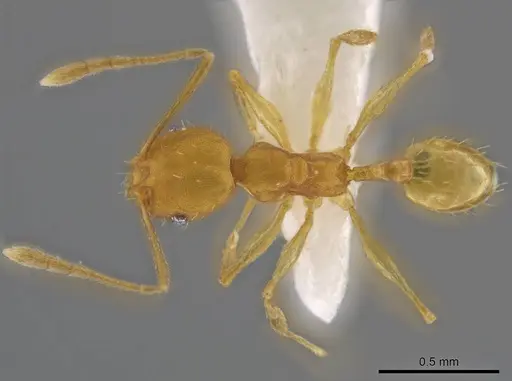
CASENT0908289
View on AntWeb
JTLC000015191
View on AntWeb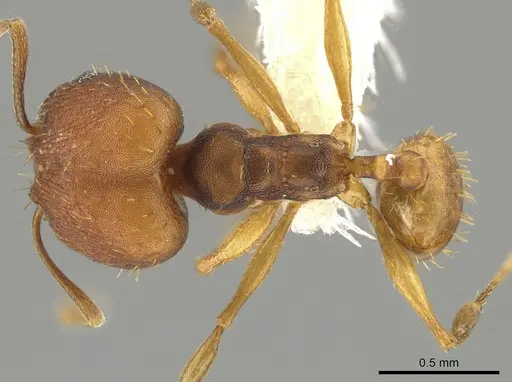
JTLC000016448
View on AntWeb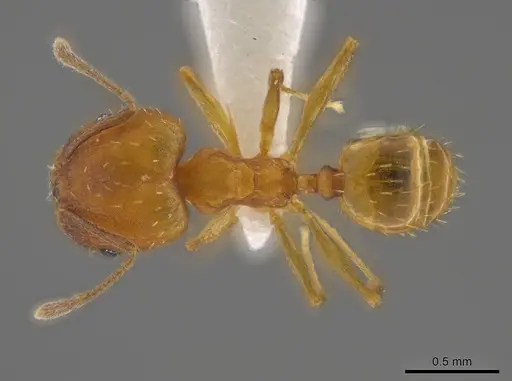
Literature
Loading distribution map...Loading products...