
Pheidole megatron
- Sci. Name
- Pheidole megatron
- Tribe
- Attini
- Subfamily
- Myrmicinae
- Author
- Fischer & Fisher, 2013
- Distribution
- Found in 2 countries
Introduction
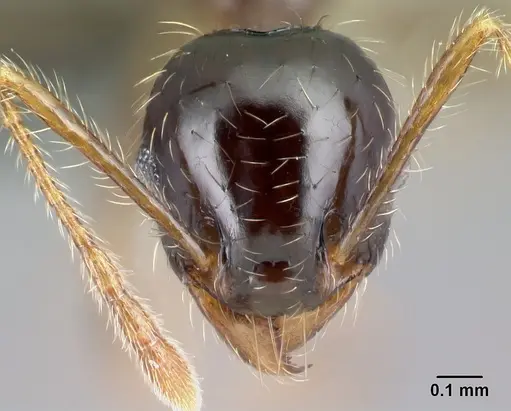
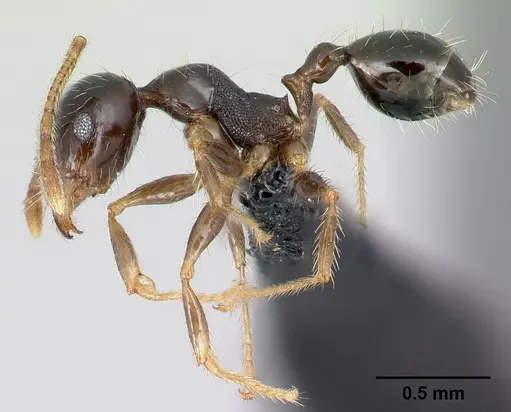
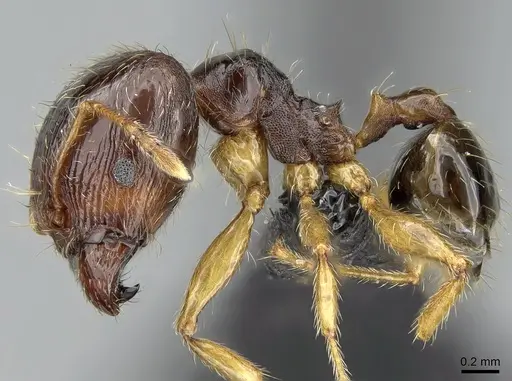
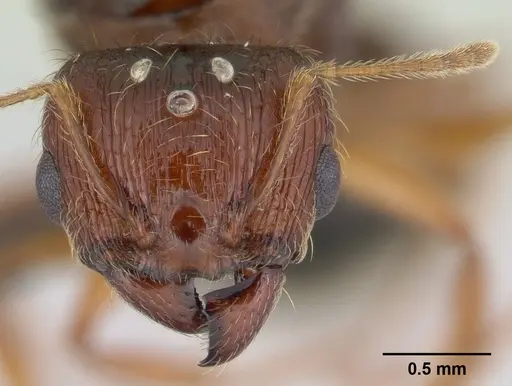
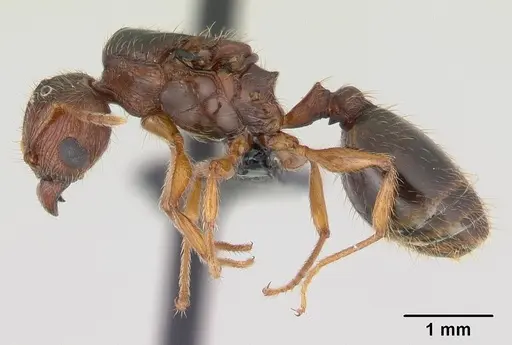
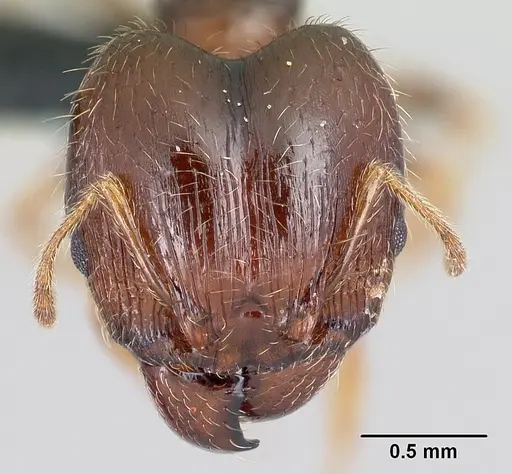
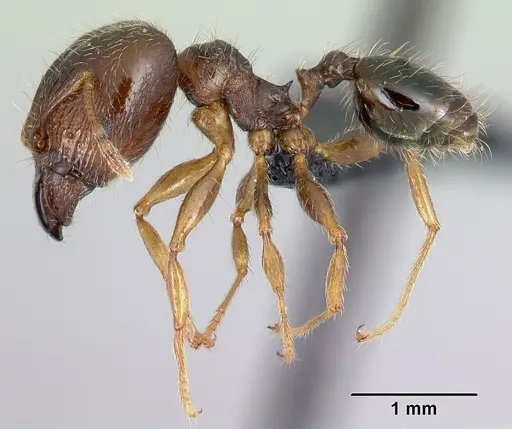
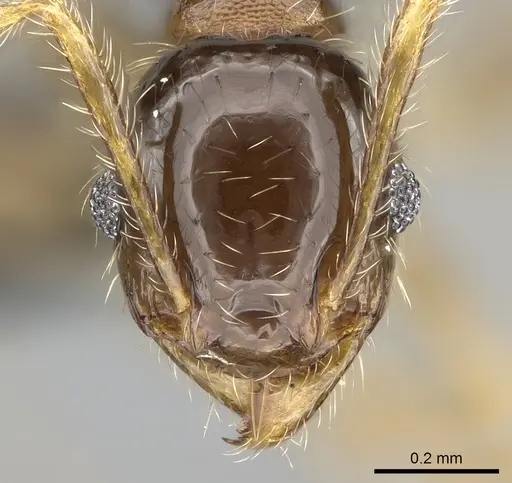
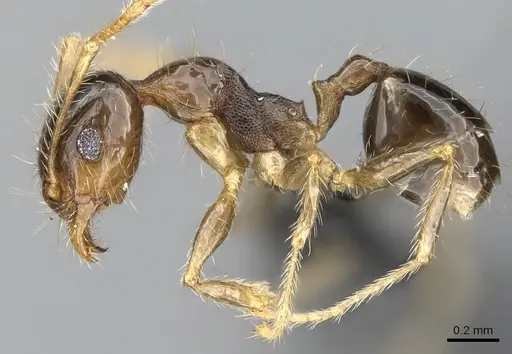
Pheidole megatron is a small ant species originally described from the Comoros islands . Major workers have a subquadrate head and short triangular propodeal spines, while minor workers have ovoid, smooth heads . The species inhabits coastal scrub, dry forest, and coconut plantations at elevations of 10-35 meters . It has been recorded in Rwanda, indicating invasive potential . Named after the Transformers character Megatron, this species is closely related to the invasive Pheidole megacephala. Field observations in Rwanda show aggressive behavior toward other ants and a generalist diet .
Quick Summary
- Difficulty: Expert
- Origin & Habitat: Comoros islands (Anjouan, Mohéli, Grande Comore) in coastal scrub, dry forest, and coconut plantations at 10-35 meters elevation [1][2]. Now recorded in Rwanda [3].
- Colony Type: Based on typical Pheidole genus patterns, likely monogyne (single queen colonies). Colony structure not directly studied [1].
- Size & Growth:
- Queen: Full body size data unavailable, inferred from Pheidole genus patterns (~6-8 mm)
- Worker: Full body size data unavailable, inferred from Pheidole genus patterns (~1-2 mm)
- Colony: Up to several hundred workers, estimated based on related species [1]
- Growth: Moderate
- Development: Estimated 5-8 weeks at optimal temperature, based on genus patterns [1] (Development time is inferred from Pheidole genus patterns since specific data is not available)
- Antkeeping:
- Temperature: Keep at 24-28°C, based on tropical habitat [1].
- Humidity: Provide a humidity gradient, mostly dry nest with one small moist area, reflecting their natural dry habitat [1][2].
- Diapause: No diapause required, based on tropical range [1].
- Nesting: Nest in rotten logs, under stones, or in soil [1][2]. Use Y-tong, plaster, or naturalistic setups.
- Behavior: This species is aggressive toward other ants and has a generalist diet [3]. Workers are active foragers. Minor workers are very small, requiring excellent escape prevention. Colonies may exhibit unicolonial behavior [3].
- Common Issues: escape prevention is critical due to very small minor workers that can squeeze through tiny gaps, aggressive toward other ant species, keep separate from other ant colonies, invasive species, do not release outside native range to prevent ecological damage, small colony size at founding means patience is required for the first workers to emerge, test tube setups must have tight-fitting barriers as minors are tiny
Housing and Nest Setup
Pheidole megatron is a small species that requires careful attention to escape prevention. Minor workers are very small, so use Y-tong (AAC) nests or test tube setups with tight-fitting barriers. A layer of Fluon on the rim of test tubes provides excellent escape prevention. Because they naturally nest under stones, in rotting logs, and in soil, you can also use naturalistic setups with these materials. Provide a shallow water dish and ensure the nest has a humidity gradient, mostly dry with one small moist area, reflecting their natural dry habitat [1][2].
Feeding and Diet
Pheidole megatron has a generalist diet. Workers accept protein sources like small insects (fruit flies, pinhead crickets, mealworms) and sugar water or honey. Feed protein 2-3 times per week with constant sugar water available. Remove uneaten prey after 24 hours to prevent mold. Aggressive foraging behavior suggests they are active hunters [3].
Temperature and Seasonal Care
As a tropical species from the Comoros, keep nest temperatures between 24-28°C for optimal development. A heating cable on one side of the nest creates a useful gradient. They do not require diapause, remaining active year-round if kept warm [1].
Colony Development and Growth
Pheidole megatron is a small species. Colony growth follows typical Pheidole patterns: the queen likely seals herself in and raises the first brood alone. First workers are typically smaller than normal. Based on genus patterns, expect 5-8 weeks from egg to first worker at optimal temperature. Colonies likely reach several hundred workers over time [1].
Behavior and Temperament
Field observations reveal that Pheidole megatron is aggressive toward other ant species. Workers are active foragers that engage in confrontations. The species may exhibit unicolonial behavior, meaning nestmates do not recognize each other as individuals. Major workers defend the nest while minor workers handle brood care and foraging. Excellent escape prevention is needed due to the small size of minor workers [3].
Legal and Ethical Considerations
Pheidole megatron has been recorded outside its native range in Rwanda, raising concerns about its invasive potential. If you keep this species, never release colonies into the wild outside the Comoros islands. If you suspect your colony may have been collected from a non-native location, do not release it, contact local authorities [3].
Frequently Asked Questions
How long does it take for Pheidole megatron to produce first workers?
Based on typical Pheidole development patterns, expect 5-8 weeks from egg to first worker at optimal temperature (24-28°C) [1].
What do Pheidole megatron eat?
They have a generalist diet accepting protein (small insects) and sugar sources (honey water, sugar water). Feed protein 2-3 times per week [3].
Are Pheidole megatron good for beginners?
No, this species is set to Expert difficulty due to invasive potential and escape risks. It is not recommended for beginners [3].
Can I keep multiple queens together?
Pheidole species are typically monogyne, but this is unconfirmed for P. megatron. Combining unrelated queens is not recommended [1].
What temperature do Pheidole megatron need?
Keep them warm at 24-28°C, based on their tropical habitat [1].
Why are my Pheidole megatron escaping?
Minor workers are extremely small and can squeeze through tiny gaps. Use tight-fitting barriers, Fluon, or fine mesh [1].
Do Pheidole megatron need hibernation?
No, they do not require diapause as a tropical species [1].
How big do Pheidole megatron colonies get?
Colony size is not directly documented, but estimated up to several hundred workers based on related species [1].
Report an Issue
The current care sheet is based fully on literature. See inconsistencies, or something that's incorrect? Please , it will be resolved after review from an admin. Contributing to the blogs tab also helps providing information, to make us be able to further improve the caresheets. Thank you for your support!
References

This caresheet is licensed under CC BY-SA 4.0 .
Community Blogs
CASENT0138277
View on AntWeb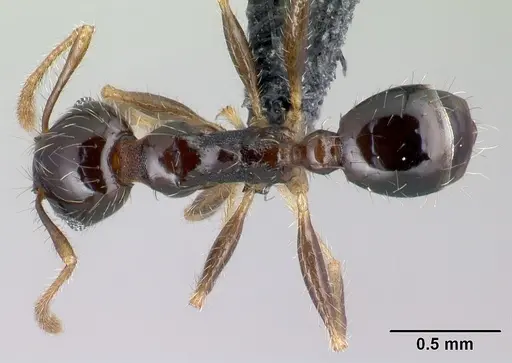
CASENT0146034
View on AntWeb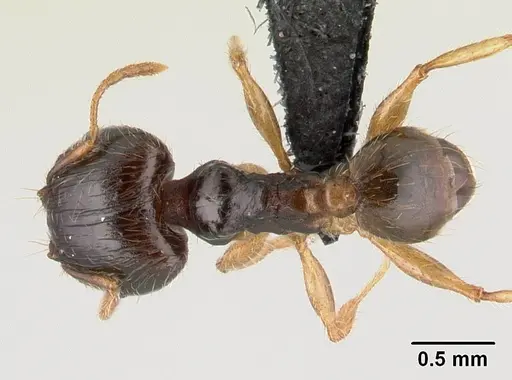
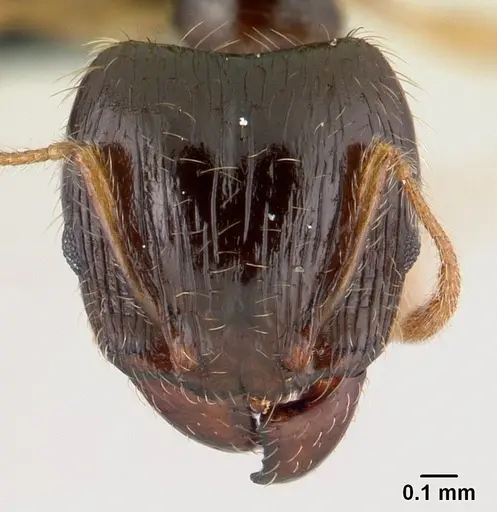
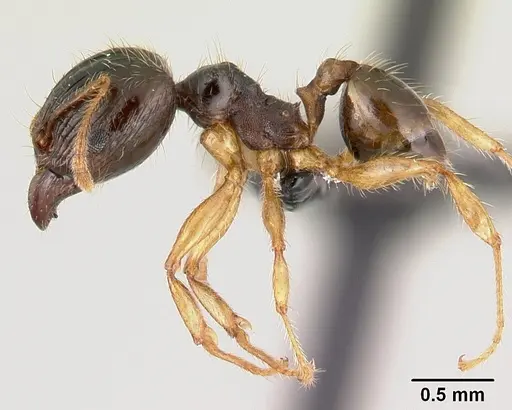
CASENT0147194
View on AntWeb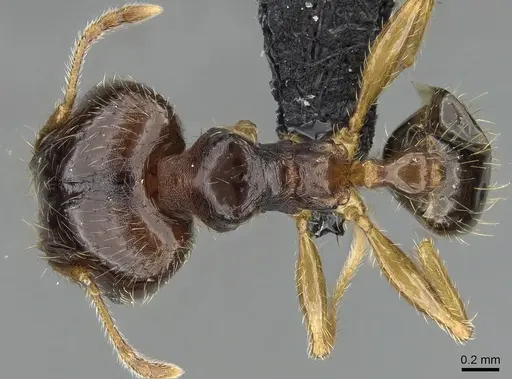
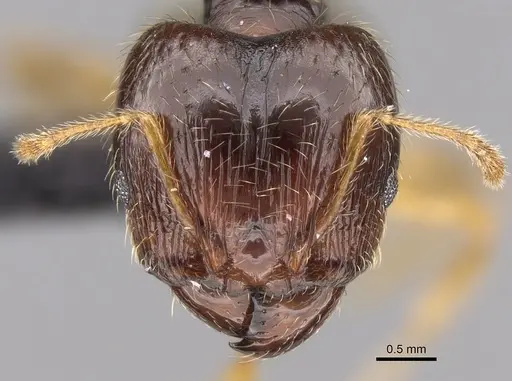
CASENT0147219
View on AntWeb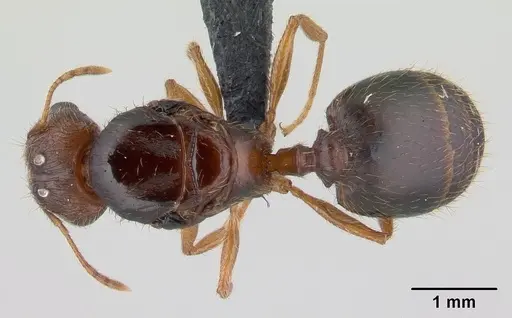
CASENT0179573
View on AntWeb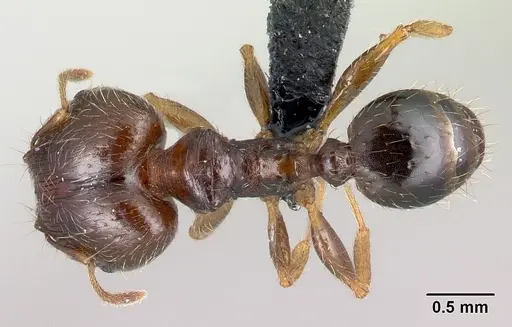
CASENT0281179
View on AntWeb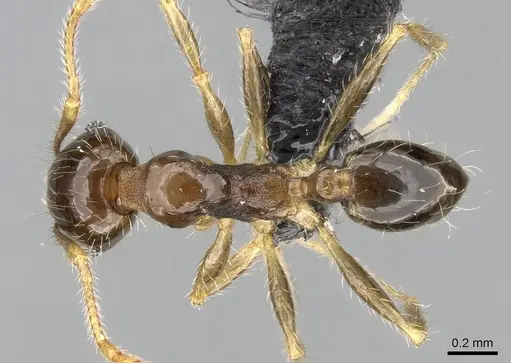
Literature
Loading distribution map...Loading products...