
Pheidole marieannae
- Sci. Name
- Pheidole marieannae
- Tribe
- Attini
- Subfamily
- Myrmicinae
- Author
- Salata & Fisher, 2020
- Distribution
- Found in 1 countries
Introduction
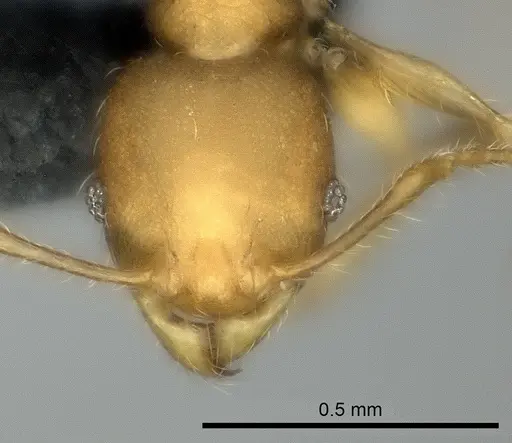
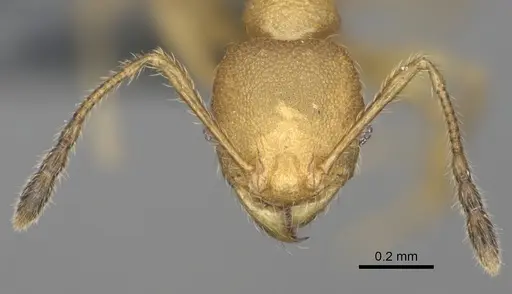
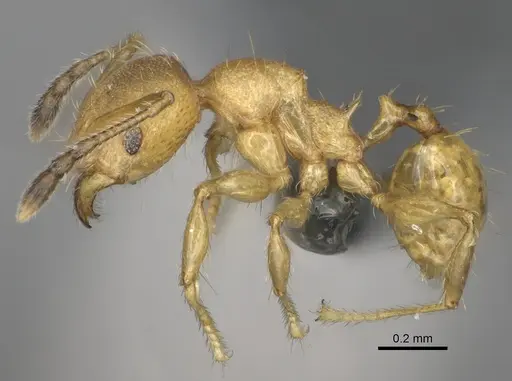
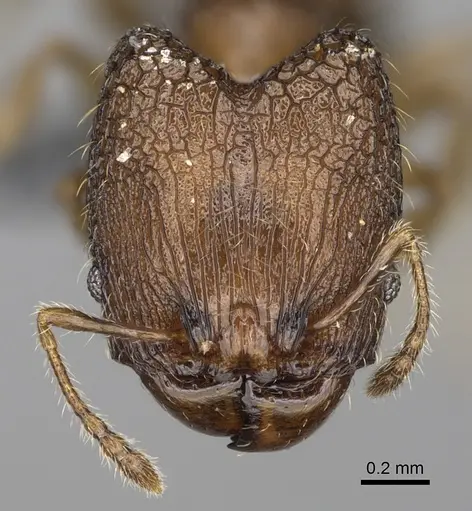
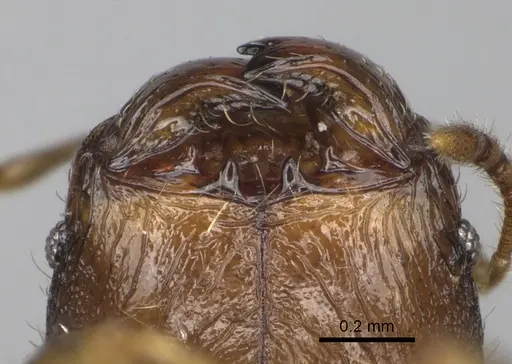
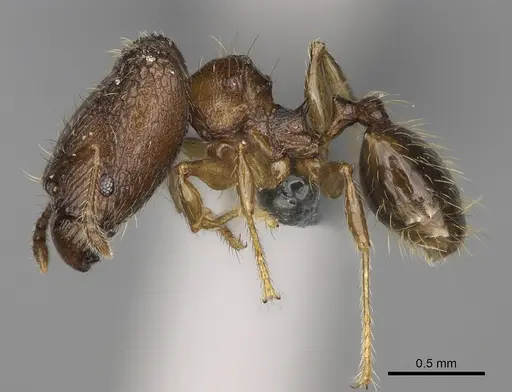
Pheidole marieannae is a small ant species native to Madagascar, described in 2020. It belongs to the Pheidole annemariae species group. Major and minor workers have distinct sizes, but full body length data is unavailable from current research . This species inhabits rainforest and littoral rainforest habitats at elevations between 10-550 meters, nesting in rotten logs, rotten sticks on the ground, and soil . The species was first collected in Marojejy National Park in northern Madagascar.
Quick Summary
- Difficulty: Medium
- Origin & Habitat: Northern Madagascar (Antsiranana region), specifically Marojejy National Park. Found in rainforest and littoral rainforest habitats at 10-550m elevation, nesting in rotten logs and soil [1].
- Colony Type: Unconfirmed, no specific literature on queen number. Based on Pheidole genus patterns, likely monogyne (single queen), but this is not confirmed for this species.
- Size & Growth:
- Queen: Size data unavailable, no total length measurements in research literature.
- Worker: Size data unavailable, no total length measurements in research literature.
- Colony: Unknown, no data on maximum colony size for this species.
- Growth: Moderate, inferred from tropical habitat.
- Development: Estimated 5-8 weeks at optimal temperatures, based on typical Pheidole development patterns. (Development time may vary with temperature and feeding conditions.)
- Antkeeping:
- Temperature: Keep warm, roughly 24-28°C, based on tropical rainforest habitat [1]. Provide a temperature gradient using a heating cable on one side of the nest.
- Humidity: Keep substrate consistently moist but not waterlogged, as this species comes from humid rainforest environments [1].
- Diapause: No, tropical species from Madagascar do not require hibernation.
- Nesting: Provide a naturalistic setup with moist soil and rotting wood pieces, or a Y-tong or plaster nest with moisture retention, as they naturally nest in rotten logs and soil [1].
- Behavior: Workers are generally non-aggressive and focused foraging. Major workers have propodeal spines but are not highly defensive. This species has a sting as primary defense, but it is less medically significant to humans. Escape prevention should be moderate, they can squeeze through small gaps, so ensure enclosures are secure.
- Common Issues: humidity control is critical, dry conditions can cause colony decline in this rainforest species., colonies may be slow to establish initially, founding queens can take time to raise first workers., rotten wood substrate can develop mold if kept too wet, balance moisture carefully., wild-caught colonies may carry parasites that can devastate captive colonies., minor workers are tiny, ensure escape barriers are appropriate for both castes.
Housing and Nest Setup
Pheidole marieannae naturally nests in rotten logs, rotten sticks on the ground, and soil in Madagascar's rainforests [1]. For captive care, use a container with a moist substrate mix of soil and rotting wood pieces. Alternatively, a Y-tong or plaster nest with moisture chambers works well, as long as humidity is maintained. Keep the substrate damp but not waterlogged, and provide a water tube to help with moisture.
Feeding and Diet
Pheidole ants are generalist omnivores. Offer protein sources like small insects (e.g., fruit flies, pinhead crickets) and carbohydrate sources like sugar water or honey. Feed protein 2-3 times per week and keep a constant sugar water source available. Remove uneaten prey after 24-48 hours to prevent mold.
Temperature and Seasonal Care
Keep the nest area warm at 24-28°C, as this species comes from tropical Madagascar [1]. Use a heating cable on one side to create a temperature gradient. No hibernation is needed, keep them warm year-round.
Colony Development
Colonies grow with major and minor workers. The queen lays eggs, which hatch into larvae cared for by workers. After pupation, first workers emerge. Expect 5-8 weeks from egg to first worker at optimal temperatures, based on typical Pheidole patterns. Colony growth may be slow initially.
Behavior and Temperament
Workers are calm and not aggressive. Major workers have propodeal spines for defense, but this species is not known for swarming. They have a sting as primary defense, but it is less significant to humans. Escape prevention is important due to small minor workers.
Frequently Asked Questions
How long does it take for Pheidole marieannae to raise first workers?
Estimated 5-8 weeks from egg to first worker at optimal temperatures (24-28°C), based on typical Pheidole development patterns.
What do Pheidole marieannae ants eat?
They are generalist omnivores. Feed small insects for protein and sugar water or honey for carbohydrates.
Do Pheidole marieannae ants need hibernation?
No, they are a tropical species from Madagascar and do not require hibernation.
What temperature is ideal for Pheidole marieannae?
Keep them at 24-28°C with a temperature gradient, as they come from warm rainforest habitats [1].
How big do Pheidole marieannae colonies get?
Unknown, no data on maximum colony size for this species.
Can I keep multiple Pheidole marieannae queens together?
Not recommended, as queen number is unconfirmed. Start with one queen to avoid conflicts.
What humidity level do they need?
Keep substrate moist but not waterlogged, as this species needs humid conditions from its rainforest habitat [1].
Are Pheidole marieannae ants good for beginners?
Rated medium difficulty due to humidity and temperature needs, but care is straightforward once requirements are met.
When should I move them to a formicarium?
Keep new colonies in a simple setup until they have 50+ workers, then move to a larger nest.
What type of nest is best for Pheidole marieannae?
A naturalistic setup with moist soil and rotting wood pieces, or a Y-tong or plaster nest with moisture retention [1].
Report an Issue
The current care sheet is based fully on literature. See inconsistencies, or something that's incorrect? Please , it will be resolved after review from an admin. Contributing to the blogs tab also helps providing information, to make us be able to further improve the caresheets. Thank you for your support!
References

This caresheet is licensed under CC BY-SA 4.0 .
Community Blogs
CASENT0046082
View on AntWeb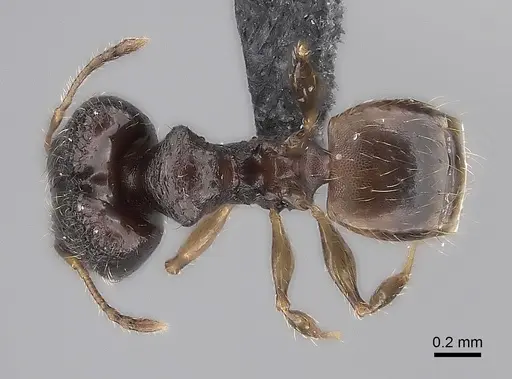
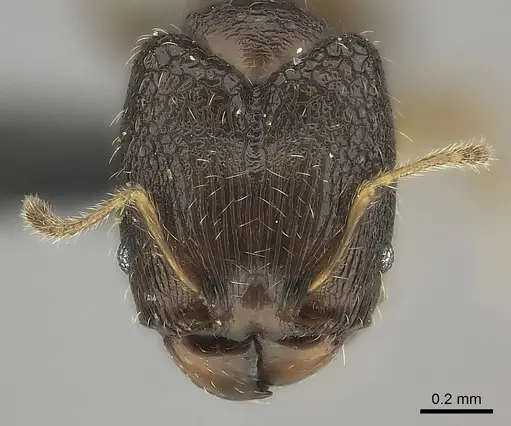
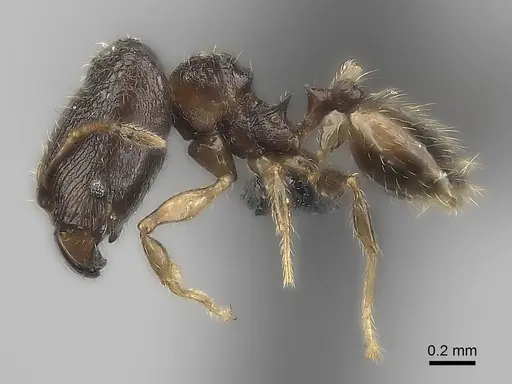
CASENT0059041
View on AntWeb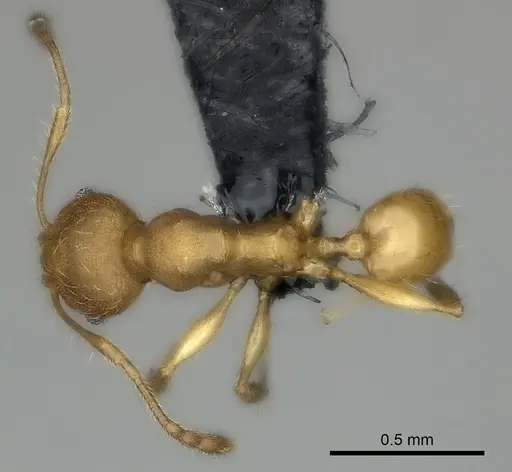
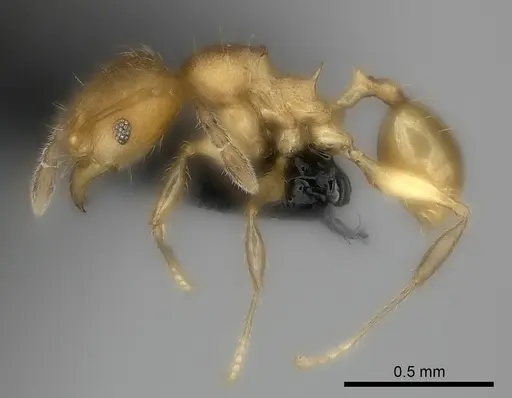
CASENT0808178
View on AntWeb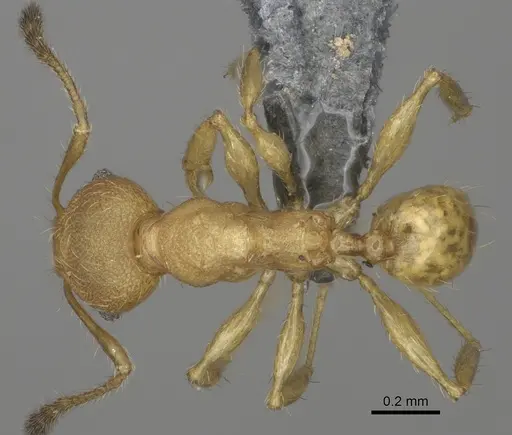
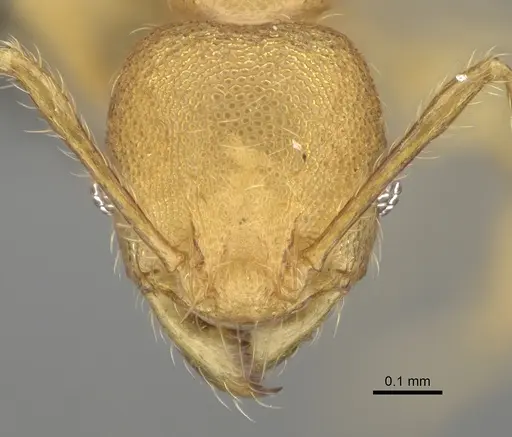
CASENT0923219
View on AntWeb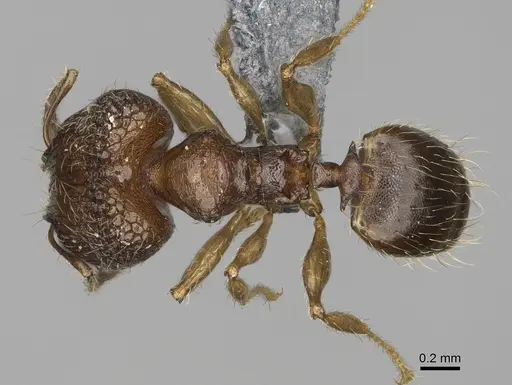
Literature
Loading distribution map...Loading products...