
Pheidole magrettii
- Sci. Name
- Pheidole magrettii
- Tribe
- Attini
- Subfamily
- Myrmicinae
- Author
- Emery, 1887
- Distribution
- Found in 1 countries
Introduction
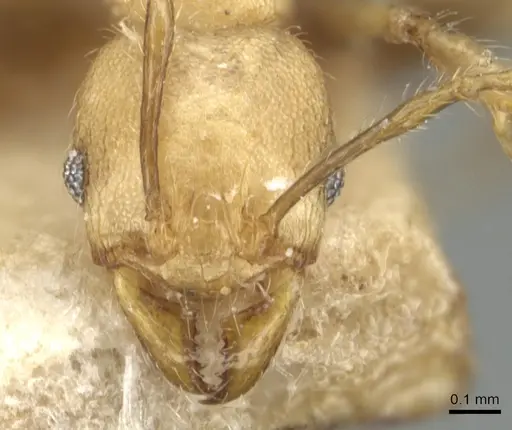
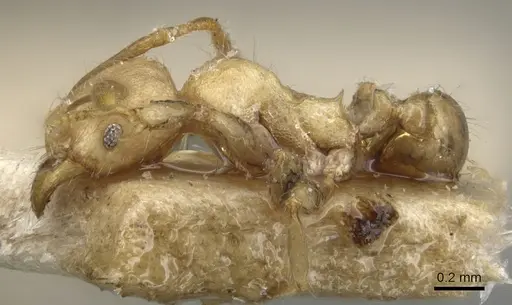
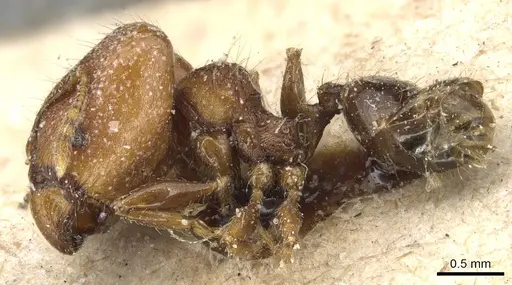
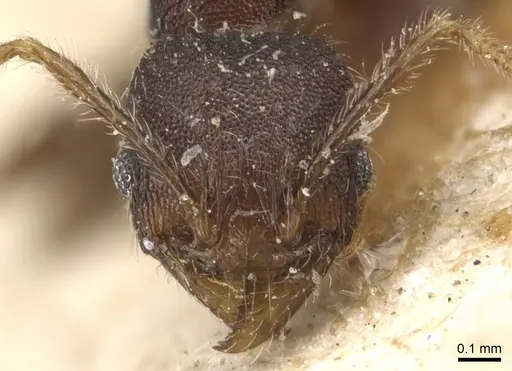
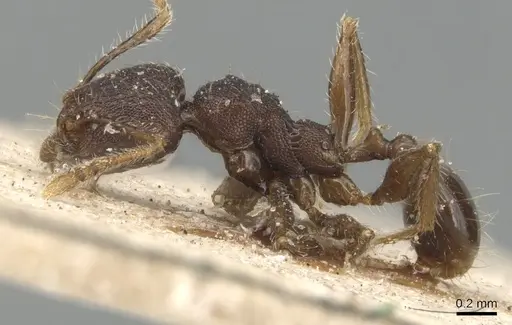
Pheidole magrettii is a small ant species native to Southeast Asia, found in Indonesia, Malaysia, Singapore, and Thailand . Major workers measure 3.67-4 mm and minor workers about 2 mm . Like all Pheidole species, they have two worker castes: majors with enlarged heads for processing seeds, and minors that handle most tasks. The species was first described by Carlo Emery in 1887 from Java . It is closely related to Pheidole nodgii and Pheidole tjibodana, with differences in head sculpture and propodeal spine length .
Quick Summary
- Difficulty: Easy
- Origin & Habitat: Tropical Southeast Asia, including Indonesia (Java), Malaysia, Singapore, and Thailand (Ranong: Klong Naka) [2][1]. Inhabits tropical forest environments.
- Colony Type: Based on Pheidole patterns, likely monogyne (single-queen colonies).
- Size & Growth:
- Queen: Size data unavailable, no total length measurements in research context.
- Worker: Major workers 3.67-4 mm, minor workers about 2 mm [3]
- Colony: Up to several thousand workers estimated based on typical Pheidole growth patterns [1]
- Growth: Moderate, typical for tropical Pheidole species
- Development: Estimated 5-8 weeks at tropical temperatures [1] (Development time inferred from typical Pheidole genus patterns. Warmer temperatures accelerate development.)
- Antkeeping:
- Temperature: Keep warm, roughly 24-28°C, as this species is from tropical Southeast Asia [2][1]. Use a heating cable to create a gentle gradient.
- Humidity: Keep substrate consistently moist but not waterlogged, based on tropical habitat [1]. Mist occasionally and provide a water tube.
- Diapause: No, tropical species from Southeast Asia do not require hibernation [2]. Activity may slow in cooler periods.
- Nesting: Adapts to Y-tong (AAC), plaster, or test tube nests. Provide moist brood chambers and a dry outworld [1].
- Behavior: Generally peaceful and non-aggressive. Major workers process seeds with enlarged heads. Minor workers are tiny and can escape through small gaps, so escape prevention is critical.
- Common Issues: escape prevention is critical, minor workers are tiny and can squeeze through standard barrier gaps, overheating can stress colonies, keep temperatures stable and below 30°C, mold can develop if substrate stays too wet, ensure proper ventilation, colonies may abandon chambers that become too dry, monitor moisture levels, wild-caught colonies may contain parasites, quarantine and observe new colonies
Housing and Nest Setup
Pheidole magrettii adapts well to various captive setups. Y-tong (AAC) nests work well because they provide dark, humid chambers [1]. Plaster nests with water channels maintain consistent humidity. Test tube setups are suitable for founding colonies, use a second tube as a water reservoir. Maintain moisture in the brood area and provide a dry outworld for foraging. Connect the nest to an outworld at least 10cm away to prevent mold. Use fluon on rim edges to prevent escapes [1].
Feeding and Diet
Pheidole magrettii is granivorous, collecting and processing seeds, but also accepts protein. Offer seeds like millet, chia, or bird seed, and protein from fruit flies, crickets, or mealworms. Provide sugar sources like honey water. Feed seeds continuously and protein 2-3 times per week. Remove uneaten food to prevent mold [1].
Temperature and Humidity
As a tropical species, keep the nest area at 24-28°C [2][1]. A heating cable on top creates a gentle gradient. Humidity should be moderate to high, keep substrate damp but not waterlogged [1]. Avoid temperatures above 32°C or sudden drops.
Colony Growth and Development
A newly mated queen may seal herself in a chamber and lay eggs. After first workers emerge, the colony grows. Expect 50-100 workers within 6-12 months under good conditions. Colonies can reach several thousand workers over years [1].
Escape Prevention
Minor workers are about 2mm and can squeeze through small gaps. Apply fluon to all rim edges and connection points. Check for gaps as small as 1mm. Use fine mesh on ventilation holes. Inspect setups daily during early weeks [1].
Frequently Asked Questions
How long does it take for Pheidole magrettii to get first workers?
Expect first workers to emerge 5-8 weeks after egg laying, assuming temperatures around 25-28°C [1]. Development speed depends on temperature.
What do Pheidole magrettii ants eat?
They eat seeds and protein. Offer small seeds like millet and protein sources like fruit flies or crickets [1].
Can I keep multiple Pheidole magrettii queens together?
No, this species is likely monogyne. Combining queens may result in fighting [1].
How big do Pheidole magrettii colonies get?
Colonies can reach several thousand workers at maturity, based on typical Pheidole growth [1].
Do Pheidole magrettii need hibernation?
No, as a tropical species, they do not require hibernation [2].
What size nest should I use for Pheidole magrettii?
Start with a test tube setup for founding. Move to Y-tong or plaster nests when the colony reaches 50+ workers [1].
Why are my Pheidole magrettii dying?
Common causes include temperature stress, improper humidity, mold, parasites, or escapes. Check each parameter and adjust [1].
Are Pheidole magrettii good for beginners?
Yes, they are considered easy to keep. The main challenge is escape prevention due to tiny minor workers [1].
When should I move my colony to a formicarium?
Move to a larger nest once the colony reaches 30-50 workers and the test tube is crowded [1].
Report an Issue
The current care sheet is based fully on literature. See inconsistencies, or something that's incorrect? Please , it will be resolved after review from an admin. Contributing to the blogs tab also helps providing information, to make us be able to further improve the caresheets. Thank you for your support!
References

This caresheet is licensed under CC BY-SA 4.0 .
Community Blogs
CASENT0904239
View on AntWeb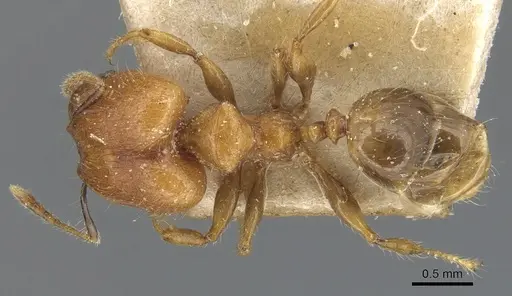
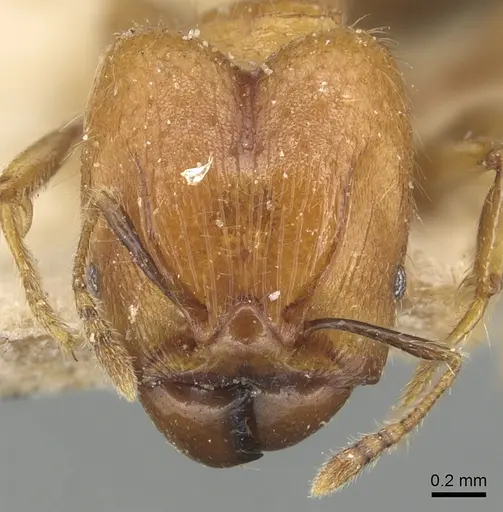
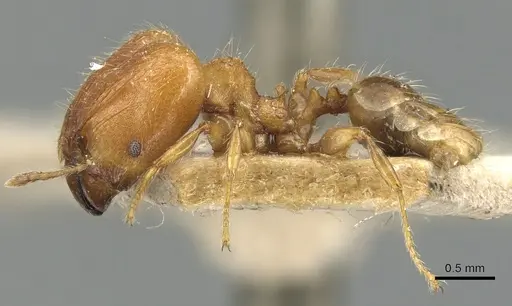
CASENT0904240
View on AntWeb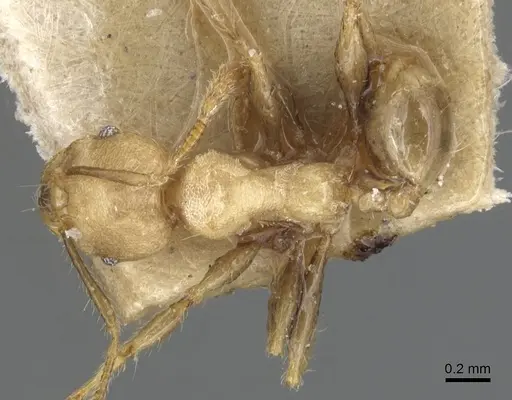
CASENT0904247
View on AntWeb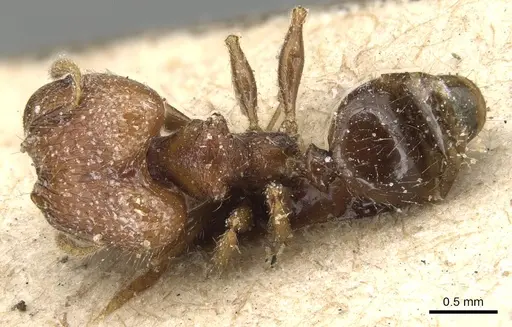
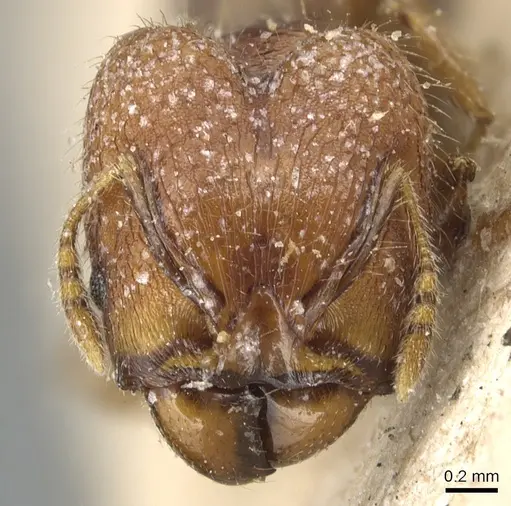
CASENT0904248
View on AntWeb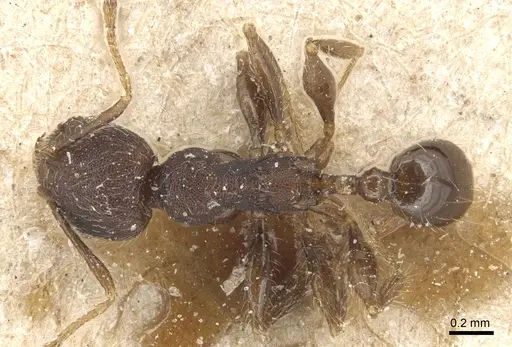
CASENT0907981
View on AntWeb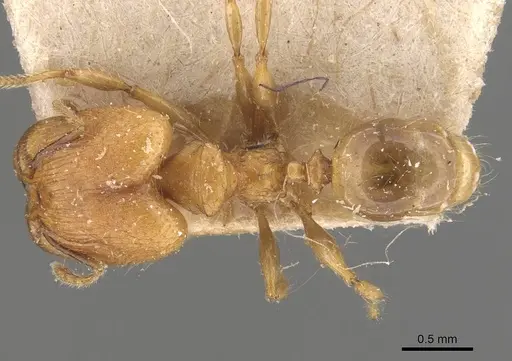
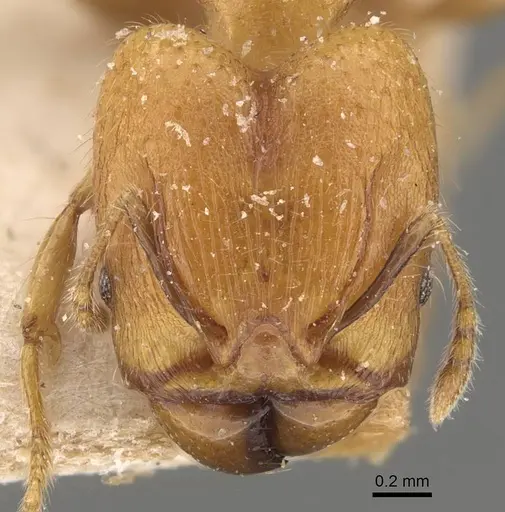
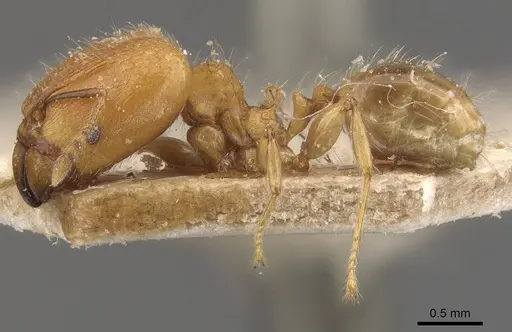
CASENT0907982
View on AntWeb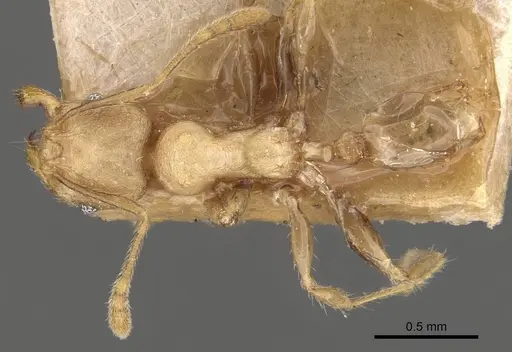
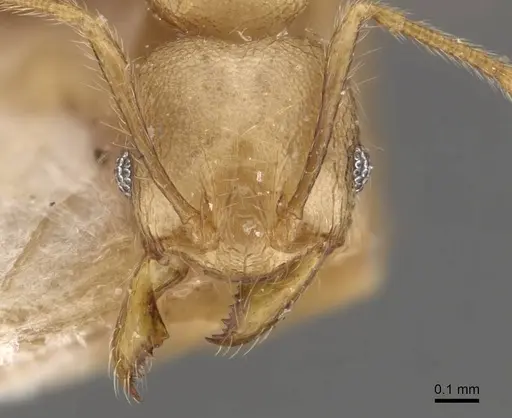
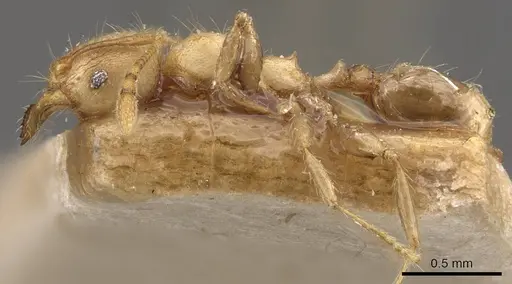
FOCOL0057
View on AntWeb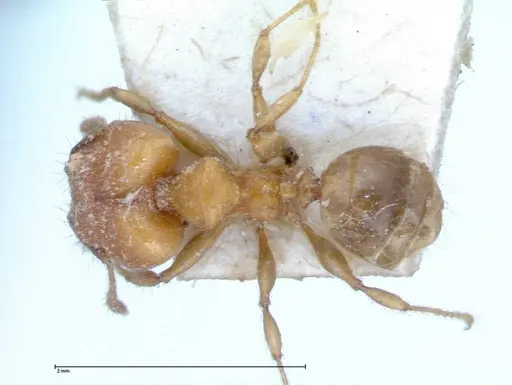
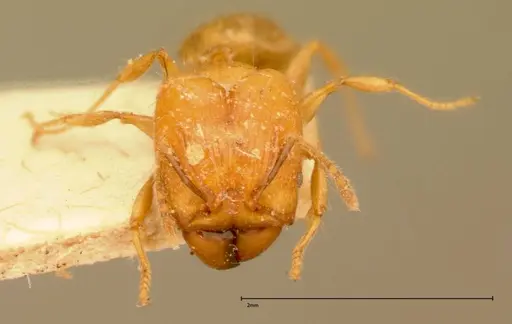
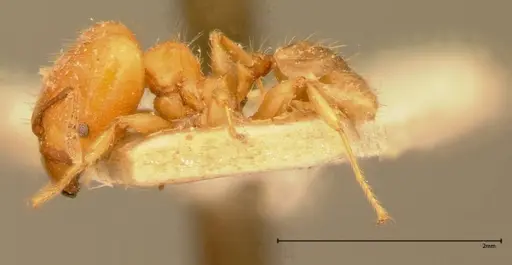
FOCOL0691
View on AntWeb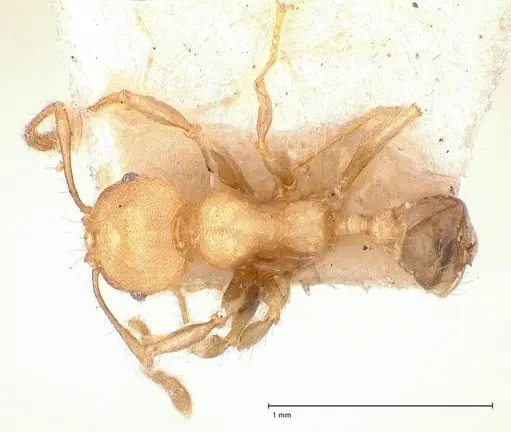
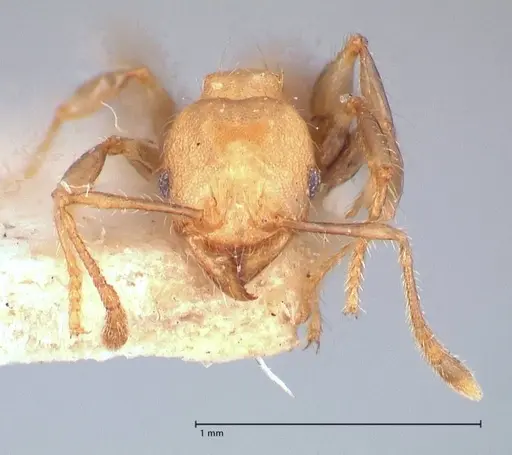
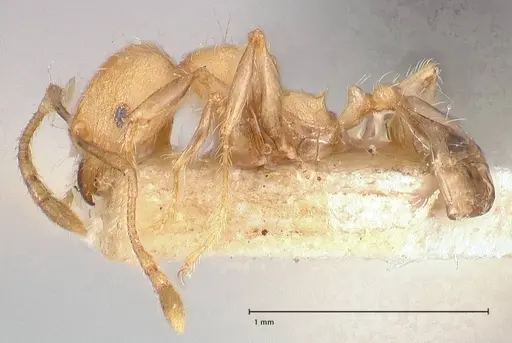
FOCOL1365
View on AntWeb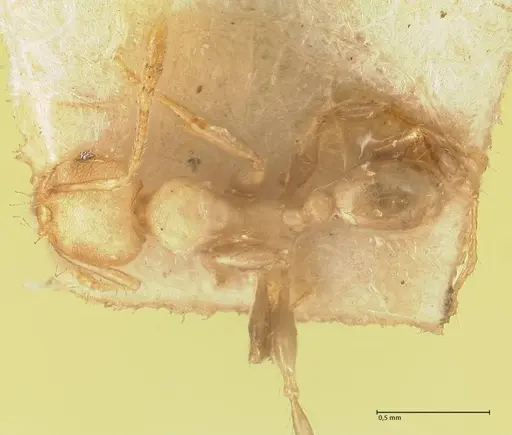
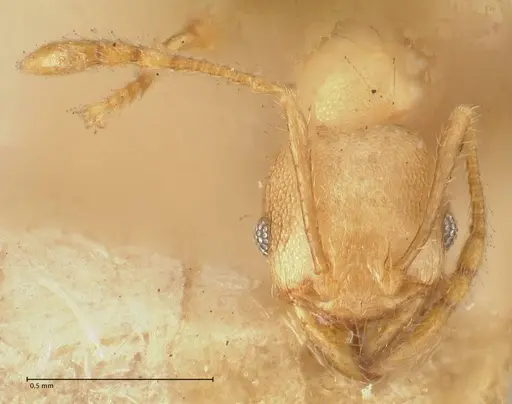
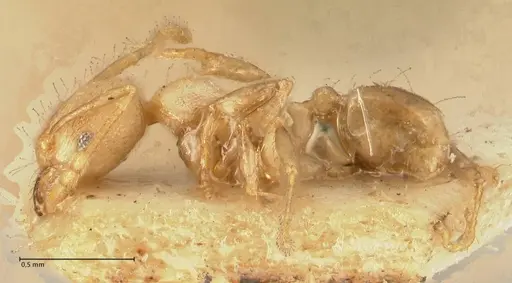
FOCOL1366
View on AntWeb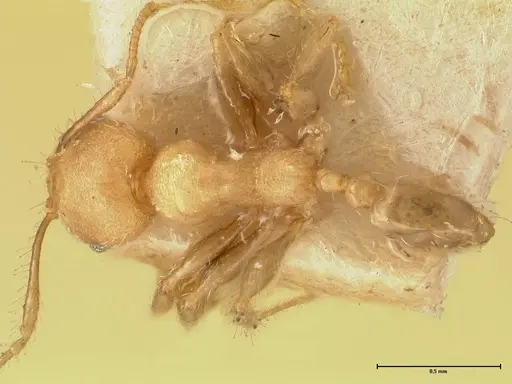
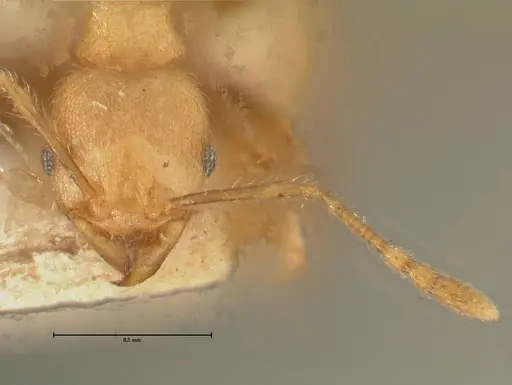
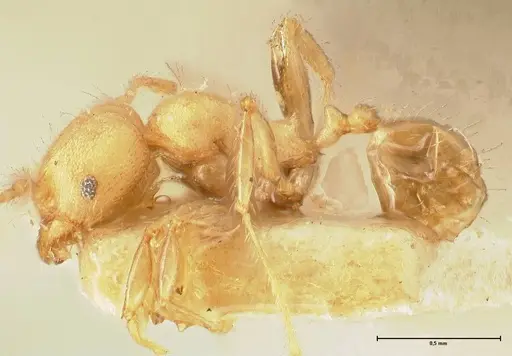
FOCOL1367
View on AntWeb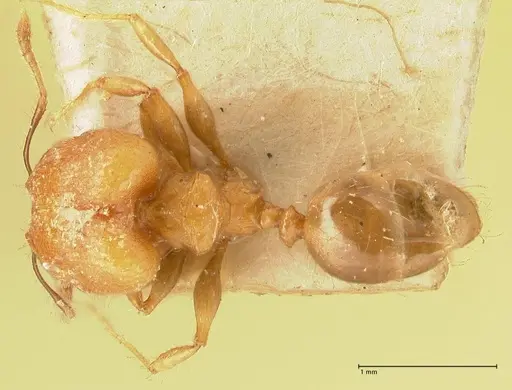
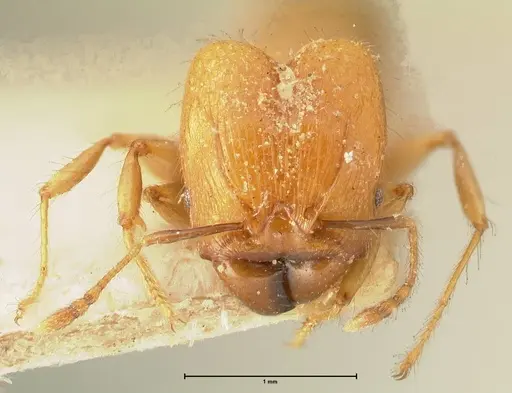
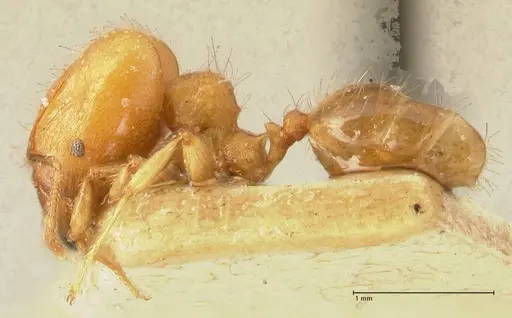
FOCOL1368
View on AntWeb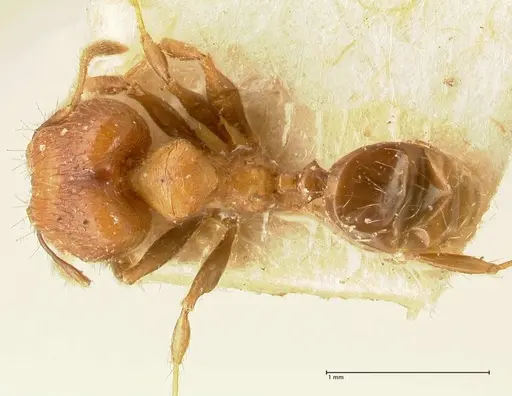
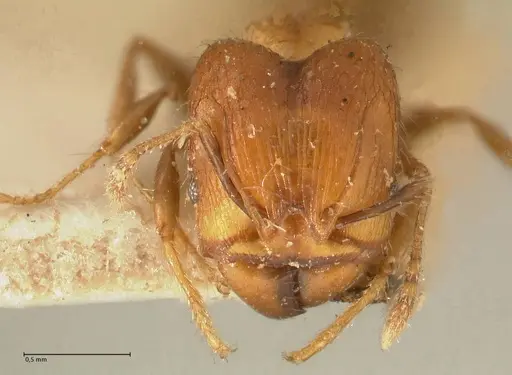
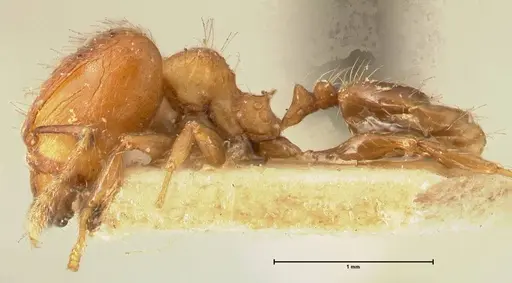
Literature
Loading distribution map...Loading products...