
Pheidole madecassa
- Sci. Name
- Pheidole madecassa
- Tribe
- Attini
- Subfamily
- Myrmicinae
- Author
- Forel, 1892
- Distribution
- Found in 1 countries
Introduction
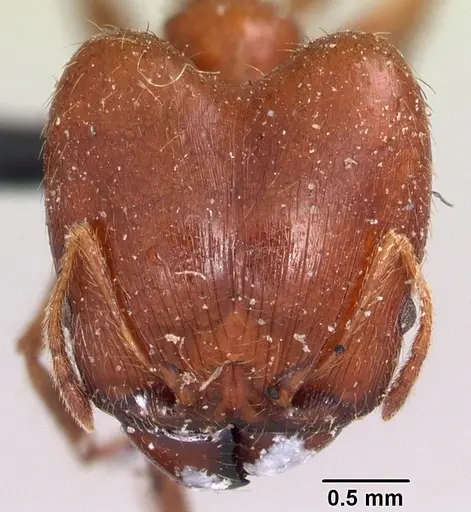
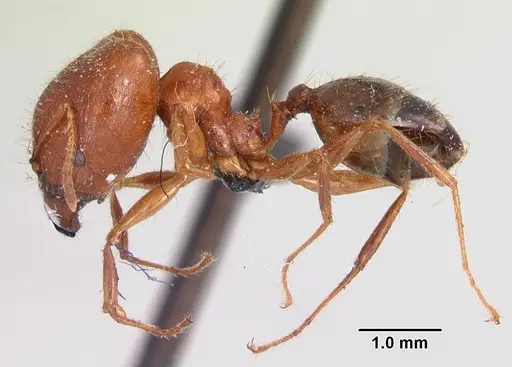
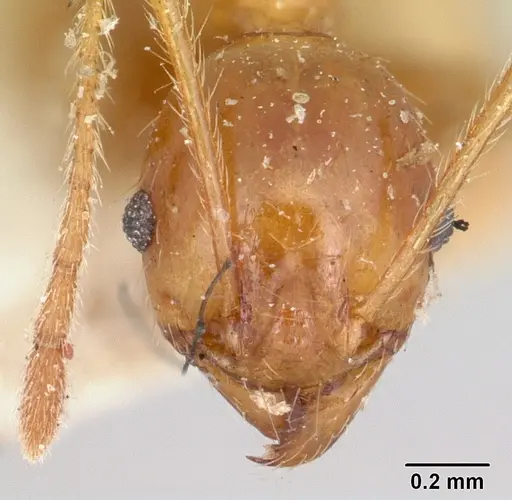
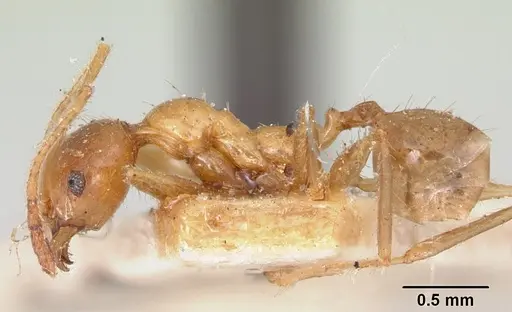
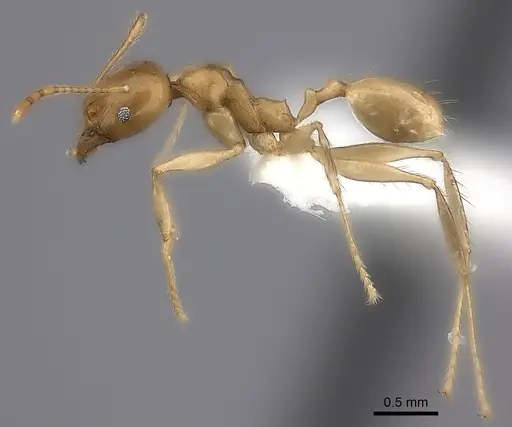
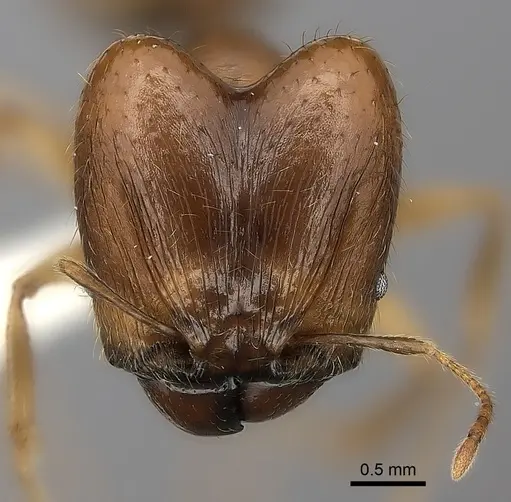
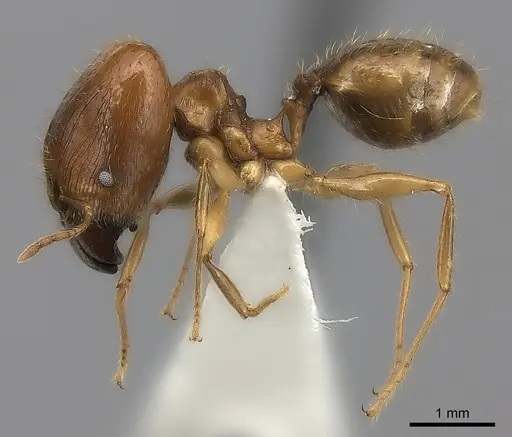
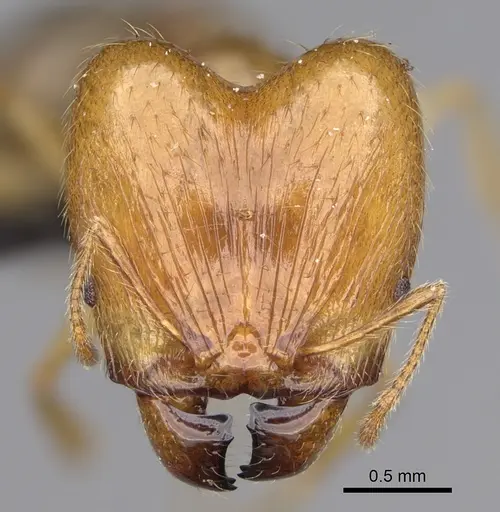
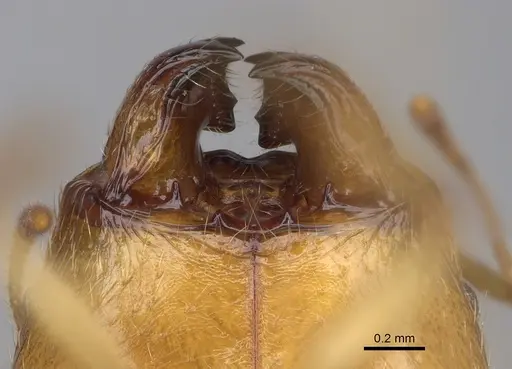
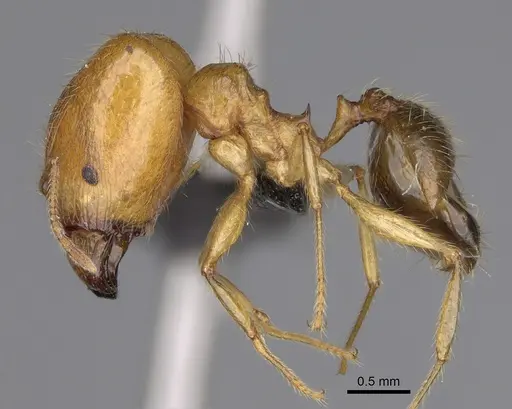
Pheidole madecassa is a small ant species native to Madagascar, belonging to the genus Pheidole which is known for its two-worker caste system with minor and major workers. Major workers have larger heads for defense and seed processing. Size data for this species is not available, but based on Pheidole genus patterns, workers are typically small . The species has been collected between 475-1200 m elevation in rainforest and montane rainforest environments, nesting in rotten logs, dead branches above ground, and root mats .
Quick Summary
- Difficulty: Medium
- Origin & Habitat: Madagascar, found in rainforest and montane rainforest at 475-1200 m elevation, nesting in rotting logs, dead branches, and root mats [1].
- Colony Type: Unconfirmed, no specific data on queen number from research context.
- Size & Growth:
- Queen: Size data unavailable, inferred from Pheidole genus as ~6-8 mm
- Worker: Size data unavailable, inferred from Pheidole genus as ~2-4 mm
- Colony: Up to several hundred workers, estimated from genus patterns
- Growth: Moderate, inferred from genus patterns
- Development: Estimated 6-8 weeks, inferred from Pheidole genus patterns (Development time is inferred, specific data for P. madecassa is not available)
- Antkeeping:
- Temperature: Keep warm, roughly 22-26°C, inferred from Madagascar rainforest habitat [1]
- Humidity: Keep nest substrate consistently moist but not waterlogged, based on nesting preferences in rotting wood [1]
- Diapause: Unknown, tropical species may not require hibernation
- Nesting: Prefers nests in rotting wood, dead branches, and root mats. In captivity, Y-tong or plaster nests work well. Provide humid conditions with decay material [1]
- Behavior: Pheidole madecassa workers are active foragers that search in leaf litter and on low vegetation [1]. They are not aggressive toward keepers but major workers may defend the colony. Escape risk is moderate due to small size, use standard barrier methods.
- Common Issues: high humidity requirements can lead to mold if ventilation is poor, temperatures below 20°C may harm the colony, colonies can be slow to establish, requiring patience, major workers may block narrow nest entrances
Housing and Nest Preferences
Pheidole madecassa originates from Madagascar's rainforest environments where they nest in rotting logs, dead branches, and root mats above ground [1]. This means they prefer humid, forested conditions with access to decaying wood. For captivity, Y-tong or plaster nests work well because they hold humidity effectively. You can add small pieces of rotting wood or bark to the outworld for a natural foraging environment. Test tube setups can work for founding colonies but monitor moisture levels, these ants need consistent humidity without waterlogging. Place the nest away from direct sunlight and drafts.
Feeding and Diet
Pheidole ants are omnivorous and will accept a variety of foods. In nature, they forage in leaf litter and on low vegetation, collecting seeds, small insects, and honeydew [1]. In captivity, offer protein sources like small crickets or fruit flies twice weekly. Provide sugar water, honey, or commercial ant nectar as an energy source. Their major workers are adapted for processing seeds, so you can occasionally offer tiny seed pieces. Remove uneaten food after 24-48 hours to prevent mold. Fresh water should always be available.
Temperature and Humidity
As a tropical rainforest species from Madagascar, Pheidole madecassa requires warm and humid conditions. Keep temperatures in the 22-26°C range, this matches their natural elevation range in montane rainforest. A heating cable on one side of the nest creates a gradient for self-regulation. Humidity is critical: maintain consistently moist nest substrate without waterlogging, based on their rotting wood nesting preference [1]. Use a hygrometer to monitor levels, and mist the outworld occasionally to maintain moisture.
Colony Development and Growth
Pheidole colonies develop through minor and major worker castes. The queen lays eggs that develop into larvae, then pupae, and finally emerge as workers. Based on typical Pheidole patterns, expect 6-8 weeks from egg to first worker at optimal temperature. Colonies grow moderately, major workers appear after the colony reaches several dozen workers. The colony will expand to several hundred workers over time. Growth rate depends on feeding quality and temperature stability.
Behavior and Temperament
Pheidole madecassa workers are active foragers that search for food in leaf litter and on low vegetation [1]. They are not particularly aggressive toward humans but will defend the colony if threatened, major workers may bite. Workers communicate through chemical signals and recruit nestmates to food sources. These ants are moderate escape artists, use standard barrier methods like fluon on test tube rims. Their small size means they can squeeze through small gaps, so check connections regularly.
Frequently Asked Questions
How long does it take for Pheidole madecassa to have first workers?
Based on typical Pheidole development patterns, expect 6-8 weeks from egg to first worker at optimal temperature (around 24°C).
What do Pheidole madecassa ants eat?
They are omnivorous. Offer protein like small insects twice weekly, and provide sugar sources like honey water regularly. They can also process small seeds [1].
Do Pheidole madecassa ants need hibernation?
As a tropical species from Madagascar, they likely do not require true hibernation. However, they may have reduced activity during cooler periods. Maintain stable temperatures year-round.
What temperature should I keep Pheidole madecassa at?
Keep them at 22-26°C, inferred from their natural rainforest habitat in Madagascar [1]. A heating cable on one side of the nest creates a gradient for self-regulation.
Are Pheidole madecassa ants good for beginners?
They are rated as medium difficulty. They require high humidity and stable warm temperatures, which may be challenging for complete beginners. Their moderate growth rate and interesting worker castes make them rewarding once you have basic antkeeping experience.
How big do Pheidole madecassa colonies get?
Exact colony size is unknown, but typical Pheidole colonies can reach up to several hundred workers over time.
What humidity level do Pheidole madecassa ants need?
High humidity is essential, keep nest substrate consistently moist but not waterlogged, based on their natural nesting preferences in rotting wood [1].
Can I keep multiple Pheidole madecassa queens together?
No data on queen number, so it is unconfirmed. Combining unrelated queens is not recommended and would likely result in fighting.
What type of nest is best for Pheidole madecassa?
Y-tong or plaster nests work well because they hold humidity effectively. Provide rotting wood material in the outworld to mimic their natural nesting preferences [1].
Why are my Pheidole madecassa workers dying?
Common causes include temperatures below 20°C, humidity that is too dry or too wet, mold from poor ventilation, or poor nutrition. Check temperature and humidity levels first. Ensure you are removing uneaten food to prevent mold.
When should I move my colony to a formicarium?
Move to a formicarium once the colony reaches around 30-50 workers and the test tube is becoming crowded. Make sure the formicarium is properly set up with matching humidity levels before the transfer.
Report an Issue
The current care sheet is based fully on literature. See inconsistencies, or something that's incorrect? Please , it will be resolved after review from an admin. Contributing to the blogs tab also helps providing information, to make us be able to further improve the caresheets. Thank you for your support!
References

This caresheet is licensed under CC BY-SA 4.0 .
Community Blogs
CASENT0101707
View on AntWeb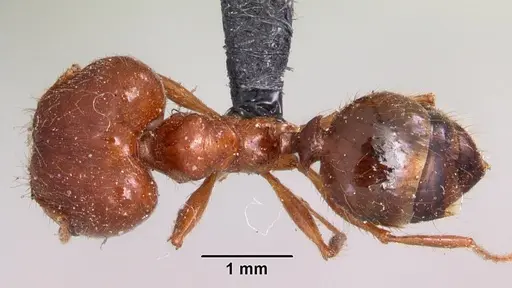
CASENT0101897
View on AntWeb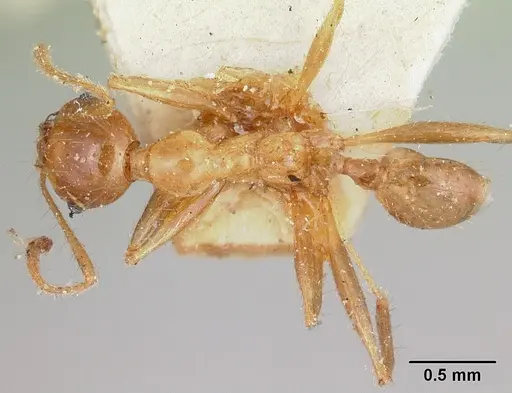
CASENT0162735
View on AntWeb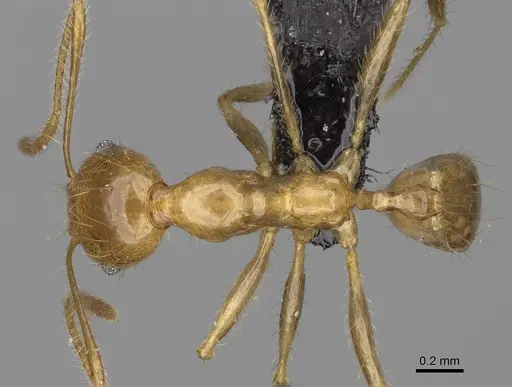
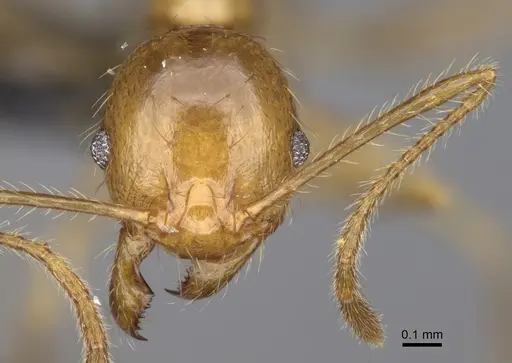
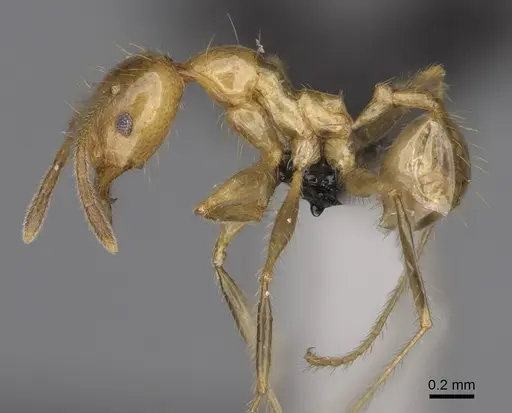
CASENT0235032
View on AntWeb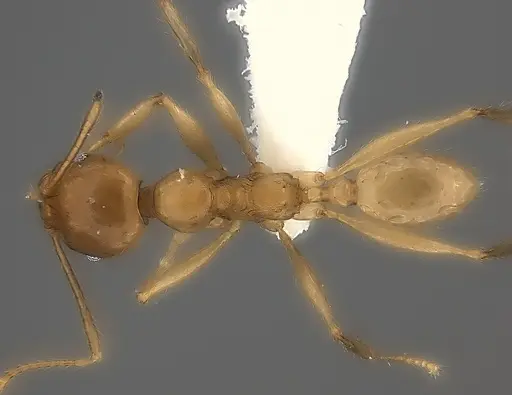
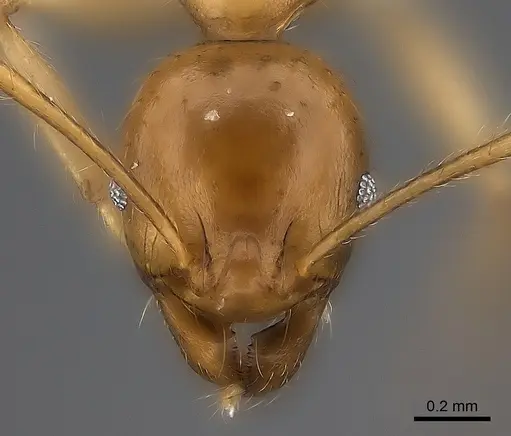
CASENT0235033
View on AntWeb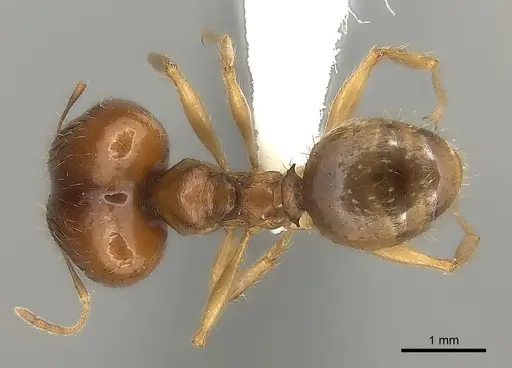
CASENT0923255
View on AntWeb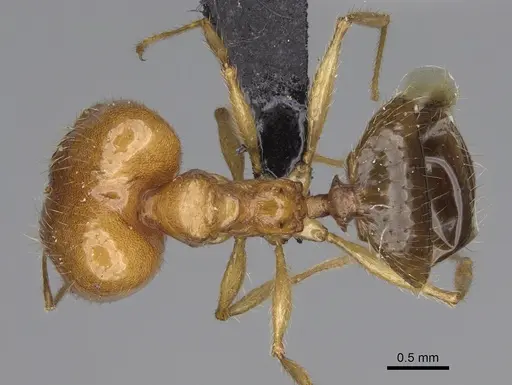
Literature
Loading distribution map...Loading products...