
Pheidole macclendoni
- Sci. Name
- Pheidole macclendoni
- Tribe
- Attini
- Subfamily
- Myrmicinae
- Author
- Wheeler, 1908
- Distribution
- Found in 1 countries
Introduction
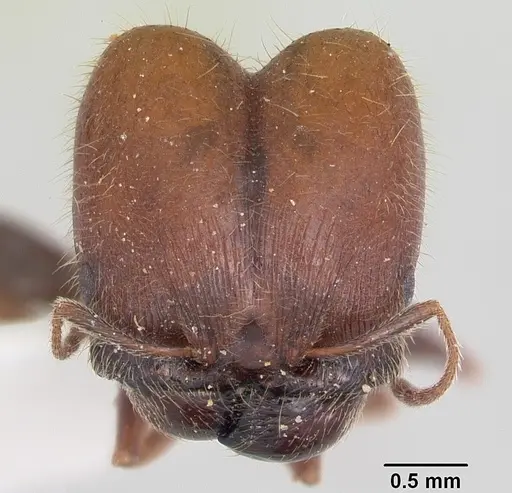
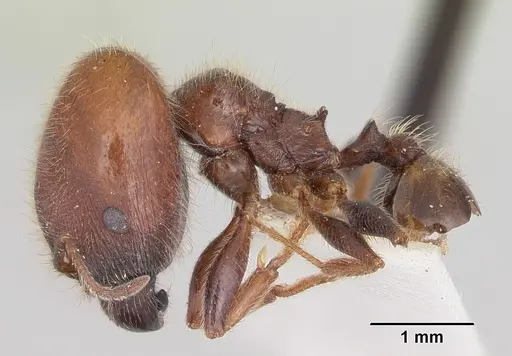
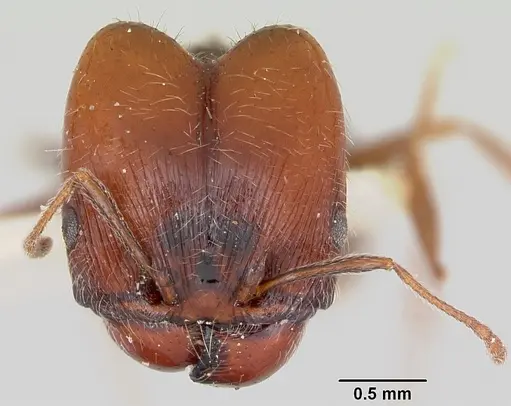
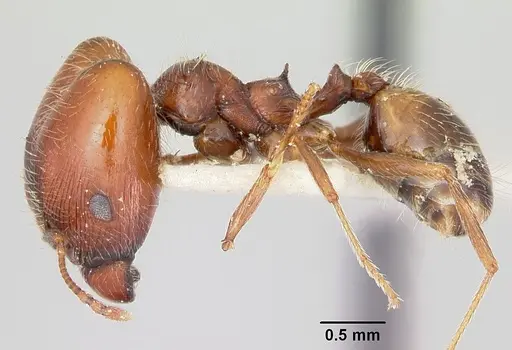
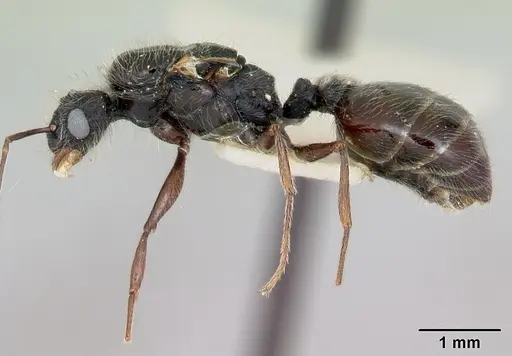
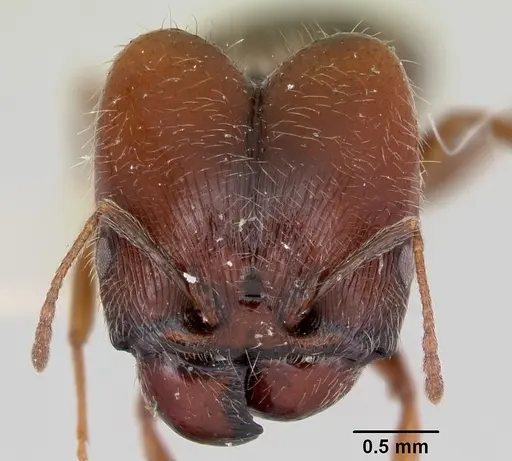
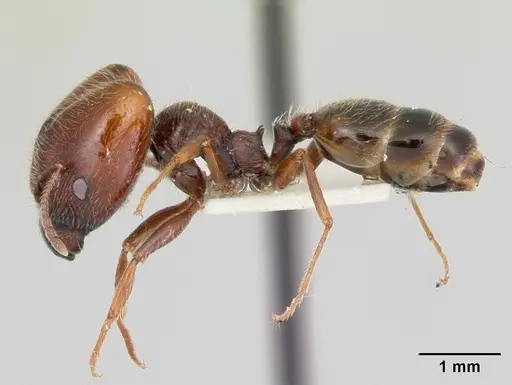
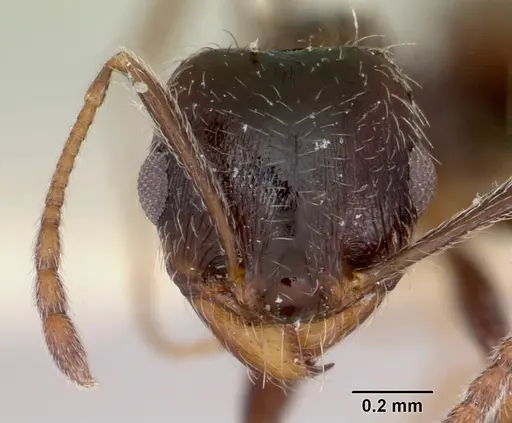
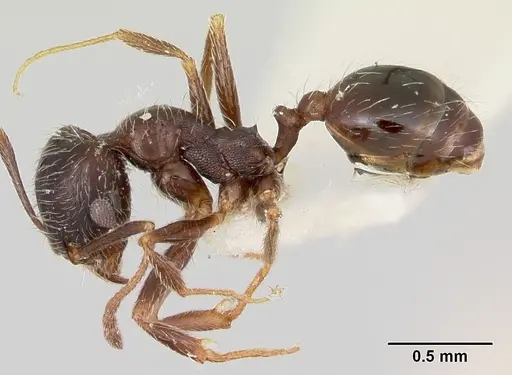
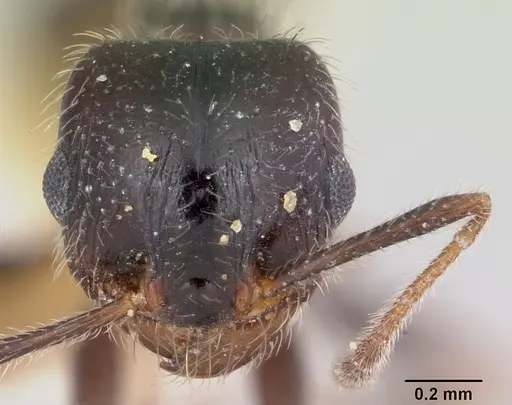
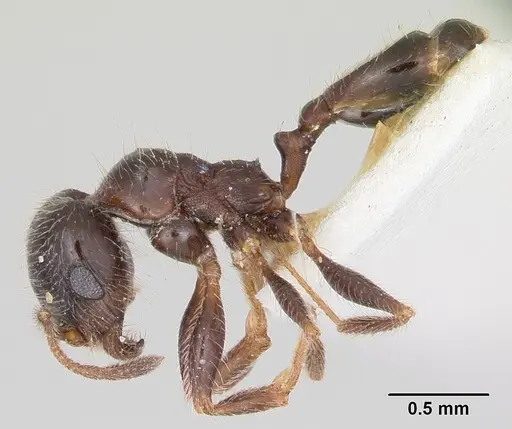
Pheidole macclendoni is a small ant species native to the American Southwest, found in Arizona and central to western Texas . They inhabit sandy-gravelly desert environments and nest in soil with small entrances . The species is weakly polymorphic, with minor workers, majors, and supermajors . A notable feature is the presence of supermajors, which are larger than regular majors and only appear in mature colonies .
Quick Summary
- Difficulty: Medium
- Origin & Habitat: Native to the southwestern United States, specifically Arizona and central to western Texas. They inhabit sandy-gravelly desert environments [1].
- Colony Type: Colony structure is not well documented in scientific literature. Based on typical Pheidole patterns, this species likely forms single-queen colonies, but this requires confirmation.
- Size & Growth:
- Queen: Size data unavailable, no total length measurements in literature. Inferred from Pheidole genus at approximately 8-10 mm.
- Worker: Size data unavailable, no total length measurements in literature. Inferred from Pheidole genus at approximately 3-5 mm.
- Colony: Up to several hundred workers, inferred from related Pheidole species.
- Growth: Moderate
- Development: 6-10 weeks at optimal temperature (Development time is estimated based on typical Pheidole genus patterns. Actual timing may vary based on temperature and conditions.)
- Antkeeping:
- Temperature: Keep at room temperature or slightly warm, around 22-26°C. Desert species prefer warmer conditions.
- Humidity: Low to moderate. These are desert ants that prefer drier conditions. Keep the nest substrate slightly moist but allow it to dry between waterings.
- Diapause: Yes, based on December nuptial flight observation [1]. Provide a cool period around 10-15°C for 2-3 months during winter.
- Nesting: In captivity, they do well in test tubes initially, then can be moved to Y-tong nests or plaster formicariums. They prefer dry conditions.
- Behavior: These ants are generally calm and not particularly aggressive. Like other Pheidole species, they have majors that serve as defense and food processing specialists. They are active foragers. Their small size means escape prevention is important [1].
- Common Issues: overwatering can kill desert-adapted colonies, keep conditions relatively dry., small minor workers can escape through standard mesh, use fine mesh barriers., colony growth may be slow, patience is needed for established colonies., supermajors only appear in mature colonies, don't be concerned if absent initially.
Housing and Nest Setup
Pheidole macclendoni can be started in a simple test tube setup, which works well for the founding colony. The test tube should have a water reservoir at one end, with cotton separating the water from the ants. Keep the tube in a dark, quiet location during the founding stage. Once the colony reaches 20-30 workers, you can consider moving them to a proper formicarium. Y-tong (AAC) nests work well for Pheidole species because they provide humidity control and allow you to observe the colony. Alternatively, a plaster nest with a hydration chamber can work, but given this species' desert nature, err on the side of drier conditions. Whatever nest you choose, ensure it has tight-fitting connections and use fluon or other barriers on any openings, as these tiny ants can squeeze through small gaps [1].
Feeding and Diet
In the wild, Pheidole macclendoni likely forages for seeds and small insects, like other members of the genus. In captivity, offer a varied diet including protein sources (small crickets, mealworms, fruit flies) and carbohydrates (sugar water, honey, or commercial ant nectar). Seeds are often accepted and provide enrichment. Feed small prey items appropriate to the size of your workers. A protein source twice weekly and constant access to sugar water works well for established colonies. Remove any uneaten prey after 24 hours to prevent mold issues.
Temperature and Seasonal Care
As a desert species from Arizona and Texas, Pheidole macclendoni prefers warmer conditions. Keep the nest area at 22-26°C, which is typical room temperature in most homes. If your home runs cool, a small heating cable placed on one side of the nest can provide additional warmth. Create a temperature gradient so the ants can choose their preferred spot. The unusual December nuptial flight timing (queens have been found winged in late December) suggests this species has different seasonal timing than many ants [1]. For captive colonies, normal room temperature year-round is usually fine, with a slight cooling period (10-15°C) for 2-3 months in winter to simulate natural seasonal rest.
Behavior and Colony Structure
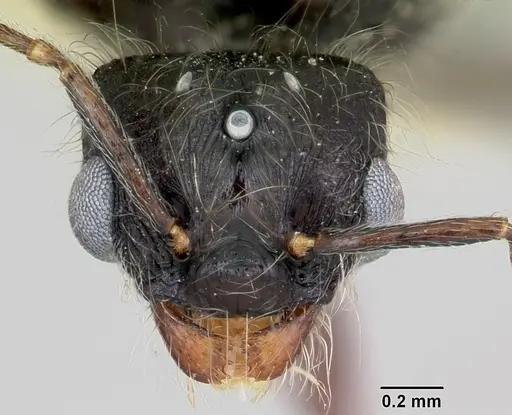
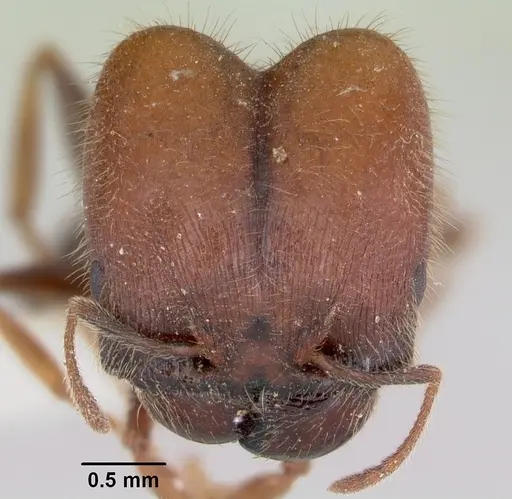
This species is weakly polymorphic, meaning it has two distinct major castes: regular majors and the larger supermajors [1]. The minors do most of the foraging and brood care, while majors defend the colony and help process larger food items. Supermajors are rare and typically only appear in well-established colonies. The species is not particularly aggressive and tends to be calm in captivity. Workers are active foragers that will search out food throughout the outworld. Their small size means they can be overlooked, but they are quite visible when moving due to their contrasting colors.
Growth and Development
Colony growth is moderate. The first workers (nanitics) will typically emerge 6-10 weeks after the queen lays eggs, depending on temperature. These first workers are smaller than mature workers but will immediately begin caring for the next brood. As the colony grows, you should see more majors appearing. The supermajors, when they eventually appear, are impressive specimens. Growth rate depends on feeding and temperature, warmer conditions within the acceptable range generally speed development. Avoid the temptation to overfeed, as uneaten food creates mold risks that can kill the colony.
Frequently Asked Questions
How long does it take for Pheidole macclendoni to produce first workers?
Expect first workers (nanitics) to emerge in about 6-10 weeks after the queen lays eggs, assuming optimal temperature around 24°C. This is typical for Pheidole species. The exact timing depends on temperature and feeding.
What do Pheidole macclendoni ants eat?
They accept a varied diet including small insects (fruit flies, pinhead crickets, mealworms), seeds, and sugar sources (honey water, sugar water, commercial ant nectar). Offer protein twice weekly and keep sugar water available at all times.
Can I keep multiple queens together?
Pheidole macclendoni is likely a single-queen species. Combining unrelated queens is not recommended as they would likely fight. If you catch a queen, house her alone until workers emerge.
What temperature do they need?
Keep them at 22-26°C. This species is from the American Southwest desert and prefers warmth, but typical room temperature works well. A slight gradient allowing them to choose warmer or cooler areas is ideal.
Are Pheidole macclendoni good for beginners?
They are rated as medium difficulty. They are more forgiving than some species regarding temperature but require attention to humidity (keep them drier) and escape prevention due to their small size. They are a rewarding species once established.
Do they need hibernation?
Yes, based on the December nuptial flight observation [1]. Provide a cool period around 10-15°C for 2-3 months during winter. This helps maintain natural seasonal rhythms.
How big do colonies get?
Colony size is not well documented, but related desert Pheidole species typically reach up to several hundred workers. The supermajors only appear in mature colonies.
When do queens fly?
Winged queens have been found in late December, which is unusual for ants. This suggests they may have winter nuptial flights, unlike most species that fly in summer [1].
What makes Pheidole macclendoni special?
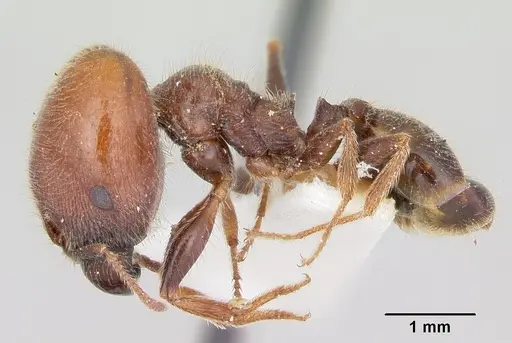
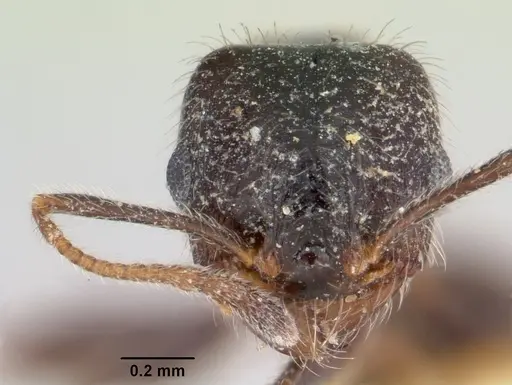
This species is weakly polymorphic with both regular majors and rare supermajors, making them one of the more impressive Pheidole species when viewed up close. Their large forward-set eyes and distinctive coloration also make them visually interesting [1].
Why are my ants escaping?
Their small size (minors are only about 3 mm) means they can squeeze through standard gaps. Use fine mesh (at least 0.5 mm), apply fluon to rim edges, and ensure all connections are tight. Check for any tiny gaps regularly.
When should I move them to a formicarium?
Move them once the colony reaches 20-30 workers or when the test tube becomes crowded. Make sure the new nest has appropriately sized chambers, these are small ants.
Report an Issue
The current care sheet is based fully on literature. See inconsistencies, or something that's incorrect? Please , it will be resolved after review from an admin. Contributing to the blogs tab also helps providing information, to make us be able to further improve the caresheets. Thank you for your support!
References

This caresheet is licensed under CC BY-SA 4.0 .
Community Blogs
CASENT0103140
View on AntWeb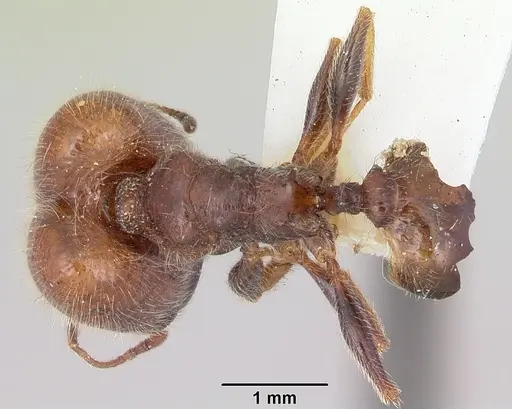
CASENT0103470
View on AntWeb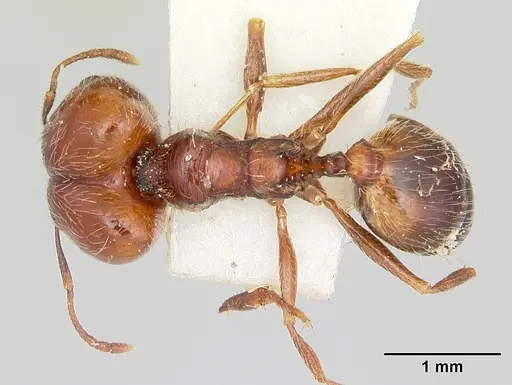
CASENT0103471
View on AntWeb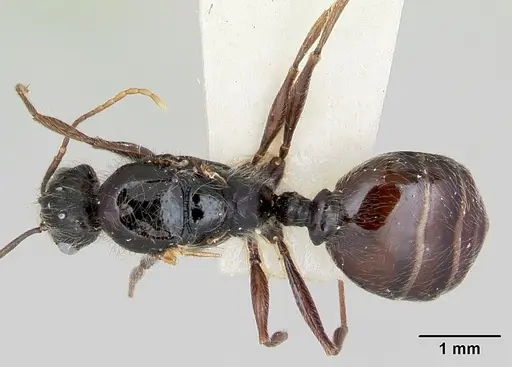
CASENT0103473
View on AntWeb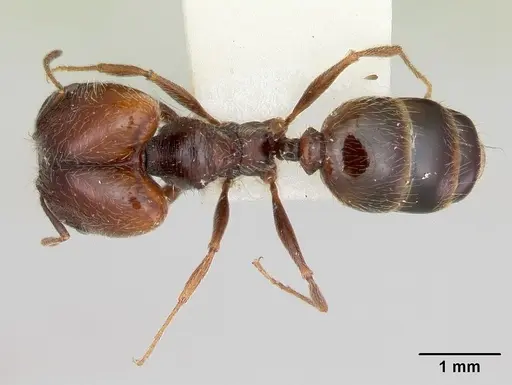
CASENT0103474
View on AntWeb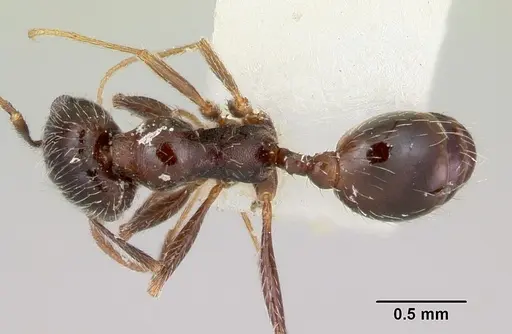
CASENT0103475
View on AntWeb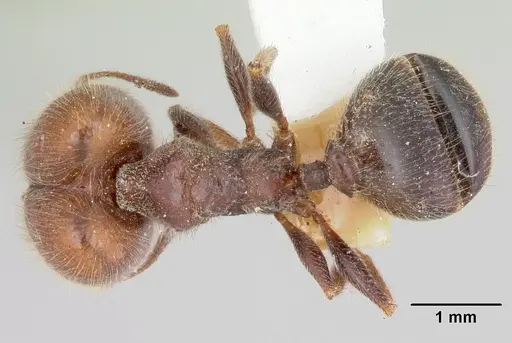
CASENT0103476
View on AntWeb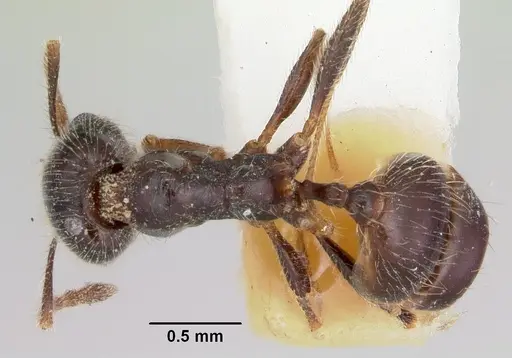
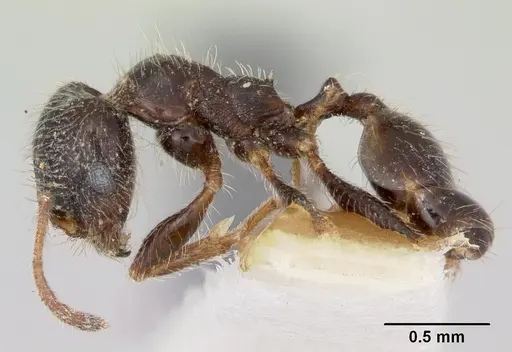
CASENT0105648
View on AntWeb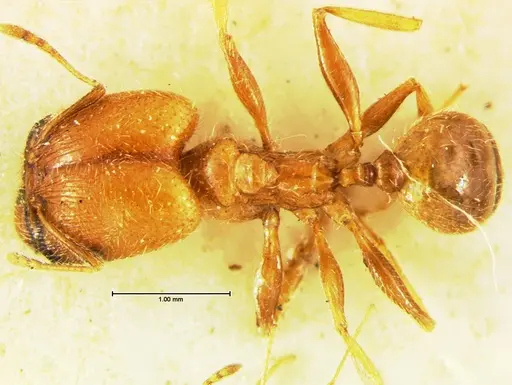
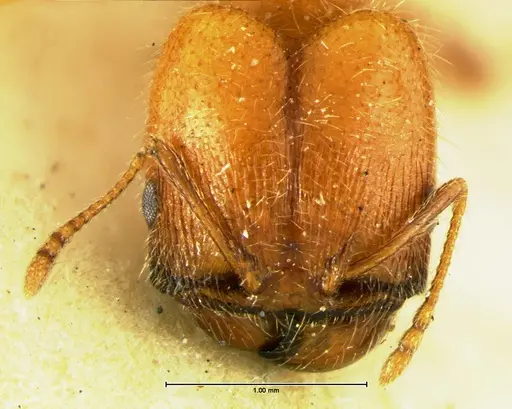
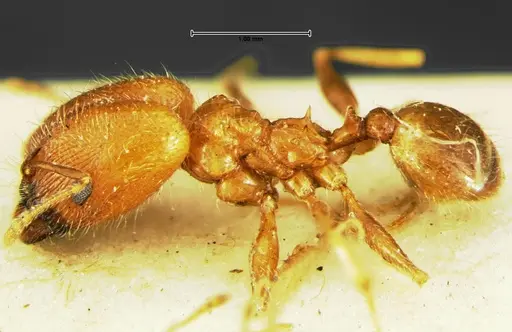
CASENT0172622
View on AntWeb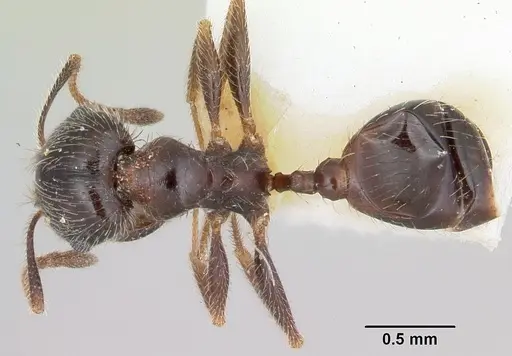
Literature
Loading distribution map...Loading products...