
Pheidole lutzi
- Sci. Name
- Pheidole lutzi
- Tribe
- Attini
- Subfamily
- Myrmicinae
- Author
- Forel, 1905
- Distribution
- Found in 2 countries
Introduction
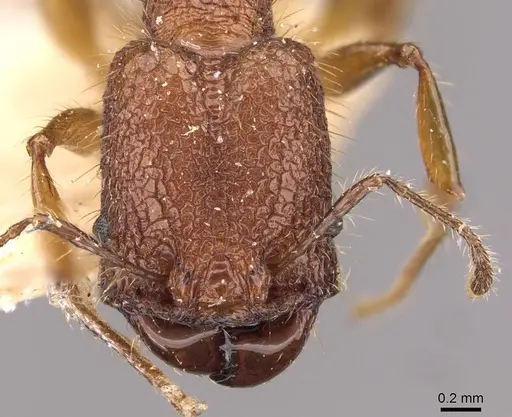
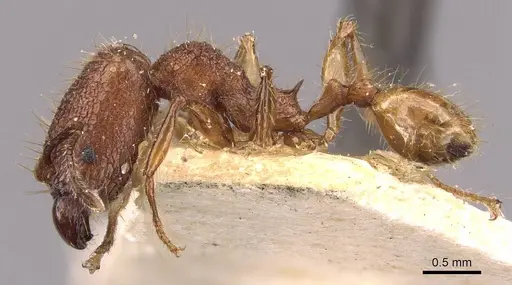
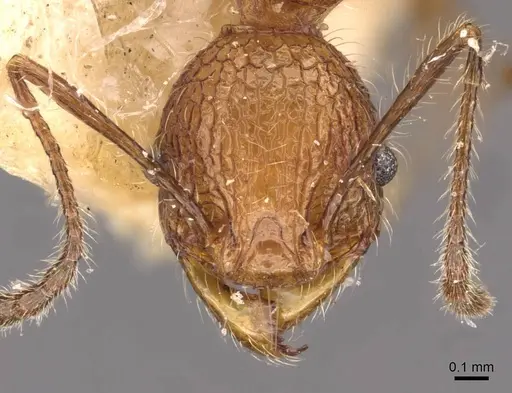
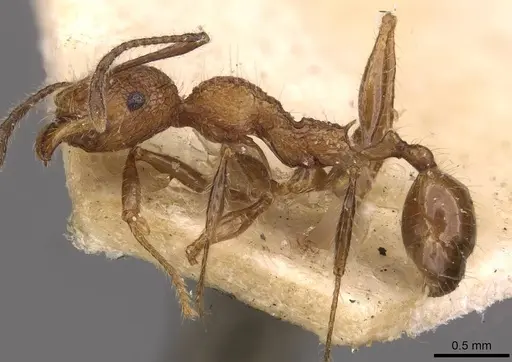
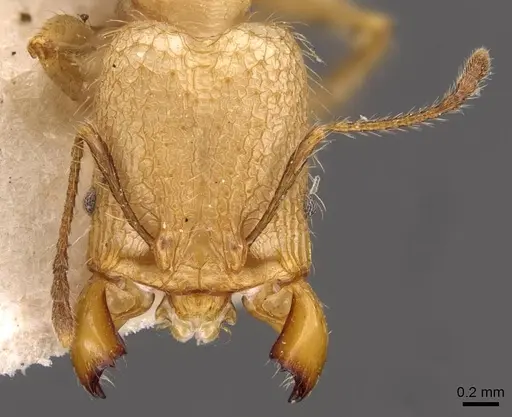
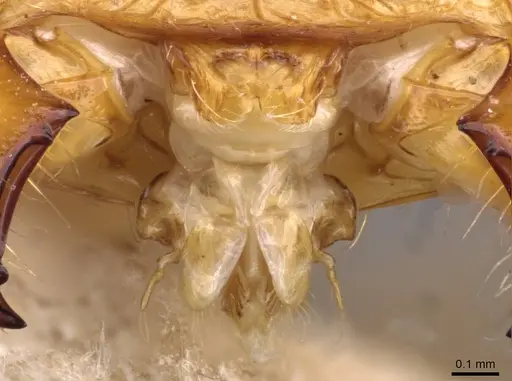
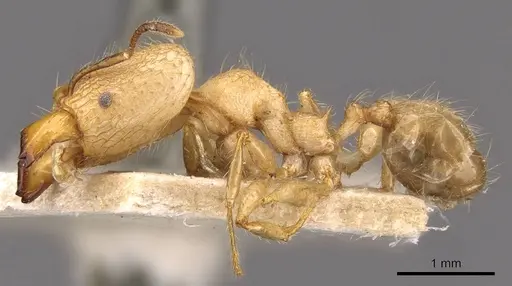
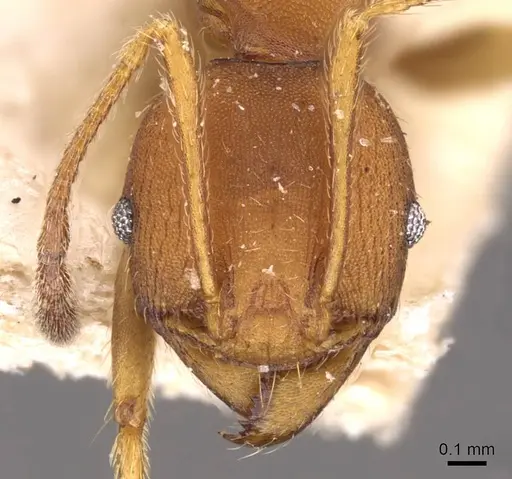
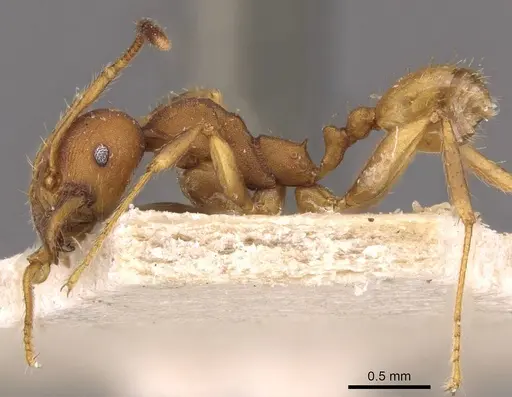
Pheidole lutzi is a small Neotropical ant species native to Brazil, first described by Forel in 1905. The species is named after its collector, Adolpho Lutz. These ants have the characteristic Pheidole dimorphic worker caste with majors and minors. The type specimens were collected from a cavity inside a bamboo trunk in Serra da Cantareira, São Paulo, Brazil . This species is also documented in the Colombian Amazon . Pheidole lutzi is known for its collection from bamboo cavities, suggesting a preference for enclosed, humid spaces . The species remains poorly studied in captivity, but its habitat indicates it thrives in stable, warm conditions.
Quick Summary
- Difficulty: Medium
- Origin & Habitat: Native to Brazil and Colombia, found in forest habitats and bamboo cavities [1][3][4].
- Colony Type: Based on Pheidole patterns, likely monogyne (single-queen colonies).
- Size & Growth:
- Queen: Size data unavailable, inferred from Pheidole genus as approximately 5-6 mm
- Worker: Size data unavailable, inferred from Pheidole genus as typically 2-4 mm
- Colony: Up to several hundred workers, inferred from Pheidole genus patterns
- Growth: Moderate
- Development: 6-8 weeks, estimated based on typical ant development at 24-26°C (Development time may vary with temperature, higher temperatures within safe range can accelerate growth.)
- Antkeeping:
- Temperature: Keep at 24-28°C, inferred from tropical habitat [3]
- Humidity: Keep nest substrate consistently moist but not waterlogged, based on bamboo cavity habitat [4]
- Diapause: No, tropical species do not require hibernation, inferred from geographic range
- Nesting: Prefers enclosed nests like Y-tong or plaster nests, based on collection from bamboo cavities [1][4]
- Behavior: Typical Pheidole behavior, majors are defensive, minors handle foraging and brood care. Not aggressive toward humans. Escape risk is moderate due to small size, use fine barriers to prevent escapes.
- Common Issues: tropical species needs warmth, cold temperatures will slow or stop brood development, requires consistent humidity, dry conditions cause brood death and colony decline, poorly documented in captivity, expect trial and error when establishing colonies, small size increases escape risk, ensure formicarium has secure barriers
Nest Preferences
In the wild, Pheidole lutzi has been collected from inside bamboo cavities [1][4]. This indicates a preference for enclosed, dark spaces that maintain stable humidity. For captive care, use Y-tong (AAC) or plaster nests that hold moisture well. Chambers should be appropriately sized for the ants' small size. Avoid large open spaces, tight cavities reduce stress. A test tube setup can work for founding colonies, but transfer to a proper nest once the colony reaches 20-30 workers.
Feeding and Diet
Diet is not specified in the research context. Based on Pheidole patterns, they may accept seeds, insects, and sugar sources. Offer a variety of foods like millet, small insects, and occasional honey water. Remove uneaten food promptly to prevent mold.
Temperature and Care
As a tropical species from Brazil and Colombia, Pheidole lutzi needs warm conditions. Keep the nest area at 24-28°C for optimal brood development [3]. Use a heating cable on one side to create a gradient if room temperature is low. Unlike temperate species, no winter cooling is needed. Temperatures below 20°C can slow development significantly.
Behavior and Temperament
This species displays typical Pheidole colony organization. Minor workers handle most tasks, while majors defend the nest. They are not aggressive toward humans and rarely sting. Workers are active foragers that explore outworlds for food. Colonies establish relatively quickly once first workers emerge.
Frequently Asked Questions
How long does it take for Pheidole lutzi to raise first workers?
Expect first workers to emerge 6-8 weeks after queen lays eggs, assuming temperatures around 24-26°C. This is estimated based on typical ant development.
What do Pheidole lutzi ants eat?
Diet is not specified in research. Based on genus patterns, they may accept seeds, small insects, and sugar sources. Offer varied foods and remove uneaten items promptly.
Can I keep multiple Pheidole lutzi queens together?
Likely not, as Pheidole species are typically monogyne. Combining queens may result in fighting. House queens separately if multiple are found.
Do Pheidole lutzi ants need hibernation?
No, as a tropical species from Brazil and Colombia, they do not require diapause. Maintain warm conditions year-round.
What temperature is best for Pheidole lutzi?
Keep them at 24-28°C, inferred from their tropical habitat. Use heating if room temperature is below this range.
What humidity level do they need?
Keep nest substrate consistently moist but not waterlogged, based on their bamboo cavity habitat [4].
Are Pheidole lutzi good for beginners?
This species is rated as Medium difficulty. It requires consistent warmth and humidity, which may challenge beginners.
How big do Pheidole lutzi colonies get?
Colonies likely reach up to several hundred workers over time, inferred from Pheidole genus patterns.
When should I move my colony to a formicarium?
Move from a test tube to a proper nest once the colony reaches 20-40 workers or when space is cramped. Use Y-tong or plaster nests sized appropriately.
Report an Issue
The current care sheet is based fully on literature. See inconsistencies, or something that's incorrect? Please , it will be resolved after review from an admin. Contributing to the blogs tab also helps providing information, to make us be able to further improve the caresheets. Thank you for your support!
References

This caresheet is licensed under CC BY-SA 4.0 .
Community Blogs
CASENT0908189
View on AntWeb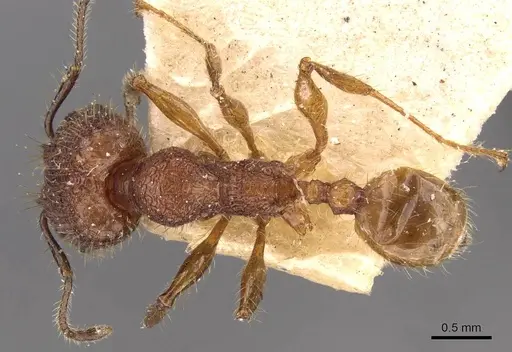
CASENT0908190
View on AntWeb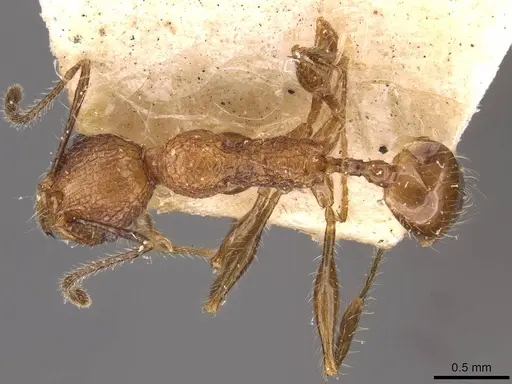
CASENT0908191
View on AntWeb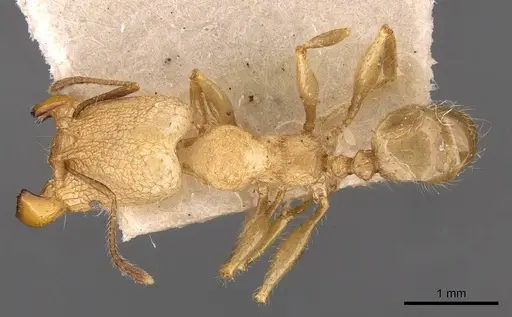
CASENT0908192
View on AntWeb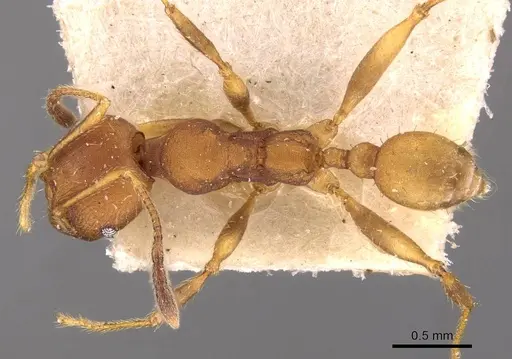
Literature
Loading distribution map...Loading products...