
Pheidole longiseta
- Sci. Name
- Pheidole longiseta
- Tribe
- Attini
- Subfamily
- Myrmicinae
- Author
- Wilson, 2003
- Distribution
- Found in 2 countries
Introduction
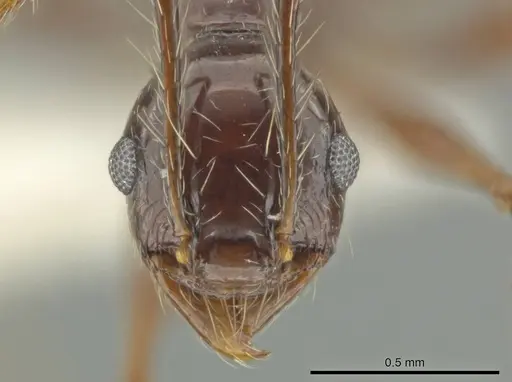
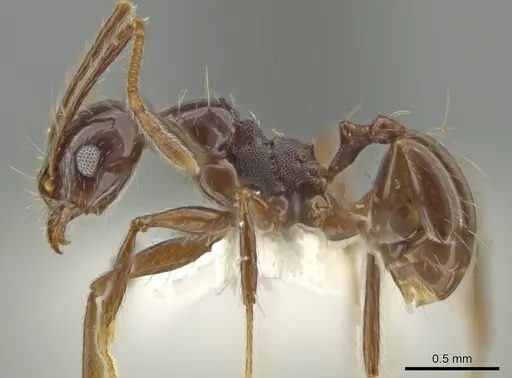
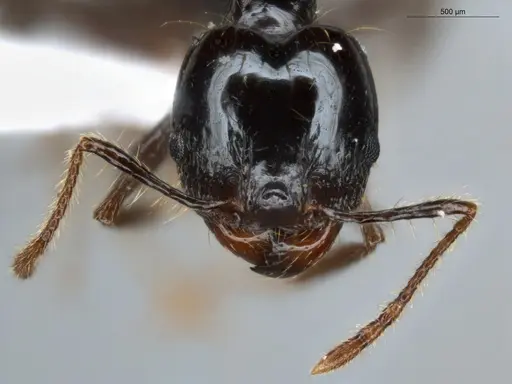
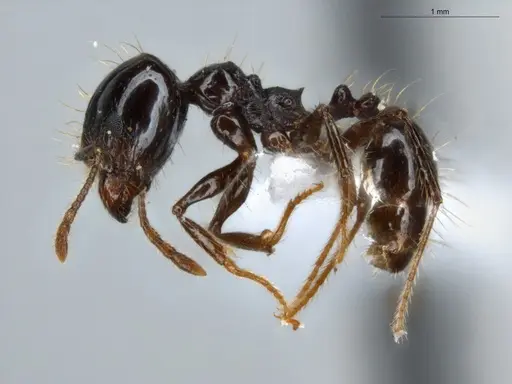
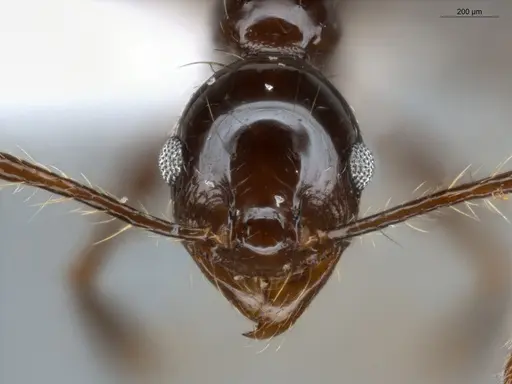
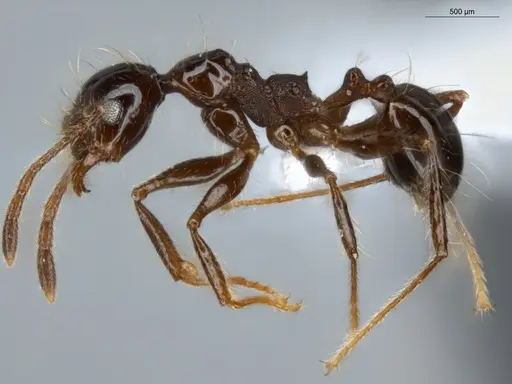
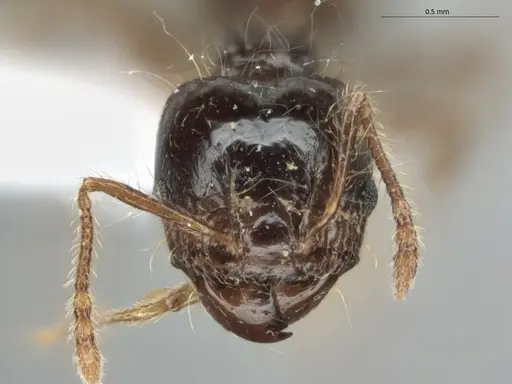
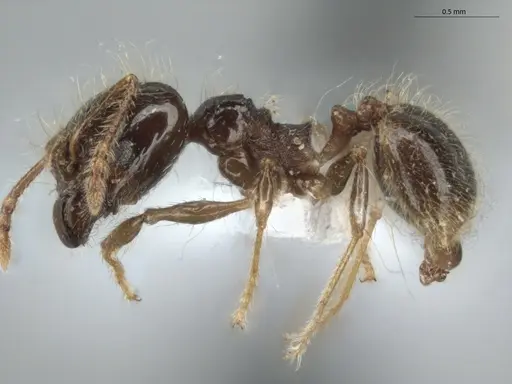
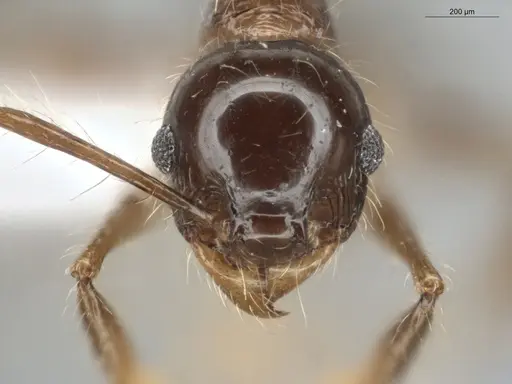
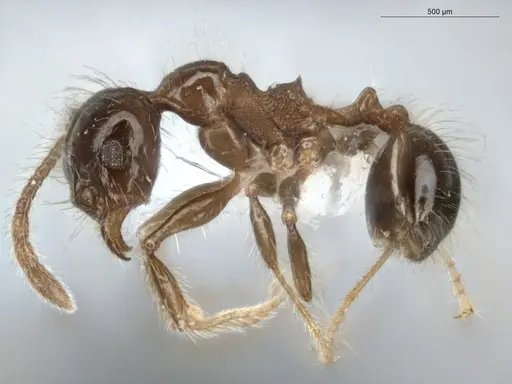
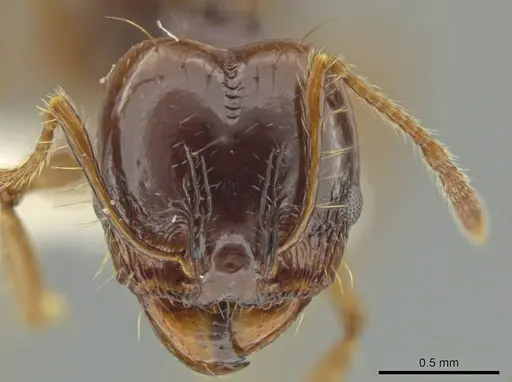
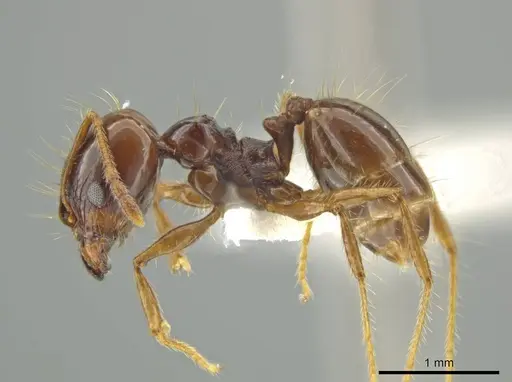
Pheidole longiseta is a medium-sized ant species native to the Amazon basin in South America, including Peru and Brazil . It is characterized by its brown body and extremely long, sparse erect to suberect pilosity, giving it a 'long-haired' appearance . Colonies nest in rotting wood on the forest floor of terra firme rainforest . This species was described by E.O. Wilson in 2003 and is known for its dimorphic workers, with majors having enlarged heads and minors handling most tasks .
Quick Summary
- Difficulty: Medium
- Origin & Habitat: Amazon basin in Peru (Madre de Dios region) and Brazil (Amazonas), nesting in rotting wood on terra firme rainforest floors [1][2].
- Colony Type: Colony structure is unconfirmed, but based on typical Pheidole patterns, likely contains major and minor workers [2].
- Size & Growth:
- Queen: size data unavailable, no total length measurements available in research
- Worker: size data unavailable, no total length measurements available in research
- Colony: up to several hundred workers, estimated based on genus patterns
- Growth: Moderate, based on typical Pheidole development
- Development: estimated 6-8 weeks at tropical temperatures (Development time is inferred from related Pheidole species, tropical conditions may accelerate growth.)
- Antkeeping:
- Temperature: Keep warm and stable, roughly 24-28°C, based on tropical Amazon habitat. Provide a gentle gradient with unheated areas.
- Humidity: Keep nest substrate consistently moist but not waterlogged, mimicking terra firme forest floors.
- Diapause: No, tropical species do not require hibernation.
- Nesting: Use Y-tong, plaster, or naturalistic setups with rotting wood or cork bark, based on natural nesting habits [2].
- Behavior: Typically peaceful for Pheidole species, with majors for defense and minors for foraging. Escape risk is high due to small minor workers.
- Common Issues: humidity management is critical, too wet causes mold, too dry causes brood death., escape prevention must be excellent due to tiny minor workers., tropical species cannot tolerate cool temperatures, keep consistently warm., slow founding phase, new colonies may take months to establish, patience is required., wild-caught colonies may carry parasites that can devastate captive colonies.
Housing and Nest Setup
Pheidole longiseta does well in Y-tong, plaster, or naturalistic nests with rotting wood or cork bark, mimicking their natural habitat [2]. The outworld should be simple with easy access to food and water. Because minor workers are small, use tight-fitting lids and apply barriers like Fluon to prevent escapes.
Feeding and Diet
These ants are omnivorous and will accept sugar sources like honey water and protein such as small insects [2]. Offer protein 2-3 times per week and keep a constant sugar source available. Remove uneaten food after 24-48 hours to prevent mold.
Temperature and Humidity Management
Maintain temperatures between 24-28°C with a gentle gradient. High humidity is essential, keep substrate moist but not waterlogged. A water tube can help maintain humidity through evaporation.
Colony Development and Growth
Colonies have major and minor workers, with majors for defense and minors for daily tasks [2]. Founding may take several months to produce first workers, be patient and avoid disturbing the queen.
Seasonal Care
As a tropical species, no hibernation is needed, maintain warm, humid conditions year-round. Avoid temperature fluctuations from drafts or air conditioning.
Frequently Asked Questions
How long does it take for Pheidole longiseta to produce first workers?
Estimated 6-8 weeks at optimal tropical temperatures (24-28°C), based on related Pheidole species. The queen should not be disturbed during claustral founding.
What do Pheidole longiseta ants eat?
They are omnivorous, accepting protein like small insects and sugar sources like honey water [2]. Feed protein 2-3 times per week with constant sugar access.
Can I keep multiple Pheidole longiseta queens together?
Colony type is unconfirmed, but based on typical Pheidole patterns, they are likely monogyne. Combining unrelated queens is not recommended.
What temperature do Pheidole longiseta ants need?
Keep them warm at 24-28°C, based on their tropical habitat. Avoid temperatures below 22°C.
Are Pheidole longiseta good for beginners?
Rated Medium difficulty due to humidity and temperature requirements. Not overly aggressive, but challenging for beginners.
How big do Pheidole longiseta colonies get?
Colony size is unconfirmed, but estimated up to several hundred workers based on genus patterns.
Do Pheidole longiseta need hibernation?
No, as a tropical species, they do not require diapause. Maintain warm conditions year-round.
What type of nest is best for Pheidole longiseta?
Y-tong, plaster, or naturalistic setups with rotting wood work well, based on their natural nesting habits [2].
Why are my Pheidole longiseta dying?
Common causes include incorrect temperature or humidity, disturbance during founding, or parasites from wild-caught colonies. Ensure stable warm, moist conditions.
Report an Issue
The current care sheet is based fully on literature. See inconsistencies, or something that's incorrect? Please , it will be resolved after review from an admin. Contributing to the blogs tab also helps providing information, to make us be able to further improve the caresheets. Thank you for your support!
References

This caresheet is licensed under CC BY-SA 4.0 .
Community Blogs
CASENT0645818
View on AntWeb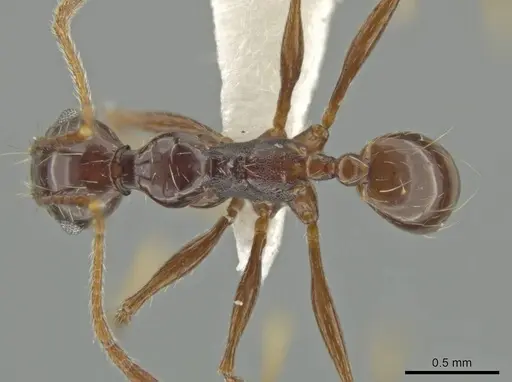
ECOFOG-IT14-0267-42-S
View on AntWeb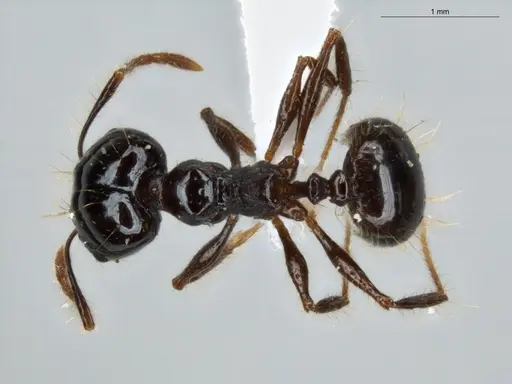
ECOFOG-IT14-0267-42
View on AntWeb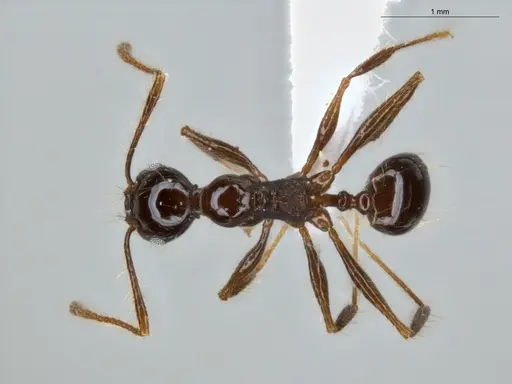
ECOFOG-IT14-0951-10-S
View on AntWeb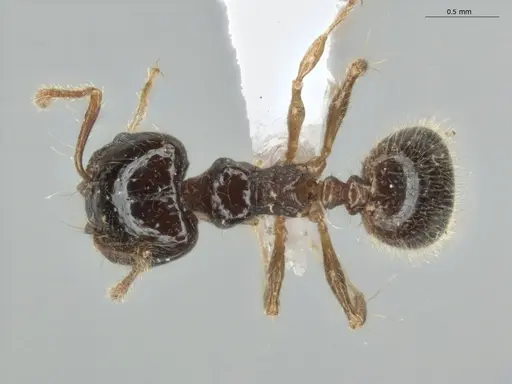
ECOFOG-IT14-0951-10
View on AntWeb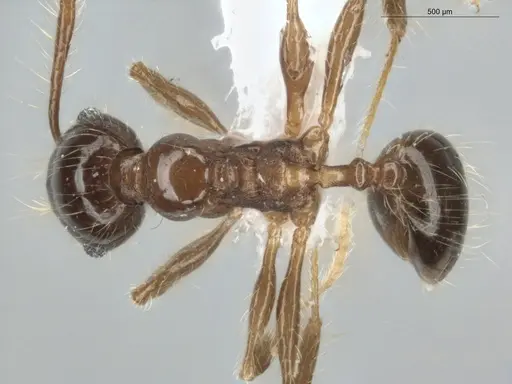
JTLC000016438
View on AntWeb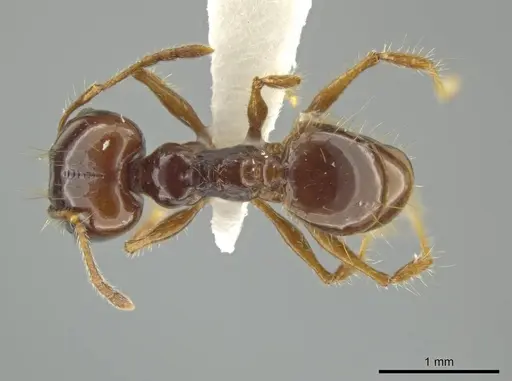
Literature
Loading distribution map...Loading products...