
Pheidole longipilosa
- Sci. Name
- Pheidole longipilosa
- Tribe
- Attini
- Subfamily
- Myrmicinae
- Author
- Salata & Fisher, 2020
- Distribution
- Found in 1 countries
Introduction
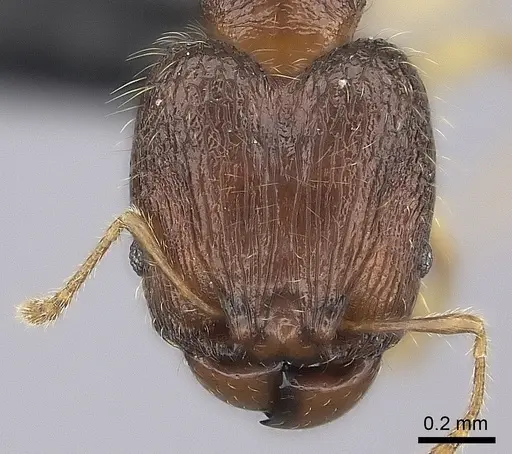
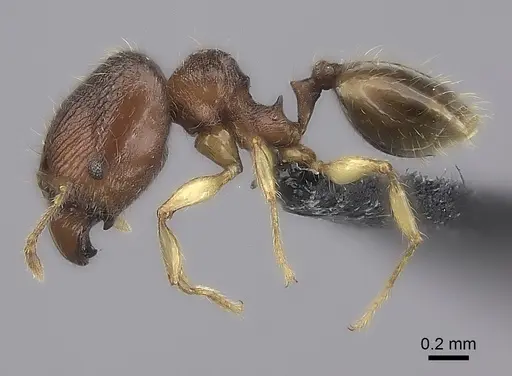
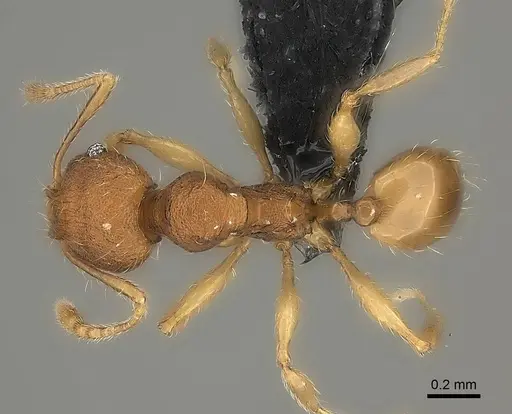
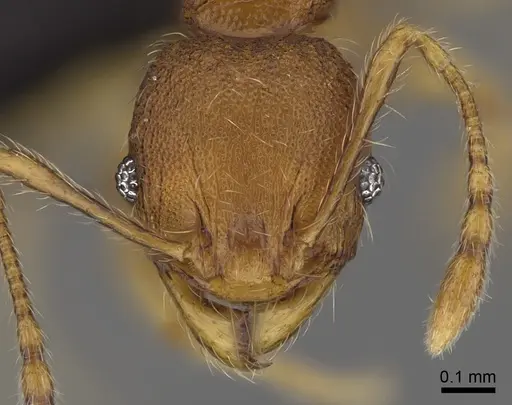
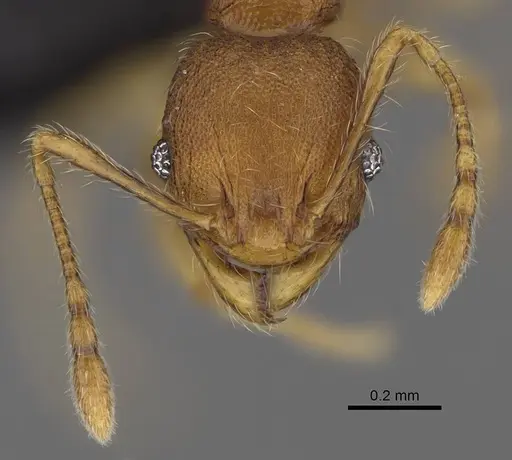
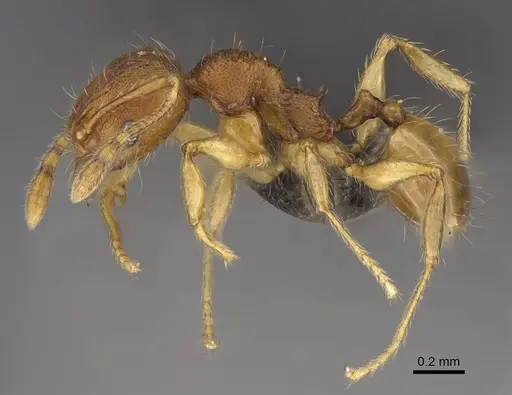
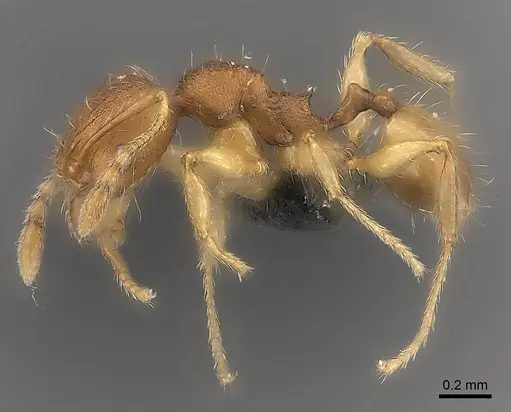
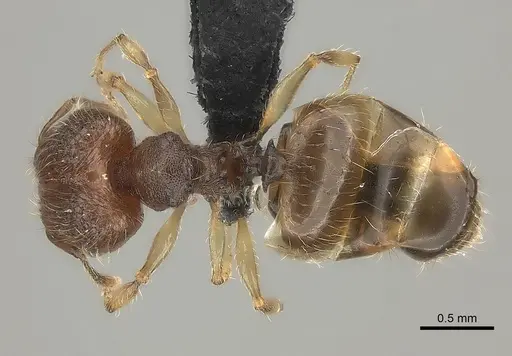
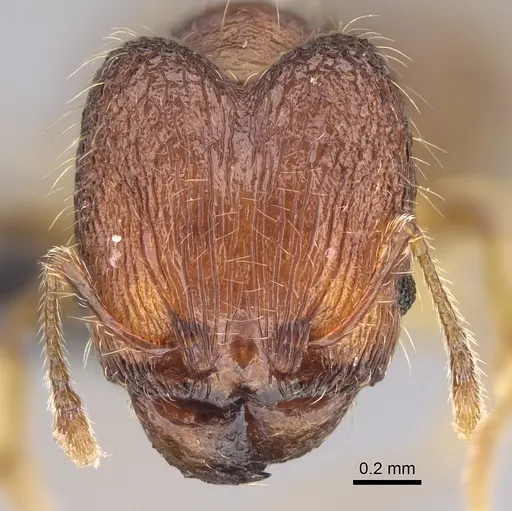
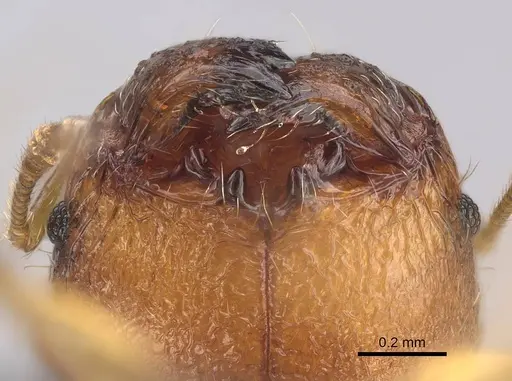
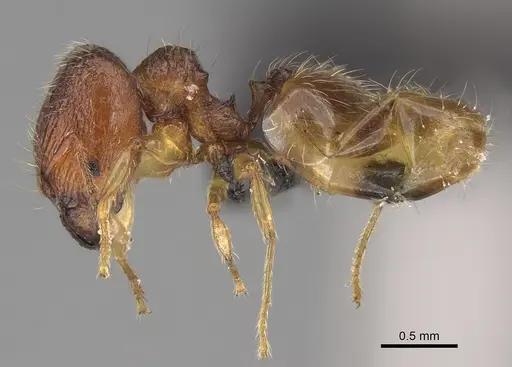
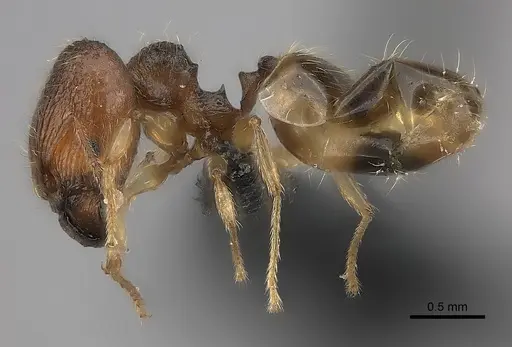
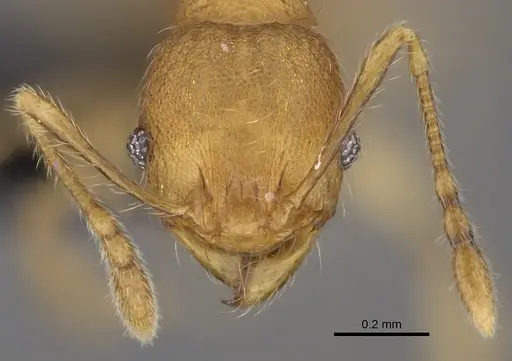
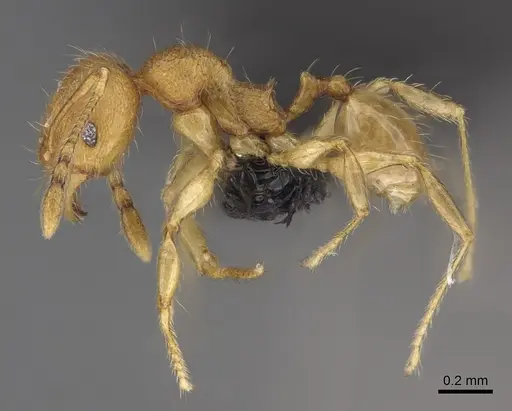
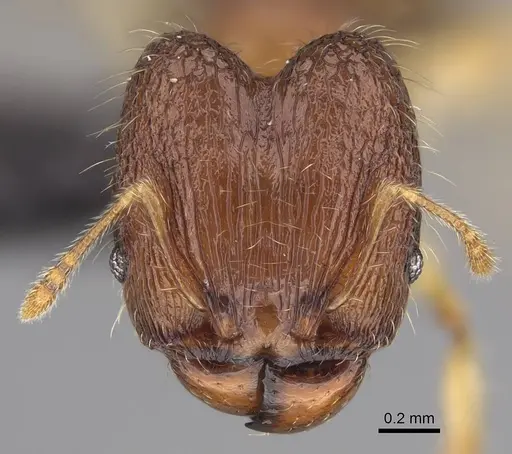
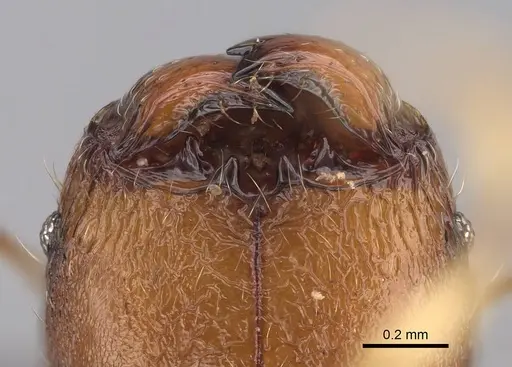
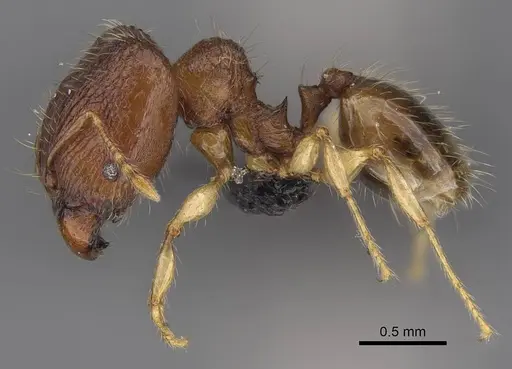
Pheidole longipilosa is a small ant species native to Madagascar, recently described in 2020. It belongs to the Pheidole ferruginea species group. Major workers have a distinctive appearance with dense, very long erect hairs on the sides of their head, while minor workers are smaller and yellow. Their body ranges from reddish-brown to bright brown. These ants nest in rotten logs in montane and gallery forests at elevations between 500-1100 meters . One interesting physical trait: major workers can develop a distended abdomen due to storing liquid in their internal crop, which is a unique adaptation among some Pheidole species .
Quick Summary
- Difficulty: Medium
- Origin & Habitat: Native to Madagascar, specifically found in the Toliara region (Forêt Classée d'Analavelona). They live in montane and gallery forests at elevations of 500-1100 meters, nesting in rotten logs [1].
- Colony Type: Colony structure is unconfirmed, this is a recently described species (2020) with limited research. Based on typical Pheidole patterns, likely single-queen (monogyne) colonies, but this needs confirmation.
- Size & Growth:
- Queen: Size data unavailable, inferred from Pheidole genus (~5-7 mm)
- Worker: Size data unavailable, inferred from Pheidole genus: majors ~1-2 mm, minors ~0.5-1 mm
- Colony: Unknown, no colony size data available for this species
- Growth: Unknown, estimated moderate based on typical Pheidole development
- Development: Unknown, estimated 6-10 weeks based on related Pheidole species in Madagascar (No direct development data exists for this species. Estimates based on typical Pheidole genus patterns.)
- Antkeeping:
- Temperature: Keep around 22-26°C, they come from montane forests in Madagascar so they prefer warm but not extreme heat. A gentle temperature gradient allows them to regulate [1].
- Humidity: Moderate to high, they nest in rotten logs in humid forests. Keep the nest substrate moist but not waterlogged, with some drier areas available [1].
- Diapause: Unknown, Madagascar species may have reduced activity periods rather than true hibernation. More research needed.
- Nesting: In nature they nest in rotten logs. In captivity, a naturalistic setup with decaying wood or cork, or a Y-tong/plaster nest with moisture works well. They need tight chambers scaled to their small size [1].
- Behavior: These ants are relatively peaceful and focused on their colony activities. Major workers have the distinctive long pilosity (hairs) that makes them visually unique. They are active foragers and likely show typical Pheidole behavior. Escape prevention is important, they are small ants and can squeeze through small gaps. They may store liquid in their gastral crop, which is an interesting adaptation [2]. They have a sting for defense but are not aggressive toward keepers.
- Common Issues: escape prevention is critical due to their small size, use fine mesh and tight-fitting lids, colony founding behavior is unconfirmed, queen may be claustral like most Pheidole but this is not studied, growth rate is unknown so beginners may struggle to gauge colony progress, diet acceptance is not documented, offer varied protein and sugar sources to test preferences
Housing and Nest Preferences
In the wild, Pheidole longipilosa nests in rotten logs in montane and gallery forests in Madagascar. This tells you they prefer damp, decaying wood as nesting material. For captivity, you have a few good options: a naturalistic setup with pieces of decaying wood or cork bark works well since it mimics their natural environment. Alternatively, a Y-tong nest or plaster nest with moisture chambers also works, just make sure the chambers are small and tight since these are tiny ants. The key is keeping the nest material consistently moist but not soaking wet. They do well with moderate humidity around 60-80%. Make sure your setup has good escape prevention, these ants are small enough to slip through standard gaps, so use fine mesh and check all connections regularly [1].
Feeding and Diet
Pheidole species are typically omnivorous, eating protein sources and sugar. In the wild, they likely forage for small insects and tend aphids for honeydew. For your colony, offer protein sources like small mealworms, fruit flies, or other tiny insects. Sugar can be provided via sugar water, honey, or diluted honeydew. Since this is a recently described species with limited feeding observations, offer a variety and see what they accept. Remove uneaten food after 24-48 hours to prevent mold. Feed them roughly twice weekly with protein, and keep a sugar source available constantly. The major workers' ability to store liquid in their gastral crop suggests they may handle liquid food efficiently.
Temperature and Seasonal Care
Based on their natural range in Madagascar at 500-1100m elevation in montane forests, they prefer warm but moderate temperatures. Aim for 22-26°C in the nest area. You can create a gentle temperature gradient by placing a heating cable on one side of the nest, this lets your ants choose their preferred temperature. Avoid temperatures above 30°C or below 18°C for extended periods. Regarding seasonal changes, Madagascar has mild winters, so these ants may not need a true hibernation period. However, you might see reduced activity during cooler months, this is normal. If your colony shows signs of slowing down in winter, reduce feeding and lower temperatures slightly (by 2-3°C) rather than maintaining full warmth [1].
Understanding Their Unique Appearance
One of the most distinctive features of Pheidole longipilosa is the dense, very long erect hairs on the sides of the major workers' head, this is actually how they got their name ('longipilosa' means 'long pilosity' in Latin). The major workers are larger with a reddish-brown to bright brown body, while minor workers are smaller and yellow. Another interesting trait: major workers can develop a conspicuously distended (swollen) gaster due to accumulating liquid in their internal crop, this is a documented feature in some Pheidole species and is not a health concern but rather an adaptation for storing liquid food. When keeping them, you'll notice the size difference between majors and minors is significant, which is typical of Pheidole ants [1][2].
Colony Development and Expectations
Since this species was only described in 2020,there's limited published information on colony development in captivity. Based on typical Pheidole genus patterns, expect a relatively slow start during the founding stage, claustral queens (queens that seal themselves in and live off stored fat) typically take 6-10 weeks to produce their first workers, though this is estimated for this species. Once you have workers, growth is usually moderate. The first workers (nanitics) will be smaller than normal workers. Major workers typically appear after the colony has grown somewhat, Pheidole colonies usually produce majors once they reach a certain worker population. Be patient with this species since there's limited captive breeding history to draw from. Monitor your colony's growth and adjust care as needed.
Frequently Asked Questions
How long does it take for Pheidole longipilosa to produce first workers?
The exact timeline is unconfirmed for this recently described species. Based on typical Pheidole genus patterns, expect 6-10 weeks from egg to first worker at optimal temperature (around 24°C). This is an estimate since no direct development data exists for P. longipilosa.
What do Pheidole longipilosa ants eat?
They likely accept typical ant foods, small protein sources like fruit flies, small mealworms, or other tiny insects, plus sugar sources like sugar water or honey. Since feeding behavior hasn't been specifically documented for this species, offer variety and remove uneaten food promptly.
Can I keep multiple Pheidole longipilosa queens together?
This is not recommended and hasn't been documented. While some Pheidole species can be polygynous (multiple queens), there's no data on whether P. longipilosa accepts multiple queens. Starting with a single queen is the safest approach.
What temperature is best for Pheidole longipilosa?
Keep them around 22-26°C. They come from montane forests in Madagascar so they prefer warmth but not extreme heat. A gentle temperature gradient allows them to regulate their body temperature [1].
Are Pheidole longipilosa good for beginners?
This species is rated as Medium difficulty. While not the easiest species, antkeepers with some experience should do well. The main challenge is limited available care information since it's a recently described species. Start with a well-researched species if you're completely new to antkeeping.
What type of nest should I use for Pheidole longipilosa?
They naturally nest in rotten logs, so a naturalistic setup with decaying wood or cork works well. Alternatively, a Y-tong or plaster nest with moisture works. The key is keeping the nest material consistently moist with small, tight chambers scaled to their tiny size [1].
Why does my Pheidole longipilosa major have a swollen abdomen?
This is normal for some Pheidole species including P. longipilosa. Major workers can develop a distended gaster due to accumulating liquid in their internal crop (thoracic crop). This is an adaptation for storing liquid food, not a health problem [2][1].
Do Pheidole longipilosa need hibernation?
This is unclear. Madagascar has mild winters, so they may not need a true hibernation period. You might see reduced activity in cooler months, if so, reduce feeding slightly and lower temperatures by 2-3°C rather than maintaining full warmth.
How big do Pheidole longipilosa colonies get?
The maximum colony size is unknown, no published colony size data exists for this species. Based on typical Pheidole patterns, colonies likely reach several hundred workers over time.
Report an Issue
The current care sheet is based fully on literature. See inconsistencies, or something that's incorrect? Please , it will be resolved after review from an admin. Contributing to the blogs tab also helps providing information, to make us be able to further improve the caresheets. Thank you for your support!
References

This caresheet is licensed under CC BY-SA 4.0 .
Community Blogs
CASENT0024061
View on AntWeb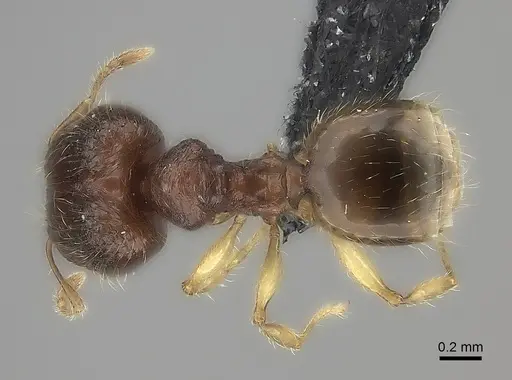
CASENT0235043
View on AntWeb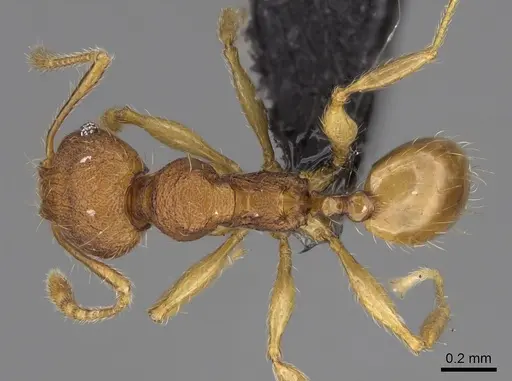
CASENT0496936
View on AntWeb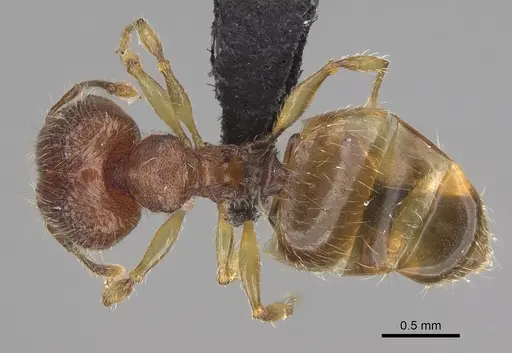
CASENT0498297
View on AntWeb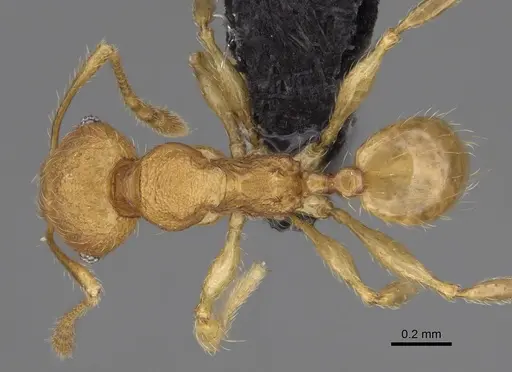
CASENT0498298
View on AntWeb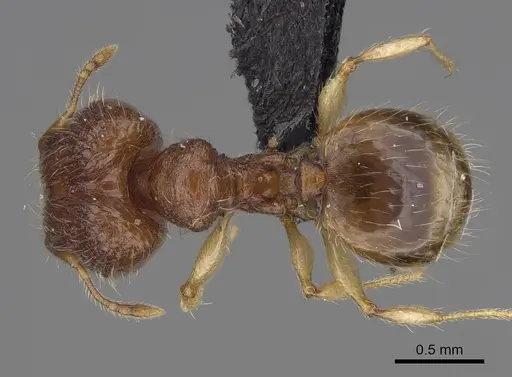
Literature
Loading distribution map...Loading products...