
Pheidole lignicola
- Sci. Name
- Pheidole lignicola
- Tribe
- Attini
- Subfamily
- Myrmicinae
- Author
- Mayr, 1887
- Distribution
- Found in 2 countries
Introduction
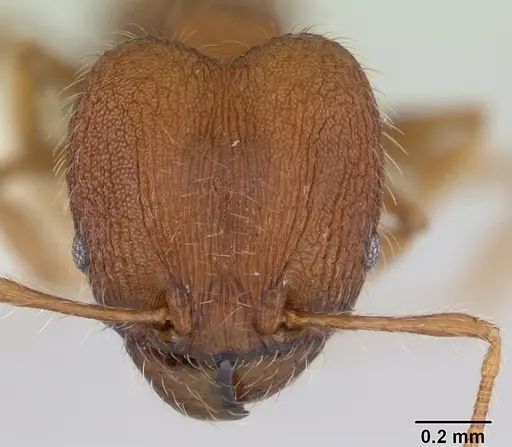
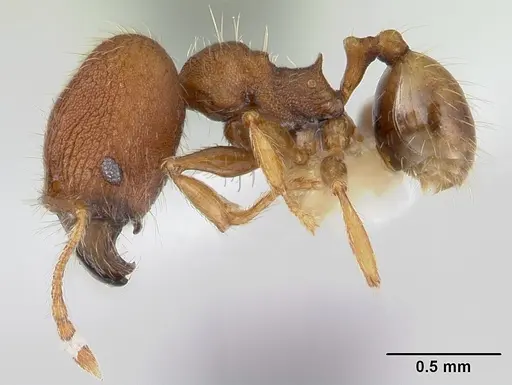
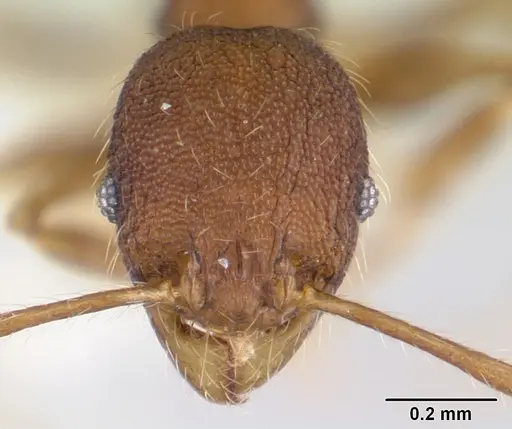
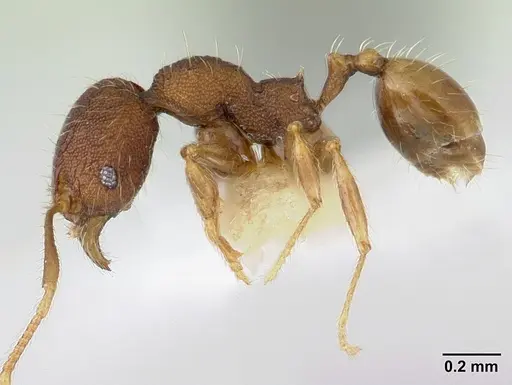
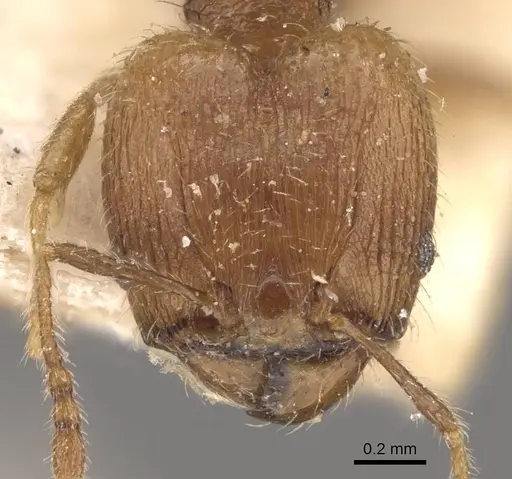
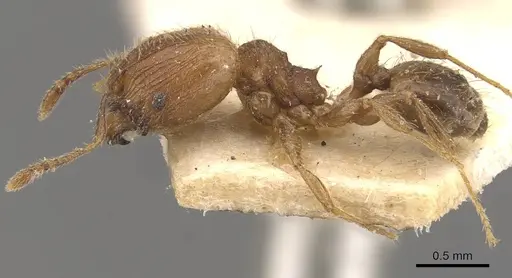
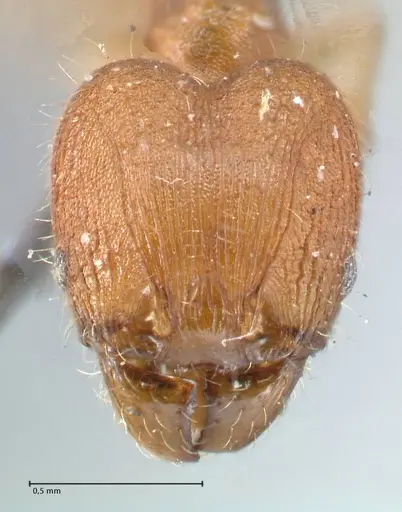
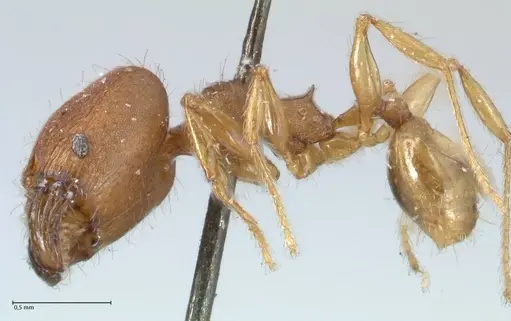
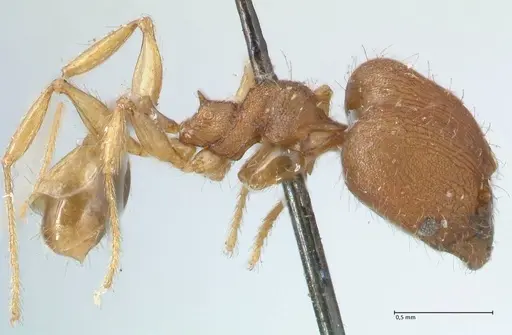
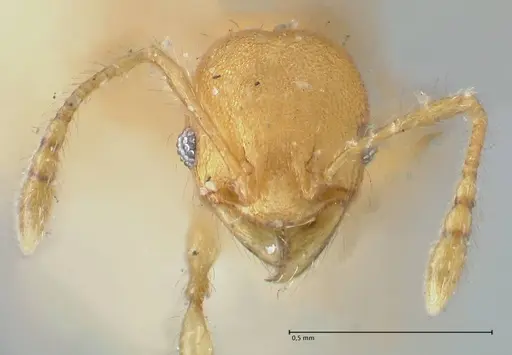
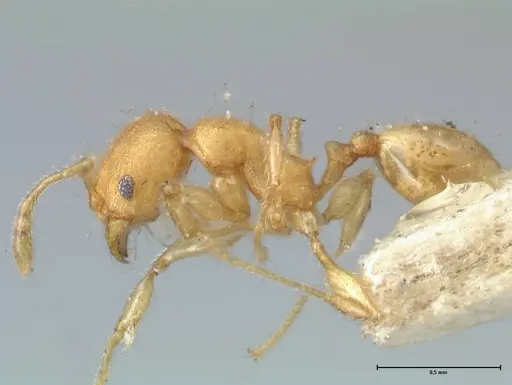
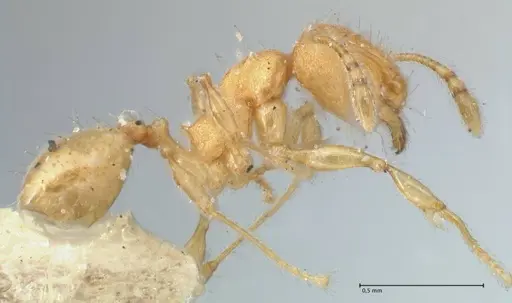
Pheidole lignicola is a small ant species native to the Neotropical region, found in Argentina, Brazil, and Paraguay . The species name 'lignicola' means 'dwelling in wood' in Latin, suggesting it naturally nests in rotting wood or similar wooden structures . Size data unavailable - no body size measurements are provided in the literature . Both castes are yellowish brown in color . This species is only known from type specimens, and its complete biology has never been documented .
Quick Summary
- Difficulty: Hard
- Origin & Habitat: Neotropical region, Argentina, Brazil, and Paraguay [1].
- Colony Type: Unconfirmed. Based on typical Pheidole genus patterns, likely single-queen colonies [1].
- Size & Growth:
- Queen: Unknown, no queen specimens have been described [1]
- Worker: Size data unavailable, no total length measurements provided [1]
- Colony: Unknown, no colony size data exists for this species
- Growth: Unknown
- Development: Unknown, no development data exists for this species. Based on typical Pheidole genus patterns, estimate 6-8 weeks from egg to worker at warm temperatures [1]. (No direct data available. Estimates based on related Pheidole species.)
- Antkeeping:
- Temperature: Based on Neotropical origin, aim for 22-26°C. Room temperature within this range is acceptable [1].
- Humidity: Keep nest substrate consistently moist but not waterlogged. Based on wood-dwelling preference, they may tolerate slightly drier conditions [1].
- Diapause: Unknown for this species. As a Neotropical ant, they likely do not require hibernation [1].
- Nesting: Based on species name meaning 'dwelling in wood', they prefer nesting in wood or wood-based substrates. A Y-tong nest, plaster nest, or naturalistic setup with rotting wood works well [1].
- Behavior: Behavior is unconfirmed. Based on typical Pheidole patterns, they are docile and non-aggressive. Major workers have large heads for seed-cracking, and minor workers handle foraging. Their small size means escape prevention is critical [1].
- Common Issues: lack of documented biology makes specific care recommendations uncertain [1], escape prevention is critical due to their tiny size [1], no confirmed temperature or humidity requirements exist, keepers must experiment [1], slow growth is common with poorly studied species [1], wild-caught colonies may have parasites that kill them in captivity [1]
Nest Preferences
The species name 'lignicola' means 'dwelling in wood', indicating this ant naturally nests in rotting wood or similar wooden microhabitats [1]. In captivity, provide a nest that mimics this preference. A Y-tong nest works well because it provides dark, enclosed chambers. Alternatively, a plaster nest or naturalistic setup with pieces of rotting wood allows them to exhibit natural nesting behavior. The nest should have chambers scaled to their tiny size, passages should be narrow and snug. Avoid large, open spaces that may cause stress. Ensure the nest material can hold some moisture without becoming waterlogged, as wood-dwelling ants typically prefer moderately stable humidity [1].
Feeding and Diet
Feeding habits are unconfirmed for Pheidole lignicola specifically, but Pheidole species in general are omnivorous seed-harvesters that also consume small insects and honeydew [1]. Offer a varied diet including sugar water or honey as an energy source, protein sources like small mealworms or fruit flies, and seeds appropriate for their tiny size. Because major workers have large heads adapted for seed-cracking, offering small seeds like millet or chia seeds allows them to use this specialization. Feed protein sources 2-3 times per week and keep sugar water available constantly. Remove uneaten food promptly to prevent mold. Start with small amounts and observe what the colony accepts, some Pheidole species are more selective than others.
Temperature and Care
No specific temperature data exists for this species, but its Neotropical origin suggests it prefers warm conditions [1]. Aim for 22-26°C in the nest area. Room temperature within this range is acceptable. If your room is cooler, use a heating cable on one side of the nest to create a gentle gradient, place the heating on top of the nest, not underneath, to avoid evaporating moisture too quickly. Observe colony activity to gauge if temperature is appropriate: workers should be active throughout the nest, not clustering excessively near heat or becoming sluggish. Unlike temperate species, Neotropical ants typically do not require a true hibernation period, though they may slow down slightly during cooler months.
Behavior and Temperament
Pheidole lignicola behavior has not been documented, but typical Pheidole species are docile and non-aggressive. Major workers have enlarged heads designed for seed-cracking rather than defense, and they pose no threat to keepers. Minor workers handle most tasks including foraging, brood care, and nest maintenance. As with all tiny ants, escape prevention is critical, they can squeeze through small gaps. Use fine mesh, tight-fitting lids, and apply Fluon or similar barriers to the rim of the outworld. They are likely diurnal foragers that search for seeds and small prey. Expect to see major workers occasionally emerge to help process larger food items. [1]
Colony Establishment
Since this species is only known from type specimens and has never been kept in captivity, establishing a colony requires careful approach. If obtaining wild-caught specimens, watch for signs of stress or parasites. Queens have never been described for this species, so colony founding in captivity may require finding a mated queen in the wild. Based on typical Pheidole patterns, founding is likely claustral, the queen seals herself in a chamber and lives off stored fat until first workers emerge. Expect a slow establishment period, as poorly studied species often take time to adapt to captive conditions. Start with minimal disturbance and gradually introduce food. Many exotic ant species fail to establish in captivity due to unknown requirements, so be prepared to experiment with temperature, humidity, and diet. [1]
Frequently Asked Questions
How do I care for Pheidole lignicola ants?
Since Pheidole lignicola biology is completely undocumented, care is based on typical Pheidole genus requirements. Keep them at 22-26°C in a nest that mimics their wood-dwelling preference, a Y-tong or plaster nest works well. Feed varied diet including sugar water, small seeds, and protein sources like fruit flies. Their small size means escape prevention must be excellent.
What do Pheidole lignicola ants eat?
Based on typical Pheidole diet, offer sugar water or honey for energy, small seeds they can crack with their major workers, and small insects like fruit flies or pinhead crickets for protein. Remove uneaten food promptly to prevent mold.
How long does it take for Pheidole lignicola to develop from egg to worker?
No development data exists for this specific species. Based on typical Pheidole genus patterns, estimate 6-8 weeks from egg to first worker at optimal warm temperatures (around 24°C).
What size colony does Pheidole lignicola reach?
Colony size is unknown, no colony data exists for this species. Related Pheidole species typically reach several hundred to a few thousand workers.
Are Pheidole lignicola good for beginners?
This species is not recommended for beginners due to completely undocumented biology. Without established care guidelines, keeping this species successfully requires experience with ant keeping and willingness to experiment. Consider starting with better-documented species.
What temperature do Pheidole lignicola need?
Based on their Neotropical origin, aim for 22-26°C. Room temperature within this range is acceptable. Use a gentle heat gradient if your room is cooler.
Do Pheidole lignicola need hibernation?
Diapause requirements are unknown for this species. As a Neotropical species from Argentina, Brazil, and Paraguay, they likely do not require true hibernation but may slow activity during cooler months.
What nest type is best for Pheidole lignicola?
Based on the species name meaning 'dwelling in wood', provide a nest that mimics wood habitats. Y-tong nests, plaster nests, or naturalistic setups with rotting wood pieces work well. Ensure chambers are small and passages narrow to match their tiny size.
Can I keep multiple Pheidole lignicola queens together?
Colony structure is unconfirmed for this species. Based on typical Pheidole patterns, they likely form single-queen colonies. Combining unrelated queens is not recommended without documented evidence that they accept multiple queens.
Why is my Pheidole lignicola colony dying?
Without documented care requirements, colonies often fail due to mismatched conditions. Common issues include: temperature too high or too low, humidity inappropriate for the species, stress from excessive disturbance, parasites from wild-caught specimens, or escape-related losses. Start with conservative conditions (moderate humidity,22-26°C) and adjust gradually based on colony response.
Where is Pheidole lignicola found?
This species is found in the Neotropical region: Argentina, Brazil, and Paraguay [1].
Report an Issue
The current care sheet is based fully on literature. See inconsistencies, or something that's incorrect? Please , it will be resolved after review from an admin. Contributing to the blogs tab also helps providing information, to make us be able to further improve the caresheets. Thank you for your support!
References

This caresheet is licensed under CC BY-SA 4.0 .
Community Blogs
CASENT0178033
View on AntWeb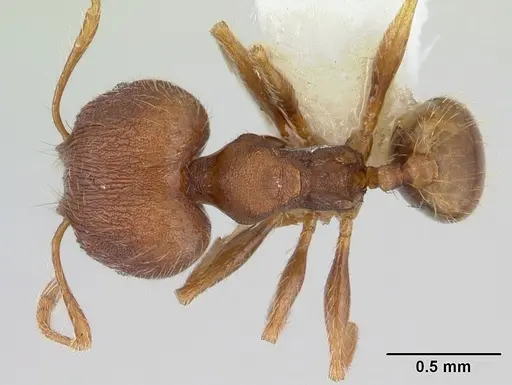
CASENT0178034
View on AntWeb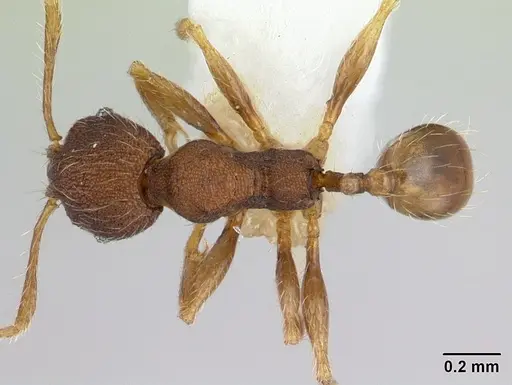
CASENT0901596
View on AntWeb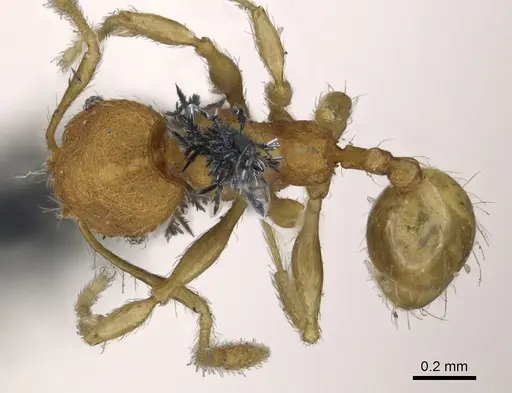
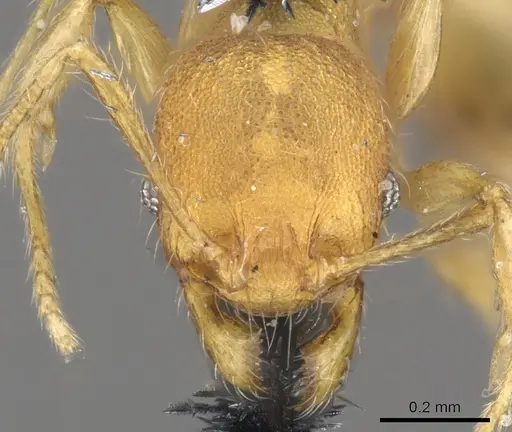
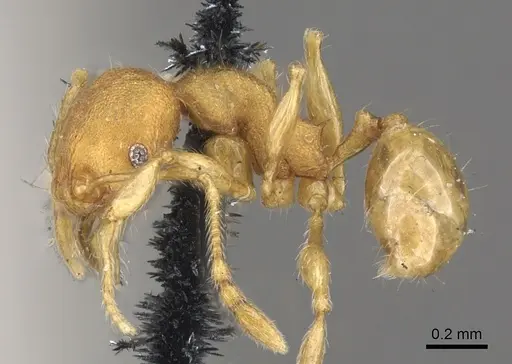
CASENT0901597
View on AntWeb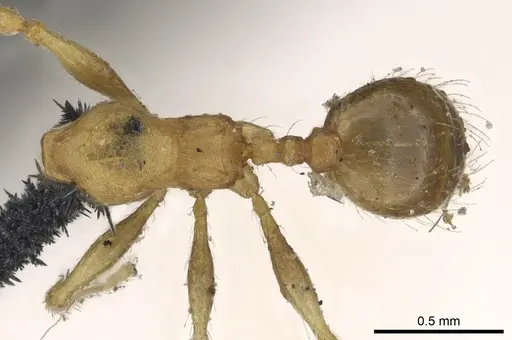
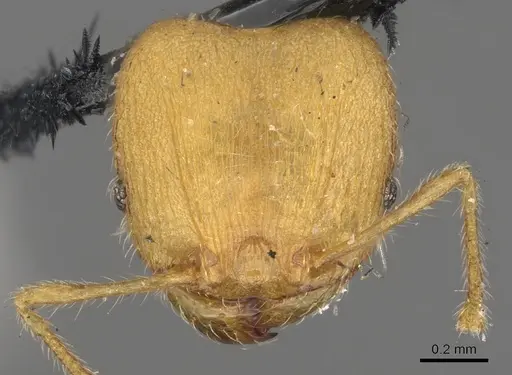
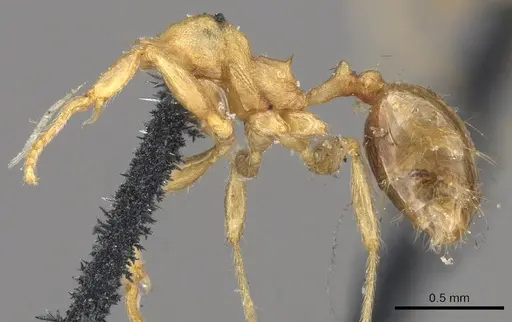
CASENT0908287
View on AntWeb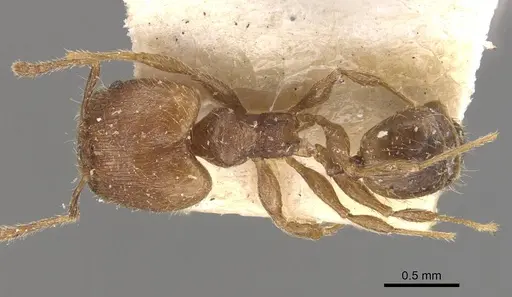
CASENT0908288
View on AntWeb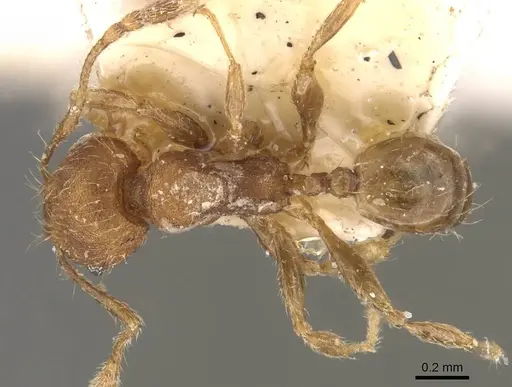
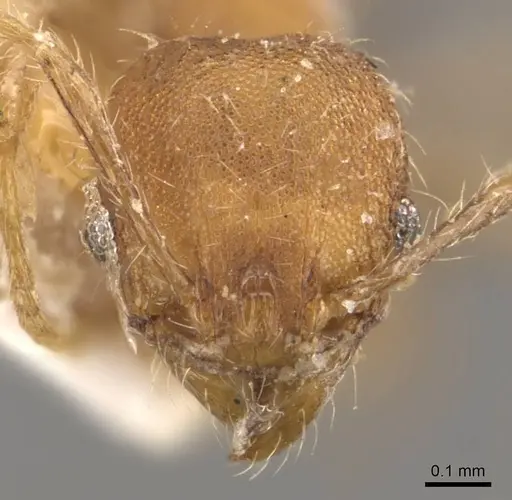
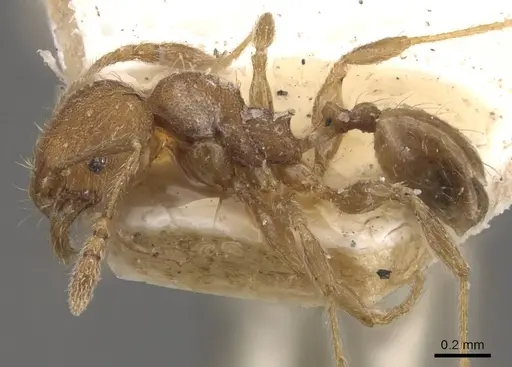
CASENT0916063
View on AntWeb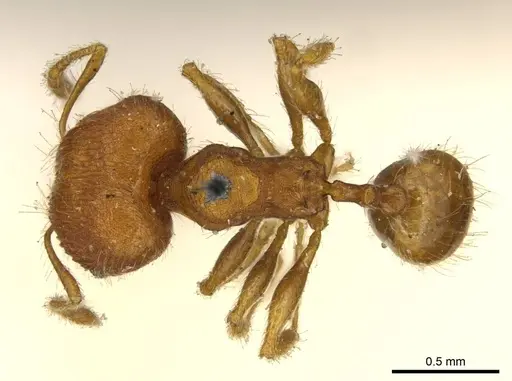
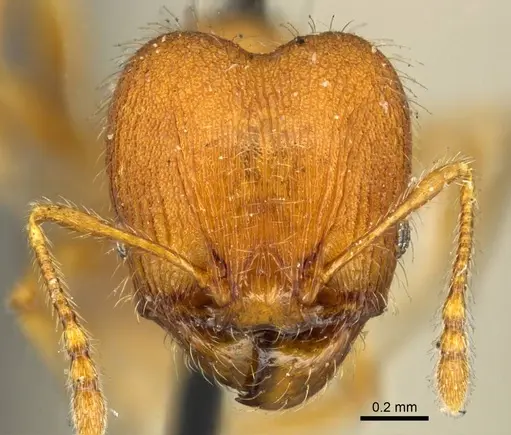
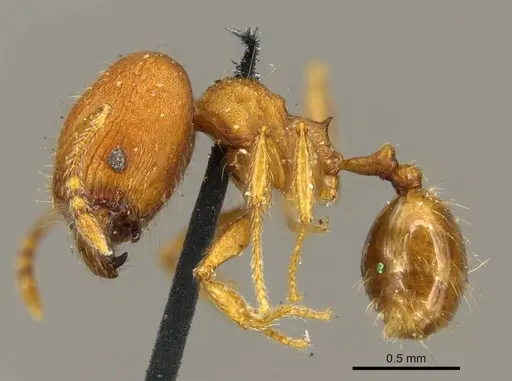
CASENT0916064
View on AntWeb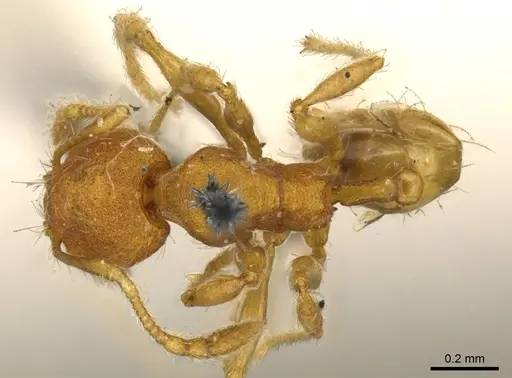
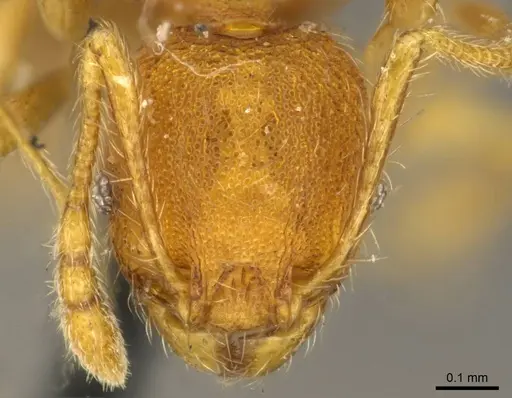
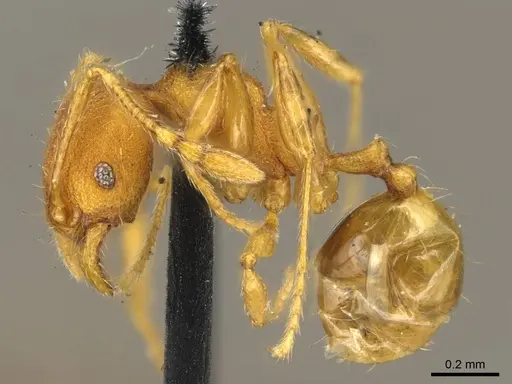
FOCOL1559
View on AntWeb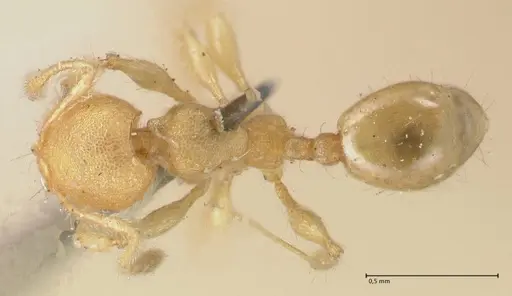
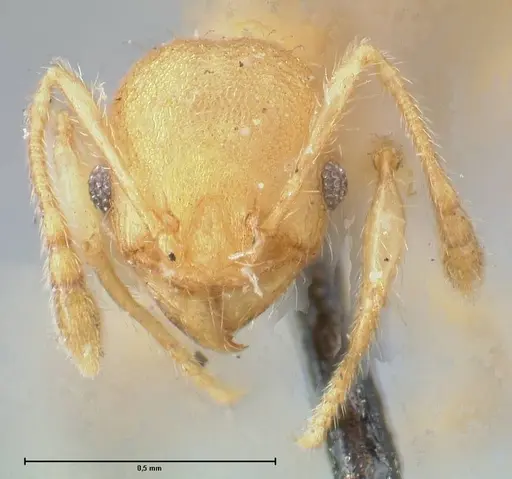
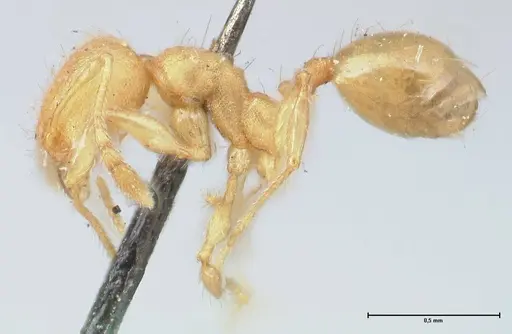
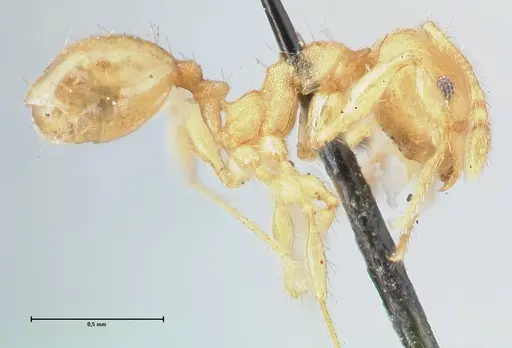
FOCOL1560
View on AntWeb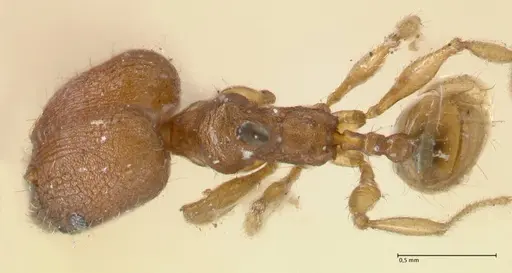
FOCOL1561
View on AntWeb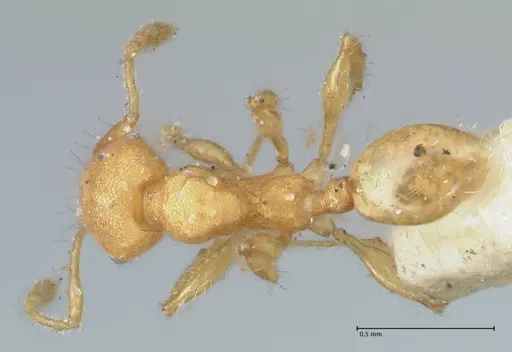
Literature
Loading distribution map...Loading products...