
Pheidole lemnisca
- Sci. Name
- Pheidole lemnisca
- Tribe
- Attini
- Subfamily
- Myrmicinae
- Author
- Wilson, 2003
- Distribution
- Found in 2 countries
Introduction
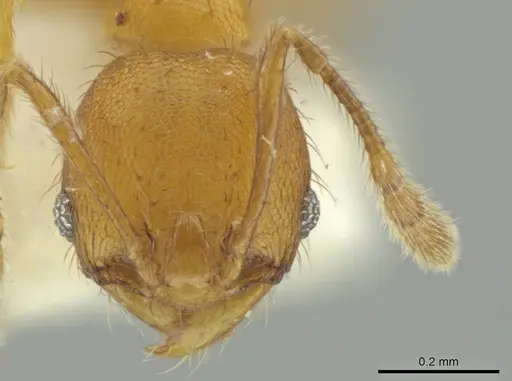
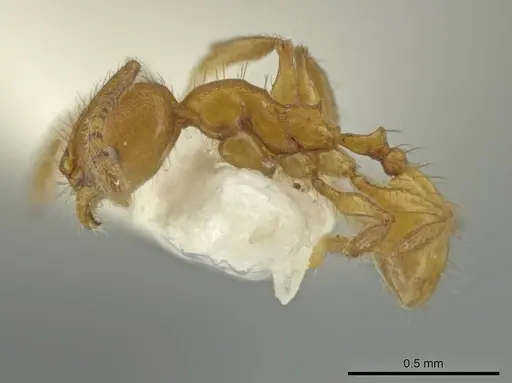
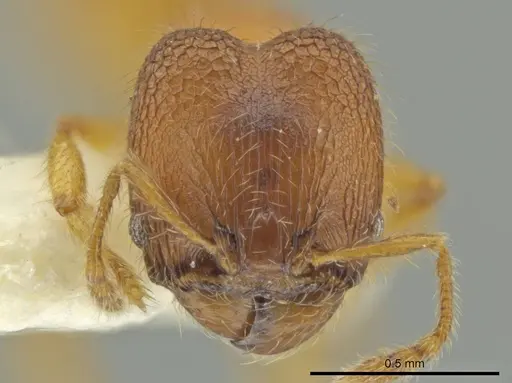
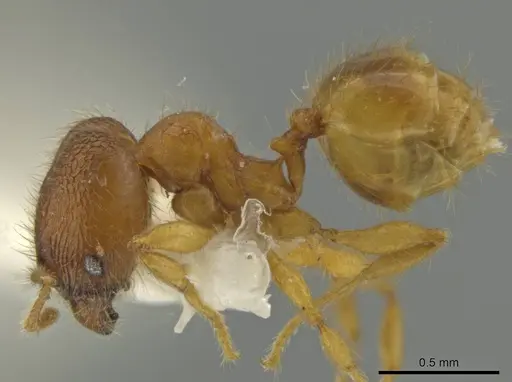
Pheidole lemnisca is a tiny tropical ant known only from type specimens collected in the Chocó region of Colombia and Ecuador. Major workers have a distinctive color pattern: they are almost entirely yellow except for a brown transverse band across each abdominal segment and a light brown spot on the head. They also have a unique needle-shaped propodeal spine. Minor workers are uniformly yellow. The species name 'lemnisca' means 'ribbon' or 'band', referring to those characteristic brown stripes on the abdomen. Based on related Amazonian Pheidole, these ants nest in twigs and have high flood tolerance, adapting them to the wet lowland forest floor .
Quick Summary
- Difficulty: Unknown, data extremely limited
- Origin & Habitat: Chocó region of Colombia and Ecuador, tropical wet forest floor [3][1][4]
- Colony Type: Unconfirmed, likely single-queen based on typical Pheidole patterns [1]
- Size & Growth:
- Queen: Unknown, not described in type material [1]
- Worker: Size data unavailable, known only from head measurements (major head width 0.70mm, minor 0.42mm) but total length not recorded [1]
- Colony: Unknown, only type colony studied
- Growth: Unknown, estimated moderate based on genus patterns
- Development: Unknown, estimated 6-8 weeks based on related tropical Pheidole (No direct development data exists. Estimates based on genus-level patterns for small tropical Pheidole species.)
- Antkeeping:
- Temperature: Unknown, likely 24-28°C based on tropical origin. Start around 26°C and observe colony activity.
- Humidity: Unknown, likely high (70-80%) based on wet forest floor habitat in Chocó. Keep substrate consistently moist.
- Diapause: Unlikely, tropical species from a region without cold winters. No diapause expected. [3][4]
- Nesting: Based on related Amazonian Pheidole: prefers small cavities like twigs, hollow stems, or small test tubes. Tight chambers scaled to their tiny size work best. [2]
- Behavior: Based on genus patterns: these are ground-foraging ants that likely harvest seeds and small insects. Major workers have the distinctive large head typical of Pheidole for seed-crushing. Minor workers forage while majors defend the colony. Escape prevention should be excellent given their tiny size, they can slip through standard test tube barriers. The species produces a functional stinger (subfamily Myrmicinae, tribe Attini).
- Common Issues: extreme data limitation, no captive husbandry information exists, tiny size means escape prevention is critical even for small ants, no confirmed diet acceptance, only infer from genus patterns, unknown founding behavior makes colony establishment risky, no information on compatibility with other colonies or species
Nest Preferences
Pheidole lemnisca is likely a twig-nesting species, based on related Amazonian Pheidole that nest in small twigs and have high flood tolerance [2]. In captivity, provide small, tight cavities such as test tubes with cotton plugs, or Y-tong nests with narrow chambers. The Chocó region is extremely wet, so they tolerate high humidity well. Avoid large, open spaces, these tiny ants feel secure in small chambers. A naturalistic setup with small twigs or stems could work if humidity is maintained. [2][1]
Feeding and Diet
Pheidole species are typically seed-harvesters with major workers equipped with large, powerful mandibles for cracking seeds. They also hunt small insects. In captivity, offer a varied diet including small seeds (millet, sesame), protein sources (fruit flies, small mealworms, cricket pieces), and occasional sugar water or honey. Start with small offerings and observe what they accept. Given their tiny size, prey items should be appropriately small, flightless fruit flies or pinhead crickets work well. Remove uneaten food within 24-48 hours to prevent mold.
Temperature and Care
As a tropical species from the Chocó region of Colombia and Ecuador, Pheidole lemnisca likely requires warm, stable temperatures in the range of 24-28°C. The Chocó is a lowland tropical rainforest region with year-round warmth and high humidity. Start around 26°C and monitor colony behavior, if workers become sluggish, slightly increase temperature, if they cluster away from heat, reduce it. No hibernation or winter rest is expected for this tropical species. Maintain humidity by keeping the nest substrate moist but not waterlogged. [3][1][4]
Behavior and Temperament
Pheidole ants are known for their polymorphic worker caste system, small minor workers handle most foraging and nursing duties while large major workers defend the colony and process seeds. Major workers have the characteristic large head with powerful mandibles. These ants are likely ground-foraging and may form foraging trails. Minor workers are extremely tiny, making escape prevention critical, they can squeeze through gaps that seem impossible. Use fine mesh barriers and ensure all connections are sealed. While not aggressive toward humans, major workers can deliver a mild sting if threatened (subfamily Myrmicinae, tribe Attini). [1]
Frequently Asked Questions
How long does it take for Pheidole lemnisca to produce first workers?
Unknown. Based on typical small tropical Pheidole, estimate 6-8 weeks at optimal temperature (around 26°C). No direct data exists.
Can I keep Pheidole lemnisca in a test tube?
Yes, a test tube setup should work well. These are tiny twig-nesting ants, so use a small test tube with appropriate moisture. Ensure escape prevention is excellent due to their tiny size. [2]
What do Pheidole lemnisca ants eat?
Based on typical Pheidole diet: small seeds, insects, and other small protein sources. Offer varied foods including millet seeds, fruit flies, small mealworm pieces, and occasional sugar water. Start with small amounts and observe preferences.
Are Pheidole lemnisca good for beginners?
No. This species has no captive husbandry data and is extremely poorly known. Only experienced antkeepers with excellent record-keeping should attempt this species. The lack of any established care protocols makes success uncertain.
How big do Pheidole lemnisca colonies get?
Unknown. Based on limited data, colonies likely remain small, probably under 100 workers. This is typical for poorly studied tropical Pheidole species.
Do Pheidole lemnisca need hibernation?
No. This is a tropical species from the Chocó region of Colombia/Ecuador, which has no cold winter. They should be kept warm year-round without any diapause period. [3][4]
Why are my Pheidole lemnisca dying?
Without any captive data, causes of mortality are speculative. Likely issues include: temperature too low (keep 24-28°C), humidity wrong (keep moist but not wet), escape-related losses (tiny size enables escapes), or stress from inadequate nesting space. Document conditions carefully and adjust gradually.
Can I keep multiple queens together?
Unknown. Pheidole are typically single-queen colonies, but colony structure has not been documented for this species. Do not attempt combining unrelated queens without data.
When should I move Pheidole lemnisca to a formicarium?
Start in a test tube setup. Move to a formicarium only when the colony is well-established with 20+ workers and the test tube shows signs of degradation. For this poorly known species, err on the side of leaving them in the test tube longer.
Report an Issue
The current care sheet is based fully on literature. See inconsistencies, or something that's incorrect? Please , it will be resolved after review from an admin. Contributing to the blogs tab also helps providing information, to make us be able to further improve the caresheets. Thank you for your support!
References

This caresheet is licensed under CC BY-SA 4.0 .
Community Blogs
CASENT0645815
View on AntWeb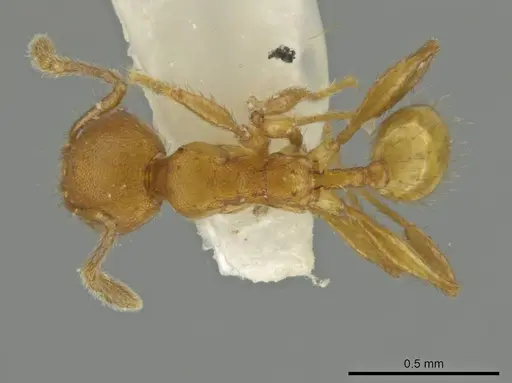
JTLC000016431
View on AntWeb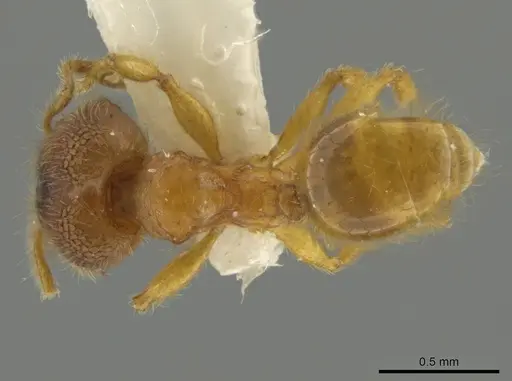
Literature
Loading distribution map...Loading products...