
Pheidole laselva
- Sci. Name
- Pheidole laselva
- Tribe
- Attini
- Subfamily
- Myrmicinae
- Author
- Wilson, 2003
- Distribution
- Found in 3 countries
Introduction
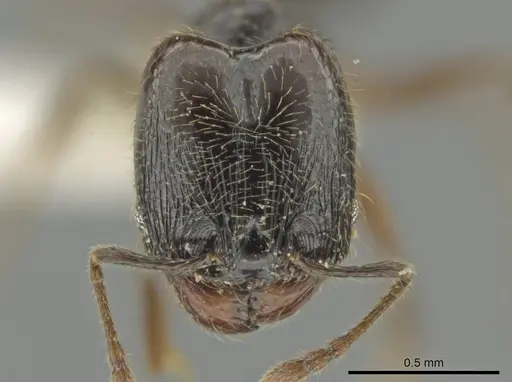
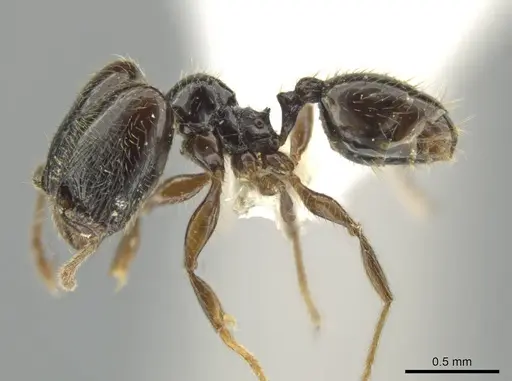
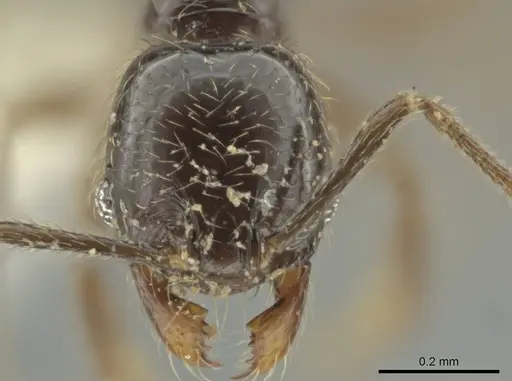
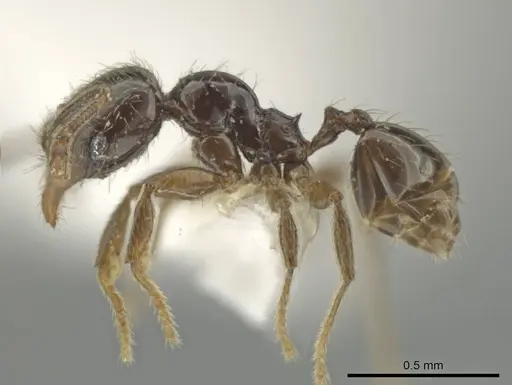
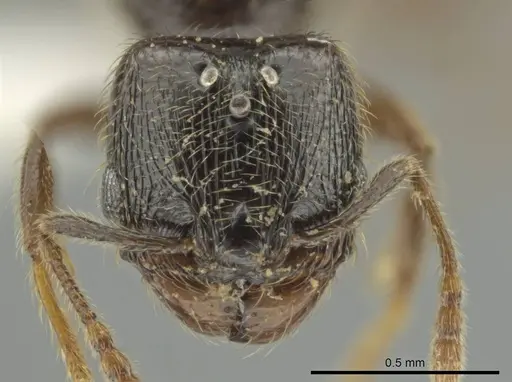
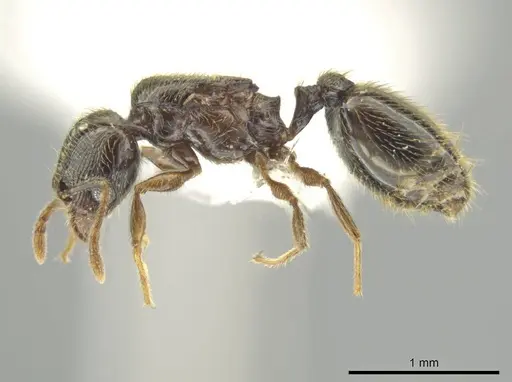
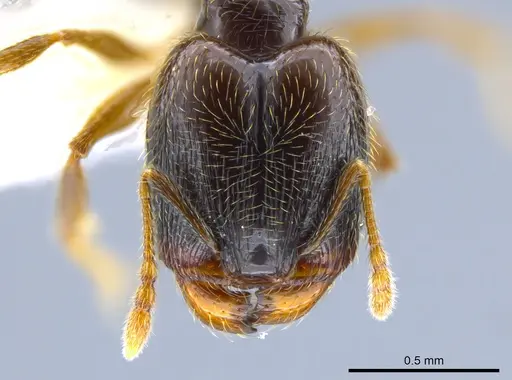
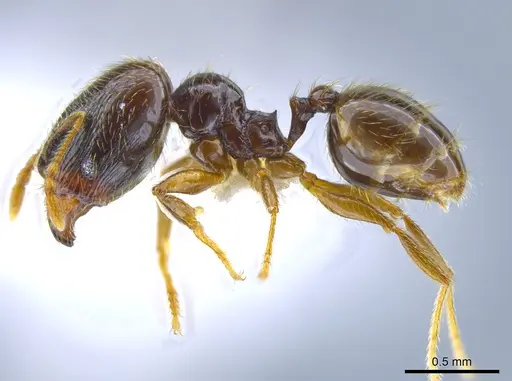
Pheidole laselva is a small Neotropical ant native to Central and South America, ranging from Honduras down through Costa Rica, Panama, Colombia, Ecuador, and Venezuela . This species has a distinct caste system with major and minor workers. Major workers are medium brown with yellowish legs, while minors are tan with a medium brown gaster . Total length measurements are not directly available; based on typical Pheidole patterns, majors are roughly 3–5 mm and minors about 2–3 mm – these are inferred from the genus. What makes Pheidole laselva interesting is its preference for mature wet forest habitats and its nesting behavior: they live in soft rotten wood and under loose bark of rotting logs . Workers are commonly found at baits and in leaf litter samples, showing they are active foragers. The species was originally described twice – first as Pheidole ebenina and later as Pheidole laselva – but Longino in 2009 synonymized the two, with laselva being the senior name .
Quick Summary
- Difficulty: Medium
- Origin & Habitat: Mature wet forest habitats in Central and South America (Honduras, Nicaragua, Panama, Costa Rica, Colombia, Ecuador, Venezuela). In Costa Rica, common below 500 m elevation but found up to 1220 m. Populations in Colombia and Ecuador are typically in montane areas above 500 m [2][3][1].
- Colony Type: Colony structure is not explicitly documented in available research. Based on typical Pheidole genus patterns, colonies are likely single-queen (monogyne). Winged reproductives have been found in nests during January, March, and late July [1].
- Size & Growth:
- Queen: Queen total length not directly measured. Inferred from Pheidole genus as approximately 5–7 mm.
- Worker: Major worker total length approximately 3–5 mm, minor worker approximately 2–3 mm – inferred from Pheidole genus. No direct total length measurements exist in literature.
- Colony: Colony size not directly documented. Based on typical Pheidole patterns, likely reaches several hundred workers.
- Growth: Moderate – estimated from genus patterns.
- Development: Estimated 6–8 weeks based on typical Pheidole genus development at warm temperatures (24–28°C). (Development likely faster than temperate species due to tropical origin. Nanitics (first workers) typically emerge smaller than normal workers.)
- Antkeeping:
- Temperature: Based on its tropical lowland wet forest habitat, keep warm and stable, around 24–28°C. Create a slight gradient so the colony can choose. Avoid temperatures below 20°C for extended periods. [2]
- Humidity: High humidity is essential – nest substrate should be consistently moist but not waterlogged. Aim to replicate the dampness of a wet forest floor. Provide a water tube or shallow dish. Good ventilation prevents mold while keeping humidity high. [2][3]
- Diapause: No diapause required. As a tropical species, they do not need hibernation. Maintain warm conditions year-round. Slight temperature drops during cooler months may be tolerated if the colony shows reduced activity. [2]
- Nesting: In nature they nest in soft rotten wood and under loose bark of rotting logs. In captivity, Y-tong (AAC) nests, plaster nests, or naturalistic setups with rotting wood pieces work well. Chambers should be small to suit the tiny workers. Test tubes work for founding but upgrade as the colony grows. [2][3]
- Behavior: Pheidole laselva is an active forager with minor and major workers. Majors are larger and typically handle larger prey, while minors manage small food items. They are not particularly aggressive toward keepers but will defend the nest. Majors can deliver a mild sting if handled roughly (a typical trait of this subfamily). Escape risk is moderate – their small size means they can squeeze through tiny gaps, so use tight-fitting lids and barrier methods. They are commonly attracted to sugar and protein baits in the wild. [2][5]
- Common Issues: high humidity needs can lead to mold problems if ventilation is poor – ensure adequate airflow while maintaining moisture, slow early growth may cause beginners to overfeed, leading to mold in the nest – be patient and feed small amounts, tropical species does not tolerate cool temperatures – keep away from air conditioning drafts and cold rooms, rotting wood nesting preference means nest material can degrade faster – inspect and replace as needed, wild-caught colonies may contain parasites – quarantine and monitor new colonies closely
Housing and Nest Setup
Pheidole laselva does well in several nest types, but the key is replicating their natural preference for rotting wood. A Y-tong (AAC) nest works well, or you can use a plaster nest with added wood pieces. For founding colonies, a simple test tube setup with a cotton ball for water is sufficient. As the colony grows, consider upgrading to a formicarium with multiple chambers. The nest chambers should be appropriately sized – these are small ants, so tight-fitting chambers help them feel secure. Add some rotting wood chips or small pieces of bark in the outworld to provide enrichment and mimic their natural foraging environment. Make sure the outworld has a secure lid – these small ants can squeeze through surprisingly small gaps. [2][3]
Feeding and Diet
In the wild, Pheidole laselva workers are commonly found at baits, indicating they are opportunistic foragers [2]. They likely feed on honeydew, small insects, and various protein sources. In captivity, offer a varied diet: sugar water or honey as a constant energy source, and protein-rich foods like small crickets, mealworms, fruit flies, or other small insects. Feed protein 2–3 times per week, and remove any uneaten prey after 24 hours to prevent mold. They are not picky eaters, but avoid offering prey that is too large – the minor workers are very small. A shallow water dish or water tube should always be available.
Temperature and Humidity
As a tropical wet forest species from Central America, Pheidole laselva needs warm and humid conditions. Keep the nest at 24–28°C. You can use a heating cable on one side of the nest to create a gentle gradient, but avoid direct heat that could dry out the nest too quickly. Humidity is critical – these ants naturally live in damp forest environments. Keep the nest substrate consistently moist but not waterlogged. If using a test tube setup, ensure the water reservoir is adequate but not so large that it floods the colony. The nest material should feel damp to the touch. Good ventilation helps prevent mold while maintaining humidity. [2][3]
Colony Development and Growth
Pheidole laselva colonies grow moderately fast once established. The queen lays eggs, which develop through larval and pupal stages before emerging as nanitic (first) workers. These initial workers are typically smaller than normal workers. The colony grows as the queen continues laying and more workers emerge. Major workers appear when the colony reaches several dozen workers – these larger workers assist with defense and processing larger food items. Winged reproductives (alates) have been found in nests during January, March, and late July in the wild [1]. Colonies may take several months to reach 50 workers and a year or more to reach several hundred, depending on feeding and conditions.
Seasonal Care
Unlike temperate ants, Pheidole laselva does not require a winter diapause. Maintain warm temperatures year-round. If your room temperature naturally drops in winter, consider using a small heater or heating mat to keep the nest in the optimal range. The colony may show slightly reduced activity during cooler months, which is normal. Do not cool them dramatically or attempt to hibernate them – this is a tropical species that does not tolerate cold. Continue feeding throughout the year, perhaps slightly less during periods of lower activity. Keep humidity consistent regardless of season. [2][3]
Frequently Asked Questions
How long does it take for Pheidole laselva to produce first workers?
First workers (nanitics) typically emerge in 6–8 weeks after the queen lays eggs, assuming optimal temperatures of 24–28°C. This is an estimate based on typical Pheidole genus development, as specific development data for this species is not available.
What do Pheidole laselva ants eat?
They are opportunistic feeders that accept sugar sources (honey, sugar water) and protein (small insects like fruit flies, pinhead crickets, mealworms). Feed protein 2–3 times per week and keep sugar water available constantly. Remove uneaten food after 24 hours to prevent mold.
Can I keep multiple Pheidole laselva queens together?
Not recommended. While Pheidole colony structures are not fully documented for this species, combining unrelated queens risks fighting. Start with a single queen colony for best success.
What temperature is best for Pheidole laselva?
Keep them at 24–28°C. This tropical species prefers warm conditions and does not tolerate temperatures below 20°C for extended periods. A slight temperature gradient in the nest is beneficial.
Are Pheidole laselva good for beginners?
They are rated as medium difficulty. They require warm, humid conditions and have specific nesting preferences (rotting wood). They are small and can be escape risks. Experienced antkeepers will have more success with this species.
How big do Pheidole laselva colonies get?
Colony size is not specifically documented, but based on typical Pheidole patterns, colonies likely reach several hundred workers. Growth is moderate – expect several months to reach 50 workers and a year or more for larger colonies.
What type of nest does Pheidole laselva need?
In nature they nest in soft rotten wood and under loose bark of rotting logs. In captivity, Y-tong (AAC) nests, plaster nests with wood pieces, or naturalistic setups work well. The chambers should be appropriately sized for their small workers.
Do Pheidole laselva need hibernation?
No. As a tropical species from wet forests in Central America, they do not require hibernation or diapause. Maintain warm conditions year-round.
Why are my Pheidole laselva dying?
Common causes include: temperatures too cold (below 20°C), humidity too low or too high (leading to mold or desiccation), poor ventilation, mold from overfeeding, or parasites from wild-caught colonies. Check all environmental parameters and ensure the colony is in appropriate conditions.
Report an Issue
The current care sheet is based fully on literature. See inconsistencies, or something that's incorrect? Please , it will be resolved after review from an admin. Contributing to the blogs tab also helps providing information, to make us be able to further improve the caresheets. Thank you for your support!
References

This caresheet is licensed under CC BY-SA 4.0 .
Community Blogs
CASENT0619410
View on AntWeb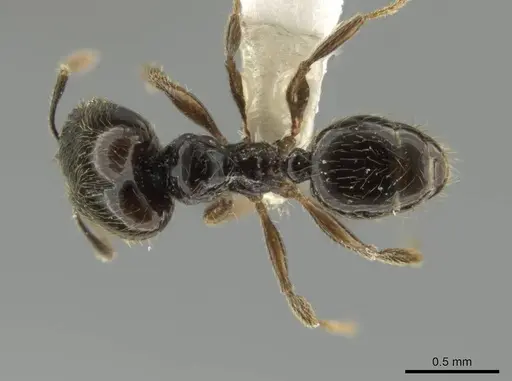
CASENT0619411
View on AntWeb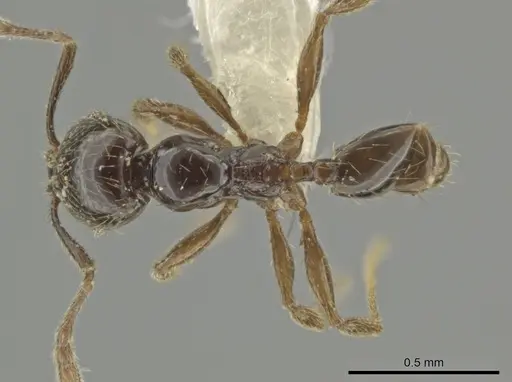
CASENT0619650
View on AntWeb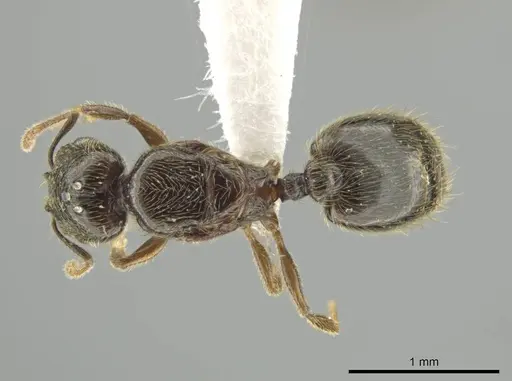
CASENT0637868
View on AntWeb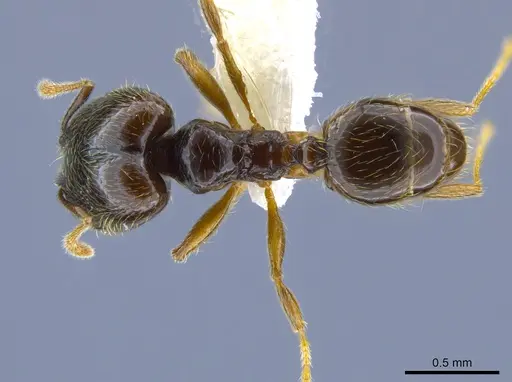
Literature
Loading distribution map...Loading products...