
Pheidole komori
- Sci. Name
- Pheidole komori
- Tribe
- Attini
- Subfamily
- Myrmicinae
- Author
- Fischer & Fisher, 2013
- Distribution
- Found in 2 countries
Introduction
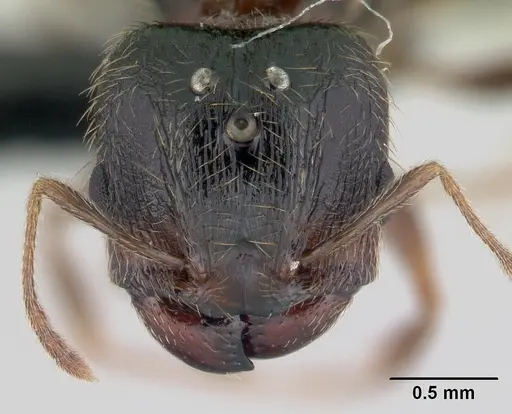
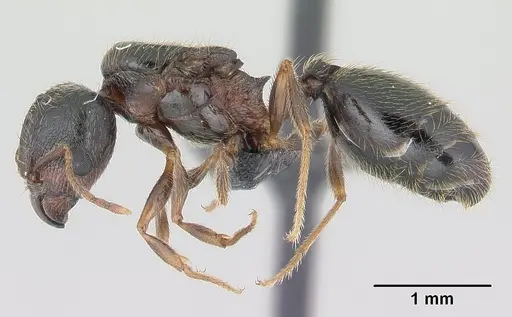
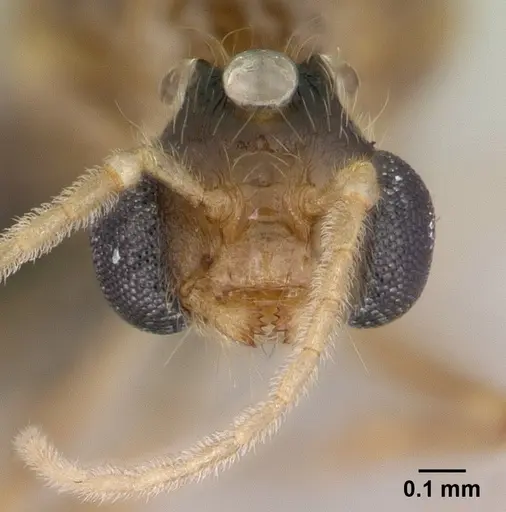
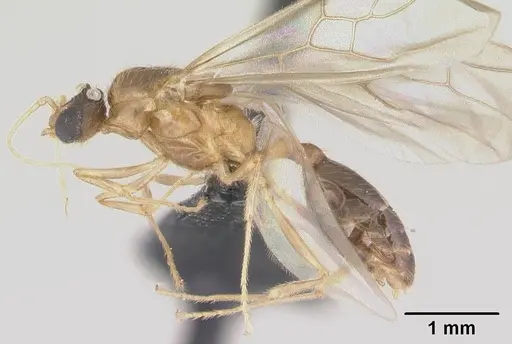
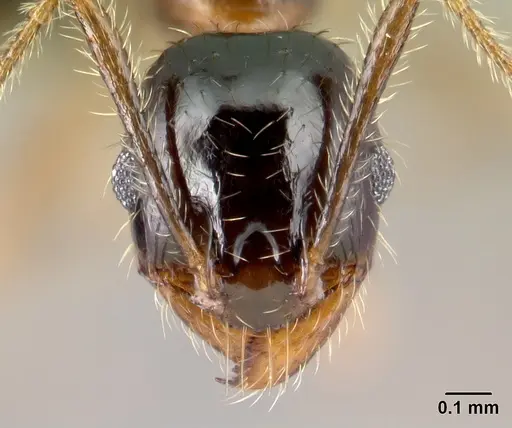
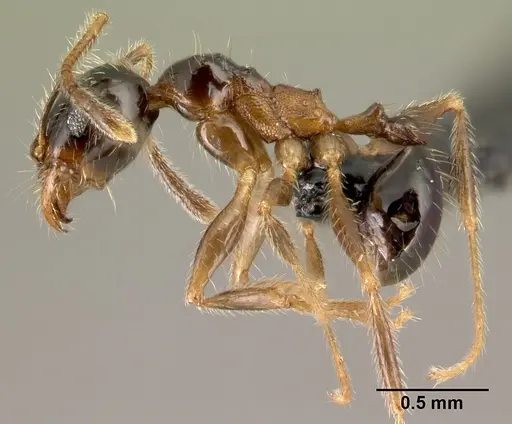
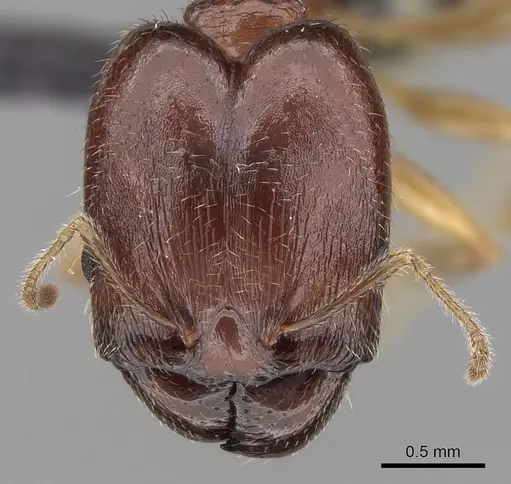
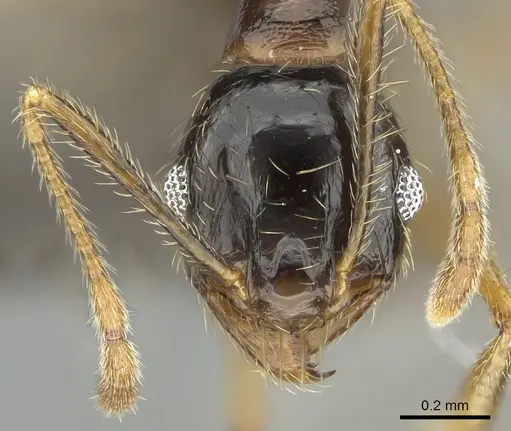
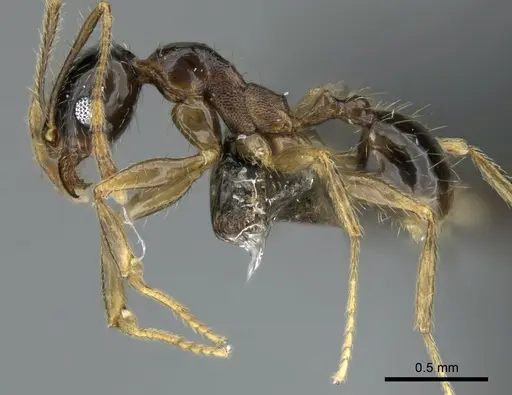
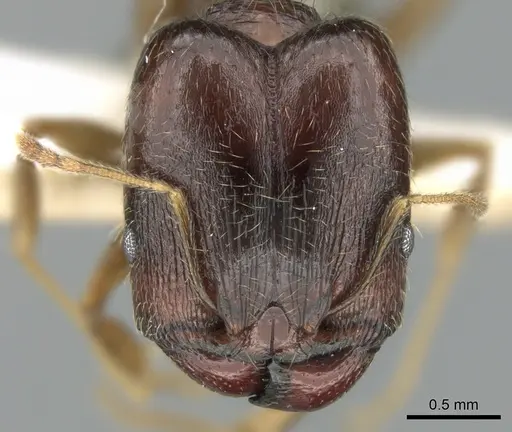
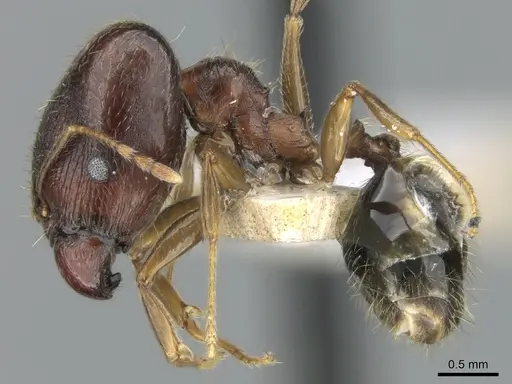
Pheidole komori is a Pheidole species native to the Comoros islands (Mohéli and Anjouan) and also found in Mozambique's Gorongosa National Park . It inhabits dry forest, coastal scrub land, roadside areas, and secondary forest at low elevations between 5-50 meters . The species was described in 2013 by Fischer and Fisher. Major workers have an elongated head, while minor workers have long antennae and legs. Both castes have an angulate promesonotal process, and minor workers have a conspicuous ventral process on the postpetiole . The name 'komori' comes from the local Shikomor name for the Comoros islands.
Quick Summary
- Difficulty: Medium
- Origin & Habitat: Comoros islands (Mohéli, Anjouan) and Mozambique (Gorongosa National Park). Found in dry forest, coastal scrub land, secondary forest, sand forest, and along roadsides at elevations of 5-50m [1][2].
- Colony Type: Colony structure is unconfirmed. Based on typical Pheidole patterns, likely single-queen (monogyne) colonies.
- Size & Growth:
- Queen: Size data unavailable, no total length measurements in research context
- Worker: Size data unavailable, no total length measurements in research context
- Colony: Unknown, no colony size data in research context
- Growth: Moderate, inferred from genus patterns
- Development: Estimated 6-10 weeks at optimal temperature, based on genus patterns, specific data for this species is unavailable (Development time inferred from Pheidole genus patterns, temperature dependent)
- Antkeeping:
- Temperature: Keep warm, roughly 22-26°C, as this species comes from tropical islands and lowland areas [1]. Provide a gentle gradient if room temperature is below this range.
- Humidity: Keep nest substrate lightly moist but allow some drying between waterings, as they inhabit dry forests [1].
- Diapause: No diapause required, this is a tropical species from Comoros and Mozambique [1].
- Nesting: Use enclosed nests like Y-tong (AAC), plaster, or test tube setups with dirt fill, as they are collected from under stones and leaf litter in the wild [1].
- Behavior: Generally peaceful and non-aggressive. They have a sting but are not known to be aggressive toward keepers. Major workers defend the nest, but they pose little threat. Escape risk is moderate due to small minor workers, ensure all connections are tight.
- Common Issues: colonies may decline if kept too cold, maintain warm temperatures year-round, wild-caught colonies can carry parasites that cause colony failure in captivity, slow founding phase means colonies need patience, avoid disturbing founding queens, minor workers are small and can escape through gaps in standard formicarium connections
Nest Preferences and Housing
In the wild, Pheidole komori has been collected from under stones and in sifted leaf litter in dry forest environments [1]. This suggests they prefer enclosed, humid nest sites with some protection from direct heat. For captive care, Y-tong (AAC) nests work well because they provide dark, enclosed chambers that mimic natural underground nests. Plaster nests or test tube setups with dirt fill are also suitable. The species tolerates moderate humidity, so avoid overly wet conditions that could cause mold. A nest area of roughly 10x10cm is sufficient for a starting colony, with expansion space needed as the colony grows.
Feeding and Diet
Pheidole species are generalist feeders. In captivity, offer protein sources like small mealworms, fruit flies, or cricket pieces twice weekly, and carbohydrate sources like sugar water, honey, or ripe fruit constantly available. Minor workers are the primary foragers. Remove uneaten protein within 24-48 hours to prevent mold. Fresh water should always be available. This species comes from a relatively dry habitat, so they may not need as much water as rainforest species. [1]
Temperature and Seasonal Care
As a species from tropical Comoros and lowland Mozambique, Pheidole komori prefers warm conditions. Keep the nest area between 22-26°C, with slight variation acceptable. A heating cable placed on top of the nest can maintain warmth during cooler months. Unlike temperate species, they do not require a true hibernation period. Avoid temperatures below 15°C for extended periods. Monitor colony activity, if workers become sluggish, the colony may be too cold. [1]
Behavior and Colony Dynamics
Pheidole komori exhibits the typical Pheidole caste system with distinct major and minor workers. Major workers have enlarged heads for seed processing and colony defense, while minors handle foraging and brood care. The colony will produce more majors as it grows. This species is not aggressive and rarely attempts to sting. Colonies are relatively slow to establish, so patience is needed during the founding phase. [1]
Growth and Development
Specific development data for Pheidole komori is not available, but typical Pheidole species take 6-10 weeks from egg to first worker at optimal temperature. The first generation of workers may be smaller. Growth rate is moderate, expect colonies to reach several hundred workers over 1-2 years under good conditions. Factors that speed growth include consistent warmth, regular protein feeding, and minimal disturbance.
Frequently Asked Questions
How long does it take for Pheidole komori to produce first workers?
Based on typical Pheidole development, expect first workers to emerge 6-10 weeks after the queen lays eggs, assuming temperatures around 24-26°C. The exact timeline for this species is unknown since it hasn't been studied in captivity.
What do Pheidole komori ants eat?
They are generalist feeders. Offer protein sources like small insects twice weekly, and keep carbohydrate sources available constantly. They also need constant access to fresh water [1].
What temperature do Pheidole komori ants need?
Keep them warm at roughly 22-26°C, as they come from tropical areas [1]. A heating cable can help maintain temperatures during cooler months.
Can I keep multiple Pheidole komori queens together?
This has not been documented for this species. Based on typical Pheidole behavior, they likely form single-queen colonies. Combining unrelated queens is not recommended as it often leads to fighting.
How big do Pheidole komori colonies get?
Colony size is not documented for this species. Based on typical Pheidole growth patterns, colonies may reach several hundred workers over 1-3 years under good conditions.
Do Pheidole komori ants need hibernation or diapause?
No, they do not require diapause as this is a tropical species from Comoros and Mozambique [1].
What size formicarium do I need for Pheidole komori?
Start with a small setup like a test tube or small Y-tong for founding colonies. As the colony grows, upgrade to a larger formicarium with multiple chambers.
Why are my Pheidole komori dying during founding?
Common causes include disturbing the queen during founding, keeping temperatures too low, letting the test tube dry out, or overfeeding which causes mold. Keep founding setups in a dark, quiet location with stable warmth and humidity.
Where is Pheidole komori native to?
This species is native to the Comoros islands (Mohéli and Anjouan) and also found in Mozambique's Gorongosa National Park [1].
Report an Issue
The current care sheet is based fully on literature. See inconsistencies, or something that's incorrect? Please , it will be resolved after review from an admin. Contributing to the blogs tab also helps providing information, to make us be able to further improve the caresheets. Thank you for your support!
References

This caresheet is licensed under CC BY-SA 4.0 .
Community Blogs
CASENT0147143
View on AntWeb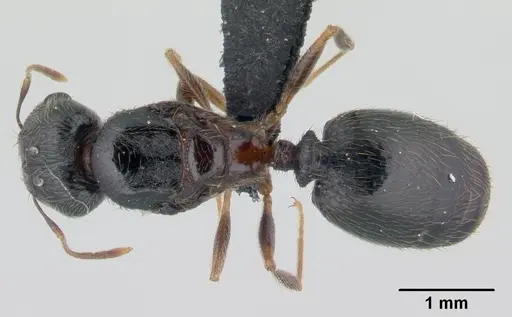
CASENT0147144
View on AntWeb
CASENT0147145
View on AntWeb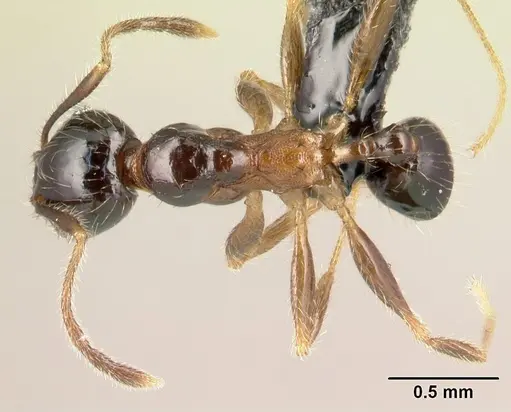
CASENT0147188
View on AntWeb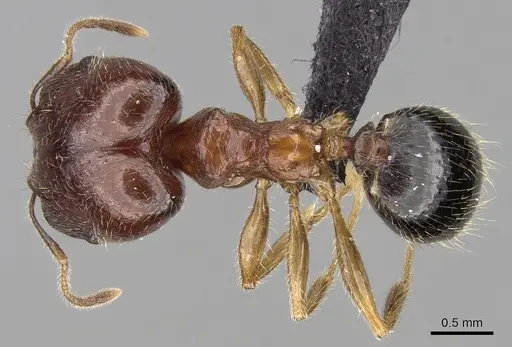
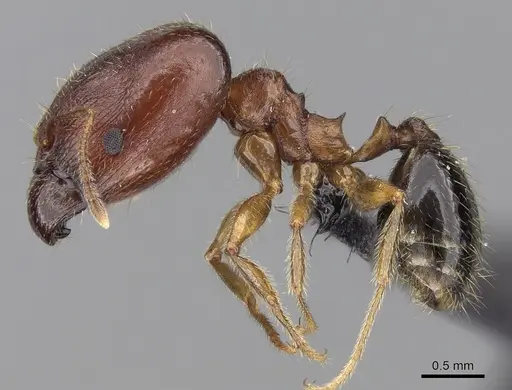
CASENT0149121
View on AntWeb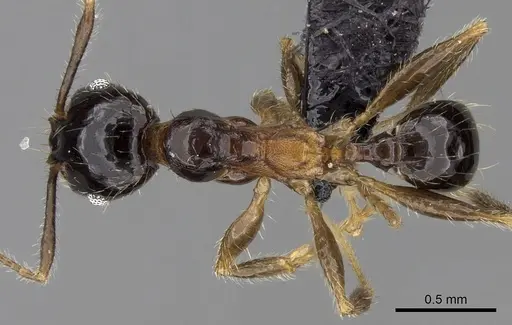
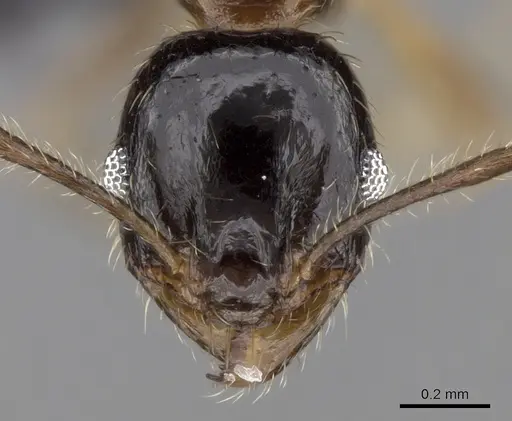
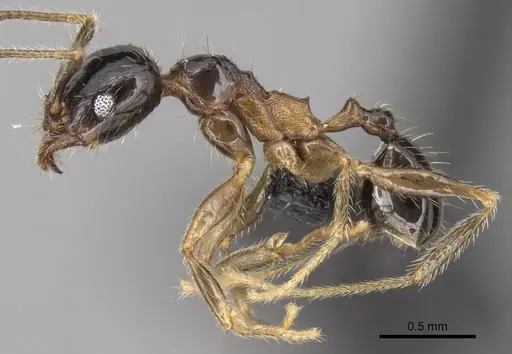
CASENT0179500
View on AntWeb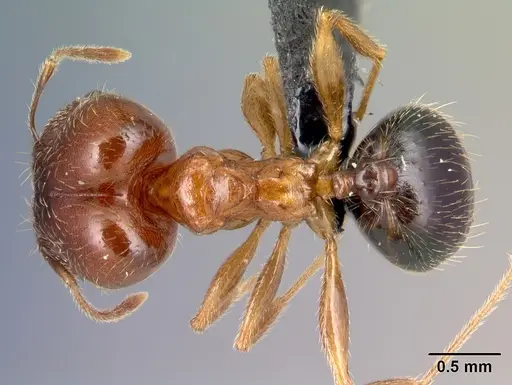
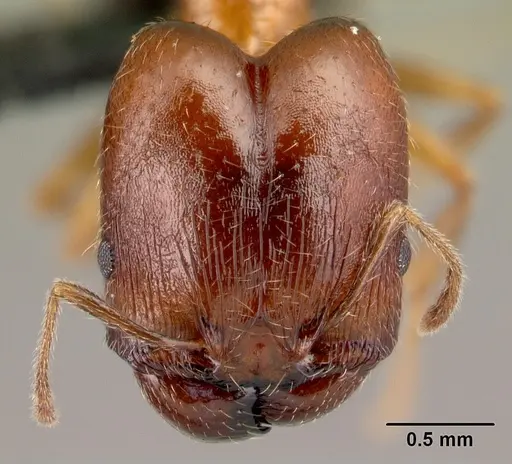
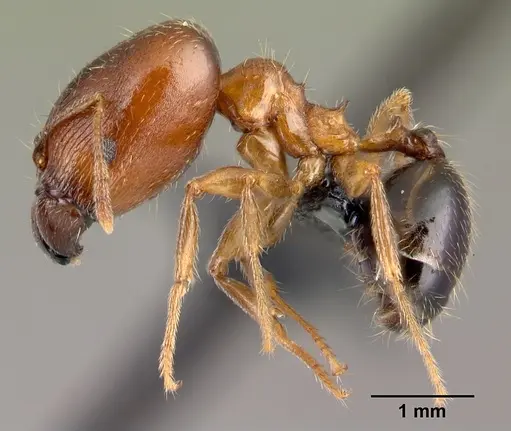
CASENT0319245
View on AntWeb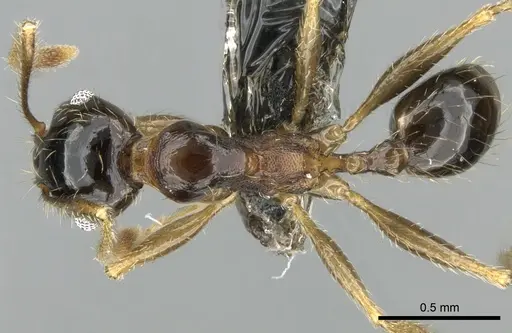
CASENT0319246
View on AntWeb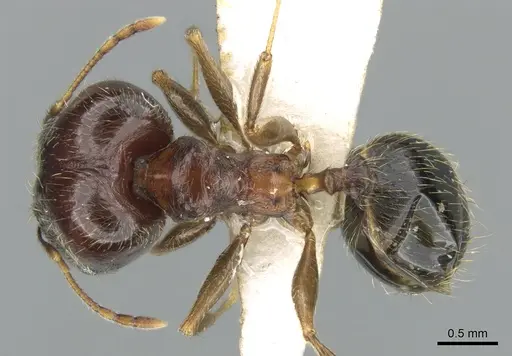
Literature
Loading distribution map...Loading products...