
Pheidole karolsetosa
- Sci. Name
- Pheidole karolsetosa
- Tribe
- Attini
- Subfamily
- Myrmicinae
- Author
- Longino, 2009
- Distribution
- Found in 1 countries
Introduction
Pheidole karolsetosa is an ant species native to Costa Rica, found only in mature wet forest leaf litter at elevations between 300-500 meters in Braulio Carrillo National Park . It was described in 2009 . The species has distinctive long hairs on the hind tibia that help distinguish it from similar species . Body size data is unavailable, but it is a small ant species typical of the Pheidole genus. This ant forages in the leaf litter layer of Costa Rican rainforests. Like other Pheidole, it has minor and major worker castes, with majors having larger heads. Due to its restricted distribution and recent description, it is rarely kept in captivity.
Quick Summary
- Difficulty: Medium
- Origin & Habitat: Costa Rica, mature wet forest leaf litter at 300-500m elevation in Braulio Carrillo National Park [1][2]
- Colony Type: Based on Pheidole patterns, likely single-queen colonies, but unconfirmed for this species.
- Size & Growth:
- Queen: Size data unavailable, inferred to be small based on Pheidole genus patterns
- Worker: Size data unavailable, inferred to be small based on Pheidole genus patterns
- Colony: Colony size data unavailable
- Growth: Moderate, estimated based on genus patterns [4]
- Development: 6-10 weeks estimated based on typical Pheidole development [4] (Estimate based on genus patterns, specific data unavailable for this species)
- Antkeeping:
- Temperature: Keep warm, roughly low-to-mid 20s°C, based on tropical habitat [4]
- Humidity: Keep the nest substrate consistently moist but not waterlogged, based on forest floor habitat [4]
- Diapause: No, tropical species, does not require hibernation [4]
- Nesting: Use test tubes or small nests with moist substrate, Y-tong or plaster nests work well [4]
- Behavior: These are small, active ants. Major workers can deliver a mild sting, as is typical for Myrmicinae. Escape prevention is important due to their small size. They are not aggressive toward keepers but will defend their nest.
- Common Issues: small size makes escape prevention critical, they can squeeze through standard barrier gaps, limited data means care requirements are estimated from genus patterns rather than species-specific research, high humidity needs can lead to mold problems if ventilation is poor, wild-caught colonies may be difficult to establish due to stress from collection, tropical species may decline if temperatures drop below 20°C
Natural History and Distribution
Pheidole karolsetosa is endemic to Costa Rica, found only in the Braulio Carrillo National Park at elevations between 300-500 meters above sea level [1]. This is a mature wet forest species that lives in the leaf litter layer on the forest floor. The species was described in 2009 by ant taxonomist John Longino based on specimens collected using Winkler extractors [2]. The type locality is in Heredia Province, about 16km SSW of Puerto Viejo. This restricted distribution makes P. karolsetosa one of the more geographically limited Pheidole species in Central America. The similar species P. karolmorae and P. specularis occur in the same area, making accurate identification important [2].
Identification and Morphology
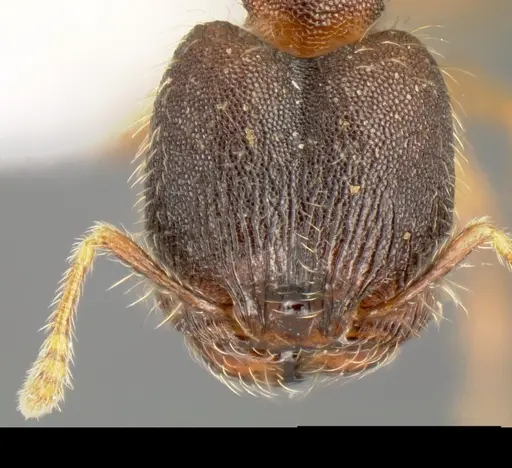
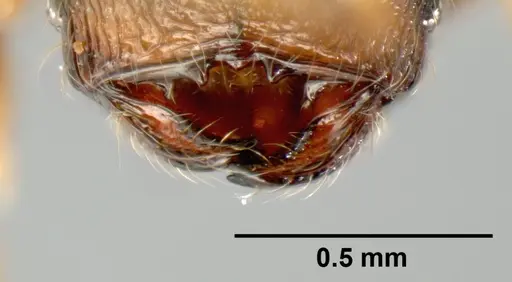
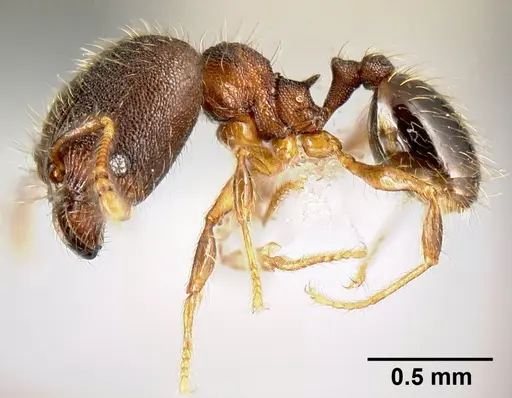
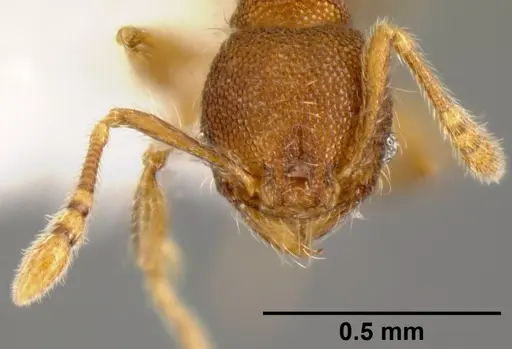
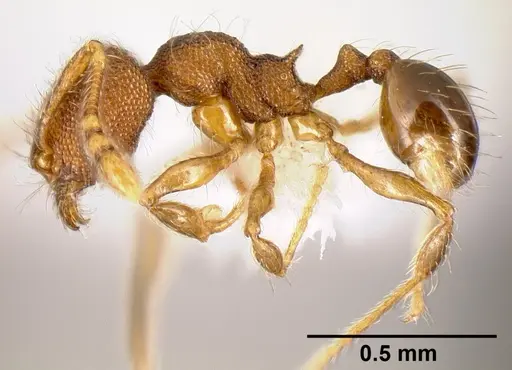
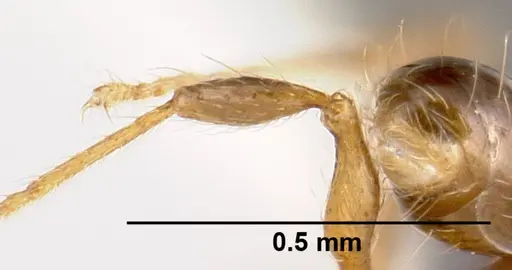
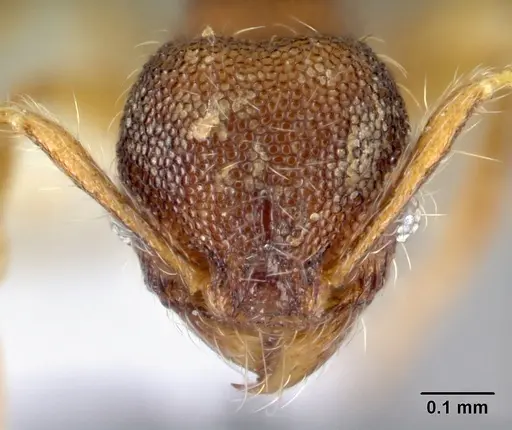
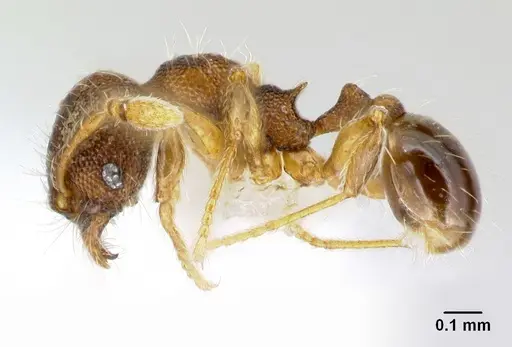
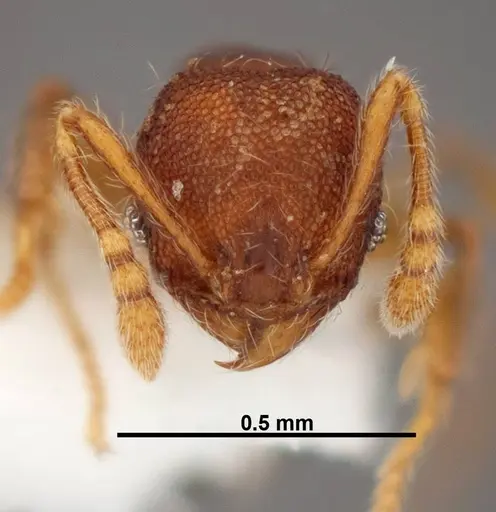
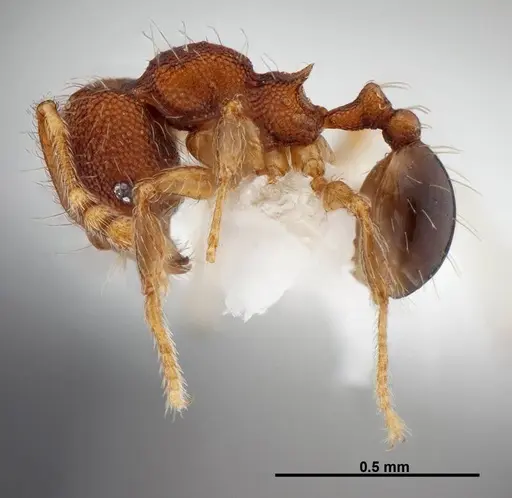
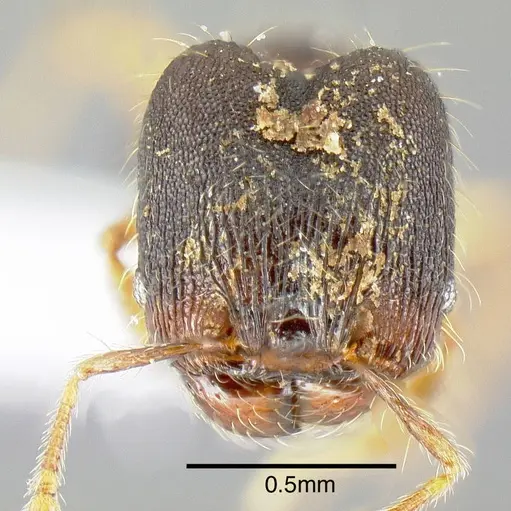
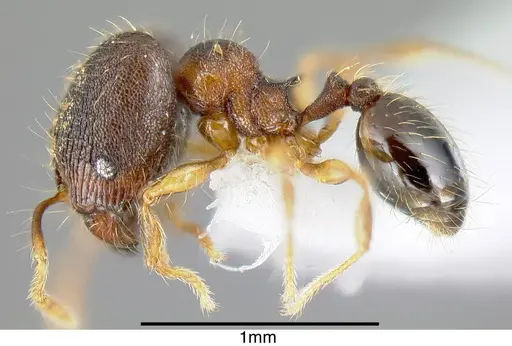
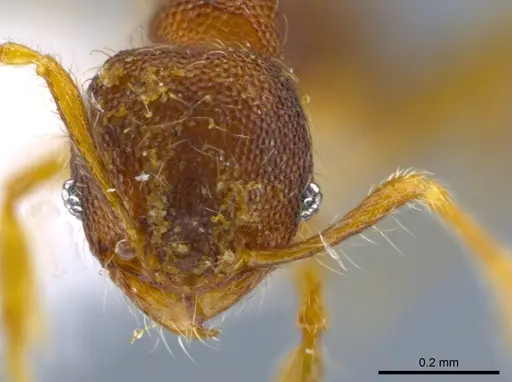
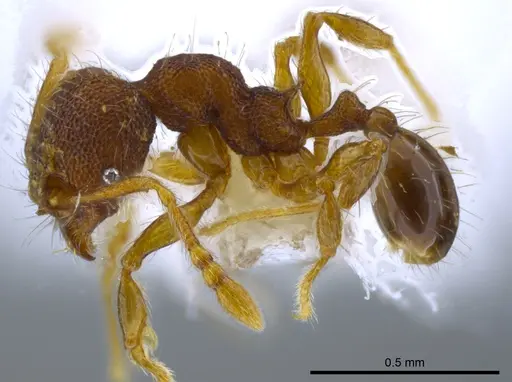
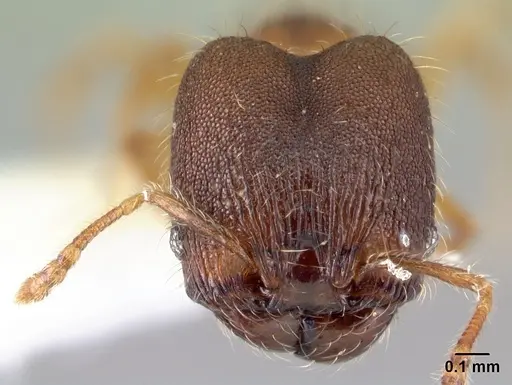
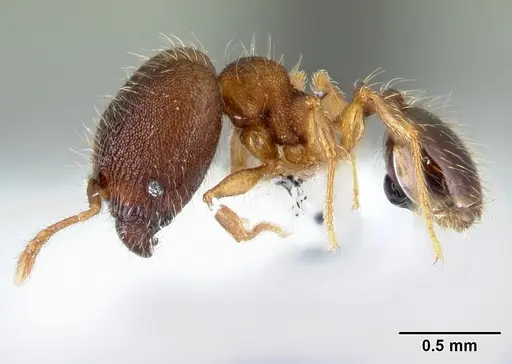
This species is distinguished from its relatives by the presence of long erect hairs on the dorsal face of the hind tibia, these setae are longer than the maximum width of the tibia and stand out from the shorter underlying pubescence [2]. Minor workers have head lengths of 0.39-0.44mm, while major workers reach 0.77-0.85mm head length [2]. The major workers have the characteristic large heads typical of Pheidole. The postpetiole shape and sculpture patterns also help differentiate this species from similar sympatric Pheidole. For antkeepers, the presence of the long tibial setae is the most reliable diagnostic character if you obtain specimens for comparison.
Housing and Nest Preferences
In captivity, these small ants do well in test tube setups or small formicaria. Because they are litter-dwelling ants, they prefer tight, humid spaces rather than large open areas. A Y-tong nest or small plaster nest with moist substrate works well. The nest should have chambers scaled to their tiny size. Keep the nest substrate consistently moist but not saturated. A small water reservoir connected to the nest helps maintain warmth. Place the setup in a warm area away from direct sunlight and drafts. Given their small size, excellent escape prevention is essential, use fine mesh and barrier tape on any openings. [4]
Feeding and Diet
Like other Pheidole species, these ants are likely omnivorous with a preference for seeds and small insects. In captivity, offer a varied diet including small seeds, small insects, and sugar sources. Pheidole majors can crack larger seeds, so offering some variety is beneficial. Feed protein 2-3 times per week, and keep sugar water available at all times. Remove uneaten food after 24-48 hours to prevent mold. The small worker size means prey items should be appropriately sized, very small insects or pre-killed prey works best. [4]
Temperature and Seasonal Care
As a tropical lowland species from Costa Rica, P. karolsetosa requires warm temperatures year-round. Maintain the nest area at roughly low-to-mid 20s°C, with a slight gradient if possible. A heating cable on one side of the nest can help maintain warmth, but avoid direct heat that could dry out the nest. These ants do not require hibernation or diapause, keeping them warm year-round is important for colony health. Room temperature in most homes may be acceptable, but monitor colony activity. If workers become sluggish, consider adding gentle heat. High humidity is equally important, keep the nest substrate consistently moist. [4]
Colony Development
The colony structure and founding behavior of P. karolsetosa has not been directly studied. Based on typical Pheidole patterns, the queen likely seals herself in a small chamber and raises the first brood alone using stored fat reserves [4]. The first workers will be smaller than normal workers. Development from egg to worker likely takes 6-10 weeks at optimal temperature, similar to other Pheidole species. Colonies probably remain small given the limited samples from the wild and the small size of the workers. Growth rate is likely moderate. Patience is key with this species, as small colonies take time to establish.
Frequently Asked Questions
How long does it take for Pheidole karolsetosa to produce first workers?
Based on typical Pheidole development, expect 6-10 weeks from egg to first worker at optimal temperature. The exact timeline for this species is unconfirmed, so monitor your colony and adjust conditions if development seems slow.
What do Pheidole karolsetosa ants eat?
Like other Pheidole, they likely accept small seeds, insects, and sugar sources. Offer a mix of tiny seeds, small insects, and honey water or sugar water. Remove uneaten food after 24-48 hours to prevent mold.
Can I keep multiple Pheidole karolsetosa queens together?
This is not recommended. While the colony structure is unconfirmed for this species, most Pheidole are monogyne (single-queen colonies). Combining unrelated queens has not been documented and could result in fighting.
What temperature do Pheidole karolsetosa need?
Keep them warm at roughly low-to-mid 20s°C. These are tropical ants from Costa Rica that do not tolerate cold well. A heating cable on part of the nest can help maintain warmth, but avoid overheating.
Do Pheidole karolsetosa need hibernation?
No, they do not require hibernation. As a tropical species from Costa Rica, they need warm conditions year-round.
How big do Pheidole karolsetosa colonies get?
Colony size data is unavailable, but they are not among the larger Pheidole species, so expect relatively modest colony sizes.
Are Pheidole karolsetosa good for beginners?
This species is rated as Medium difficulty. While not the most challenging ant to keep, the limited data on their specific care requirements and their small size make them better suited for keepers with some experience.
When should I move Pheidole karolsetosa to a formicarium?
Start them in a test tube setup and move to a formicarium once the colony has a stable number of workers. For small species like this, a Y-tong nest or small formicarium with moist substrate works well.
Why are my Pheidole karolsetosa dying?
Common causes include: temperatures below 20°C, low humidity, mold from overwatering, or stress from poor escape prevention. Check that the nest is humid but not waterlogged, temperatures are stable, and there are no drafts or cold spots.
Report an Issue
The current care sheet is based fully on literature. See inconsistencies, or something that's incorrect? Please , it will be resolved after review from an admin. Contributing to the blogs tab also helps providing information, to make us be able to further improve the caresheets. Thank you for your support!
References

This caresheet is licensed under CC BY-SA 4.0 .
Community Blogs
CASENT0609023
View on AntWeb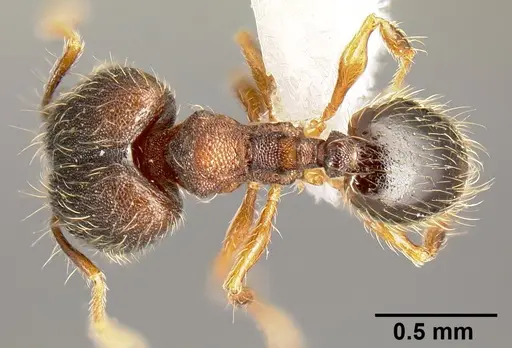
CASENT0609024
View on AntWeb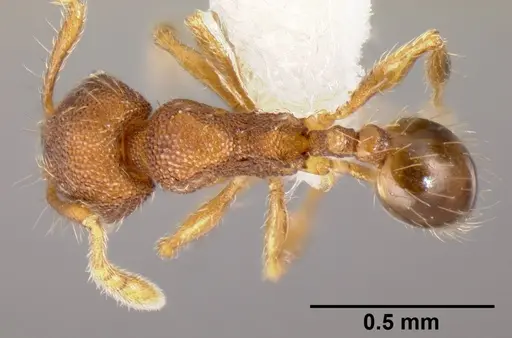
CASENT0609033
View on AntWeb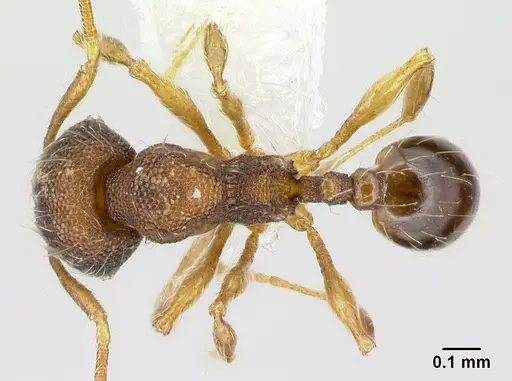
CASENT0609035
View on AntWeb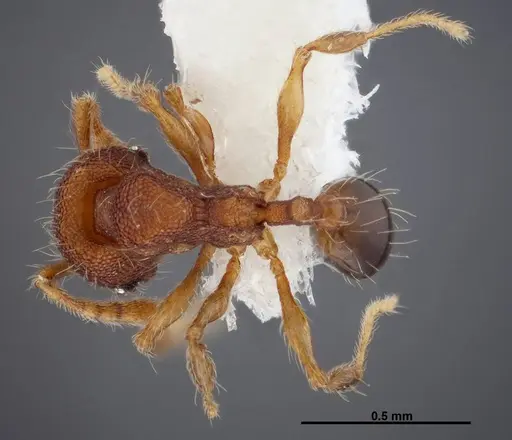
INB0003679878
View on AntWeb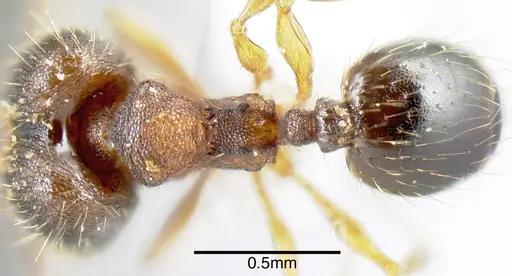
INB0003696450
View on AntWeb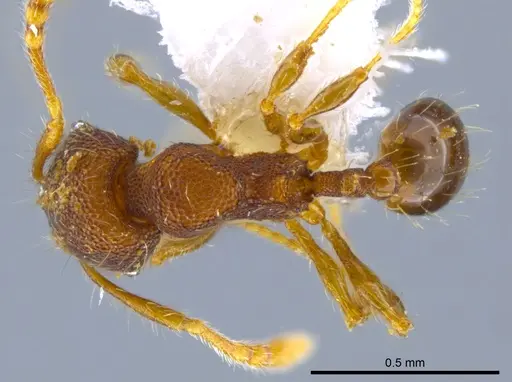
INBIOCRI002279842
View on AntWeb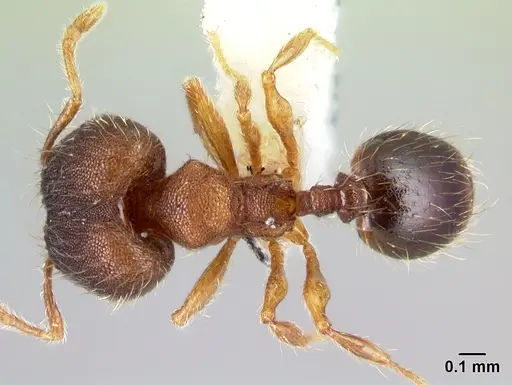
Literature
Loading distribution map...Loading products...