
Pheidole jonas
- Sci. Name
- Pheidole jonas
- Tribe
- Attini
- Subfamily
- Myrmicinae
- Author
- Forel, 1907
- Distribution
- Found in 3 countries
Introduction
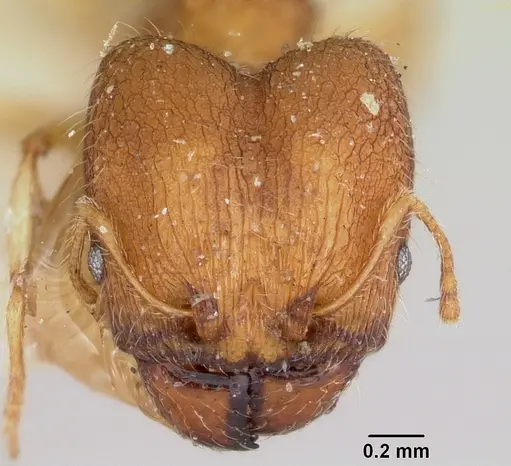
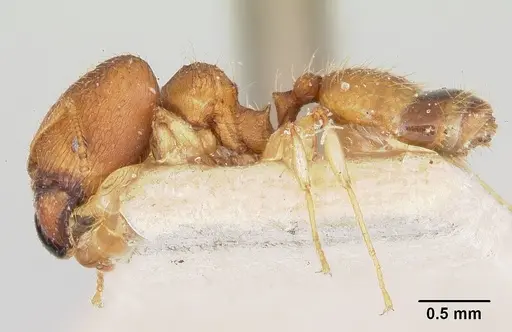
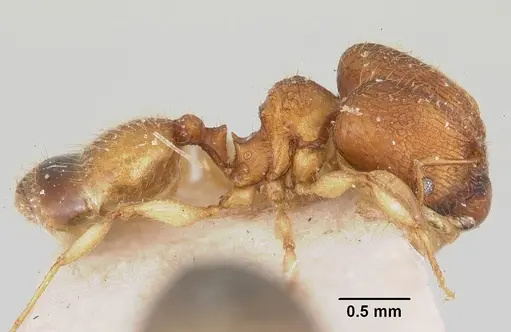
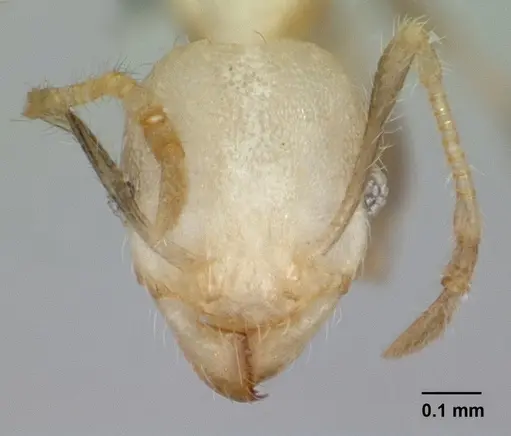
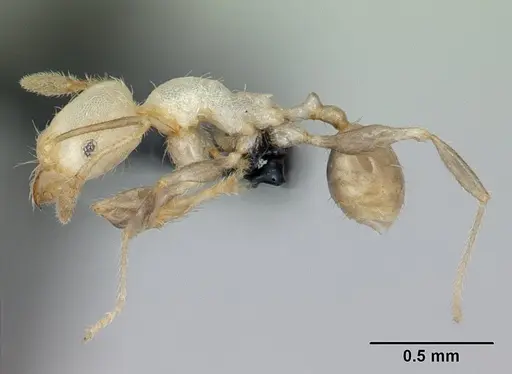
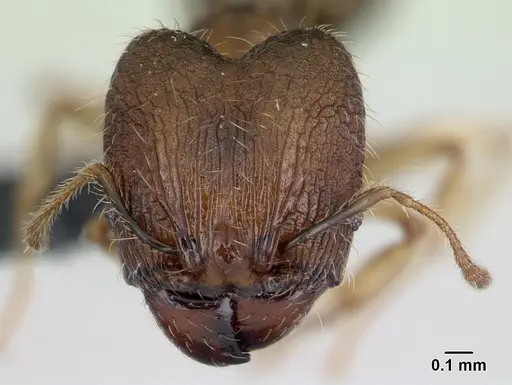
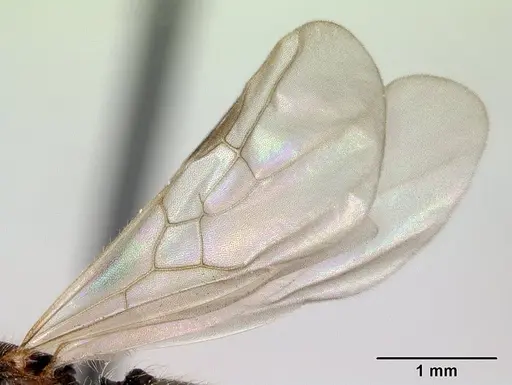
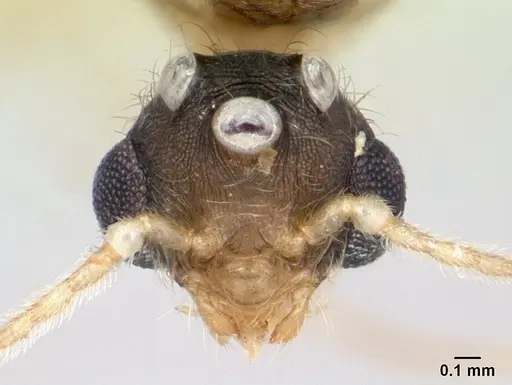
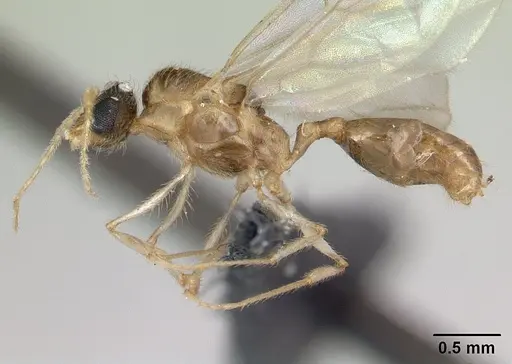
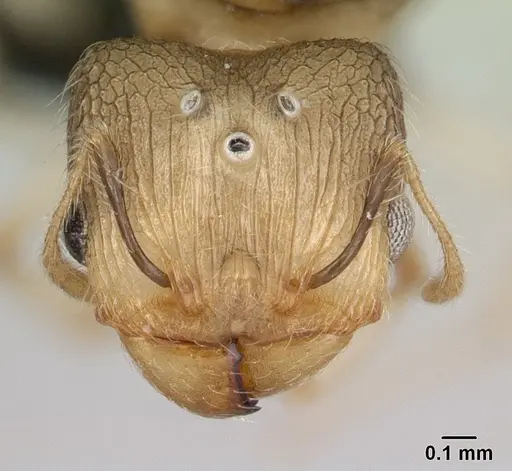
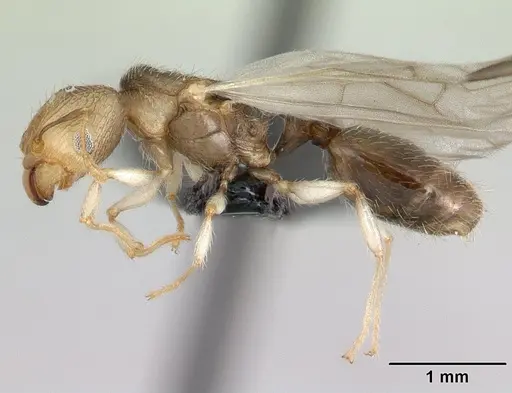
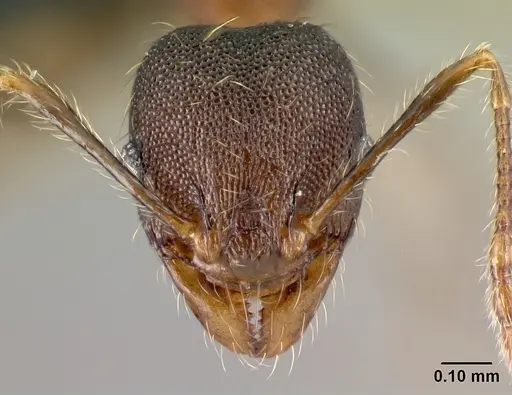
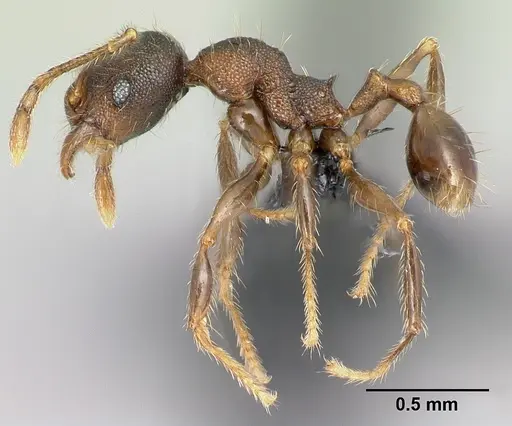
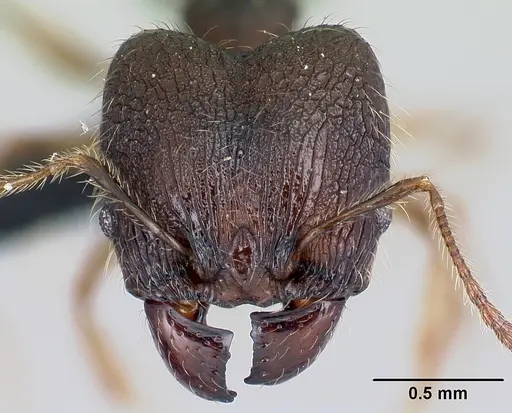
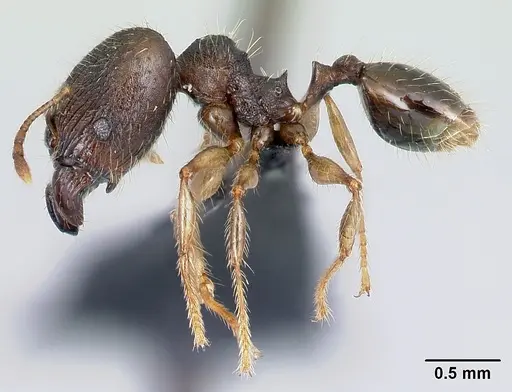
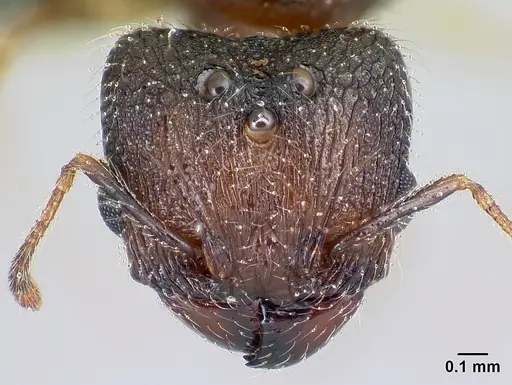
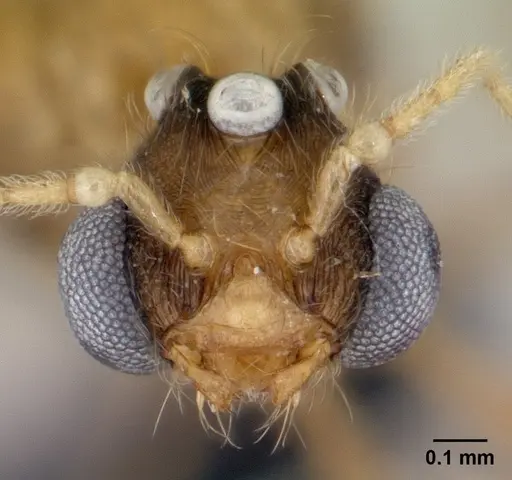
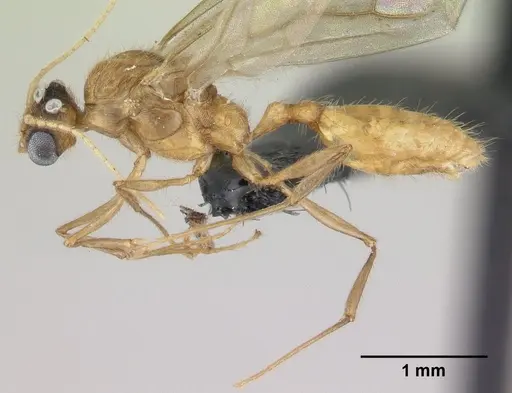
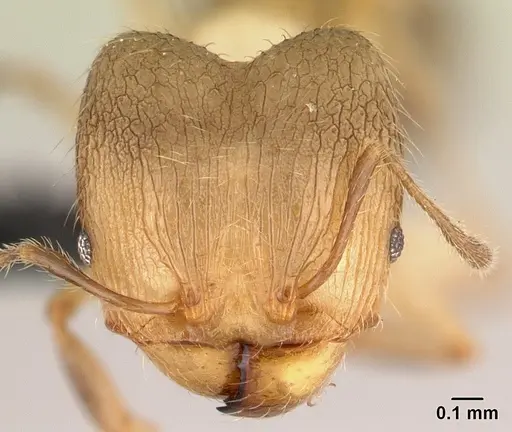
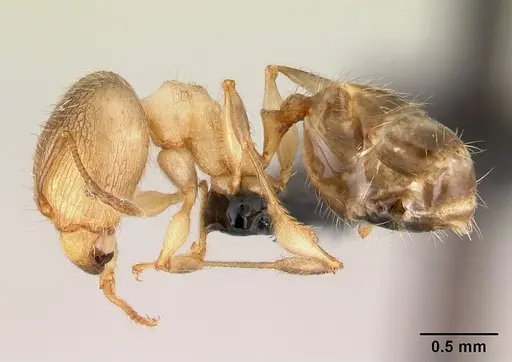
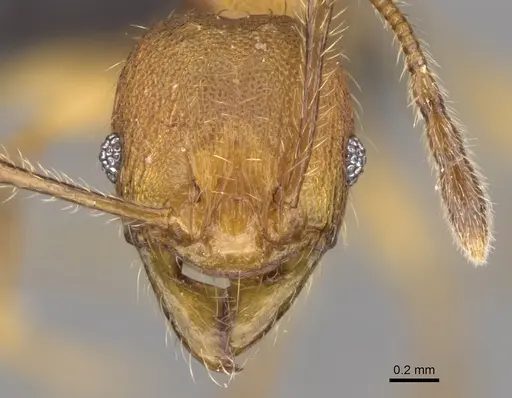
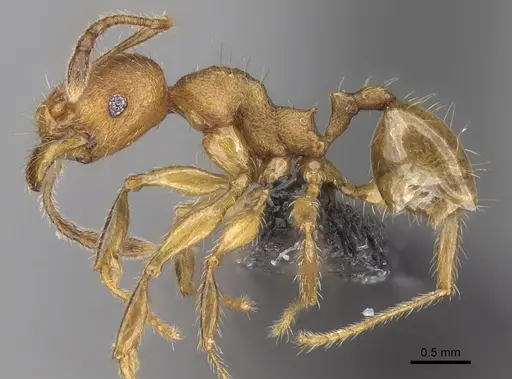
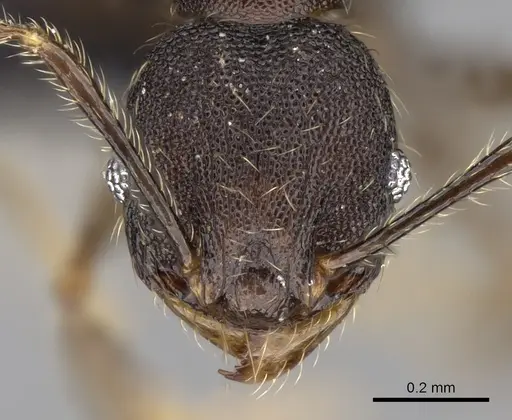
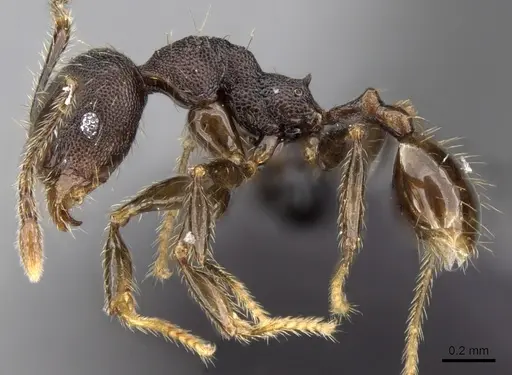
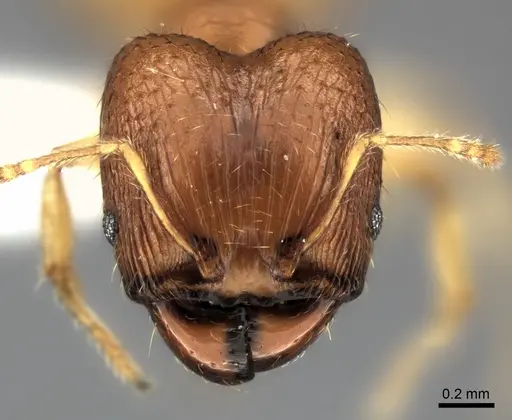
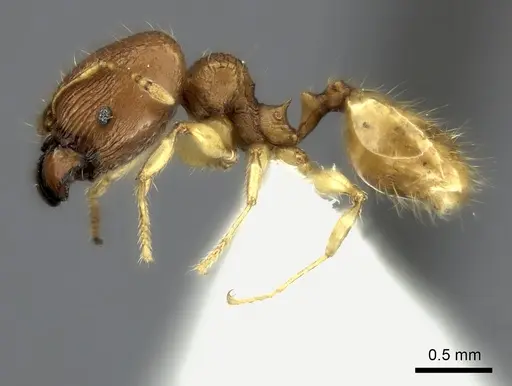
Pheidole jonas is a small ant species native to Madagascar, the Comoros Islands, and Mayotte in the Indian Ocean region . Major workers have a distinctive irregularly rugoreticulate pattern on the head, short triangular spines, and a postpetiole wider than the petiole, while minors are smaller and punctate . Color varies by population: orange from Anjouan, brown from Grand Comore and Mayotte . They inhabit rainforest leaf litter, rotten logs, under moss, and above ground at elevations from 20 to 1235 meters . This species is closely related to Pheidole vulcan and Pheidole loki .
Quick Summary
- Difficulty: Medium
- Origin & Habitat: Rainforest and montane rainforest in Madagascar, Comoros Islands (Anjouan, Grande Comore, Mohéli), and Mayotte. Found in leaf litter, under moss, in rotten logs, and above ground at elevations 20-1235m [1][3].
- Colony Type: Colony structure is unconfirmed. No specific data on queen number for Pheidole jonas.
- Size & Growth:
- Queen: Estimated ~6 mm, inferred from Pheidole genus patterns
- Worker: Estimated minors ~0.6 mm, majors ~1.1 mm, inferred from Pheidole genus patterns
- Colony: Up to several hundred workers, estimated based on typical Pheidole colonies
- Growth: Moderate
- Development: 6-10 weeks estimated at optimal temperature, inferred from Pheidole genus patterns (Development time is estimated from related species, specific data for P. jonas is not available.)
- Antkeeping:
- Temperature: Keep at 24-28°C, inferred from tropical rainforest habitat [1]
- Humidity: Keep substrate consistently moist but not waterlogged, inferred from rainforest habitat [1]
- Diapause: No, tropical species do not require hibernation
- Nesting: Small chambers in test tubes, Y-tong, or plaster nests, inferred from habitat [1][3]
- Behavior: Pheidole jonas is relatively docile. Major workers defend the colony using their sting, but they are not aggressive toward humans. Their tiny size requires excellent escape prevention. They are ground-dwelling and forage in leaf litter.
- Common Issues: escape prevention is critical due to their very small size, use fine mesh and tight-fitting lids., high humidity needs can lead to mold if ventilation is poor, balance is essential., small colony size means slow growth, beginners may lose patience and overfeed, causing pest issues., wild-caught colonies may carry parasites that can devastate captive colonies., test tube setups can flood if water reservoirs are too large for such tiny ants.
Housing and Nest Setup
Because of their tiny size, Pheidole jonas needs carefully scaled housing. Test tubes with cotton stoppers work well for founding colonies, use small diameter tubes and ensure the water reservoir is not too large to avoid flooding. For established colonies, Y-tong nests with narrow chambers or plaster nests with tight passages are ideal. The chambers should be sized appropriately for these small ants. A naturalistic setup with moist soil/vermiculite mix in a plastic container also works well, mimicking their natural leaf litter habitat [1][3]. Escape prevention is critical: use fine mesh on ventilation holes and ensure all edges are sealed tightly.
Feeding and Diet
Pheidole jonas is omnivorous. In captivity, offer protein sources like small crickets, fruit flies, or mealworms cut into tiny pieces. They also accept sugar water, honey, or diluted syrup. Feed small amounts 2-3 times per week, removing uneaten food after 24 hours to prevent mold.
Temperature and Humidity
As a tropical rainforest species, Pheidole jonas requires warm and humid conditions. Keep the nest area at 24-28°C using a heating cable on one side to create a gradient [1]. Humidity should be maintained with consistently moist substrate, but not waterlogged [1]. Mist the outworld occasionally and balance ventilation to prevent mold.
Colony Development
Colonies start with a queen, but founding behavior is unconfirmed. First workers emerge in about 6-10 weeks at warm temperatures, inferred from Pheidole genus patterns. The first workers are smaller but begin foraging and caring for brood. Colony growth is moderate, reaching up to several hundred workers over time.
Behavior and Temperament
This species is relatively calm and non-aggressive. Major workers use their sting for defense, but they pose no danger to humans. Their small size makes escape prevention essential. They are ground-dwelling and establish foraging trails in the outworld.
Seasonal Care
As a tropical species, Pheidole jonas does not require hibernation. Keep them warm year-round at 24-28°C [1]. Maintain consistent humidity and feeding throughout the year.
Frequently Asked Questions
How long does it take for Pheidole jonas to get their first workers?
Expect first workers in about 6-10 weeks after the queen lays eggs, inferred from Pheidole genus patterns at warm temperatures.
What do Pheidole jonas ants eat?
They are omnivores that accept small insects, sugar water, or honey. Offer protein 2-3 times per week.
Can I keep multiple queens together?
This has not been documented for P. jonas. Most Pheidole species are single-queen, so it is not recommended to house multiple queens together.
What temperature do Pheidole jonas need?
Keep them at 24-28°C, inferred from their tropical rainforest habitat [1].
Are Pheidole jonas good for beginners?
They are moderate difficulty due to their small size and humidity needs. Excellent escape prevention is essential.
How big do Pheidole jonas colonies get?
Colonies likely reach up to several hundred workers, estimated based on typical Pheidole patterns.
Why are my Pheidole jonas escaping?
Their tiny size allows them to escape through small gaps. Check all connections and use fine mesh.
Do they need hibernation?
No, as a tropical species, they do not require hibernation.
What humidity level do they need?
Keep the substrate consistently moist but not waterlogged, inferred from rainforest habitat [1].
When should I move them to a formicarium?
Wait until the colony has at least 30-50 workers and is actively foraging. Test tubes may work even for larger colonies due to their small size.
Report an Issue
The current care sheet is based fully on literature. See inconsistencies, or something that's incorrect? Please , it will be resolved after review from an admin. Contributing to the blogs tab also helps providing information, to make us be able to further improve the caresheets. Thank you for your support!
References

This caresheet is licensed under CC BY-SA 4.0 .
Community Blogs
CASENT0101689
View on AntWeb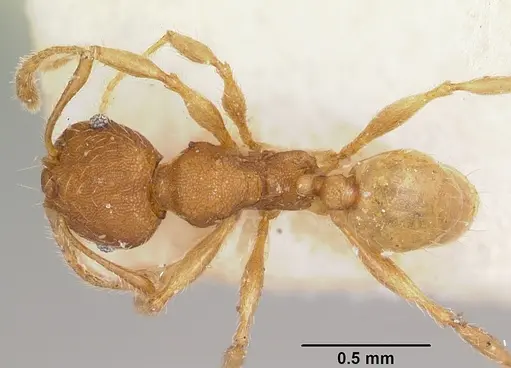
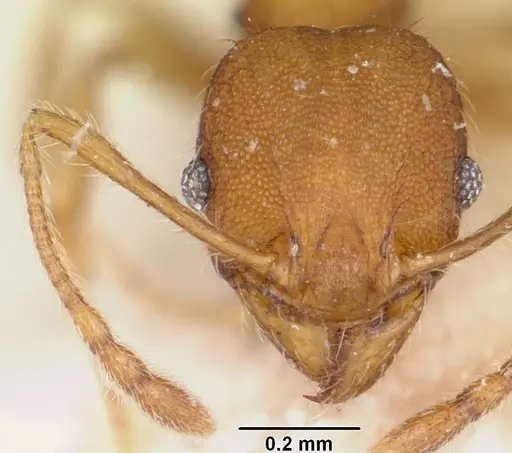
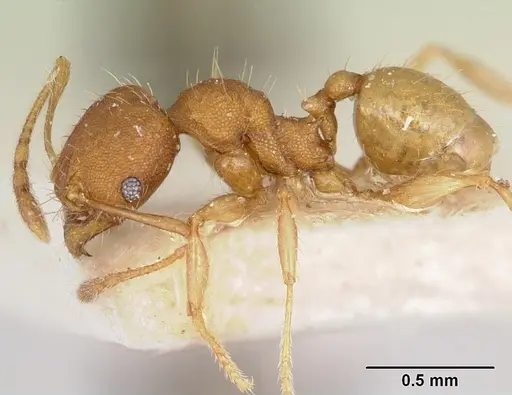
CASENT0101758
View on AntWeb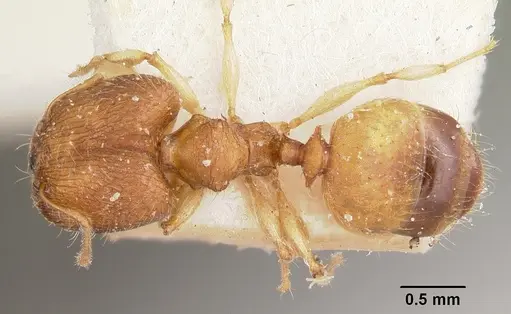
CASENT0132617
View on AntWeb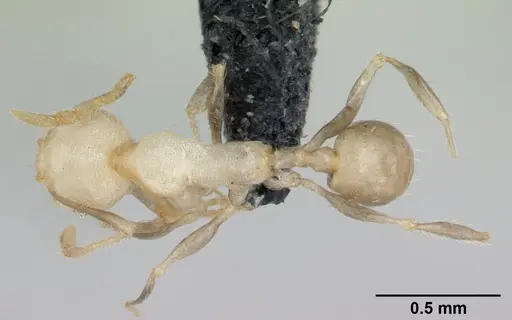
CASENT0132683
View on AntWeb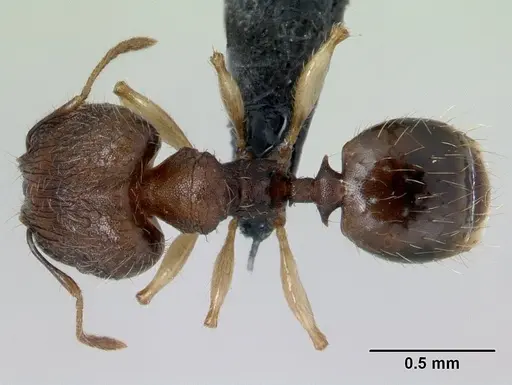
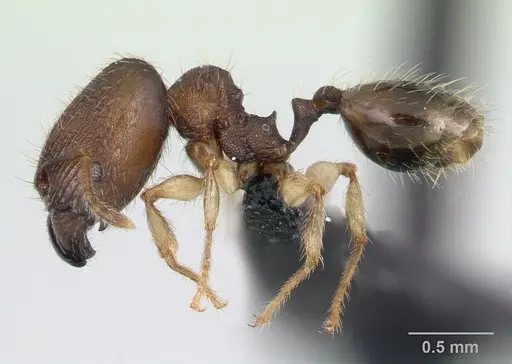
CASENT0132751
View on AntWeb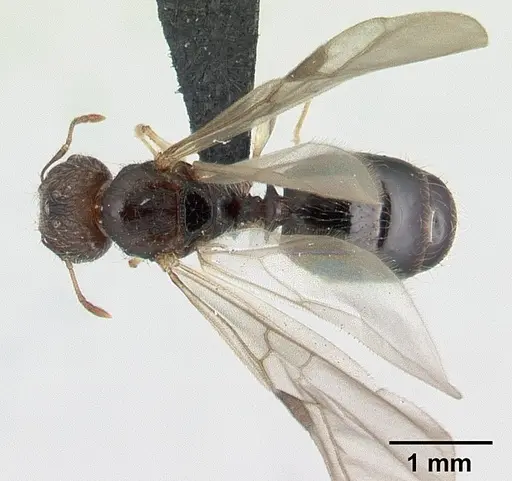
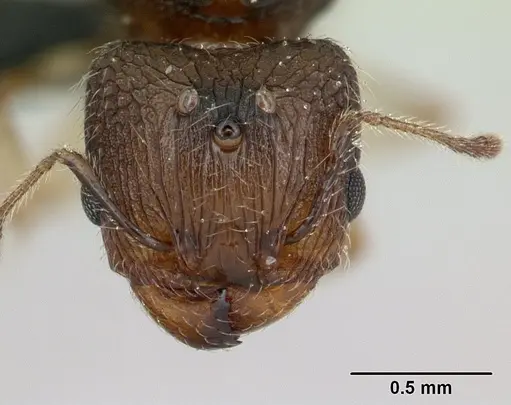
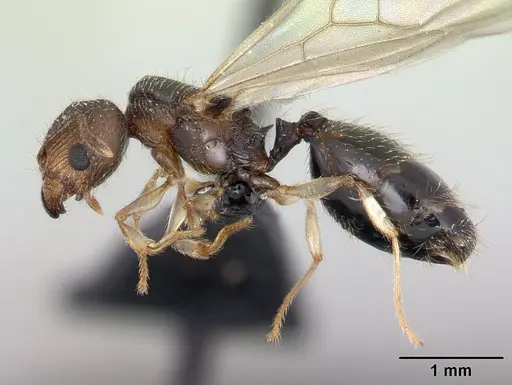
CASENT0132955
View on AntWeb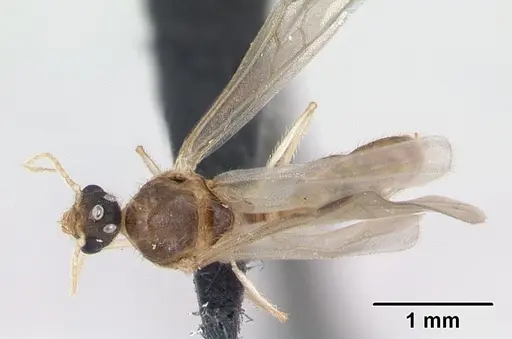
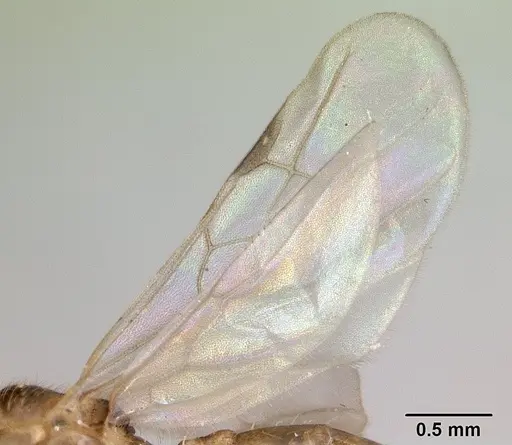
CASENT0133662
View on AntWeb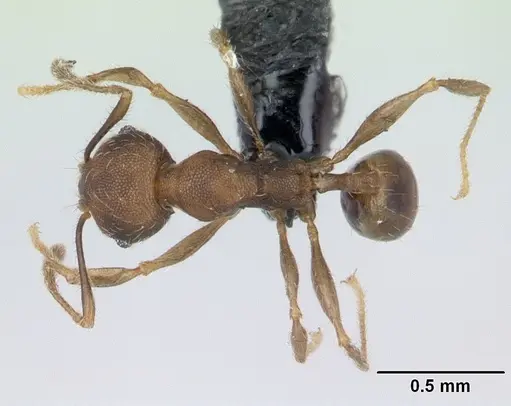
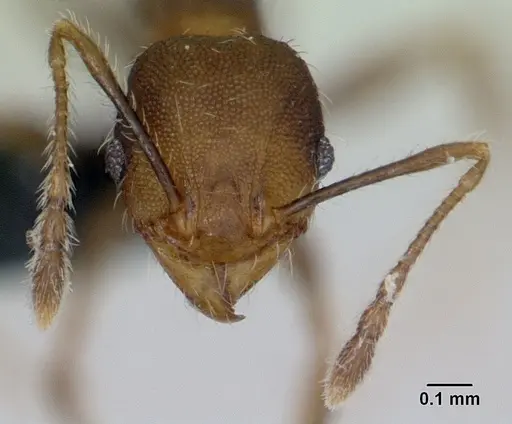
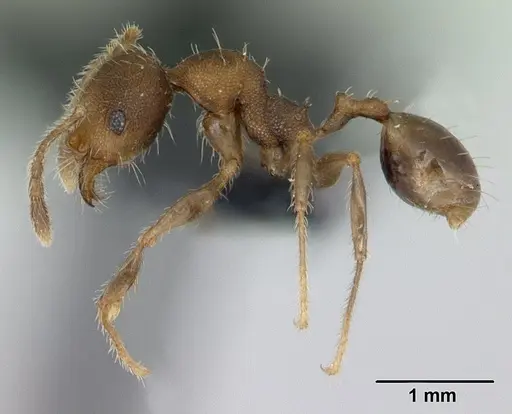
CASENT0134902
View on AntWeb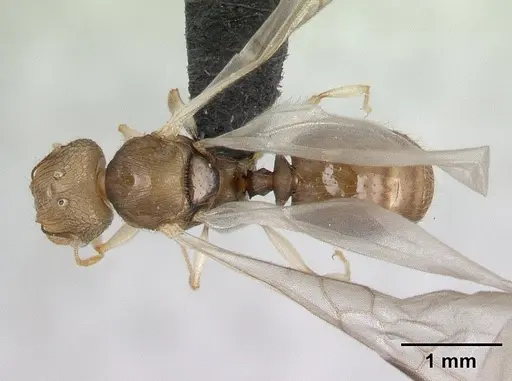
CASENT0137020
View on AntWeb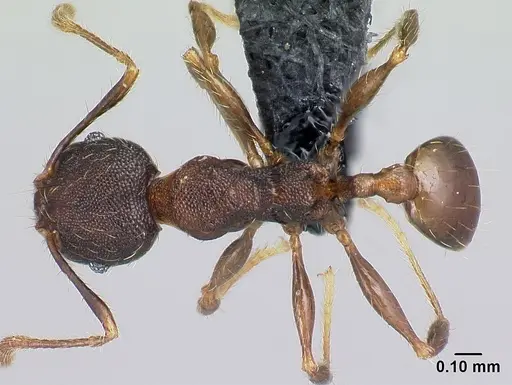
CASENT0137046
View on AntWeb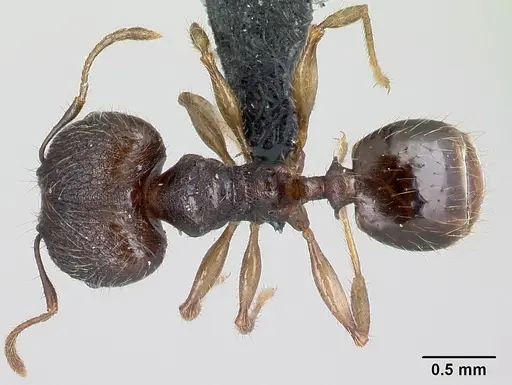
CASENT0137207
View on AntWeb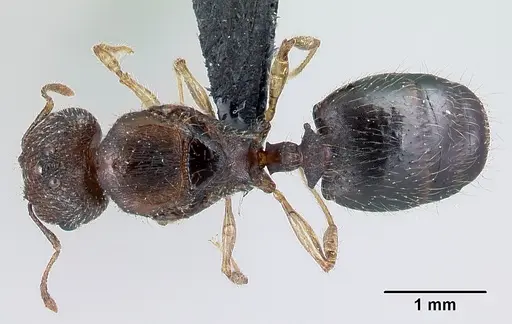
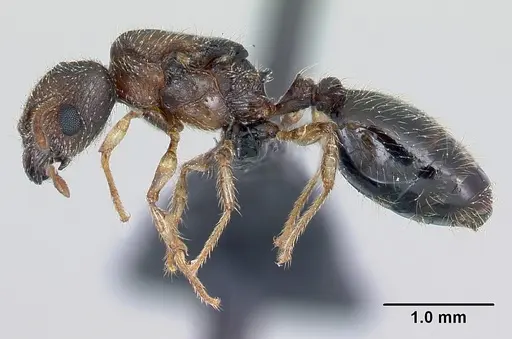
CASENT0137511
View on AntWeb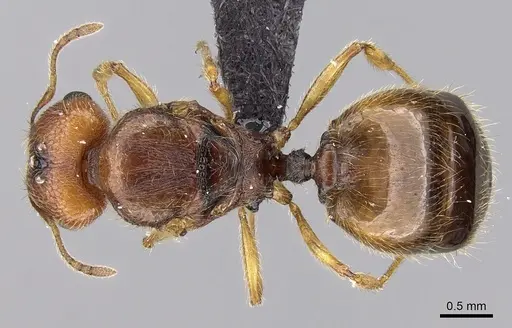
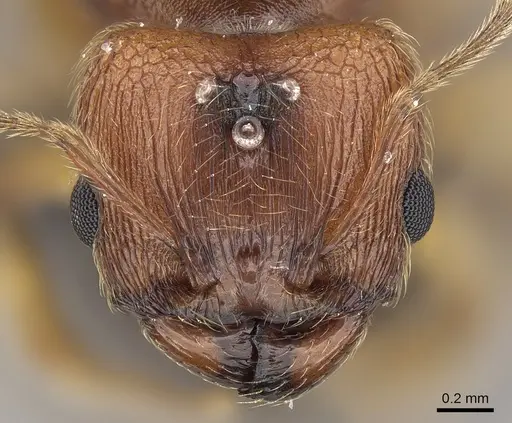
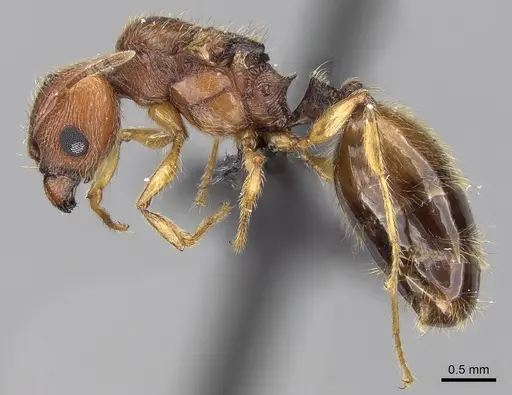
CASENT0146798
View on AntWeb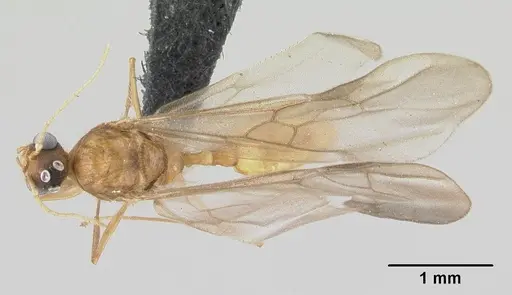
CASENT0146830
View on AntWeb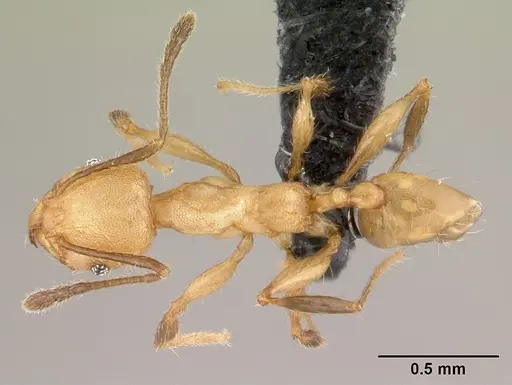
CASENT0146934
View on AntWeb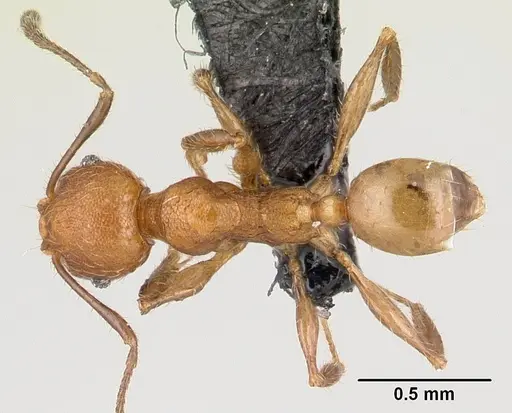
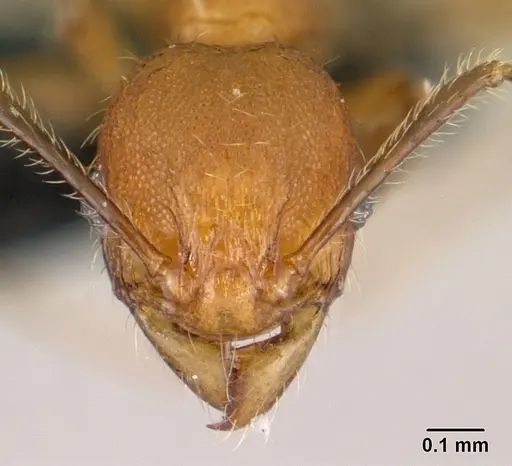
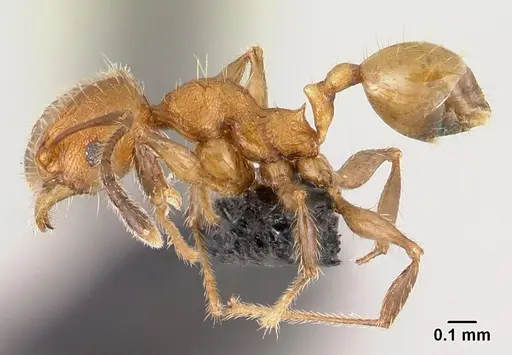
CASENT0146955
View on AntWeb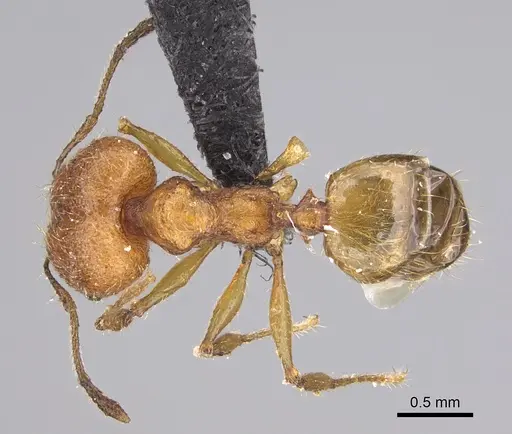
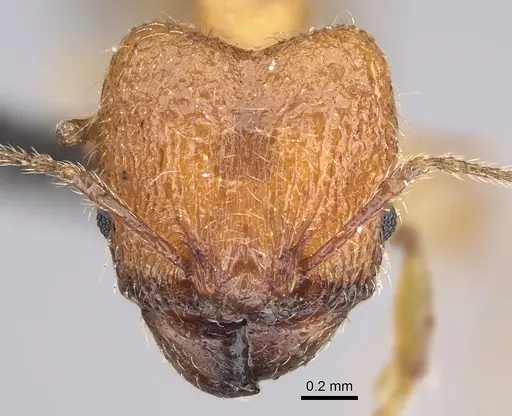
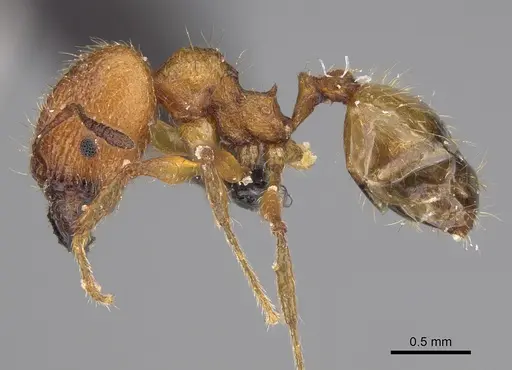
CASENT0146984
View on AntWeb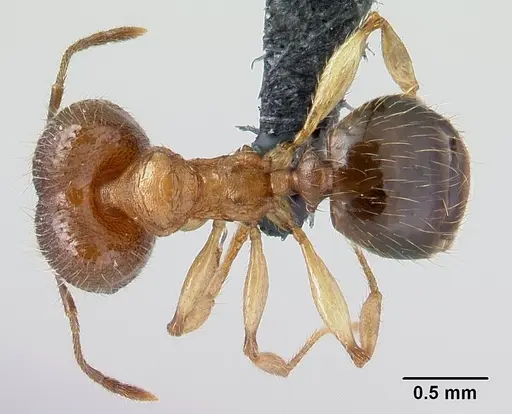
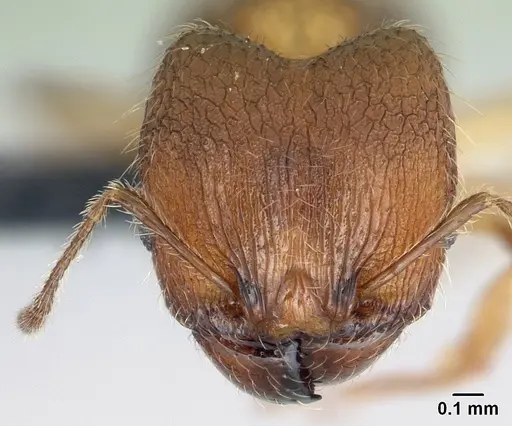
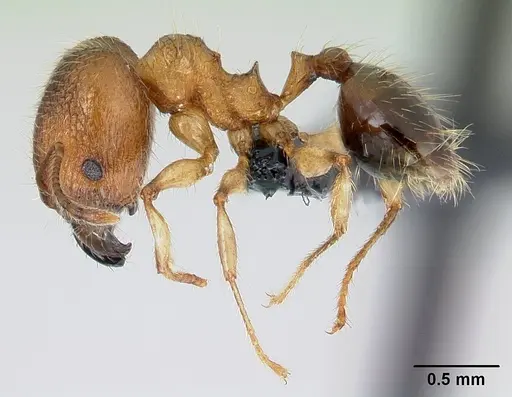
CASENT0147019
View on AntWeb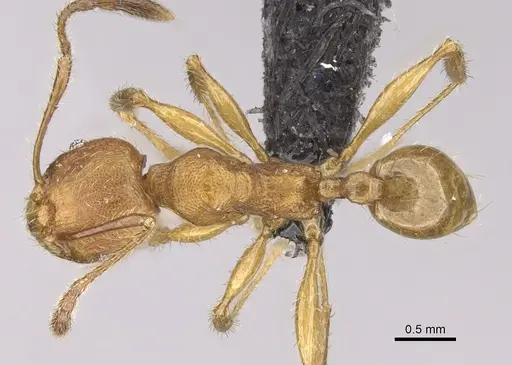
CASENT0280995
View on AntWeb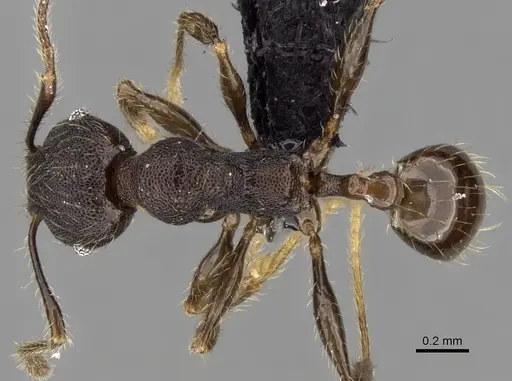
CASENT0406651
View on AntWeb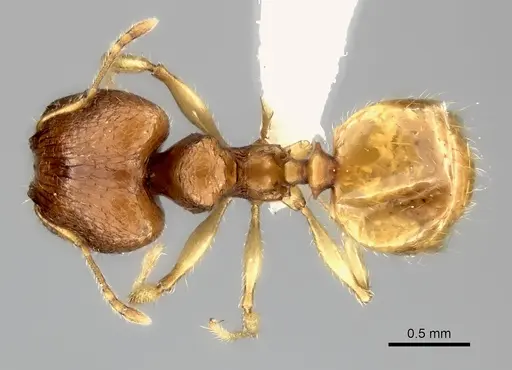
Literature
Loading distribution map...Loading products...