
Pheidole jeannei
- Sci. Name
- Pheidole jeannei
- Tribe
- Attini
- Subfamily
- Myrmicinae
- Author
- Wilson, 2003
- Distribution
- Found in 4 countries
Introduction
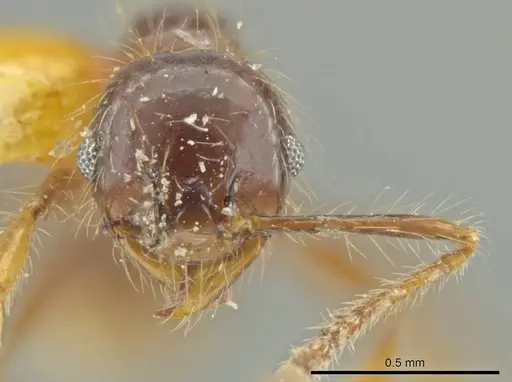
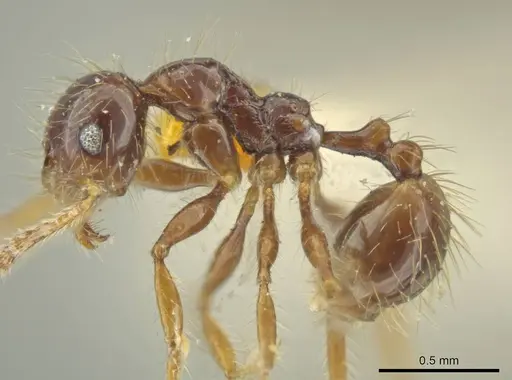
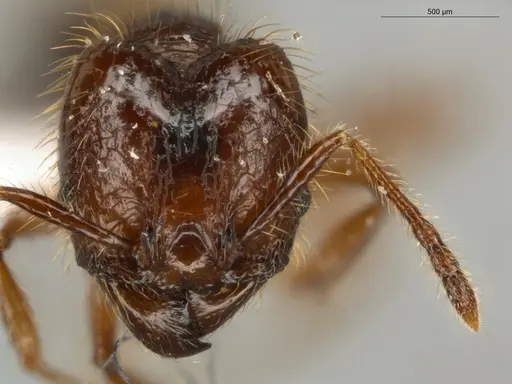
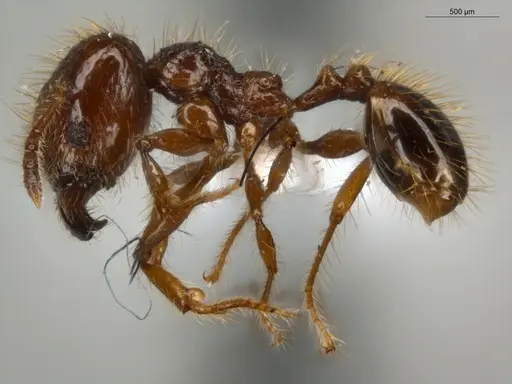
Pheidole jeannei is a small Neotropical ant species native to the Amazon basin, found in Brazil (Pará, Maranhão) and French Guiana. Major workers have extensive rugoreticulum on the head and transverse carinulae on the pronotum, lacking propodeal spines, while minors are smaller and dark reddish brown. This species is known only from lowland rainforest floor collections, making it a true Amazonian species . It belongs to the gertrudae group and was described by Wilson in 2003,with unique head sculpture distinguishing it from related species .
Quick Summary
- Difficulty: Hard
- Origin & Habitat: Amazon basin in Brazil (Pará, Maranhão) and French Guiana, lowland rainforest floor [1][2][3]
- Colony Type: Unconfirmed, likely monogyne based on typical Pheidole patterns
- Size & Growth:
- Queen: size data unavailable
- Worker: ~2-3 mm, inferred from Pheidole genus
- Colony: Unknown, no colony size data available
- Growth: Unknown, estimated moderate based on typical Pheidole development
- Development: Unknown, likely 6-10 weeks based on related tropical Pheidole species (No specific development data exists for this species.)
- Antkeeping:
- Temperature: Aim for 24-28°C, warm tropical conditions[1]
- Humidity: Keep substrate consistently moist but not waterlogged, rainforest floor species[1]
- Diapause: No, Amazonian species adapted to year-round warm conditions
- Nesting: Natural nesting in soil/leaf litter. Test tube setups work for founding, Y-tong or plaster nests for established colonies[1]
- Behavior: Behavior is unstudied in captivity. Based on genus typical behavior, majors may use their larger heads for seed-crushing and colony defense. Expect typical Pheidole foraging patterns. Escape risk is moderate due to small worker size, use standard barriers. Sting risk is very low as Pheidole species rarely sting.
- Common Issues: no captive husbandry data exists, this is one of the least-studied Pheidole species., wild-caught colonies may carry parasites or pathogens not yet characterized., growth rate is unknown making colony development difficult to predict., specific humidity requirements are unconfirmed, start with moderately humid conditions and observe., founding colonies are fragile and prone to abandonment if conditions are suboptimal.
Species Discovery and Naming
Pheidole jeannei was described by E.O. Wilson in 2003 from specimens collected at Taperinha in Santarem, Pará, Brazil. The collector was Robert L. Jeanne, a distinguished hymenopterist after whom the species was named. The type series was collected from the floor of lowland rainforest, which remains the only confirmed collection locality [1].
Identification and Distinguishing Features
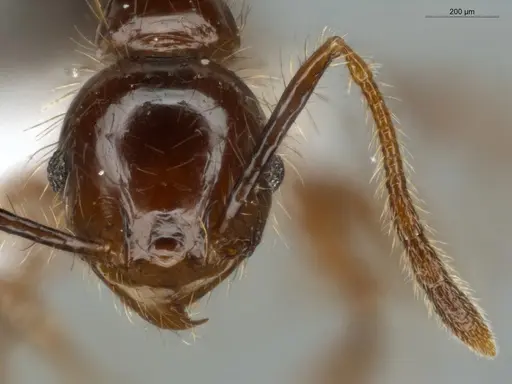
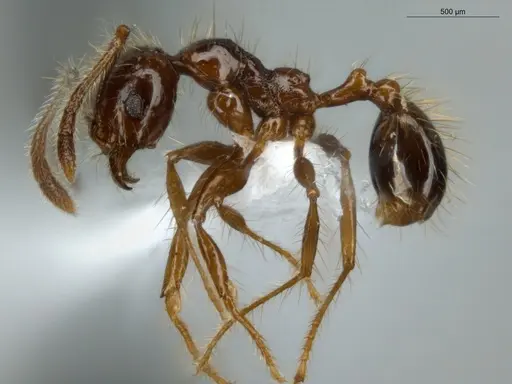
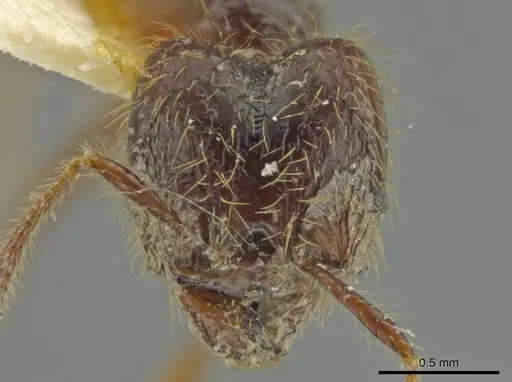
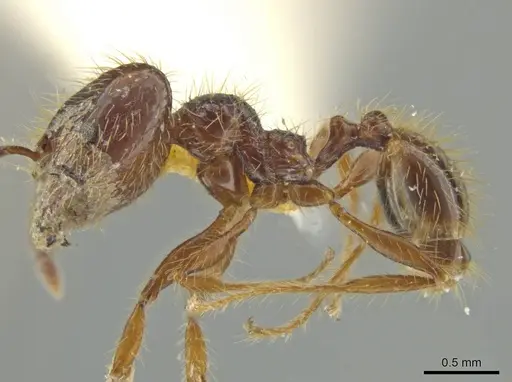
As a member of the gertrudae species group, Pheidole jeannei can be distinguished from related species by several key features. Major workers have extensive rugoreticulum on the head, transverse carinulae on the pronotal dorsum, and notably lack any propodeal spine or denticle. In side view, the basal and declivitous propodeal faces form a blunt right angle. Minor workers are smaller and dark reddish brown [1].
Known Distribution
This species has a relatively restricted known range within the Amazon basin. The type locality is Taperinha near Santarem in Pará state, Brazil. Subsequent records confirm its presence in the Brazilian state of Maranhão (Amazon-Cerrado transition zone) and in French Guiana [2]. A 2009 study recorded the species in terra firme forest in Colombia, suggesting the species may be more widespread than currently documented [3]. The species appears to be associated with lowland rainforest floor habitats [1].
Housing and Nesting
Since no captive husbandry information exists for this species, care recommendations must be inferred from its natural habitat. The species was collected from lowland rainforest floor, indicating it prefers warm, humid conditions with access to soil substrate. For founding colonies, standard test tube setups work well. For established colonies, Y-tong or plaster nests with moisture reservoirs work well. The nest should be kept humid but with some drier areas available so ants can self-regulate [1].
Feeding and Diet
Pheidole belongs to the tribe Attini, which are typically granivorous ants that also supplement their diet with small insects and honeydew. In captivity, offer a varied diet including small seeds, protein sources like mealworms, and sugar water or honey. Major workers have enlarged heads designed for seed crushing, so offering harder seeds they can process is beneficial [1].
Temperature and Seasonal Care
As an Amazonian lowland rainforest species, Pheidole jeannei requires warm, stable temperatures year-round. Aim for 24-28°C in the nest area. Maintain humidity by keeping the nest substrate moist but not waterlogged. Unlike temperate species, this ant likely does not require a winter diapause period [1].
Frequently Asked Questions
How long does it take for Pheidole jeannei to produce first workers?
The egg-to-worker timeline is unconfirmed for this species. Based on typical Pheidole development patterns for tropical species, expect approximately 6-10 weeks from egg to first nanitic worker at optimal temperature (24-28°C).
Is Pheidole jeannei good for beginners?
This species is not recommended for beginners due to lack of captive husbandry data and uncertain care requirements [1].
What do Pheidole jeannei ants eat?
Based on typical Pheidole diet, offer small seeds, protein sources like mealworms, and sugar water or honey [1].
Can I keep multiple queens together?
Colony structure is unconfirmed for this species. Most Pheidole are monogyne, but combining unrelated foundresses has not been documented. It is not recommended to attempt multi-queen setups.
What temperature do Pheidole jeannei ants need?
Keep nest temperatures around 24-28°C. This is a lowland Amazonian species requiring warm, tropical conditions year-round [1].
How big do Pheidole jeannei colonies get?
Colony size is unknown, no data exists on maximum colony size [1].
Does Pheidole jeannei need hibernation?
No, this is an Amazonian species adapted to year-round warm conditions. Diapause is not required or recommended.
What size are the workers?
Worker size is approximately 2-3 mm, inferred from Pheidole genus patterns.
Where is Pheidole jeannei found?
This species is known only from the Amazon basin in Brazil (Pará, Maranhão) and French Guiana, collected from lowland rainforest floor habitats [1][2][3].
When do nuptial flights occur?
Nuptial flight timing is unconfirmed for this species. Tropical Amazonian Pheidole typically have flights during rainy seasons, but specific data does not exist for Pheidole jeannei.
Why is my colony not growing?
Without established care protocols, colony failure is likely due to suboptimal conditions. Ensure proper temperature, humidity, and varied diet. This species may have specific requirements not yet understood [1].
Report an Issue
The current care sheet is based fully on literature. See inconsistencies, or something that's incorrect? Please , it will be resolved after review from an admin. Contributing to the blogs tab also helps providing information, to make us be able to further improve the caresheets. Thank you for your support!
References

This caresheet is licensed under CC BY-SA 4.0 .
Community Blogs
CASENT0645808
View on AntWeb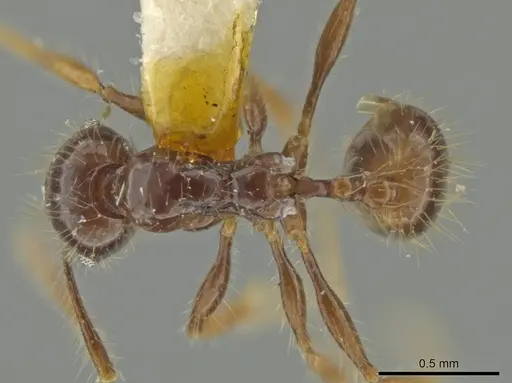
ECOFOG-IT14-0100-25-S
View on AntWeb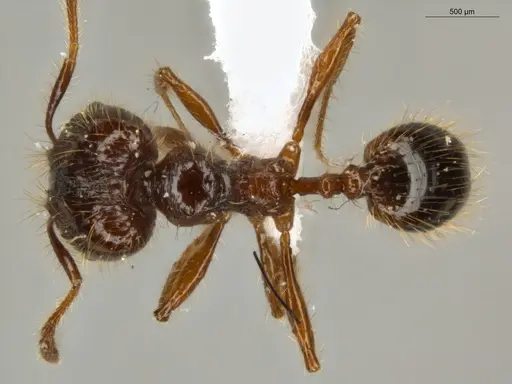
ECOFOG-IT14-0100-25
View on AntWeb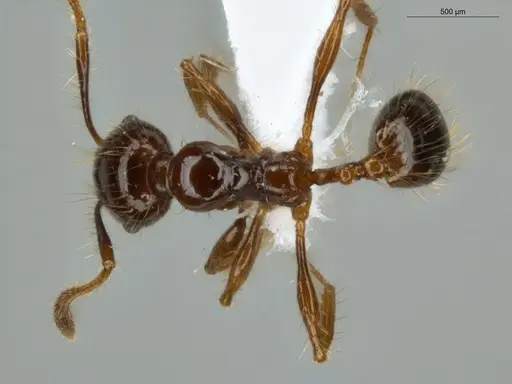
JTLC000016417
View on AntWeb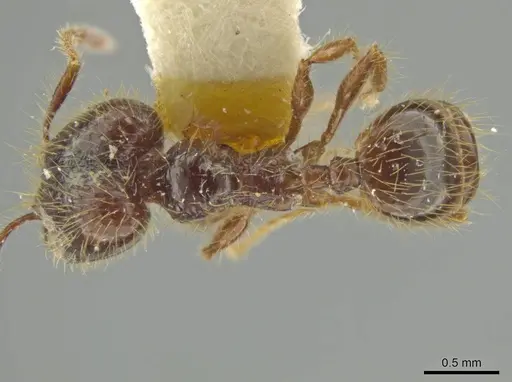
Literature
Loading distribution map...Loading products...