
Pheidole jamaicensis
- Sci. Name
- Pheidole jamaicensis
- Tribe
- Attini
- Subfamily
- Myrmicinae
- Author
- Wheeler, 1908
- Distribution
- Found in 4 countries
Introduction
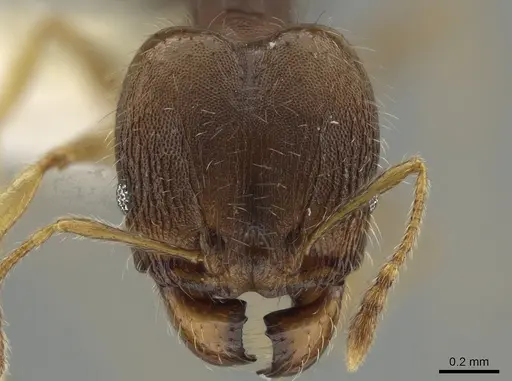
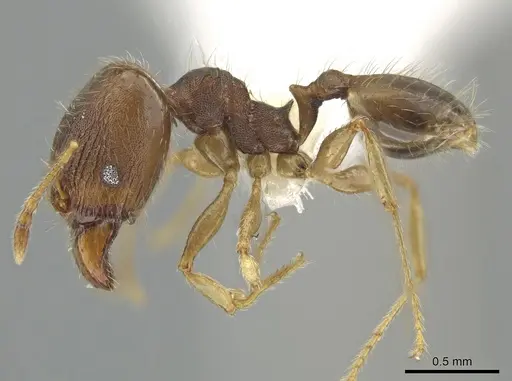
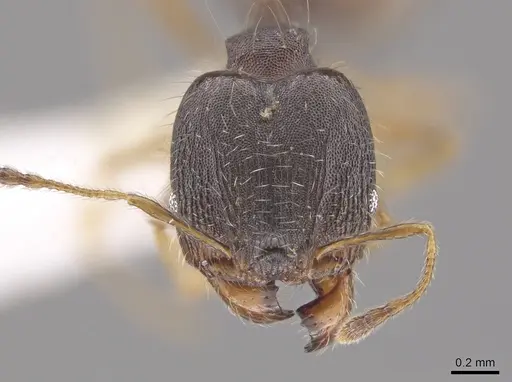
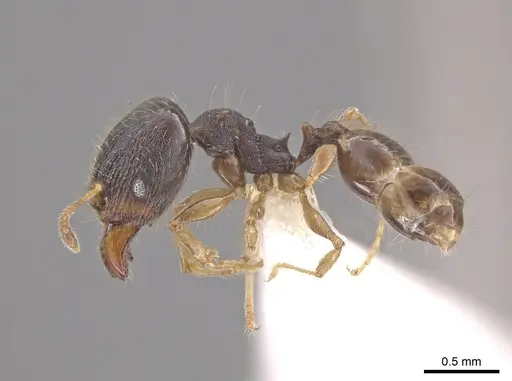
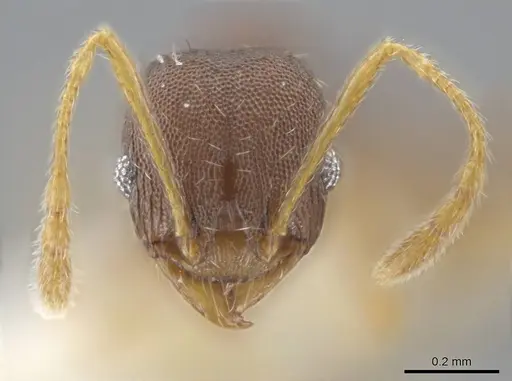
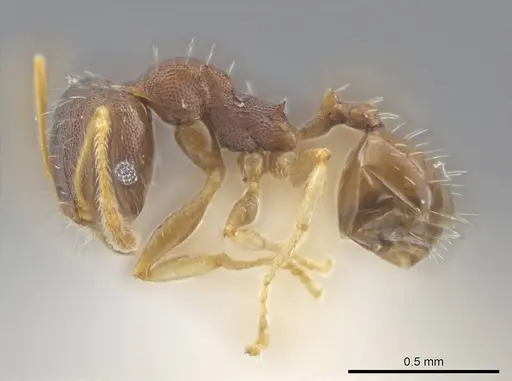
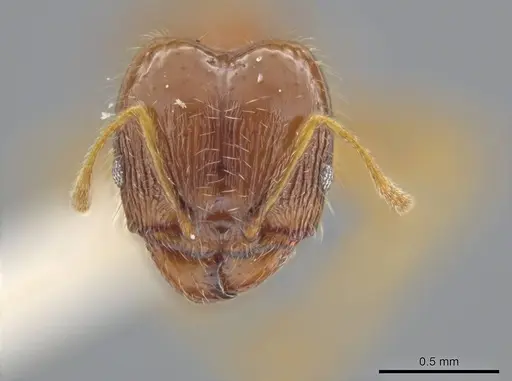
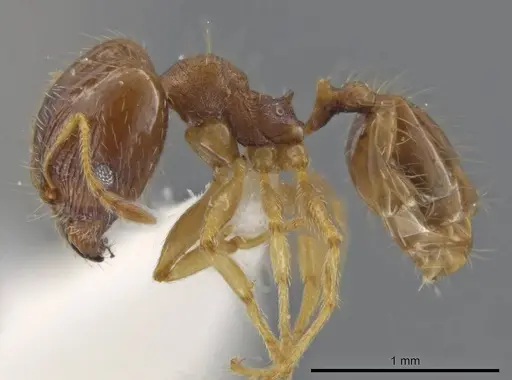
Pheidole jamaicensis is a small ant native to Caribbean islands including Jamaica, Hispaniola (Haiti and Dominican Republic), and Cuba . It inhabits diverse habitats from dry forest to cloud forest, and nests beneath epiphytes, in rotten wood, or under stones . Workers have two castes: minor workers with head width 0.38-0.55mm and major workers with head width 0.74-1.09mm . Both castes are uniformly dark red-brown, distinguishing them from related species . This species was recently revised from Pheidole bilimeki and is highly adaptable, thriving in various nesting situations and habitats .
Quick Summary
- Difficulty: Easy
- Origin & Habitat: Caribbean islands, Jamaica, Hispaniola (Haiti and Dominican Republic), and Cuba. Found from 125-1,330m elevation in habitats including lowland second growth, wet forest on karst, cloud forest, evergreen forest, coffee plantations, limestone areas, ravines, mixed hardwood-pine forest, and dry forest [1][2][3].
- Colony Type: Colony structure is unconfirmed. Based on typical Pheidole patterns, likely single-queen (monogyne) colonies.
- Size & Growth:
- Queen: Size data unavailable, inferred from Pheidole genus to be approximately 8 mm
- Worker: Size data unavailable, inferred from Pheidole genus to be approximately 4-6 mm
- Colony: Up to several hundred workers, estimated from genus patterns
- Growth: Moderate, estimated based on genus patterns
- Development: Estimated 6-8 weeks at optimal temperatures, inferred from related Pheidole species (Development time is inferred, direct measurements for P. jamaicensis are not available)
- Antkeeping:
- Temperature: Keep at warm temperatures around 24-28°C, as inferred from tropical habitat [1][2]
- Humidity: Keep nest substrate consistently moist but not waterlogged, as they inhabit various humidities in wild [1][2]
- Diapause: No, tropical species does not require hibernation
- Nesting: Use test tube setup for founding colonies. Once established, transition to Y-tong, plaster, or soil nests. They nest in various sites in wild [1][2]
- Behavior: Typically docile but will defend nest vigorously. Escape risk is moderate due to small size, use barriers like Fluon. Based on Pheidole patterns, they are omnivorous with preference for seeds and protein.
- Common Issues: colonies may decline if kept too cold, maintain warm temperatures year-round, overfeeding can lead to mold in nest chambers, remove uneaten food promptly, major workers are relatively large but can still escape through standard barriers, wild-caught colonies may carry parasites, quarantine and observe new colonies, slow initial growth during founding phase can lead to abandonment if disturbed too often
Housing and Nest Setup
For founding colonies, a simple test tube setup works well. Fill a test tube one-third with water, plug with cotton, and place the queen in the tube. The cotton creates a water reservoir that maintains humidity while the queen seals herself in to raise her first brood. Keep the tube in darkness and avoid disturbing the queen during the founding stage.
Once the colony reaches 50+ workers, you can transition to a formicarium. Y-tong (AAC) nests work well for Pheidole because they provide dark, humid chambers. Plaster nests are also suitable and allow you to control moisture levels. Naturalistic setups with a soil substrate can mimic their natural habitat of rotting wood and stones. Whatever nest type you choose, ensure it has chambers sized appropriately for their colony size [1][2].
Feeding and Diet
Pheidole jamaicensis is omnivorous with a preference for seeds and protein. In the wild, they forage for seeds and scavenge on dead insects. You can offer commercial ant foods like bird seed or millet, and protein sources like small insects twice weekly. They may accept sugar sources like honey water, but protein and seeds should form the core of their diet. Remove uneaten food after 24-48 hours to prevent mold. Fresh water should always be available.
Temperature and Seasonal Care
As a Caribbean species, Pheidole jamaicensis thrives in warm conditions. Keep the nest area at 24-28°C. A heating cable on one side of the nest creates a temperature gradient. Unlike temperate species, they do not require winter diapause. Maintain consistent temperatures year-round and avoid prolonged temperatures below 20°C. [1][2]
Behavior and Colony Dynamics
This species has distinct minor and major worker castes. Minor workers handle foraging and brood care, while major workers defend the colony and process larger food items. Foraging is typically crepuscular or nocturnal. They are not aggressive toward humans but will sting if threatened, though the sting is mild. Escape risk is moderate, apply Fluon barriers to prevent escapes.
Growth and Development
The colony starts with a single queen that seals herself in during founding. The first brood produces nanitic workers, after which the colony grows. Growth is moderate, with colonies reaching 50 workers in 6-12 months and several hundred workers over 2-3 years, depending on temperature and feeding. Major workers appear after the colony has sufficient resources.
Frequently Asked Questions
How long does it take for Pheidole jamaicensis to produce first workers?
Expect first workers to emerge 6-8 weeks after egg-laying, assuming optimal temperatures around 26°C. This timeline is estimated from related Pheidole species since specific data is not available.
Can I keep multiple Pheidole jamaicensis queens together?
Not recommended. Pheidole species are typically single-queen colonies, and combining unrelated queens usually results in fighting. House founding queens separately.
What do Pheidole jamaicensis eat?
They are omnivorous with a preference for seeds and protein. Offer a seed mix as a staple, supplemented with small insects twice weekly. They may accept occasional honey water.
Are Pheidole jamaicensis good for beginners?
Yes, this species is rated as easy to keep. They are adaptable to various nest setups, not overly aggressive, and accept a wide range of foods. The main requirements are warm temperatures and avoiding disturbance during founding.
When should I move my colony to a formicarium?
Move from the test tube setup once the colony reaches 40-60 workers. At this size, they benefit from more space. A Y-tong or plaster nest works well for the transition.
Do Pheidole jamaicensis need hibernation?
No. As a Caribbean tropical species, they do not require hibernation or winter cooling. Keep them at warm, stable temperatures year-round.
How big do Pheidole jamaicensis colonies get?
Based on typical Pheidole patterns, colonies likely reach several hundred workers over 2-4 years. The exact maximum is not documented.
Why is my colony declining?
Common causes include temperatures too cold, excessive disturbance during founding, mold from overfeeding, or parasites. Check temperatures and reduce disturbances. Remove uneaten food promptly.
Report an Issue
The current care sheet is based fully on literature. See inconsistencies, or something that's incorrect? Please , it will be resolved after review from an admin. Contributing to the blogs tab also helps providing information, to make us be able to further improve the caresheets. Thank you for your support!
References

This caresheet is licensed under CC BY-SA 4.0 .
Community Blogs
CASENT0630237
View on AntWeb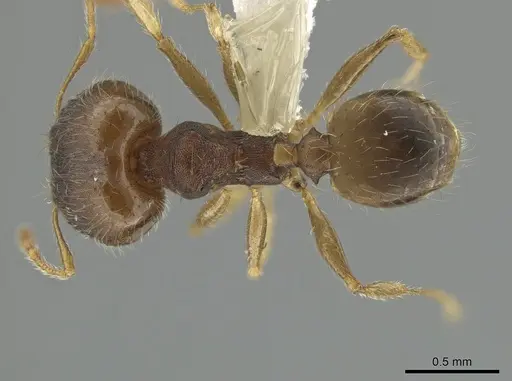
CASENT0630241
View on AntWeb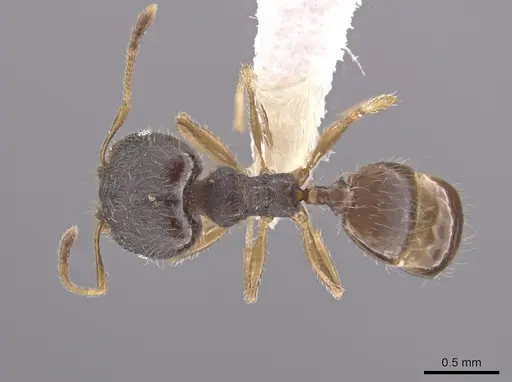
CASENT0636785
View on AntWeb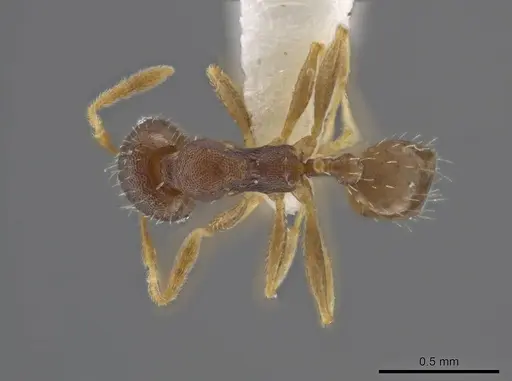
JTLC000015838
View on AntWeb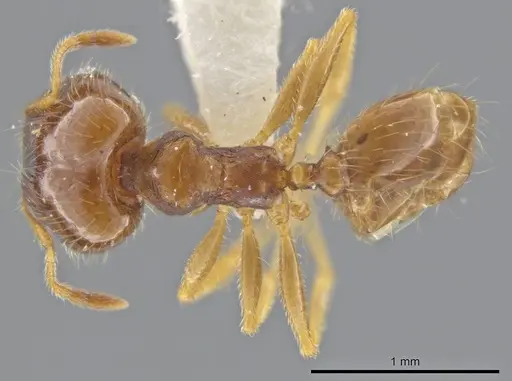
Literature
Loading distribution map...Loading products...