
Pheidole itremo
- Sci. Name
- Pheidole itremo
- Tribe
- Attini
- Subfamily
- Myrmicinae
- Author
- Salata & Fisher, 2020
- Distribution
- Found in 1 countries
Introduction
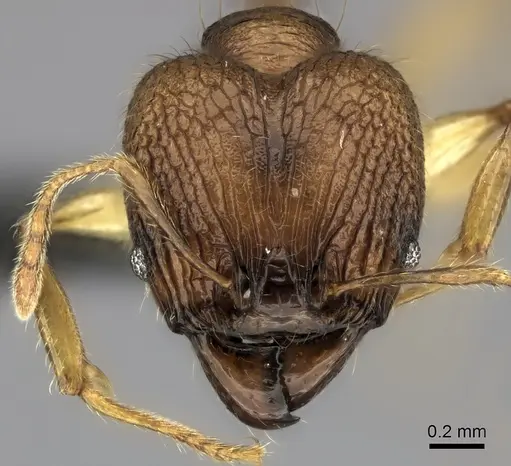
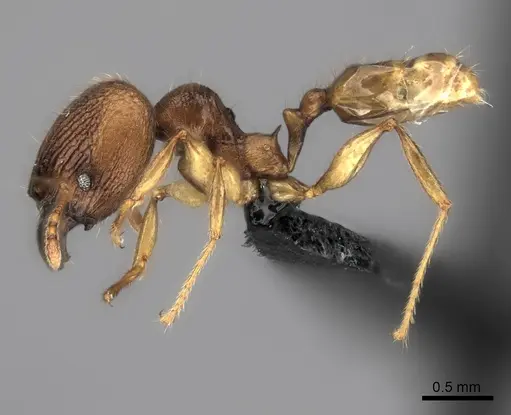
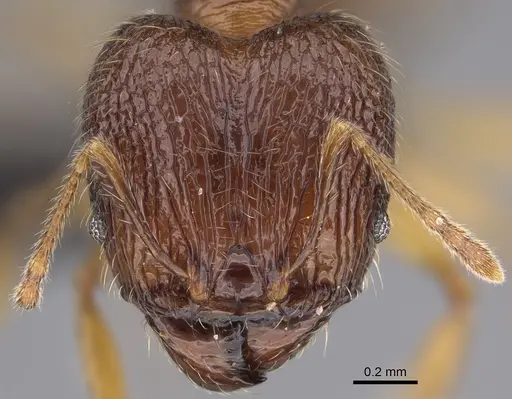
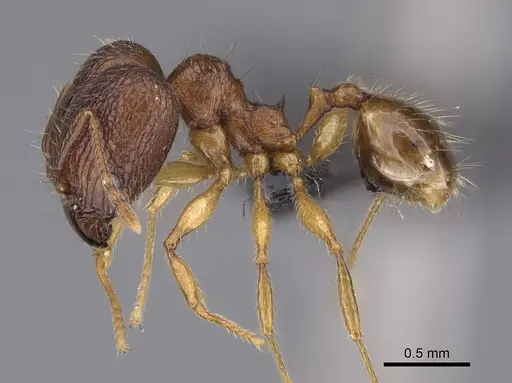
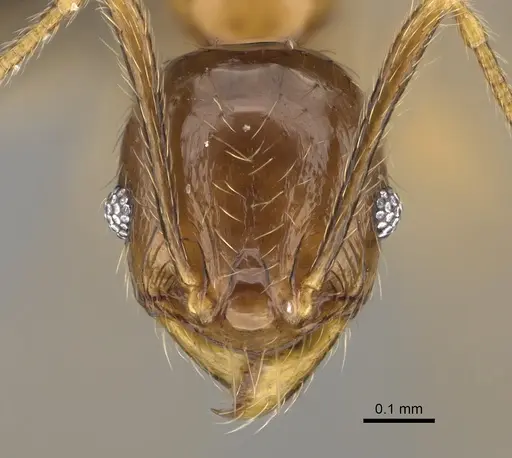
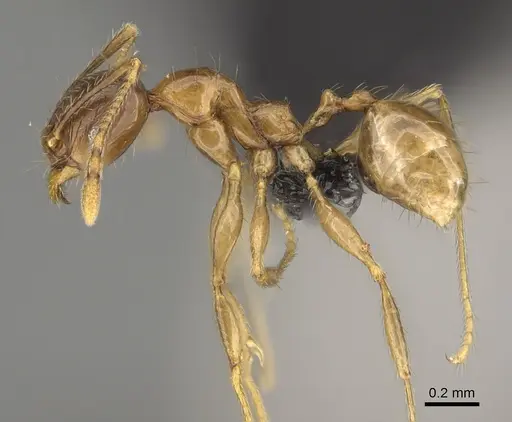
Pheidole itremo is a moderately large ant species from the sikorae species group, native to the highlands of central Madagascar. Major workers are brown, while minor workers are yellowish-brown . This species was described in 2020 and is known from montane forest and rainforest habitats at elevations between 1410-1620 meters, where it nests in rotten logs and root mats .
Quick Summary
- Difficulty: Medium
- Origin & Habitat: Central Madagascar highlands (Fianarantsoa and Antananarivo provinces), montane forest and montane rainforest at 1410-1620m elevation [1][2]
- Colony Type: Based on Pheidole genus patterns, likely single-queen colonies (monogyne) [2]
- Size & Growth:
- Queen: Size data unavailable, inferred from Pheidole genus patterns to be around 5-7mm [2]
- Worker: Size data unavailable, inferred from Pheidole genus patterns to be small-bodied [2]
- Colony: Up to several hundred workers, estimated from related species [2]
- Growth: Moderate, typical for Pheidole genus [2]
- Development: 6-10 weeks estimated based on genus patterns [2] (Development time inferred from typical Pheidole development at room temperature)
- Antkeeping:
- Temperature: Based on high-elevation habitat, keep at cooler temperatures around 20-24°C [1]
- Humidity: Keep nest substrate consistently moist, as they nest in rotten logs in montane rainforest [1]
- Diapause: Based on highland Madagascar origin, they may require cooler seasonal temperatures, but specific diapause requirements are unknown [1]
- Nesting: In captivity, they do well in Y-tong (AAC) nests, plaster nests, or naturalistic setups with rotting wood pieces. They naturally nest in rotten logs and root mats, so include wood fragments or cork in the nest [1][2]
- Behavior: Typical Pheidole behavior, majors have enlarged heads for seed-processing and colony defense. Workers are active foragers, and colonies will defend vigorously. Minor workers are small and can escape through small gaps, use fine mesh barriers. They are not aggressive toward humans and rarely sting [2]
- Common Issues: escape prevention is critical due to tiny minor workers, use fine mesh and tight-fitting lids., high humidity needs can lead to mold if ventilation is poor., colonies may be slow to establish initially, patience is needed during founding., wild-caught colonies may carry parasites that can decimate the colony.
Housing and Nest Setup
You can use Y-tong (AAC) nests, plaster nests, or naturalistic soil setups with rotting wood pieces to simulate their natural habitat [1][2]. Always provide an outworld connected to the nest. For founding queens, use a test tube setup with a water reservoir cotton ball for humidity. Once the colony reaches 20-30 workers, move them to a larger setup if needed.
Feeding and Diet
Offer a varied diet including protein sources like small insects (fruit flies, mealworms) and carbohydrates like sugar water or honey [2]. Feed protein 2-3 times per week and keep a constant sugar source available. Remove uneaten prey after 24-48 hours to prevent mold.
Temperature and Humidity
Keep temperatures around 20-24°C based on their high-elevation origin [1]. For humidity, maintain a moist nest substrate without waterlogging, as they nest in rotten logs in montane rainforest [1]. Use a water reservoir or mist the nest when dry.
Colony Development
Queens may lay eggs after sealing themselves in, but founding behavior is unconfirmed. First workers emerge in 6-10 weeks at room temperature [2]. Growth is moderate, with colonies reaching up to several hundred workers over time [2]. Major workers become more common as the colony matures.
Behavior and Observation
Minor workers handle foraging and brood care, while majors defend the colony and process seeds [2]. Foraging is highest during evening hours. This species is not aggressive toward keepers and rarely stings [2].
Frequently Asked Questions
How long does it take for Pheidole itremo to produce first workers?
Expect first workers to emerge in 6-10 weeks after queen lays eggs, assuming temperatures around 20-24°C [2].
What do Pheidole itremo ants eat?
They are omnivorous. Offer protein like small insects 2-3 times per week and a constant sugar source like sugar water [2].
Can I keep multiple Pheidole itremo queens together?
Based on genus patterns, this species is likely monogyne, so combining queens may cause fighting. Only keep one queen per colony [2].
What temperature is best for Pheidole itremo?
Keep them at 20-24°C based on their high-elevation habitat [1].
How big do Pheidole itremo colonies get?
Colonies can reach up to several hundred workers, estimated from related species [2].
What humidity level do they need?
Keep the nest substrate consistently moist, as they nest in rotten logs in montane rainforest [1].
When should I move Pheidole itremo to a formicarium?
Wait until the colony has at least 20-30 workers and the test tube is crowded. Ensure the new setup has appropriate humidity and wood materials [2].
Do Pheidole itremo need hibernation?
Specific requirements are unknown, but based on highland origin, they may benefit from cooler seasonal temperatures. If cooling, do so gradually and keep above 15°C [1].
Why are my Pheidole itremo escaping?
Minor workers are very small and can squeeze through gaps. Use fine mesh, tight-fitting lids, and barrier tape on edges [1].
Report an Issue
The current care sheet is based fully on literature. See inconsistencies, or something that's incorrect? Please , it will be resolved after review from an admin. Contributing to the blogs tab also helps providing information, to make us be able to further improve the caresheets. Thank you for your support!
References

This caresheet is licensed under CC BY-SA 4.0 .
Community Blogs
CASENT0042639
View on AntWeb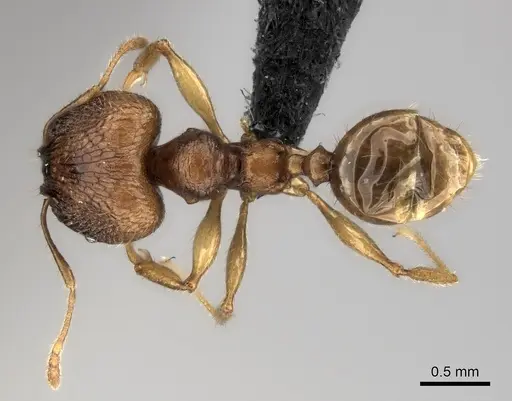
CASENT0196944
View on AntWeb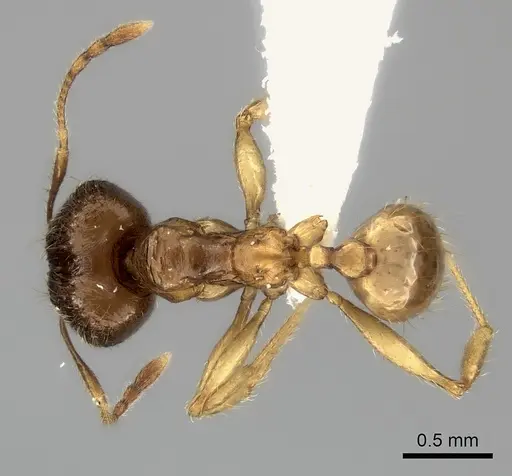
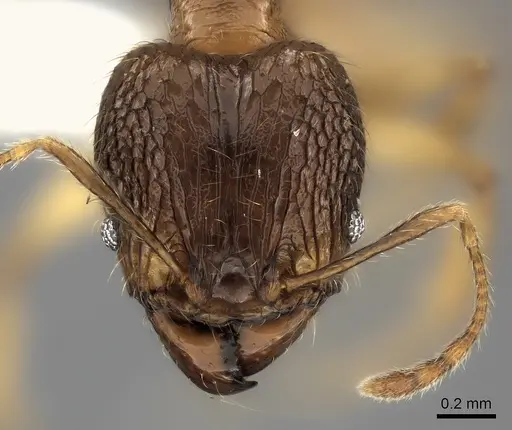
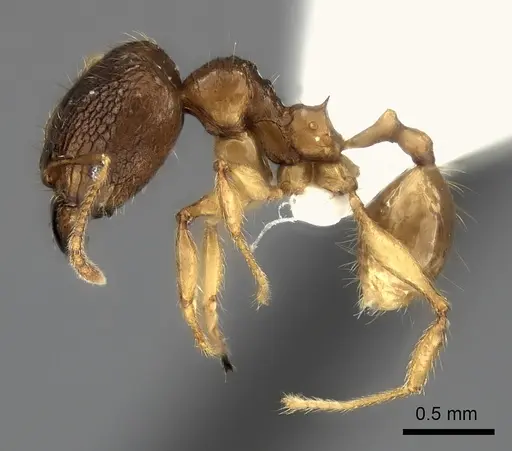
CASENT0319221
View on AntWeb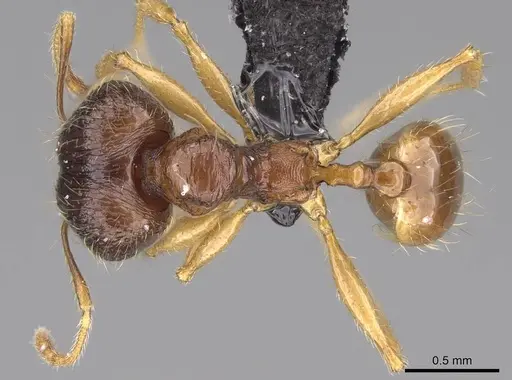
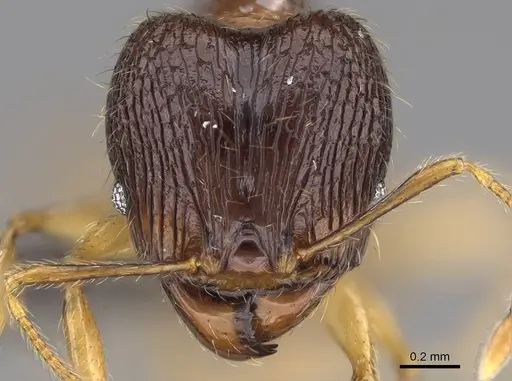
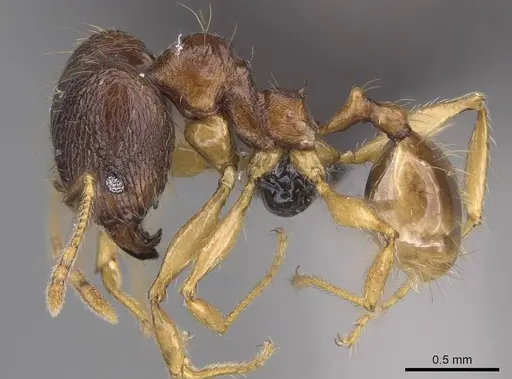
CASENT0437179
View on AntWeb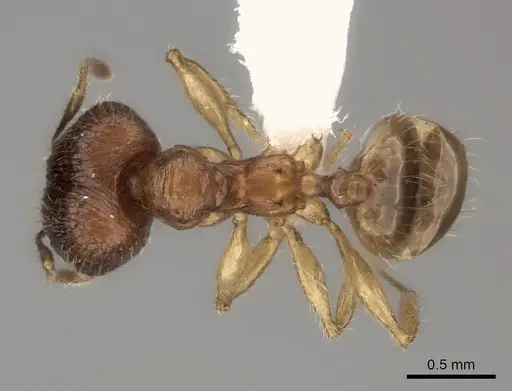
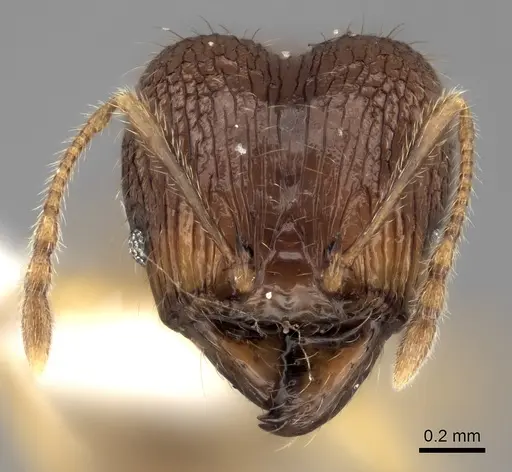
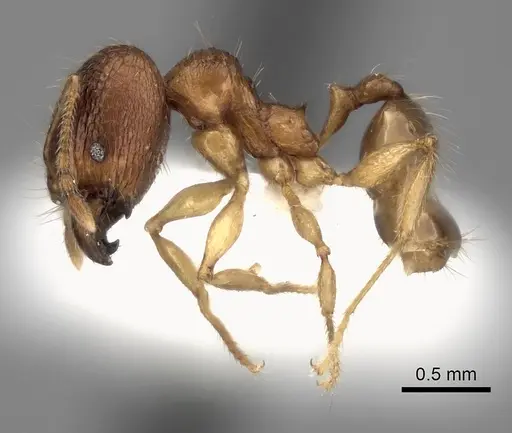
CASENT0491584
View on AntWeb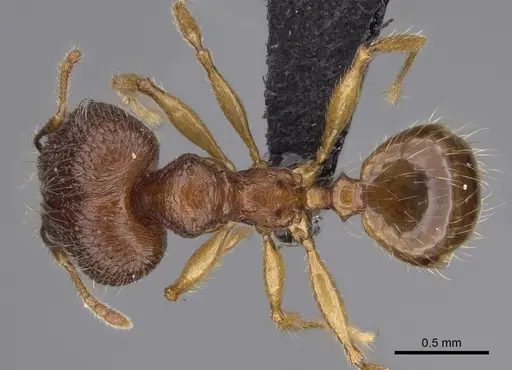
CASENT0491586
View on AntWeb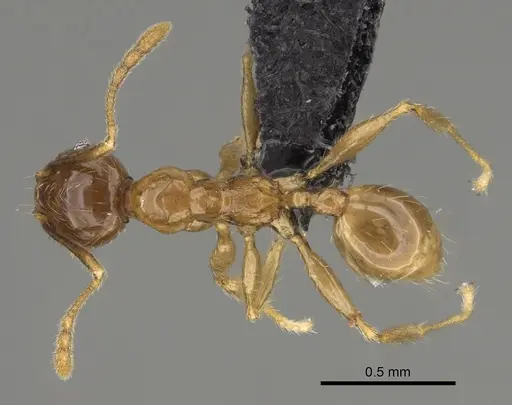
Literature
Loading distribution map...Loading products...