
Pheidole isis
- Sci. Name
- Pheidole isis
- Tribe
- Attini
- Subfamily
- Myrmicinae
- Author
- Mann, 1919
- Distribution
- Found in 1 countries
Introduction
Pheidole isis is a small ant species native to the Solomon Islands archipelago in the Pacific. No body size data is available from research. The species was first described by William M. Mann in 1919 . It is recorded from Makira, Guadalcanal, and Ysabel islands . This species is part of the Pheidole genus, known for having major and minor worker castes, but little is known about its specific biology or care in captivity.
Quick Summary
- Difficulty: Hard
- Origin & Habitat: Endemic to the Solomon Islands (Makira, Guadalcanal, Ysabel) [2][1]. Natural habitat is tropical forest.
- Colony Type: Unconfirmed, colony structure has not been documented for this species.
- Size & Growth:
- Queen: Size data unavailable.
- Worker: Size data unavailable.
- Colony: Unknown.
- Growth: Unknown.
- Development: Unknown, no data available. (No specific development timeline data for this species.)
- Antkeeping:
- Temperature: Based on tropical origin, keep warm around 24-28°C. No specific data available.
- Humidity: Maintain moderate to high humidity, typical of tropical environments. Keep nest substrate moist but not waterlogged.
- Diapause: Unknown, as a tropical species, likely no hibernation required.
- Nesting: Based on genus patterns, likely nest in soil or wood. In captivity, use test tube setup for founding, then transition to Y-tong or plaster nests.
- Behavior: Based on Pheidole genus patterns, likely active foragers with major workers defending the colony. They possess a stinger, but it is small and not medically significant to humans. Not aggressive towards humans but will defend nest. Escape risk due to small size, use fine mesh barriers.
- Common Issues: no captive breeding data exists, this species has never been documented in the antkeeping hobby, tropical humidity requirements mean dry conditions can be fatal, small colony size at founding makes claustral queens vulnerable to disturbance, escape risk exists despite their small size, use proper barriers, wild-caught colonies may carry parasites or diseases from their native range
Species Background and Distribution
Pheidole isis is a Solomon Islands endemic. The species was originally described in 1919 by William M. Mann [1]. Confirmed records from Makira Island, Guadalcanal, and Ysabel Island [2][1].
Identification and Morphology
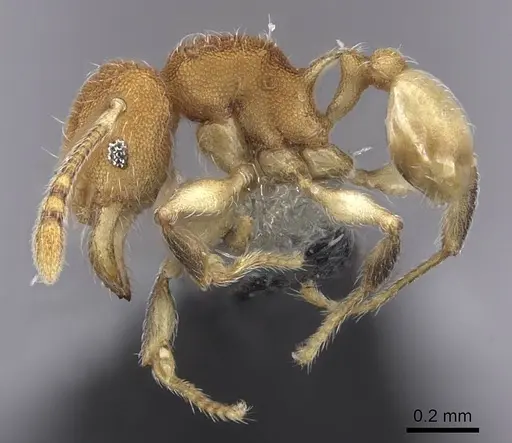
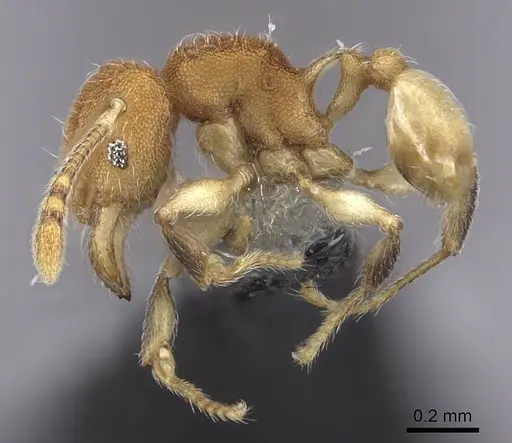
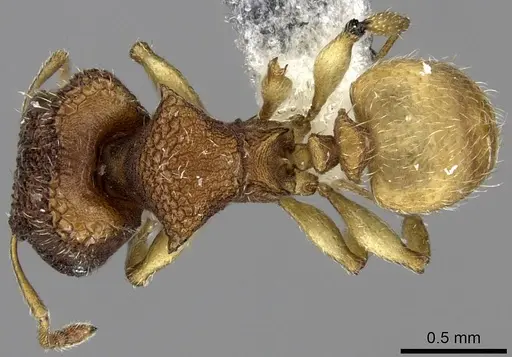
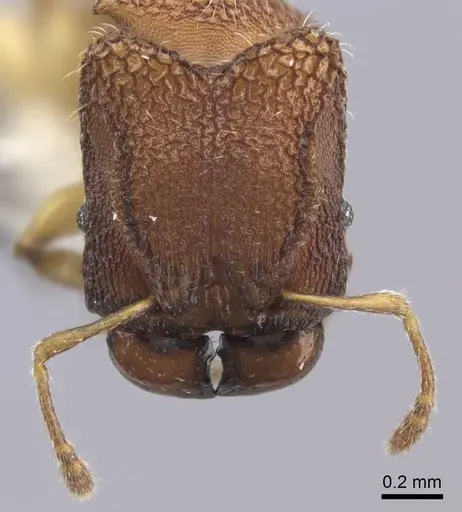
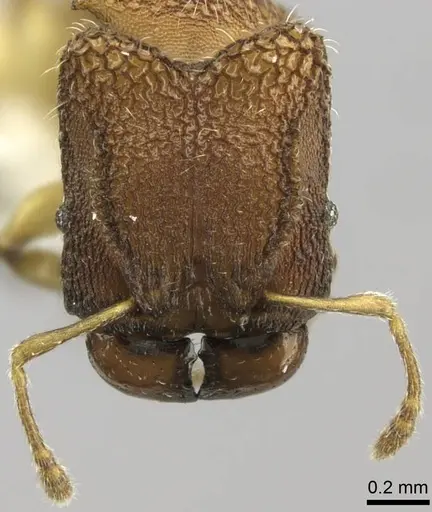
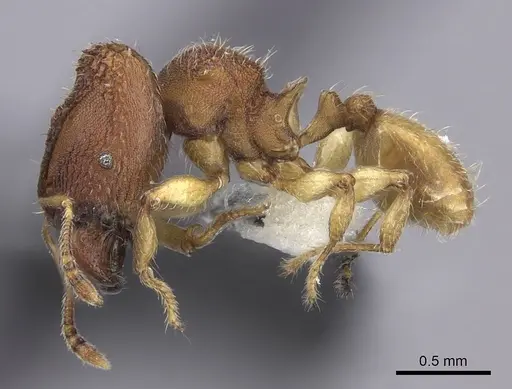
Like all Pheidole species, P. isis has minor and major worker castes. Major workers have enlarged heads for defense. Identification typically requires comparison with type specimens or expert keys [3].
Housing and Nesting
For founding, use a test tube setup. Once colony has 20-30 workers, transition to a small formicarium like Y-tong or plaster nests. Keep nest dark and secure. Provide an escape-proof outworld.
Feeding and Diet
Pheidole species are omnivorous. Offer protein sources like small insects and carbohydrates like sugar water. Feed protein 2-3 times per week. Remove uneaten food to prevent mold.
Temperature and Humidity
As a tropical species, keep warm at 24-28°C and maintain 60-80% humidity. Use heating cable for gradient, keep substrate moist.
Colony Development
Queen lays eggs that develop through stages. First workers emerge in weeks, but no specific data for this species. Based on genus, expect slow initial growth.
Frequently Asked Questions
How long does it take for Pheidole isis to have first workers?
The exact timeline is unknown for this species. Based on typical Pheidole development patterns, expect first workers approximately 4-8 weeks after the queen lays eggs, assuming optimal temperature and humidity.
What do Pheidole isis ants eat?
Pheidole isis is omnivorous. Offer small insects as protein 2-3 times per week, and provide a constant sugar source like sugar water or honey. They may also accept seeds and fruit. Remove uneaten food within 48 hours to prevent mold.
Can I keep multiple Pheidole isis queens together?
This has not been documented for this species. Most Pheidole are monogyne, but some species can be polygynous. Unless confirmed, house a single queen per colony to avoid fighting.
What temperature do Pheidole isis need?
Keep them warm at 24-28°C. As a tropical species, they need consistent warmth. A heating cable on one side of the nest creates a gradient for self-regulation.
Are Pheidole isis good for beginners?
This species cannot be recommended for beginners because there is no captive breeding data available and they have never been documented in the antkeeping hobby.
How big do Pheidole isis colonies get?
Colony size is unknown for this specific species. Typical Pheidole colonies can reach hundreds to thousands of workers, but no data exists for P. isis.
Do Pheidole isis need hibernation?
As a tropical species from the Solomon Islands, they likely do not require hibernation. Maintain warm temperatures year-round.
What humidity level do Pheidole isis need?
Maintain moderate to high humidity, typical of tropical environments. Keep the nest substrate consistently moist but not waterlogged.
When should I move Pheidole isis to a formicarium?
Keep the queen in a test tube setup until the colony reaches at least 20-30 workers. Then transfer to a small formicarium like Y-tong or plaster nest with an outworld.
Report an Issue
The current care sheet is based fully on literature. See inconsistencies, or something that's incorrect? Please , it will be resolved after review from an admin. Contributing to the blogs tab also helps providing information, to make us be able to further improve the caresheets. Thank you for your support!
References

This caresheet is licensed under CC BY-SA 4.0 .
Community Blogs
CASENT0219547
View on AntWeb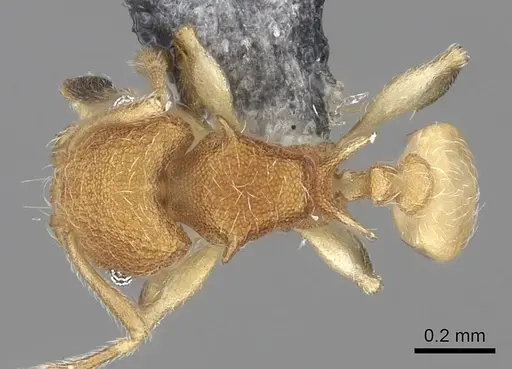
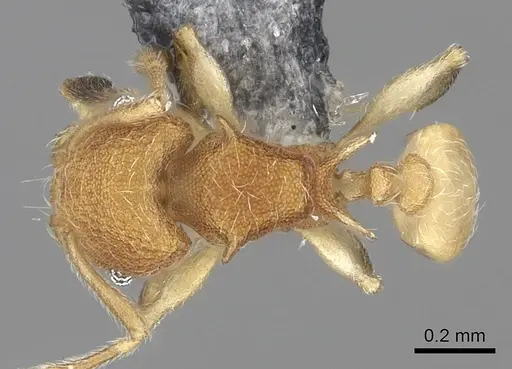
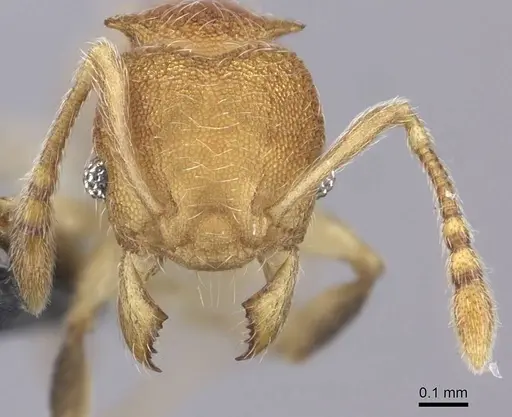
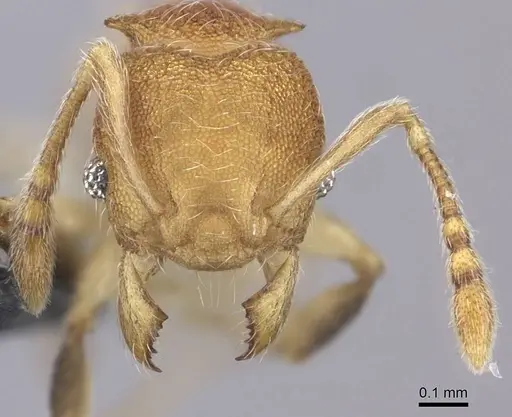
CASENT0219994
View on AntWeb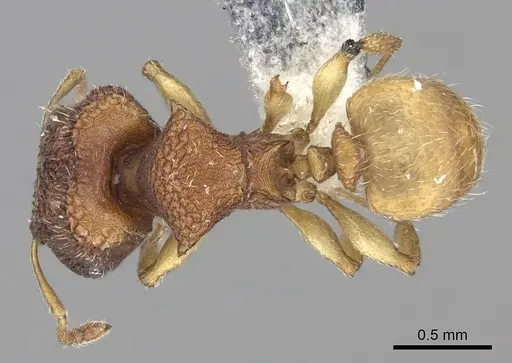
Literature
Loading distribution map...Loading products...