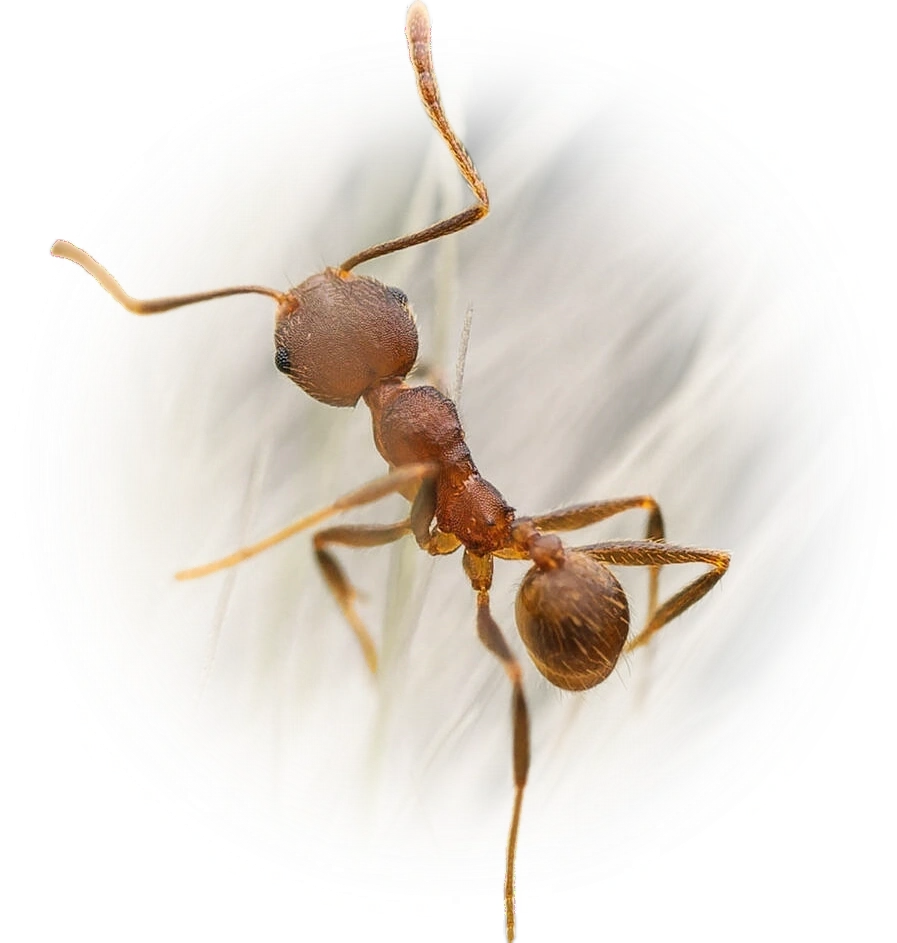
Pheidole inversa
- Sci. Name
- Pheidole inversa
- Tribe
- Attini
- Subfamily
- Myrmicinae
- Author
- Forel, 1901
- Distribution
- Found in 1 countries
Introduction
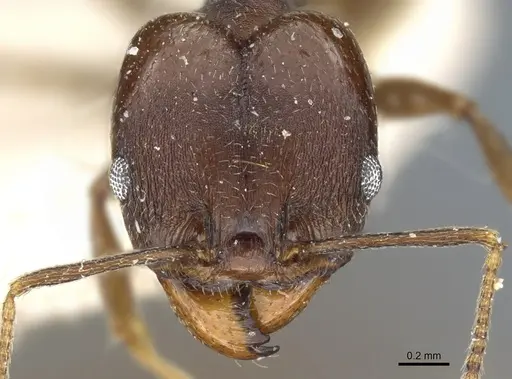
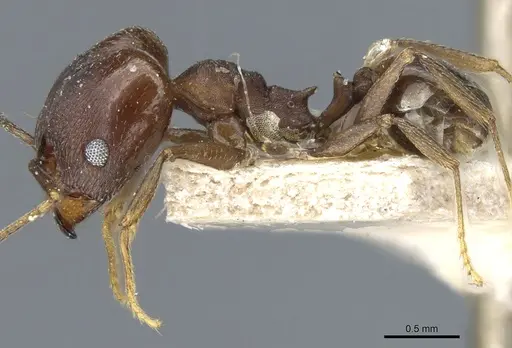
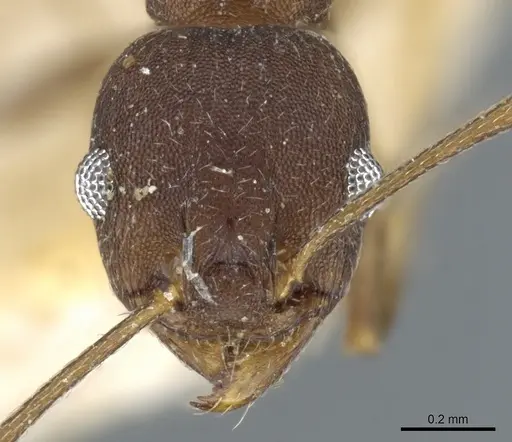
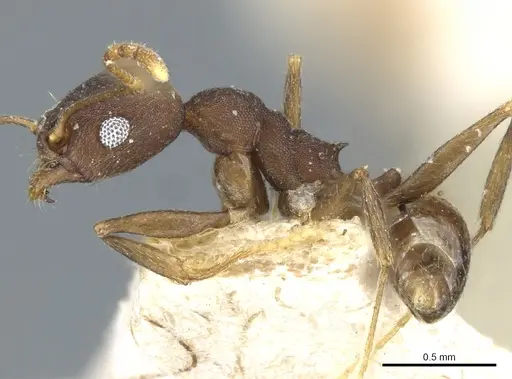
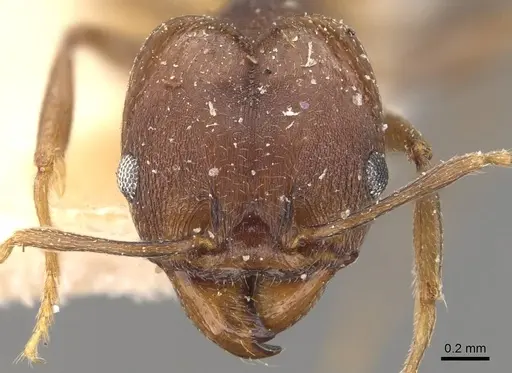
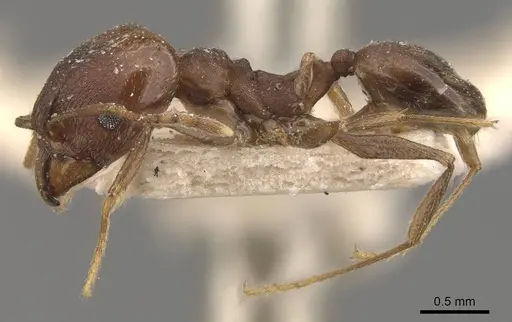
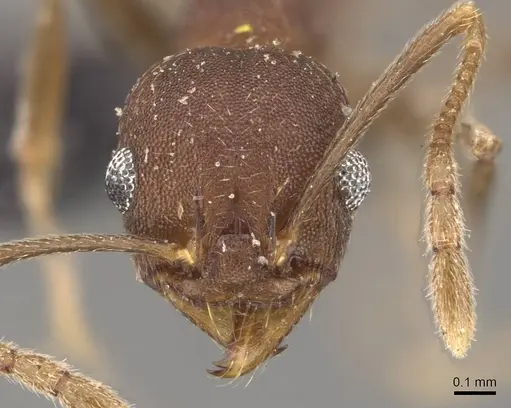
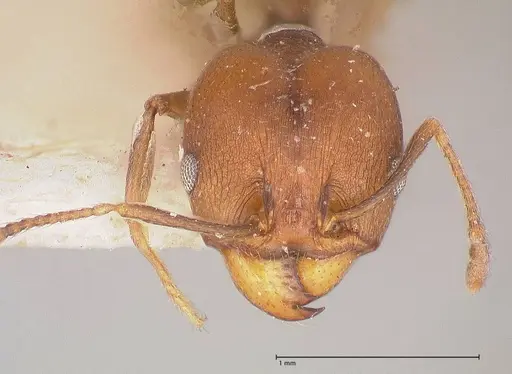
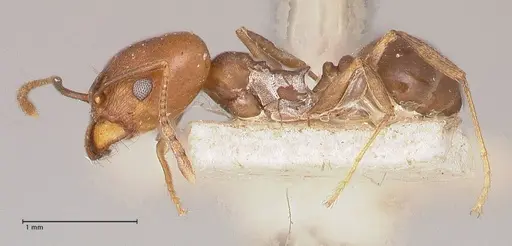
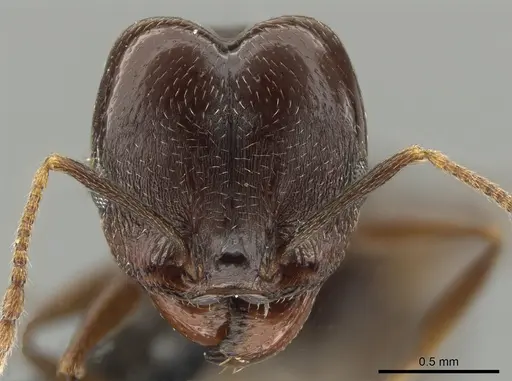
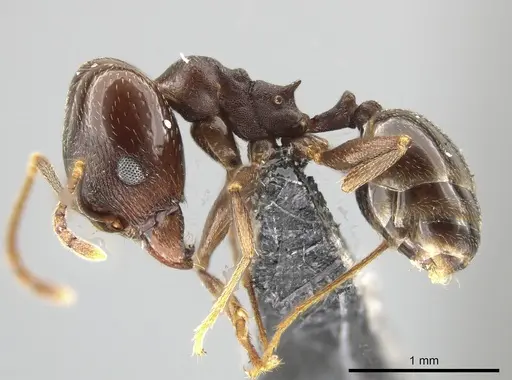
Pheidole inversa is a small reddish-brown ant from the diligens group. It is nearly hairless and has distinct major and minor worker castes. Major workers have a head where the front two-thirds is ridged and the back third is smooth and shiny. Minor workers are smaller and uniformly colored. The species lives in northern lowland Colombia and on Curaçao. You will find them nesting in clay soils near mountains, in arid soils, and near urban zones . They also appear in rubber plantations but avoid primary and secondary forests . This species is notable for its strong recruitment behavior. When workers find food, they quickly call in large numbers to exploit the resource . The exact biology of this ant remains poorly studied, so much of what we know comes from related Pheidole species .
Quick Summary
- Difficulty: Medium
- Origin & Habitat: Northern lowland Colombia (Atlántico and Magdalena departments) and Curaçao. They nest in tropical dry forest, clay soils, and arid ground, often near urban areas or rubber plantations [4][5][1][2].
- Colony Type: Colony structure is unconfirmed. Based on typical Pheidole patterns, they likely form single-queen colonies (monogyne), where one queen rules the nest alone.
- Size & Growth:
- Queen: size unknown, inferred from Pheidole genus (~4-6mm)
- Worker: size unknown, inferred from Pheidole genus (~2-7mm)
- Colony: Up to several hundred workers, inferred from Pheidole genus patterns
- Growth: Moderate, inferred from genus patterns
- Development: Unknown, no data available for this species (Development speed is unconfirmed. Keep the queen warm and well-fed while you wait.)
- Antkeeping:
- Temperature: Keep warm and stable, roughly low-to-mid 20s°C. They come from tropical lowlands, so avoid cold drafts [1].
- Humidity: Provide a humidity gradient. Keep the nest substrate mostly dry with one small moist area, matching their natural arid clay soil habitat [1].
- Diapause: No, tropical lowland origin suggests they do not require winter diapause [1].
- Nesting: Y-tong (AAC) nests or plaster nests work well. They prefer nesting in soil-like material [1].
- Behavior: Workers are active and show strong recruitment. They quickly locate food and exploit it in large numbers. They are not aggressive toward keepers, but major workers can deliver a mild sting if handled [1]. Minor workers are small, so check for gaps in your setup to prevent escapes.
- Common Issues: cold temperatures will slow or stop brood development, mass foraging increases escape risk if barriers are not secure, arid soil nesting preference means constantly wet nests can cause mold or nest abandonment, limited biology data means some care parameters are estimates based on genus patterns
Nest Preferences
In the wild, Pheidole inversa nests in clay soils near mountains and in arid ground, including areas near urban zones [1]. They are ground-nesting ants that prefer soil-based substrates. For captive care, Y-tong (AAC) nests with soil chambers or plaster nests work well. The nest should have a chamber system that allows the colony to expand as it grows. Provide a water tube connected to a cotton plug for humidity control. Since they come from relatively warm, seasonally dry areas, avoid keeping the nest constantly wet. Allow brief drying periods between rehydration [1].
Feeding and Diet
Pheidole inversa is a generalist forager that exploits food resources in mass. They readily locate baits and recruit heavily [1]. In captivity, offer protein sources like small insects (fruit flies, small mealworms, cricket pieces), and provide sugar water or honey as an energy source. Their strong recruitment behavior means you will see many workers respond to food quickly. Feed protein two to three times per week and keep sugar water available constantly. Remove uneaten prey after twenty-four to forty-eight hours to prevent mold.
Temperature and Care
This tropical species requires warm conditions. Keep the nest area at roughly low-to-mid 20s°C. A heating cable placed on top of the nest creates a gentle warmth gradient. Since they are from northern Colombia and Curaçao, they do not experience cold winters and do not require hibernation. Maintain stable temperatures year-round. Avoid drafts from air conditioning or windows in cooler months. Cold temperatures will slow brood development and can weaken the colony [1].
Behavior and Temperament
Pheidole inversa shows classic Pheidole behavior with distinct major and minor worker castes. Majors have enlarged heads for defense or seed-crushing, while minors handle most foraging and brood care. The species is known for mass recruitment. When food is found, many workers rapidly exploit the resource. They are not particularly aggressive but majors can sting if threatened. Watch for minor workers squeezing through small gaps in your setup. Their small size means you must take escape prevention seriously [1].
Growth and Development
Specific development data for this species is lacking. Based on typical Pheidole patterns, expect moderate growth. The colony will grow gradually at first, then accelerate once the first major workers emerge. Pheidole colonies can reach several hundred workers. Be patient during the founding phase as the queen raises her first brood alone. Exact timelines are unknown [3].
Frequently Asked Questions
How long does it take for Pheidole inversa to get first workers?
Exact timelines are unknown for this species. Based on typical Pheidole patterns, expect moderate development speed. Keep the queen warm and well-fed while you wait [3].
What do Pheidole inversa ants eat?
They are generalists that accept both protein and sugar. Offer small insects like fruit flies, small mealworms, or cricket pieces for protein. Keep sugar water or honey available constantly. They show strong recruitment and will quickly exploit food sources [1].
What temperature do Pheidole inversa ants need?
Keep them warm at roughly low-to-mid 20s°C. This tropical species from Colombia does not tolerate cold well. Use a heating cable on top of the nest to maintain warmth if your room temperature drops [1].
Do Pheidole inversa ants need hibernation?
No. Being a tropical species from northern Colombia and Curaçao, they do not require hibernation. Keep temperatures stable year-round without seasonal drops [1].
What size colony do Pheidole inversa reach?
Based on typical Pheidole colony sizes, expect up to several hundred workers at maturity. Specific data for this species is not available [3].
Can I keep multiple queens together?
Not recommended. While colony structure is unconfirmed for this species, Pheidole are typically single-queen colonies. Combining unrelated foundress queens often leads to fighting [3].
What nest type is best for Pheidole inversa?
Y-tong (AAC) nests or plaster nests work well. They prefer soil-like substrates and need a nest that maintains moderate humidity without staying constantly wet. A foraging area with space for mass recruitment is important [1].
Are Pheidole inversa good for beginners?
They are medium difficulty. The main challenges are providing proper warmth and managing their active, mass-foraging behavior. They are rewarding to watch due to their recruitment behavior. Limited biology data means some care is based on genus estimates [3].
Why are my Pheidole inversa dying?
The most common causes are cold temperatures, excessive humidity causing mold, or poor escape prevention. Check that your setup maintains proper warmth and ventilation. Also ensure you are not overfeeding, as uneaten prey mold can be harmful [1].
Report an Issue
The current care sheet is based fully on literature. See inconsistencies, or something that's incorrect? Please , it will be resolved after review from an admin. Contributing to the blogs tab also helps providing information, to make us be able to further improve the caresheets. Thank you for your support!
References

This caresheet is licensed under CC BY-SA 4.0 .
Community Blogs
CASENT0901580
View on AntWeb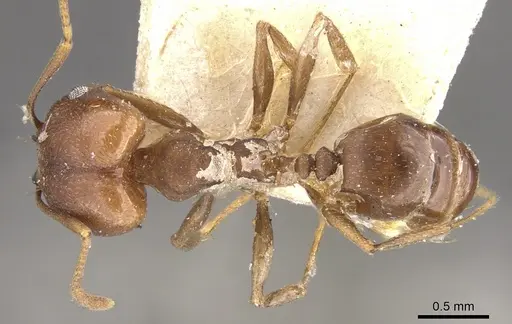
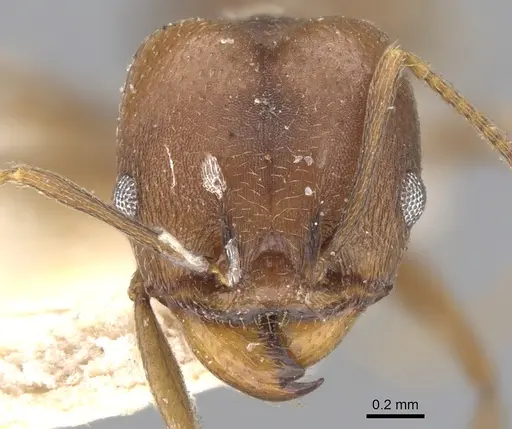
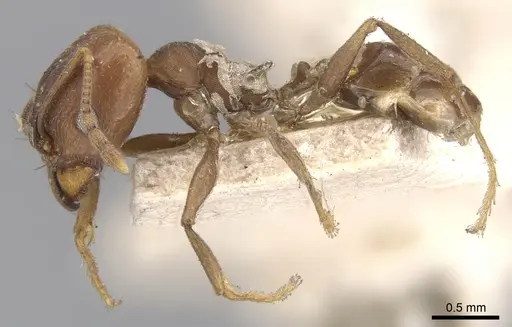
CASENT0904318
View on AntWeb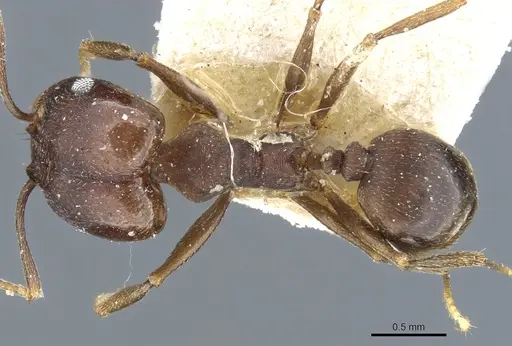
CASENT0904319
View on AntWeb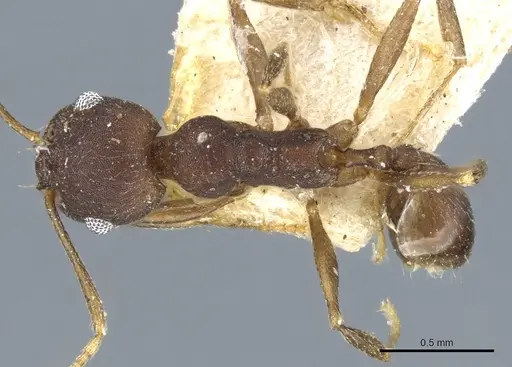
CASENT0908102
View on AntWeb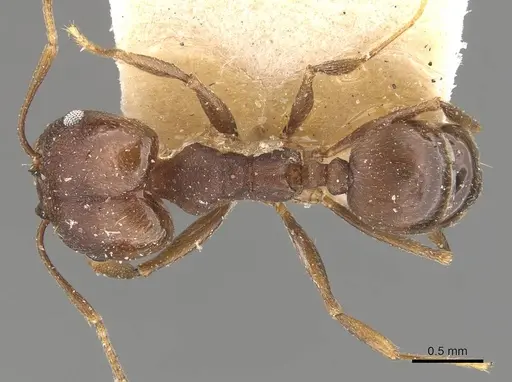
CASENT0908103
View on AntWeb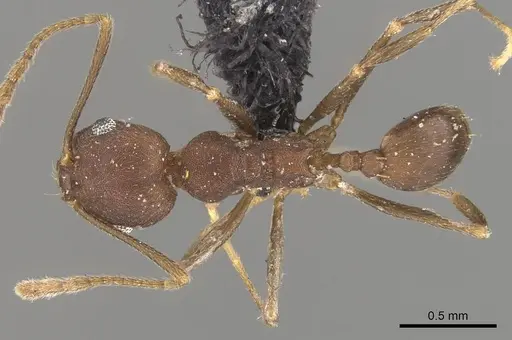
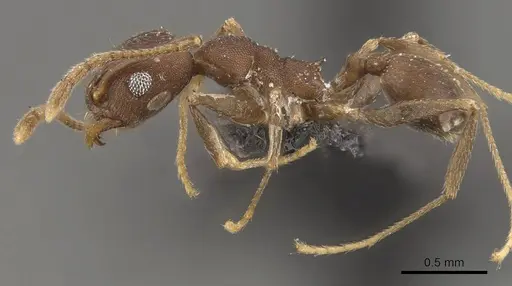
CBUMAGENT42072
View on AntWeb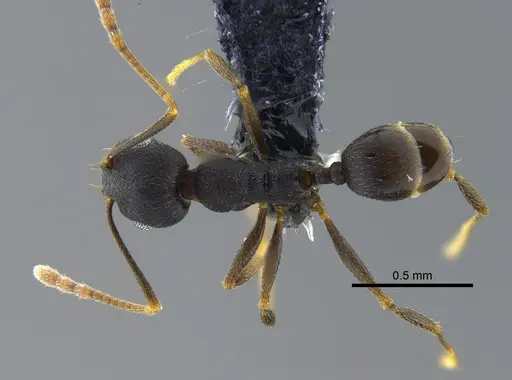
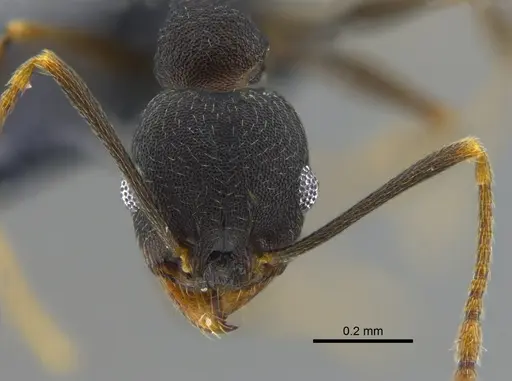
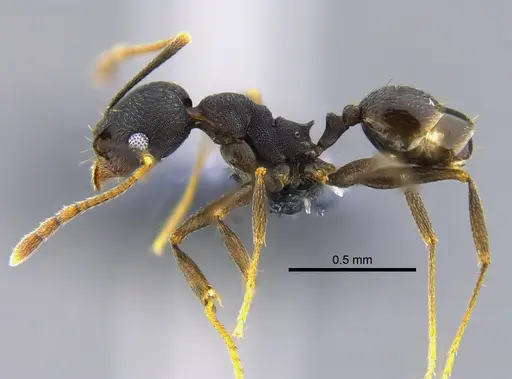
FOCOL0767-1
View on AntWeb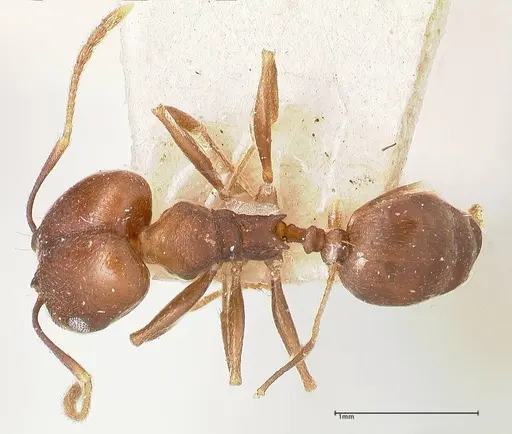
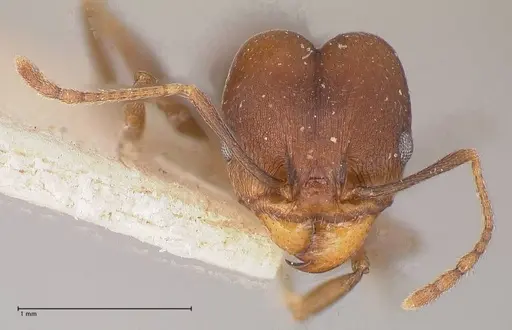
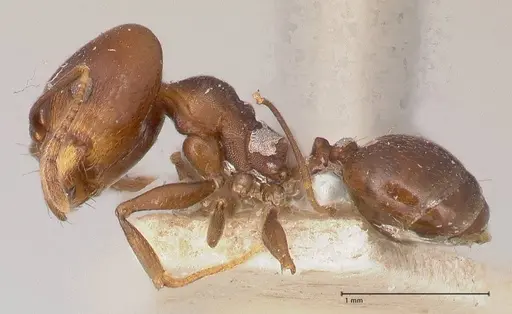
FOCOL0767-2
View on AntWeb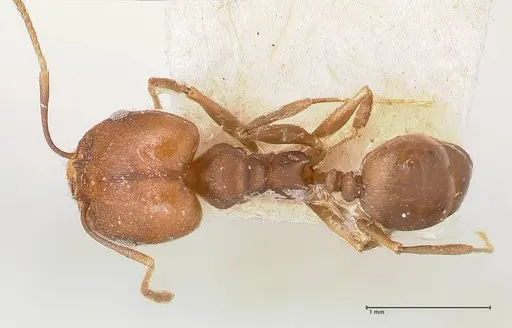
JTLC000010431
View on AntWeb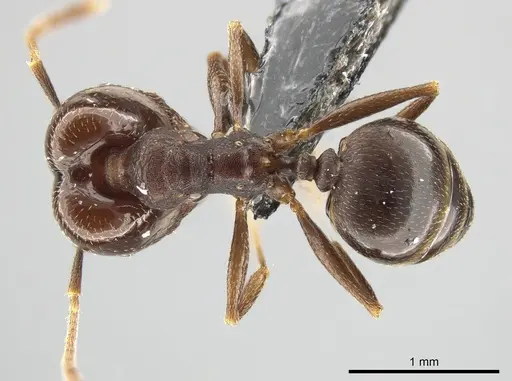
Literature
Loading distribution map...Loading products...