
Pheidole impressiceps
- Sci. Name
- Pheidole impressiceps
- Tribe
- Attini
- Subfamily
- Myrmicinae
- Author
- Mayr, 1876
- Distribution
- Found in 2 countries
Introduction
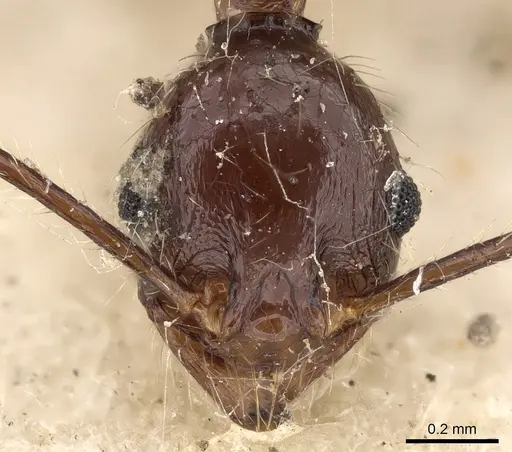
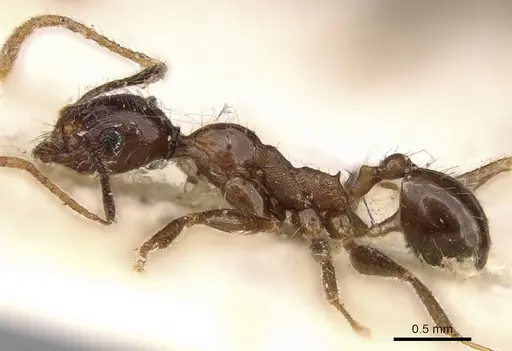
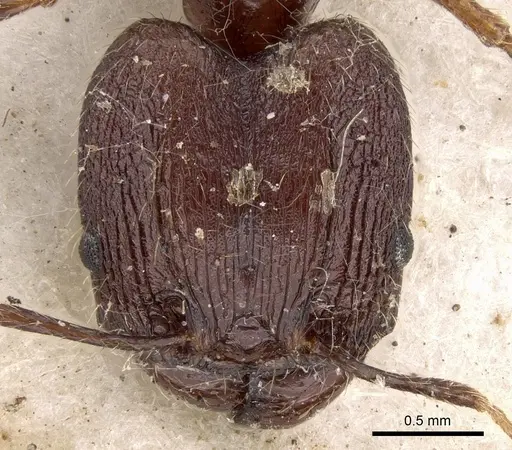
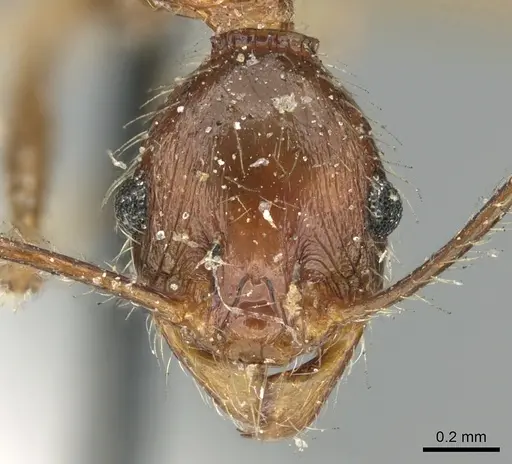
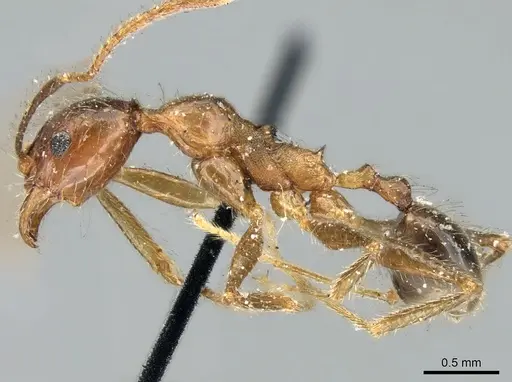
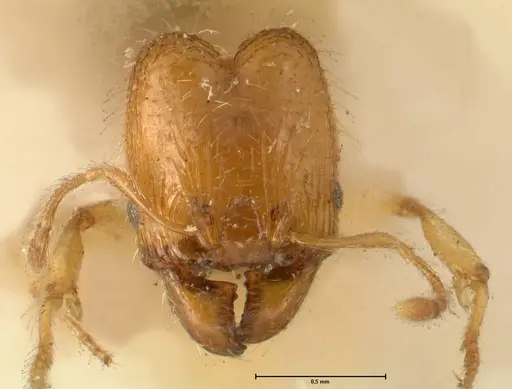
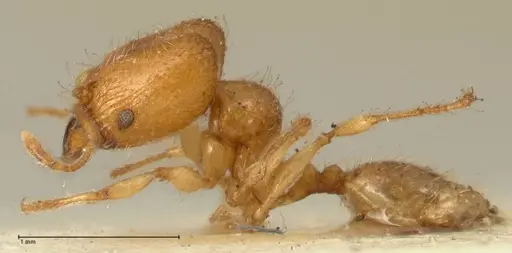
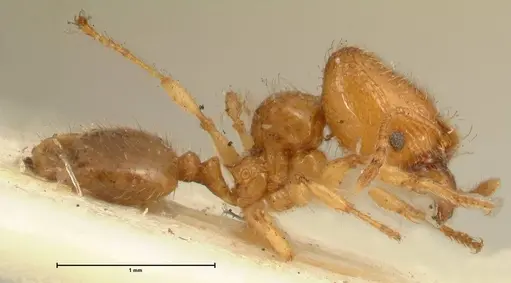
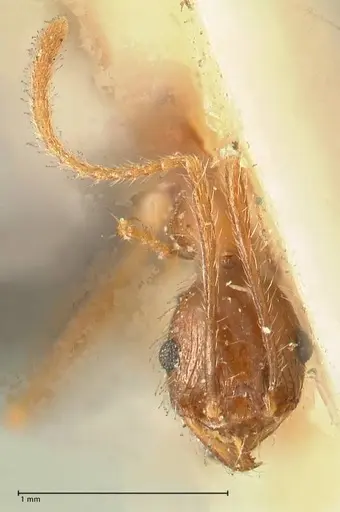
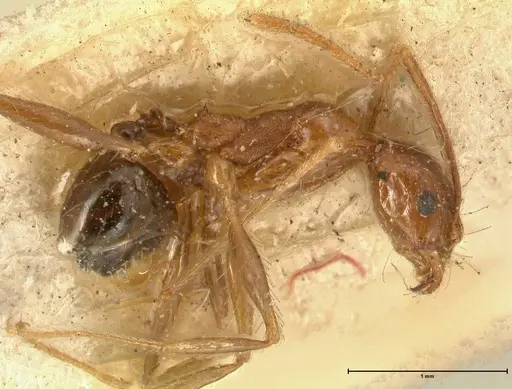
Pheidole impressiceps is a tropical ant species native to northern Australia and New Guinea, belonging to a genus known for major workers with oversized heads . This species is part of the Generalised Myrmicinae functional group, meaning they are versatile foragers . Workers come in two sizes: minor workers handle daily tasks while major workers have large jaws for defense and food processing. The species was originally described by Mayr in 1876 and is recorded in the Torresian biogeographic region . It occupies primary and secondary forests but is not found in rubber plantations .
Quick Summary
- Difficulty: Easy
- Origin & Habitat: Northern Australia and New Guinea in tropical to subtropical regions with monsoonal climate. Found in forest environments, including primary and secondary forests [2][4].
- Colony Type: Based on Pheidole patterns, likely single-queen colonies (monogyne), but unconfirmed in research context.
- Size & Growth:
- Queen: Size data unavailable, no total length measurements in research context.
- Worker: Size data unavailable, major workers have oversized heads, but no body size data.
- Colony: Unknown, no specific colony size data available.
- Growth: Moderate, inferred from tropical species activity.
- Development: Unknown, no data on development time in research context. (Development likely faster in warm temperatures, but no specific timeline confirmed.)
- Antkeeping:
- Temperature: Keep warm, roughly 24-28°C, based on tropical habitat inference. Create a temperature gradient using a heating cable on one side of the nest.
- Humidity: Keep nest substrate moderately moist but not waterlogged, based on tropical forest habitat inference. Provide a water tube and mist occasionally.
- Diapause: No, tropical species do not require hibernation, inferred from geographic range. Activity may slow in cooler months but remains year-round.
- Nesting: Y-tong (AAC) or soil nests work well, based on genus preferences inference. Ensure chambers are sized for major workers and provide substrate depth for expansion.
- Behavior: Pheidole impressiceps is calm and not aggressive toward keepers. They are generalist foragers, active in searching for seeds, insects, and honeydew. Major workers defend the colony but rarely sting humans. Minor workers are small escape risks, so use barriers like fluon on connections.
- Common Issues: colonies can stall if temperatures drop below 22°C, keep them warm, small minor workers can escape through gaps, use proper barriers, overfeeding can lead to mold, remove uneaten food promptly, wild-caught colonies may contain parasites, quarantine new colonies
Housing and Nest Setup
Pheidole impressiceps does well in Y-tong (AAC) nests or naturalistic soil setups. Ensure chambers are sized for major workers and provide substrate depth for colony expansion. For the outworld, use a container with barriers like fluon or petroleum jelly to prevent escapes of minor workers. Founding colonies can start in test tubes with water and cotton plugs, connected to an outworld.
Feeding and Diet
This species is a generalist feeder. Offer protein sources like small insects (crickets, mealworms, fruit flies) 2-3 times per week and constant sugar sources like honey water. Seeds are part of their natural diet, processed by major workers. Remove uneaten food within 24-48 hours to prevent mold.
Temperature and Heating
Keep temperatures between 24-28°C using a heating cable on one side of the nest to create a gradient. This is inferred from their tropical habitat. Never exceed 32°C to avoid stress.
Colony Development
Queens likely seal themselves in a chamber and lay eggs, but founding behavior is unconfirmed. First workers emerge after an unknown period, after which the queen focuses on egg-laying. Colony growth is moderate, with major workers appearing as the colony expands.
Behavior and Temperament
This species is calm and not aggressive. Major workers defend the colony but rarely sting. Minor workers are escape risks due to their small size, so ensure all connections are properly barred.
Frequently Asked Questions
How long does it take for Pheidole impressiceps to get their first workers?
No specific data is available on development time. Based on tropical species patterns, it may be faster than temperate ants, but exact timeline is unknown.
What do I feed Pheidole impressiceps?
They accept a varied diet including small insects, seeds, and sugar sources like honey water. Offer protein 2-3 times per week and keep sugar water available constantly.
Do Pheidole impressiceps need hibernation?
No, being a tropical species, they do not require hibernation and remain active year-round in warm conditions.
How big do Pheidole impressiceps colonies get?
Colony size is unknown due to lack of data, but Pheidole species can form large colonies in tropical regions.
Can I keep multiple Pheidole impressiceps queens together?
This species is likely monogyne, so combining queens is not recommended as they may fight. Only one queen per colony is advised.
What temperature is best for Pheidole impressiceps?
Keep them at 24-28°C with a temperature gradient. This is inferred from their tropical habitat.
Are Pheidole impressiceps good for beginners?
Yes, they are considered easy to keep, with no hibernation needs and a varied diet. Main considerations are warmth and escape prevention.
When should I move Pheidole impressiceps to a formicarium?
Move them when the test tube setup becomes cramped or the colony has several dozen workers, but no specific timeline is confirmed.
Why are my Pheidole impressiceps dying?
Common causes include low temperatures, poor humidity, mold from overfeeding, or stress. Ensure warm conditions and proper care.
Report an Issue
The current care sheet is based fully on literature. See inconsistencies, or something that's incorrect? Please , it will be resolved after review from an admin. Contributing to the blogs tab also helps providing information, to make us be able to further improve the caresheets. Thank you for your support!
References

This caresheet is licensed under CC BY-SA 4.0 .
Community Blogs
CASENT0219554
View on AntWeb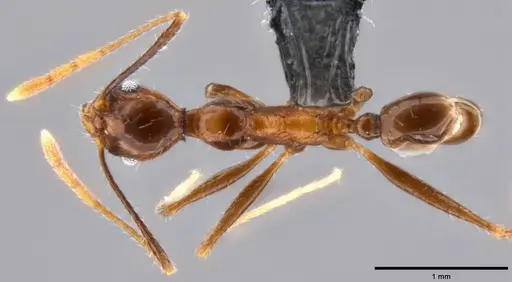
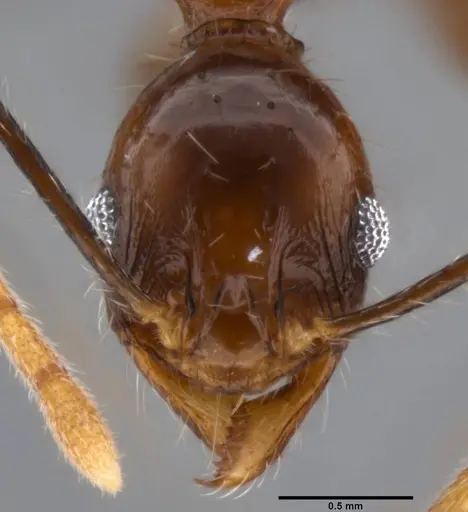
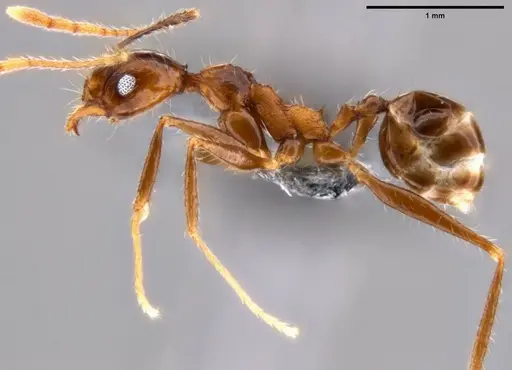
CASENT0281730
View on AntWeb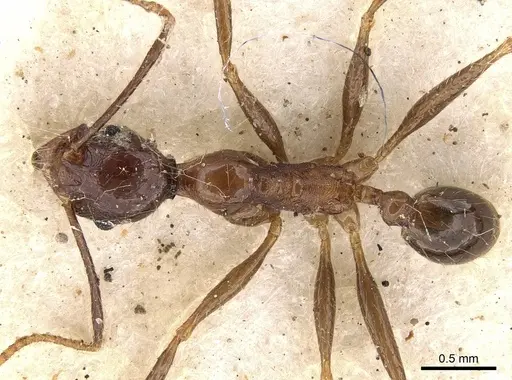
CASENT0281731
View on AntWeb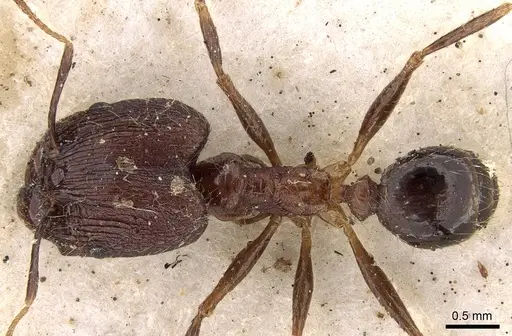
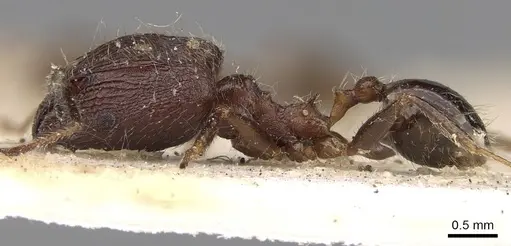
CASENT0906616
View on AntWeb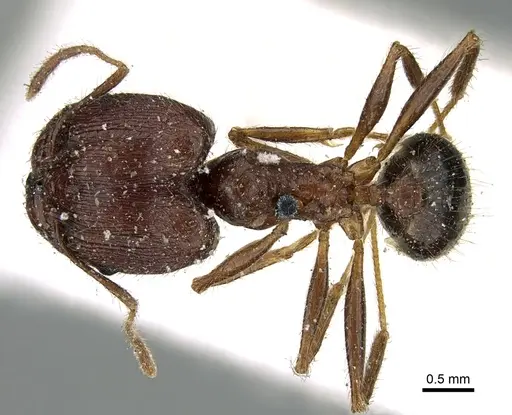
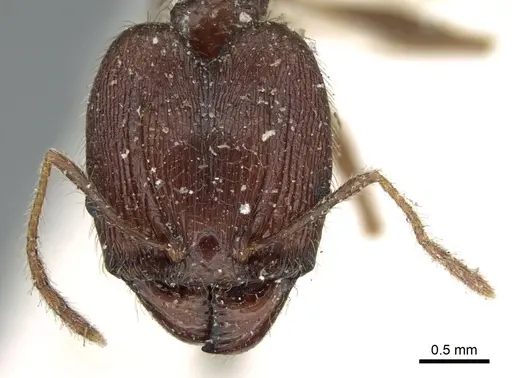
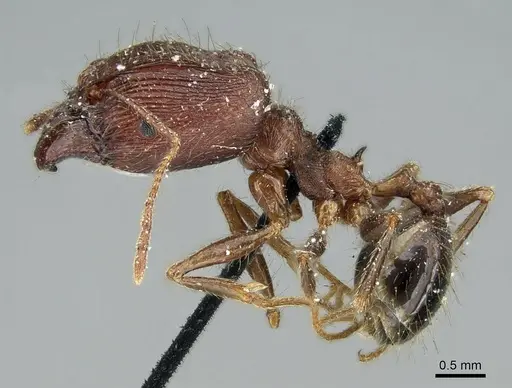
CASENT0906617
View on AntWeb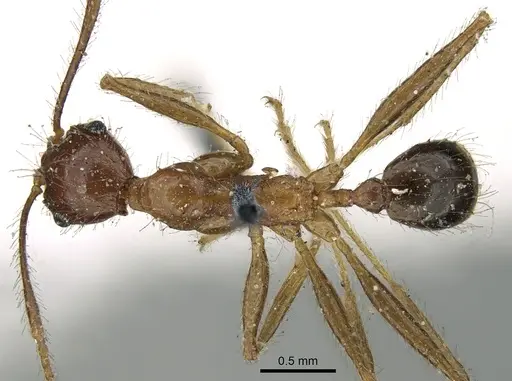
CASENT0907893
View on AntWeb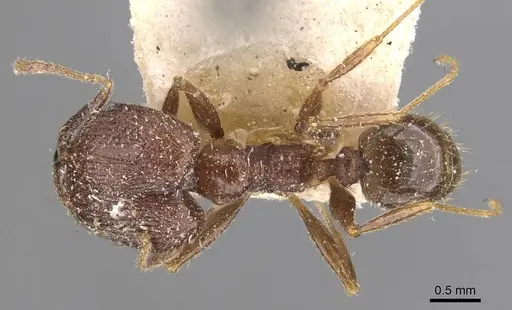
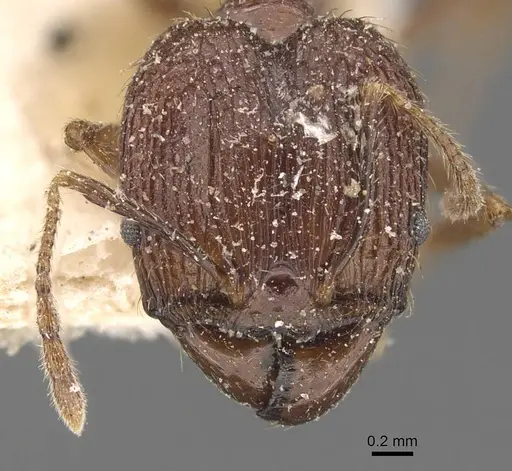
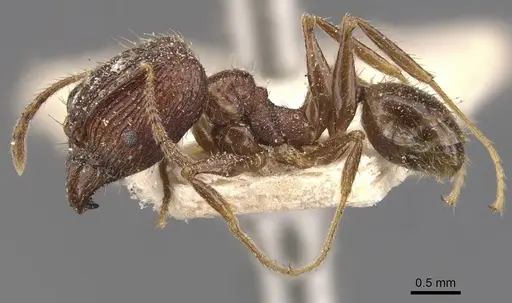
CASENT0907894
View on AntWeb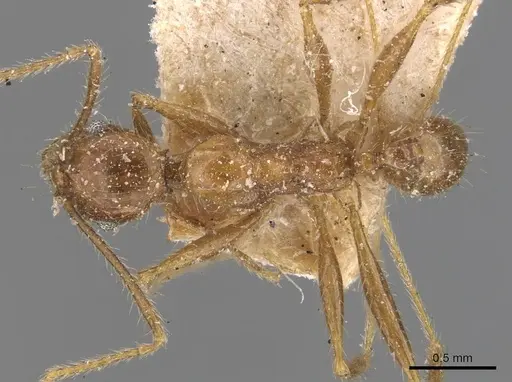
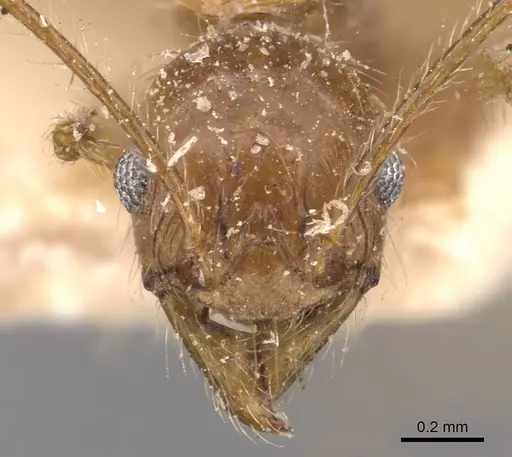
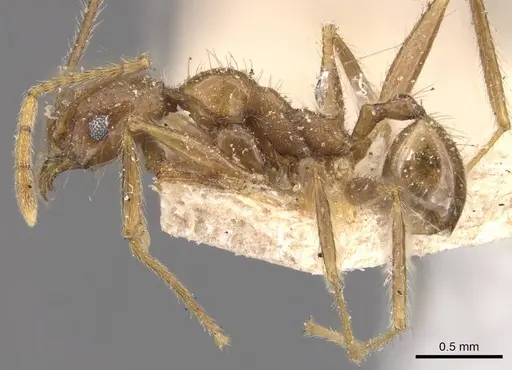
FOCOL1387
View on AntWeb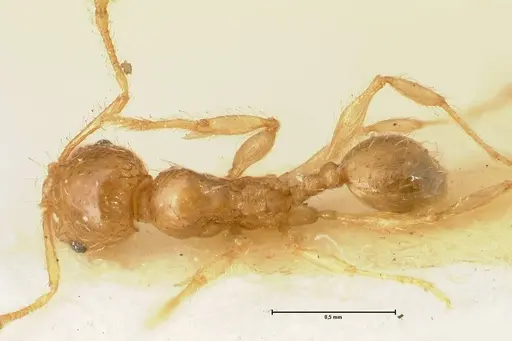
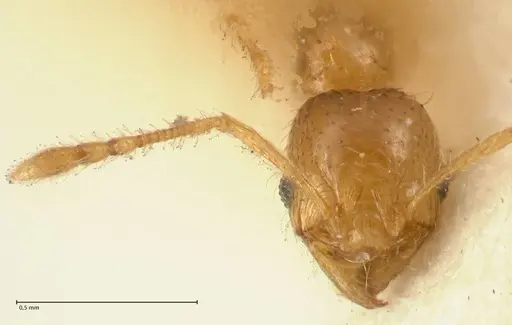
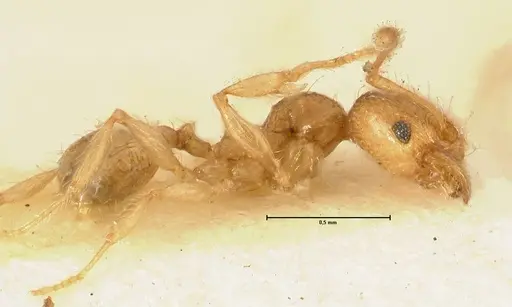
FOCOL1388
View on AntWeb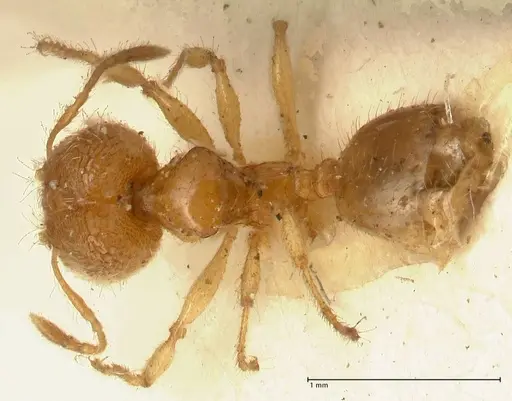
FOCOL1389
View on AntWeb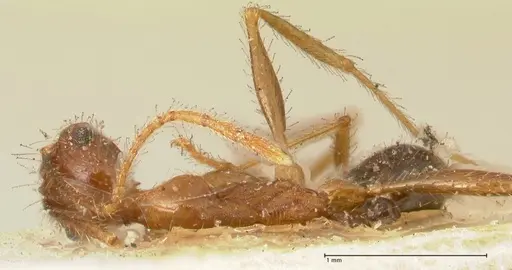
Literature
Loading distribution map...Loading products...