
Pheidole idiota
- Sci. Name
- Pheidole idiota
- Tribe
- Attini
- Subfamily
- Myrmicinae
- Author
- Santschi, 1923
- Distribution
- Found in 5 countries
Introduction
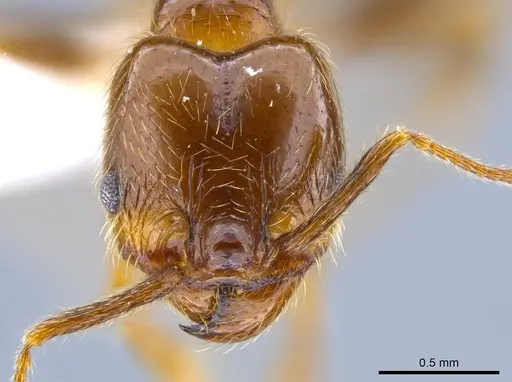
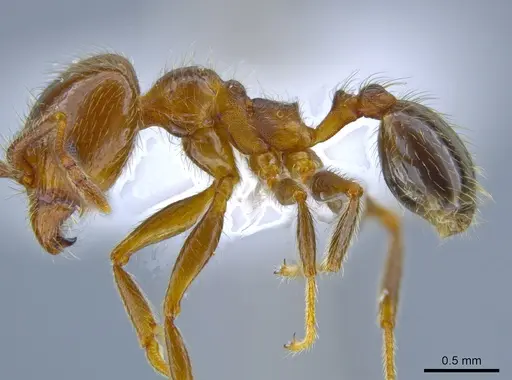
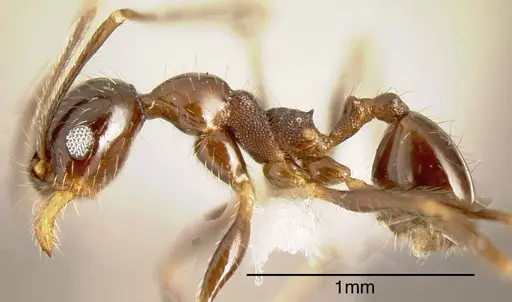
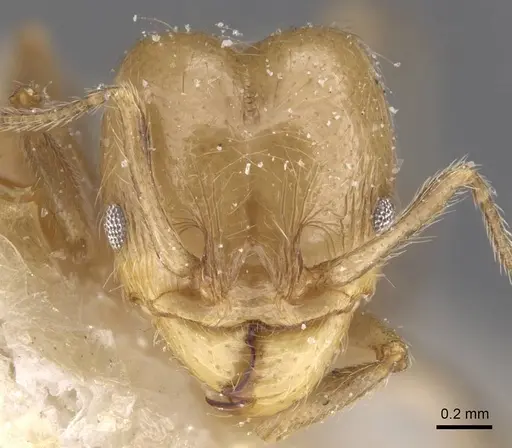
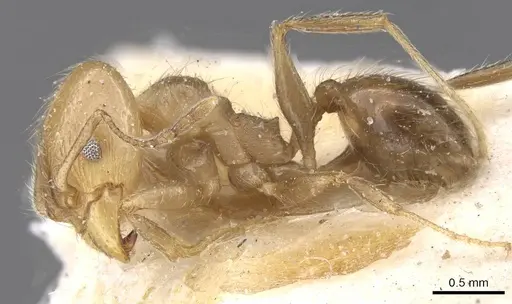
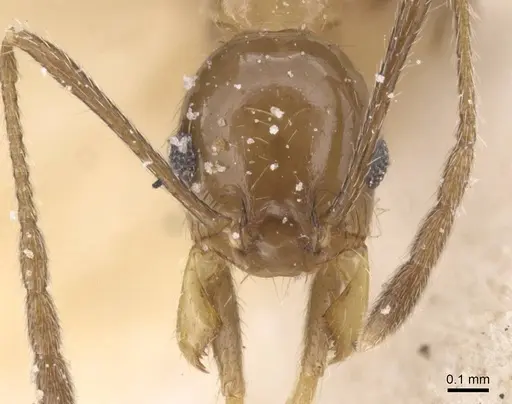
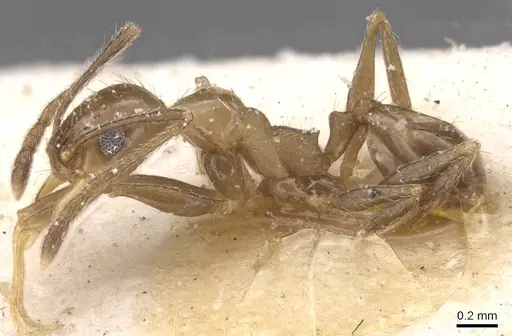
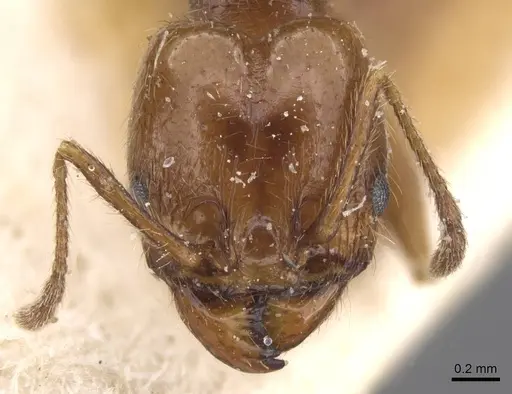
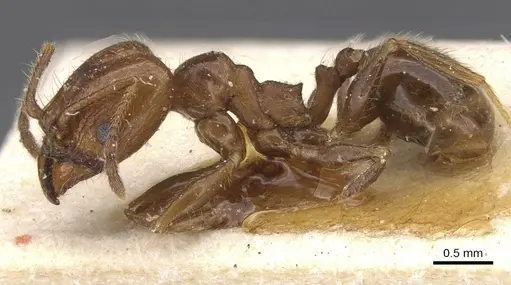
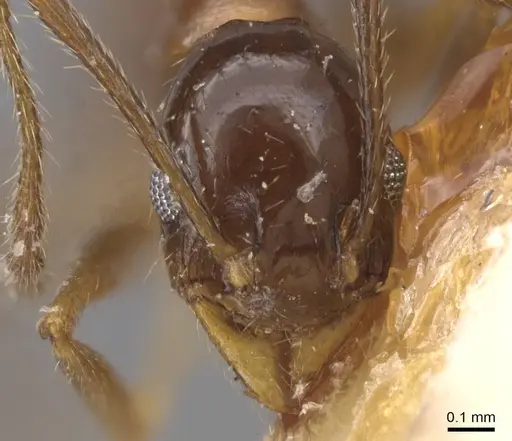
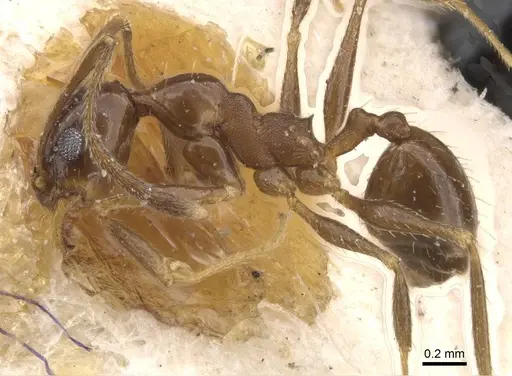
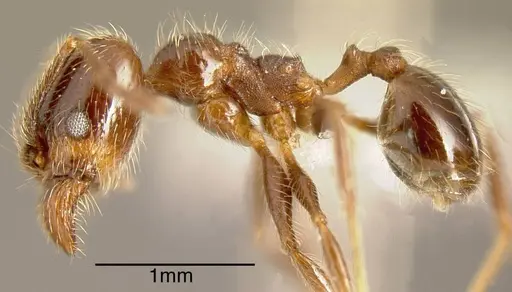
Pheidole idiota is a small Neotropical ant found in Argentina, Brazil, and Costa Rica . Workers are dark brown and display the classic big-headed ant caste system with large majors and small minors . Body size data is unavailable, but measurements from related Pheidole species suggest queens are roughly 6 to 10 mm and workers range from 2 to 5 mm . Colonies nest in soil or rotting wood within grasslands and forest edges . You will find them foraging for seeds and small insects . The species has a complicated taxonomic history. Researchers formally revived Pheidole idiota as a distinct species in 2020 after years of confusion with Pheidole laticornis and Pheidole vafra . Earlier studies misidentified many specimens, which explains the disjunct distribution across Mesoamerica and southern South America . The revival came after careful examination of type specimens and sympatric populations in Brazil .
Quick Summary
- Difficulty: Medium
- Origin & Habitat: Southern grasslands and forest edges in Argentina (Córdoba), Brazil (Paraná, Santa Catarina), and Costa Rica (Palmar) [1][2].
- Colony Type: Unknown, likely single-queen colonies based on Pheidole genus patterns.
- Size & Growth:
- Queen: Size data unavailable, inferred from Pheidole genus patterns (~6-10 mm).
- Worker: Size data unavailable, inferred from Pheidole genus patterns (~2-5 mm).
- Colony: Unknown, likely up to several hundred workers based on related species.
- Growth: Moderate, typical for the genus.
- Development: Unknown, estimated 6 to 10 weeks based on Pheidole patterns. (Development speed depends on temperature and food availability.)
- Antkeeping:
- Temperature: Keep warm and stable, roughly low-to-mid 20s°C [2]. As a Neotropical species, they thrive in consistent warmth without cold periods.
- Humidity: Keep the nest substrate consistently moist but not waterlogged [2]. Provide a small water source for drinking.
- Diapause: Not required. Your colony stays active year-round [2].
- Nesting: Y-tong (AAC), plaster, or soil nests work well [2]. Provide dark, enclosed chambers that match their natural soil and rotting wood habitat [1].
- Behavior: Generally docile but majors will bite if the nest is disturbed. Minors handle most foraging and brood care, while majors defend the colony and process larger food items [1][2]. Escape risk is moderate due to small minor workers, so seal all gaps in your setup.
- Common Issues: colonies decline if kept too cold, maintain steady warmth year-round, minor workers escape through standard mesh, use fine barriers, mold builds up from uneaten food, remove scraps promptly, slow founding phase requires patience during the initial weeks, majors may not appear until the colony reaches a stable size
Nest Preferences
Pheidole idiota builds nests in soil and rotting wood [1]. In captivity, Y-tong (AAC) or plaster nests provide the dark, enclosed chambers they prefer [2]. Soil or sand mixes work well for the outworld foraging area [2]. Keep the nest substrate moist but never waterlogged [2]. Minors are tiny, so avoid overly large open spaces that make them vulnerable [1].
Feeding and Diet
These ants eat seeds and small insects [2]. Offer a mix of protein sources like small crickets or fruit flies, and carbohydrate sources like honey water or sugar water [2]. Minors collect seeds and store them in the nest [2]. Majors use their strong mandibles to process larger food items [1]. Feed protein two to three times per week and keep sugar water available [2]. Remove uneaten food quickly to prevent mold [2].
Temperature and Care
Keep your colony at a steady low-to-mid 20s°C [2]. Use a heating cable on one side of the nest to create a temperature gradient [2]. The ants will naturally move to their preferred spot. Room temperature works, but slightly warmer conditions speed up development [2]. Avoid dropping below 18°C for long periods [2].
Colony Founding
Founding behavior is unconfirmed [2]. Most Pheidole queens likely use claustral founding, where the queen seals herself in a chamber and raises the first brood on stored fat reserves [2]. After the first workers emerge, they begin foraging to support colony growth [2]. Keep the founding chamber dark and undisturbed [2].
Behavior and Temperament
Pheidole idiota displays the classic major and minor worker castes [1]. Minors handle daily tasks like foraging and brood care [2]. Majors defend the colony and help process food [1]. The species possesses a functional stinger typical of Myrmicinae ants, though the sting is mild for humans. Majors will bite if you disturb the nest [1]. They forage actively and establish seed granaries [2].
Frequently Asked Questions
How long does it take for Pheidole idiota to raise first workers?
Expect roughly 6 to 10 weeks from egg to first worker at optimal temperatures [2]. The first workers will be smaller nanitics that start foraging immediately [2].
What do Pheidole idiota ants eat?
They eat seeds and small insects [2]. Offer protein like fruit flies or small crickets two to three times per week, and keep sugar water available constantly [2]. Remove uneaten food to prevent mold [2].
Do Pheidole idiota ants need hibernation?
No, they do not require hibernation [2]. As a Neotropical species, they stay active year-round [2]. Maintain steady warmth without cold periods [2].
When do major workers appear in Pheidole idiota?
Majors typically appear once the colony reaches a stable size [2]. This usually takes several months after founding [2].
Can I keep multiple Pheidole idiota queens together?
Not recommended [2]. The species is likely monogyne, meaning single-queen colonies [2]. Combining unrelated queens will likely cause fighting [2]. Start with one queen for best results [2].
What size colony does Pheidole idiota reach?
Colonies likely reach up to several hundred workers over time [2]. Minors will always outnumber majors [2].
What nest type is best for Pheidole idiota?
Y-tong (AAC) or plaster nests work best [2]. These provide the dark, enclosed chambers the ants prefer [2]. Keep the substrate moist but never waterlogged [2].
Why are my Pheidole idiota workers dying?
Common causes include temperatures that are too low, humidity that is too dry or waterlogged, mold from old food, or stress from handling [2]. Check your setup and ensure the queen is still laying eggs [2].
Are Pheidole idiota good for beginners?
They are moderate difficulty [2]. You need to maintain steady warmth and provide a varied diet [2]. The founding phase requires patience, but they are forgiving once established [2].
Report an Issue
The current care sheet is based fully on literature. See inconsistencies, or something that's incorrect? Please , it will be resolved after review from an admin. Contributing to the blogs tab also helps providing information, to make us be able to further improve the caresheets. Thank you for your support!
References

This caresheet is licensed under CC BY-SA 4.0 .
Community Blogs
CASENT0619554
View on AntWeb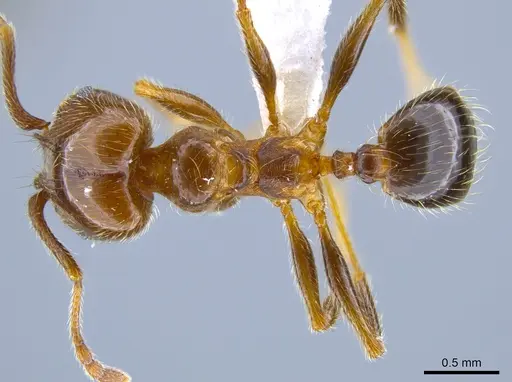
CASENT0635482
View on AntWeb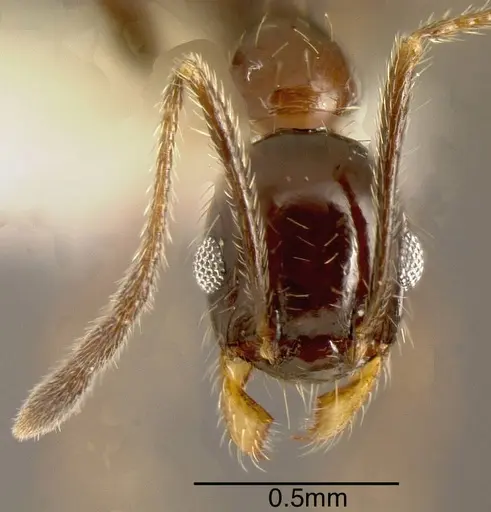
CASENT0913471
View on AntWeb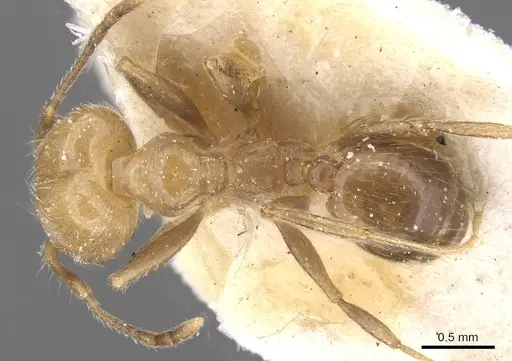
CASENT0913472
View on AntWeb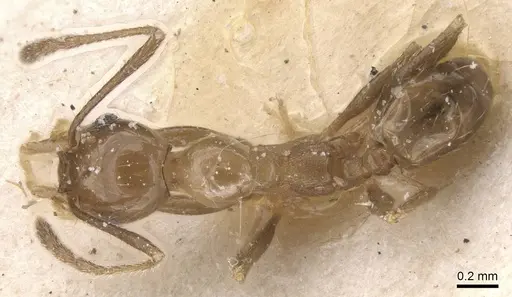
CASENT0913473
View on AntWeb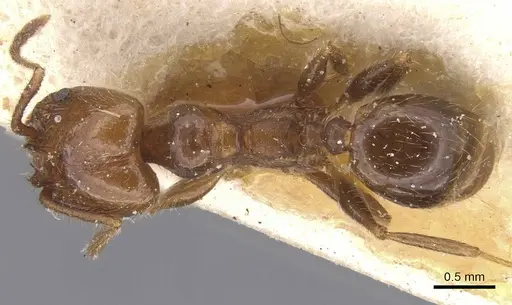
CASENT0913474
View on AntWeb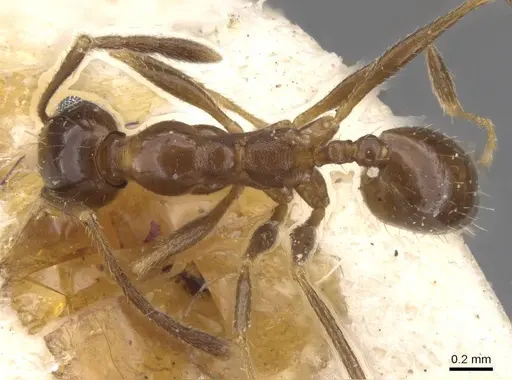
INBIOCRI001282718
View on AntWeb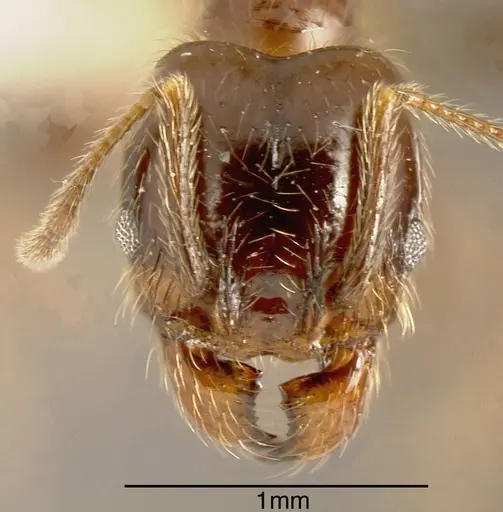
Literature
Loading distribution map...Loading products...