
Hyatt's Big-headed Ant
Pheidole hyatti
- Sci. Name
- Pheidole hyatti
- Tribe
- Attini
- Subfamily
- Myrmicinae
- Author
- Emery, 1895
- Common Name
- Hyatt's Big-headed Ant
- Distribution
- Found in 2 countries
Introduction
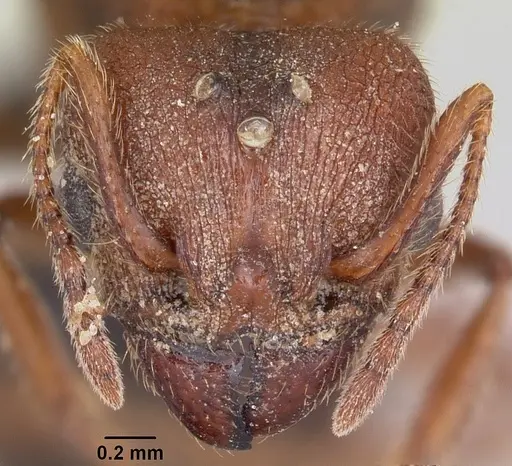
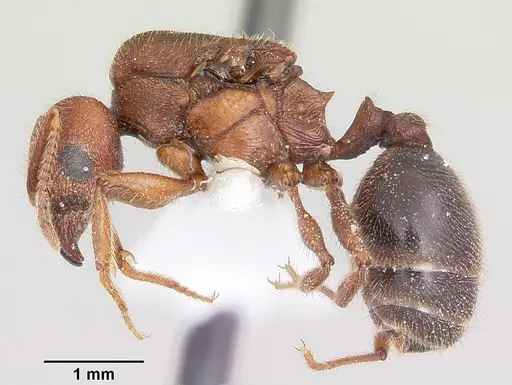
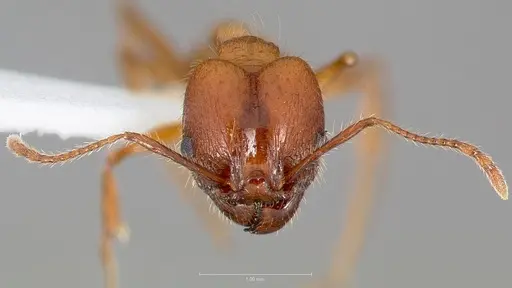
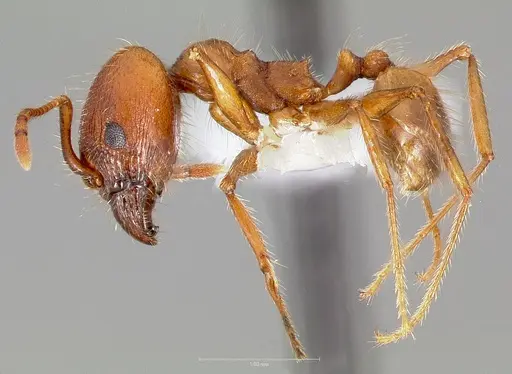
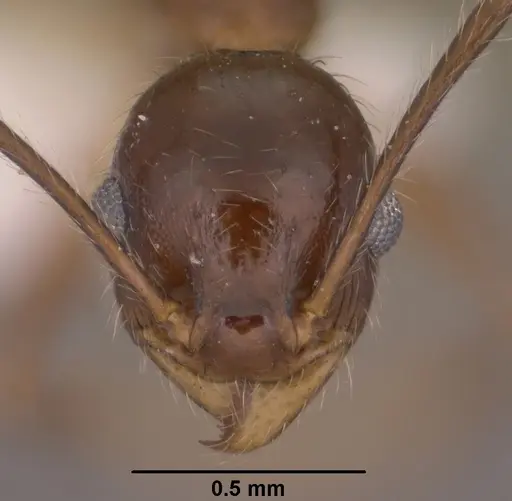
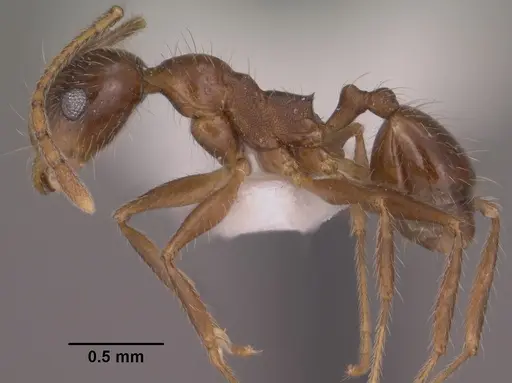
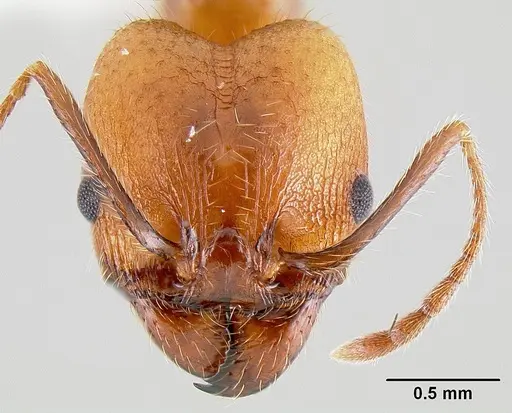
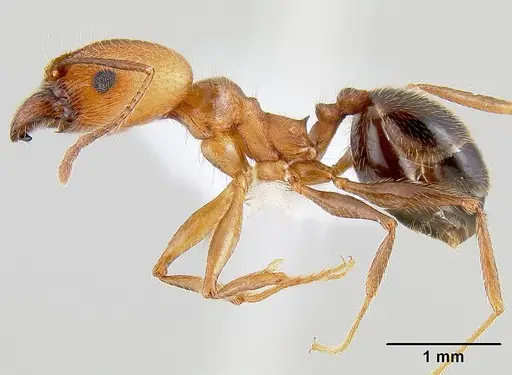
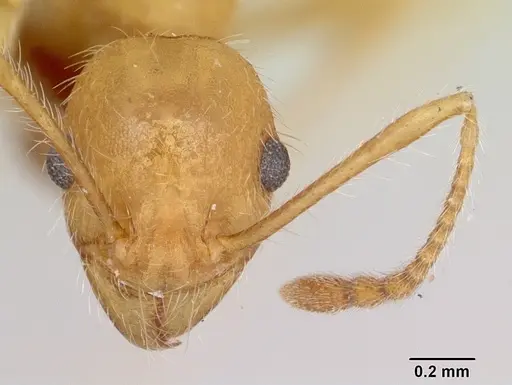
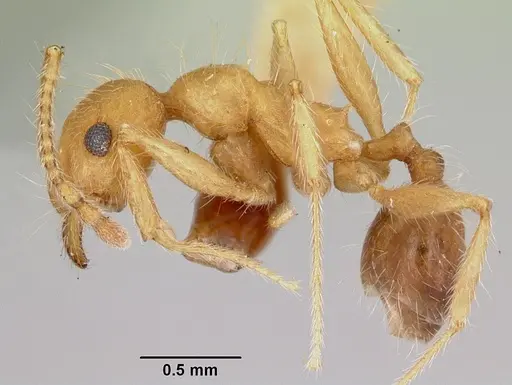
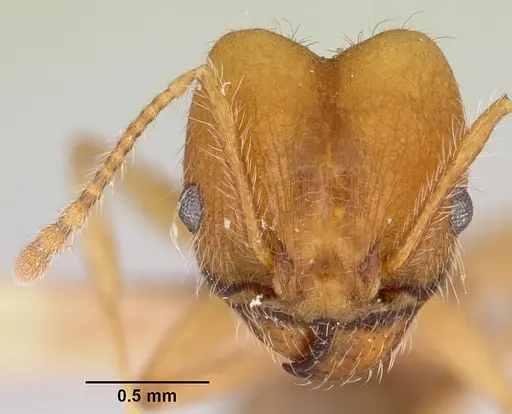
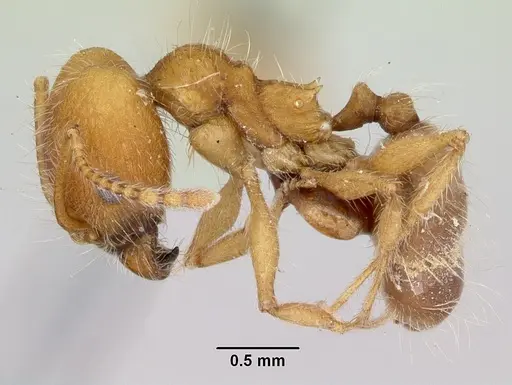
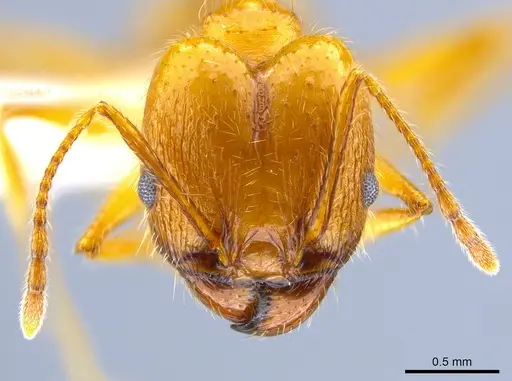
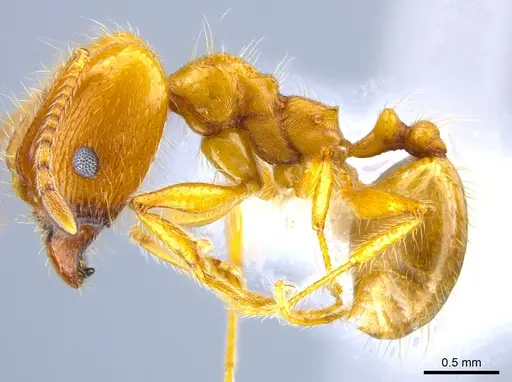
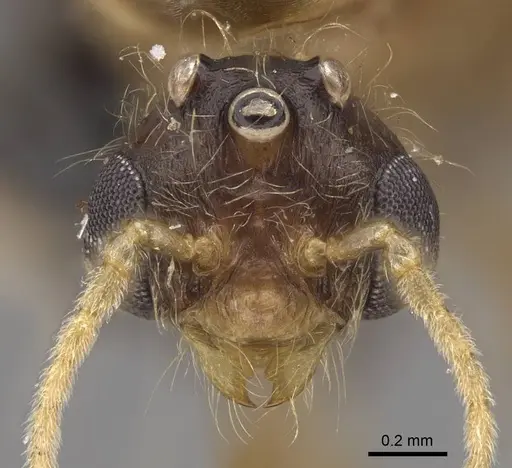
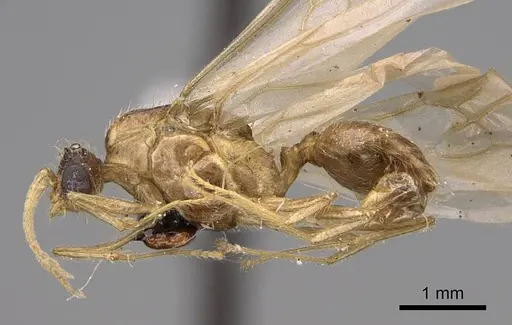
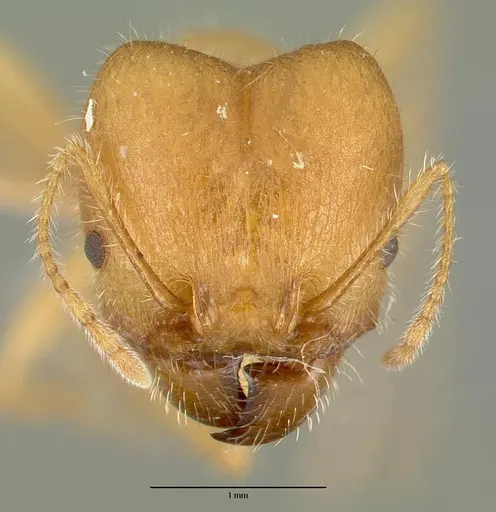
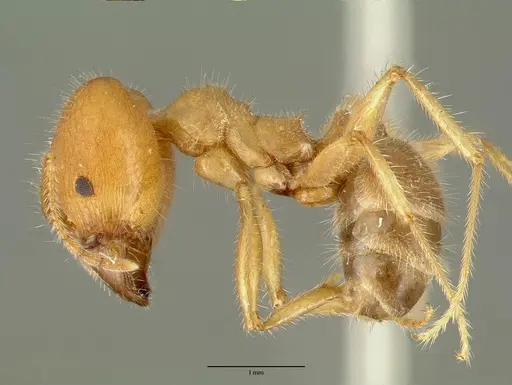
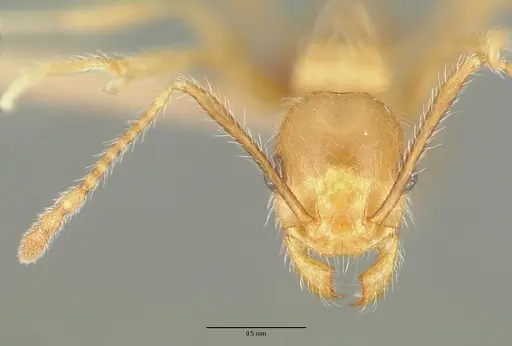
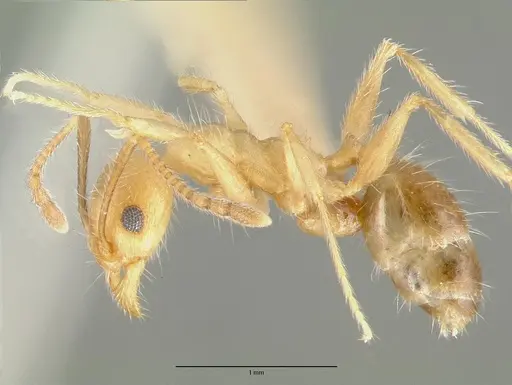
Pheidole hyatti is a dimorphic ant species with major workers (soldiers) that have oversized heads compared to minor workers. The species is native to the southwestern United States and northern Mexico, ranging from central Texas to southern California, inhabiting arid environments such as desert grassland and pinyon-juniper woodlands up to 1920 meters elevation . What makes this species notable is its sophisticated anti-predator behavior. When attacked by army ants, colonies execute efficient evacuation maneuvers, grabbing brood and fleeing to pre-established surplus nests . This species may be a complex of sibling species, so wild colonies can show variation .
Quick Summary
- Difficulty: Medium
- Origin & Habitat: Native to southwestern US and northern Mexico, found in arid habitats like desert grassland and pinyon-juniper woodlands up to 1920m elevation [1][4].
- Colony Type: Single-queen colonies are typical for Pheidole, but unconfirmed in literature for this species. Colonies have distinct major and minor worker castes [5].
- Size & Growth:
- Queen: Size data unavailable, no total length measurements in literature. Inferred from Pheidole genus: ~7-9 mm
- Worker: Size data unavailable, no total length measurements in literature. Inferred from Pheidole genus: ~2-5 mm
- Colony: Up to several hundred workers, estimated from typical Pheidole colonies
- Growth: Moderate
- Development: Estimated 6-8 weeks at warm temperatures, inferred from related Pheidole species (Larval development has four instars, but exact timing is temperature-dependent [6].)
- Antkeeping:
- Temperature: Keep warm, roughly 22-27°C, with a gradient. Inferred from desert origins [1].
- Humidity: Low to moderate. Keep nest substrate moderately dry with some moisture available, reflecting arid habitats [1].
- Diapause: Yes, a winter rest period is recommended based on geographic range. Reduce temperature to 10-15°C for 2-3 months during winter.
- Nesting: Nest in soil or under stones in captivity. Use Y-tong or plaster nests with tight chambers [1].
- Behavior: Generally non-aggressive, when disturbed, they evacuate with brood rather than defend [3]. Escape prevention is critical due to small size. Active foragers, omnivorous.
- Common Issues: escape prevention is critical due to small size, colonies may fail if kept too humid, these are arid-adapted ants, founding phase requires patience, first workers take time to develop, test tube setups can dry out quickly in heated enclosures, monitor moisture
Housing and Nest Setup
Pheidole hyatti adapts well to various nest types in captivity. Y-tong or plaster nests work well, both allow control of humidity, which is important since these ants prefer drier conditions. The nest should have chambers scaled to their small size, avoid tall open spaces. Provide a water tube for drinking moisture, but the nest itself should stay relatively dry. An outworld for foraging allows workers to hunt and collect food. Use a tight-fitting lid and fine mesh on any ventilation, these tiny ants are expert escape artists [1][4].
Feeding and Diet
These ants are omnivorous with a strong protein preference. In the wild they eat insects and are attracted to baits including subterranean Vienna sausage [1]. In captivity, offer protein sources like small crickets or mealworms 2-3 times per week, plus sugar water or honey as an energy source. Remove uneaten protein after 24 hours to prevent mold [7].
Temperature and Seasonal Care
Pheidole hyatti thrives in warm conditions reflecting its southwestern desert origins. Keep the nest at 22-27°C with a slight gradient. During winter, provide a diapause period by reducing temperatures to 10-15°C for 2-3 months to mimic their natural seasonal cycle [1].
Defense and Colony Dynamics
Pheidole hyatti shows sophisticated anti-predator behavior. When army ants attack, colonies evacuate efficiently, workers grab brood and flee to pre-established surplus nests [3]. This species is dimorphic with major workers for defense and seed processing [5]. In captivity, they are generally non-aggressive and prioritize escape over fighting.
Growth and Development
Larval development has been studied, revealing four instars with critical stages for minor worker or soldier fate [6]. In captivity, expect 6-8 weeks from egg to first worker at optimal temperatures, with soldiers appearing as the colony matures.
Frequently Asked Questions
Is Pheidole hyatti a good beginner ant?
Medium difficulty, not the easiest but manageable for intermediate keepers. They require warm, relatively dry conditions and escape prevention is critical due to their tiny size [1].
How long does it take for the first workers to emerge?
Expect 6-8 weeks from egg to first worker at 24-27°C. Development is temperature-dependent [6].
What do I feed Pheidole hyatti?
Offer protein foods like small insects 2-3 times per week, plus a constant sugar source. They are omnivorous and readily accept various foods [1][7].
Can I keep multiple queens together?
This species is typically monogyne (single-queen), but unconfirmed in literature. Multiple unrelated queens may fight [1].
Do they need hibernation?
Yes, a winter diapause is recommended based on their geographic range. Reduce temperatures to 10-15°C for 2-3 months during winter.
Why are my ants escaping?
Their tiny size makes escape likely without excellent prevention. Use fine mesh, tight-fitting lids, and barrier coatings [1].
When should I move them to a formicarium?
Keep new colonies in a test tube setup until they have 20-30 workers. Once established, move to a proper nest like Y-tong or plaster [1].
How big do colonies get?
Colonies likely reach up to several hundred workers, typical for Pheidole species [5].
Are they aggressive toward keepers?
No, they are described as not aggressive. When disturbed, they evacuate with brood rather than attack [1].
Report an Issue
The current care sheet is based fully on literature. See inconsistencies, or something that's incorrect? Please , it will be resolved after review from an admin. Contributing to the blogs tab also helps providing information, to make us be able to further improve the caresheets. Thank you for your support!
References

This caresheet is licensed under CC BY-SA 4.0 .
Community Blogs
CASENT0000211
View on AntWeb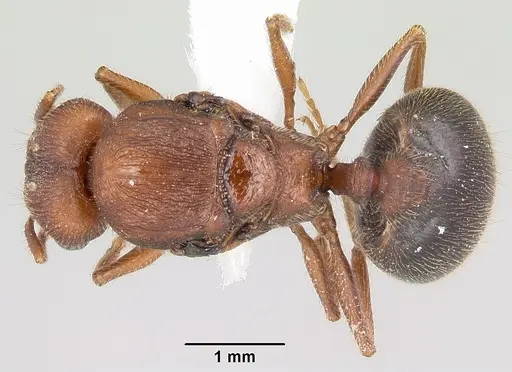
CASENT0005738
View on AntWeb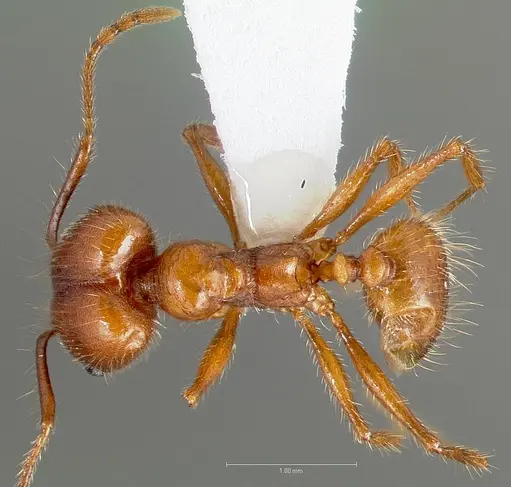
CASENT0005739
View on AntWeb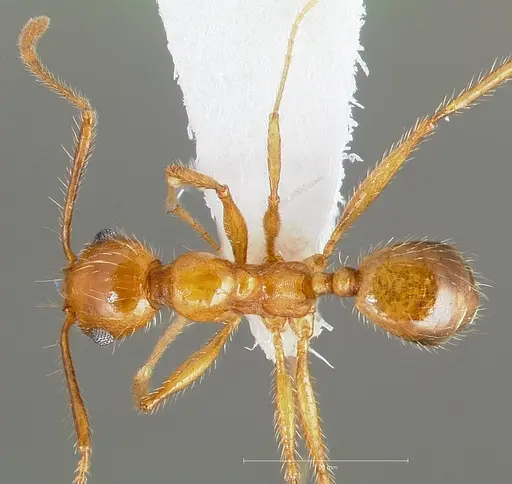
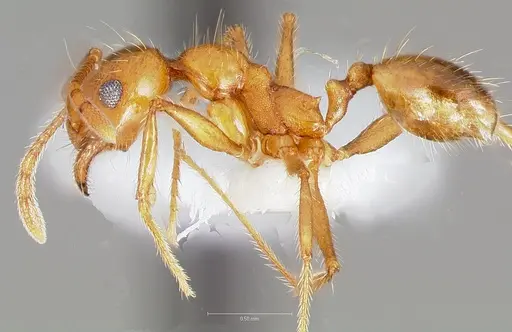
CASENT0102878
View on AntWeb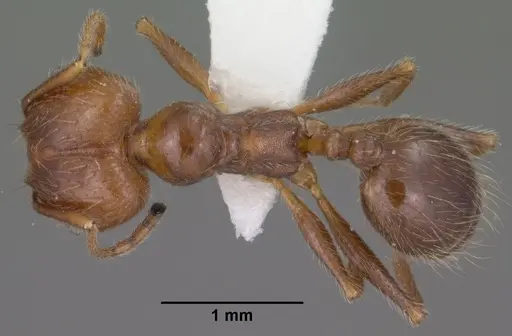
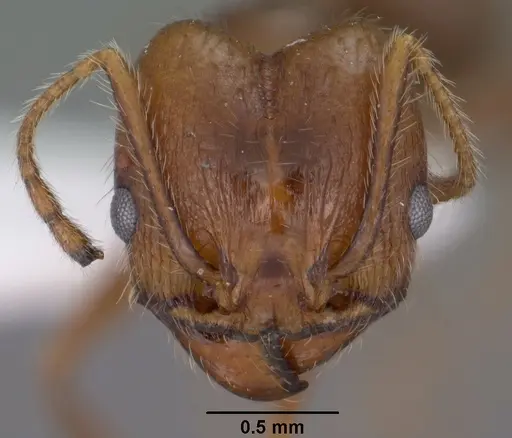
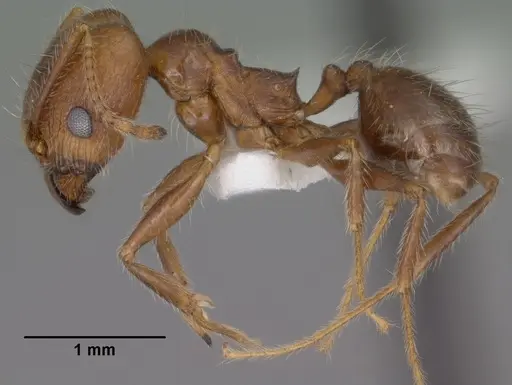
CASENT0102879
View on AntWeb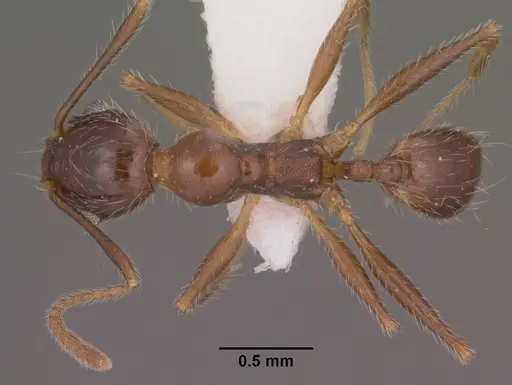
CASENT0106046
View on AntWeb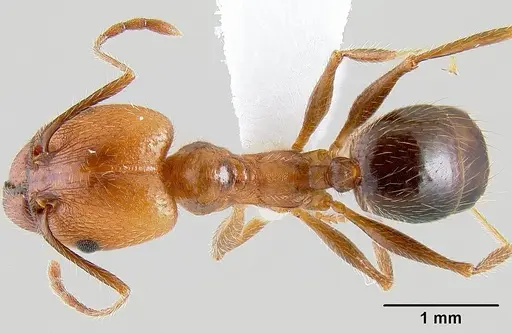
CASENT0172702
View on AntWeb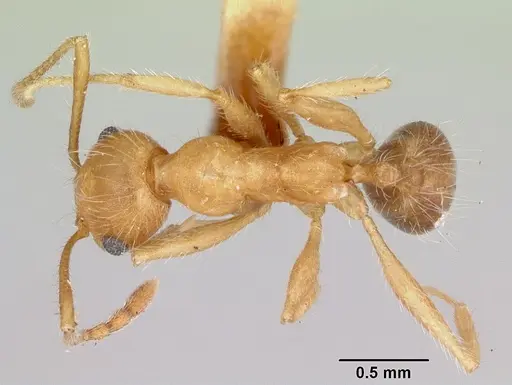
CASENT0172703
View on AntWeb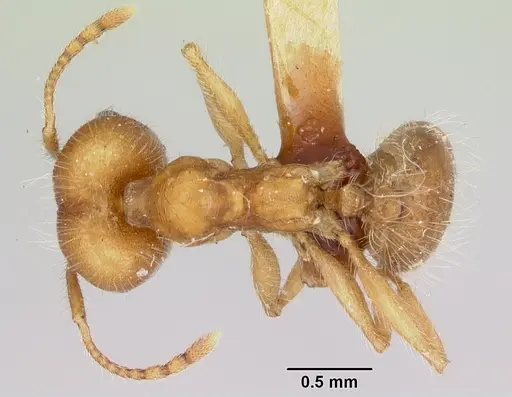
CASENT0631704
View on AntWeb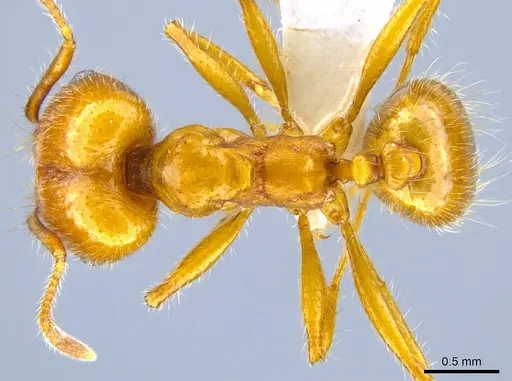
CASENT0732639
View on AntWeb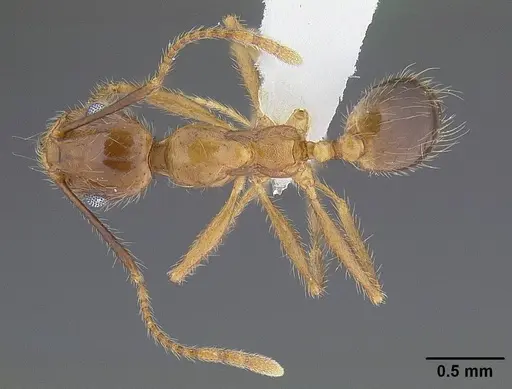
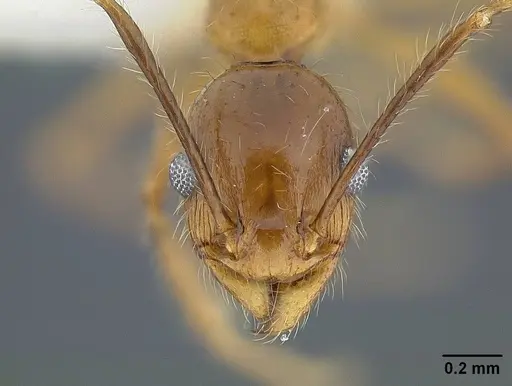
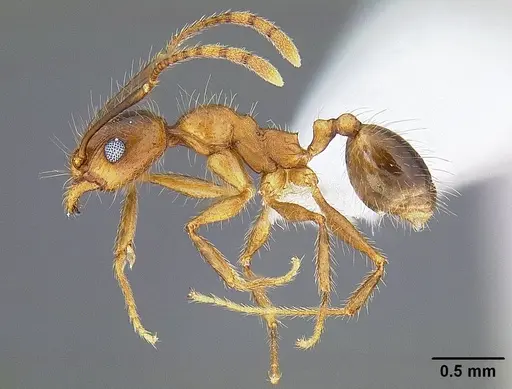
CASENT0904360
View on AntWeb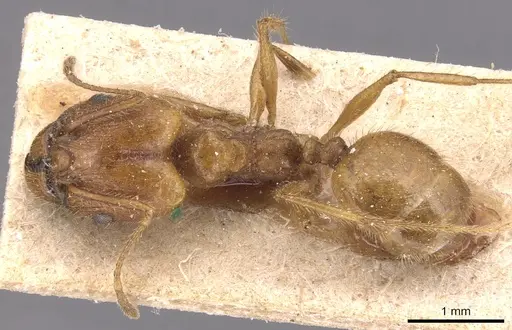
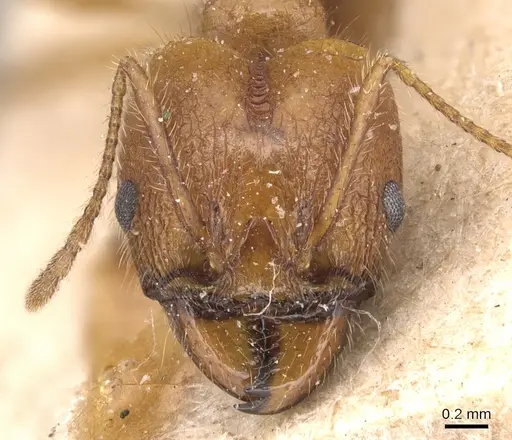
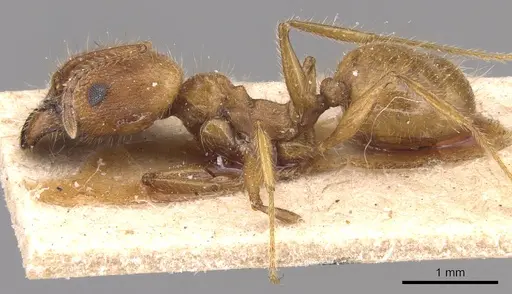
CASENT0904361
View on AntWeb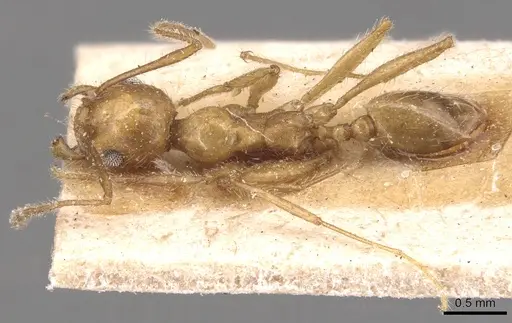
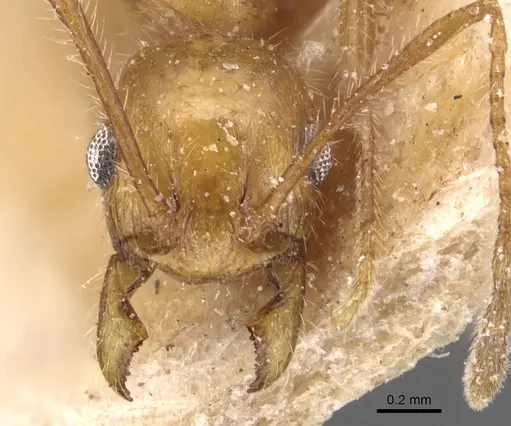
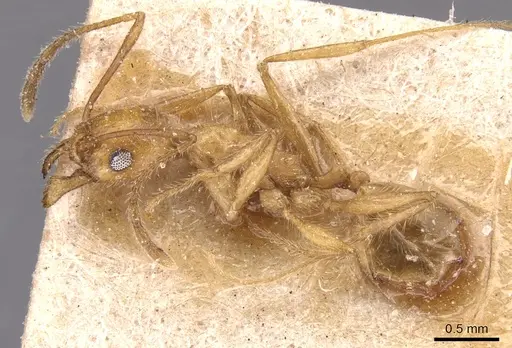
CASENT0923069
View on AntWeb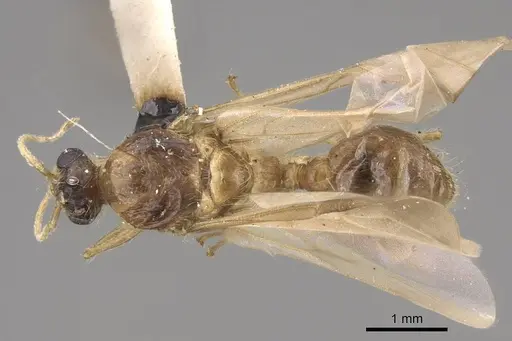
CASTYPE00639
View on AntWeb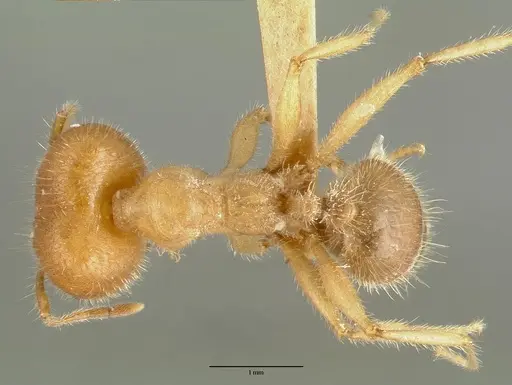
CASTYPE00640
View on AntWeb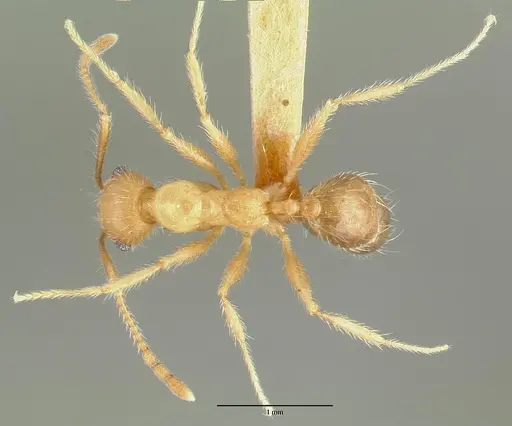
Literature
Loading distribution map...Loading products...