
Pheidole huberi
- Sci. Name
- Pheidole huberi
- Tribe
- Attini
- Subfamily
- Myrmicinae
- Author
- Forel, 1911
- Distribution
- Found in 1 countries
Introduction
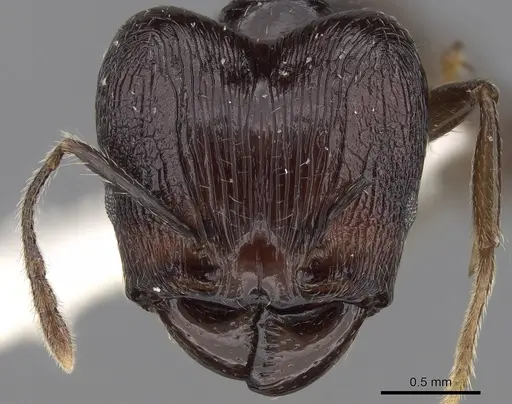
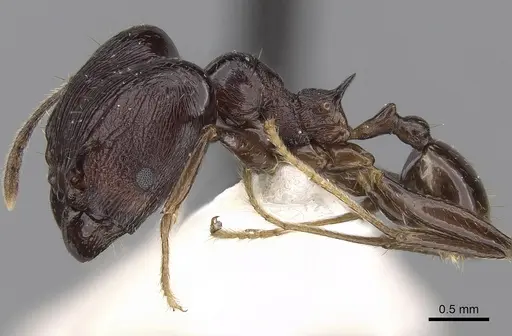
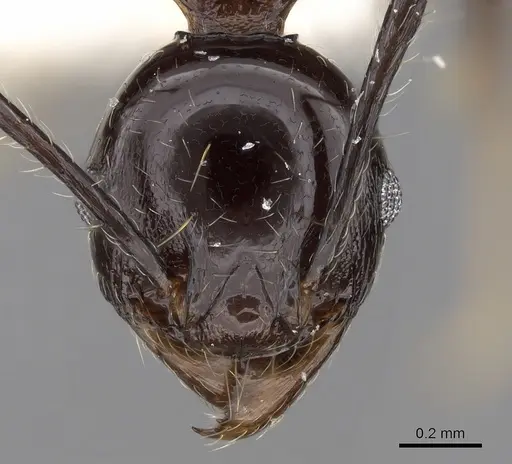
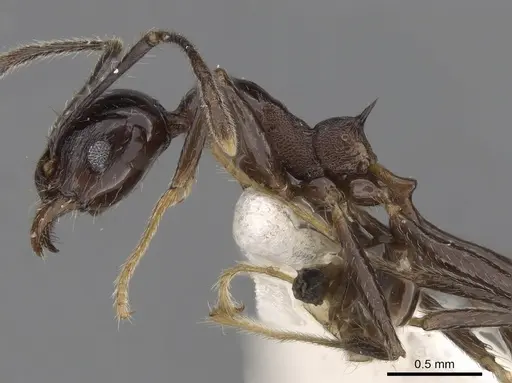
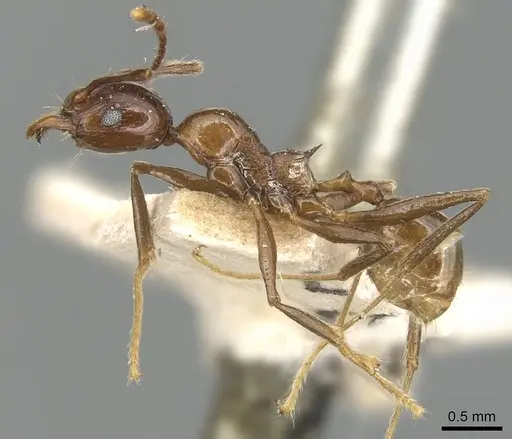
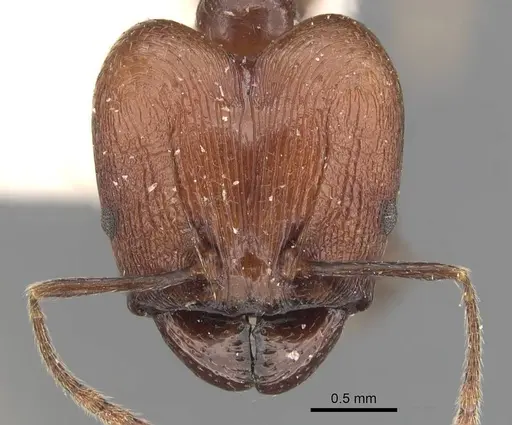
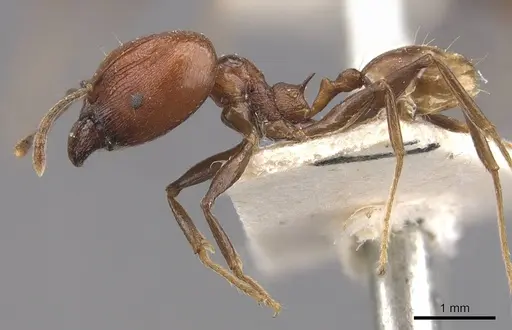
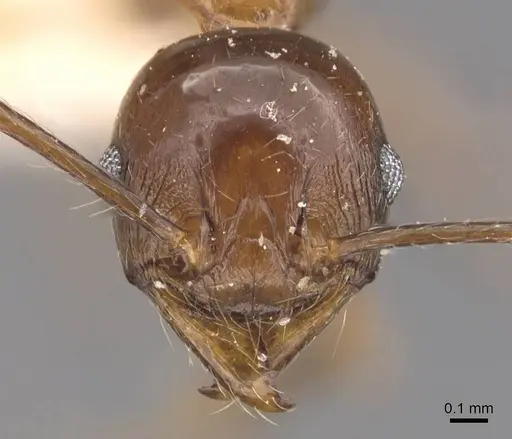
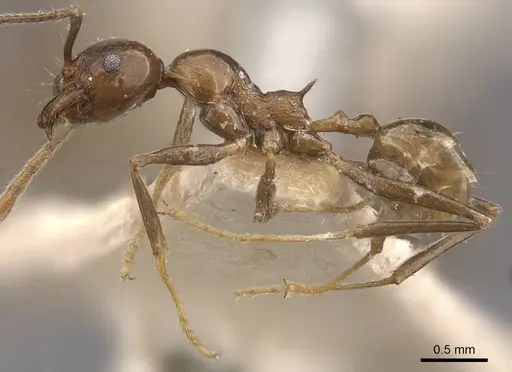
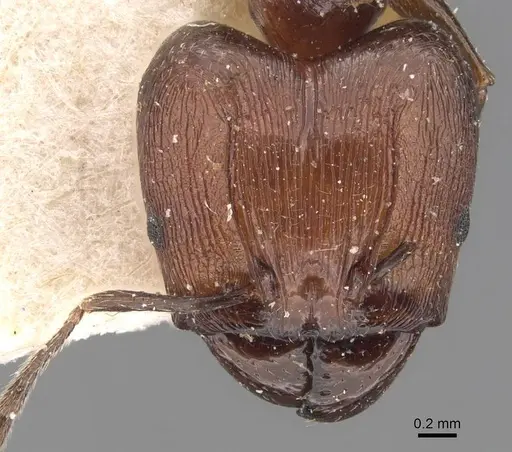
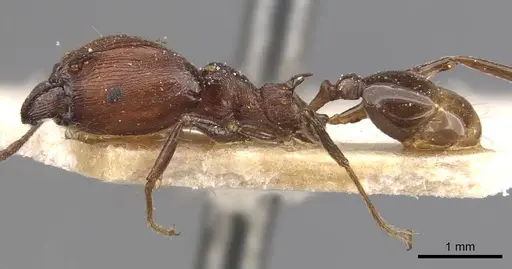
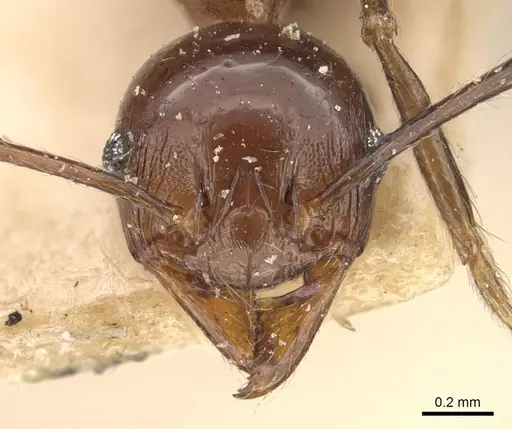
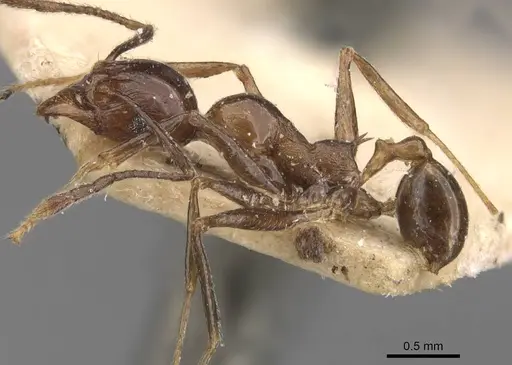
Pheidole huberi is a medium- to large-sized ant species native to Southeast Asia, found in southern Malay Peninsula, Borneo, and Sumatra . This species inhabits well-developed forests . Majors measure 3.6-3.9 mm total length, minors 2.3-3.0 mm total length . Both castes lack standing hairs on the alitrunk, and body coloration ranges from reddish-brown to dark reddish-brown . The most interesting feature is the complete lack of standing hairs on the alitrunk, which is unusual among related Pheidole species .
Quick Summary
- Difficulty: Medium
- Origin & Habitat: Southern Malay Peninsula, Borneo, and Sumatra in well-developed forests [1][2].
- Colony Type: Based on Pheidole genus patterns, likely single-queen colonies (monogyne).
- Size & Growth:
- Queen: Size data unavailable, inferred from Pheidole genus ~7-9 mm
- Worker: Major: 3.6-3.9 mm total length, Minor: 2.3-3.0 mm total length [1]
- Colony: Estimated up to several hundred workers
- Growth: Moderate
- Development: Estimated 6-8 weeks at optimal temperatures (Development time inferred from typical Pheidole genus behavior.)
- Antkeeping:
- Temperature: Keep warm, roughly 24-28°C, based on tropical habitat
- Humidity: Keep nest substrate consistently moist but not waterlogged
- Diapause: Unknown, no specific data, but tropical species may not require diapause
- Nesting: Prefer soil or rotting wood nests, in captivity, use Y-tong (AAC), plaster, or soil nests [1]
- Behavior: Temperament is typical for Pheidole, majors can sting if provoked, minors are small and escape-prone [1]. Escape prevention is critical due to minor worker size.
- Common Issues: tropical species needs warmth, cold temperatures below 20°C can slow or stop brood development., high humidity is essential, dry conditions cause colony decline., small minor workers can escape through standard test tube setups, use fine mesh and tight-fitting lids., colonies may be slow to establish initially, patience is needed during founding phase., major workers develop later than minors, don't be alarmed if early colonies are all minors.
Nest Preferences
Pheidole huberi naturally nests in soil and rotting wood within mature forest floors in tropical Southeast Asia [1]. In captivity, they adapt well to various nest types. Y-tong (AAC) nests work well as they provide good visibility and humidity control. Plaster nests are also suitable and help maintain moisture. If using test tubes, ensure the cotton is properly packed to prevent escapes through the water reservoir. The nest should have chambers scaled to their size, not too large or too small. They prefer dark conditions and will typically seal off bright areas [1].
Feeding and Diet
Based on stable isotope studies in Borneo, Pheidole huberi occupies a higher trophic level (δ15Ncor=4.99), indicating they are predatory or scavenge on other small invertebrates [2]. In captivity, offer them a varied diet including small live prey like fruit flies, pinhead crickets, and mealworms. They will also accept protein-based commercial ant foods. Sugar sources like honey water or sugar water are typically accepted, offer these 2-3 times per week. Fresh fruits can also be given occasionally. Feed them 2-3 times per week, removing any uneaten prey after 24 hours to prevent mold [2].
Temperature and Care
As a tropical species from Southeast Asia, Pheidole huberi requires warm temperatures for optimal colony development. Keep temperatures roughly 24-28°C, based on their natural habitat. Room temperature may be sufficient in warm climates, but most keepers will need supplemental heating. A heating cable placed on one side of the nest creates a temperature gradient that allows the ants to self-regulate. Never let temperatures drop below 20°C for extended periods as this can slow brood development.
Behavior and Temperament
Pheidole huberi displays the classic Pheidole caste system with distinct major and minor workers. The majors (soldiers) are larger and serve roles in colony defense and food processing. The minors handle most daily tasks including foraging, brood care, and nest maintenance. This species is not particularly aggressive toward keepers but majors can deliver a mild sting if they feel threatened [1]. They are active foragers and will readily explore their outworld for food. The minor workers are small and can fit through small gaps, excellent escape prevention is essential [1].
Colony Growth and Development
Colony development follows typical Pheidole patterns. After the claustral queen seals herself in, she will lay eggs and raise the first brood using stored energy reserves. The first workers (nanitics) are typically smaller than normal minors and emerge within 6-8 weeks under optimal conditions. After the first workers arrive, the queen reduces her egg production temporarily while the colony establishes. Major workers begin appearing as the colony grows, usually when the colony reaches several dozen workers.
Humidity Requirements
Being a tropical forest species from Borneo and Sumatra, Pheidole huberi requires high humidity. The nest substrate should remain consistently moist but never waterlogged. A damp substrate that feels moist to the touch is ideal. In test tube setups, ensure the water reservoir is adequately sized but not so large that it floods the colony. In Y-tong or plaster nests, mist the nest occasionally and monitor condensation levels [1].
Frequently Asked Questions
How long does it take for Pheidole huberi to have first workers?
Expect first workers (nanitics) to emerge in 6-8 weeks under optimal warm conditions (24-28°C). This is based on typical Pheidole genus development patterns since specific timing for this species is unconfirmed.
What do Pheidole huberi ants eat?
They are predatory/scavenging ants based on isotope studies showing they occupy a higher trophic level [2]. Feed them small live prey like fruit flies, pinhead crickets, and small mealworms. They also accept sugar sources like honey water or sugar water.
Can I keep multiple Pheidole huberi queens together?
Pheidole species are typically monogyne (single queen) based on genus patterns. Combining unrelated foundress queens is not recommended as they will likely fight. If you obtain a colony, it should have one queen.
What temperature do Pheidole huberi ants need?
Keep them warm at roughly 24-28°C, based on their tropical habitat. Use a heating cable on one side of the nest if your room temperature is below this range. Avoid temperatures below 20°C as this can harm the colony.
Do Pheidole huberi need hibernation?
No specific data on diapause, but as a tropical species, they likely do not require hibernation. They may show reduced activity during cooler periods in captivity but no special winter care is needed.
How big do Pheidole huberi colonies get?
Based on typical Pheidole colony sizes, expect colonies to reach up to several hundred workers over time. The exact maximum for this species is unconfirmed.
What is the best nest type for Pheidole huberi?
Y-tong (AAC) nests or plaster nests work well for this species [1]. They provide good humidity control and visibility. Test tubes can work but ensure excellent escape prevention due to their small minor workers.
Why are my Pheidole huberi dying?
Common causes include: temperatures below 20°C (tropical species need warmth), dry conditions (they need high humidity), poor escape prevention allowing escapes, or insufficient protein in their diet. Check that your setup maintains proper warmth and humidity, and ensure you are feeding adequate prey items.
Are Pheidole huberi good for beginners?
They are rated as medium difficulty. While not the most challenging species, they do require attention to temperature and humidity (tropical requirements). Beginners should be prepared to provide consistent warmth and humidity.
Report an Issue
The current care sheet is based fully on literature. See inconsistencies, or something that's incorrect? Please , it will be resolved after review from an admin. Contributing to the blogs tab also helps providing information, to make us be able to further improve the caresheets. Thank you for your support!
References

This caresheet is licensed under CC BY-SA 4.0 .
Community Blogs
CASENT0281710
View on AntWeb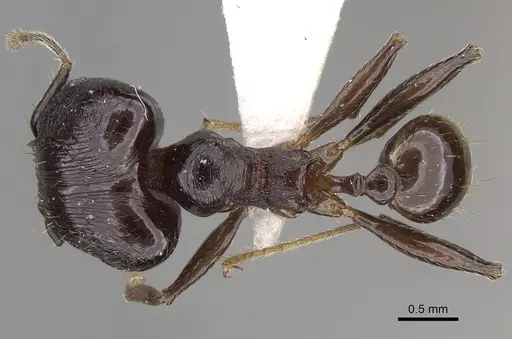
CASENT0281711
View on AntWeb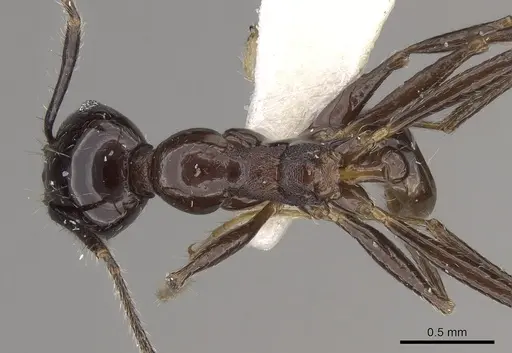
CASENT0904246
View on AntWeb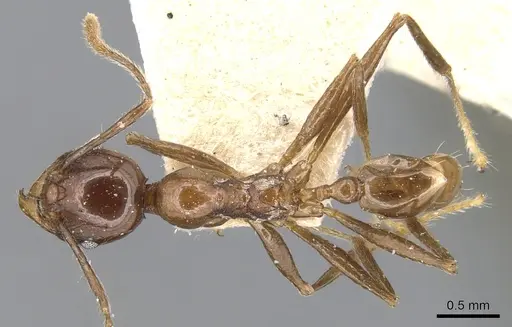
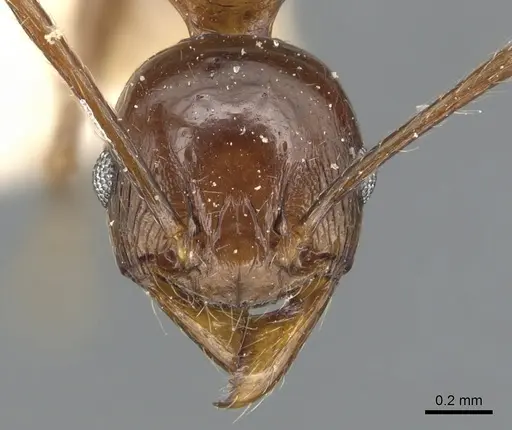
CASENT0907889
View on AntWeb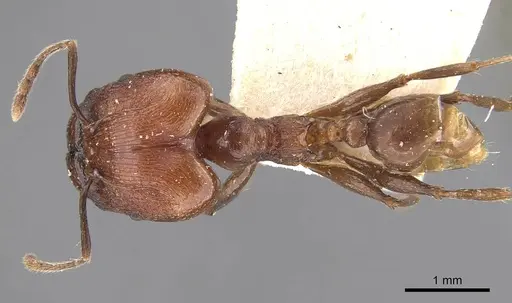
CASENT0907890
View on AntWeb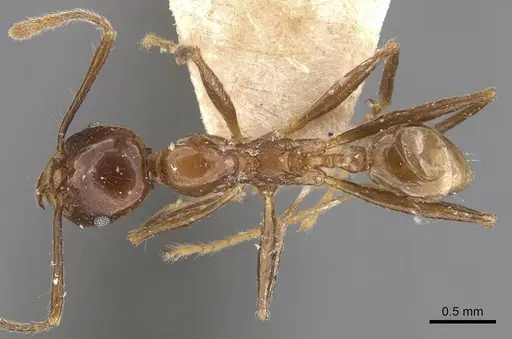
CASENT0907891
View on AntWeb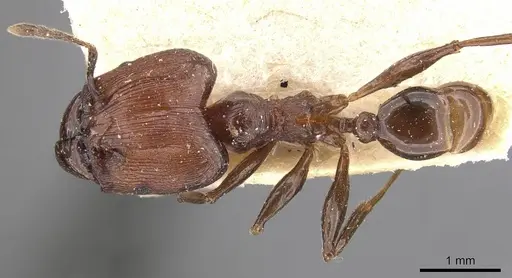
CASENT0907892
View on AntWeb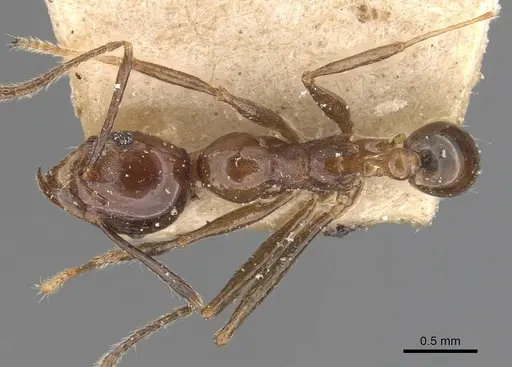
Literature
Loading distribution map...Loading products...