
Pheidole hospes
- Sci. Name
- Pheidole hospes
- Tribe
- Attini
- Subfamily
- Myrmicinae
- Author
- Smith, 1865
- Distribution
- Found in 3 countries
Introduction
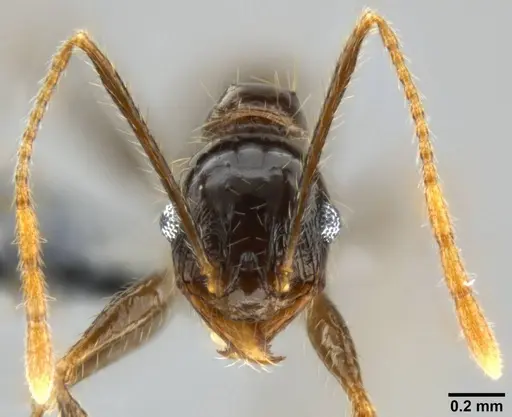
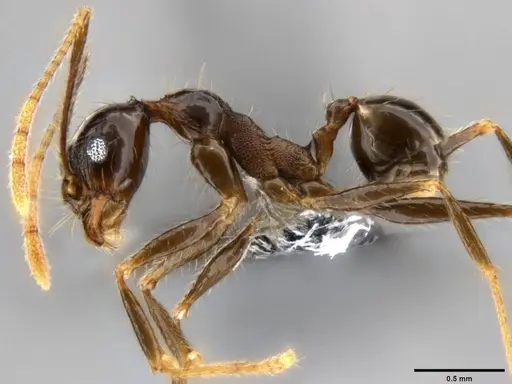
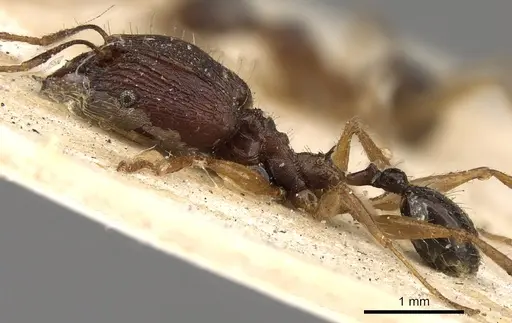
Pheidole hospes is a dimorphic ant from the Myrmicinae subfamily, native to New Guinea and surrounding islands in the Australasian region . It has distinct major and minor worker castes, with majors having enlarged heads for defense and seed processing, and minors handling foraging and brood care . This species inhabits tropical rainforest environments across elevation gradients, with documented nesting at 200m and 900m in Papua New Guinea .
Quick Summary
- Difficulty: Medium
- Origin & Habitat: New Guinea and associated islands in tropical rainforest environments, from lowland to montane areas [1][2].
- Colony Type: Based on Pheidole genus patterns, likely single-queen (monogyne) colonies, but this specific species has not been extensively studied for colony structure.
- Size & Growth:
- Queen: Size data unavailable, no total length measurements in research context. Inferred from Pheidole genus patterns as approximately 7-9mm.
- Worker: Size data unavailable, no total length measurements in research context. Inferred from Pheidole genus patterns: minors ~3-4mm, majors ~5-7mm.
- Colony: Up to several thousand workers at maturity, estimated from Pheidole genus patterns.
- Growth: Moderate to fast
- Development: 6-8 weeks estimated based on typical Pheidole development patterns. (Development time is inferred from genus-level data, as specific timing for P. hospes has not been documented.)
- Antkeeping:
- Temperature: Based on their tropical rainforest habitat [2], keep temperatures around 24-28°C. Provide a slight gradient for self-regulation.
- Humidity: Keep nest substrate consistently moist but not waterlogged, reflecting their damp tropical environment [2].
- Diapause: No diapause required, as a tropical species, they do not need hibernation. Maintain consistent warmth year-round.
- Nesting: Accepts various nest types such as test tubes, Y-tong (AAC) nests, or plaster nests. Provide a moist substrate and ensure passages are wide enough for major workers.
- Behavior: Pheidole hospes is generally peaceful and non-aggressive. Majors serve as defenders and process food, while minors forage and care for brood. Escape risk is moderate due to climbing ability, so standard barriers are effective.
- Common Issues: colonies may decline if temperature drops below 22°C for extended periods, tropical species are sensitive to cool conditions., major workers can get stuck in narrow passages, ensure tubing is at least 5-6mm in diameter., overfeeding can lead to mold, remove uneaten food promptly., wild-caught colonies may harbor parasites, quarantine new colonies before introducing to established setups.
Housing and Nest Setup
Pheidole hospes adapts well to test tube setups for founding colonies, with a water reservoir and foraging area. For established colonies, use Y-tong or plaster nests with moist chambers. Ensure adequate ventilation to prevent mold. Provide a foraging area roughly three times the nest size. Passages should be at least 5-6mm wide to accommodate major workers [1].
Feeding and Diet
Pheidole species are omnivorous. Offer protein sources like small insects (fruit flies, pinhead crickets) and sugar sources like honey water. Feed every 2-3 days, removing uneaten food to prevent mold. Fresh water should always be available [1].
Temperature and Humidity Management
Maintain temperatures between 24-28°C using a heating cable if needed, based on their tropical habitat [2]. Keep humidity high by ensuring the nest substrate is moist but not waterlogged [2]. Monitor for condensation to avoid drowning colonies.
Colony Development and Growth
Queens likely seal themselves in a claustral chamber to raise first brood, but founding behavior is unconfirmed. First workers (nanitics) emerge in 6-8 weeks under optimal conditions. Colonies grow through production of majors and minors, reaching several thousand workers over time [1].
Frequently Asked Questions
How long does it take for Pheidole hospes to produce first workers?
Expect first workers in approximately 6-8 weeks under optimal conditions of 24-28°C and high humidity, based on typical Pheidole development patterns [1].
Can I keep multiple Pheidole hospes queens together?
Pheidole hospes is likely a single-queen species, but this is unconfirmed. Combining unrelated queens is not recommended as they may fight. House founding queens alone until workers emerge.
What do Pheidole hospes ants eat?
They are omnivorous. Offer small insects for protein and sugar sources like honey water. Feed every 2-3 days and remove uneaten food [1].
What temperature is ideal for Pheidole hospes?
Keep them at 24-28°C, based on their tropical rainforest habitat [2]. Room temperature may suffice, but heating may be needed in cooler climates.
Do Pheidole hospes need hibernation?
No, as a tropical species, they do not require diapause. Maintain warm temperatures year-round.
How big do Pheidole hospes colonies get?
Colonies can reach several thousand workers at maturity, based on Pheidole genus patterns [1].
When should I move Pheidole hospes to a formicarium?
Move them when the test tube setup becomes crowded, typically around 100-200 workers. Ensure passages are wide enough for major workers.
Are Pheidole hospes good for beginners?
They are rated medium difficulty due to need for warm, humid conditions. Beginners should ensure they can maintain these before acquiring.
Why are my Pheidole hospes majors staying in the nest?
This is normal behavior. Majors primarily defend and process food inside the nest, venturing out less than minors.
Report an Issue
The current care sheet is based fully on literature. See inconsistencies, or something that's incorrect? Please , it will be resolved after review from an admin. Contributing to the blogs tab also helps providing information, to make us be able to further improve the caresheets. Thank you for your support!
References

This caresheet is licensed under CC BY-SA 4.0 .
Community Blogs
CASENT0199250
View on AntWeb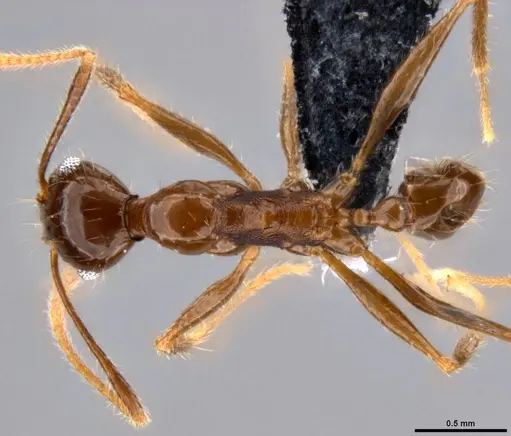
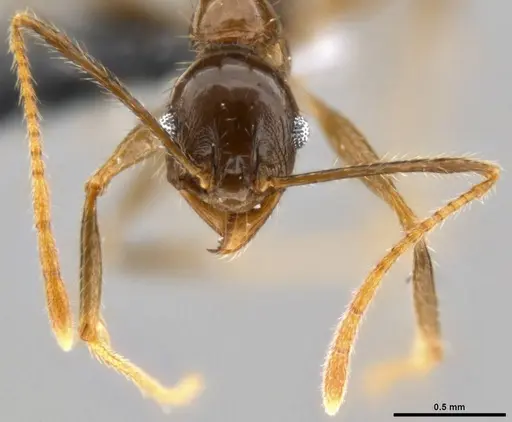
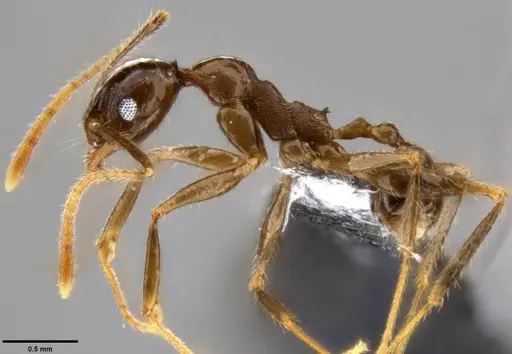
CASENT0219503
View on AntWeb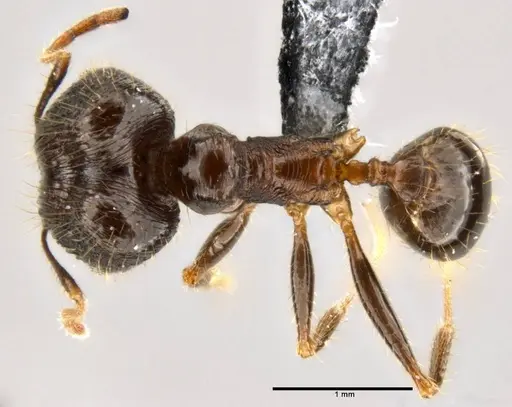
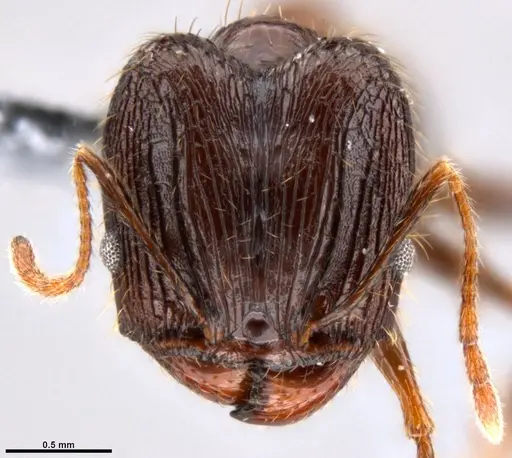
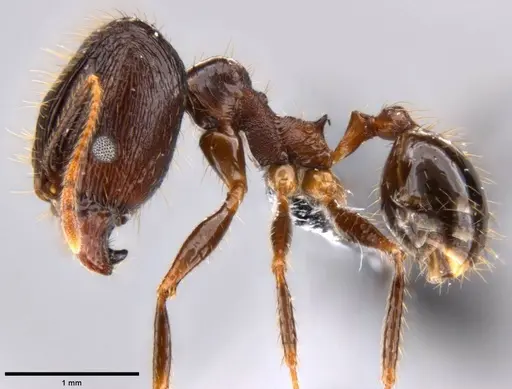
CASENT0219511
View on AntWeb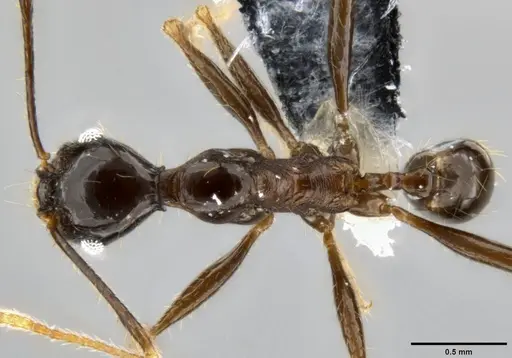
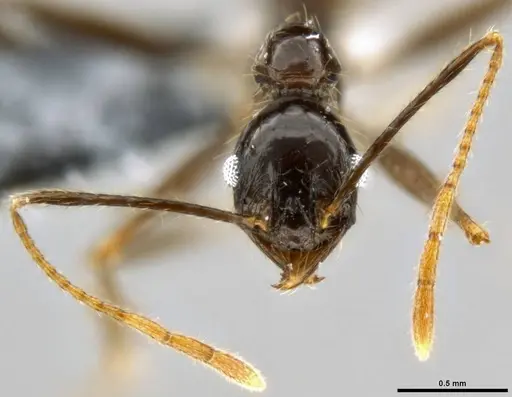
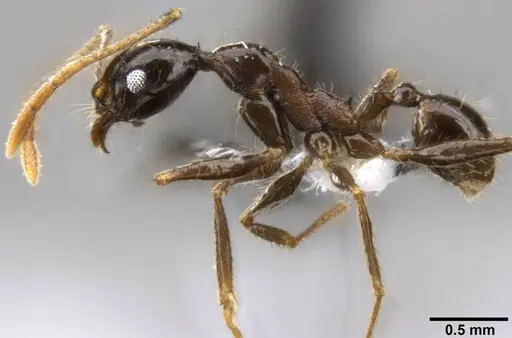
CASENT0219517
View on AntWeb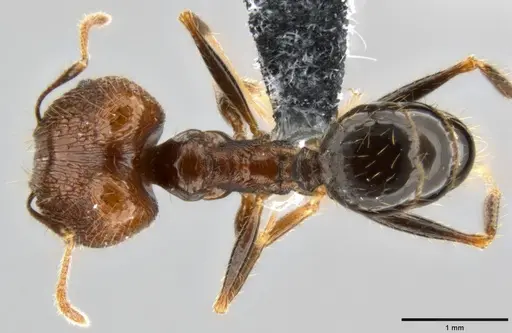
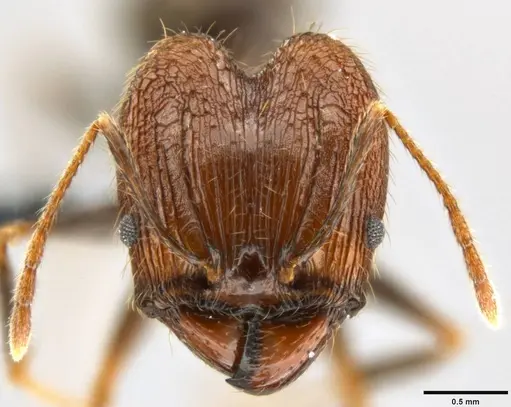
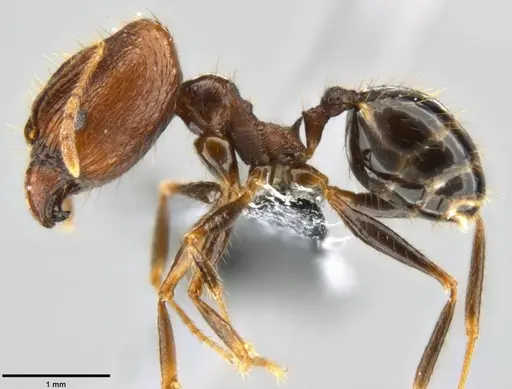
CASENT0219520
View on AntWeb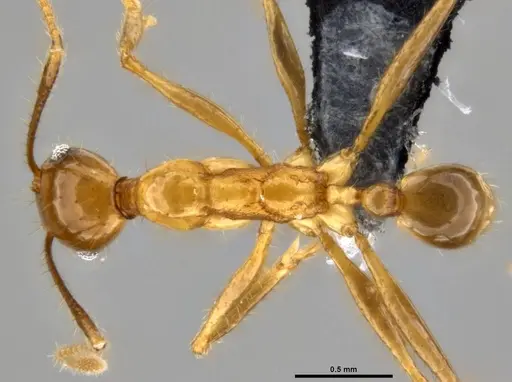
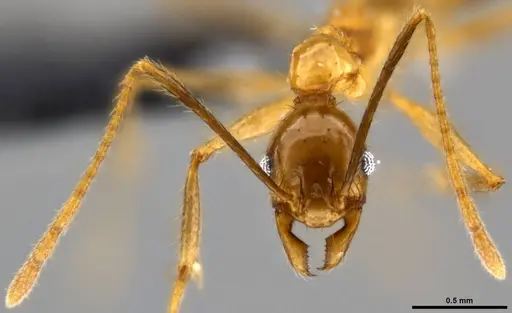
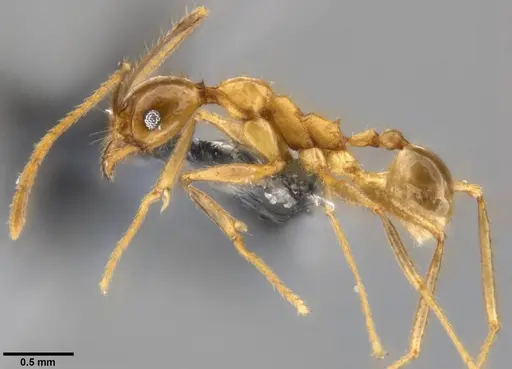
CASENT0219522
View on AntWeb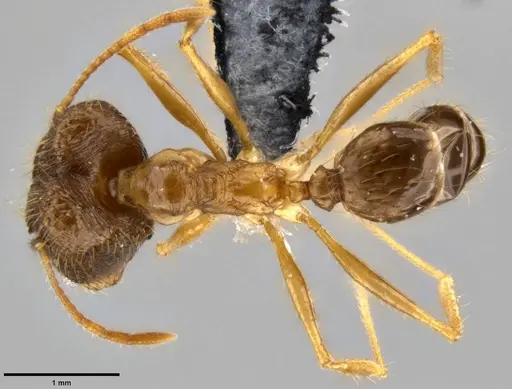
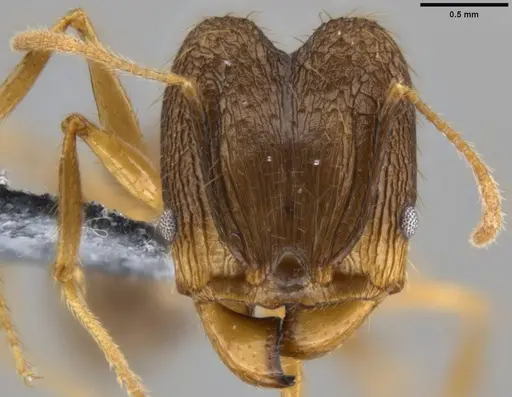
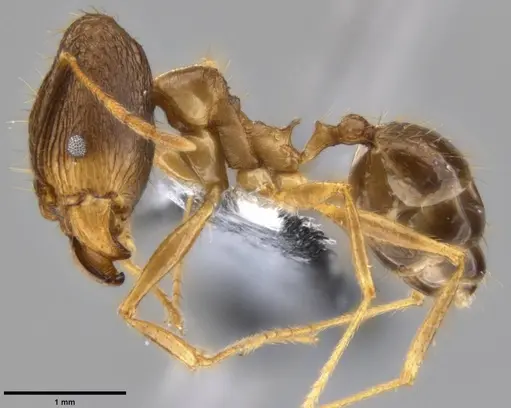
CASENT0219523
View on AntWeb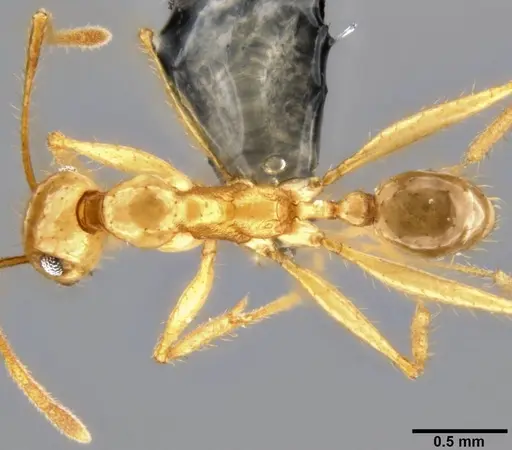
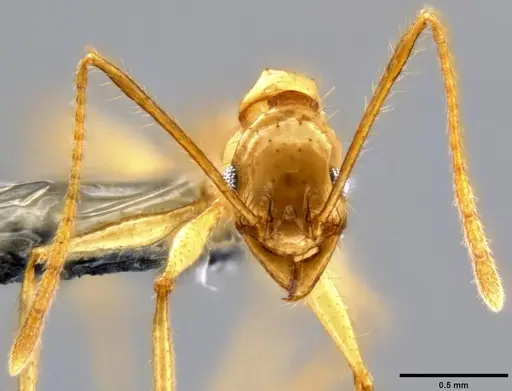
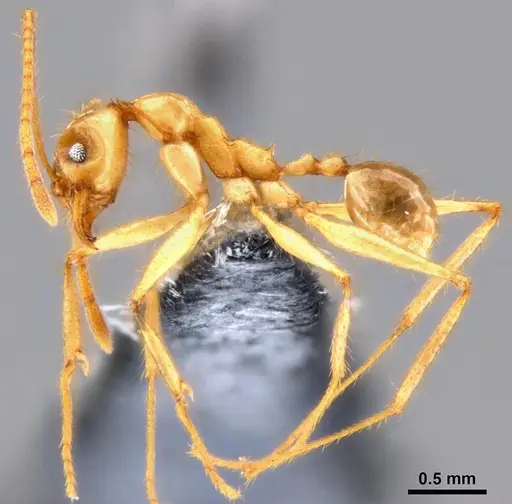
CASENT0282674
View on AntWeb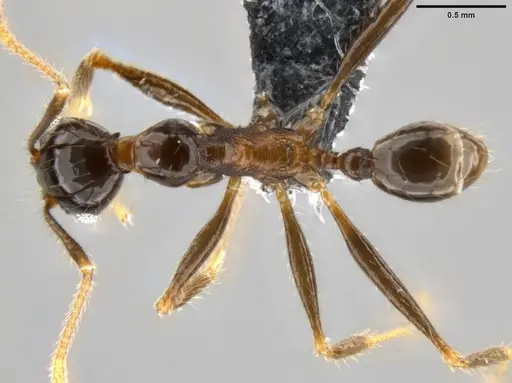
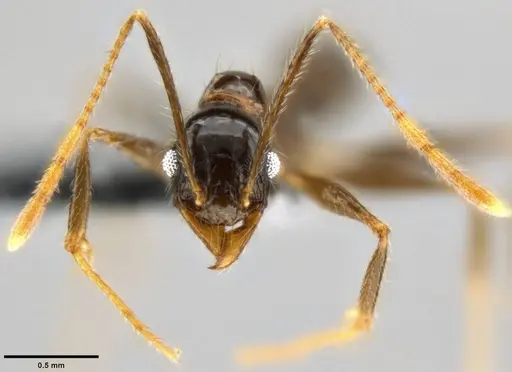
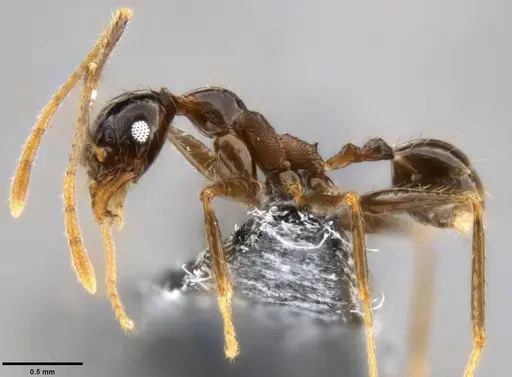
CASENT0282675
View on AntWeb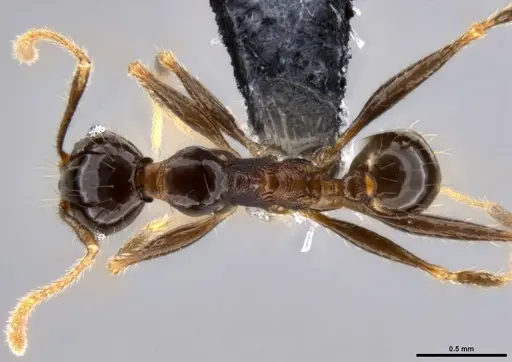
CASENT0282678
View on AntWeb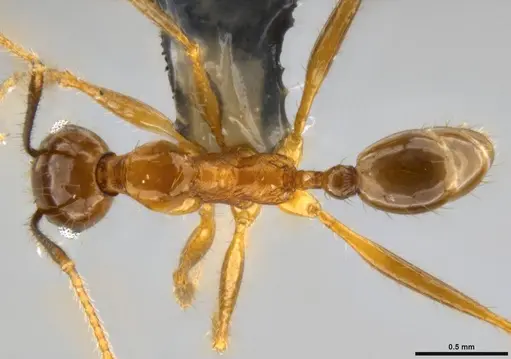
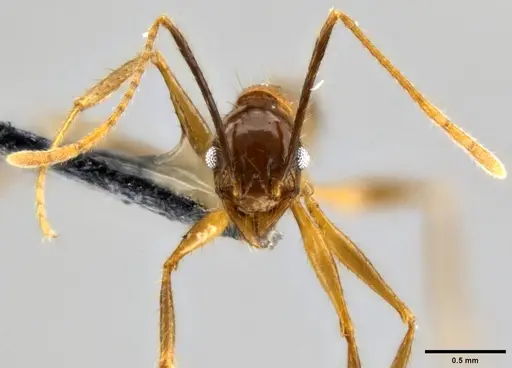
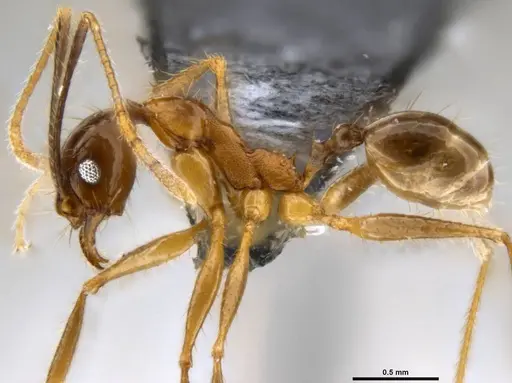
CASENT0284023
View on AntWeb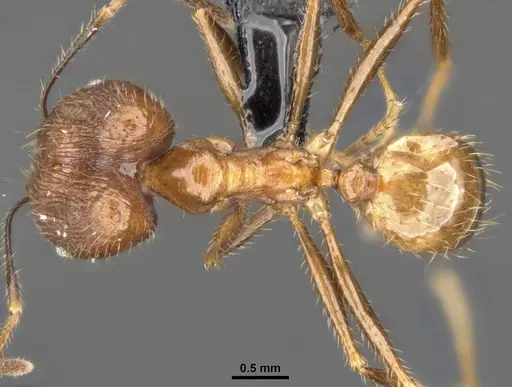
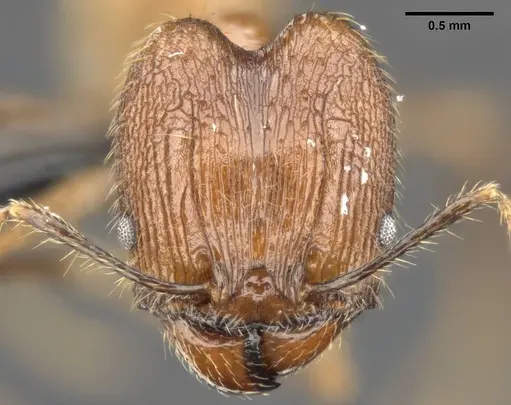
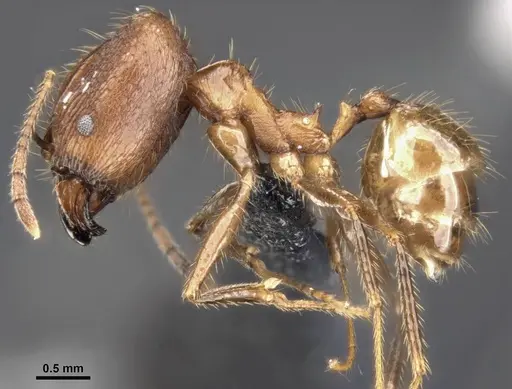
CASENT0284024
View on AntWeb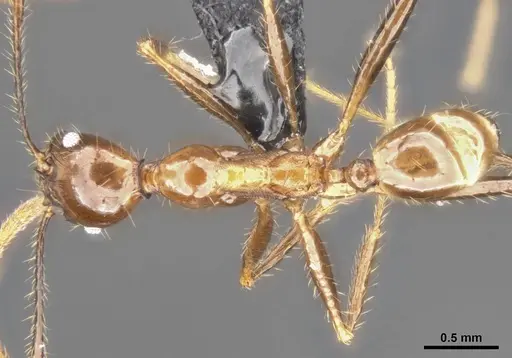
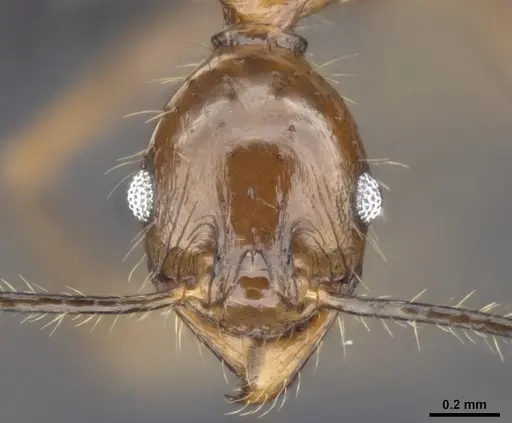
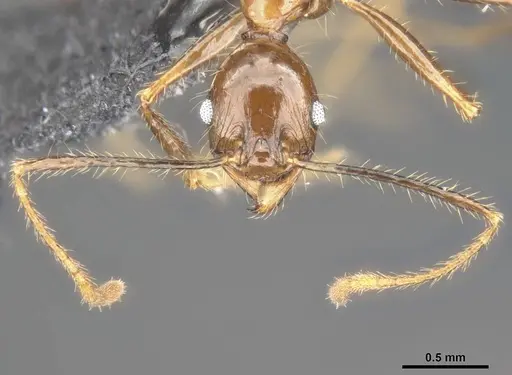
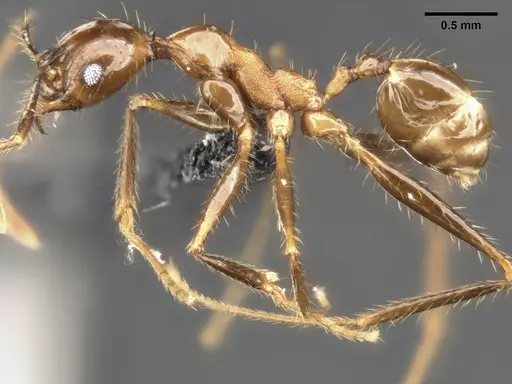
CASENT0901400
View on AntWeb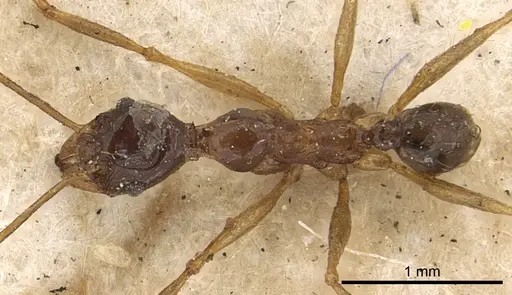
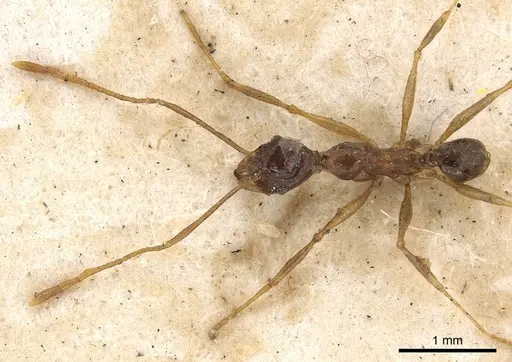
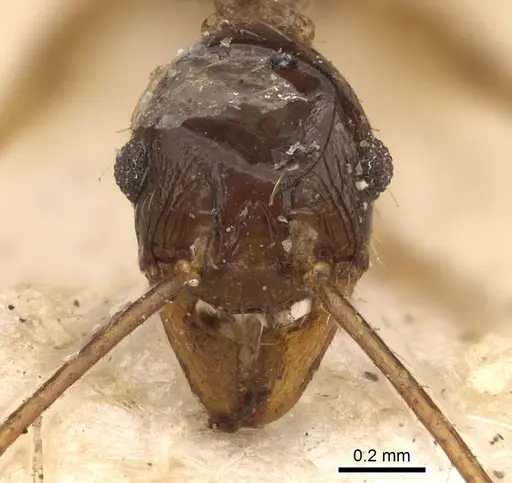
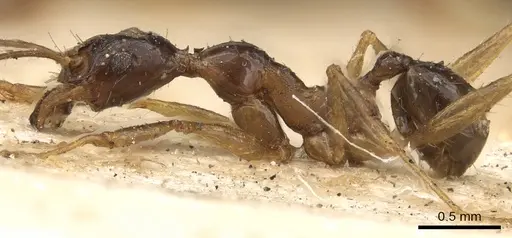
CASENT0901401
View on AntWeb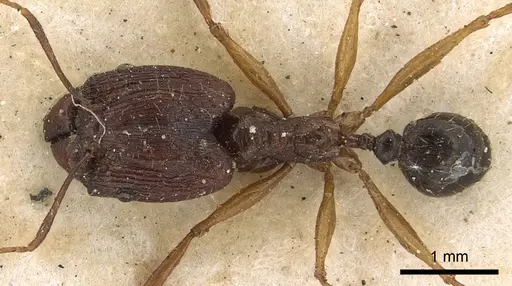
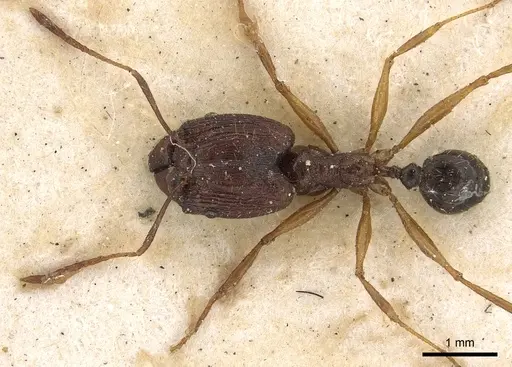
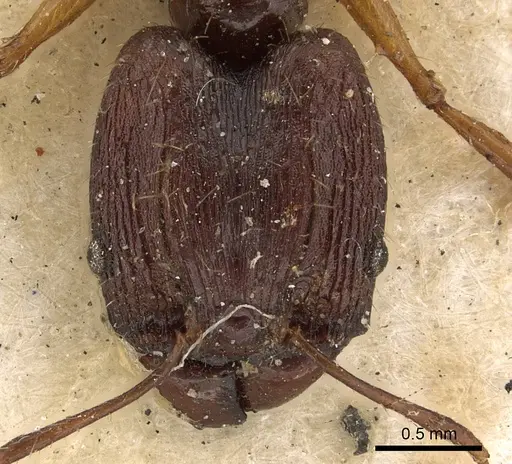
Literature
Loading distribution map...Loading products...