
Pheidole harrisonfordi
- Sci. Name
- Pheidole harrisonfordi
- Tribe
- Attini
- Subfamily
- Myrmicinae
- Author
- Wilson, 2003
- Distribution
- Found in 7 countries
Introduction
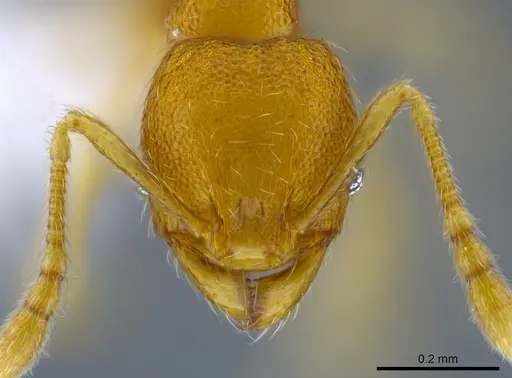
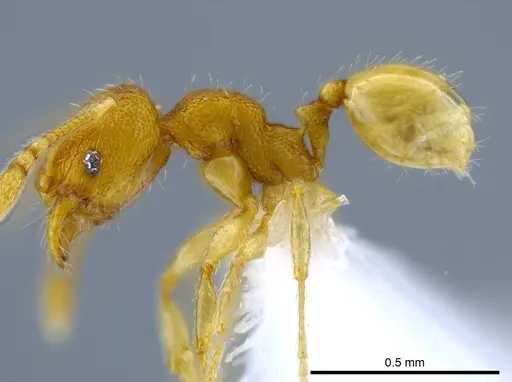
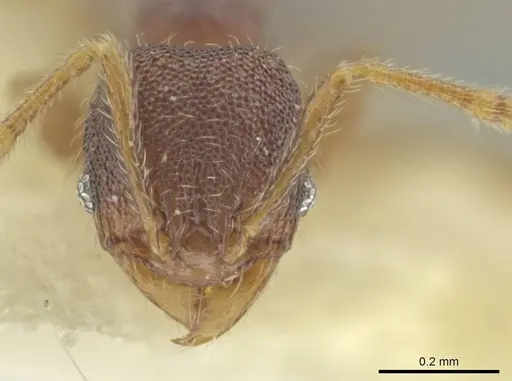
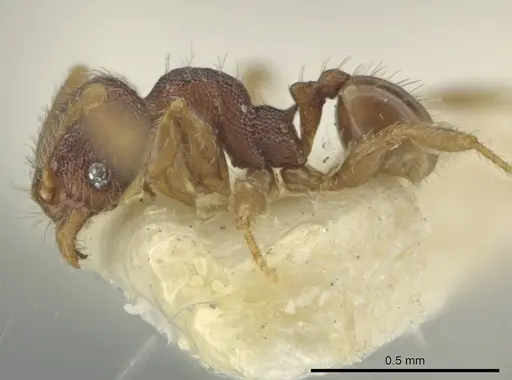
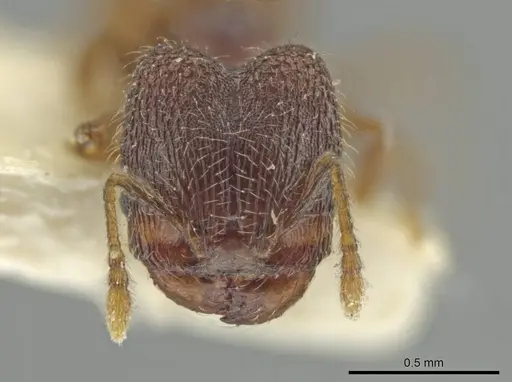
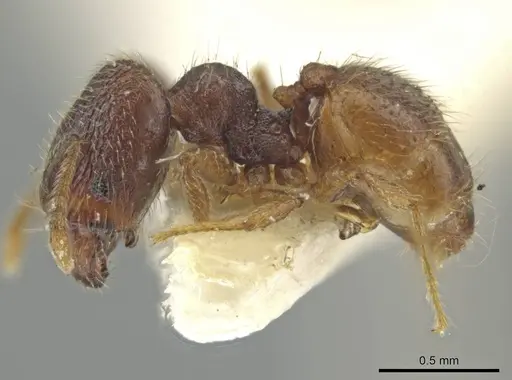
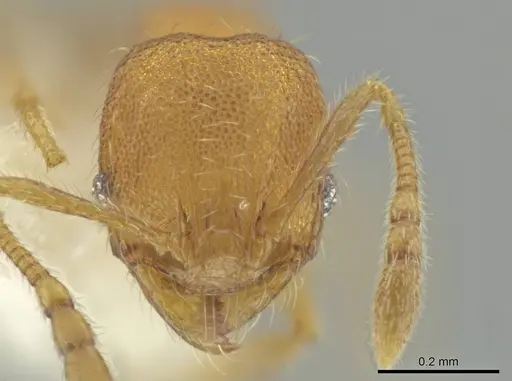
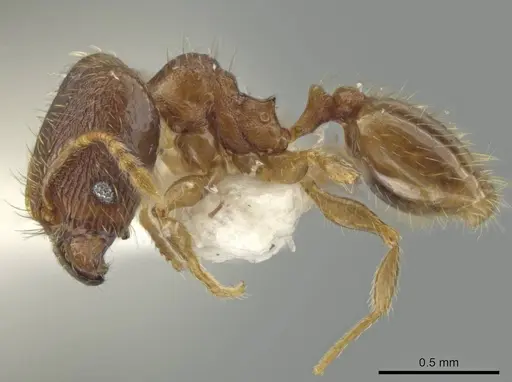
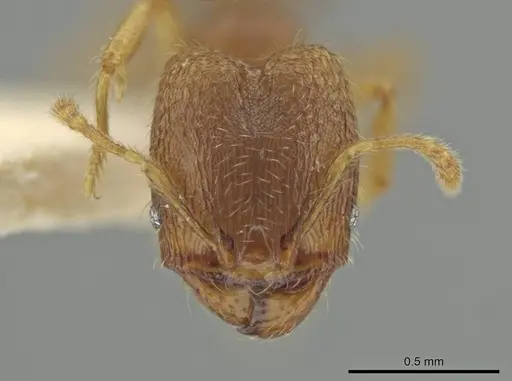
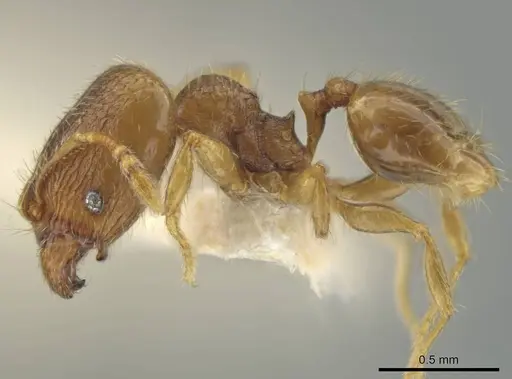
Pheidole harrisonfordi is a small, dimorphic ant species native to Central America, named after actor and conservationist Harrison Ford. It has two worker castes: major workers (soldiers) and minor workers, with body size data unavailable in the literature . The species occurs in wet forest habitats from sea level to 1800m elevation, ranging from Panama to southern Mexico and recently recorded in Colombia's Chocó region . A notable aspect of this species is its mysterious nesting biology. Despite being abundant in forest floor litter samples, no wild nests have ever been encountered, making captive care experimental .
Quick Summary
- Difficulty: Medium
- Origin & Habitat: Wet forest habitats in Central America, from sea level to 1800m elevation, including Belize, Costa Rica, Guatemala, Honduras, Mexico, Nicaragua, Panama, and Colombia's Chocó region [1][3][4].
- Colony Type: Colony structure is unconfirmed. Based on typical Pheidole genus patterns, likely monogyne (single queen), but not directly documented [5][3].
- Size & Growth:
- Queen: Size data unavailable, no measurements found in literature.
- Worker: Size data unavailable, head width measurements are not valid for body size, no total length data provided.
- Colony: Unknown, nest has never been found in the wild [1].
- Growth: Unknown, no development data available.
- Development: Unknown, no direct measurements. Based on typical Pheidole patterns, development may take 6-10 weeks at warm temperatures, but this is unconfirmed [1]. (Development timeline is unconfirmed due to lack of nesting observations.)
- Antkeeping:
- Temperature: Keep at warm temperatures, roughly 22-26°C, based on wet forest habitat. Adjust based on colony activity [1].
- Humidity: Maintain moderate to high humidity, as they come from wet forests. Keep substrate moist but not waterlogged [1][4].
- Diapause: No diapause likely, as a tropical species [1].
- Nesting: Nesting preferences unknown, no wild nests documented. Experiment with moist substrate or plaster nests [1][4].
- Behavior: Active forager that recruits to baits using pheromone trails [1]. Not particularly aggressive toward keepers, but major workers will defend the colony. Escape risk is moderate due to small size, ensure tight-fitting lids and fine mesh if needed.
- Common Issues: no established care protocols, this species has never been kept in captivity, so there are no proven methods to follow., nesting requirements are completely unknown, you may need to experiment with different nest types., growth rate is unconfirmed, expect a learning curve as the colony establishes., humidity requirements may be stricter than average due to wet forest origin., body size data is unavailable, making it hard to gauge appropriate setup scale.
The Mystery of Nesting Biology
Pheidole harrisonfordi is abundant in forest floor litter samples across its range, yet no wild nests have ever been found [1]. This makes it a unique challenge for antkeepers, as captive care must be experimental. Researchers suggest they may nest in small, dispersed colonies within leaf litter or rotting wood, making them hard to locate [1]. For keepers, this means pioneering care without established protocols.
Housing and Nest Setup
Since nesting preferences are unknown, start with a naturalistic setup using moist substrate, such as a dirt mixing bowl, to mimic wet forest floor conditions [1][4]. Alternatively, use a Y-tong or plaster nest with good moisture retention. Ensure no gaps for escapes due to small size. Provide a foraging area connected to the nest, as they recruit to baits in the wild [1].
Feeding and Diet
Pheidole species are typically omnivorous. In the wild, P. harrisonfordi recruits to baits, indicating active foraging [1]. For captivity, offer varied diet: protein sources like small insects (e.g., fruit flies), seeds, and sugar sources like honey water. Feed protein 2-3 times per week with constant sugar access. Remove uneaten food to prevent mold.
Temperature and Humidity
Maintain temperatures around 22-26°C, based on wet forest habitat [1]. Use a heating cable to create a gradient, allowing ants to self-regulate. Humidity should be moderate to high, with substrate kept moist but not waterlogged [1][4]. Good ventilation is important to prevent mold.
Colony Structure and Castes
This species is dimorphic with major and minor workers. Minor workers handle foraging and brood care, while majors assist with defense and food processing [3]. Colony structure is unconfirmed, but likely monogyne based on genus patterns [5]. Queen caste details are unknown.
Behavior and Foraging
P. harrisonfordi is an active forager that uses pheromone trails to recruit nestmates to food sources [1]. They are not aggressive toward humans but will defend the colony. Escape risk is moderate, ensure enclosures are secure.
Frequently Asked Questions
How do I keep Pheidole harrisonfordi ants?
Start with a moist substrate setup or plaster nest, keep temperatures warm (22-26°C), and maintain high humidity. Feed a varied diet of small insects, seeds, and sugar water. Since no wild nests are known, expect experimental care [1][4].
What do Pheidole harrisonfordi ants eat?
They are omnivorous. Offer small insects, seeds, and sugar sources like honey water. Feed protein 2-3 times per week [1].
How long does it take for Pheidole harrisonfordi to develop from egg to worker?
Development timeline is unknown. Based on typical Pheidole patterns, it may take 6-10 weeks at warm temperatures, but this is unconfirmed [1].
Are Pheidole harrisonfordi ants good for beginners?
This species is not ideal for beginners due to lack of established care protocols. It is better suited for experienced keepers willing to experiment [1].
What size colony do Pheidole harrisonfordi reach?
Colony size is unknown, as no wild nests have been found [1].
Do Pheidole harrisonfordi need hibernation?
No, as a tropical species, diapause is unlikely [1].
Can I keep multiple Pheidole harrisonfordi queens together?
This has not been documented. Based on genus patterns, colonies are likely single-queen, so combining queens is not recommended without evidence [5].
Why has no one found a Pheidole harrisonfordi nest?
Nests are likely small and dispersed in leaf litter or rotting wood, making them hard to locate [1]. This adds to the challenge of captive care.
What is the best nest type for Pheidole harrisonfordi?
Since nesting is unknown, experiment with moist substrate setups or plaster nests to maintain humidity [1][4].
Report an Issue
The current care sheet is based fully on literature. See inconsistencies, or something that's incorrect? Please , it will be resolved after review from an admin. Contributing to the blogs tab also helps providing information, to make us be able to further improve the caresheets. Thank you for your support!
References

This caresheet is licensed under CC BY-SA 4.0 .
Community Blogs
CASENT0618015
View on AntWeb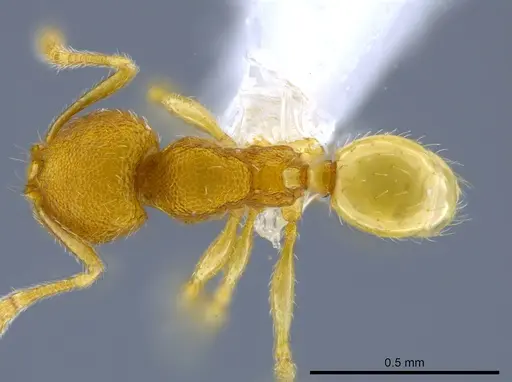
CASENT0635544
View on AntWeb
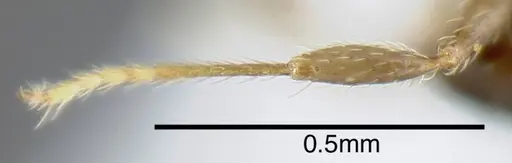
CASENT0646277
View on AntWeb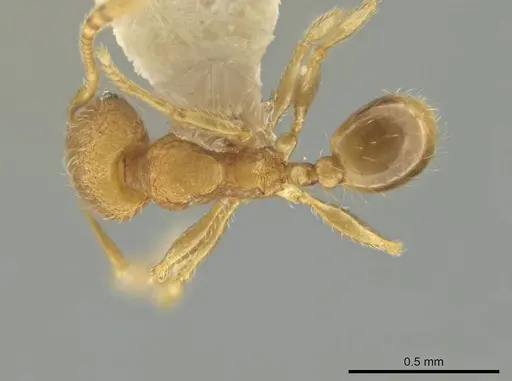
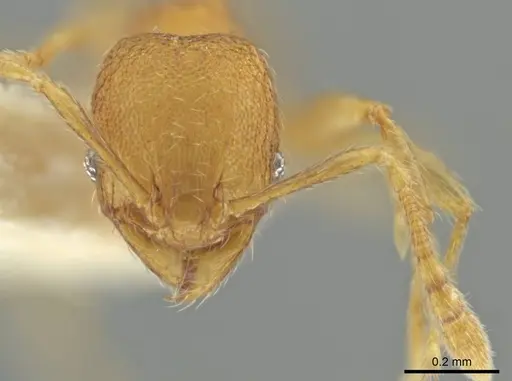
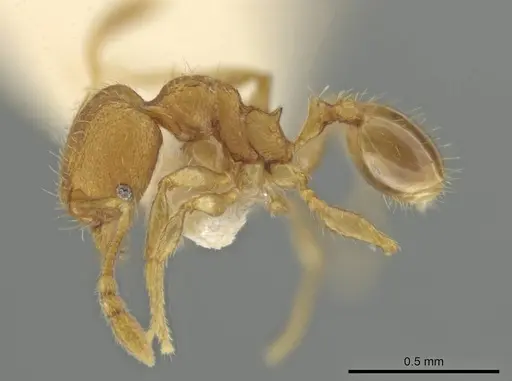
CASENT0646279
View on AntWeb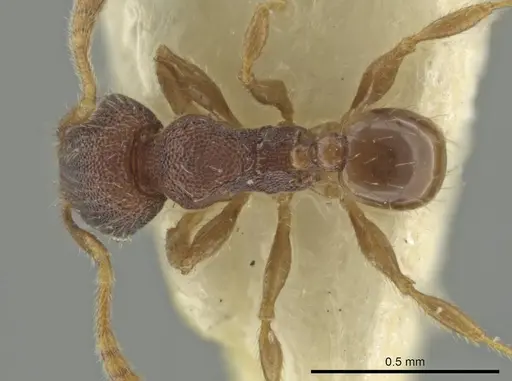
CASENT0646281
View on AntWeb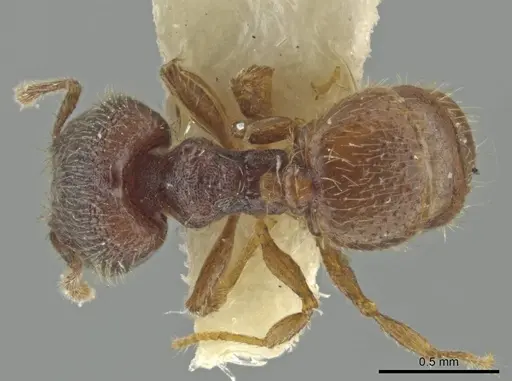
CASENT0646282
View on AntWeb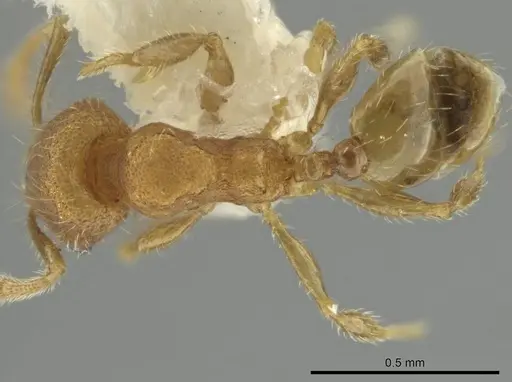
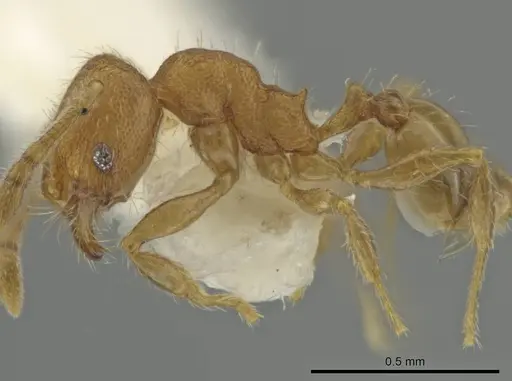
INB0003692955
View on AntWeb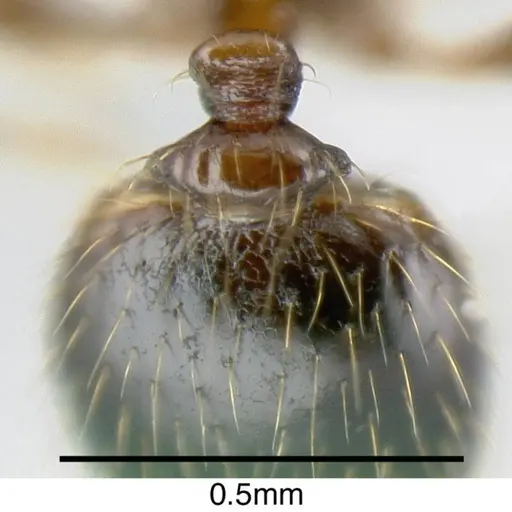
JTLC000016399
View on AntWeb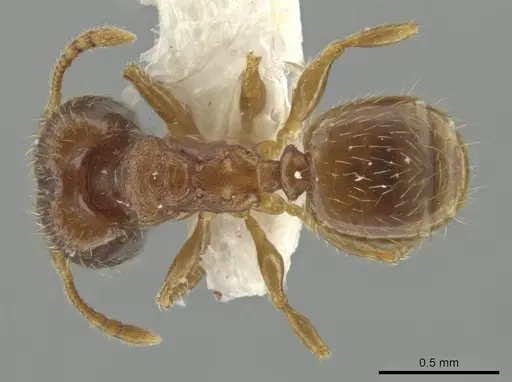
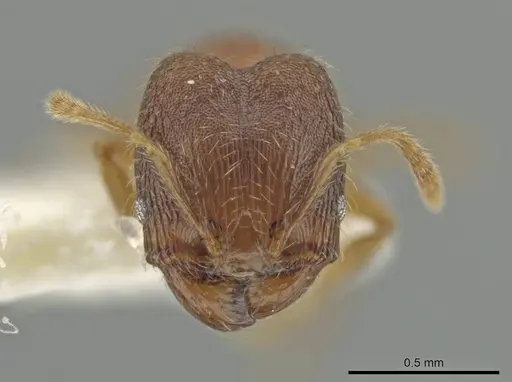
JTLC000016499
View on AntWeb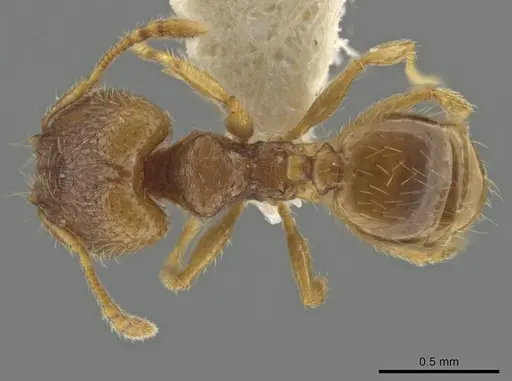
Literature
Loading distribution map...Loading products...