
Pheidole gulo
- Sci. Name
- Pheidole gulo
- Tribe
- Attini
- Subfamily
- Myrmicinae
- Author
- Wilson, 2003
- Distribution
- Found in 4 countries
Introduction
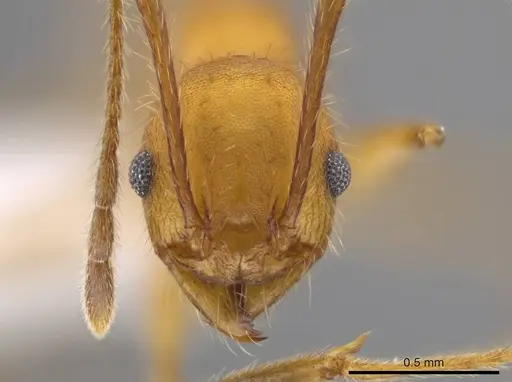
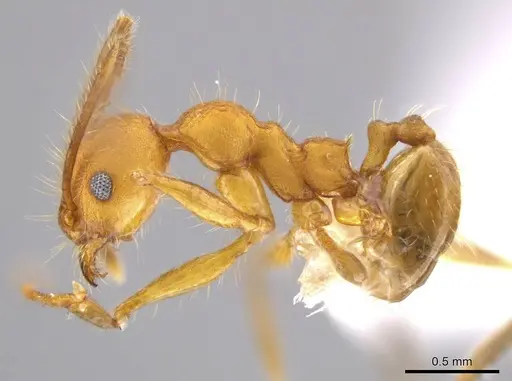
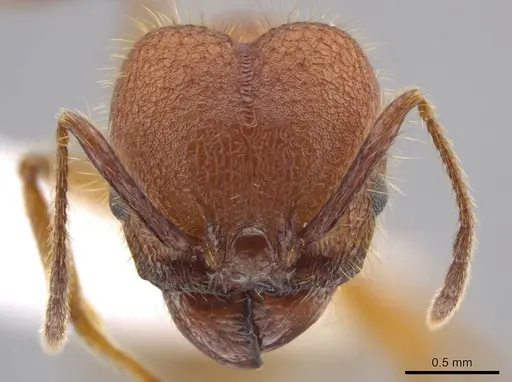
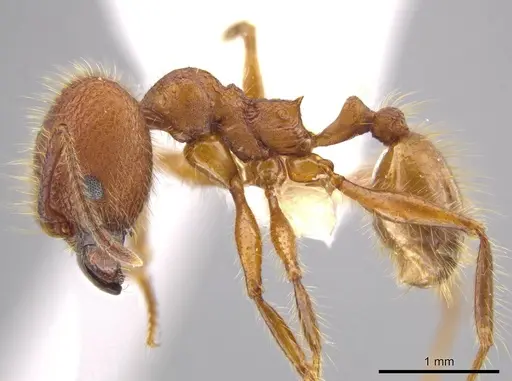
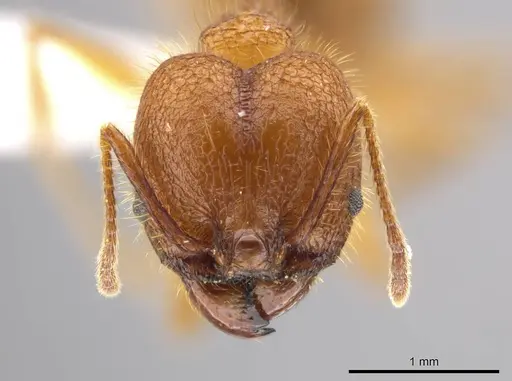
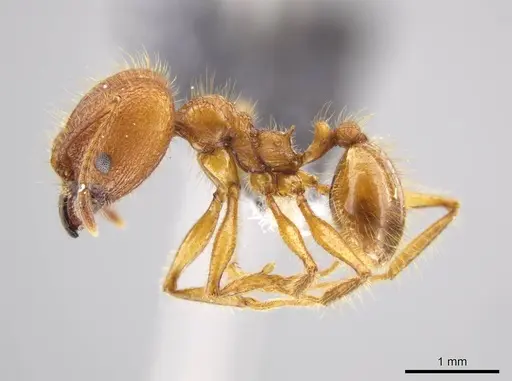
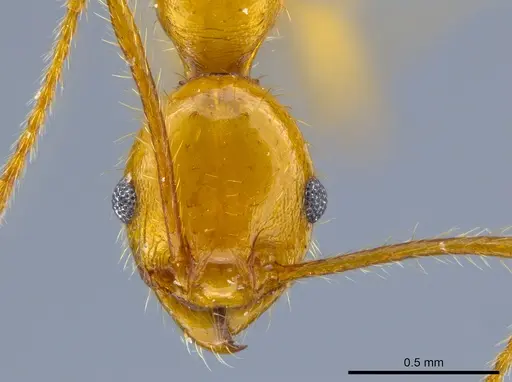
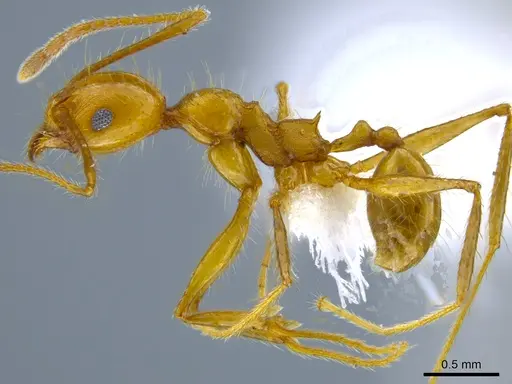
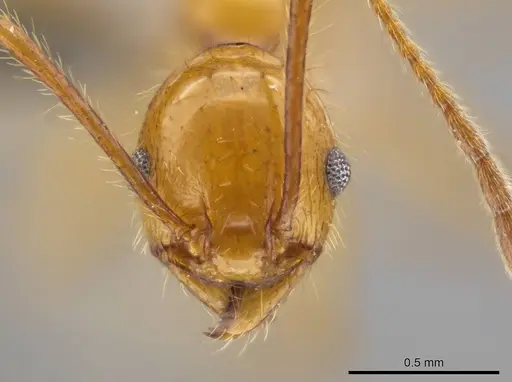
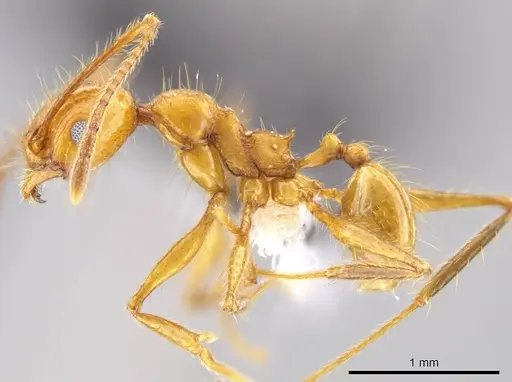
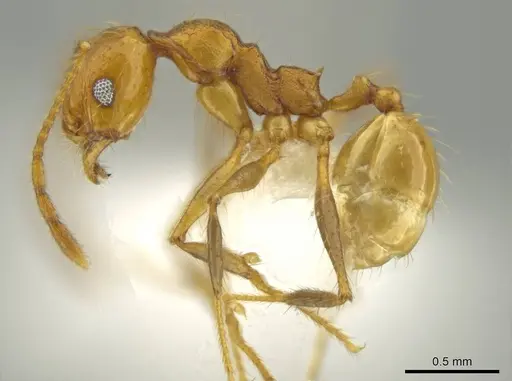
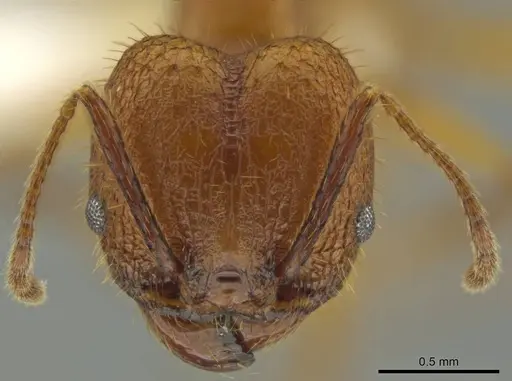
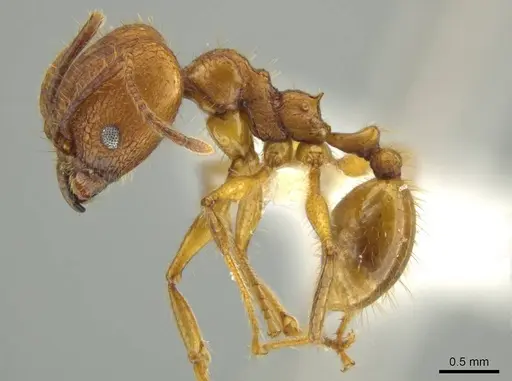
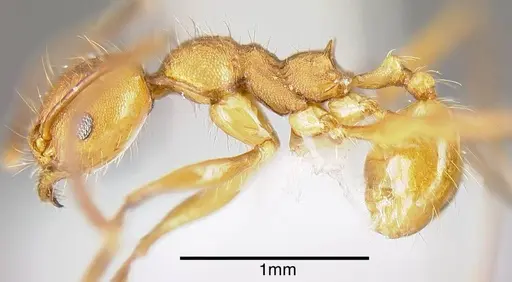
Pheidole gulo is a dimorphic ant species with major and minor workers, native to Central America including Belize, Costa Rica, Guatemala, Honduras, Mexico, and Nicaragua . Described by Wilson in 2003,it belongs to the fallax group. Major workers are yellow to orange with a rugoreticulate head surface, while minors have a foveolate dorsal surface. Body size data is unavailable for this species. The species name 'gulo' means glutton or wolverine in Latin, but nothing is known about its specific biology, such as colony founding or nuptial flights.
Quick Summary
- Difficulty: Medium
- Origin & Habitat: Neotropical species found in tropical wet forests from Mexico to Costa Rica [1][2].
- Colony Type: Colony structure is unconfirmed. No specific data on queen number for Pheidole gulo [2].
- Size & Growth:
- Queen: Size data unavailable, no total length measurements exist [2].
- Worker: Size data unavailable, no total length measurements exist [2].
- Colony: Unknown [2].
- Growth: Moderate, inferred from Pheidole genus patterns.
- Development: Unknown, typical Pheidole development is 6-10 weeks at warm temperatures. (Based on genus-level patterns for tropical Pheidole species.)
- Antkeeping:
- Temperature: Keep warm, roughly 24-28°C, as inferred from tropical habitat patterns.
- Humidity: Keep substrate consistently moist but not waterlogged, based on tropical wet forest ecology.
- Diapause: No, tropical species do not require hibernation.
- Nesting: In nature, likely nests in soil or under stones. In captivity, use Y-tong or plaster nests scaled to their size.
- Behavior: Pheidole species are dimorphic with majors handling defense and seed-cracking, and minors foraging and caring for brood. They are generally not aggressive toward keepers, but majors can deliver a mild sting. Escape risk is high for minor workers due to their small size, use tight barriers and Fluon.
- Common Issues: temperatures below 22°C can harm the colony, monitor closely during winter., minor workers can escape through tiny gaps, ensure all connections are secure., wild-caught colonies may carry parasites, quarantine and observe new colonies.
Nest Preferences
In nature, Pheidole gulo likely nests in soil or under stones in forest habitats. In captivity, provide a Y-tong (AAC) nest or plaster formicarium with chambers scaled to their size. Ensure connections to the outworld are secure to prevent escape of minor workers.
Feeding and Diet
Pheidole species are omnivorous. Feed small seeds, protein sources like dead insects, and sugar water. Majors can crack harder seeds that minors cannot. Since no specific data for P. gulo, observe what your colony accepts and adjust accordingly.
Behavior and Care
Pheidole gulo has dimorphic workers. Majors defend the colony and crack seeds, while minors handle foraging and brood care. They are not aggressive toward keepers, but majors can deliver a mild sting if provoked. Keep temperatures warm and humidity moderate to support colony health.
Frequently Asked Questions
How long does it take for Pheidole gulo to produce first workers?
The exact timeline is unknown for this species. Based on typical Pheidole development, expect 6-10 weeks from egg to first worker at optimal temperature (24-28°C). This is an estimate, actual timing depends on temperature, feeding, and individual colony factors.
What do Pheidole gulo ants eat?
They are omnivorous like most Pheidole species. Offer small seeds, protein like dead insects, and sugar water or honey. Majors can crack harder seeds. Feed protein 2-3 times weekly with sugar constantly available.
Can I keep multiple Pheidole gulo queens together?
This is unconfirmed for this specific species. Most Pheidole are monogyne (single queen), but some can be polygyne. Unless you have a confirmed polygynous colony, it is safer to keep only one queen per setup.
What temperature do Pheidole gulo ants need?
Keep them warm at 24-28°C. As a tropical Central American species, they do not tolerate cool temperatures well. A heating cable on the nest can help maintain warmth if your room temperature is below 24°C.
Are Pheidole gulo good for beginners?
They are rated Medium difficulty. While not the easiest species, Pheidole are generally hardy and adaptable. The main challenges are providing proper warmth and escape prevention for the tiny minor workers.
Do Pheidole gulo need hibernation?
No, as a tropical species they do not require true hibernation. You may notice reduced activity during cooler months, but no special overwintering preparations are needed beyond maintaining warm temperatures.
How big do Pheidole gulo colonies get?
Colony size is unknown for this specific species. Most Pheidole colonies reach several hundred to a few thousand workers at maturity. Expect moderate growth over 1-2 years to reach a substantial colony.
What size nest should I use for Pheidole gulo?
A Y-tong (AAC) nest or appropriately sized plaster formicarium works well. The chambers should be scaled to their size, avoid overly large chambers as ants prefer tight, secure spaces.
Why are my minor workers escaping?
Minor workers are very small and can slip through tiny gaps. Use fine mesh on any ventilation, apply Fluon to barrier surfaces, and ensure all connections between nest and outworld are tight. Check seams and tube connections regularly.
Report an Issue
The current care sheet is based fully on literature. See inconsistencies, or something that's incorrect? Please , it will be resolved after review from an admin. Contributing to the blogs tab also helps providing information, to make us be able to further improve the caresheets. Thank you for your support!
References

This caresheet is licensed under CC BY-SA 4.0 .
Community Blogs
CASENT0604487
View on AntWeb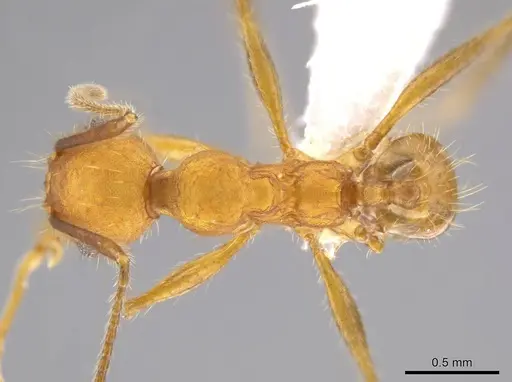
CASENT0604488
View on AntWeb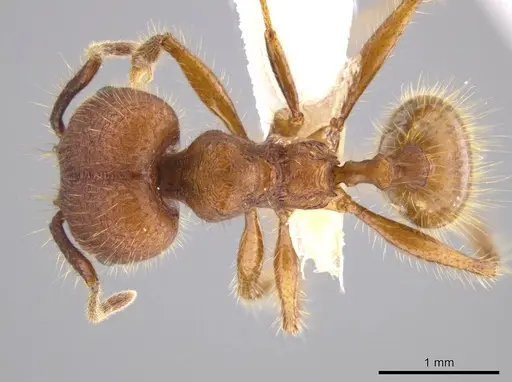
CASENT0612690
View on AntWeb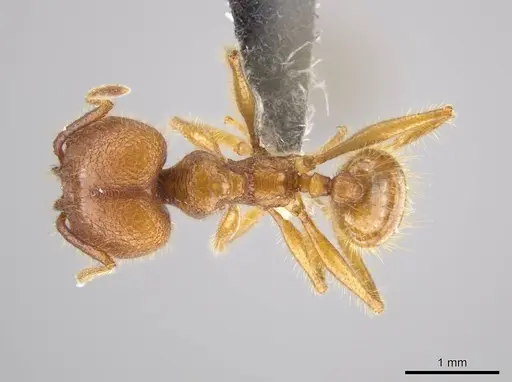
CASENT0612691
View on AntWeb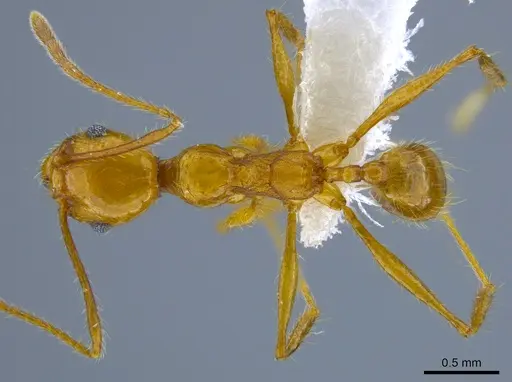
CASENT0612692
View on AntWeb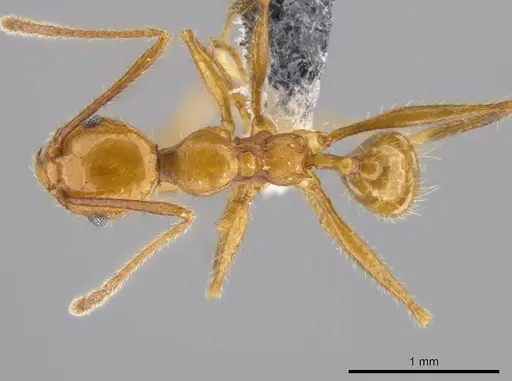
CASENT0619619
View on AntWeb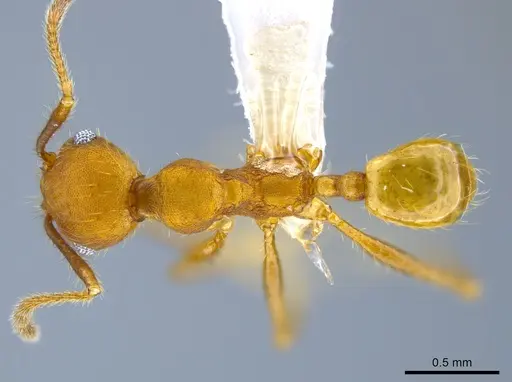
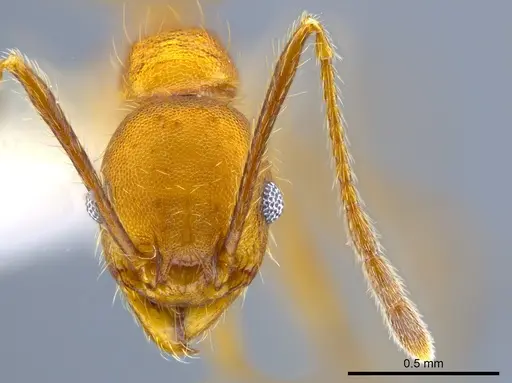
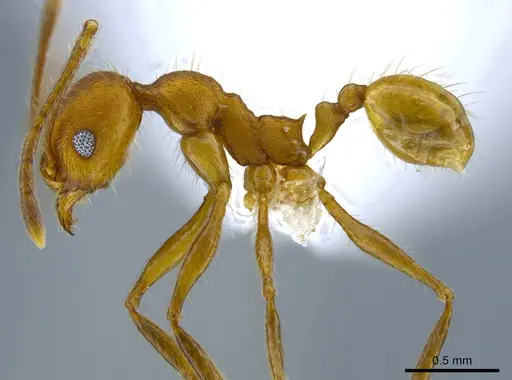
CASENT0640513
View on AntWeb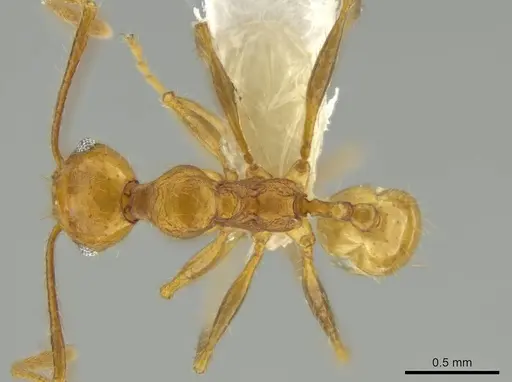
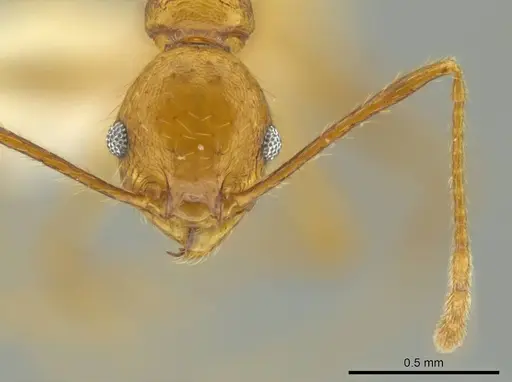
CASENT0640514
View on AntWeb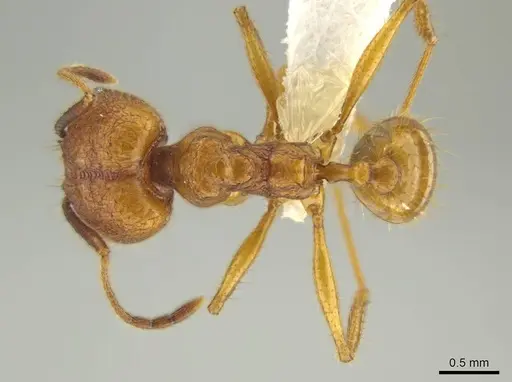
INB0003690222
View on AntWeb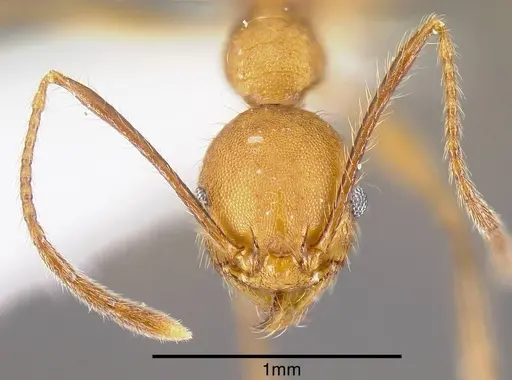
Literature
Loading distribution map...Loading products...