
Pheidole grayi
- Sci. Name
- Pheidole grayi
- Tribe
- Attini
- Subfamily
- Myrmicinae
- Author
- Forel, 1902
- Distribution
- Found in 1 countries
Introduction
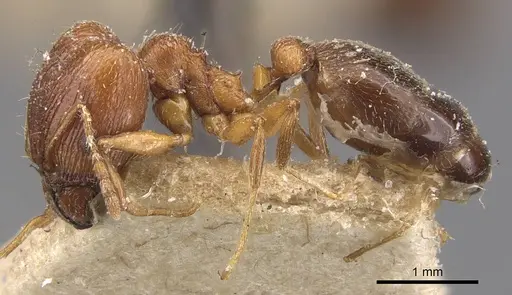
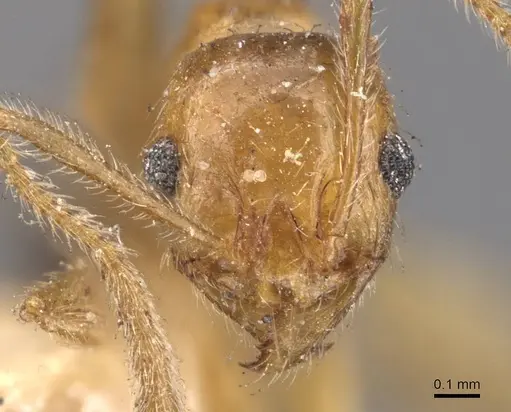
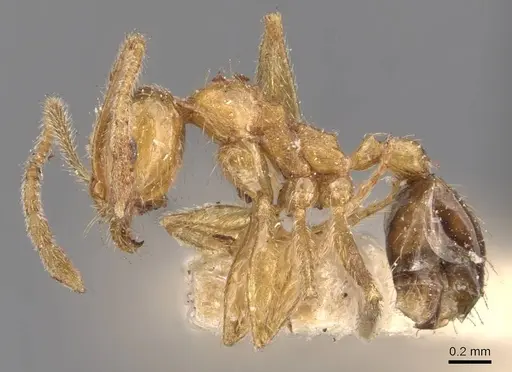
Pheidole grayi is a small ant species endemic to India. You can find them in Goa and Maharashtra at elevations around 1500 meters above sea level . The colony produces two worker castes: minor workers and major soldiers with enlarged heads. This species belongs to the tribe Attini and functions as a granivorous or omnivorous ground nester . They were first described by Forel in 1902 . Direct size measurements are missing from the literature. Based on typical Pheidole patterns, workers likely range around 2-4mm and queens around 6-8mm, but exact data is unavailable. These ants focus on collecting seeds and small insects rather than aggressive territorial behavior. Their ground-nesting habit and specific elevation range make them a unique choice for keepers interested in Indian endemics.
Quick Summary
- Difficulty: Hard
- Origin & Habitat: India (Goa and Maharashtra) at approximately 1500 meters elevation [1][2]. They nest in the ground and forage as granivores or omnivores [3].
- Colony Type: Single-queen colonies (monogyne) based on typical Pheidole genus patterns. Monogyne means the colony has only one reproductive queen.
- Size & Growth:
- Queen: size unknown, inferred from Pheidole genus (~6-8mm)
- Worker: size unknown, inferred from Pheidole genus (~2-4mm)
- Colony: Up to several hundred workers, inferred from Pheidole genus patterns
- Growth: Moderate
- Development: 6-10 weeks estimated at optimal temperature based on Pheidole genus patterns (Development speed depends on temperature and food availability.)
- Antkeeping:
- Temperature: Keep around 22-26°C. Their recorded elevation suggests they handle cooler conditions better than lowland tropical species. Provide a gentle temperature gradient so workers can move to their preferred zone.
- Humidity: Keep the nest substrate consistently moist but not waterlogged. Provide a humidity gradient with mostly dry chambers and one small damp area for the ants to choose from.
- Diapause: Likely yes. Based on their geographic range and elevation, they experience seasonal changes. Provide a winter rest period of 2-3 months at 15-18°C.
- Nesting: Ground-nesting species. Use Y-tong, plaster, or soil nests. Avoid overly bright lighting on the nest. Provide dark, enclosed chambers.
- Behavior: Generally docile and focused on foraging. Minor workers handle most tasks, while major soldiers crush seeds and defend the nest. They are not aggressive toward keepers. Escape risk is moderate due to their small size, so use standard barrier precautions like Fluon or tight lids.
- Common Issues: colonies may grow slowly, patience is required during establishment, small worker size means escape prevention is critical, humidity control is vital, too dry kills brood, too wet causes mold, winter dormancy is likely required, skipping rest periods weakens colonies, wild-caught colonies may carry parasites that can wipe out captive groups
Nesting and Housing
Pheidole grayi nests in the ground. In captivity, use Y-tong, plaster, or soil nests. These materials hold humidity well and allow the ants to adapt to the substrate. Keep the nest chambers dark and enclosed. Bright light stresses ground-nesting ants. Provide a water source or moisture system to maintain stable humidity. Avoid placing the nest in direct sunlight. A test tube setup works for founding queens, but move the colony to a larger nest once you see 20 to 30 workers. Balance moisture and ventilation to prevent mold and keep brood healthy [3].
Diet and Feeding
This species falls into functional group 5,which includes granivorous and omnivorous ground nesters [3]. Offer small seeds like sesame, millet, or grass seeds as a staple. Supplement with small protein sources such as fruit flies or pinhead crickets two to three times per week. You can offer sugar water occasionally, but seeds and insects should form the main diet. Remove uneaten food after two to three days to stop mold from growing. Founding queens do not forage. They raise their first workers on stored fat reserves until the workers emerge and start collecting food outside.
Temperature and Seasonal Care
Keep the colony around 22 to 26°C. Their recorded elevation of 1500 meters in India suggests they tolerate cooler temperatures better than lowland tropical species [1]. Set up a temperature gradient with a warm side around 28°C and a cooler side around 22°C. Workers will move to their preferred zone. They likely require a winter rest period due to their geographic range. Drop the temperature to 15 to 18°C for two to three months during winter. Stop feeding during deep dormancy but keep the nest slightly moist. Return to normal feeding and warming when spring arrives.
Colony Development
The colony grows from egg to larva to pupa before emerging as workers. The queen lays eggs after mating. The first workers that emerge are smaller than normal workers but immediately start caring for the nest and foraging. Major soldiers with enlarged heads appear once the colony reaches a certain size. These majors crush seeds and defend the colony. Growth is moderate. Expect about six to ten weeks from egg to first worker at optimal temperatures. The colony will expand gradually over several years.
Frequently Asked Questions
How long does it take for Pheidole grayi to produce first workers?
Expect six to ten weeks at optimal temperature. This estimate comes from typical Pheidole patterns, as specific data for Pheidole grayi is missing.
What do Pheidole grayi ants eat?
They are granivorous or omnivorous ground nesters [3]. Offer small seeds as a staple and supplement with small insects two to three times per week. Remove leftover food after two to three days.
Do Pheidole grayi ants need hibernation?
Likely yes. Their habitat sits at 1500 meters elevation in India, which experiences seasonal changes [1]. Provide a two to three month rest period at 15 to 18°C during winter.
Are Pheidole grayi ants good for beginners?
They are moderate to hard difficulty. Their specific care requirements are not well documented, and they need stable humidity and likely winter dormancy. Their small size also demands strict escape prevention.
Can I keep multiple Pheidole grayi queens together?
Not recommended. Based on typical Pheidole patterns, they form single-queen colonies. Combining unrelated queens usually leads to fighting. House a founding queen alone until her colony is established.
What temperature range is best for Pheidole grayi?
Keep them between 22 and 26°C. Lean toward the lower end because of their Himalayan elevation [1]. Provide a temperature gradient so workers can self-regulate.
How big do Pheidole grayi colonies get?
Exact numbers are unknown. Based on typical Pheidole patterns, expect up to several hundred workers over several years.
When should I move my Pheidole grayi colony to a formicarium?
Move them when they outgrow their founding setup or reach 20 to 30 workers. Use a Y-tong, plaster, or soil nest with proper moisture control.
Why is my Pheidole grayi colony declining?
Check for too dry conditions, temperature stress, mold from overwatering, parasites from wild-caught queens, or skipped winter dormancy. Review your setup and adjust accordingly.
Report an Issue
The current care sheet is based fully on literature. See inconsistencies, or something that's incorrect? Please , it will be resolved after review from an admin. Contributing to the blogs tab also helps providing information, to make us be able to further improve the caresheets. Thank you for your support!
References

This caresheet is licensed under CC BY-SA 4.0 .
Community Blogs
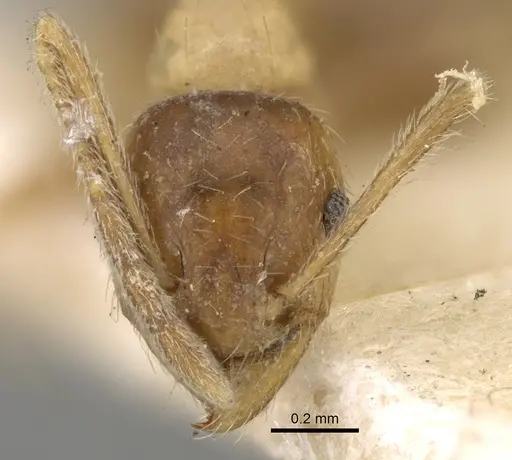
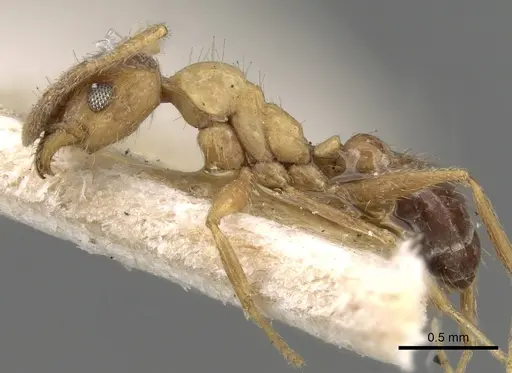
CASENT0281636
View on AntWeb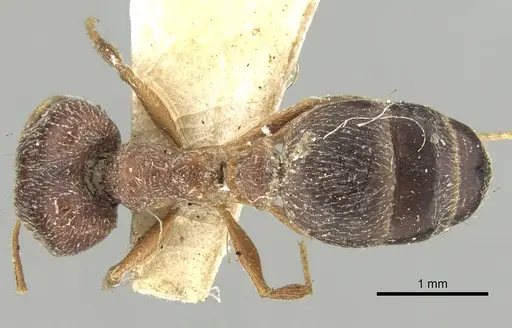
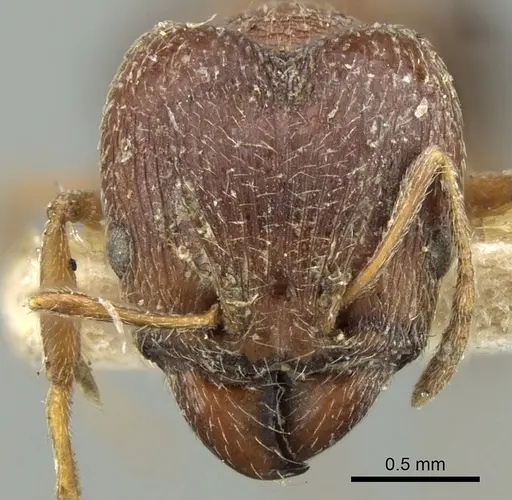
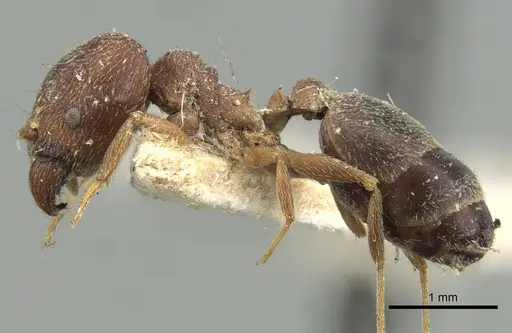
CASENT0281637
View on AntWeb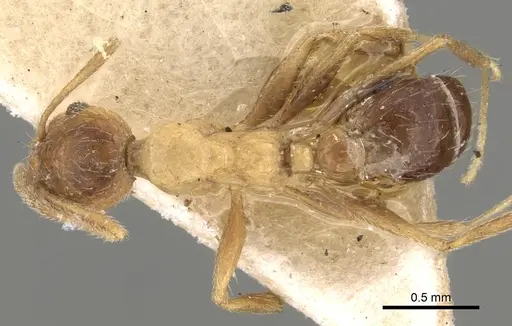
CASENT0907881
View on AntWeb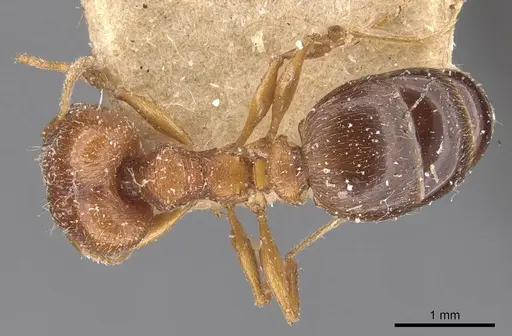
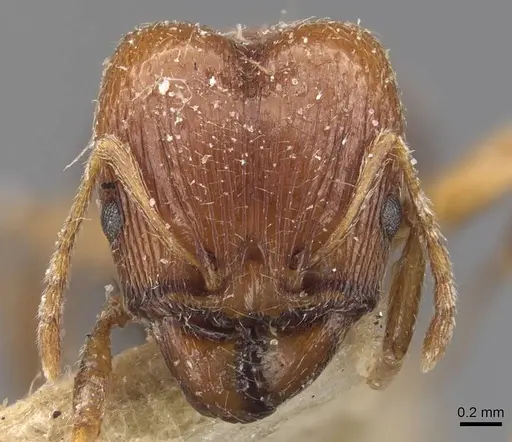
CASENT0907882
View on AntWeb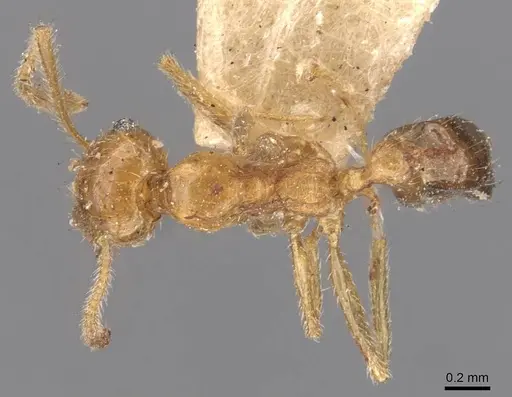
Literature
Loading distribution map...Loading products...