
Pheidole gouldi
- Sci. Name
- Pheidole gouldi
- Tribe
- Attini
- Subfamily
- Myrmicinae
- Author
- Forel, 1886
- Distribution
- Found in 6 countries
Introduction
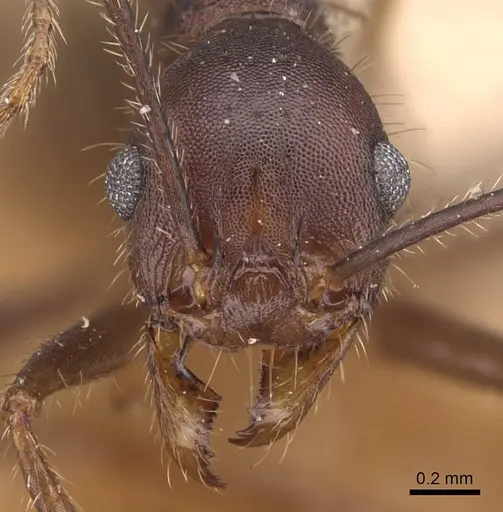
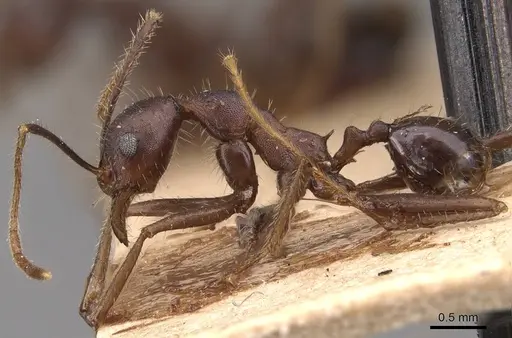
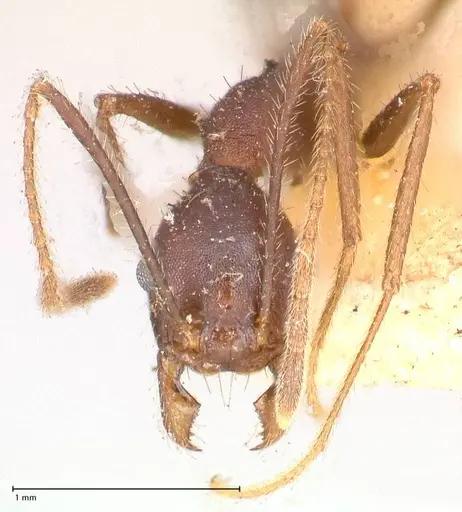
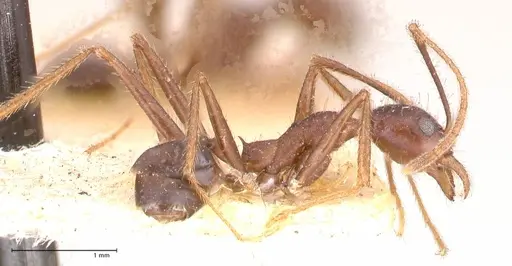
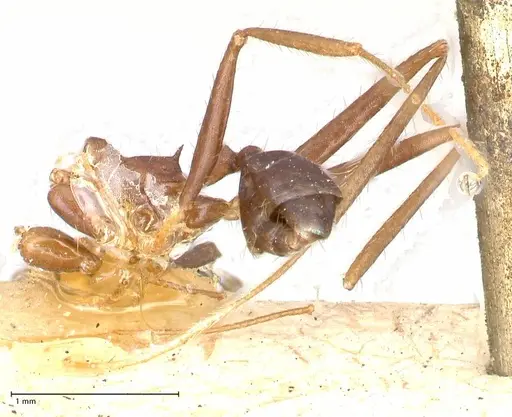
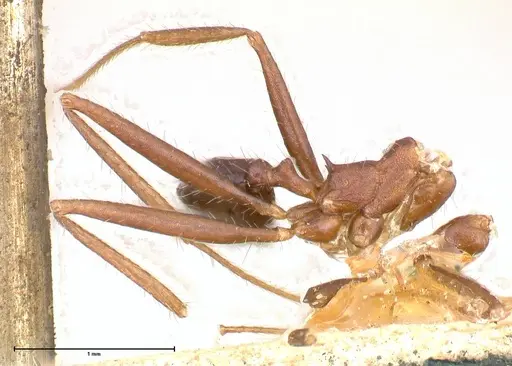
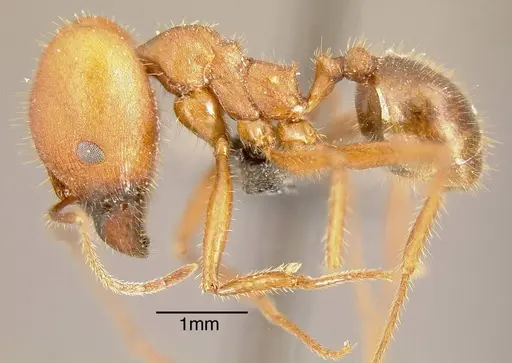
Pheidole gouldi is a dimorphic ant species native to Central America, including Mexico, Guatemala, Honduras, and Costa Rica . It belongs to the fallax group with two worker castes: major workers (soldiers) 4.8-5.2 mm long and minor workers 3-4 mm long, while queens are approximately 7 mm long . Majors have a reddish-yellow body with bluish reflections on the gaster, and minors are medium yellowish-brown, both with short, erect hairs and a matte surface . They inhabit seasonally dry environments like xeric scrub and moist thorn woodland . One notable feature is their dimorphic caste system, where major workers may specialize in defense and seed processing, while minor workers handle foraging and brood care .
Quick Summary
- Difficulty: Medium
- Origin & Habitat: Native to Central America, found in Mexico (Campeche, Yucatán), Guatemala, Honduras, and northwestern Costa Rica [4][1]. Inhabits seasonally dry habitats including xeric scrub, roadsides, and moist thorn woodland [1].
- Colony Type: Based on Pheidole patterns, likely monogyne (single-queen colonies).
- Size & Growth:
- Antkeeping:
- Behavior: Pheidole gouldi is not particularly aggressive but will defend their nest. Major workers may handle defense and seed processing, while minor workers forage. They are escape artists due to small size, so use fine mesh barriers and Fluon.
- Common Issues: escape prevention is critical due to small worker size., overheating can kill colonies, avoid temperatures above 32°C., too much humidity may cause mold, keep nest relatively dry., colonies may reject artificial nests if conditions don't match preferences., development timeline is uncertain, monitor colony growth closely.
Housing and Nest Setup
Pheidole gouldi can be kept in various nest types. Use Y-tong (AAC), plaster, or soil nests to mimic natural conditions [1]. For the outworld, provide a foraging area with barriers like Fluon to prevent escapes. Test tube setups work for founding colonies, ensure a water reservoir with cotton but avoid flooding. Move to a formicarium when the colony is established, but timing depends on growth.
Feeding and Diet
Diet information is not specified in the research context. Typical Pheidole species are omnivorous, feeding on insects and seeds, but this should be verified for Pheidole gouldi. Offer a variety of foods including small insects and seeds, and provide sugar water occasionally.
Temperature and Seasonal Care
Keep temperatures warm, roughly 24-28°C, based on their tropical habitat]. Avoid temperatures above 32°C as they can be fatal. No hibernation is required, maintain stable conditions year-round.
Colony Development
Development timeline is unknown. Based on typical Pheidole species, egg to worker may take 6-8 weeks under warm conditions. Major workers may appear later as the colony grows. Colony growth is moderate, but specific size data is unavailable.
Frequently Asked Questions
How long does it take for Pheidole gouldi to produce first workers?
Expect first workers in 6-8 weeks under optimal warm conditions, based on typical Pheidole development.
What do Pheidole gouldi ants eat?
Diet is not specified in research. Typical Pheidole species are omnivorous, feeding on insects and seeds, but verify for this species.
Do Pheidole gouldi ants need hibernation?
No, as a tropical species, they do not require hibernation.
How big do Pheidole gouldi colonies get?
Colony size data is unavailable for this species.
Are Pheidole gouldi good for beginners?
They are rated Medium difficulty due to warm temperature needs and escape risks, but specific care requirements are not fully studied.
When should I move my colony to a formicarium?
Move when the colony is established, but timing depends on growth, no specific worker count is known.
Why are my major workers not appearing yet?
Major workers may appear later as the colony grows, but development timing is uncertain.
Can I keep multiple Pheidole gouldi queens together?
This species is likely monogyne based on Pheidole patterns, so only keep one queen per colony.
What temperature range is best for Pheidole gouldi?
Keep temperatures warm, roughly 24-28°C, based on tropical habitat].
Report an Issue
The current care sheet is based fully on literature. See inconsistencies, or something that's incorrect? Please , it will be resolved after review from an admin. Contributing to the blogs tab also helps providing information, to make us be able to further improve the caresheets. Thank you for your support!
References

This caresheet is licensed under CC BY-SA 4.0 .
Community Blogs
CASENT0281751
View on AntWeb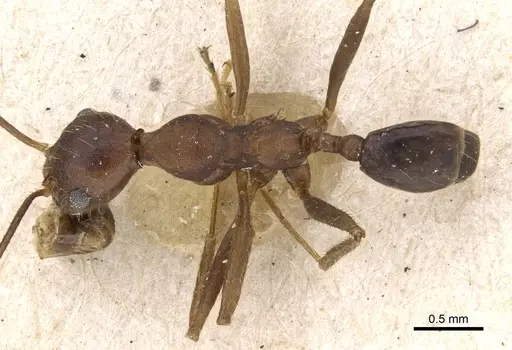
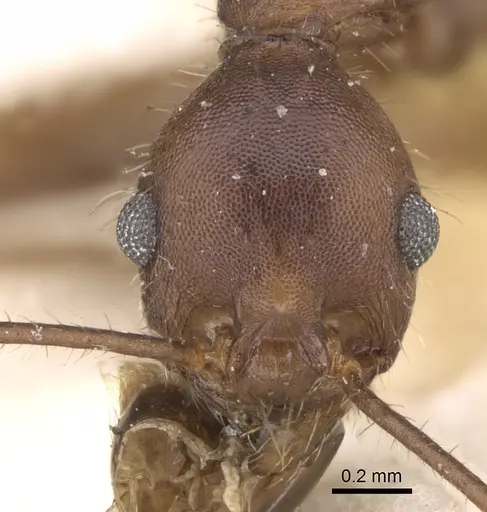
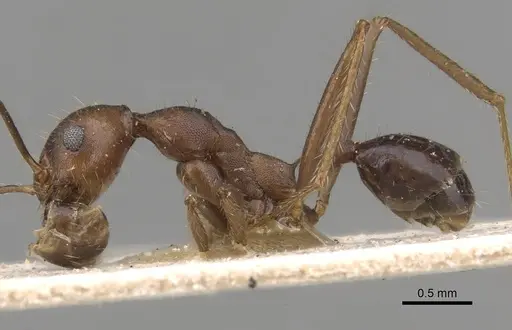
CASENT0612766
View on AntWeb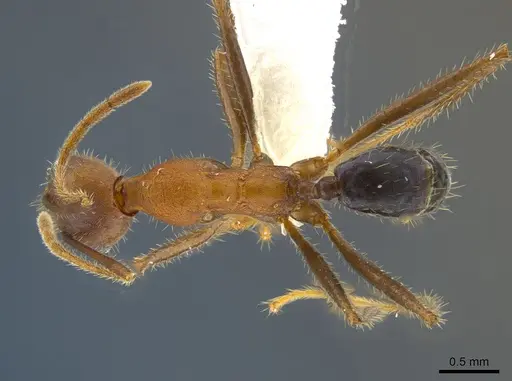
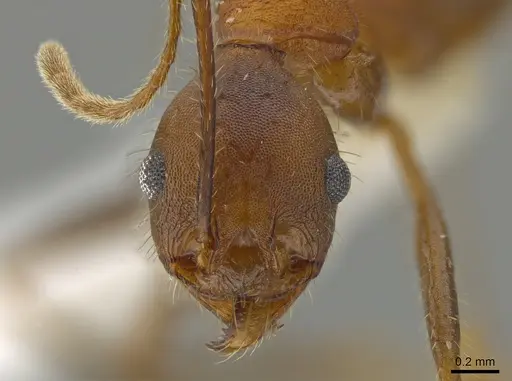
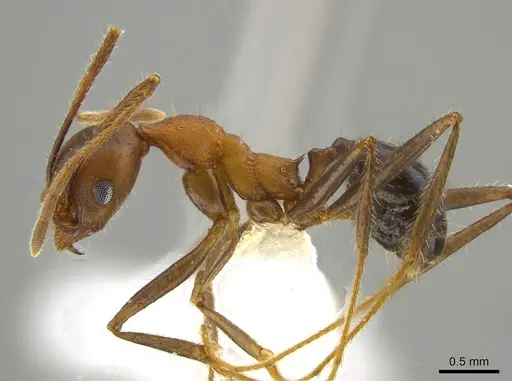
CASENT0635469
View on AntWeb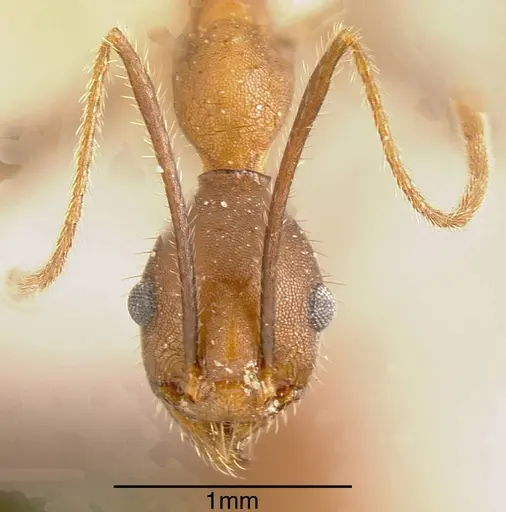
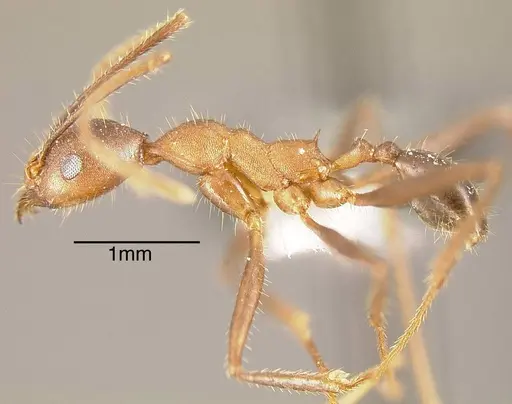
CASENT0905770
View on AntWeb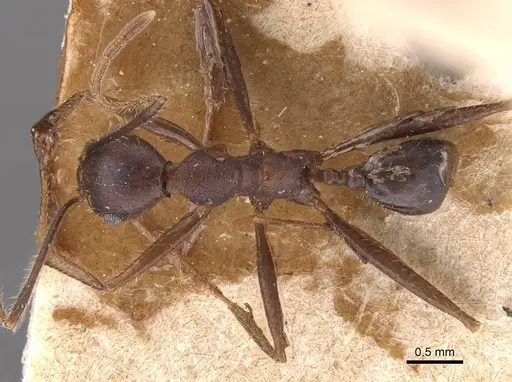
CASENT0908097
View on AntWeb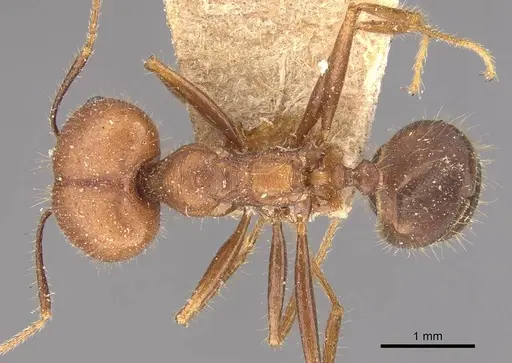
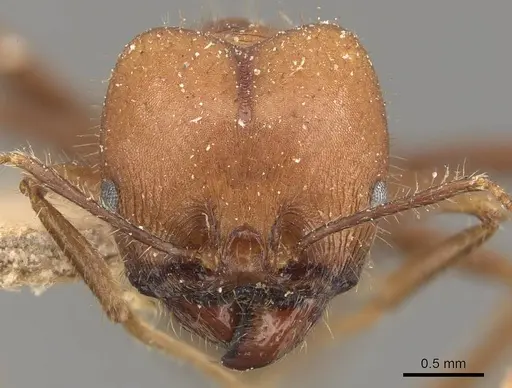
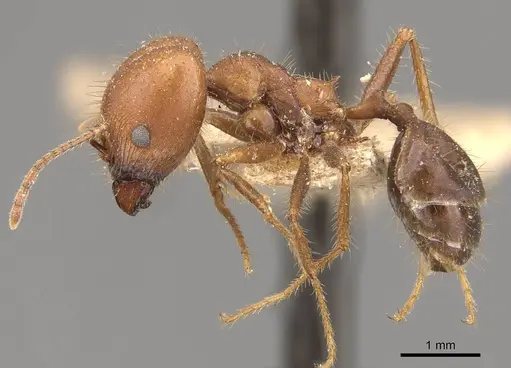
CASENT0908098
View on AntWeb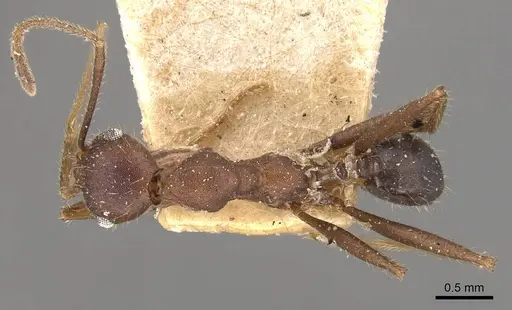
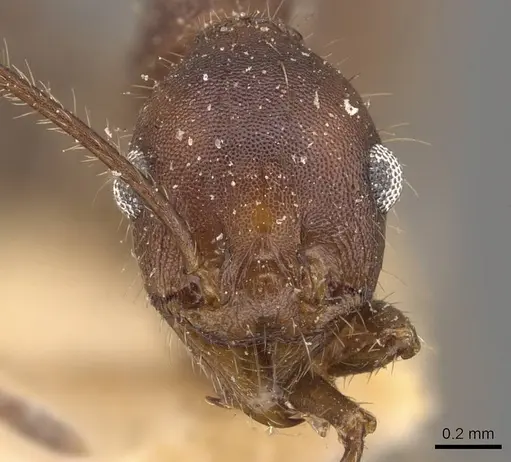
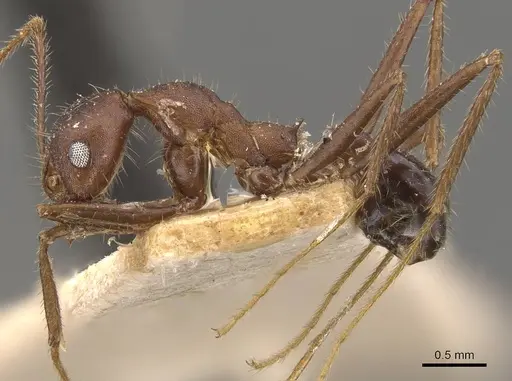
CASENT0917773
View on AntWeb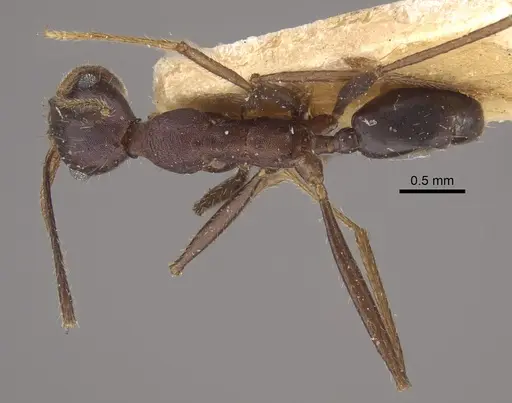
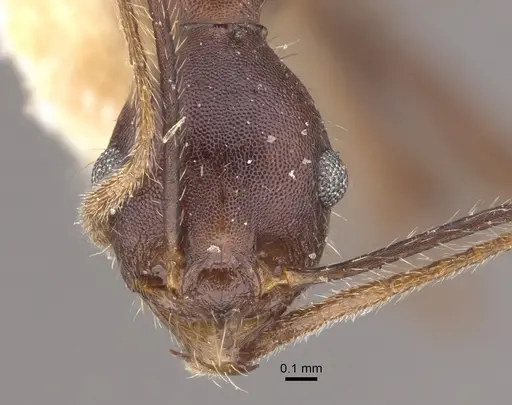
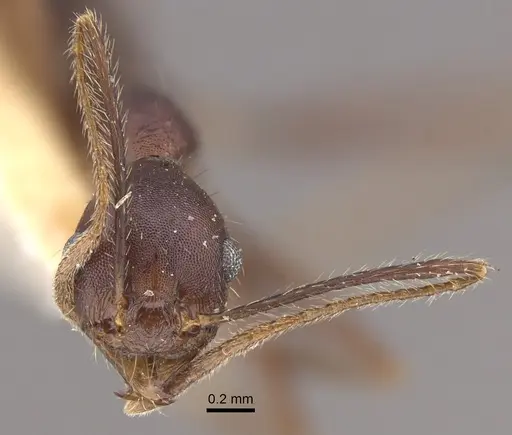
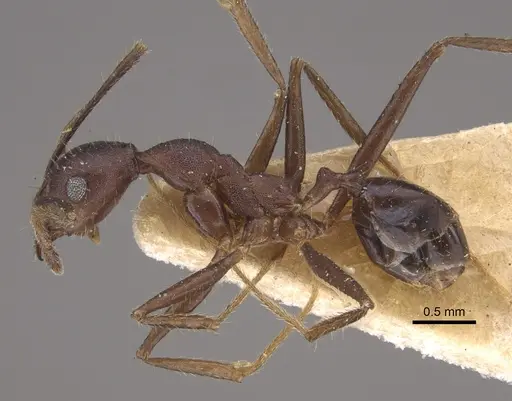
FOCOL0628-1
View on AntWeb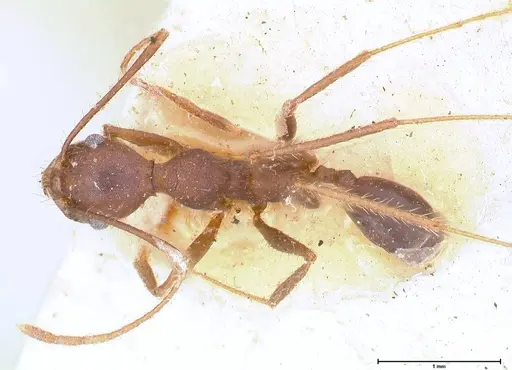
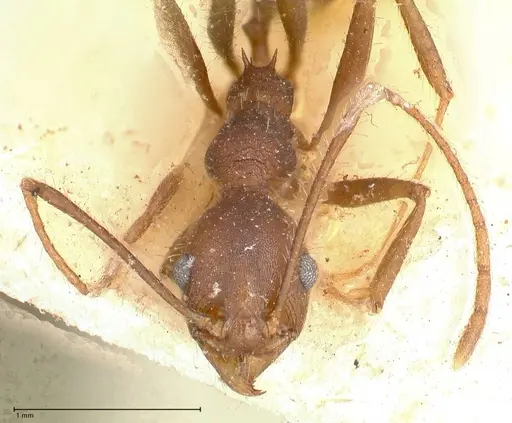
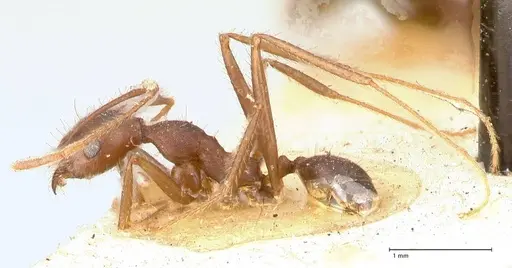
FOCOL0628-2
View on AntWeb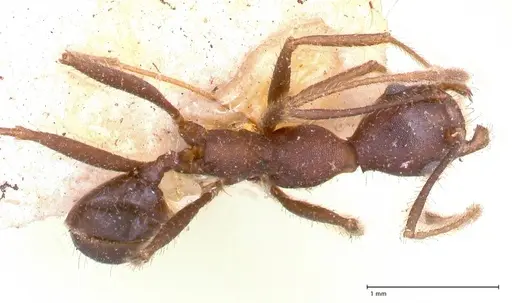
FOCOL0629
View on AntWeb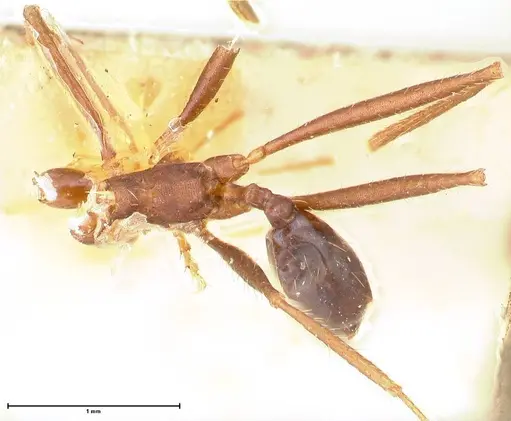
INBIOCRI002279354
View on AntWeb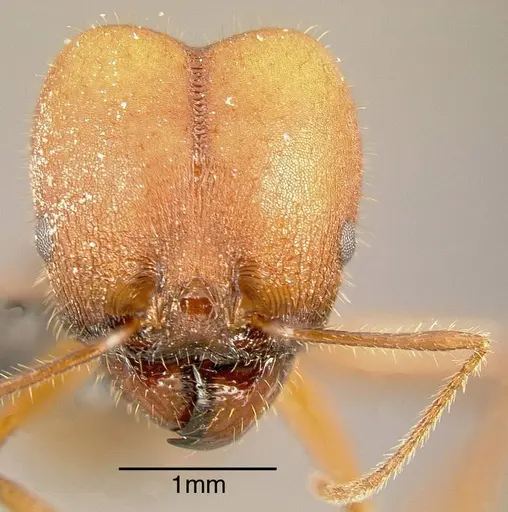
Literature
Loading distribution map...Loading products...