
Pheidole gigas
- Sci. Name
- Pheidole gigas
- Tribe
- Attini
- Subfamily
- Myrmicinae
- Author
- Wilson, 2003
- Distribution
- Found in 2 countries
Introduction
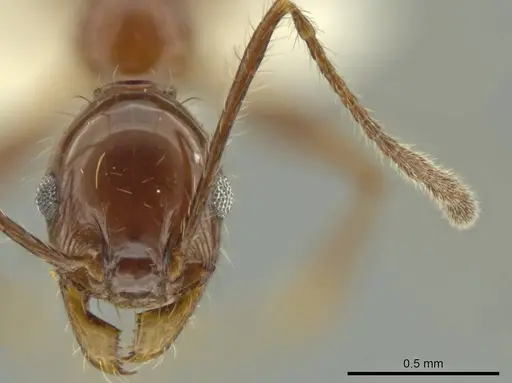
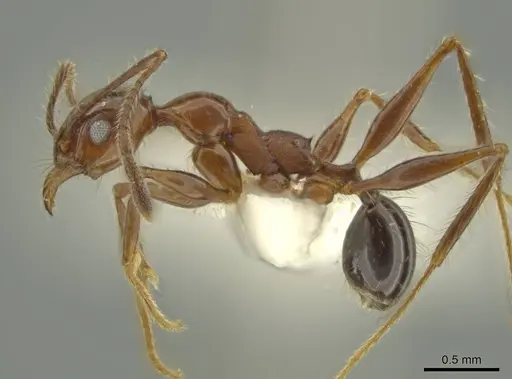
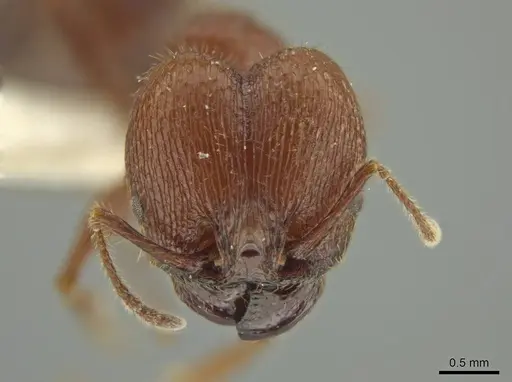
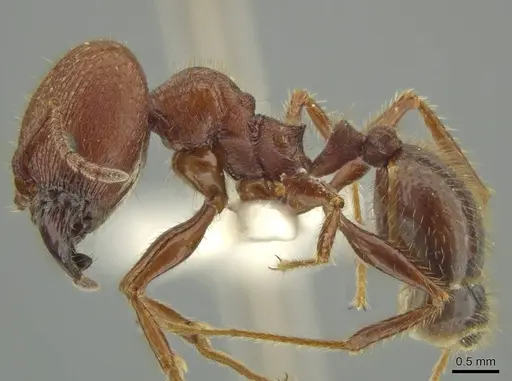
Pheidole gigas is a large ant species native to South America, specifically Brazil and French Guiana. It belongs to the fallax group, with major workers being robust and minor workers slender. Coloration ranges from medium to dark reddish brown. They nest in tropical savanna (cerrado) environments and have been found with seed caches . The species is known from limited locations, including cerrado and transition forests, and has been recorded in post-fire environments .
Quick Summary
- Difficulty: Medium
- Origin & Habitat: Native to Brazil (Goiás, Amazonas) and French Guiana. Found in cerrado (tropical savanna) and transition forests [1][2][3].
- Colony Type: Colony structure is unconfirmed for this specific species.
- Size & Growth:
- Queen: Size data unavailable, inferred from Pheidole genus approximately 10-15mm [1]
- Worker: Size data unavailable, major workers are larger than minors, inferred from Pheidole genus [1]
- Colony: Up to several thousand workers, estimated based on related Pheidole species [1]
- Growth: Moderate
- Development: Estimated 6-8 weeks at optimal temperatures, based on typical Pheidole development [1] (Development time is temperature-dependent.)
- Antkeeping:
- Behavior: These ants are generally non-aggressive. Major workers serve as soldiers, while minors handle foraging. Escape risk is high for minor workers due to small size, use barriers [1].
- Common Issues: colonies may fail if kept too cool, maintain warm temperatures consistently., seed caches suggest granivorous diet, ensure seeds are available alongside protein., small minor workers can escape through fine gaps, check all connections and use appropriate barriers., dry conditions can cause colony decline, monitor substrate moisture., care requirements are estimated, observe colony behavior and adjust accordingly.
Housing and Nest Setup
Pheidole gigas is a medium-large ant that does well in Y-tong (AAC) nests or plaster formicariums. Chambers should be appropriately sized for the colony, with passages narrow enough for minors to feel secure. A naturalistic setup with soil and leaf litter also works, matching their litter-dwelling habitat. Keep the nest moderately humid. Provide a water tube for drinking access. For the outworld, use a simple foraging area with sugar water and protein. Escape prevention should focus on minor workers, which are small, use fluon on tube rims and check all connections [1].
Feeding and Diet
In the wild, Pheidole gigas has been found with seed caches, confirming they are granivorous [1]. Feed a mix of small seeds or grain as a staple, supplemented with small insects for protein. Offer sugar water or honey as an energy source. Feed seeds continuously and protein 2-3 times per week. Remove uneaten seeds before they mold [1].
Temperature and Humidity
As a tropical species, Pheidole gigas needs warm conditions. Keep the nest area at roughly 24-28°C. A heating cable on one side can create a gentle gradient. Avoid temperatures below 20°C for extended periods. Humidity should be moderate to high, keep the substrate moist but not waterlogged [1].
Colony Development
The founding queen will seal herself in a chamber and raise the first brood alone, living off stored fat reserves. This is typical for Pheidole species. Expect first workers in around 6-8 weeks at optimal temperatures. Initial workers will be smaller, and major workers develop later. Growth rate is moderate, with colonies reaching several thousand workers over years [1].
Behavior and Temperament
Pheidole gigas is relatively calm. Major workers serve as soldiers with powerful mandibles, while minors handle daily tasks. They are not aggressive toward keepers. Escape risk is high for minor workers due to their small size, ensure all connections are secure [1].
Frequently Asked Questions
How long does it take for Pheidole gigas to get first workers?
Expect first workers in 6-8 weeks at optimal temperatures, based on typical Pheidole development [1].
What do Pheidole gigas eat?
They are granivorous with a seed cache confirmed in the wild. Feed small seeds as a staple, plus small insects for protein [1].
Do Pheidole gigas need hibernation?
No, as a tropical species, they do not require hibernation. Keep them warm year-round [1].
Are Pheidole gigas good for beginners?
They are medium difficulty due to tropical temperature needs and granivorous diet, but generally calm and manageable [1].
How big do Pheidole gigas colonies get?
Colony size is not specifically documented, but related large Pheidole species reach several thousand workers [1].
What temperature is best for Pheidole gigas?
Keep nest at roughly 24-28°C, based on tropical habitat [1].
Can I keep multiple Pheidole gigas queens together?
Colony structure is unconfirmed. Pheidole genus is typically single-queen, but combining queens is not recommended for this species [1].
When should I move Pheidole gigas to a formicarium?
Keep them in a test tube setup during founding. Move to a nest once the colony has 50+ workers and consistent activity [1].
Why are my Pheidole gigas dying?
Common causes: temperatures below 20°C, dry substrate, or lack of appropriate food. Check warmth, moisture, and seed availability [1].
Report an Issue
The current care sheet is based fully on literature. See inconsistencies, or something that's incorrect? Please , it will be resolved after review from an admin. Contributing to the blogs tab also helps providing information, to make us be able to further improve the caresheets. Thank you for your support!
References

This caresheet is licensed under CC BY-SA 4.0 .
Community Blogs
CASENT0644207
View on AntWeb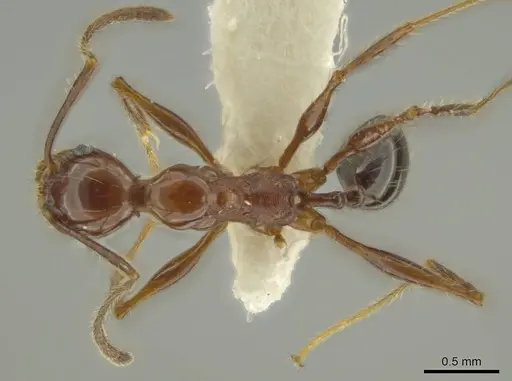
JTLC000016388
View on AntWeb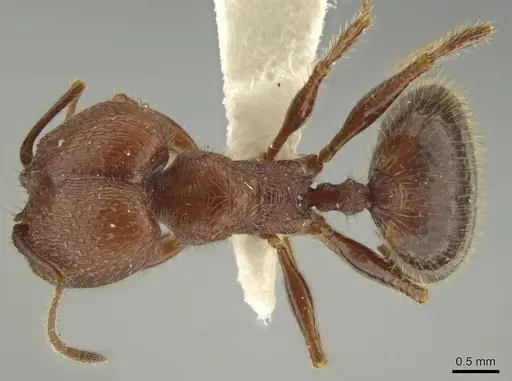
Literature
Loading distribution map...Loading products...