
Pheidole floridana
- Sci. Name
- Pheidole floridana
- Tribe
- Attini
- Subfamily
- Myrmicinae
- Author
- Emery, 1895
- Distribution
- Found in 2 countries
Introduction
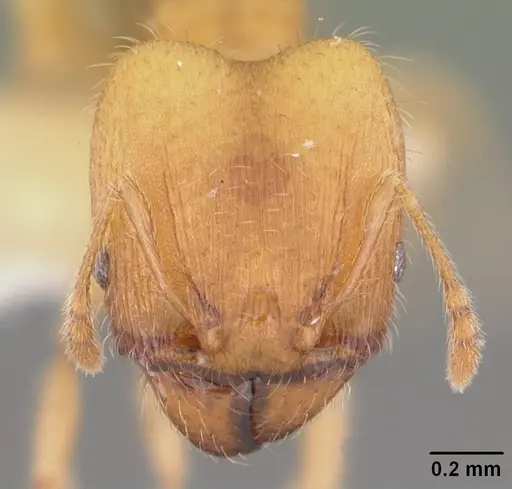
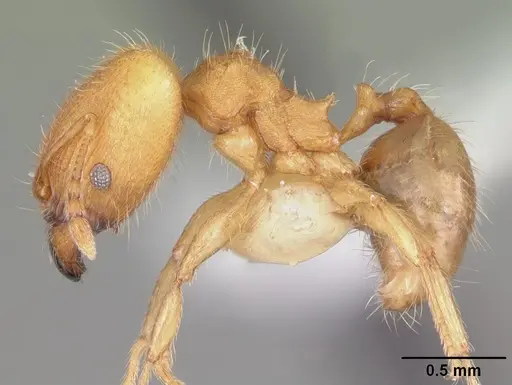
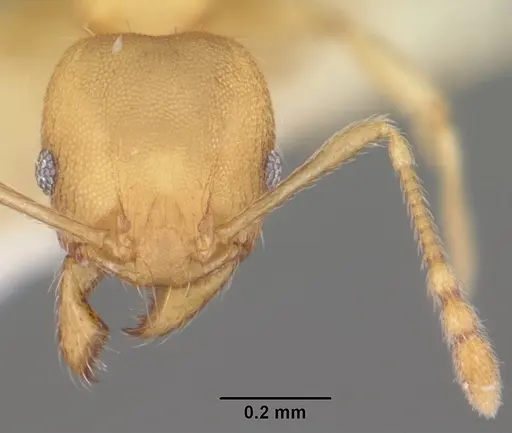
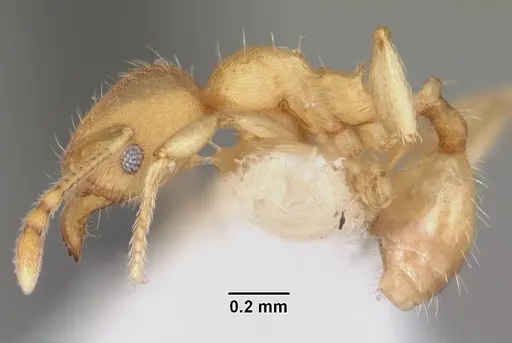
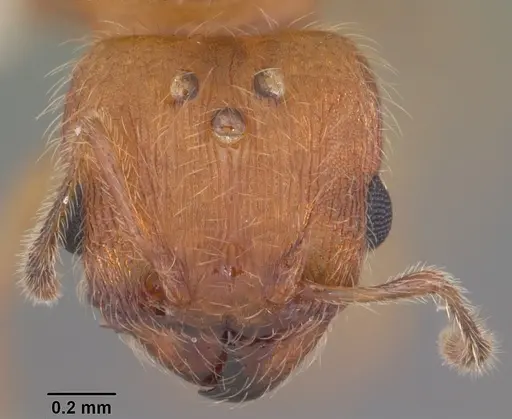
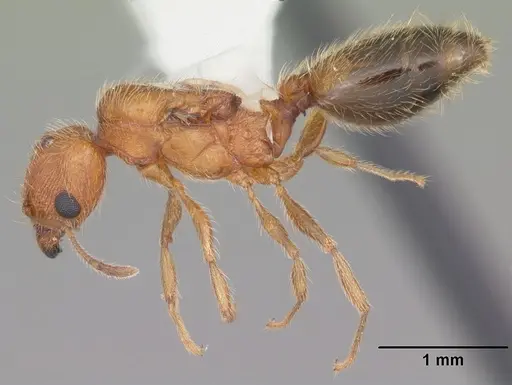
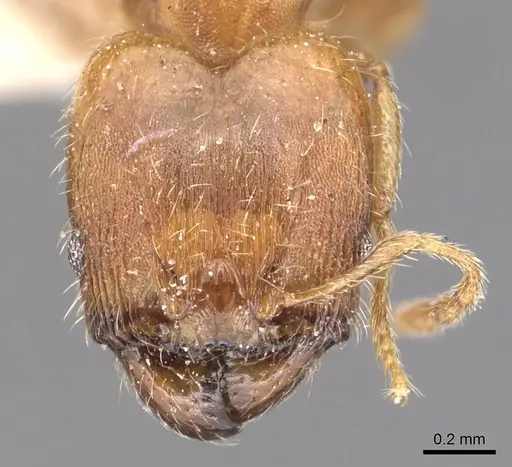
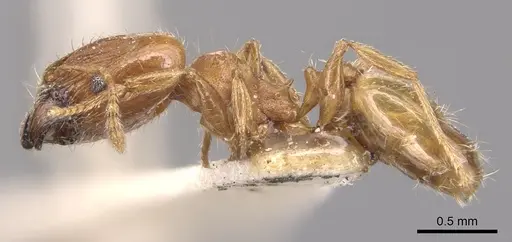
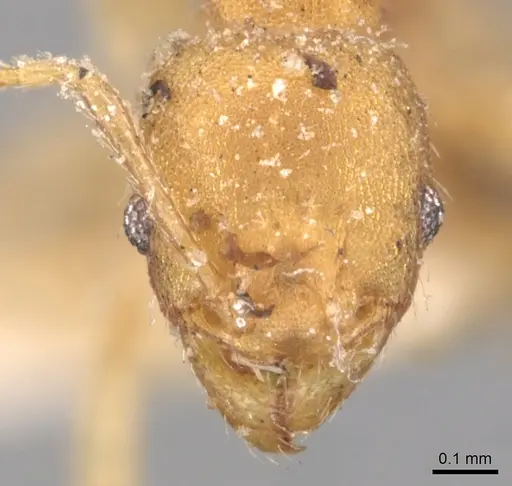
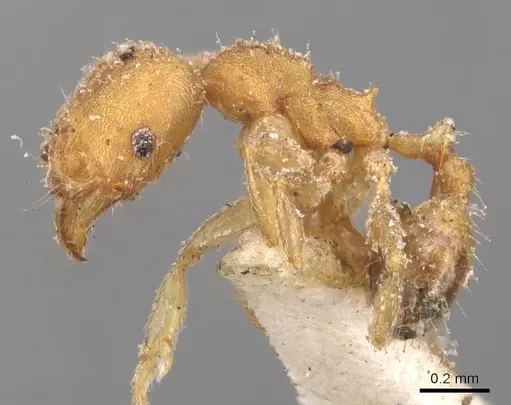
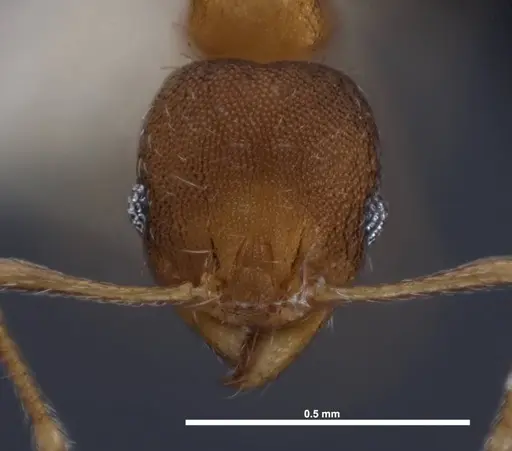
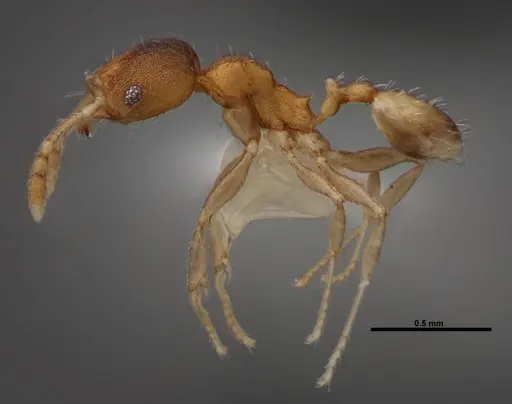
Pheidole floridana is a small yellow ant native to the southeastern United States and northeastern Mexico. It exhibits strong polymorphism with minor and major workers, though exact body sizes are not provided in research data. The species is named after Florida, where it was first described. Colonies are monogynous and can grow large, sometimes exceeding 1000 workers, and may be polydomous . These ants are omnivorous generalists that forage for protein and sugars but do not harvest seeds. They thrive in sandy habitats across the coastal plain, from North Carolina to Florida and west to Texas, nesting in soil, leaf litter, and rotting wood in both dry and moist areas .
Quick Summary
- Difficulty: Easy
- Origin & Habitat: Native to the southeastern United States and northeastern Mexico, ranging from coastal North Carolina south to the Florida Keys and west to central Texas, then south into Mexico. Found in sandy habitats like sandhills and coastal dunes, nesting in soil, leaf litter, and rotting wood [2][3][4][5].
- Colony Type: Monogyne (single-queen colonies) [1]. Colonies may contain over 1000 workers and are sometimes polydomous (maintain multiple connected nests) [2].
- Size & Growth:
- Queen: Size data unavailable, no total length measurements in research context.
- Worker: Size data unavailable, no total length measurements in research context, species exhibits polymorphism with minor and major workers [1].
- Colony: Up to 1000+ workers [5][2]
- Growth: Moderate, inferred from Pheidole genus patterns
- Development: 6-8 weeks (estimated based on typical Pheidole development at warm temperatures) (Development time is temperature-dependent, warmer conditions will speed development)
- Antkeeping:
- Temperature: Keep warm, roughly 22-26°C, based on southeastern US habitats.
- Humidity: Provide a humidity gradient, mostly dry nest chamber with one small moist area, as they nest in sandy, well-drained habitats.
- Diapause: Yes, winter diapause recommended for 3-4 months, based on temperate range.
- Nesting: Use Y-tong, plaster, soil, or 3D-printed nests with a moisture gradient. Avoid acrylic nests [2].
- Behavior: Calm temperament with moderate activity levels. Generalized Myrmicinae, not aggressive but will defend if threatened [6]. Minor workers are small, so escape prevention is important.
- Common Issues: small workers can escape through standard barriers, use fine mesh if concerned, skipping winter diapause can affect colony health, reduce temperature for 3-4 months, colonies may become polydomous, ensure setup allows for multiple nest areas, overwatering can harm colony, provide moisture gradient rather than constant wetness
Nest Preferences and Housing
Pheidole floridana nests in soil, leaf litter, and rotting wood in the wild, preferring sandy habitats. For captivity, use a test tube setup for founding colonies. Once the colony grows, move to a formicarium with chambers that accommodate both minor and major workers. Provide a moisture gradient by keeping one area damp and another drier, this lets the colony self-regulate. Use Y-tong, plaster, soil, or 3D-printed nests, avoid acrylic nests [2][5][7].
Feeding and Diet
These ants are omnivorous generalists. Feed protein sources like small insects (fruit flies, mealworms) 2-3 times per week and constant sugar water or honey. They do not harvest seeds, so focus on protein and sugar foods. Remove uneaten prey after 24-48 hours to prevent mold [2].
Temperature and Seasonal Care
Keep nest temperatures warm, roughly 22-26°C, based on their natural southeastern US range. During winter, reduce temperatures to 15-18°C for 3-4 months to provide diapause, which mimics their natural cycle. Avoid extreme heat above 30°C[2].
Colony Structure and Growth
This species has strongly polymorphic workers, minor workers handle foraging and brood care, while major workers serve as soldiers and food processors. Colonies are monogyne with a single queen and can grow large, with over 1000 workers reported [1][5]. Growth is moderate, expect 6-12 months to reach 50 workers under good conditions.
Behavior and Temperament
Pheidole floridana is calm and non-aggressive, making it suitable for beginners. They are active foragers but retreat when threatened. Minor workers are small, so use fine mesh for escape prevention. They are primarily ground-dwelling and do not climb well on smooth surfaces [6][2].
Frequently Asked Questions
How long does it take for Pheidole floridana to produce first workers?
Expect first workers approximately 6-8 weeks after queen lays eggs, assuming warm temperatures around 24-26°C [2].
Can I keep multiple Pheidole floridana queens together?
No, this species is monogyne with a single queen per colony. Multiple queens will fight [1].
What do Pheidole floridana eat?
They are omnivorous. Feed small protein sources like fruit flies or mealworms 2-3 times per week and constant sugar water. They do not harvest seeds [2].
Do Pheidole floridana need hibernation?
Yes, a winter diapause is recommended for 3-4 months at reduced temperatures (15-18°C) to maintain colony health.
How big do Pheidole floridana colonies get?
Colonies can reach over 1000 workers in established nests [5][2].
Are Pheidole floridana good for beginners?
Yes, they are considered easy to keep due to their calm temperament and adaptable diet. The only specific requirement is a winter diapause period [2].
When should I move my colony to a formicarium?
Move from a test tube once the colony reaches 50-100 workers and the setup becomes crowded. Use a formicarium with a moisture gradient [2].
Why are my Pheidole floridana dying?
Common causes include incorrect temperature (too cold or hot), overwatering, or skipping winter diapause. Check for escape issues or contaminated food [2].
What makes Pheidole floridana different from other Pheidole?
P. floridana is consistently yellow, nests in sandy habitats, and does not harvest seeds. It is often abundant in sandhill areas [2][5].
Report an Issue
The current care sheet is based fully on literature. See inconsistencies, or something that's incorrect? Please , it will be resolved after review from an admin. Contributing to the blogs tab also helps providing information, to make us be able to further improve the caresheets. Thank you for your support!
References

This caresheet is licensed under CC BY-SA 4.0 .
Community Blogs
CASENT0104400
View on AntWeb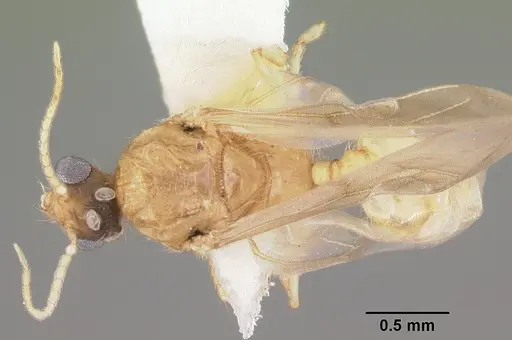
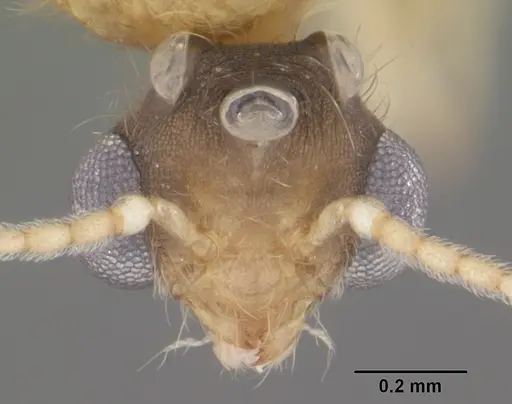
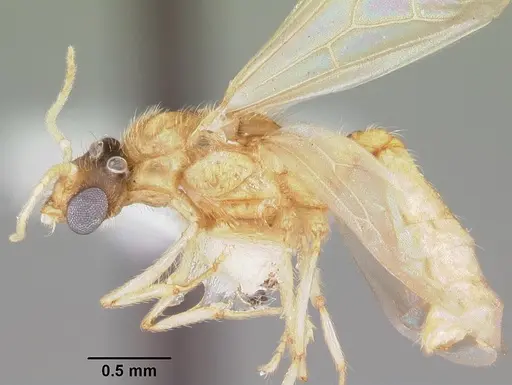
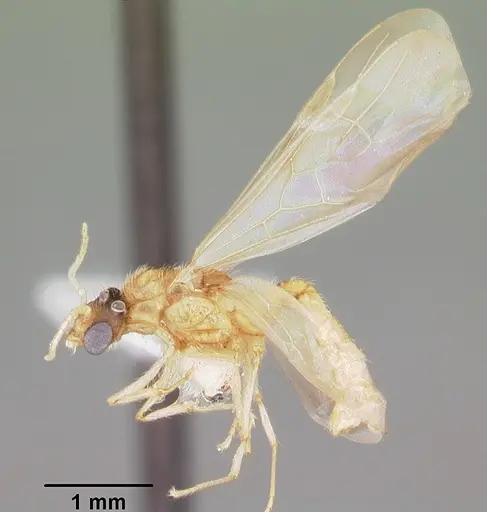
CASENT0104401
View on AntWeb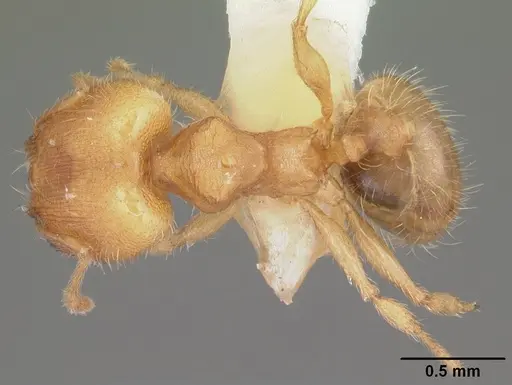
CASENT0104402
View on AntWeb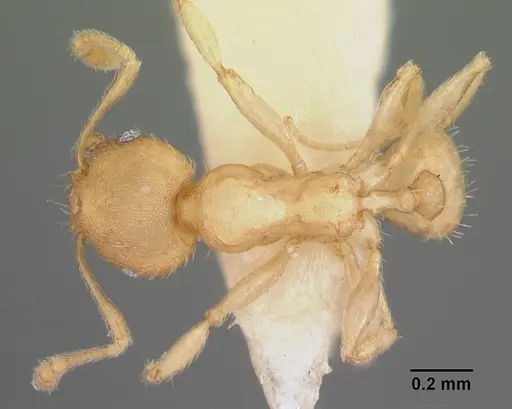
CASENT0104403
View on AntWeb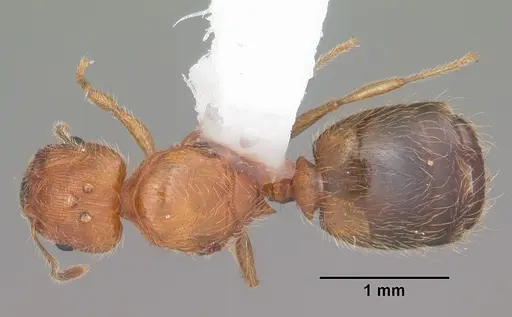
CASENT0904424
View on AntWeb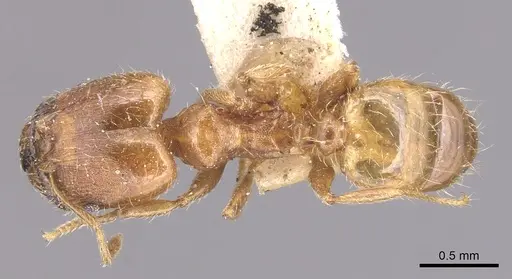
CASENT0904425
View on AntWeb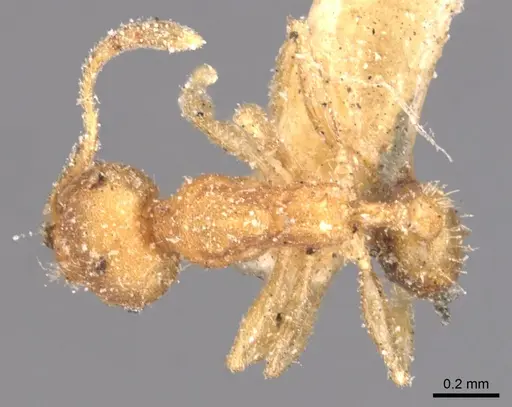
FMNHINS0000078504
View on AntWeb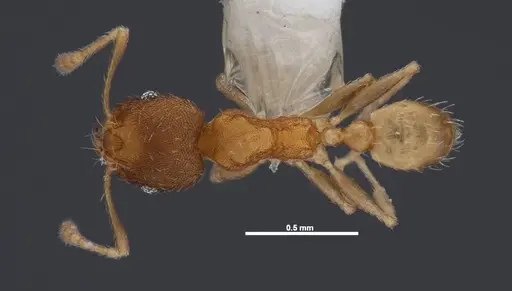
Literature
Loading distribution map...Loading products...