
Pheidole fitarata
- Sci. Name
- Pheidole fitarata
- Tribe
- Attini
- Subfamily
- Myrmicinae
- Author
- Salata & Fisher, 2020
- Distribution
- Found in 1 countries
Introduction
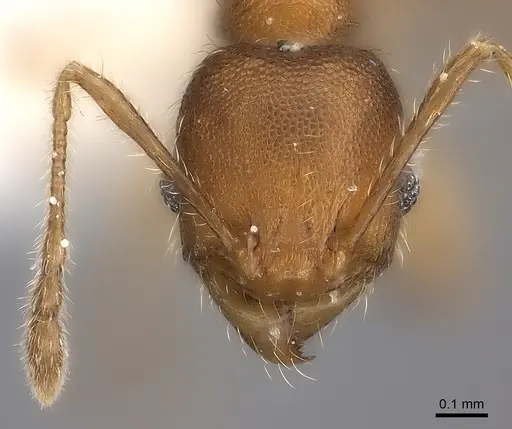
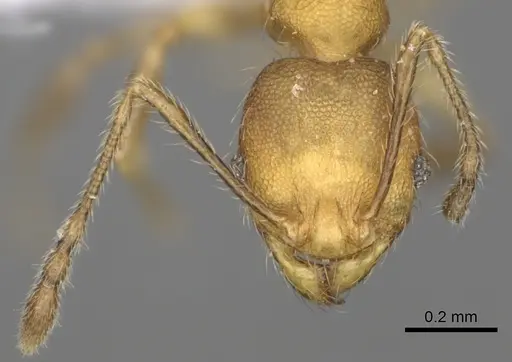
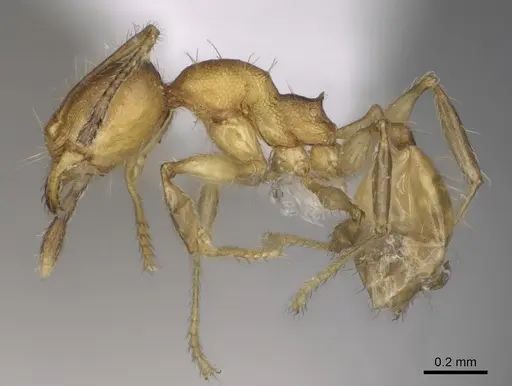
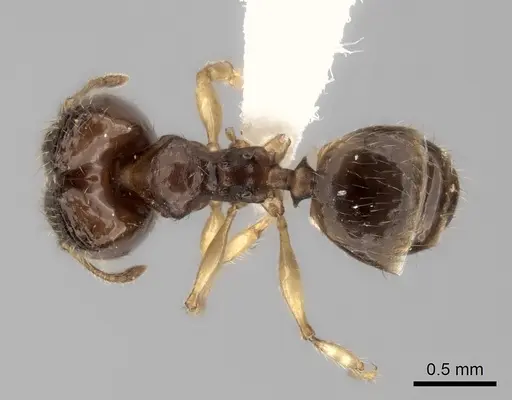
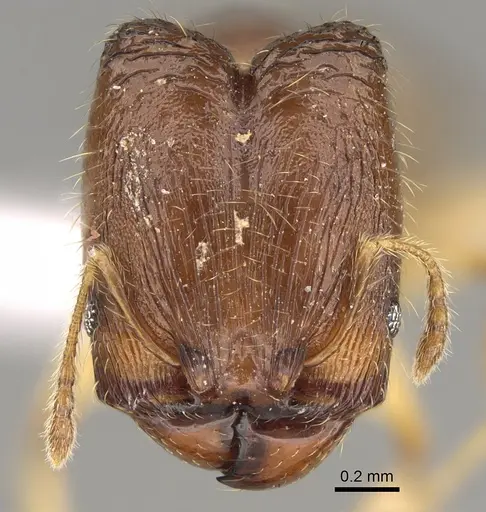
Pheidole fitarata is a small ant species native to Madagascar, described in 2020 . Major workers have enlarged heads with smooth, shiny cheeks, and the species name means 'mirror' in Malagasy . They inhabit rainforest, tropical dry forest, and littoral rainforest from 10 to 780 meters elevation, nesting in rotten logs . This species belongs to the Pheidole makaensis group and exhibits typical caste differentiation with major and minor workers, where majors serve as soldiers and minors handle foraging and brood care .
Quick Summary
- Difficulty: Medium
- Origin & Habitat: Northern Madagascar (Antsiranana region) in rainforest, tropical dry forest, and littoral rainforest at 10-780m elevation. Nests are located in rotten logs [1][2].
- Colony Type: Colony structure is unconfirmed, but based on Pheidole patterns, likely single-queen colonies.
- Size & Growth:
- Queen: Size data unavailable, no total length measurements provided in research. Inferred from Pheidole genus, approximately 8-10 mm.
- Worker: Size data unavailable, research provides head and mesosoma measurements only, not full body length. Inferred to be small, typical for Pheidole species.
- Colony: Unknown for this species.
- Growth: Moderate, inferred from typical Pheidole development patterns.
- Development: Estimated 6-8 weeks at optimal temperature, inferred from related Pheidole species. (Development time is inferred since species-specific research is not available.)
- Antkeeping:
- Temperature: Keep warm, roughly 24-28°C, based on tropical habitat inference [1].
- Humidity: Keep substrate moderately moist, as they nest in rotten logs in humid environments [1].
- Diapause: No, this is a tropical species that does not require hibernation.
- Nesting: Prefer rotten wood nests, in captivity, use Y-tong or plaster nests with moist substrate [1].
- Behavior: Typical Pheidole behavior, majors are defensive and will protect the colony, while minors are active foragers. They are not aggressive towards humans, but majors can bite if threatened. Escape risk is moderate due to small minor workers.
- Common Issues: tropical species may struggle in cool rooms, maintain warmth consistently, newly described species means limited husbandry data, some trial and error expected, major workers may block nest entrances when threatened, do not mistake this for death, small minor workers can escape through standard barrier setups, use fine mesh if needed, rotten log nesting preference means they need moist, organic nest material
Housing and Nest Setup
Pheidole fitarata naturally nests in rotting logs in humid tropical forests [1]. In captivity, provide a moist nest environment that mimics this. Y-tong (AAC) nests work well, the acrylic and plaster construction holds humidity while allowing you to observe the colony. Alternatively, a naturalistic setup with damp rotting wood or cork bark provides a more natural feel. For founding colonies, a standard test tube setup with a water reservoir works fine, just ensure the cotton stays damp but not flooded. The nest area should be dark or semi-dark, as these ants prefer sheltered spaces. An outworld for foraging should be simple with a sugar water station and protein offerings.
Feeding and Diet
Pheidole fitarata is an omnivorous ant typical of the genus. They will accept sugar water, honey, or diluted maple syrup as an energy source. For protein, offer small insects like fruit flies, small crickets, mealworms, or waxworms. In the wild, Pheidole species often harvest seeds, so you might experiment with tiny seeds like chia or flax, though acceptance varies. Feed minor workers small prey items they can handle, major workers will process larger items. Offer protein 2-3 times per week and keep sugar water available constantly. Remove uneaten prey after 24-48 hours to prevent mold. [2]
Temperature and Humidity Management
As a tropical species from Madagascar, P. fitarata needs warmth. Keep the nest area at roughly 24-28°C, based on habitat inference [1]. A small heating cable placed on one side of the nest creates a gentle gradient, place it on top of the nest, not underneath, to avoid evaporating moisture too quickly. Room temperature of 24-26°C is acceptable if your home is naturally warm. For humidity, aim for moderate to high levels, the substrate should feel damp to the touch. Mist the nest occasionally if it dries out, but avoid constant wetness. These ants are from humid rainforest environments, so they will struggle in dry, air-conditioned spaces.
Colony Development and Growth
This is a newly described species (2020), so specific development data is limited. Based on typical Pheidole patterns, expect the queen to lay eggs within a week of mating. The claustral queen will seal herself in a chamber and not forage during founding, she lives entirely on stored fat reserves until her first workers emerge. First workers (nanitics) will be smaller than normal minors. After the nanitics emerge, the colony typically grows steadily. Pheidole colonies can reach several thousand workers over several years. Growth rate is moderate, not as fast as some tropical species but faster than slow-growing Camponotus. Be patient during the founding phase, as disturbing the queen before workers emerge can cause abandonment. [1]
Behavior and Defense
Pheidole fitarata displays typical Pheidole colony behavior. Major workers are larger with enlarged heads, they serve as soldiers and food processors, cracking seeds and defending the colony. Minor workers handle most foraging and brood care. When threatened, majors may block nest entrances with their large heads, this is normal defensive behavior, not a sign of death. They are not particularly aggressive toward humans and rarely sting. The bite is mild due to their small size. Escape prevention should be adequate, minor workers are small so standard fluon barriers work, but check for tiny gaps. These ants are primarily nocturnal or crepuscular foragers in the wild, so they may be most active in the evening hours. [1][2]
Frequently Asked Questions
How long does it take for Pheidole fitarata to produce first workers?
Based on typical Pheidole development, expect first workers (nanitics) in about 6-8 weeks after the queen lays eggs. This timeline assumes optimal temperature around 26°C. The claustral queen seals herself in and raises the first brood alone without foraging.
What do Pheidole fitarata ants eat?
They are omnivorous. Offer sugar water, honey, or maple syrup constantly for energy. For protein, feed small insects like fruit flies, small crickets, or mealworms 2-3 times per week. They may also accept tiny seeds.
What temperature do Pheidole fitarata need?
Keep them warm at roughly 24-28°C. This tropical species from Madagascar does not tolerate cool temperatures well. A heating cable on one side of the nest helps maintain these conditions.
Can I keep multiple queens together?
Not recommended. Pheidole species are typically single-queen (monogyne) colonies. Combining unrelated foundresses has not been documented for this species and would likely result in fighting.
How big do Pheidole fitarata colonies get?
Colony size has not been documented for this specific species, but typical Pheidole colonies reach several hundred to a few thousand workers over several years.
Do they need hibernation?
No. This is a tropical species from Madagascar and does not require diapause or hibernation. Maintain warm temperatures year-round.
What type of nest is best?
They naturally nest in rotting logs, so a Y-tong (AAC) nest or plaster formicarium with moist substrate works well. Test tubes work for founding colonies. Avoid completely dry environments.
Are Pheidole fitarata good for beginners?
They are moderate difficulty. The main challenges are maintaining proper warmth and humidity for a tropical species, and dealing with the limited available husbandry data since this is a newly described species. If you can provide warm, humid conditions, they are manageable.
Why are my major workers blocking the nest entrance?
This is normal defensive behavior, major workers use their enlarged heads to block the nest entrance when they feel threatened. Do not disturb them. They are not dead.
Report an Issue
The current care sheet is based fully on literature. See inconsistencies, or something that's incorrect? Please , it will be resolved after review from an admin. Contributing to the blogs tab also helps providing information, to make us be able to further improve the caresheets. Thank you for your support!
References

This caresheet is licensed under CC BY-SA 4.0 .
Community Blogs
CASENT0235038
View on AntWeb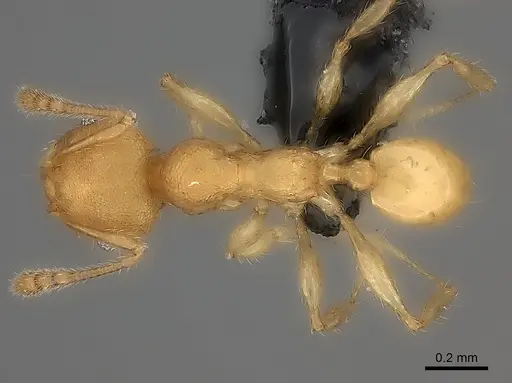
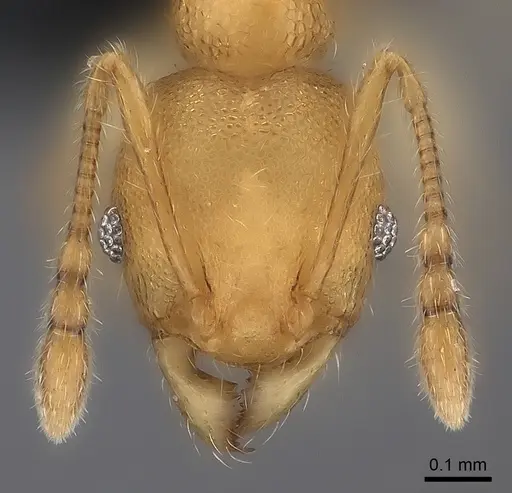
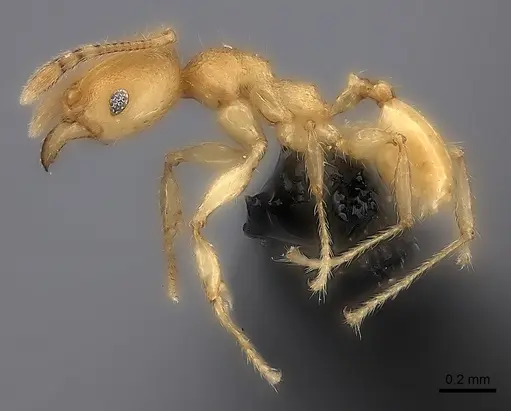
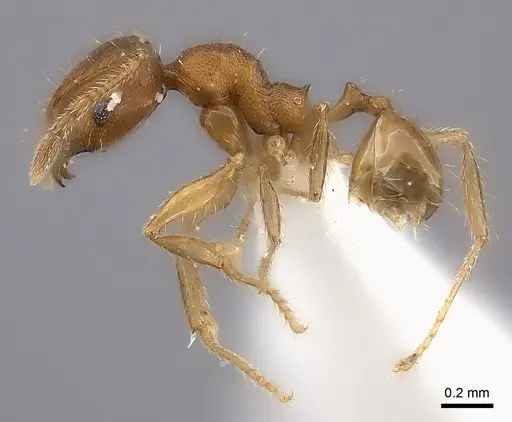
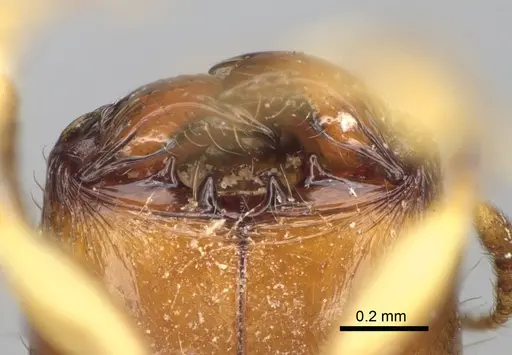
CASENT0406586
View on AntWeb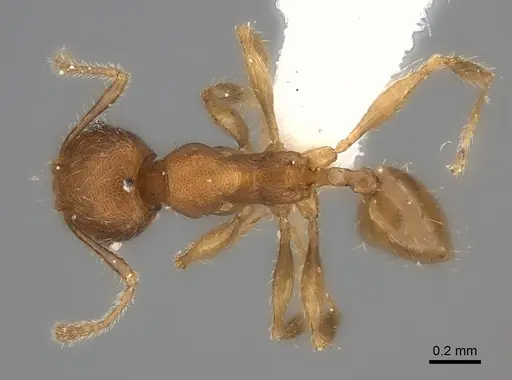
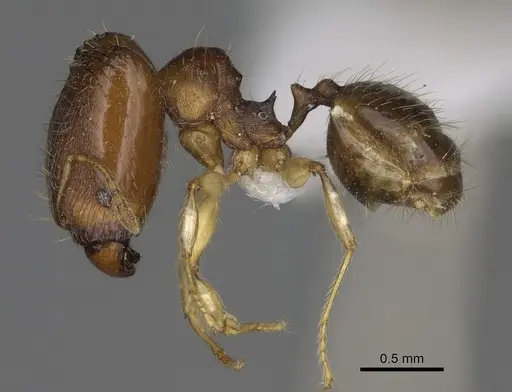
CASENT0420025
View on AntWeb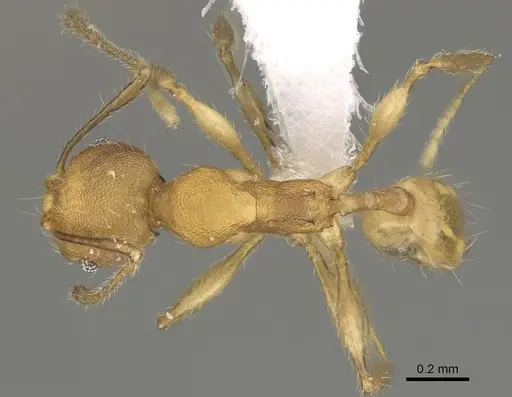
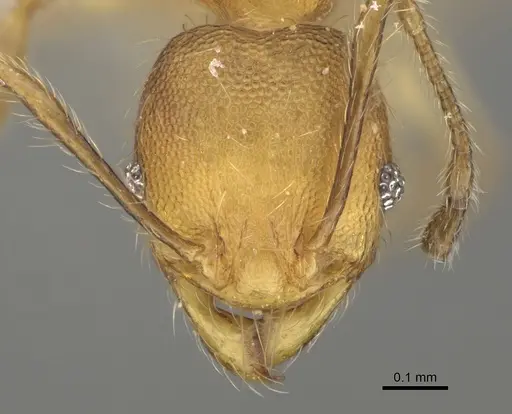
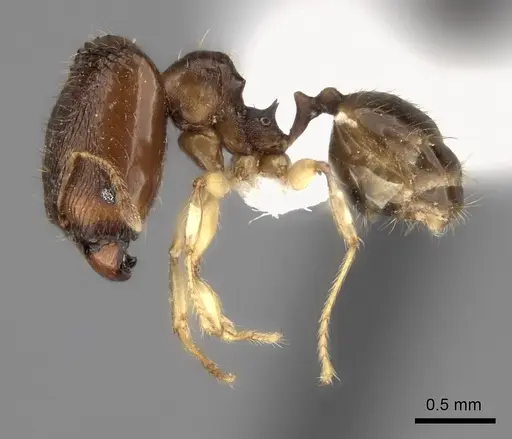
CASENT0420028
View on AntWeb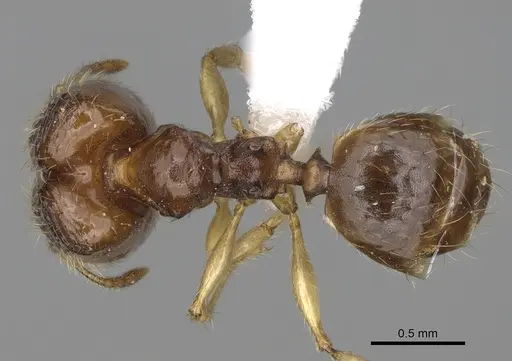
Literature
Loading distribution map...Loading products...