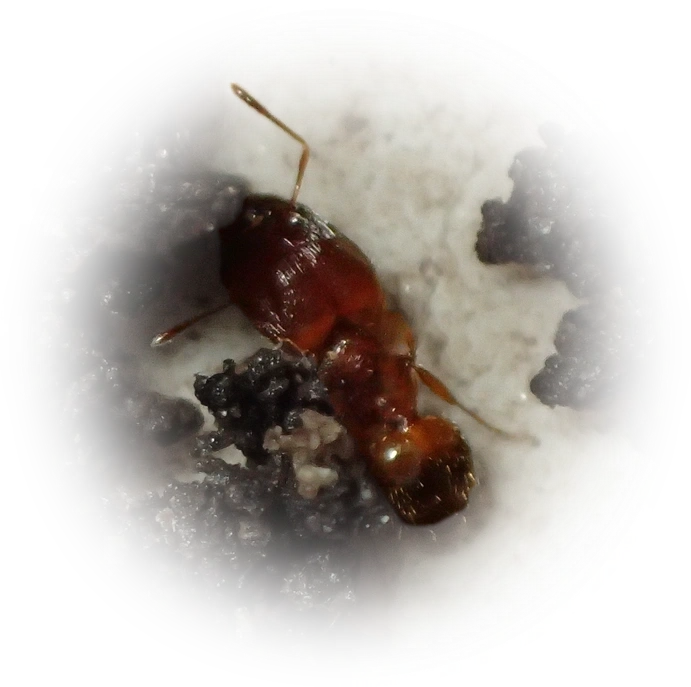
Pheidole fervida
- Sci. Name
- Pheidole fervida
- Tribe
- Attini
- Subfamily
- Myrmicinae
- Author
- Smith, 1874
- Distribution
- Found in 3 countries
Introduction
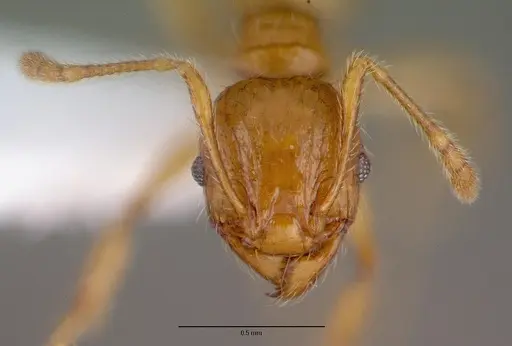
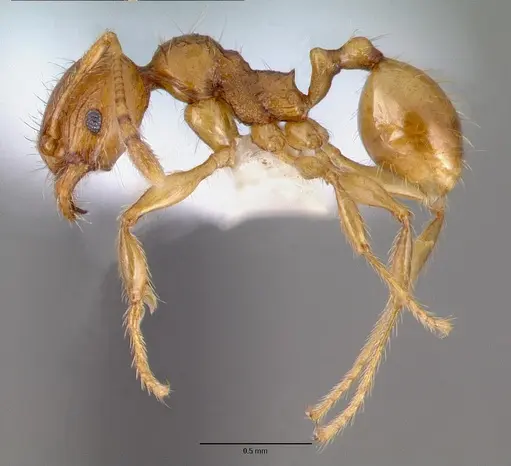
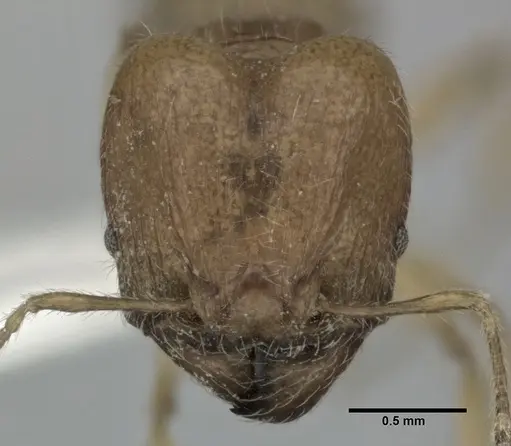
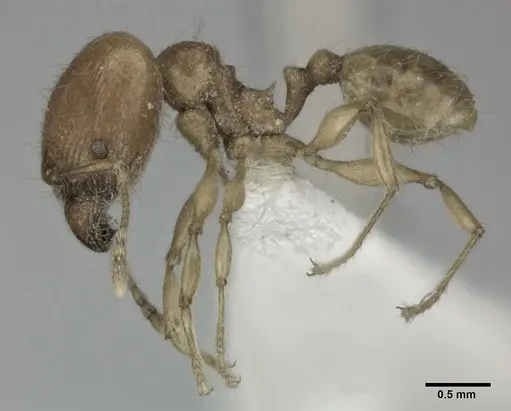
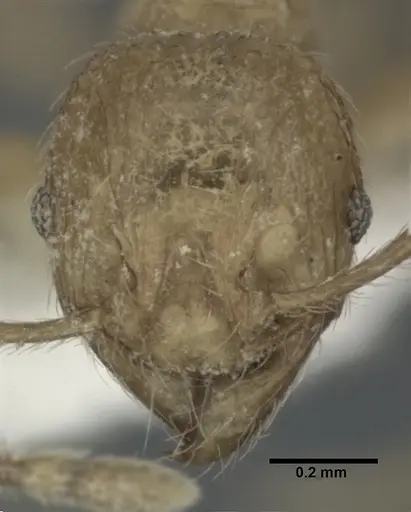
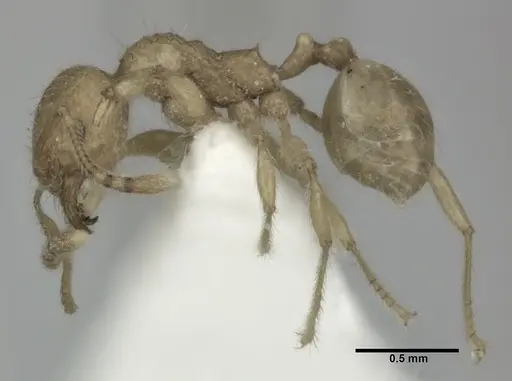
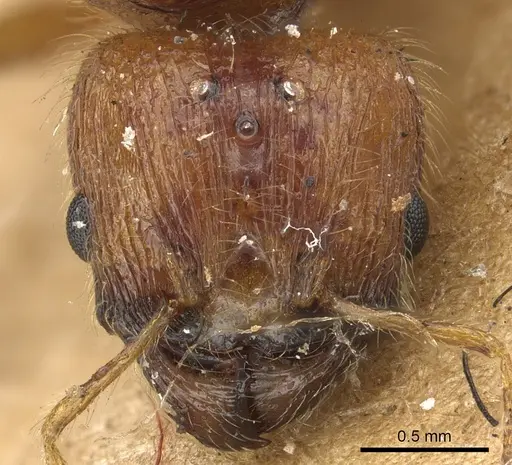
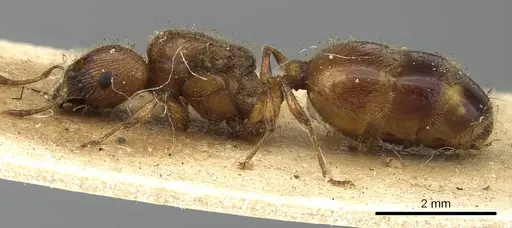
Pheidole fervida is a small, strongly dimorphic ant native to cool-temperate to warm-temperate regions of East and Southeast Asia. Minor workers measure about 2.1-2.3 mm, major workers (soldiers) about 2.6-3.1 mm, and queens about 5.2-6.7 mm . They are reddish-brown with a yellowish-brown gaster and nest primarily in rotting wood, fallen logs, and decaying material on the forest floor, sometimes in soil or among root networks . This species shows ecological flexibility, inhabiting both natural forests and man-made woody habitats like timber plantations. Colonies can grow to around 900 workers on average, with some reaching 1,400 individuals. Workers are aggressive toward foreign ants but are too tiny to effectively displace larger species, resulting in minimal interspecific competition .
Quick Summary
- Difficulty: Expert
- Origin & Habitat: Native to cool-temperate to warm-temperate humid areas in East and Southeast Asia, including Japan (Hokkaido to Osumi Islands), Korean Peninsula, northern Vietnam, and parts of China. Inhabits well-developed natural forests, forest edges, and man-made woody habitats, nesting in rotting logs, wood, soil litter, and among root networks [3][2].
- Colony Type: Based on Pheidole patterns, likely monogyne (single queen colonies), but this is not explicitly confirmed in the research [3].
- Size & Growth:
- Queen: 5.2-6.7 mm [2]
- Worker: Minor workers: ~2.1-2.3 mm, Major workers: ~2.6-3.1 mm [1]
- Colony: Up to 1,400 workers [4]
- Growth: Moderate
- Development: Estimated 6-8 weeks based on typical Pheidole patterns [3] (Development time is inferred from genus patterns, direct measurements not available for this species.)
- Antkeeping:
- Temperature: Keep at 18-24°C, as this is a cool-temperate species [3]. Provide a slight gradient if possible.
- Humidity: Keep substrate moderately moist, with a moisture gradient to allow self-regulation, as they naturally inhabit damp forest floors [3].
- Diapause: Yes, requires winter hibernation due to temperate range. Provide cold period (5-10°C) from roughly November to March [5][3].
- Nesting: Prefers nesting in rotting wood, use Y-tong nests with wood insertions or naturalistic setups with decaying wood. Avoid completely dry conditions [3].
- Behavior: Workers are aggressive toward foreign ants but too small to compete effectively with larger species. They forage on the forest floor and attend root aphids opportunistically. Escape risk is moderate due to small size, use standard barriers. This species is potentially invasive and should not be kept in non-native countries [6].
- Common Issues: colonies may fail if kept too warm, as they prefer cooler temperatures., wild-caught colonies can have Wolbachia infections, monitor health after collection [8]., founding phase can be slow, be patient with new queens., proper winter hibernation is essential for temperate climates., tiny workers may be outcompeted by larger ant species in mixed setups.
Nest Preferences and Housing
Pheidole fervida naturally nests in rotting wood, fallen logs, and decaying material on the forest floor. In captivity, use Y-tong (AAC) nests with wood insertions or naturalistic setups including decaying wood pieces. They also adapt to test tube setups with damp cotton. Maintain moderate humidity with a moisture gradient, as they inhabit damp environments [3]. Avoid dry conditions.
Feeding and Diet
This species is omnivorous. Offer protein sources like small insects (fruit flies, pinhead crickets) 2-3 times per week, and keep sugar water or honey available at all times. They attend root aphids for honeydew in the wild [7]. Remove uneaten prey after 24-48 hours to prevent mold.
Temperature and Seasonal Care
Keep temperatures between 18-24°C, avoiding heat sources that push above 26°C. During winter, provide hibernation at 5-10°C for about 4-5 months, from November to March, based on their temperate range [5][3]. Resume normal care in spring when queens become active.
Behavior and Colony Dynamics
Colonies are likely monogyne but unconfirmed. Workers are aggressive toward foreign ants but too small to displace larger species, resulting in minimal interspecific competition [4]. Nuptial flights occur in September in Japan [5]. Founding behavior is unconfirmed.
Growth and Development
Colony growth is moderate. Queens are 5.2-6.7 mm, minor workers ~2.1-2.3 mm, and major workers ~2.6-3.1 mm [1][2]. Development from egg to worker is estimated at 6-8 weeks based on genus patterns [3]. First workers are nanitics, smaller than normal. Colonies grow steadily over the first year.
Frequently Asked Questions
Is Pheidole fervida good for beginners?
No, this species is recommended for experts due to its potentially invasive status and specific care needs [6]. Beginners should choose easier species.
How long does it take for Pheidole fervida to produce first workers?
Expect first workers around 6-8 weeks after queen lays eggs, based on typical Pheidole development [3]. Timing depends on temperature.
Can I keep multiple queens together?
No data confirms polygyny, likely monogyne based on genus patterns, so multiple queens may fight.
What temperature do Pheidole fervida need?
Keep at 18-24°C, as they are cool-temperate [3]. Avoid temperatures above 26°C.
Do they need hibernation?
Yes, they require winter hibernation at 5-10°C from November to March due to their temperate range [5][3].
What do Pheidole fervida eat?
They are omnivorous: offer small insects for protein and sugar water or honey [7].
How big do colonies get?
Colonies can reach up to 1,400 workers [4].
When do nuptial flights happen?
Nuptial flights occur in September in Japan [5].
What type of nest is best?
Y-tong nests with wood insertions or naturalistic setups with rotting wood [3].
Why are my ants dying?
Common causes: temperatures too high, too dry, improper hibernation, or mold. Wild-caught colonies may have Wolbachia infections [8]. Ensure proper care.
Are they invasive anywhere?
This species is listed as potentially invasive for New Caledonia [6]. Do not keep in non-native countries to prevent ecological damage.
Report an Issue
The current care sheet is based fully on literature. See inconsistencies, or something that's incorrect? Please , it will be resolved after review from an admin. Contributing to the blogs tab also helps providing information, to make us be able to further improve the caresheets. Thank you for your support!
References

This caresheet is licensed under CC BY-SA 4.0 .
Community Blogs
CASENT0008639
View on AntWeb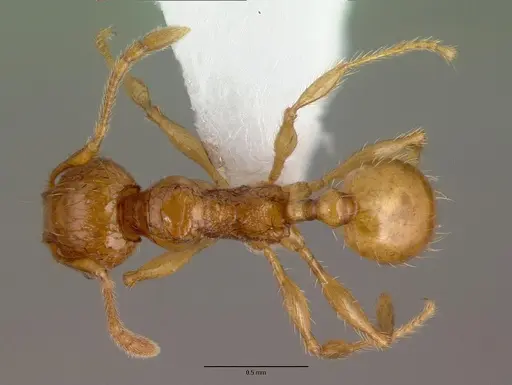
CASENT0246107
View on AntWeb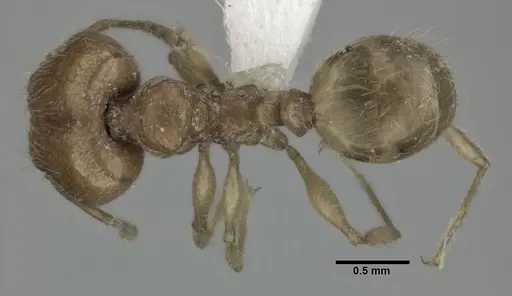
CASENT0246108
View on AntWeb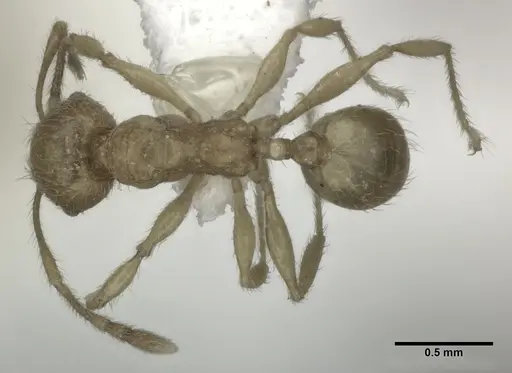
CASENT0901511
View on AntWeb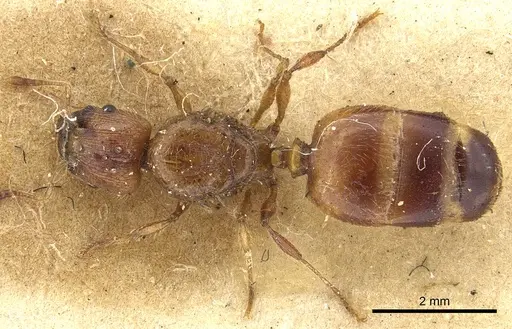
Literature
Loading distribution map...Loading products...